
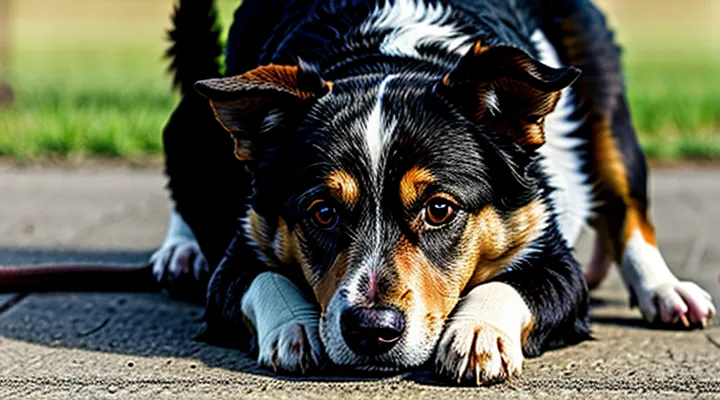
Immediate Actions to Take
Assessing the Situation
Identifying Symptoms of Poisoning
When a dog consumes a poisoned mouse, rapid recognition of toxic signs can be lifesaving. Symptoms appear within minutes to several hours, depending on the toxin type and dose.
- Excessive drooling or foaming at the mouth
- Vomiting, possibly with blood
- Diarrhea, often watery or hemorrhagic
- Weakness, collapse, or inability to stand
- Tremors, seizures, or uncontrolled shaking
- Rapid or irregular heartbeat (tachycardia, arrhythmia)
- Pale or bluish gums indicating poor circulation
- Difficulty breathing, wheezing, or coughing
- Unusual pupil dilation or constriction
- Abnormal behavior such as agitation, confusion, or lethargy
Observe the dog continuously. Note the onset time, progression, and any combination of signs. Immediate veterinary contact is essential; provide details about the suspected poison, the amount ingested, and the observed symptoms. Early intervention with decontamination, antidotes, and supportive care dramatically improves prognosis.
Determining the Type of Rodenticide
When a dog consumes a poisoned rodent, identifying the specific rodenticide is essential for effective treatment. The toxic agent determines the antidote, monitoring protocol, and prognosis, so rapid determination saves valuable time.
First, inspect the carcass and any surrounding material. Look for:
- Packaging remnants, labels, or printed codes on the mouse or nearby debris.
- Distinctive coloration of the bait (e.g., bright red for anticoagulants, orange for bromethalin).
- Unusual odors (e.g., a strong metallic smell may indicate zinc phosphide).
Second, gather information from the owner or property manager:
- Recent pest‑control applications, including product names and dates of use.
- Records of purchased rodenticide, which often list active ingredients.
Third, consult authoritative resources:
- Veterinary poison‑control hotline, providing immediate guidance based on reported ingredients.
- Material safety data sheets (MSDS) for common rodenticides, detailing clinical signs and recommended interventions.
Key rodenticide classes and their identifying features:
-
Anticoagulants (warfarin, bromadiolone, difenacoum).
- Symptoms: prolonged bleeding, bruising, hematuria.
- Laboratory: prolonged PT/INR, reduced clotting factors.
-
Neurotoxins (bromethalin, diphacinone).
- Symptoms: tremors, seizures, ataxia.
- No specific laboratory test; diagnosis relies on clinical presentation and exposure history.
-
Hypercalcemic agents (cholecalciferol).
– Symptoms: vomiting, polyuria, renal failure.
– Laboratory: elevated serum calcium, creatinine. -
Metal phosphides (zinc phosphide).
– Symptoms: respiratory distress, abdominal pain, metabolic acidosis.
– Laboratory: metabolic acidosis, elevated lactate.
After the likely class is identified, inform the veterinarian so that appropriate therapy—vitamin K₁ for anticoagulants, activated charcoal for many toxins, or specific antidotes such as calcium gluconate for hypercalcemia—can be administered promptly. Accurate identification streamlines communication with veterinary professionals and maximizes the chance of a positive outcome.
Contacting Your Veterinarian
Providing Essential Information
When a dog consumes a rodent that has been poisoned, rapid assessment and decisive action are critical. First, remove the animal from the source of exposure and prevent further ingestion. If the poison is known, note the active ingredient, concentration, and amount possibly consumed; this information is essential for veterinary intervention.
Next, contact an emergency veterinary clinic or a poison control center immediately. Provide the dog’s breed, weight, age, and the details of the toxin. Follow the professional’s instructions precisely, which may include inducing emesis only under guidance, administering activated charcoal, or transporting the dog for emergency care.
Monitor the dog closely for signs such as vomiting, diarrhea, lethargy, tremors, seizures, or abnormal breathing. Record the onset time of any symptoms and relay this to the veterinarian, as timing influences treatment choices.
Preventative measures include securing all toxic substances, storing rodent baits out of reach, and supervising outdoor activities. Regularly inspect the environment for hidden hazards and educate household members about the risks associated with poisoned pests.
Following Veterinary Instructions
When a dog swallows a toxic rodent, the veterinarian’s guidance determines the outcome. Follow every directive precisely; deviations can reduce treatment effectiveness or cause additional harm.
- Contact the clinic immediately. Provide the dog’s weight, the time of ingestion, and any known details about the poison.
- Administer medication exactly as prescribed: measure doses with the indicated device, give at the specified intervals, and do not substitute alternatives.
- Follow instructions for inducing vomiting or using activated charcoal only if the vet recommends them; improper use may damage the esophagus or delay absorption of antidotes.
- Keep the dog’s environment calm and restrict access to food or water if instructed, to allow optimal absorption of treatment.
After the initial intervention, continue monitoring as the veterinarian advises. Record symptoms such as vomiting, diarrhea, lethargy, or changes in heart rate, and report any deviations promptly. Schedule the recommended follow‑up examination; the vet may adjust therapy based on lab results or the dog’s response. Adhering to these steps maximizes the chance of a full recovery.
Emergency Veterinary Care
Understanding Treatment Options
Inducing Vomiting (If Recommended by Vet)
If a dog has consumed a mouse that may have been laced with toxin, a veterinarian may advise inducing vomiting to prevent absorption. This measure should be taken only after professional guidance, because certain poisons (e.g., corrosive substances, petroleum products) can cause additional injury when expelled.
When a veterinarian confirms that vomiting is safe, follow these steps precisely:
- Use a 3% hydrogen peroxide solution, not stronger concentrations.
- Measure the dose at 1 ml per pound of body weight, with a maximum of 45 ml.
- Administer the liquid orally using a syringe or a syringe‑type applicator.
- Allow the dog to swallow the dose within a minute; if vomiting does not occur within 10–15 minutes, a second identical dose may be given, but do not exceed two doses total.
- Observe the animal closely; if vomiting begins, keep the dog upright and prevent ingestion of expelled material.
If vomiting does not start after the second dose, contact the veterinarian immediately. Do not attempt alternative emetics, use of syrups, or home remedies without explicit instruction. After successful emesis, monitor the dog for signs of distress, such as lethargy, drooling, tremors, or difficulty breathing, and report any changes to the veterinary professional promptly.
Administering Activated Charcoal
Activated charcoal binds many oral toxins, preventing their passage through the gastrointestinal tract and limiting systemic absorption. When a dog has ingested a poisoned rodent, early administration can reduce the severity of poisoning.
Use activated charcoal only if the toxin is known to be adsorbed by charcoal and if the dog is conscious, able to swallow, and not at risk of vomiting or aspiration. Obtain a veterinary recommendation before dosing; some poisons (e.g., metal phosphides) are not suitable for charcoal treatment.
Steps for administration
- Calculate the dose: 1 g of activated charcoal per kilogram of body weight (maximum 50 g per dose).
- Mix the powder with enough water to form a thick slurry; a 1:5 powder‑to‑water ratio yields a workable consistency.
- Use a syringe or feeding tube to deliver the slurry directly to the back of the throat, ensuring the dog swallows rather than inhales.
- Observe the animal for at least 15 minutes; if vomiting occurs, repeat the dose only under veterinary guidance.
- Record the time of administration and monitor for signs of improvement or deterioration.
Precautions
- Do not give charcoal to dogs with compromised airways, severe gastrointestinal obstruction, or when the toxin is a strong acid, base, or metal salt that charcoal does not bind.
- Administer a safe emetic (e.g., apomorphine) only after veterinary instruction; inappropriate induction of vomiting can increase aspiration risk.
- Follow up with a veterinarian for additional treatments, laboratory testing, and observation, even if the dog appears stable after charcoal administration.
Antidotes and Supportive Care
If a canine consumes a poisoned rodent, immediate veterinary intervention is essential. Antidotal therapy depends on the toxin identified; common agents include:
- Activated charcoal administered orally or via nasogastric tube to bind residual poison.
- Vitamin K₁ (phytonadione) given subcutaneously or intravenously for anticoagulant rodenticides; dosing continues for 7‑10 days.
- Atropine or physostigmine for anticholinesterase compounds such as organophosphates; dosage adjusted to clinical response.
- Specific antivenoms (e.g., for diphtheria toxin) when available; follow manufacturer guidelines.
Supportive care addresses physiological disturbances while antidotes take effect:
- Intravenous crystalloid fluids to maintain perfusion and promote renal excretion.
- Continuous cardiac and respiratory monitoring; oxygen supplementation as needed.
- Anticonvulsant medication (diazepam, levetiracetam) for seizure activity.
- Gastric lavage performed within the first hour after ingestion, only if the dog is stable and the airway protected.
- Correction of electrolyte imbalances and acid–base disturbances based on blood gas analysis.
Laboratory evaluation should include complete blood count, coagulation profile, serum chemistry, and toxin-specific assays when possible. Adjust treatment protocols according to test results and clinical progression. Early, targeted antidote administration combined with vigilant supportive measures maximizes the likelihood of full recovery.
Monitoring Your Dog's Condition
Observing for Worsening Symptoms
If a dog consumes a toxic rodent, immediate observation of clinical changes is critical. Rapid identification of deterioration guides emergency intervention and can prevent irreversible damage.
- Vomiting that persists beyond two episodes or becomes projectile
- Diarrhea with blood or severe mucus
- Excessive drooling, foaming at the mouth, or difficulty swallowing
- Tremors, seizures, or uncontrolled muscle twitching
- Rapid, shallow breathing or noticeable respiratory distress
- Pale or bluish gums, indicating circulatory compromise
- Unusual lethargy, collapse, or inability to stand
- Elevated heart rate exceeding normal range for the dog’s size and breed
If any of these signs appear, contact a veterinarian without delay. Even milder symptoms, such as mild nausea or intermittent coughing, warrant a call if they worsen or persist for more than an hour. Document the time of ingestion, the amount of rodent material observed, and the progression of each symptom. Provide this information to the veterinary team to facilitate accurate assessment and treatment planning. Continuous monitoring until professional advice is received ensures the best chance of a favorable outcome.
Post-Treatment Care
After a veterinarian administers antidotes or decontamination therapy, immediate observation remains critical. Keep the dog in a quiet area where its behavior can be watched continuously for at least the first 12–24 hours. Record any changes in appetite, vomiting, diarrhea, lethargy, or abnormal breathing and report them promptly.
Maintain hydration. Offer small, frequent amounts of water; if the dog refuses, consider electrolyte solutions approved for canine use. In cases of persistent vomiting or diarrhea, the veterinarian may prescribe sub‑cutaneous fluids to prevent dehydration and support renal clearance of toxins.
Administer prescribed medications exactly as directed. Common post‑exposure drugs include activated charcoal, antihistamines, anti‑emetics, and gastrointestinal protectants. Do not alter dosages or skip doses without veterinary approval.
Monitor gastrointestinal function. Expect the dog to pass the mouse or its remnants within 24–48 hours. Inspect stool for unusual color, blood, or undigested material. Persistent diarrhea or constipation warrants a follow‑up call.
Schedule a re‑evaluation appointment. The veterinarian will likely request blood work to assess liver and kidney function, ensuring that toxin exposure has not caused lasting damage. Follow any additional testing or imaging recommendations.
Maintain a toxin‑free environment. Secure all potential sources of poison, including rodent baits and chemicals, to prevent recurrence. Regularly inspect the yard and indoor spaces for hidden hazards.
If any deterioration occurs—severe weakness, seizures, collapse, or uncontrolled bleeding—seek emergency veterinary care without delay.
Preventing Future Incidents
Safe Rodent Control Practices
Using Pet-Safe Alternatives
If a dog ingests a toxic rodent, immediate focus should shift to mitigating the poison’s effects while avoiding further harm from conventional antidotes that may contain hazardous ingredients. Choose interventions that are proven safe for canine physiology and compatible with emergency veterinary care.
- Activated charcoal formulated for pets – binds a wide range of toxins without inducing gastrointestinal irritation.
- Hydroxycobalamin (vitamin B12) injectable – neutralizes certain nerve agents without the risks associated with traditional antidotes.
- Sodium bicarbonate solution – corrects metabolic acidosis caused by some poisons, provided dosage follows veterinary guidelines.
- Intravenous lipid emulsion – sequesters lipophilic toxins, offering a reversible, pet‑specific rescue option.
Consult a veterinarian promptly, present the list of safe agents, and follow the professional dosage schedule. Continuous monitoring of vital signs and blood chemistry remains essential until the toxin is cleared.
Secure Placement of Baits
Secure placement of rodent baits is essential to prevent accidental canine exposure. Baits must be positioned where a dog cannot reach them, even when the animal is motivated by scent.
- Choose sites beyond the perimeter of the dog’s regular activity area.
- Install bait stations that lock automatically after each use.
- Mount stations on poles at least 6 feet high, or embed them in concrete bases.
- Avoid placement near food bowls, water dishes, or pet sleeping areas.
Physical barriers reinforce safety. Use sturdy wire mesh or solid enclosures that resist chewing. Ensure the enclosure’s hinges and latches cannot be manipulated by a dog’s paws or teeth. When outdoor weather is a factor, select weather‑proof containers that maintain bait integrity and prevent spillage.
Environmental assessment reduces risk. Do not place baits under vegetation that a dog could use as cover. Keep stations away from pathways the dog frequently uses, and inspect surrounding terrain for gaps that could allow access.
Routine inspection maintains effectiveness. Check each station weekly for damage, tampering, or bait depletion. Replace compromised units immediately and record the location and condition of every station to track compliance.
By implementing these measures, the likelihood of a dog ingesting a poisoned mouse diminishes dramatically, allowing prompt focus on other emergency response steps if exposure occurs.
Training and Supervision
«Leave It» Command Training
Training the “Leave It” command equips a dog with a reliable response when it encounters dangerous objects, such as a toxic rodent. The command creates a mental pause that can prevent ingestion and buy time for the owner to intervene.
During training, follow a structured progression:
- Introduce the cue: Hold a treat in a closed hand, let the dog sniff, and say “Leave it.” When the dog stops trying to get the treat, reward with a different treat from the other hand.
- Increase difficulty: Place the treat on the floor, cover it with a hand, repeat the cue. Reward only after the dog backs away and looks at you.
- Add movement: Toss a low‑value item a short distance, issue “Leave it,” and praise when the dog refrains from chasing. Gradually raise the item’s value.
- Generalize to real‑world items: Practice with safe objects that resemble a mouse in size and scent. Use the cue consistently and reward compliance.
When a poisoned mouse is discovered, the trained response can be activated immediately:
- Issue the “Leave it” command in a firm, calm voice.
- If the dog obeys, keep the animal away from the object and prevent further contact.
- Contact a veterinarian without delay, providing details about the suspected toxin and the dog’s reaction.
Consistent reinforcement of the cue ensures the dog associates “Leave it” with safety, reducing the risk of accidental poisoning and facilitating swift action if exposure occurs.
Leash Control and Yard Supervision
Leash control and vigilant yard supervision are essential safeguards when a dog might encounter a poisoned mouse. By keeping the animal on a short, secure leash during walks, owners limit the chance of sudden lunges toward unknown objects on the ground. A sturdy, well‑fitted harness reduces the risk of the dog slipping out of the leash, especially when excitement or fear triggers rapid movement.
Regular inspection of the yard prevents hidden hazards. Remove debris, tall grass, and any potential nesting sites where rodents could be hidden. Seal gaps in fencing and ensure gates close tightly; a single opening can allow a poisoned mouse to enter the enclosure. Schedule daily walks around the perimeter to detect and eliminate stray rodents before they become a threat.
Practical steps for immediate implementation:
- Use a 4‑foot leash with a quick‑release knot; replace worn sections promptly.
- Attach the leash to a harness rather than a collar to avoid neck injuries if the dog pulls.
- Conduct a visual sweep of the yard each morning; discard any dead or suspicious rodents.
- Install a mesh barrier at the base of the fence to block small animals from slipping underneath.
- Keep a list of local toxicants and their symptoms readily accessible; recognize signs of poisoning early.
Consistent application of these measures minimizes exposure to toxic rodents and provides a controlled environment where a dog’s instinctual chase behavior does not lead to dangerous ingestion.
Regular Home Inspections
Sealing Entry Points for Rodents
When a dog consumes a poisoned mouse, preventing future incidents begins with eliminating the pathways rodents use to enter the home. Secure entry points reduce the likelihood that a mouse will be present to attract the pet.
- Inspect the exterior for gaps larger than a quarter‑inch. Common locations include around utility pipes, vents, and the foundation.
- Apply steel wool or copper mesh to fill cracks before sealing with caulk or expanding foam. Metal barriers prevent rodents from chewing through.
- Install door sweeps on all exterior doors. Adjust the sweep so it contacts the threshold without hindering door movement.
- Replace damaged weatherstripping on windows and doors. Use silicone‑based sealant to create a continuous barrier.
- Cover vent openings with fine‑mesh screens rated for rodent control. Secure the mesh with stainless‑steel screws.
- Seal gaps around the garage door, especially the bottom seal. Use a high‑density rubber or brush seal to block entry.
- Examine the attic and crawl spaces for openings around chimneys, skylights, and roof vents. Fit metal flashing or hardware cloth to these areas and seal edges with roofing sealant.
- Perform regular maintenance checks. Re‑inspect after extreme weather, renovations, or after any pest‑control treatment.
By systematically sealing these access points, the risk of a mouse entering the living space—and consequently being ingested by a dog—is markedly reduced. This proactive approach complements immediate veterinary care and any necessary decontamination measures.
Eliminating Food Sources for Pests
A dog that has ingested a toxic rodent indicates a breakdown in environmental controls. Removing any attractants that encourage rodents or other pests eliminates the risk of repeat exposure.
First, conduct a thorough inspection of the property. Identify locations where food residues, unsecured garbage, or pet feed are accessible to pests. Seal all entry points, repair cracks, and install screens where necessary.
- Store dry food in airtight containers; keep them off the floor.
- Dispose of waste daily in bins with tight‑fitting lids; clean spills immediately.
- Remove outdoor feeding stations for birds or wildlife that may draw rodents.
- Keep compost piles covered and away from the house.
- Eliminate standing water that can serve as a drinking source.
Second, implement proactive sanitation. Sweep floors, vacuum carpets, and wipe countertops after each meal. Wash pet bowls and water dishes regularly; place them on non‑porous surfaces that can be disinfected.
Third, engage professional pest management. Apply bait stations or traps in concealed areas, following safety guidelines to protect pets. Schedule regular inspections to monitor activity and adjust control measures promptly.
By systematically eradicating food sources, the environment becomes inhospitable to pests, reducing the likelihood that a dog will encounter another poisoned mouse.