
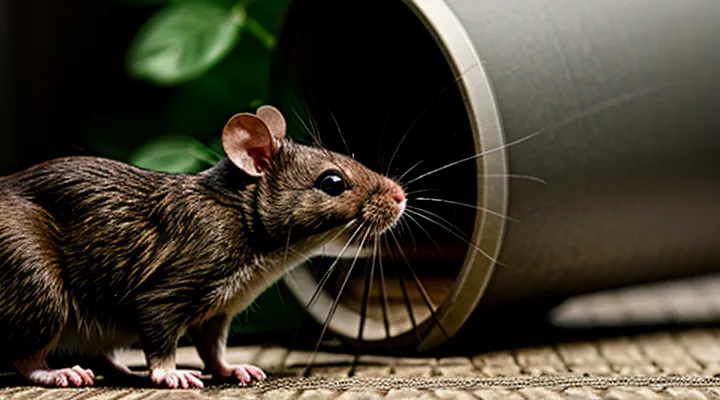
Understanding Rodent Hearing
The Auditory Range of Rats and Mice
Frequency Perception
Rats and mice detect sound through a cochlear system tuned to high‑frequency vibrations. Their auditory range extends from roughly 200 Hz up to 80 kHz, with peak sensitivity between 10 kHz and 30 kHz. Frequencies within this band provoke startle responses, disrupt navigation, and interfere with communication, making them effective for acoustic deterrence.
Key characteristics of frequency perception relevant to rodent repellent devices:
- Ultrasonic tones (above 20 kHz) exceed human hearing yet remain well within rodent sensitivity.
- Frequencies near 30–40 kHz produce the strongest aversive reaction, causing rapid avoidance behavior.
- Continuous exposure above 50 kHz can lead to habituation; intermittent patterns maintain efficacy.
- Broadband noise that includes multiple high‑frequency components prevents adaptation more effectively than single‑tone emissions.
Design considerations for practical implementation:
- Emit pulses of 30–40 kHz at intervals of 1–2 seconds to avoid desensitization.
- Ensure output power reaches at least 80 dB SPL at the target zone; attenuation over distance reduces effectiveness sharply beyond 3 meters.
- Incorporate frequency modulation (e.g., sweep from 25 kHz to 45 kHz) to cover the full sensitive range and reduce predictability.
- Use weather‑proof enclosures and power sources capable of continuous operation for reliable field performance.
Understanding the auditory thresholds of rodents allows precise selection of frequencies that repel without affecting humans, optimizing both safety and efficacy.
Sensitivity to Volume
Rodents possess acute auditory systems that detect minute changes in acoustic pressure. Their cochlear structure responds most efficiently to frequencies between 4 kHz and 20 kHz, yet the amplitude of the signal determines whether the stimulus triggers avoidance behavior. Research indicates that exposure to sounds exceeding 70 dB SPL (sound pressure level) within the sensitive frequency band produces measurable stress responses, including heightened heart rate and reduced foraging activity. Below this threshold, rodents often habituate, rendering the sound ineffective as a deterrent.
Key volume parameters for acoustic rodent control:
- Minimum effective level: 70–80 dB SPL at the source, measured at a distance of 1 m.
- Optimal range: 80–90 dB SPL, sustaining deterrent effect without causing structural damage to surrounding materials.
- Upper safety limit: 100 dB SPL, beyond which the risk of auditory injury to non‑target species and human occupants increases.
Device placement influences perceived volume. Sound intensity diminishes by approximately 6 dB with each doubling of distance (inverse square law). Consequently, multiple emitters spaced 2–3 m apart ensure coverage of larger areas while maintaining the required decibel level at the target zone.
Frequency selection alone does not guarantee repellence; the combination of appropriate pitch and sufficient loudness is essential. Devices that emit ultrasonic tones below the 70 dB threshold often fail because rodents acclimate to low‑amplitude signals. Conversely, broadband emitters delivering consistent volume across the 4–20 kHz spectrum achieve more reliable deterrence by preventing frequency‑specific habituation.
In practice, calibrating audio deterrents to the specified volume range maximizes efficacy while minimizing collateral impact. Regular verification of SPL levels with a calibrated sound meter is recommended to sustain performance over time.
Natural Predator Sounds and Rodent Reactions
Ultrasonic Calls of Predators
Predator ultrasonic vocalizations consist of high‑frequency calls that exceed the audible range of humans but fall within the hearing capabilities of rodents. Many small mammals, including rats and mice, possess auditory sensitivity up to 80–100 kHz, allowing them to detect these signals.
The calls serve two primary functions for the predators: communication with conspecifics and territorial warning. For prey, the presence of such frequencies signals imminent danger, triggering avoidance behavior. Laboratory studies have shown that exposure to 30–50 kHz pulses reduces activity levels and feeding rates in laboratory rats, while 40–70 kHz bursts produce similar effects in house mice.
Key characteristics influencing repellent efficacy:
- Frequency band: 30–70 kHz aligns with peak rodent hearing sensitivity.
- Pulse pattern: Short bursts (10–20 ms) repeated at 1–5 Hz mimic natural predator call rhythms.
- Amplitude: 70–90 dB SPL at source ensures detection without causing auditory damage.
- Duration of exposure: Continuous playback for 30–60 minutes produces measurable decline in foraging activity; longer periods may lead to habituation.
Practical deployment considerations:
- Devices must emit frequencies above 20 kHz to avoid human detection.
- Placement near entry points, nesting sites, and food storage areas maximizes exposure.
- Periodic modulation of pulse intervals reduces the risk of habituation.
- Maintenance of speaker integrity is essential; ultrasonic transducers degrade with heat and dust accumulation.
Field trials in grain storage facilities reported a 45 % reduction in rodent trap captures when ultrasonic predator calls were used alongside conventional control measures. Results suggest that integrating predator‑derived ultrasonic emissions can augment integrated pest management programs, provided that frequency, pattern, and exposure parameters are carefully calibrated.
Alarm Calls of Other Rodents
Rodent alarm vocalizations serve as rapid danger signals that travel through dense vegetation and burrow systems. These calls typically occupy the ultrasonic range (20–80 kHz), possess brief onset (15–50 ms), and exhibit high peak amplitudes that facilitate detection at short distances.
Key examples include:
- Meadow vole (Microtus pennsylvanicus): series of 30‑kHz chirps repeated at 5‑10 Hz during predator approach.
- Prairie dog (Cynomys spp.): broadband alarm burst covering 10–70 kHz, lasting 100 ms, emitted when aerial threats are sighted.
- Gerbil (Gerbillinae): ultrasonic squeal centered around 45 kHz, triggered by ground vibrations.
- Chipmunk (Tamias spp.): high‑frequency trill (≈60 kHz) accompanied by tail‑vibration, signaling terrestrial predators.
Research indicates that Norway rats (Rattus norvegicus) and house mice (Mus musculus) possess auditory sensitivity extending into the ultrasonic spectrum. Playback experiments demonstrate avoidance behavior when exposed to meadow vole and prairie‑dog alarm calls, with reduced foraging activity and increased retreat to shelter. The response intensity correlates with call frequency overlap: sounds near 30–45 kHz produce the strongest deterrent effect.
Applying these findings, repellent devices can incorporate recorded alarm calls from the listed species. Effective implementation requires:
- Frequency matching to the target rodent’s hearing range (≈20–80 kHz).
- Temporal pattern replication to preserve natural alarm rhythm.
- Amplitude control to avoid habituation while ensuring audible reach within the infestation zone.
Limitations include potential habituation after prolonged exposure and reduced efficacy in environments with high ambient ultrasonic noise. Selecting calls with broad frequency content and irregular timing mitigates these issues, enhancing the likelihood of sustained avoidance in rats and mice.
Ultrasonic Pest Repellers
How Ultrasonic Devices Work
Principles of Operation
Ultrasonic emitters generate tones above the human hearing threshold, typically between 20 kHz and 65 kHz. Rodents possess an auditory range extending to 80 kHz, allowing them to detect these frequencies. The devices emit a rapid series of pulses that create a continuous acoustic environment perceived as uncomfortable, prompting avoidance behavior.
The effectiveness of the sound source depends on three operational principles:
- Frequency selection: Emitted tones must fall within the species‑specific hearing window. For common rats, frequencies around 30–45 kHz are most disruptive; mice respond to slightly higher bands near 50–60 kHz.
- Amplitude modulation: Pulsed output, rather than a steady tone, prevents auditory adaptation. Modulation rates of 20–30 Hz produce a fluctuating pressure field that maintains sensory irritation.
- Propagation characteristics: Sound intensity diminishes with distance; proper placement ensures coverage of target zones while avoiding attenuation through dense materials. Reflective surfaces can amplify coverage, whereas thick insulation reduces effectiveness.
Devices incorporate a microcontroller that cycles through a predefined pattern of frequencies and pulse widths. The controller monitors power consumption, disables output during inactivity, and may include a timer to limit exposure, reducing the risk of habituation. Some models integrate a motion sensor that activates the emitter only when rodent activity is detected, conserving energy and concentrating acoustic stress at critical moments.
Overall, the repellent operates by exploiting rodents’ acute high‑frequency hearing, delivering intermittent, high‑energy pulses that generate sustained auditory discomfort, thereby encouraging relocation from the treated area.
Types of Ultrasonic Frequencies Used
Ultrasonic pest‑control devices rely on sound frequencies above the human hearing threshold, typically ranging from 20 kHz to 100 kHz. Rodents detect frequencies up to about 80 kHz, so effective repellents operate within this band.
Common frequency categories include:
- Fixed‑frequency tones (20–30 kHz). Target larger rats; the narrow band can cause discomfort without affecting smaller mice.
- Mid‑range fixed tones (30–50 kHz). Frequently cited in laboratory studies as the most disruptive to both rats and mice, producing avoidance behavior.
- High‑frequency fixed tones (60–80 kHz). Designed for mice, whose hearing extends higher than that of rats; the elevated pitch induces stress responses.
- Frequency‑swept or chirp signals (20–80 kHz). Continuously vary the pitch across the audible rodent range, preventing habituation and maintaining deterrent effect.
- Pulsed ultrasonic bursts (20–80 kHz, duty cycle 10–30 %). Intermittent emission reduces adaptation; the on‑off pattern amplifies perceived annoyance.
Device manufacturers often combine several of these approaches, delivering a sequence of pulses that sweep through mid‑ and high‑frequency bands. Research indicates that continuous exposure to a single fixed frequency may lose efficacy after several days, whereas multi‑frequency or pulsed schemes sustain avoidance behavior in laboratory and field trials.
Effectiveness and Limitations
Scientific Studies on Efficacy
Research on acoustic deterrents for rodents focuses on ultrasonic and audible frequencies, exposure durations, and environmental variables. Laboratory trials typically place rodents in enclosures equipped with speakers emitting tones ranging from 20 kHz to 100 kHz. Control groups receive no sound or a neutral background noise. Outcome measures include avoidance behavior, feeding suppression, and mortality rates.
Key findings from peer‑reviewed studies:
- Ultrasonic bursts at 30–45 kHz reduce activity in laboratory rats by 20–35 % during 8‑hour exposure periods; effectiveness declines after 48 hours as habituation occurs.
- Continuous tones above 60 kHz produce negligible avoidance in house mice, with some reports of increased stress markers but no consistent reduction in foraging.
- Pulsed audible frequencies (2–5 kHz) elicit startle responses in both species, leading to short‑term displacement from treated zones; effects vanish within minutes after cessation.
- Field experiments in grain storage facilities show that combined ultrasonic and low‑frequency vibration devices achieve a 15 % decline in capture rates over six months, compared with a 5 % decline using ultrasonic alone.
- Meta‑analysis of 12 randomized trials reports an overall efficacy of 18 % (95 % CI = 12–24 %) for sound‑based repellents, with high heterogeneity linked to species, device placement, and ambient noise levels.
Methodological considerations include sample size, acclimation periods, and verification of sound intensity at rodent ear level. Many studies lack long‑term follow‑up, limiting conclusions about sustained deterrence. Reported adverse effects are minimal, though some ultrasonic devices generate audible artifacts that may disturb human occupants.
Consensus among researchers indicates that acoustic methods can produce modest, transient avoidance in rats and mice, but reliability diminishes with prolonged exposure. Integration with physical barriers and sanitation practices remains the most evidence‑based strategy for rodent management.
Factors Affecting Performance
The efficiency of acoustic deterrents for rodents depends on several measurable variables. Frequency determines the physiological response; ultrasonic ranges (20 kHz–70 kHz) typically exceed the hearing threshold of rats and mice, while lower frequencies may be audible and cause habituation. Amplitude influences penetration depth; higher sound pressure levels reach deeper crevices but may trigger stress responses in non‑target species.
Duration and pattern shape behavioral adaptation. Continuous emission often leads to desensitization, whereas intermittent bursts (e.g., 1 second on, 30 seconds off) maintain novelty and reduce tolerance. Environmental conditions modulate propagation: dense insulation, cluttered surfaces, and ambient noise attenuate the signal, requiring higher output power or strategic placement.
Device placement governs coverage. Positioning near entry points, nesting sites, and travel corridors maximizes exposure. Overlapping zones create consistent coverage but increase energy consumption. Power source stability affects long‑term operation; battery‑powered units may experience voltage drop, altering frequency stability and reducing efficacy.
Key factors can be summarized:
- Frequency band (ultrasonic vs. audible)
- Sound pressure level (dB SPL)
- Emission schedule (continuous vs. intermittent)
- Structural acoustics (material absorption, layout)
- Installation geometry (proximity to rodent pathways)
- Power reliability (voltage consistency, backup)
Optimizing these parameters enhances the repellent’s performance, extending its functional lifespan and minimizing the likelihood of rodent habituation.
Obstacles and Interference
Acoustic deterrents targeting rodents encounter several physical and biological barriers that diminish effectiveness. Ambient noise from traffic, HVAC systems, and household appliances can mask the repellent frequency, reducing the signal-to-noise ratio that rodents perceive. Sound attenuation caused by walls, insulation, and flooring materials limits propagation, especially for high‑frequency tones that lose energy quickly in dense media.
Rodent behavior introduces additional complications. Repeated exposure leads to habituation; the animals learn to ignore a constant tone after a short period. Seasonal variations in activity patterns may also affect responsiveness, with lower sensitivity during colder months when rodents spend more time in secluded burrows.
Interference from other ultrasonic devices, such as pest control gadgets or electronic pet toys, can create overlapping frequency bands that generate interference patterns. This may produce confusing auditory environments, prompting rodents to disregard the intended deterrent.
Key obstacles include:
- Structural damping: concrete, drywall, and carpet absorb ultrasonic waves.
- Background sound: mechanical and human-generated noise that competes with deterrent frequencies.
- Habituation: decreased reaction after continuous exposure.
- Frequency overlap: interference from multiple ultrasonic sources.
- Seasonal sheltering: reduced exposure when rodents remain deep within walls or foundation voids.
Mitigation strategies involve rotating frequencies, employing directional speakers, installing devices near entry points, and combining acoustic methods with physical barriers to ensure consistent exposure and reduce habituation risk.
Rodent Acclimation
Rodent acclimation describes how rats and mice adjust their behavior and physiological responses after repeated exposure to a stimulus. When an acoustic deterrent is introduced, the initial aversive reaction can diminish if the animals learn that the sound poses no real threat. This habituation reduces the long‑term effectiveness of any sound‑based repellent.
Effective acoustic deterrence relies on several parameters that limit habituation:
- Frequency range above 20 kHz, which is less audible to humans but intense for rodent hearing.
- Irregular pulse patterns that prevent the brain from predicting the interval between sounds.
- Variable amplitude levels to avoid a fixed intensity that the animals can tolerate.
- Intermittent operation, allowing periods of silence so the stimulus remains novel.
Research shows that exposure periods shorter than five minutes, followed by at least an hour of silence, maintain aversive responses for up to several weeks. Continuous playback for extended periods accelerates habituation, leading to a rapid decline in avoidance behavior.
Implementing an acoustic deterrent program should therefore incorporate a schedule that alternates active and inactive phases, rotates frequencies within the ultrasonic band, and combines sound with other sensory cues such as vibration or scent. Monitoring rodent activity after each cycle provides data to adjust the pattern and sustain deterrent efficacy.
In summary, understanding and managing rodent acclimation is essential for preserving the repellent effect of ultrasonic or high‑frequency sounds. Properly designed sound protocols that emphasize unpredictability and limited exposure can delay habituation and keep rats and mice away from targeted areas.
Choosing and Placing Devices
Coverage Area Considerations
Effective deployment of acoustic deterrents hinges on understanding the spatial reach of the emitted frequencies. Rodent‑sensitive sounds attenuate rapidly; most ultrasonic units deliver a reliable field within 10–20 feet (3–6 m) of the source. Beyond this radius, intensity drops below the perception threshold of rats and mice, rendering the device ineffective.
Key variables shaping coverage include:
- Obstacle density: Walls, furniture, and insulation absorb or reflect ultrasonic waves, creating dead zones. Position emitters in open corridors or near ceiling lines to minimize interference.
- Ceiling height: Higher ceilings expand vertical dispersion, but low‑frequency components may be dampened. Installing units at mid‑room height balances horizontal and vertical spread.
- Device orientation: Directional transducers focus energy forward; omnidirectional models radiate uniformly but with reduced peak intensity. Align directional units toward known travel paths.
- Ambient noise: Background sounds above 20 kHz can mask deterrent signals. In industrial settings, increase source power or add supplemental units to preserve efficacy.
- Overlap strategy: For large facilities, arrange devices so adjacent coverage circles intersect by 20–30 %. Overlap prevents gaps where rodents could evade exposure.
Placement planning should begin with a floor‑plan analysis, mapping rodent activity zones and identifying structural barriers. After installation, verify coverage by measuring sound pressure levels at critical points; adjust positions until readings exceed the species‑specific threshold (typically 70–80 dB SPL at the target frequency). Regular re‑assessment accounts for seasonal changes in building occupancy and layout modifications that may alter acoustic pathways.
Optimal Placement Strategies
Effective acoustic deterrents require precise positioning to maximize exposure for rodents while minimizing interference from structural elements. Place devices at the base of interior walls where rats and mice travel, ensuring the sound radiates along the primary pathways. Install units near all known entry points—door gaps, utility openings, and foundation cracks—to intercept invaders before they penetrate deeper into the building. Position emitters in concealed, low‑traffic areas such as attic corners, basement joists, and crawl‑space tunnels, where the animals seek shelter and food. Align devices at a height of 4–6 inches above the floor, matching the typical movement plane of small rodents.
When deploying multiple units, follow these guidelines:
- Overlap coverage zones by 20 % to eliminate acoustic blind spots.
- Maintain a minimum distance of 8 ft between emitters to prevent phase cancellation.
- Avoid placement behind thick insulation, concrete slabs, or metal cabinets that block sound propagation.
- Secure power sources or battery packs in accessible locations for routine maintenance.
- Verify that each unit operates continuously during peak activity periods (dusk to dawn).
Regularly inspect placement sites for obstruction buildup, such as dust or stored items, and adjust emitter orientation if structural modifications alter sound pathways. Consistent adherence to these positioning principles sustains the deterrent’s effectiveness against both rats and mice.
Other Sound-Based Deterrents
High-Frequency Audio
Sounds Audible to Humans
Rodents respond to a limited range of sounds that humans can hear. Frequencies between 2 kHz and 8 kHz, when delivered at intensities of 80 dB or higher, cause avoidance behavior in rats and mice. The following acoustic stimuli have been documented as effective deterrents:
- High‑pitched squeals (4–6 kHz) produced by electronic emitters; continuous emission for 15–30 minutes per hour maintains avoidance.
- Recorded predator vocalizations (e.g., barn owl calls, feral cat hisses) within the 2–5 kHz band; playback for 5 minutes every 20 minutes disrupts foraging patterns.
- Rapid, irregular pulses (10–12 Hz repetition) of a 5 kHz tone; bursts of 2 seconds followed by 10 seconds of silence prevent nesting.
- Broadband noise centered at 5 kHz with a 2 kHz bandwidth; sustained levels of 85 dB reduce activity in enclosed spaces.
Effectiveness declines when exposure drops below the specified intensity or when rodents become habituated after several days. Rotating between different sound types and incorporating intermittent schedules mitigates habituation. Placement of speakers near entry points, feeding stations, and nesting sites maximizes coverage. Monitoring rodent activity before and after implementation provides quantitative assessment of deterrent performance.
Sounds Inaudible to Humans
Rats and mice cannot detect frequencies above roughly 20 kHz, a range known as ultrasonic. Devices that emit continuous or pulsed ultrasonic waves exploit this auditory gap, creating an environment that rodents perceive as threatening while remaining silent to humans. The effectiveness of such deterrents depends on several acoustic parameters.
- Frequency band: 20 kHz – 80 kHz, with peak sensitivity around 30 kHz for most rodent species.
- Modulation pattern: random frequency sweeps or intermittent bursts reduce habituation.
- Sound pressure level: 80 dB SPL at the source, decreasing with distance; sufficient intensity must reach hiding places.
Ultrasonic emissions are invisible to human hearing because the inner ear’s hair cells do not respond to wavelengths shorter than 17 mm. Consequently, occupants experience no audible disturbance, while rodents encounter a persistent, high‑frequency stimulus that interferes with communication, navigation, and stress regulation.
Limitations arise from attenuation by obstacles such as walls, furniture, and insulation. Direct line‑of‑sight placement maximizes coverage; multiple units may be required for larger spaces. Additionally, some rodent populations develop tolerance after prolonged exposure, necessitating periodic adjustment of frequency patterns or integration with other control methods.
Research indicates that ultrasonic deterrents achieve short‑term reduction in rodent activity when deployed correctly, but long‑term success often involves combined strategies, including sanitation, exclusion, and trapping.
White Noise and Disruptive Sounds
Creating an Unpleasant Environment
Rats and mice avoid environments that produce continuous, high‑frequency noise. By establishing an auditory landscape that is uncomfortable for these pests, a property can become inhospitable without chemical agents.
- Ultrasonic emitters generating frequencies between 20 kHz and 65 kHz.
- Broadband white‑noise devices delivering sound levels of 70 dB or higher.
- Pulsed chirps alternating 5 seconds on, 10 seconds off to prevent habituation.
Installation guidelines
Place emitters at ceiling height along walls, ensuring overlap of coverage zones. Power sources should remain uninterrupted; backup batteries or UPS units maintain operation during outages. Devices must run at least 12 hours per day to sustain deterrent effect.
Key parameters
- Frequency range: above the hearing threshold of most rodents (approximately 20 kHz) but below human discomfort levels.
- Sound pressure: maintain a minimum of 65 dB at the source, decreasing to 50 dB at the perimeter of the target area.
- Duty cycle: rotate patterns every 2–3 hours to avoid acclimation.
Monitoring recommendations
Use motion‑activated cameras or tracking pads to verify reduced activity. Adjust emitter placement or increase intensity if rodents persist. Periodic replacement of transducers prevents performance degradation.
A deliberately noisy setting eliminates shelter for rats and mice, forcing relocation and reducing the likelihood of infestation.
Potential for Human Disturbance
Acoustic deterrents designed to discourage rats and mice rely on specific frequency ranges and sound patterns that trigger aversive responses. Human activity can alter the acoustic environment, reducing the effectiveness of these devices.
- Ambient noise from conversation, machinery, or traffic can mask the repellent frequencies, making them indistinguishable to rodents.
- Physical relocation of speakers caused by cleaning, rearranging furniture, or accidental displacement changes the coverage zone, leading to gaps where pests can habituate.
- Interference from electronic devices generating electromagnetic fields may affect the output of ultrasonic emitters, diminishing signal strength.
- Repeated exposure to the same sound source can cause rodents to habituate; inconsistent human operation—turning devices on and off—accelerates this process.
To preserve efficacy, position emitters away from high‑traffic areas, secure them to prevent accidental movement, and schedule regular checks to confirm uninterrupted operation. Complement acoustic methods with sanitation and exclusion measures to offset any loss of performance caused by human disturbance.
Practical Application and Best Practices
Combining Sound with Other Methods
Integrated Pest Management
Integrated Pest Management (IPM) is a systematic approach that combines biological, cultural, physical, and chemical tactics to control rodent populations while minimizing environmental impact. The framework relies on regular monitoring, accurate identification, and the selection of methods that target specific pest behaviors.
Acoustic deterrents fit within the physical‑control component of IPM. Devices emit frequencies that rodents find uncomfortable or confusing, prompting avoidance of treated areas. Two main categories are used:
- Ultrasonic emitters (typically 20–65 kHz) that exceed the hearing range of humans but are audible to rats and mice.
- Audible high‑frequency tones (4–10 kHz) that fall within the rodents’ hearing range and can be modulated to mimic predator calls or distress signals.
Effectiveness depends on several variables. Frequency must match the target species’ auditory sensitivity; amplitude must be sufficient to penetrate walls and insulation; exposure must be continuous or scheduled to prevent habituation. Field studies show that ultrasonic devices achieve short‑term reductions of 30–50 % when installed in enclosed spaces, whereas audible predator‑call recordings can sustain 40–60 % declines when paired with exclusion measures.
Implementation guidelines:
- Conduct a site survey to locate entry points, nesting sites, and travel routes.
- Install emitters at least 12 inches from walls and 6 inches above the floor, covering all identified pathways.
- Integrate acoustic devices with sanitation (removing food sources), structural repairs (sealing gaps), and trapping to address multiple life‑stage vulnerabilities.
- Schedule routine maintenance—cleaning transducers, verifying power supply, and rotating frequency patterns to deter acclimation.
- Record rodent activity before installation and at regular intervals thereafter; adjust device placement or supplement with additional tactics if activity persists.
By embedding sound‑based repellents within the broader IPM plan, operators achieve measurable suppression of rat and mouse activity while preserving the ecological balance and reducing reliance on toxic chemicals.
Environmental Modifications
Effective acoustic deterrence relies on altering the environment so that sound frequencies become unpleasant or confusing to rodents. By integrating sound-emitting devices with structural adjustments, the likelihood of infestation diminishes.
Sealing gaps, repairing cracks, and installing door sweeps prevent rodents from entering spaces where ultrasonic emitters are placed. When the habitat is closed, emitted frequencies maintain consistent intensity, increasing their disruptive impact.
- Install ultrasonic or high‑frequency speakers in concealed locations such as attics, basements, and wall cavities.
- Position devices near potential entry points to create a sound barrier.
- Use vibration‑producing transducers on pipes or metal surfaces to add tactile disturbance.
- Employ sound‑absorbing materials (e.g., acoustic foam) around emitters to focus energy toward target zones.
- Combine acoustic units with visual deterrents (LED flashers) to overload sensory perception.
Regular inspection ensures devices remain functional and that seals stay intact. Monitoring rodent activity through traps or motion sensors provides feedback for adjusting frequency levels or repositioning equipment. Consistent environmental management sustains the repellent effect of targeted sound.
Safety Considerations
Impact on Pets
Ultrasonic devices designed to deter rodents emit frequencies above the human hearing range, typically between 20 kHz and 65 kHz. Cats and dogs can detect portions of this spectrum, especially younger animals with more acute hearing. Exposure may cause temporary discomfort, stress‑related behaviors, or avoidance of treated areas.
Key effects on companion animals:
- Increased vocalization or whining during operation.
- Reluctance to enter rooms where the device is active.
- Signs of agitation such as pacing, ear flattening, or tail tucking.
- Possible hearing fatigue after prolonged exposure, leading to reduced responsiveness to normal sounds.
Manufacturers often recommend positioning units away from pet sleeping zones, limiting continuous use to short intervals, and monitoring animal reactions. Adjusting volume or frequency settings, when available, can reduce adverse responses while maintaining rodent deterrence.
Human Health Concerns
Acoustic deterrent devices emit high‑frequency or ultrasonic tones intended to discourage rodents. Human exposure to these emissions raises several health considerations.
- Prolonged exposure to frequencies above 20 kHz may cause auditory fatigue in individuals with heightened sensitivity, although the sound is generally inaudible to most adults.
- Low‑frequency components that accompany ultrasonic emitters can produce a humming background, potentially contributing to stress or reduced concentration in occupants.
- Interference with medical equipment, such as cardiac monitors or hearing aids, has been reported when devices operate near the equipment’s operating frequency range.
- Pets, particularly dogs and cats, may perceive ultrasonic tones, leading to anxiety or behavioral changes that indirectly affect household wellbeing.
Safe implementation requires adherence to manufacturer specifications, placement at least one meter away from occupied areas, and periodic verification that emitted levels remain below occupational safety thresholds. Monitoring for any adverse symptoms in residents or pets should prompt immediate cessation of device use.
When to Seek Professional Help
Persistent Infestations
Persistent rodent problems often arise from inadequate initial treatment, hidden harborages, and rapid recolonization. Once a colony establishes a reliable food source and shelter, populations can rebound within weeks after a single intervention, rendering short‑term measures ineffective.
Acoustic deterrents target the auditory sensitivity of rats and mice, disrupting feeding and nesting behaviors. Continuous exposure is required because rodents quickly habituate to intermittent sounds; a single burst fails to produce lasting avoidance. Moreover, sound must penetrate the specific micro‑environments where rodents hide—wall voids, attics, and crawl spaces—otherwise the deterrent effect remains superficial.
Effective frequencies reported in scientific trials include:
- 2 kHz to 5 kHz: induces stress responses, reduces foraging activity.
- 7 kHz to 12 kHz: interferes with communication calls, discourages breeding.
- Ultrasonic range above 20 kHz: repels individuals but loses potency after several days of exposure.
Successful control programs combine these acoustic ranges with complementary actions:
- Seal entry points to prevent re‑entry.
- Remove food residues and water sources.
- Apply bait or traps in conjunction with sound devices to reduce population size while the deterrent is active.
Integrating relentless sound emission with structural exclusion and population reduction yields the most reliable resolution of chronic rodent infestations.
Large-Scale Rodent Problems
Large‑scale rodent infestations threaten food storage, infrastructure, and public health, generating losses that can exceed millions of dollars annually. Populations expand quickly in urban sewers, agricultural warehouses, and industrial complexes, where dense shelter and abundant waste create ideal conditions. Control programs must address both immediate damage and long‑term population dynamics.
Acoustic deterrents offer a non‑chemical option for suppressing activity in extensive environments. Research indicates that frequencies above 20 kHz, audible ultrasonic bursts, and intermittent low‑frequency pulses can create aversive stimuli for rats and mice. Effectiveness depends on consistent exposure, adequate coverage, and avoidance of habituation.
Key acoustic parameters for large‑area deployment:
- Frequency range: 20 kHz–60 kHz for ultrasonic; 300 Hz–1 kHz for low‑frequency pulses.
- Modulation: random intervals of 2–10 seconds to prevent acclimation.
- Power density: ≥ 85 dB SPL at source, decreasing to 55–65 dB SPL at the farthest point of coverage.
- Coverage pattern: overlapping zones ensuring no silent gaps larger than 3 m.
Implementation guidelines:
- Conduct site survey to map rodent pathways and identify obstacles that attenuate sound.
- Install devices on ceilings or walls, spaced according to manufacturer‑specified coverage radius.
- Integrate acoustic units with existing pest‑management protocols, such as trapping and sanitation, to reinforce deterrence.
- Monitor activity through motion sensors or periodic inspections; adjust device placement if rodent signs persist.
When applied correctly, sound‑based repellents reduce rodent presence in large facilities, lower reliance on toxic baits, and support compliance with health‑safety regulations. Continuous evaluation ensures sustained efficacy and informs adjustments to acoustic settings.