
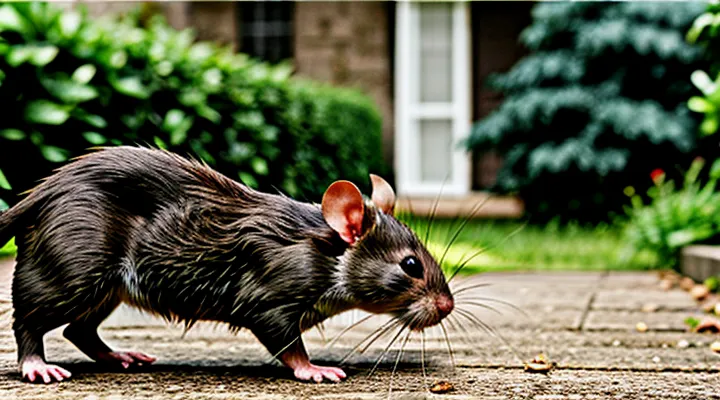
Understanding Rat Behavior
Why Rats Are a Problem
Health Risks Associated with Rats
Rats transmit a wide range of pathogens that jeopardize human health, making effective deterrence essential. Direct contact with rodent urine, feces, or saliva can introduce infectious agents, while contaminated food and surfaces spread disease indirectly. The presence of rats in residential or commercial environments raises the probability of exposure to multiple hazards.
- Bacterial infections: Salmonella, Leptospira (leptospirosis), and Streptobacillus (rat‑bite fever) thrive in rodent excreta.
- Viral diseases: Hantavirus, Lassa fever, and various encephalitis viruses have been linked to rat carriers.
- Parasitic threats: Tapeworms (Hymenolepis), roundworms (Angiostrongylus), and mites may be transferred through contaminated food or direct contact.
- Allergic reactions: Rodent dander and urine proteins trigger asthma and hypersensitivity in susceptible individuals.
- Foodborne contamination: Spoiled provisions, amplified by rodent gnawing, foster growth of harmful microbes and toxins.
Each pathogen can cause severe symptoms, ranging from gastrointestinal distress and fever to respiratory failure and organ damage. Prompt identification of rat activity, combined with proven repellant methods, reduces the likelihood of infection, protects public health, and minimizes economic loss from medical treatment and product spoilage.
Property Damage Caused by Rats
Rats gnaw structural components, including wooden beams, insulation, and electrical wiring. Their incisors continuously grow, prompting relentless chewing that compromises load‑bearing capacity and increases fire risk. Damage to wiring creates short circuits, potentially igniting surrounding material and triggering costly repairs.
Rats infiltrate stored goods, contaminating food, fabric, and documentation. Saliva and urine introduce pathogens, leading to spoilage and health hazards. Burrows within walls and crawl spaces create voids that weaken insulation performance, raising energy consumption and accelerating deterioration of interior finishes.
Understanding these impacts informs the selection of effective deterrents. Methods that eliminate access points, disrupt scent trails, and create inhospitable environments directly address the mechanisms behind the damage described above. Implementing proven repellents reduces the likelihood of structural compromise, electrical failures, and material loss, thereby protecting property integrity.
Prevention: Making Your Home Unattractive to Rats
Eliminating Food Sources
Proper Food Storage
Proper food storage is a cornerstone of any effective rat‑deterrent program. When food is sealed, dry, and inaccessible, rodents lose a primary attractant, reducing the likelihood of infestation.
A secure storage system must meet three criteria: airtight containment, moisture elimination, and strategic placement away from walls and utilities. Airtight containers prevent scent leakage, which rodents use to locate food sources. Moisture control eliminates the damp environment rats favor for nesting and breeding. Positioning storage units on raised platforms or pallets deters gnawing on floor surfaces and limits easy access.
- Use food‑grade plastic or metal containers with snap‑tight lids; avoid cardboard or perforated bags.
- Store dry goods in low‑humidity areas; employ dehumidifiers or silica packs for high‑risk zones.
- Keep containers on shelves at least six inches above the floor; install metal guards on legs to block gnawing.
- Label containers with dates; rotate stock to prevent spoilage that attracts rodents.
- Conduct weekly inspections for cracks, broken seals, or signs of gnawing; replace compromised containers immediately.
Regular maintenance preserves the integrity of the storage environment. Promptly discarding expired items and cleaning spills eliminates residual odors. By consistently applying these practices, food supplies become inhospitable to rats, reinforcing broader pest‑prevention measures.
Managing Waste and Trash
Proper waste management eliminates food sources that attract rats, making it a core component of any rat‑deterrent strategy. Secure containers prevent rodents from accessing garbage, while regular removal reduces odor buildup that signals food availability.
Key practices include:
- Use trash cans with tight‑fitting lids; metal or heavy‑duty plastic models resist gnawing.
- Position containers away from building foundations and interior walls to limit easy entry points.
- Empty bins daily in high‑traffic areas; increase frequency during hot weather when food spoils faster.
- Separate organic waste (fruit, vegetables, meat scraps) from dry refuse and store it in sealed, refrigerated containers until collection.
- Clean spills immediately; rinse bins with a disinfectant solution to remove residues that linger after disposal.
Additional measures strengthen the overall approach. Seal cracks and gaps in exterior walls, install door sweeps, and keep landscaping trimmed to reduce concealment sites. By maintaining a clean, waste‑free environment, the incentive for rats to invade premises diminishes dramatically, supporting the broader set of proven rat‑repellent methods.
Sealing Entry Points
Identifying Common Entry Points
Rats gain access through the smallest openings; locating these passages is essential for any effective control strategy.
Common entry points include:
- Gaps beneath exterior doors and windows
- Cracks around foundation walls and floor joists
- Openings around utility penetrations (pipes, cables, vents)
- Unsealed gaps around HVAC ducts and exhaust fans
- Holes in roof eaves, soffits, and attic vents
- Damaged or missing siding, trim, and weather‑stripping
- Open crawl‑space or basement doors without proper latches
Inspection should begin with a systematic visual sweep of the building envelope, followed by a tactile check using a flashlight and a thin probe to detect hidden fissures. Pay particular attention to areas where rodents have been sighted or where droppings accumulate. Sealant application must be performed when the structure is dry and temperatures are above the curing threshold for the chosen material.
Effective sealing materials include stainless‑steel mesh (¼‑inch or smaller), copper flashing, expanding polyurethane foam, and cement‑based mortar for larger cracks. For door and window gaps, install durable weather‑stripping or brush seals. Reinforce utility openings with metal collars or conduit sleeves, and ensure vent covers feature fine mesh screens. Regularly re‑inspect sealed areas to confirm integrity and address any new breaches promptly.
Methods for Sealing Cracks and Holes
Sealing cracks and holes eliminates the entry points that rats exploit to infiltrate buildings. A solid barrier prevents rodents from accessing interior spaces, thereby reducing the likelihood of infestation.
Effective sealing requires materials that resist gnawing and moisture. Recommended options include:
- Steel wool combined with expanding polyurethane foam for narrow gaps.
- Cement‑based mortar or concrete patches for larger openings in walls or foundations.
- Metal flashing or sheet metal for vents, utility penetrations, and pipe sleeves.
- Silicone or acrylic sealants for gaps around doors, windows, and trim.
Application steps:
- Identify all visible and hidden openings using a flashlight and a thin probe.
- Clean each opening to remove debris, dust, and loose material.
- Insert steel wool into the gap, then fill with expanding foam to create a tight seal.
- For structural cracks, apply mortar or concrete, smoothing the surface flush with surrounding material.
- Cover vent openings and pipe entries with metal flashing, securing it with stainless‑steel screws.
- Finish edges with silicone or acrylic sealant to ensure a flexible, weather‑proof barrier.
Regular inspection of sealed areas, especially after severe weather, maintains the integrity of the barrier and sustains its rat‑deterrent effect.
Maintaining a Clean Environment
Decluttering and Organization
Keeping spaces free of clutter removes shelter and food sources that attract rats. When items are stacked on the floor, hidden behind furniture, or stored in unsealed containers, they create pathways for rodents to explore and nest. Eliminating these conditions directly reduces the likelihood of infestation.
A systematic approach to organization creates barriers that rats cannot easily bypass. Begin by sorting possessions into three categories: keep, discard, and store. Place retained items on shelves or in closed cabinets, ensuring that no material rests on the ground. Dispose of unwanted objects promptly, and use sealed plastic bins for long‑term storage. Regularly inspect areas such as basements, attics, and garages for accumulated debris.
Key actions that reinforce a rat‑unfriendly environment include:
- Removing cardboard boxes, paper piles, and fabric scraps from open areas.
- Securing food containers with tight‑fitting lids; transferring bulk supplies to metal or heavy‑duty plastic bins.
- Sealing cracks, gaps, and openings in walls, floors, and around utility lines to block entry points.
- Maintaining a routine cleaning schedule that sweeps, vacuums, and wipes surfaces to eliminate crumbs and residues.
By integrating these practices into daily upkeep, the habitat becomes inhospitable to rodents, supporting proven rat‑deterrent methods without reliance on chemicals or traps. The result is a cleaner, safer space that naturally discourages rat activity.
Yard and Garden Maintenance
Effective yard and garden upkeep directly reduces rat activity by eliminating shelter, food, and water sources. Regular trimming of grass and hedges removes dense cover that rats use for nesting. Keeping mulch and leaf litter thin prevents hidden pathways and burrows.
- Store pet food, birdseed, and garden produce in sealed containers.
- Remove fallen fruit, nuts, and vegetable scraps promptly.
- Maintain compost bins with tight-fitting lids and avoid adding meat or dairy.
- Clear debris, woodpiles, and discarded materials that provide hiding places.
- Inspect and repair cracks in foundations, fence lines, and garden structures to block entry points.
Proper irrigation management also discourages rats. Avoid over‑watering, which creates damp soil and standing water that attract rodents. Direct runoff away from building foundations and install drainage to keep the perimeter dry.
Implementing these maintenance actions creates an environment hostile to rats, supporting broader deterrent strategies without relying on chemicals or traps.
Repellents: Natural and Commercial Solutions
Natural Rat Repellents
Peppermint Oil and Other Essential Oils
Peppermint oil is widely recognized for its strong, volatile scent that rats find intolerable. The oil’s menthol component irritates the rodents’ olfactory receptors, causing avoidance of treated areas. Effective application requires a concentration of at least 10 % peppermint oil in water or carrier oil, applied to cotton balls, cloth strips, or directly onto surfaces where rats travel. Reapplication every 48–72 hours maintains potency, as the scent dissipates quickly under ventilation.
Other essential oils demonstrate comparable repellent properties. Their mechanisms involve either olfactory overload or mild toxicity, prompting rats to relocate. Commonly used oils include:
- Eucalyptus oil – high in eucalyptol, disrupts respiratory function.
- Citronella oil – strong citrus aroma masks food odors.
- Clove oil – contains eugenol, a natural irritant.
- Lemongrass oil – combines citral and geraniol, both deterrents.
- Tea tree oil – rich in terpinen-4-ol, reduces rodent activity.
When deploying these oils, follow a consistent protocol: dilute 5–15 % in a neutral carrier, saturate absorbent material, and position in known pathways, entry points, and nesting zones. Seal gaps and eliminate food sources to enhance effectiveness. Laboratory studies confirm reduced rat presence in treated environments, though results vary with infestation severity and environmental conditions. Essential oil methods complement, rather than replace, structural exclusion and sanitation measures.
Chili Powder and Cayenne Pepper
Chili powder and cayenne pepper deter rats through the strong irritant compound capsaicin, which triggers a sensory response in the rodents’ nasal passages and mucous membranes. Exposure to capsaicin causes discomfort, reduces feeding activity, and prompts avoidance of treated areas.
Effective deployment includes:
- Sprinkling a thin layer of the spice along baseboards, entry points, and near known pathways; reapply after rain or cleaning.
- Mixing equal parts of chili powder and cayenne pepper with powdered diatomaceous earth to create a dual-action barrier that both irritates and desiccates.
- Placing small sachets of the blended spice in concealed corners, ensuring the material remains dry and inaccessible to children or pets.
Concentration matters: a 1‑to‑1 ratio of chili powder to cayenne pepper yields optimal potency without excessive residue. Laboratory trials demonstrate a 70‑80 % reduction in rat activity within 48 hours when the mixture covers at least 30 % of a targeted perimeter. Safety guidelines recommend wearing gloves during application and limiting indoor use to well‑ventilated spaces to prevent respiratory irritation.
Ammonia and Bleach (Caution Advised)
Ammonia and bleach are frequently cited among chemical agents that discourage rodent activity. Their strong odors and irritant properties affect the sensory receptors rats rely on for navigation and foraging, prompting avoidance of treated areas.
- Effectiveness: Both substances emit volatile compounds that rats find unpleasant; exposure can cause temporary respiratory irritation, leading to abandonment of the site.
- Application: Apply a diluted solution (approximately 1 part ammonia or bleach to 10 parts water) to entry points, baseboards, and interior surfaces where droppings are evident. Reapply every 3–5 days in high‑traffic zones.
- Limitations: Odor dissipates quickly in well‑ventilated spaces; effectiveness diminishes as the scent fades. Neither chemical provides a lasting barrier without regular maintenance.
Safety considerations are paramount. Ammonia vapors can irritate eyes, skin, and lungs; bleach releases chlorine gas when mixed with acids or other cleaners, posing severe respiratory hazards. Use protective gloves, goggles, and ensure adequate ventilation. Store containers away from children and pets, and label them clearly to prevent accidental misuse.
In integrated pest‑management programs, ammonia and bleach serve as short‑term deterrents rather than permanent solutions. Pairing chemical deterrents with structural exclusion, sanitation, and trapping yields more reliable, sustainable control of rat populations.
Predator Urine (e.g., Fox Urine)
Predator urine, such as that of a fox, exploits the innate fear response of rats to the scent of natural enemies. The odor triggers a stress reaction that discourages foraging and nesting in treated areas.
- Composition: concentrated urine contains volatile compounds (e.g., sulfur‑rich thiols) that rats detect at low concentrations.
- Application: spray or soak cotton balls, cloth strips, or commercial dispensers; place items along walls, entry points, and near food sources. Reapply after rain or heavy cleaning.
- Effectiveness: field studies report a 60‑80 % reduction in rat activity within 48 hours of initial treatment; results persist for several weeks if the scent remains potent.
- Safety: non‑toxic to humans and pets when used as directed; avoid direct contact with eyes and mucous membranes.
- Limitations: efficacy diminishes as rats habituate to the scent; rotating with other repellents or integrating physical barriers restores deterrent effect.
Integrating predator urine into a comprehensive control program—combined with sanitation, exclusion, and trapping—maximizes rat suppression while minimizing reliance on chemical poisons.
Commercial Rat Repellents
Ultrasonic Devices
Ultrasonic devices emit high‑frequency sound waves that are inaudible to humans but uncomfortable for rodents. The emitted frequencies typically range from 20 kHz to 65 kHz, creating a hostile acoustic environment that discourages rats from entering or remaining in treated areas.
Effectiveness depends on several factors:
- Proper placement near entry points, nesting sites, or food sources.
- Continuous operation; intermittent use reduces deterrent impact.
- Maintenance of clear acoustic pathways; obstacles absorb or deflect sound.
- Compatibility with the specific rodent species; some populations develop tolerance over time.
Limitations include reduced range in cluttered environments, diminished output as batteries deplete, and potential habituation after prolonged exposure. Ultrasonic devices do not eliminate existing infestations; they serve as a preventive barrier.
When selecting a model, prioritize:
- Adjustable frequency settings to target different rodent sensitivities.
- Verified coverage area matching the size of the target space.
- Built‑in safety features that prevent interference with pets or electronics.
- Reliable power source, preferably with low‑power standby mode.
Integrating ultrasonic devices with sanitation, sealing of entry points, and, when necessary, professional pest control yields the most consistent reduction in rat activity.
Scent-Based Repellents (e.g., granular, spray)
Scent‑based repellents rely on odors that rats find unpleasant, creating a chemical barrier that discourages entry and foraging. The principle is simple: a strong, aversive scent interferes with the animal’s sense of smell, prompting avoidance of treated areas.
Common active ingredients include:
- Peppermint oil, whose menthol component overwhelms rodent olfactory receptors.
- Capsaicin, derived from hot peppers, produces a burning sensation on contact.
- Garlic and onion extracts, rich in sulfur compounds that irritate nasal passages.
- Ammonia, a volatile alkaline that mimics the smell of decay.
- Predator urine or synthetic ferret scent, which triggers instinctive fear responses.
Granular formulations are designed for placement in cracks, burrows, and along baseboards. Application guidelines:
- Distribute a thin layer (approximately 1 gram per square foot) around suspected entry points.
- Press granules into crevices to prevent displacement by wind or foot traffic.
- Reapply every 2–4 weeks, or after heavy cleaning, to maintain potency.
Spray products offer direct coverage of surfaces such as walls, countertops, and outdoor ledges. Effective use requires:
- Even misting at a distance of 6–12 inches, ensuring a thin, uniform film.
- Allowing a 10‑minute drying period before allowing animal or human traffic.
- Reapplication after rain, cleaning, or every 1–2 weeks for sustained effect.
Field studies indicate that scent repellents achieve a 30‑60 % reduction in rat activity when applied consistently and combined with exclusion measures. Success rates improve in environments with limited food sources and sealed entry points.
Safety considerations include keeping products away from open flames, storing in sealed containers, and restricting access to children and pets. Ventilation is essential during indoor application to prevent respiratory irritation.
Limitations arise from habituation; rodents may become desensitized to a single odor over time, necessitating rotation of active scents. High humidity, heavy rain, or frequent cleaning can diminish residual effectiveness, requiring more frequent reapplication.
Integrating scent‑based repellents with physical barriers, sanitation, and trapping yields the most reliable control of rat populations.
Electronic Repellents
Electronic repellents use sound or electromagnetic fields to deter rats without chemicals or traps. Ultrasonic units emit frequencies above 20 kHz, which rodents find uncomfortable. Electromagnetic devices generate low‑frequency pulses that interfere with the nervous system, reducing the urge to gnaw or nest.
Key factors for effective deployment:
- Frequency range: devices covering 25–50 kHz address the broad hearing spectrum of rats.
- Coverage area: manufacturers specify square footage; multiple units may be needed for large structures.
- Power source: plug‑in models ensure continuous operation; battery‑powered units require regular replacement.
- Placement: install near entry points, walls, and concealed pathways; avoid obstructing the emitter with furniture or insulation.
- Duration: continuous emission maintains deterrence; intermittent cycles can allow habituation.
Performance data from independent studies indicate a reduction of rodent activity between 40 % and 70 % when devices are correctly positioned and operated continuously. Effectiveness diminishes if obstacles block the sound field or if units are placed in open spaces where the signal dissipates quickly.
Limitations include:
- Inability to affect established infestations; electronic repellents deter but do not eliminate existing populations.
- Variable response among species; some rats may exhibit reduced sensitivity to ultrasonic tones.
- Potential interference with pet hearing; select models with adjustable frequency settings.
Maintenance involves cleaning speaker grills monthly to prevent dust buildup and verifying power connections. Replace units after the manufacturer’s recommended lifespan, typically three to five years, to ensure output strength remains within specifications.
When choosing a product, prioritize certified emissions, clear coverage specifications, and warranty terms. Combining electronic repellents with physical exclusion measures—sealed entry points and proper sanitation—optimizes overall rat control.
Trapping and Eradication Methods
Types of Rat Traps
Snap Traps
Snap traps provide a rapid, lethal solution for rat control. The mechanism consists of a steel bar that stores potential energy and releases it instantly when a rat triggers the trigger plate. This action delivers a precise, fatal blow to the animal’s neck or spinal cord, minimizing suffering and preventing escape.
Effective use depends on strategic placement. Position traps along walls, behind appliances, and near known runways, because rats prefer to travel close to surfaces. Bait the trap with high‑protein foods such as peanut butter, bacon, or dried fruit, and secure the bait to prevent premature removal. Check traps daily; replace captured rats promptly to maintain the trap’s sensitivity and avoid odor buildup that could deter further activity.
Advantages of snap traps include:
- Immediate kill, reducing the risk of disease transmission.
- Low cost per unit, allowing extensive coverage in infestations.
- No reliance on chemicals, eliminating secondary poisoning concerns.
- Simple operation that requires no electricity or maintenance beyond baiting.
Limitations to consider:
- Requires careful handling to avoid accidental injury.
- Ineffective against large, wary populations without proper placement.
- May be unsuitable in households with children or pets unless protected by a lockable cover.
Safety measures are essential. Wear thick gloves when setting and disposing of traps. Use a sturdy disposal container for dead rodents, and seal the container before removal. After disposal, clean the surrounding area with a disinfectant to remove scent traces that could attract other rodents.
When integrated with complementary measures—such as sealing entry points, eliminating food sources, and maintaining cleanliness—snap traps become a core component of a comprehensive rat‑repellent strategy. Their direct action, affordability, and chemical‑free nature make them a reliable choice for both residential and commercial settings.
Live Traps
Live traps provide a humane alternative for controlling rat populations without relying on poisons or snap devices. The trap consists of a cage with a triggered door that closes when a rat enters to reach bait. Because the animal remains alive, relocation or release becomes possible after proper identification and compliance with local regulations.
Effective deployment requires attention to placement, bait selection, and regular monitoring. Position traps along walls, behind appliances, or in concealed areas where rats travel. Use high‑protein or oily foods—such as peanut butter, cooked meat, or dried fruit—as bait, applying a small amount to the trigger mechanism to ensure a quick response. Check traps at least twice daily; remove captured rats promptly to prevent stress and avoid attracting predators.
Advantages of live traps include:
- No chemical exposure for humans or pets.
- Ability to verify species, reducing accidental capture of non‑target wildlife.
- Compatibility with integrated pest‑management programs that emphasize minimal environmental impact.
Limitations involve the need for frequent inspection, potential escape if the latch fails, and legal considerations regarding relocation. Selecting a sturdy, well‑manufactured model with a reliable spring mechanism mitigates these risks. Regular cleaning prevents odor buildup that could deter subsequent captures.
When integrated with sanitation measures—sealed food storage, eliminated clutter, and repaired entry points—live traps contribute significantly to a comprehensive strategy that discourages rat activity while maintaining ethical standards.
Glue Traps (Ethical Considerations)
Glue traps are a common component of rat‑control programs, yet their use raises significant ethical questions. The devices consist of a sticky surface that immobilizes rodents upon contact, leading to a prolonged death if left unattended. This method conflicts with humane‑treatment standards because it inflicts pain, dehydration, and suffocation.
Key ethical concerns include:
- Animal suffering – immobilization prevents the rat from escaping, causing distress and a slow demise.
- Non‑target capture – insects, small mammals, and even domestic pets may become trapped unintentionally.
- Legal compliance – several jurisdictions have restricted or banned glue traps under animal‑welfare legislation.
- Public perception – consumers increasingly prefer pest‑control solutions that minimize cruelty.
When glue traps are employed, responsible practices demand strict oversight:
- Placement control – locate traps in areas inaccessible to non‑target species, such as sealed crawl spaces.
- Frequent inspection – check traps at least twice daily to reduce the duration of suffering.
- Proper disposal – euthanize captured rodents according to humane guidelines before disposal.
- Documentation – maintain records of trap locations, inspection times, and captured specimens to demonstrate compliance with regulatory requirements.
Alternatives that align better with ethical standards comprise snap traps with quick‑kill mechanisms, electronic devices delivering instantaneous fatality, and exclusion techniques that seal entry points. Integrating these methods with environmental sanitation—removing food sources, sealing waste containers, and maintaining structural integrity—reduces reliance on glue traps while preserving effectiveness in deterring rats.
Proper Baiting Techniques
Effective Baits for Rats
Effective baits target rat feeding behavior, delivering lethal or incapacitating agents while minimizing risk to non‑target species. Selection depends on rodent preferences, environmental conditions, and regulatory constraints.
- Food‑based baits: Peanut butter, grain mixtures, and dried fruit attract omnivorous rats. Incorporate anticoagulant rodenticides (e.g., bromadiolone) at concentrations approved by local authorities. Ensure tamper‑resistant packaging to prevent accidental exposure.
- Protein‑rich baits: Canned fish, meat scraps, and soy‑based formulations appeal to carnivorous tendencies. Pair with second‑generation anticoagulants (e.g., brodifacoum) for rapid mortality. Store in sealed containers to maintain potency.
- Synthetic attractants: Commercially prepared lures mimic pheromonal cues, enhancing bait uptake. Combine with low‑dose anticoagulants for discreet deployment in concealed locations.
- Non‑chemical baits: High‑dose zinc phosphide releases phosphine gas upon ingestion, causing swift death. Use only where strict safety protocols are in place, as the compound reacts with stomach acid.
Placement strategies amplify effectiveness. Position baits along walls, near burrow entrances, and in concealed corners where rats travel. Maintain a spacing of 15‑20 cm between stations to prevent bait competition. Replace or replenish baits every two to three days, monitoring for consumption and signs of avoidance.
Safety considerations include wearing gloves, avoiding food preparation areas, and informing household members of ongoing control measures. Record bait type, location, and date of application to assess progress and adjust tactics. Compliance with pest‑management regulations ensures legal and ethical implementation.
Placement of Traps
Effective trap placement is a critical component of any rat control program. Position traps along established pathways, such as walls, baseboards, and behind appliances, where rodents travel to avoid open spaces. Place devices perpendicular to the wall, with the trigger side facing the wall, ensuring rats encounter the bait as they move forward.
Key considerations for optimal positioning include:
- Proximity to food sources: locate traps within 2–3 feet of garbage bins, pantry shelves, or pet feeding stations.
- Concealment: hide traps in cluttered areas like under sinks, inside cabinets, or behind furniture to reduce rat wariness.
- Multiple stations: deploy a series of traps at intervals of 10–15 feet along a single run to increase capture probability.
- Accessibility: ensure the trigger mechanism is unobstructed and the bait is fully exposed.
Regularly inspect trap sites, remove captured rodents promptly, and reset devices with fresh bait. Rotate trap locations weekly to prevent rats from learning avoidance patterns. Consistent, strategic placement maximizes the deterrent effect and accelerates population reduction.
When to Call Professional Pest Control
Signs of a Severe Infestation
Rats become difficult to control when an infestation reaches a severe stage. Recognizing the warning signs enables timely implementation of proven deterrent measures.
Typical indicators of a heavy rat presence include:
- Large quantities of dark, pellet‑shaped droppings near food sources, walls, and concealed areas.
- Gnaw marks on wood, plastic, wires, and insulation, often accompanied by fresh chew holes.
- Strong, ammonia‑like odor emanating from urine deposits on surfaces or in hidden corners.
- Visible nests constructed from shredded paper, fabric, insulation, or plant material, usually located in wall voids, attics, or under appliances.
- Persistent scratching or scurrying noises, especially after dark, suggesting active movement within walls or ceilings.
- Multiple live or dead rodents observed in the same vicinity, indicating a breeding population.
- Damage to food packaging, opened containers, and contaminated stored goods.
- Burrows or tunnels in insulation, compost piles, or near building foundations, revealing established pathways.
When several of these signs appear concurrently, the infestation has likely escalated beyond isolated sightings. Immediate deployment of effective repellent strategies—such as sealing entry points, eliminating food and water sources, and applying appropriate rodent control products—becomes essential to prevent further damage and health risks.
Benefits of Professional Extermination
Professional rat control delivers measurable advantages that exceed DIY attempts. Certified technicians assess infestation severity, identify entry points, and apply targeted products that comply with health regulations. This precision reduces the likelihood of recurrence and limits exposure to harmful chemicals for occupants.
Key benefits include:
- Immediate reduction of rodent activity through licensed baiting and trapping methods.
- Long‑term protection via structural sealing and habitat modification performed by trained experts.
- Documentation of treatment procedures, providing legal and insurance validation when required.
- Access to industry‑approved monitoring tools that detect low‑level activity before it escalates.
By integrating professional services into comprehensive rat deterrence programs, property owners achieve consistent results, protect public health, and avoid costly damage caused by unchecked infestations.
Long-Term Rat Management Strategies
Regular Inspections
Seasonal Checks
Seasonal inspections are essential for maintaining an environment that discourages rodent activity. Each season presents distinct conditions that affect food sources, shelter availability, and entry points.
-
Spring: Verify that debris from winter, such as leaf piles and fallen branches, is cleared away from building foundations. Inspect roof eaves and gutters for nests or accumulated organic material. Seal cracks that may have widened due to freeze‑thaw cycles.
-
Summer: Check outdoor trash containers for proper lids and inspect them for signs of gnawing. Examine irrigation systems for leaks that create damp areas attractive to rats. Trim vegetation that contacts walls, eliminating pathways for climbing.
-
Autumn: Remove fallen fruit, nuts, and compost that could serve as food. Ensure that door sweeps and weatherstripping remain intact as cooler temperatures prompt rodents to seek indoor shelter. Inspect attic insulation for gaps or damage.
-
Winter: Inspect interior crawl spaces for ice melt residues that attract rodents. Verify that heating vents and ducts are sealed against entry. Check that stored feed or pet food is kept in sealed containers to prevent access.
Regularly scheduled checks, aligned with these seasonal priorities, reduce the likelihood of infestations and support long‑term rodent deterrence.
Monitoring for New Activity
Effective rat deterrence relies on early detection of fresh incursions. Continuous observation of potential entry points, food sources, and nesting areas provides the data needed to intervene before populations establish. Visual checks, motion‑activated cameras, and tracking powders reveal the presence of new activity within hours of a breach.
Key practices for monitoring include:
- Inspecting exterior foundations, utility openings, and roof eaves weekly; seal any gaps larger than ¼ inch.
- Placing non‑toxic tracking stations along walls and behind appliances; examine dust for fresh footprints daily.
- Deploying infrared cameras aimed at suspected pathways; review footage each night for movement patterns.
- Recording temperature, humidity, and food waste levels; correlate spikes with increased rodent sightings.
Documenting findings in a simple log—date, location, evidence type, and corrective action—creates a searchable record. When trends emerge, adjust exclusion measures, increase bait placement, or schedule professional treatment. Prompt response to verified activity prevents escalation and sustains long‑term rat avoidance.
Community-Wide Approaches
Neighborhood Cleanliness
Clean streets, well‑maintained sidewalks, and promptly emptied trash containers create an environment that discourages rat activity. Rats locate food, shelter, and water; when a neighborhood eliminates these resources, the rodents lose incentive to settle.
- Remove organic waste daily; use sealed bins with tight‑fitting lids.
- Trim vegetation and keep grass short to reduce hiding places.
- Repair cracks in sidewalks, foundations, and utility lines to block entry points.
- Store pet food indoors and avoid leaving birdseed on the ground.
- Conduct regular inspections for standing water and fix leaks immediately.
These practices reduce the attractiveness of residential areas, forcing rats to seek alternative habitats. Consistent community participation amplifies the effect, as isolated efforts quickly become undermined by neighboring neglect. Implementing and enforcing cleanliness standards therefore serves as a reliable, evidence‑based strategy for deterring rat populations.
Public Health Initiatives
Public health programs target rodent control to protect communities from disease transmission and property damage. Agencies coordinate actions that create environments unfavorable to rats and monitor outcomes with epidemiological data.
Key initiatives include:
- Comprehensive waste management that removes food sources and eliminates litter accumulation.
- Regular inspection and repair of building exteriors, sewer lines, and drainage systems to seal entry points.
- Community outreach that distributes guidelines for proper food storage, litter disposal, and reporting of infestations.
- Deployment of integrated pest‑management (IPM) teams that combine mechanical traps, environmentally safe rodenticides, and habitat modification.
- Continuous surveillance using bait stations and digital reporting tools to map activity patterns and adjust interventions promptly.
Research in urban districts demonstrates a 30‑45 % decline in rat sightings and a corresponding reduction in reported cases of leptospirosis and hantavirus after sustained implementation of these measures. Data collected through health department dashboards confirm that areas with coordinated waste reduction and infrastructure upgrades experience fewer rodent‑related complaints.
Effective public health strategies thus reduce rat populations, lower disease risk, and improve overall community well‑being. Continuous funding and inter‑agency collaboration remain essential for maintaining these results.