
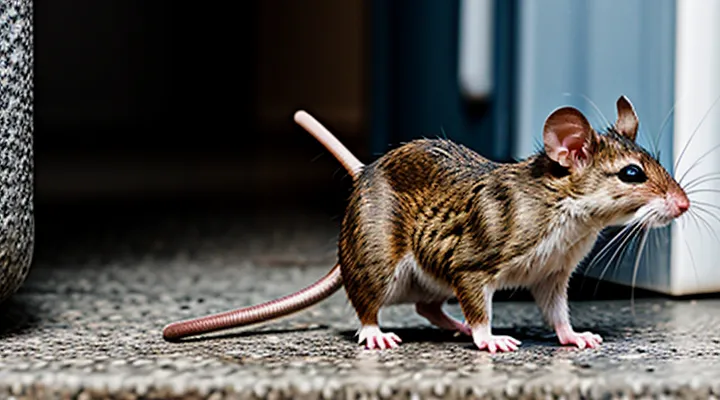
Understanding Rodent Behavior
The Senses of Mice and Rats
Olfactory Preferences and Aversions
Rodents rely on a keen sense of smell to assess their environment, making olfactory cues decisive in food selection, nesting sites, and predator avoidance.
Odors that attract rodents
- Grain‑derived volatiles such as hexanal and pentanal
- Sweet fermentations, notably ethanol and acetic acid
- Meat and fish extracts containing trimethylamine
- Certain fruit aromatics, especially ethyl butyrate
Odors that repel rodents
- Peppermint oil, primarily menthol and menthone, creates a sensory overload
- Eucalyptus oil, rich in eucalyptol, interferes with olfactory receptors
- Citronella, containing citronellal, triggers aversive behavior
- Ammonia solutions, high in NH₃, provoke irritation and avoidance
Effective use of repellent scents requires consistent application, placement near entry points or food sources, and monitoring for habituation. Combining multiple aversive compounds can reduce the likelihood of rodents adapting to a single odor.
Auditory Responses
Auditory cues influence rodent behavior by triggering avoidance or attraction responses. Laboratory studies show that frequencies above 10 kHz, especially in the ultrasonic range (20–50 kHz), produce measurable distress in both mice and rats, leading to reduced activity in treated zones. Continuous exposure to broadband ultrasonic noise disrupts foraging patterns and diminishes nesting attempts.
Effective sound-based deterrents share common characteristics:
- Frequency: 20–30 kHz for rats, 30–50 kHz for mice.
- Modulation: Pulsed or irregular patterns prevent habituation.
- Intensity: 90–110 dB SPL at source, diminishing to safe levels within a few meters.
- Duration: Intermittent cycles of 5–10 minutes, repeated hourly, sustain aversion.
Physiological mechanisms involve activation of the cochlear hair cells and associated neural pathways that signal threat. Elevated auditory stress elevates cortisol levels, suppresses feeding, and promotes escape behavior. Repeated exposure leads to conditioned avoidance, reducing the likelihood of re‑entry into the sound‑emitting area.
Practical implementation includes installing ultrasonic emitters in entry points, storage rooms, and along wall perimeters. Devices should be positioned to create overlapping fields, ensuring no silent gaps. Regular maintenance of power supply and periodic verification of output frequency maintain efficacy and prevent rodent acclimation.
Tactile Sensitivities
Rodents rely heavily on touch to navigate confined spaces, locate food, and assess potential threats. Their whiskers and footpads transmit fine surface details, allowing rapid discrimination between safe routes and hazardous terrain.
Rough, uneven, or sharply textured surfaces trigger discomfort and trigger avoidance behavior. Materials such as coarse sandpaper, densely woven steel wool, and fibrous insulation create irregular contact points that interfere with the rodents’ gait and whisker feedback. Smooth, polished surfaces, by contrast, are readily traversed.
The aversive response originates from mechanoreceptors in the vibrissae and plantar pads. When these receptors encounter abrupt changes in pressure or shear forces, neural circuits generate a startle signal that discourages further movement across the offending area. Repeated exposure reinforces the association between the tactile cue and potential danger, strengthening avoidance.
Practical implementations exploit these sensitivities. Installing barrier strips composed of the following materials reduces rodent ingress:
- 120‑grit sandpaper affixed to entry points
- Stainless‑steel mesh with openings smaller than ½ inch
- Compressed cotton batting layered beneath flooring
- Thick rubberized matting with raised ridges
Combining tactile deterrents with complementary strategies—such as odor repellents or exclusion devices—produces a multifaceted defense that aligns with rodents’ heightened touch perception.
Visual Cues
Visual cues influence rodent avoidance behavior by signaling danger or unsuitable habitat. Bright, contrasting colors such as red or orange are perceived as warning signals, prompting mice and rats to steer clear of treated surfaces. High‑contrast patterns that mimic predator silhouettes—e.g., owl or snake outlines—trigger instinctive flight responses.
Reflective materials disrupt the low‑light environment rodents rely on. Shiny strips or mirrored surfaces create glare that interferes with navigation and heightens perceived exposure. Sudden flashes from LED deterrents generate brief visual disturbances, discouraging foraging in the illuminated zone.
Light intensity also matters. Continuous bright illumination in storage areas reduces rodent activity, while low‑frequency flicker can be unsettling. Ultraviolet light, invisible to humans, can be employed in conjunction with other cues to create an environment that rodents find inhospitable.
Key visual deterrents include:
- Bright warning colors (red, orange, yellow) applied to edges of walls, cabinets, and entry points.
- Predator‑mimic silhouettes placed near potential access routes.
- Reflective tapes or films on surfaces where rodents travel.
- LED flash units delivering intermittent bursts of light.
- Continuous high‑luminosity lighting in otherwise dark zones.
Effective implementation combines several visual elements to reinforce the perception of risk, thereby reducing the likelihood of mouse and rat intrusion.
Rodent Communication and Social Structure
Rodents rely on a complex system of vocalizations, scent marks, and tactile signals to maintain hierarchy, coordinate foraging, and defend territory. Ultrasonic calls convey alarm or dominance status, while pheromone deposits on bedding or food sources identify individuals and signal breeding readiness. These modalities shape group cohesion and dictate movement patterns within colonies.
Social organization determines exposure to deterrents. Dominant individuals often control access to nesting sites, directing subordinates toward peripheral areas where repellent agents are more likely to be encountered. Conversely, subordinate mice may avoid heavily marked zones, reducing contact with treated surfaces. Understanding rank‑based pathways enables targeted placement of aversive substances.
Key communication elements influencing aversion include:
- Ultrasonic alarm calls that trigger rapid dispersal from perceived threats.
- Scent trails that convey contamination, prompting avoidance of chemically treated routes.
- Grooming exchanges that spread detection of foreign odors, reinforcing collective retreat.
Effective control strategies exploit these signals by introducing odors that mimic predator cues or by broadcasting ultrasonic frequencies associated with danger. Aligning repellent deployment with the natural flow of information within rodent groups enhances deterrence while minimizing the need for widespread chemical application.
Natural Repellents and Deterrents
Plant-Based Solutions
Essential Oils and Their Effectiveness
Essential oils provide a non‑chemical option for deterring mice and rats. Their volatile constituents create an environment that rodents find hostile, reducing the likelihood of entry and nesting.
- Peppermint oil – high menthol content, strong aromatic profile; effective at concentrations of 5–10 % in carrier.
- Eucalyptus oil – rich in eucalyptol, produces irritant vapor; useful in spray formulations.
- Citronella oil – contains citronellal and citronellol; repels rodents through pungent scent.
- Clove oil – high eugenol levels; disrupts rodent olfactory receptors.
- Rosemary oil – camphor and rosmarinic acid; creates unpleasant odor for rodents.
The repellent action relies on olfactory overload. Rodents detect the strong scents, experience irritation of nasal passages, and avoid areas where the vapors persist. Laboratory trials report reduced activity by 30–70 % when oils are applied at recommended strengths.
Application methods include:
- Impregnating cotton balls or cloth strips, placing them near entry points and replacing every 3–4 days.
- Diluting oil in water with a mild surfactant, then spraying seams, cracks, and baseboards.
- Using ultrasonic diffusers to maintain a continuous low‑level vapor.
Effectiveness varies with species, environmental humidity, and exposure duration. Repeated use can lead to habituation; rotating oils or combining with physical barriers restores deterrent impact.
Safety guidelines require dilution to 5 % or less for indoor use, avoidance of direct skin contact, and keeping treated materials out of reach of pets and children. Proper ventilation mitigates respiratory irritation for humans.
Herbs and Spices
Certain culinary herbs and spices emit odors or contain compounds that rodents find unpleasant, making them useful tools for discouraging mouse and rat activity.
- Peppermint oil – high menthol concentration irritates nasal passages, prompting avoidance.
- Clove – eugenol acts as a strong sensory repellent, disrupting feeding behavior.
- Cinnamon – cinnamaldehyde produces a pungent scent that interferes with rodent olfactory cues.
- Lavender – linalool creates a floral aroma rodents associate with danger.
- Citronella – citronellal masks food odors, reducing attraction to storage areas.
Apply concentrated extracts or dried material near entry points, along walls, and around food storage. Refresh liquid applications weekly; replace dried herbs every two weeks to maintain potency. Ensure placement does not compromise human health or pet safety; avoid direct contact with food surfaces.
Herbs and spices alone rarely achieve complete eradication. Combine aromatic deterrents with structural exclusion, sanitation, and trapping for sustained rodent control.
Growing Repellent Plants
Plants that emit strong odors, bitter tastes, or irritating compounds can deter rodents from gardens and structures. Species with proven repellent properties include:
- Mint (Mentha spp.) – volatile oils irritate rodent olfactory receptors; vigorous growth requires containment in containers.
- Lavender (Lavandula angustifolia) – aromatic compounds discourage gnawing; prefers well‑drained soil and full sun.
- Marigold (Tagetes erecta) – contains thiophenes that act as natural deterrents; thrives in warm climates.
- Garlic (Allium sativum) – sulfur compounds repel; plant cloves in early spring for year‑round effect.
- Pennyroyal (Mentha pulegium) – high pulegone concentration; use with caution due to toxicity to pets.
Successful cultivation demands strategic placement. Position plants near entry points, foundation cracks, and storage areas where rodents are likely to forage. Combine dense planting with physical barriers such as hardware cloth to limit access to root zones. Maintain healthy growth by providing adequate water, mulch to retain moisture, and regular pruning to prevent flowering that attracts insects, which in turn draw rodents.
Soil preparation influences efficacy. Incorporate organic matter to improve texture, then apply a thin layer of diatomaceous earth around plant bases; the abrasive particles increase discomfort for rodents attempting to cross. Rotate crops annually to avoid soil nutrient depletion and to disrupt rodent foraging patterns.
Integrating repellent flora with complementary measures—sealed food storage, removal of debris, and exclusion of nesting sites—creates a multi‑layered defense. When executed consistently, vegetative deterrents reduce rodent activity without reliance on chemical poisons.
Other Natural Methods
Ultrasonic Devices
Ultrasonic devices emit sound waves above 20 kHz, a range inaudible to humans but detectable by many rodent species. The emitted frequencies typically span 25–65 kHz, calibrated to provoke discomfort without causing permanent hearing damage.
Rodents possess a highly sensitive auditory system; exposure to intense ultrasonic tones triggers a startle response and disrupts normal foraging behavior. The discomfort is transient, prompting individuals to vacate the immediate vicinity.
Empirical assessments reveal variable outcomes. Controlled trials report a reduction of rodent activity by 30–70 % in enclosed environments when devices operate continuously and maintain line‑of‑sight coverage. Field studies in residential settings show modest declines, often accompanied by rapid habituation if the signal remains static.
Limitations include:
- Signal attenuation through walls, furniture, and insulation
- Diminished impact after several days as rodents acclimate
- Reduced efficacy against species with limited ultrasonic hearing (e.g., Norway rats)
- Dependence on proper power supply and uninterrupted operation
Effective deployment requires strategic placement and integration with other control measures. Recommendations:
- Install units at ground level, near entry points, and in open areas free of obstructions.
- Overlap coverage zones to avoid blind spots.
- Rotate frequencies or use models with automatic modulation to delay habituation.
- Combine with exclusion techniques, traps, or sanitation improvements for comprehensive management.
When applied under optimal conditions and supplemented by complementary tactics, ultrasonic devices can contribute to a measurable decline in mouse and rat presence.
Ammonia and Other Household Items
Ammonia creates an acrid odor that rodents find intolerable; the vapour irritates their nasal passages and discourages entry into treated areas. Application of undiluted or lightly diluted ammonia on cotton balls, rags, or directly onto surfaces produces a short‑term barrier, but the scent dissipates within hours, requiring frequent reapplication for sustained effect.
Other common household products can augment ammonia’s deterrent properties:
- Peppermint oil – strong menthol scent; apply a few drops on cloths or cotton balls, replace weekly.
- Vinegar – acidic vapour; spray around entry points, reapply after cleaning.
- Cayenne pepper or hot sauce – capsaicin irritant; sprinkle in cracks or mix with water for a spray.
- Mothballs (naphthalene or paradichlorobenzene) – volatile chemicals; place in sealed containers near suspected pathways, observe safety warnings due to toxicity.
- Garlic powder – sulfur compounds; dust in concealed areas, refresh monthly.
Effectiveness varies with concentration, ventilation, and rodent habituation. Ammonia and the listed items are most reliable for temporary exclusion; persistent infestations demand professional sealing of entry points and, when necessary, certified pest‑control interventions. Safety considerations include avoiding direct skin contact, inhalation hazards, and keeping substances away from children and pets.
Predatory Scents
Predatory scents exploit the innate fear response of rodents to the odor of natural hunters. When a mouse or rat detects chemicals associated with carnivores, its nervous system triggers avoidance behavior, reducing the likelihood of entry into treated areas.
Commonly studied predator-derived compounds include:
- Mink urine – high concentrations of sulfur‑containing metabolites that activate the vomeronasal organ.
- Fox feces – rich in skatole and indole, which produce a strong aversive reaction.
- Coyote scent – a blend of volatile fatty acids and ketones that interferes with foraging cues.
- Ferret secretions – contain phenolic compounds that disrupt rodent olfactory processing.
Synthetic analogs replicate these biological signals without requiring actual animal by‑products. Effective formulations typically combine multiple predator odors to broaden the spectrum of detection and to prevent habituation. Field trials demonstrate a reduction of rodent activity by 40‑70 % when predatory scent dispensers are placed near entry points, food storage, and nesting sites.
Application guidelines recommend dispersing the scent uniformly, maintaining a concentration above the behavioral threshold (approximately 0.5 mg m⁻³ for most species), and replenishing every two weeks to sustain efficacy. Integration with structural exclusion measures maximizes overall control outcomes.
Chemical and Artificial Repellents
Commercial Repellents
Sprays and Granules
Sprays and granules constitute the most common non‑lethal deterrents for mice and rats. Both formats deliver volatile or contact‑active compounds that trigger sensory aversion, reducing the likelihood of entry and nesting.
Active ingredients typically include peppermint oil, capsaicin, ammonia, and synthetic pyrethroids. Peppermint oil and capsaicin act on olfactory receptors, producing an odor or taste that rodents avoid. Ammonia creates an irritating vapour that disrupts normal foraging behavior. Synthetic pyrethroids interfere with nervous system function, causing rapid discomfort without lethal effect.
Efficacy varies by species and environment. Mice, with a higher reliance on scent, show stronger avoidance of peppermint‑based sprays than rats, which are less sensitive to aromatic deterrents but respond to capsaicin and ammonia. Granular applications placed along walls and entry points maintain a persistent barrier, whereas sprays provide short‑term coverage that dissipates within hours.
-
Advantages
- Easy to apply with common household equipment.
- Immediate visual confirmation of coverage.
- Suitable for indoor and outdoor use.
-
Disadvantages
- Limited residual activity; re‑application required.
- Potential odor complaints from occupants.
- Granules may attract non‑target wildlife if not confined.
Effective deployment follows a systematic pattern: identify all possible ingress routes, apply spray directly to cracks, gaps, and interior surfaces, then distribute granules in a thin line at the base of walls and around exterior foundations. Re‑treat after rain or cleaning, and monitor rodent activity weekly to adjust placement.
Baits and Traps (Non-Lethal Approaches)
Non‑lethal baits and traps provide a practical means of discouraging mice and rats while avoiding mortality. They function by exploiting rodents’ sensory preferences and innate aversions, allowing humans to redirect or contain populations without poison.
Bait formulations fall into three categories:
- Taste aversion agents such as bitter extracts or capsaicin, which trigger immediate rejection.
- Repellent scents including peppermint oil, eucalyptus, and ammonia, which create an unpleasant olfactory environment.
- Attractive lures based on grain, nut, or fruit extracts, used to draw rodents toward a capture device away from vulnerable areas.
Live‑capture devices rely on physical design rather than chemical deterrence. Common models include:
- Multi‑catch cage traps with entry funnels that close once an animal passes inside.
- Bucket or pitfall traps employing a ramp leading to a containment chamber.
- Exclusion barriers such as door‑frame seals and mesh screens that prevent entry while allowing airflow.
- Electronic deterrents emitting ultrasonic frequencies that irritate rodents without harming other species.
Effective deployment requires attention to location, timing, and hygiene. Place baits along established runways, near nesting sites, and at points of entry. Rotate bait types every few days to prevent habituation. Maintain a clean environment by sealing food sources, removing clutter, and repairing structural gaps; these actions enhance the attractiveness of traps and reduce alternative food options.
Combining sensory‑based baits with appropriately sized live traps yields the highest success rate. Regular monitoring, prompt release of captured rodents far from the property, and systematic replacement of attractants sustain deterrent pressure while preserving humane standards.
Considerations for Use
Safety for Pets and Humans
Rodent deterrents often contain active ingredients that can affect non‑target species. Many synthetic repellents rely on rodenticides, strong odors, or electrical devices that emit ultrasonic frequencies. These methods may pose ingestion, inhalation, or dermal hazards to dogs, cats, and children if misused. Products labeled as “pet‑safe” typically exclude anticoagulant chemicals and limit volatile compounds to concentrations below established toxicity thresholds.
Natural alternatives, such as peppermint oil, clove oil, or dried botanical blends, present lower toxicity profiles. Concentrated essential oils can still irritate mucous membranes or cause dermatological reactions in sensitive animals; dilution ratios must follow manufacturer specifications. Placement of repellents in inaccessible areas reduces accidental contact while maintaining efficacy against rodents.
Safe implementation requires adherence to three core practices:
- Store all repellents in locked containers, away from animal feeding zones and child‑accessible shelves.
- Apply products according to labeled dosage, avoiding overlap with pet bedding, food bowls, or grooming areas.
- Monitor exposure signs—vomiting, lethargy, excessive scratching—and discontinue use if symptoms arise, then consult a veterinarian or medical professional.
Regulatory agencies classify many rodent deterrents as hazardous when they exceed defined exposure limits. Selecting agents with documented low acute toxicity, verifying third‑party testing, and maintaining proper ventilation during application collectively protect both household members and companion animals while deterring mice and rats.
Environmental Impact
Rodent deterrent methods affect ecosystems through chemical, biological, and physical pathways. Synthetic repellents release volatile compounds that can persist in soil and water, altering microbial communities and potentially disrupting nutrient cycles. Non‑target species, such as beneficial insects and small mammals, may experience reduced foraging success or avoidance behavior when exposed to these chemicals.
Physical barriers—steel mesh, concrete trim, or ultrasonic devices—present minimal chemical intrusion but require material production and disposal. Manufacturing steel and concrete consumes significant energy and generates CO₂ emissions; end‑of‑life waste contributes to landfill volume. Ultrasonic emitters rely on electronic components, whose fabrication involves rare‑earth extraction and hazardous solvents.
Biological approaches, including predator scent applications or the release of natural enemies, influence food‑web dynamics. Introducing predator odors can suppress rodent activity without chemicals, yet may also deter other wildlife that share habitats, leading to altered species interactions.
Key environmental considerations:
- Persistence of active ingredients in soil and water.
- Impact on non‑target organisms and biodiversity.
- Energy and resource intensity of barrier production.
- Waste generation from device disposal.
- Potential shifts in local food webs from biological cues.
Habitat Modification and Prevention
Food Sources and Storage
Securing Pantry Items
Securing pantry items reduces the likelihood that rodents will locate and consume food sources, thereby diminishing their attraction to a home. Proper storage eliminates the scent cues that mice and rats use to identify viable feeding sites, limiting their motivation to explore the kitchen area.
Effective measures include:
- Using airtight containers made of metal or heavy‑wall plastic for all dry goods, grains, and cereals.
- Placing containers on shelves rather than on the floor to prevent easy access.
- Inspecting packages for tears or openings before storage and discarding damaged items.
- Rotating stock so older products are used first, preventing spoilage that emits strong odors.
- Cleaning spills and crumbs immediately, and wiping down shelves with a mild detergent to remove residual food particles.
Implementing these practices creates a barrier that rodents find difficult to breach, encouraging them to seek alternative, less protected environments outside the residence.
Managing Pet Food
Pet food left unsecured creates a reliable food source for mice and rats, undermining any other deterrent measures. Effective control begins with storage. Use airtight containers made of heavy‑gauge plastic or metal; ensure lids seal without gaps. Place containers on a shelf or in a pantry that can be closed each night.
Maintain cleanliness. Sweep crumbs from feeding areas immediately after meals. Wipe down bowls with a damp cloth before refilling. Dispose of leftover food in sealed trash bags and remove waste from the premises at least weekly.
Select feed types that are less appealing to rodents. Dry kibble with low fat and minimal added sugars attracts fewer gnawers than high‑protein or wet formulas. If wet food is necessary, serve only the portion required for the current feeding and discard the remainder promptly.
Implement a feeding schedule. Offer food at consistent times and remove uneaten portions within 30 minutes. This limits the window during which rodents can discover and exploit the resource.
Consider auxiliary measures that complement food management:
- Install metal or reinforced plastic feeders that lock shut after each use.
- Position feeding stations away from walls and corners where rodents travel.
- Use a light‑weight, non‑absorbent mat under bowls to simplify debris collection.
By integrating secure storage, rigorous cleaning, careful product selection, and disciplined feeding routines, pet owners reduce the attractiveness of their households to rodent populations, thereby enhancing the overall effectiveness of repellence strategies.
Entry Points and Sealing
Identifying Vulnerabilities
Identifying weaknesses that allow rodents to persist is essential for effective deterrence. Structural gaps such as cracks around doors, foundation seams, and utility penetrations provide entry points. Food sources, including improperly stored grains, pet feed, and unsecured trash, create strong attraction. Water leaks, condensation, and standing moisture sustain rodents and encourage nesting. Cluttered storage areas, especially cardboard boxes and fabric piles, offer concealment and shelter. Inadequate sanitation, like residue on kitchen surfaces or grease buildup, further increases appeal.
To locate these vulnerabilities, follow a systematic inspection:
- Walk the perimeter and interior, noting any openings larger than a quarter‑inch.
- Examine the exterior for gaps around pipes, vents, and cable entries.
- Check for signs of activity—droppings, gnaw marks, or urine stains—in hidden corners.
- Test for moisture by feeling walls, ceilings, and floors for dampness or by using a moisture meter.
- Review waste management practices; ensure bins are sealed and emptied regularly.
- Evaluate food storage: use airtight containers and keep feeding areas clean.
Addressing each identified flaw reduces the environment’s attractiveness and enhances the efficacy of repellent measures. By eliminating entry routes, removing sustenance, and minimizing shelter, the underlying conditions that draw mice and rats are neutralized, leading to lasting control.
Repairing Gaps and Cracks
Rodents infiltrate buildings primarily through unsealed gaps and cracks in foundations, walls, doors, and utility penetrations. By eliminating these openings, owners remove the most reliable pathways that mice and rats use to enter, thereby reducing the likelihood of infestation.
Common entry points include:
- Foundation seams where concrete meets soil
- Gaps around pipe sleeves and vent stacks
- Openings around door frames and window sills
- Cracks in exterior siding or stucco
- Spaces beneath appliances and cabinets
Effective repair follows a systematic approach:
- Inspect all exterior surfaces for openings larger than a quarter‑inch.
- Clean debris and moisture from each gap to ensure adhesion.
- Apply a suitable sealant—polyurethane caulk for small fissures, expanding foam for larger voids, or cement mortar for structural cracks.
- Reinforce with steel wool or copper mesh where rodents might chew through soft material.
- Verify that doors and windows close tightly; install weather‑stripping if necessary.
Selection of repair materials should consider durability, rodent resistance, and environmental exposure. Polyurethane and silicone sealants resist chewing and weathering, while cement‑based patches provide long‑term structural integrity. Regular maintenance checks, performed quarterly, confirm that repairs remain intact and that no new gaps have formed.
By sealing all potential ingress points with appropriate, robust materials, property owners create a physical barrier that deters mice and rats, complementing other control measures and preserving structural health.
Sanitation and Cleanliness
Waste Management
Effective waste management directly influences rodent deterrence. Accumulated organic refuse releases odors and provides shelter, creating an environment that attracts mice and rats. By eliminating these cues, the likelihood of infestation declines.
- Store garbage in sealed containers with tight-fitting lids.
- Remove food residues from bins before disposal.
- Keep collection areas clean and dry; moisture encourages nesting.
- Schedule regular removal of waste to prevent buildup.
- Position dumpsters away from building foundations and entry points.
Consistent application of these measures reduces the attractiveness of a site, prompting rodents to seek alternative habitats. Proper segregation of compostable material further limits access to high‑energy food sources, reinforcing aversion. Implementing a disciplined waste handling protocol thus serves as a practical component of rodent‑repellent strategies.
Decluttering and Organization
A tidy environment removes shelter and food sources that attract rodents, thereby increasing the effectiveness of any deterrent measures. Reducing clutter eliminates hidden pathways, limits nesting sites, and makes it easier to spot signs of activity.
- Store food in airtight containers; avoid open packages on countertops or shelves.
- Keep countertops, floors, and cabinets free of crumbs, spills, and grease.
- Remove cardboard boxes, paper piles, and fabric scraps that can serve as bedding.
- Organize storage areas so that items are elevated off the floor and against walls, leaving a clear perimeter.
- Dispose of garbage regularly and use sealed bins with tight‑fitting lids.
A systematic approach to organization supports preventive strategies. By labeling containers, grouping similar items, and maintaining a routine cleaning schedule, the space remains inhospitable to mice and rats. Consistent order also simplifies inspection, allowing early detection of droppings or gnaw marks before an infestation establishes.
Factors Influencing Repellent Efficacy
Rodent Species Differences
House Mice
House mice (Mus musculus) thrive in human dwellings where food, shelter, and water are readily available. They prefer warm, cluttered areas near stored grains, crumbs, and pet food, and they can navigate tight spaces to reach these resources.
Effective deterrents fall into three categories:
- Chemical agents: rodenticides containing anticoagulants, bromethalin, or zinc phosphide provide lethal control; non‑lethal repellents such as peppermint oil, ammonia, or commercial ultrasonic devices create sensory discomfort.
- Natural substances: crushed cloves, dried cayenne pepper, and strong vinegar solutions produce odors and tastes that mice avoid.
- Physical barriers: steel‑wool or copper mesh around openings, sealed gaps with silicone caulk, and snap traps positioned along established runways interrupt access and movement.
Mice exhibit aversion to:
- Sharp, pungent scents (e.g., menthol, eucalyptus, citrus oils) that overload olfactory receptors.
- Metallic or plastic surfaces that feel uncomfortable under their feet.
- Bright, continuous light, which exposes them to predators.
Implementing a combination of these measures—sealing entry points, removing food residues, and applying repellent agents—reduces house‑mouse activity more reliably than any single approach.
Norway Rats
Norway rats (Rattus norvegicus) thrive in environments that provide abundant food, shelter, and water. They favor low‑lying, cluttered areas where debris creates nesting sites, and they are attracted to grain, meat scraps, and sugary residues. Moisture sources such as leaky pipes or standing water support their breeding cycles, allowing populations to expand rapidly.
Aversion in Norway rats is triggered by sensory cues that indicate danger or unsuitable habitat. Strong odors, abrasive textures, and sudden vibrations disrupt their foraging behavior. Chemical deterrents that irritate the nasal or oral mucosa reduce entry into treated zones, while tactile barriers prevent movement through narrow passages.
Effective deterrents for Norway rats include:
- Concentrated peppermint oil or eucalyptus oil applied to entry points
- Capsaicin‑based sprays that create a burning sensation on contact
- Ultrasonic devices emitting frequencies above 30 kHz, which are uncomfortable for the rodents
- Stainless‑steel mesh or metal flashing to block gnawing and climbing
- Commercial rodent‑repellent granules containing sulfur or naphthalene, spread around perimeters
Implementing these measures in combination with sanitation—removing food debris, sealing cracks, and eliminating standing water—creates an environment that discourages settlement and foraging by Norway rats.
Roof Rats
Roof rats (Rattus rattus) occupy elevated structures such as attics, eaves, and roof voids. Their slender bodies and long tails enable movement through narrow openings, allowing access to roofs, chimneys, and suspended beams. They favor warm, dry environments where food and water are readily available.
Preferred conditions include:
- Access to stored grains, fruits, nuts, and pet food left in upper‑level cabinets or pantry shelves.
- Presence of insulation or shredded materials that provide concealed nesting sites.
- Ambient temperatures between 20 °C and 30 °C, which support rapid breeding cycles.
- Moisture sources such as leaking pipes, condensation, or standing water in roof gutters.
Factors that discourage roof rats are:
- Metal mesh or steel wool placed in gaps larger than 1/4 in (6 mm); rodents cannot gnaw through these materials.
- Concrete, brick, or cement sealants applied to potential entry points; these create a hard, abrasive barrier.
- Strong predator odors (e.g., fox, coyote, or bobcat urine) applied to entry zones; scent triggers innate avoidance.
- Ultrasonic emitters calibrated to frequencies above 30 kHz; continuous operation disrupts communication and foraging.
- Essential oil blends containing peppermint, eucalyptus, or citronella applied to surfaces; volatile compounds irritate nasal passages.
- Regular removal of food debris and sealing of all containers; eliminates attractants and reduces exploratory activity.
Effective management combines exclusion (physical barriers, sealing) with repellents (chemical or ultrasonic) and sanitation (eliminating food and water sources). Implementing these measures concurrently produces the greatest reduction in roof‑rat activity.
Environmental Conditions
Climate and Weather
Climate and weather conditions shape rodent activity and influence the effectiveness of deterrents. Warm, humid environments accelerate metabolism, increase breeding rates, and encourage foraging, reducing the potency of scent‑based repellents that degrade faster under high moisture. Conversely, cold or dry periods slow movement, limit food availability, and extend the lifespan of chemical barriers, making them more reliable.
Key climatic factors that alter rodent aversion include:
- Temperature extremes: heat intensifies odor volatilization; cold preserves scent concentration.
- Humidity levels: high moisture diminishes solid repellents; low humidity maintains their integrity.
- Precipitation patterns: frequent rain washes away granular deterrents, while drought concentrates food sources near shelters.
- Seasonal daylight variation: longer daylight in summer expands foraging range, increasing contact with repellents; shorter days in winter limit exposure.
Adaptation strategies align with these patterns. In regions with hot, rainy summers, practitioners favor oil‑based or polymer‑encapsulated repellents that resist dissolution. During winter or arid spells, powdered or granulated formulations remain effective without additional protection. Structural measures such as sealing entry points benefit most in climates that promote burrowing during milder seasons.
Understanding the interplay between climate, weather, and rodent behavior enables selection of deterrents that retain efficacy across varying environmental conditions.
Availability of Alternative Resources
Mice and rats continuously evaluate the accessibility of food, water, shelter and nesting materials. When these resources are abundant in the surrounding area, the incentive to explore or remain in a treated zone diminishes, reducing the effectiveness of chemical or sensory deterrents. Conversely, scarcity of alternative supplies heightens the attractiveness of any offered bait or shelter, increasing the likelihood that rodents will encounter and potentially ignore repellents.
Key alternative resources that influence rodent aversion:
- Unsecured food waste (garbage cans, compost piles, pet feed).
- Standing water sources (leaky pipes, puddles, pet water dishes).
- Hidden nesting sites (cluttered storage, insulation gaps, debris piles).
- Access points to exterior structures (cracks, holes, vent openings).
Mitigation strategies focus on eliminating or restricting these resources. Sealing entryways, storing food in airtight containers, promptly cleaning spills, and maintaining dry environments remove the competing incentives that otherwise draw rodents into repellent‑treated zones. By depriving mice and rats of viable alternatives, repellents become more compelling, and the overall deterrence outcome improves.
Adaptability of Rodents
Overcoming Repellents
Effective rodent control demands more than a single deterrent. When initial repellents fail, practitioners should adjust the approach through three essential actions.
-
Identify the stimulus that rodents have become accustomed to. Many species develop tolerance to ultrasonic devices, strong odors, or taste‑based agents after repeated exposure. Conduct a short observation period to confirm which method loses efficacy.
-
Rotate or combine deterrents. Alternate ultrasonic emitters with scent‑based products, or pair mechanical traps with natural repellents such as peppermint oil or crushed red pepper. Switching stimuli prevents habituation and sustains aversive pressure.
-
Optimize environmental conditions. Seal entry points, eliminate food residues, and maintain low humidity. Even the most potent repellent loses impact in cluttered, moisture‑rich settings where shelter and nourishment persist.
If tolerance persists, replace the current product with a formulation that uses a different active ingredient. For example, substitute a synthetic predator scent for a botanical oil, or employ a granular bait containing a novel anticoagulant. Continuous monitoring after each change ensures that the new strategy restores deterrent effectiveness.
In summary, overcoming diminished repellent performance relies on systematic assessment, strategic variation, and rigorous habitat management. These steps preserve the integrity of any rodent‑deterrent program.
Learned Avoidance
Learned avoidance refers to the process by which rodents modify their behavior after experiencing negative outcomes associated with specific stimuli. When a mouse or rat encounters an unpleasant sensation—such as a bitter taste, a sharp odor, or a mild electric shock—it forms a memory linking that stimulus to discomfort. Subsequent exposure triggers a rapid decision to bypass the source, reducing the likelihood of repeat encounters.
Key mechanisms underlying this behavior include:
- Classical conditioning: pairing a neutral cue (e.g., a new type of bait) with an aversive event (e.g., nausea) creates a predictive association.
- Operant conditioning: actions that result in punishment (e.g., entering a trap) are suppressed, while safe alternatives are reinforced.
- Social transmission: individuals observe conspecifics reacting negatively to a stimulus and adopt similar avoidance patterns without direct experience.
Practical implications for rodent deterrence rely on exploiting these learning processes:
- Rotate repellent agents to prevent habituation; repeated use of the same scent or taste diminishes effectiveness as rodents recognize its harmlessness.
- Combine sensory cues (olfactory, gustatory, tactile) with a brief aversive stimulus to establish robust avoidance memories.
- Deploy “training” stations where non-lethal deterrents deliver mild discomfort, allowing rodents to associate specific locations or materials with negative outcomes before they encounter permanent barriers.
Effective repellent strategies therefore integrate learned avoidance by delivering consistent, memorable negative feedback, ensuring that rodents develop lasting preferences for safe routes and materials while rejecting those associated with discomfort.