
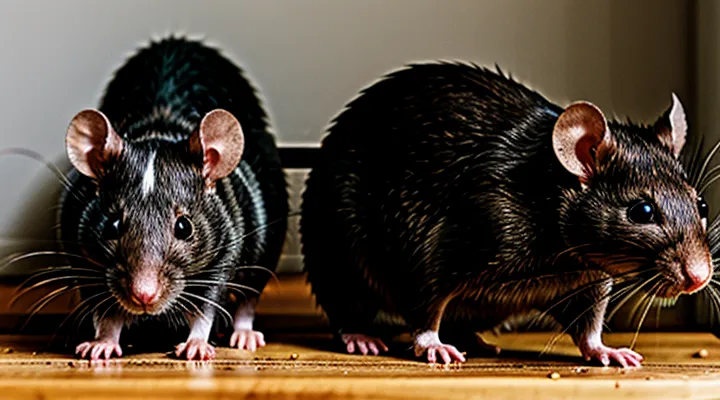
Understanding Rat Dietary Needs
Essential Nutritional Components for Rats
Rats require a balanced intake of several nutrient groups to maintain health, support growth, and sustain reproductive performance.
- Protein – provides amino acids for tissue repair, enzyme production, and immune function. Sources suitable for rodents include cooked eggs, lean poultry, tofu, and high‑quality commercial rat pellets that list protein content above 14 %.
- Fats – supply essential fatty acids and concentrated energy. Small amounts of unsaturated oils (e.g., olive or sunflower), nuts, and seeds meet this need without risking obesity.
- Carbohydrates – deliver quick energy and aid digestive motility. Whole grains such as oats, barley, and brown rice, as well as fresh vegetables, fulfill carbohydrate requirements while adding fiber.
- Fiber – promotes gut health, prevents constipation, and encourages natural foraging behavior. Leafy greens, carrots, and small portions of bran are effective fiber sources.
- Vitamins – support vision, bone development, and metabolic processes. Vitamin A (found in carrots and sweet potatoes), vitamin D (synthesized from sunlight exposure, supplemented in fortified feeds), and the B‑complex group (present in whole grains and legumes) are essential.
- Minerals – regulate fluid balance, nerve transmission, and skeletal integrity. Calcium and phosphorus (available in fortified pellets, dairy substitutes, and leafy greens) must be provided in a proper ratio; trace elements such as zinc, iron, and selenium are supplied by balanced commercial diets.
- Water – indispensable for all physiological functions. Fresh, clean water should be accessible at all times; dehydration can develop rapidly in small mammals.
A diet that combines these components in appropriate proportions, supplemented with occasional treats that meet safety criteria, ensures that rats receive the nutrition needed for optimal vitality. Regular monitoring of body condition and adjustments based on age, activity level, and reproductive status help maintain nutritional adequacy.
The Importance of a Balanced Diet
Macronutrients and Micronutrients
Rats require a balanced intake of macronutrients and micronutrients to maintain growth, reproduction, and immune function.
- Protein – essential for tissue repair and enzyme production. Safe sources include cooked chicken, boiled eggs, low‑fat cottage cheese, and soybeans.
- Fat – supplies energy and supports absorption of fat‑soluble vitamins. Acceptable options are small amounts of unsalted sunflower seeds, plain yogurt, and fish oil droplets.
- Carbohydrate – provides readily available energy. Suitable choices comprise cooked rice, oatmeal, plain whole‑grain pasta, and fresh apple slices (core removed).
Micronutrients fulfill specialized physiological roles and must be present in adequate quantities.
- Vitamin A – found in carrots, sweet potatoes, and pumpkin puree.
- Vitamin B complex – supplied by whole‑grain cereals, lentils, and fortified wheat germ.
- Vitamin C – rats synthesize it internally, but occasional citrus peels or strawberries can augment intake.
- Vitamin D – limited dietary sources; modest exposure to natural light is primary, but fortified milk can contribute.
- Calcium – delivered by plain low‑fat yogurt, small pieces of cheese, and calcium‑enriched tofu.
- Phosphorus – present in eggs, fish, and meat scraps.
- Iron – available from cooked lean beef, lentils, and spinach (offered in small portions).
- Magnesium – found in almonds, pumpkin seeds, and whole‑grain breads.
Providing these nutrients in the listed safe foods supports optimal health while avoiding toxic items such as chocolate, raw beans, or high‑salt snacks.
Impact of Poor Nutrition on Rat Health
Rats receiving inadequate or inappropriate nutrition experience rapid physiological decline. Deficiencies in essential nutrients impair growth, reduce immune competence, and increase susceptibility to infections. Excessive intake of high‑fat or sugary foods accelerates weight gain, predisposes to hepatic steatosis, and triggers metabolic disturbances comparable to diabetes.
Common health consequences of substandard diets include:
- Stunted skeletal development and weakened bone density
- Diminished fur quality, leading to alopecia and skin lesions
- Chronic gastrointestinal irritation, manifested by diarrhea or constipation
- Cardiovascular strain, evidenced by elevated blood pressure and heart enlargement
- Reduced reproductive capacity, with lower litter sizes and higher offspring mortality
Addressing these issues requires aligning a rat’s menu with the catalog of nutritionally appropriate foods, ensuring balanced protein, vitamins, minerals, and fiber while avoiding toxic or excessive items. Consistent provision of safe, species‑specific nutrition supports optimal health, longevity, and behavioral stability.
Safe Foods for Rats
Fruits
Berries
Berries are a suitable addition to a rat’s diet when offered in moderation. They supply antioxidants, vitamins C and K, and dietary fiber that support immune function and digestive health.
Safe options include:
- Blueberries – fresh or frozen, washed thoroughly; remove any stems.
- Strawberries – cut into small pieces; avoid the green leafy tops.
- Raspberries – offer a few at a time; their seeds are soft enough for rodents.
- Blackberries – serve whole, ensuring no pesticide residue.
- Cranberries – give dried, unsweetened varieties in limited quantities.
Preparation guidelines:
- Wash all berries under running water to eliminate contaminants.
- Pat dry before serving to prevent excess moisture in the cage.
- Portion size should not exceed one teaspoon per day for an adult pet rat.
- Introduce new berry types gradually, observing the animal for signs of digestive upset.
Avoid wild or unverified berries, as some contain toxic compounds such as solanine or cyanogenic glycosides. Also, refrain from berries coated in sugar, chocolate, or artificial sweeteners, which can be harmful. Regularly rotate berry varieties to maintain nutritional balance and prevent overreliance on a single fruit.
Pitted Fruits
Pitted fruits can be included in a rat’s diet when the stones are completely removed. The flesh provides vitamins, minerals, and dietary fiber that support overall health. Preparation requires washing the fruit, cutting it into small, manageable pieces, and discarding the pit to eliminate choking risk and toxic compounds such as amygdalin.
Safe options include:
- Apple (core removed, no seeds)
- Peach (flesh only)
- Plum (flesh only)
- Cherry (flesh only, pit discarded)
- Apricot (flesh only)
- Nectarine (flesh only)
Each type offers specific nutrients: apples supply vitamin C and soluble fiber; peaches and nectarines contribute potassium and beta‑carotene; plums and apricots add iron and vitamin A. Despite these benefits, fruit should not exceed 5‑10 % of total daily intake because of natural sugars that can promote obesity and dental issues if overfed.
Monitor rats for signs of digestive upset after introducing new fruit. If loose stools or reduced appetite occur, reduce or discontinue the offering. Consistent, limited portions of properly prepared pitted fruit contribute safely to a balanced rodent diet.
Citrus Fruits: A Special Consideration
Citrus fruits can be included in a pet rat’s diet, but they require careful handling because of their high acidity and sugar content. Small portions provide vitamin C, potassium, and flavonoids, which support immune function and tissue health.
Nutritional benefits:
- Vitamin C enhances antioxidant defenses.
- Potassium contributes to electrolyte balance.
- Fiber aids digestive motility.
Potential drawbacks:
- Acidic juice may irritate the stomach lining.
- Excess sugar can lead to obesity and dental decay.
- Peel and seeds contain compounds that are difficult for rats to digest.
Guidelines for safe use:
- Offer only the flesh, removing rind, seeds, and any white pith.
- Limit servings to one or two teaspoon‑size pieces per week.
- Present fresh fruit, not canned or sugary varieties.
- Observe the animal for signs of gastrointestinal upset after introduction.
Regular monitoring and strict portion control ensure that citrus fruits remain a beneficial, occasional supplement rather than a staple component of the rat’s nutrition plan.
Vegetables
Leafy Greens
Leafy greens provide essential vitamins, minerals, and fiber that support healthy growth and digestion in pet rats. Their high water content also aids hydration.
Safe options include:
- Romaine lettuce
- Butterhead lettuce
- Spinach (in limited amounts)
- Kale
- Swiss chard
- Arugula
- Dandelion greens
- Collard greens
- Mustard greens
These greens supply vitamin A, vitamin C, calcium, potassium, and folate. Fiber promotes gastrointestinal motility and helps prevent constipation. Antioxidants in kale and spinach contribute to immune function.
Before offering, rinse thoroughly to remove soil and pesticide residues. Cut into bite‑size pieces no larger than a rat’s paw. Introduce a small portion (approximately one teaspoon per rat) once or twice daily, observing for any adverse reaction. Adjust quantity based on the animal’s weight and activity level.
Avoid excessive spinach, kale, or collard greens due to oxalic acid and goitrogenic compounds that can interfere with calcium absorption and thyroid function. Do not feed wilted or moldy leaves. Regularly rotate varieties to ensure a balanced nutrient profile.
Root Vegetables
Root vegetables provide essential carbohydrates, fiber, and vitamins that support the health of domestic rats. Their dense texture encourages chewing, which promotes dental wear and prevents overgrowth.
- Carrots – raw, peeled, cut into bite‑size pieces; rich in beta‑carotene.
- Sweet potatoes – cooked, cooled, and diced; supply vitamin A and potassium.
- Beets – boiled or steamed, sliced thin; contain folate and antioxidants.
- Parsnips – raw or lightly steamed, chopped; offer vitamin C and fiber.
- Turnips – raw, peeled, cubed; provide calcium and vitamin K.
- Radishes – sliced thin, raw; moderate in vitamin C, avoid over‑feeding due to peppery taste.
Preparation guidelines: wash thoroughly to remove soil and pesticide residues; peel when the skin is tough or treated; serve in small portions (no more than one tablespoon per 100 g of body weight) to prevent digestive upset. Introduce new vegetables gradually, observing for any signs of intolerance.
Avoid raw potatoes, especially green portions, because they contain solanine, a toxin hazardous to rodents. Limit high‑sugar root vegetables such as cooked carrots to prevent obesity. Ensure that any root vegetable offered complements a balanced diet that includes protein sources, grains, and fresh greens.
Other Safe Vegetables
Rats thrive on a varied vegetable selection that supplies essential vitamins, minerals, and fiber. The following vegetables are generally considered safe for regular consumption, provided they are washed, chopped into bite‑size pieces, and offered in moderation to prevent digestive upset.
- Broccoli florets – rich in vitamin C and calcium.
- Spinach leaves – source of iron and folate; limit to small portions due to oxalates.
- Zucchini – low‑calorie, high water content, supports hydration.
- Green beans – provide protein and potassium; serve cooked or raw.
- Bell pepper – especially red and yellow varieties, high in antioxidants.
- Cabbage – offers vitamin K; introduce gradually to avoid gas.
- Kale – dense in vitamins A, K, and C; feed sparingly because of glucosinolates.
- Carrot tops – leafy portion supplies nutrients; discard if wilted.
- Celery stalks – crunchy texture, source of electrolytes; remove strings if present.
- Pea shoots – tender leaves rich in vitamins and fiber.
Introduce new vegetables one at a time and monitor the rat’s response. Remove any uneaten portions after a few hours to maintain hygiene.
Grains and Seeds
Whole Grains
Whole grains belong among the foods that can be offered to pet rats without risk when served properly. They supply dietary fiber, B‑vitamins, iron, magnesium and complex carbohydrates that support digestive health and steady energy release.
Suitable whole grains include:
- Brown rice (cooked, unsalted)
- Oats, rolled or steel‑cut (cooked, plain)
- Quinoa (cooked, rinsed)
- Barley (hulled, cooked)
- Millet (cooked)
- Whole‑wheat pasta or bread (unflavored, low‑salt)
Preparation should involve thorough cooking to soften the grain and eliminate anti‑nutritional factors. Serve at room temperature in small portions—approximately one teaspoon for a juvenile rat and up to two teaspoons for an adult, divided across daily feedings. Mix grains with the regular pellet diet to maintain nutritional balance.
Avoid raw grains, flavored or sweetened products, and any grain containing added sugars, artificial sweeteners or excessive salt. Monitor the rat’s weight and stool consistency; excessive grain intake may cause obesity or gastrointestinal upset. Adjust portions accordingly to keep the diet balanced and healthy.
Seeds in Moderation
Seeds provide essential fatty acids, protein, and fiber for pet rodents, but they must be offered sparingly. Overconsumption can lead to obesity, gastrointestinal upset, and nutrient imbalances because seeds are calorie‑dense and lack the complete vitamin profile of a balanced diet.
Common safe seeds include:
- Sunflower (black‑oil) kernels: 1–2 teaspoons per week
- Pumpkin seeds (unsalted, shelled): ½ teaspoon weekly
- Flaxseed (ground): a pinch three times a week
- Sesame seeds: a few grains weekly
When selecting seeds, choose unsalted, unflavored varieties without added sugars or preservatives. Avoid high‑oil seeds such as safflower or corn kernels, which contribute excess fat. Store seeds in airtight containers at cool temperatures to prevent rancidity and mold growth.
Introduce seeds gradually, mixing a small portion with regular pellets or fresh vegetables. Observe the animal for signs of digestive distress; discontinue or reduce the amount if loose stools or reduced appetite occur. Regularly rotate seed types to prevent nutritional monotony and to reduce the risk of developing a preference that displaces core foods.
Proteins
Lean Meats
Lean meats supply high‑quality protein that supports growth, tissue repair, and overall health in pet rats when offered correctly.
- Cooked chicken breast, skinless and boneless
- Cooked turkey breast, skinless and boneless
- Lean beef (e.g., sirloin), trimmed of visible fat and cooked thoroughly
- Pork tenderloin, cooked without seasoning and stripped of excess fat
- Rabbit meat, cooked and deboned
- White fish such as cod or haddock, baked or steamed, boneless
Preparation must eliminate bacterial hazards and digestive irritants. Cook meat until no pink remains, discard all seasonings, sauces, and marinades, and ensure no bone fragments are present. Cut cooked portions into bite‑size cubes or strips to facilitate handling.
Offer lean meat as a supplemental treat, not a staple. Limit servings to 1–2 teaspoons per adult rat, two to three times per week. Adjust quantity for younger, smaller, or less active individuals.
Avoid raw meat, high‑fat cuts, processed products (e.g., deli slices, sausages), and any meat containing added salts, sugars, or spices. Bones, even when cooked, pose a choking hazard and can cause intestinal injury.
Eggs
Eggs provide a high‑quality protein source for pet rats and are generally regarded as safe when offered correctly. The nutrient profile includes essential amino acids, vitamins A, D, E, and B‑complex, as well as minerals such as selenium and iron, which support growth, coat health, and immune function. Rats readily accept both the white and yolk, but the yolk supplies the bulk of the fat‑soluble vitamins.
- Offer fully cooked eggs only; boiling or scrambling without added salt, butter, or seasoning eliminates the risk of bacterial contamination and digestive upset.
- Limit portions to approximately one‑quarter of a hard‑boiled egg per 100 g of body weight, delivered 2–3 times per week.
- Present the egg in small, bite‑size pieces to prevent choking and to encourage natural foraging behavior.
Raw eggs, egg whites in excess, and processed egg products (e.g., omelet mixes, mayonnaise) should be avoided. Raw egg whites contain avidin, a protein that interferes with biotin absorption and can lead to deficiency. Processed forms often contain additives, preservatives, or high sodium levels unsuitable for rodents. Always ensure the egg is fresh, free of cracks, and stored at refrigerator temperature until preparation.
Plant-Based Proteins
Plant-based proteins are a valuable component of a balanced diet for pet rats, providing essential amino acids without the risks associated with raw animal products. When selecting protein sources, prioritize items that are fully cooked, plain, and free from additives such as salt, spices, or oils.
- Cooked lentils (well‑boiled, no seasoning)
- Cooked split peas (softened, unsalted)
- Cooked black beans or kidney beans (thoroughly boiled to deactivate lectins)
- Plain tofu (firm, unflavored, cut into bite‑size pieces)
- Tempeh (plain, steamed, and cut into small cubes)
- Quinoa (cooked, rinsed to remove saponins)
- Cooked chickpeas (soft, unsalted)
- Cooked soybeans (edamame, shelled, no salt)
These foods deliver high‑quality protein while supplying fiber, vitamins, and minerals. Introduce each new item gradually, observing the rat for signs of digestive upset. Limit total plant protein to approximately 15–20 % of the daily caloric intake; excess protein can strain the kidneys. Always provide fresh water and ensure that the primary diet consists of a nutritionally complete rat pellet formulated for laboratory or pet use.
Occasional Treats
Small Amounts of Dairy
Rats can tolerate limited dairy when it is introduced gradually and offered in small quantities. Dairy provides protein and calcium, but most rats lack the enzyme needed to digest large amounts of lactose, so moderation is essential.
- Suitable dairy products: plain yogurt (unsweetened, low‑fat), small pieces of hard cheese (e.g., cheddar, parmesan), and a teaspoon of cottage cheese.
- Serving size: no more than ½ teaspoon per 100 g of body weight per week.
- Frequency: one to two times weekly, not daily.
- Preparation: serve at room temperature, avoid additives, sugars, and artificial flavors.
- Monitoring: watch for loose stool, gas, or reduced activity after consumption; discontinue if symptoms appear.
If a rat shows signs of lactose intolerance, replace dairy with calcium‑rich alternatives such as fortified vegetables or mineral blocks. Proper storage—refrigerated and sealed—prevents spoilage and bacterial growth. Introducing dairy in controlled portions allows rats to benefit from the nutrients without compromising digestive health.
Cooked Pasta and Rice
Cooked pasta and rice are generally safe for pet rats when prepared correctly. Both foods provide carbohydrates that can supplement a balanced diet, but they should not replace the primary components of a rat’s nutrition, which are high‑quality pellets, fresh vegetables, and occasional protein sources.
- Use plain, unseasoned pasta or rice; avoid sauces, butter, oil, salt, or spices.
- Cook until soft but not mushy; overly soft textures may increase the risk of choking.
- Cool to room temperature before offering; hot food can cause burns in the delicate oral cavity.
- Serve in small portions, such as a tablespoon of cooked pasta or a teaspoon of rice, to prevent excess calorie intake.
- Store leftovers in a sealed container in the refrigerator and discard after 24 hours to reduce bacterial growth.
When introduced, observe the rat for any signs of digestive upset, such as loose stools or reduced appetite. If adverse reactions occur, discontinue the food and consult a veterinarian. Incorporating these grains occasionally can add variety, but they remain a supplemental treat rather than a staple.
Commercial Rat Treats
Commercial rat treats provide a balanced source of nutrients that complement a rat’s regular diet. Formulated to meet the specific dietary requirements of pet rats, these products supply protein, fiber, vitamins, and minerals in a convenient format.
- Seed‑based treats enriched with sunflower, pumpkin, or safflower seeds
- Grain biscuits containing oats, barley, or whole‑grain wheat
- Protein blocks made from dried insects, soy, or whey isolate
- Fruit‑flavored chews that use real fruit puree without added sugars
When selecting a product, prioritize treats that list natural, high‑quality ingredients as the first components. Acceptable constituents include:
- Whole seeds or nuts, preferably unsalted
- Lean animal protein sources such as dried mealworms or fish meal
- Fiber‑rich vegetables like dried kale or carrot powder
- Vitamin and mineral blends that meet rodent nutritional standards
Avoid treats that contain:
- Synthetic dyes or artificial flavorings
- High levels of added sugars or honey
- Excessive fat content, particularly from vegetable oils
- Preservatives such as BHA, BHT, or propylene glycol
Feeding guidelines recommend offering commercial treats no more than 5–10 % of the total daily intake. Provide a small portion (approximately one to two teaspoons) once or twice a week, monitoring the rat’s weight and overall health. Integrate treats with a staple diet of high‑quality pellets, fresh vegetables, and occasional fruits to maintain a complete and safe nutrition plan.
Foods to Avoid and Why
Toxic Foods for Rats
Avocado
Avocado occasionally appears in discussions of rodent nutrition, yet its inclusion requires careful assessment. The fruit delivers monounsaturated fats, vitamins E and C, and potassium, nutrients that can complement a balanced rat diet when administered sparingly.
The primary risk stems from persin, a toxin concentrated in avocado skin, pit, and leaves. Persin can cause gastrointestinal upset and, in extreme cases, organ damage. Additionally, the high fat content may promote obesity if offered in excess.
Safe incorporation follows three principles: remove all skin and pit, limit portions, and observe the animal for adverse reactions. A typical serving consists of a ¼‑inch cube of ripe flesh, no more than twice weekly.
- Offer only the flesh, fully trimmed of skin and seed.
- Provide 0.5 g (approximately a ¼‑inch cube) per 100 g of body weight.
- Limit to two servings per week; discontinue if diarrhea, lethargy, or weight gain occurs.
When these conditions are met, avocado can serve as an occasional treat without compromising health.
Chocolate
Chocolate contains theobromine and caffeine, both stimulants that rats metabolize far slower than humans. Even small amounts can produce elevated heart rate, tremors, and seizures, leading to rapid health decline.
Toxicity thresholds for rats are low: 50 mg of theobromine per kilogram of body weight can cause observable symptoms; 100 mg/kg often results in fatal outcomes. Dark chocolate, which has higher cocoa solids, presents the greatest risk, while milk chocolate remains dangerous due to residual stimulant content.
Feeding chocolate to pet or laboratory rats is inadvisable. Replace it with proven safe items such as fresh vegetables, whole grains, and small portions of fruit. If accidental ingestion occurs, monitor the animal for:
- Restlessness or hyperactivity
- Rapid breathing or irregular heartbeat
- Muscle twitching or loss of coordination
Prompt veterinary intervention is required when any of these signs appear.
Uncooked Beans
Uncooked beans contain high levels of lectins and other anti‑nutrients that can damage a rat’s gastrointestinal tract and interfere with nutrient absorption. Even small portions may cause vomiting, diarrhea, or intestinal inflammation.
Rats tolerate only thoroughly cooked legumes; boiling for at least 10 minutes destroys most toxic compounds. If raw beans are offered, the risk of acute poisoning outweighs any nutritional benefit.
Key points for caretakers
- Avoid serving any raw bean variety, including kidney, black, pinto, and soy.
- Cook beans until soft, discard the cooking water, and offer only modest amounts.
- Prefer alternative protein sources such as cooked lentils or commercial rat treats.
In summary, uncooked beans are unsuitable for a rat’s diet and should be excluded from regular feeding routines.
Wild Insects
Rats readily accept many wild insects as part of a balanced diet. Insects provide high‑quality protein, essential fatty acids, and chitin, which supports digestive health.
- Crickets: abundant protein, low fat, easy to crush for smaller rodents.
- Mealworms (larval stage of the darkling beetle): rich in protein and calcium; feed in moderation to avoid excess fat.
- Grasshoppers: moderate protein, high in vitamins A and E; suitable for occasional treats.
- Ants: small size offers quick ingestion; contain formic acid that can stimulate appetite.
- Beetle larvae (e.g., superworms, black soldier fly larvae): dense nutrient profile, useful for supplementing calcium and phosphorus.
- Moths and caterpillars: soft bodies supply moisture and lipids; ensure species are non‑toxic.
When offering wild insects, collect from pesticide‑free areas, rinse thoroughly, and freeze for 24 hours to eliminate parasites. Limit intake to 5–10 % of total daily calories to prevent nutritional imbalance. Provide a varied diet that includes grains, vegetables, and occasional fruit to complement the insect protein.
Foods to Limit
High-Fat Foods
Rats require dietary fat for energy, coat health, and nutrient absorption, but excessive or inappropriate sources can cause obesity and digestive problems. Choose fats that are natural, low in additives, and provided in small, measured portions.
- Cooked, skinless chicken or turkey breast, finely shredded
- Small pieces of hard‑boiled egg, including yolk
- Unsalted, unflavored peanuts or almonds, broken into bite‑size pieces
- Plain, full‑fat Greek yogurt (no sweeteners)
- Small amounts of sunflower or pumpkin seeds, shelled
- Low‑fat cheese, cubed, without added spices
- Small quantities of cooked salmon or sardine, boneless and skinless
Avoid foods high in saturated or trans fats, such as bacon, sausage, fried snacks, and processed pastries. Do not feed rats butter, margarine, or oils that contain artificial flavorings or preservatives. These items can lead to liver strain and gastrointestinal upset.
When integrating high‑fat items, limit total fat contribution to roughly 5‑10 % of the daily caloric intake. Offer the selected foods no more than two to three times per week, monitoring body condition and stool consistency. Adjust portions if weight gain or loose stools appear. Regularly rotate fat sources to provide variety and prevent nutrient imbalances.
Sugary Foods
Sugary foods can be part of a rat’s diet, but only specific types are appropriate and must be offered in limited amounts.
Safe sugary options include natural, low‑processing products that provide quick energy without excessive additives:
- Fresh fruit such as apple slices (core removed), blueberries, strawberries, and banana pieces.
- Small portions of dried fruit, preferably unsweetened and without sulfite preservatives (e.g., plain raisins, apricots).
- Plain, unsweetened yogurt in teaspoon‑size servings for occasional calcium and probiotic benefits.
- Small quantities of honey or maple syrup mixed into regular chow, not exceeding one teaspoon per week.
Sugary items that pose health risks for rats should be avoided entirely:
- Processed candies, chocolate, and confectionery containing artificial colors or flavorings.
- Sugary cereals, granola bars, or snack mixes with added sugars, fats, or salts.
- Carbonated beverages, fruit juices with added sugar, and energy drinks.
- Baked goods with high sugar content, such as cakes, cookies, and pastries, especially those containing dairy or nuts that may cause intolerance.
When offering safe sugary foods, follow these guidelines:
- Limit total sugary intake to less than 5 % of the rat’s daily caloric consumption.
- Introduce new items gradually, monitoring for digestive upset or changes in behavior.
- Ensure fresh water is always available to help process the additional sugars.
- Store perishable sugary foods in the refrigerator and discard any that become moldy or overly soft.
Proper selection and moderation keep sugary treats a harmless supplement rather than a source of obesity, dental disease, or metabolic imbalance.
Processed Foods
Rats can tolerate a limited range of processed foods, provided the products contain no toxic additives, excessive salt, or artificial sweeteners. When selecting processed items, prioritize those with simple ingredient lists and avoid anything containing xylitol, onion powder, garlic, or high levels of sodium.
- Plain, unsweetened cereal (e.g., plain cornflakes, oat flakes) – low in sugar, free of flavor enhancers.
- Whole‑grain crackers without garlic, onion, or cheese seasoning – offer fiber and minimal fat.
- Low‑fat, unflavored cheese spreads made from pasteurized milk – supply calcium without added preservatives.
- Cooked, unseasoned pasta or rice – provide carbohydrates; serve in small portions.
- Dried fruit with no added sulfites or sugar coatings – source of vitamins; limit to a few pieces daily.
Processed foods should be introduced gradually, observing the animal for signs of digestive upset. Store all items in airtight containers to prevent mold growth and contamination. Replace any product that shows discoloration, odor, or texture changes.
Best Feeding Practices for Pet Rats
Frequency and Portions
Rats thrive when meals follow a consistent schedule that mirrors their natural foraging behavior. Offer fresh, safe items two to three times daily, supplementing a staple base of commercial rodent pellets. This routine stabilizes blood sugar, supports digestive health, and reduces stress.
Portion sizes depend on the food category and the rat’s individual characteristics. Approximate daily limits for an adult rat (80–120 g body weight) are:
- Pellets: 15–20 g (roughly one tablespoon)
- Fresh vegetables: 1–2 cm³ per serving, up to three servings per day
- Fruits: ½ cm³ per serving, no more than two servings per day
- Protein treats (cooked egg, lean meat): 1 g per serving, limited to one serving daily
- Whole grains or nuts: 0.5 g per serving, occasional only
Puppy rats and highly active individuals may require slightly larger portions, while obese or sedentary rats need reduced amounts. Adjustments should be made gradually, observing weight trends and activity levels.
Maintain a simple log of each feeding event, noting food type, quantity, and the rat’s response. Regular review of the record enables early detection of over‑ or under‑nutrition and guides precise modifications to both frequency and portion size.
Food Preparation Tips
Washing Produce
Properly cleaning fruits and vegetables is essential when preparing a rat’s diet. Residues of pesticides, dirt, and potential pathogens can harm a small animal’s digestive system. Wash each item before offering it to ensure safety and nutritional value.
Use clean, cold water to rinse produce. For leafy greens, submerge in a bowl, agitate gently, then rinse under running water. Hard‑skinned items such as carrots or apples benefit from a soft brush to dislodge surface contaminants. After washing, dry with a clean cloth or paper towel to remove excess moisture that could promote mold growth.
When selecting foods for rats, consider those that are naturally safe after thorough cleaning:
- Fresh spinach, kale, or romaine lettuce
- Sliced carrots, bell peppers, or cucumbers
- Apple or pear wedges (remove seeds)
- Blueberries, strawberries, or raspberries
- Small pieces of sweet potato or pumpkin
Avoid produce that retains pesticide residues despite washing, such as conventionally grown strawberries or grapes with thin skins. Organic options reduce this risk but still require washing.
Store washed produce in a sealed container in the refrigerator, and use within 24–48 hours. Discard any items that become slimy, discolored, or emit an off odor. Consistent cleaning practices keep the rat’s diet safe, supports optimal health, and minimizes the likelihood of gastrointestinal issues.
Cooking Guidelines
When preparing food for pet rodents, follow strict hygiene and cooking standards to preserve nutritional value and prevent contamination. Use fresh ingredients, wash thoroughly, and remove any bruised or spoiled portions before cooking.
- Cook vegetables by steaming for 3–5 minutes; retain texture while eliminating surface microbes. Do not add oil, butter, or salt.
- Boil grains such as rice, quinoa, or oats until soft, then cool to room temperature. Avoid seasoning and discard excess liquid.
- Lightly bake lean proteins (chicken breast, turkey, boiled eggs) at 180 °C for 15–20 minutes. Ensure internal temperature reaches 74 °C; shred into bite‑size pieces.
- Prepare fruit puree by blending fresh fruit and straining to remove seeds and skins that may pose choking hazards. Serve chilled, without sugar or sweeteners.
- Store cooked portions in airtight containers, refrigerate for up to 48 hours, and discard any leftovers showing signs of spoilage.
Avoid microwaving foods, as uneven heating can create hot spots that damage delicate tissues. Do not incorporate spices, herbs, garlic, onions, or artificial additives, which are toxic to rodents. Portion sizes should correspond to the animal’s weight: approximately 10 % of body mass per day in combined fresh and cooked foods, supplemented with a small amount of commercial rodent pellets for balanced nutrition.
Introducing New Foods
When expanding a rat’s diet, introduce each novel item gradually to monitor tolerance and prevent digestive upset. Begin with a small portion—no more than a teaspoon for an adult—and observe the animal for 24 hours. If no adverse signs appear, increase the amount incrementally over several days. Maintain a balanced baseline of staple foods while adding new items one at a time, allowing at least three days between different introductions.
Key practices for safe food trials:
- Offer fresh, washed produce; discard any wilted or bruised pieces.
- Serve raw vegetables in bite‑size chunks to encourage chewing.
- Provide cooked grains or legumes only if fully cooled and free of added salt, butter, or spices.
- Store leftovers in a sealed container and remove uneaten portions after four hours to avoid spoilage.
Typical safe foods suitable for gradual introduction include:
- Leafy greens – romaine lettuce, kale, spinach (remove tough stems).
- Root vegetables – carrots, sweet potatoes, beets (peeled and diced).
- Fruits – apple (core removed), pear, blueberries, banana (small pieces).
- Whole grains – cooked brown rice, quinoa, oatmeal (unsweetened).
- Legumes – cooked lentils, chickpeas (well‑rinsed, no seasoning).
- Nuts and seeds – sunflower seeds, unsalted peanuts (limit to a few per week).
Avoid foods known to cause toxicity or digestive problems, such as chocolate, citrus peels, raw beans, and high‑fat processed snacks. Record each new item in a log, noting the date, portion size, and any observable reactions. This systematic approach ensures that dietary expansion enhances nutrition without compromising health.
Hydration: The Role of Water
Water is the primary fluid rats need to maintain physiological balance. It supports digestion, nutrient transport, temperature regulation, and waste elimination. Without adequate intake, rats experience reduced kidney function and impaired immune response.
Recommended daily water volume depends on size and activity level. For a typical adult laboratory rat (approximately 250 g), provision of 30–40 ml of fresh water per day is sufficient. Juvenile rats and highly active individuals may require up to 50 ml daily. Monitoring water bottles for consistent flow helps ensure continuous access.
Safe water sources include:
- Fresh tap water that meets municipal safety standards.
- Filtered water with no added flavorings or electrolytes.
- Bottled spring water that is free of chlorine and heavy metals.
Avoid:
- Water containing sugars, salts, or artificial sweeteners.
- Stagnant water that has been left uncovered for more than 24 hours.
Signs of dehydration are rapid skin pinch, sunken eyes, dry nose, and lethargy. Immediate correction involves offering small, frequent sips of clean water and, if necessary, a diluted electrolyte solution formulated for rodents.
Consistent hydration complements a diet of safe solid foods, contributing to overall health and longevity in rats.