
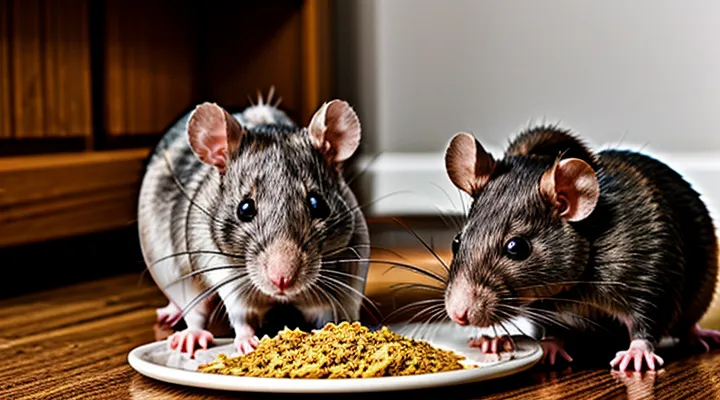
Understanding Rat Dietary Needs
Essential Nutrients for Pet Rats
Protein Sources
Pet rats require high‑quality protein to support growth, muscle maintenance, and reproductive health. Adequate protein also promotes a robust immune system and healthy fur condition.
Common protein sources suitable for domesticated rats include:
- Cooked chicken breast, plain, without seasoning or bones.
- Hard‑boiled eggs, chopped, with shell removed.
- Low‑fat cottage cheese, offered in small portions.
- Plain Greek yogurt, unsweetened and unflavored.
- Cooked lean turkey, skinless and boneless.
- Small amounts of cooked fish such as salmon or whitefish, deboned and free of added salt.
- Commercial rat pellets fortified with animal‑derived protein.
- Soybean meal or tempeh, introduced gradually to monitor tolerance.
When incorporating these foods, provide no more than 10 % of the rat’s daily caloric intake from protein treats. Rotate items to prevent dietary monotony and observe for any signs of digestive upset. Fresh water must be available at all times.
Carbohydrate Sources
Pet rats thrive on a diet that includes readily digestible carbohydrates, which supply quick energy for active foraging and social behavior. Selecting appropriate carbohydrate sources helps maintain stable blood glucose levels and supports healthy weight.
- Whole grains such as oats, barley, and whole‑wheat bread provide complex carbs and fiber.
- Cooked rice, quinoa, and couscous offer easily digestible starches without excessive fat.
- Fresh fruits like apples, bananas, and berries contribute simple sugars and additional vitamins.
- Vegetables such as sweet potatoes, carrots, and corn kernels deliver starch and natural sugars.
- Commercial rat pellets formulated with balanced carbohydrate ratios ensure consistent nutrient intake.
Moderation is essential; excessive simple sugars can lead to obesity and dental issues. Rotate items regularly to prevent nutrient gaps and monitor for any signs of intolerance. Incorporating a variety of the listed carbohydrate sources creates a well‑rounded diet that aligns with the nutritional needs of pet rats.
Fat Sources
Pet rats require dietary fats for energy, vitamin absorption, and healthy skin and fur. Good fat sources are easy to digest and low in contaminants, supporting growth and activity without excess calories.
- Unsalted sunflower seeds – high in polyunsaturated fats, provide omega‑6 fatty acids; offer a crunchy texture rats enjoy.
- Flaxseed – rich in omega‑3 fatty acids; can be offered whole or ground to improve digestibility.
- Olive oil – a liquid source of monounsaturated fat; drizzle a few drops onto fresh vegetables or mix into a small portion of mash.
- Coconut oil – contains medium‑chain triglycerides; suitable for occasional supplementation, especially during colder months.
- Peanut butter (unsweetened, unsalted) – dense source of saturated and monounsaturated fats; spread thinly on a bite‑size piece of fruit or whole‑grain cracker.
- Hard-boiled egg yolk – natural source of fat and essential vitamins; offer a small portion once or twice weekly.
When integrating fats, keep portions modest: a pea‑size amount of seeds or a half‑teaspoon of oil per day for an adult rat. Monitor weight and coat condition to adjust quantities. Avoid foods high in trans fats, heavily salted nuts, or processed spreads containing additives. Providing a balanced selection of these fat sources ensures rats receive necessary energy while maintaining overall health.
Vitamins and Minerals
Pet rats require a balanced intake of vitamins and minerals to support growth, immune function, and skeletal health. Deficiencies can lead to poor coat condition, weakened bones, and reduced vitality. Incorporating nutrient‑dense foods into their daily menu ensures these needs are met.
Key vitamins and their primary food sources include:
- Vitamin A – carrots, sweet potatoes, kale, and fortified rat blocks.
- Vitamin D – exposure to natural sunlight, fortified milk, and specially formulated rat pellets.
- Vitamin E – sunflower seeds, wheat germ, and leafy greens such as spinach.
- B‑complex (B1, B2, B6, B12) – whole‑grain cereals, eggs, and liver.
Essential minerals and reliable sources are:
- Calcium – plain yogurt, low‑fat cheese, and calcium‑fortified pellets.
- Phosphorus – fish flakes, organ meats, and legumes.
- Magnesium – pumpkin seeds, bananas, and fortified mixes.
- Iron – cooked lean meat, lentils, and iron‑enriched pellets.
- Zinc – oysters, chickpeas, and fortified grain blends.
A typical daily portion for an adult rat might consist of 1‑2 teaspoons of fresh vegetables, a small piece of fruit, and a measured scoop of fortified pellet mix, supplemented with occasional protein treats. Monitoring intake and adjusting portions based on weight and activity level helps maintain optimal vitamin and mineral status.
Safe and Recommended Foods
Commercial Rat Food
Pellets vs. Mixes
Pet rats require a diet that supplies protein, fiber, vitamins, and minerals in balanced proportions. Commercially prepared pellets deliver a consistent nutrient profile, while mixed diets combine pellets with fresh and dried components for variety.
Pellets provide several practical advantages:
- Fixed ratios of protein (18‑20 %), fiber (5‑7 %), and essential micronutrients.
- Minimal preparation; a single daily portion meets caloric needs.
- Reduced risk of nutritional gaps caused by uneven ingredient selection.
Mixed feeding regimens rely on a base of pellets supplemented with items such as:
- Fresh vegetables (broccoli, carrots, leafy greens) for vitamin C and hydration.
- Whole grains or rolled oats for additional fiber.
- Small amounts of fruit, nuts, or boiled eggs for extra protein and enrichment.
Key considerations when choosing between the two approaches:
- Consistency – Pellets guarantee uniform nutrient intake; mixes depend on the caregiver’s ability to balance components.
- Palatability – Rats often enjoy the texture and taste variety of mixes, which can stimulate natural foraging behavior.
- Cost and storage – Pellets have a longer shelf life and lower per‑day expense; fresh mix ingredients require frequent purchase and refrigeration.
- Health monitoring – A pellet‑only diet simplifies tracking intake, whereas mixes allow observation of preferences that may indicate dietary deficiencies.
Optimal feeding strategies commonly blend both methods: a measured portion of high‑quality pellets supplemented with a rotating selection of fresh and dried foods. This hybrid model maintains nutritional reliability while providing sensory enrichment and encourages natural chewing activity.
Choosing a Quality Brand
When selecting a commercial rat food, prioritize formulations that reflect the species’ natural dietary habits. A reputable brand will source high‑quality protein, fiber, and healthy fats in proportions that support growth, digestion, and dental health.
Key criteria for evaluating a brand include:
- Ingredient transparency – full list of components, with recognizable names rather than vague “meal” or “by‑product” descriptors.
- Protein content – 15‑20 % animal‑derived protein from sources such as soy, fish, or egg; minimal reliance on plant‑only proteins.
- Fiber level – 4‑6 % crude fiber from wheat bran, oat bran, or similar sources to encourage proper gut motility.
- Absence of harmful additives – no artificial colors, flavors, or excessive preservatives.
- Batch testing – evidence of regular laboratory analysis for contaminants, mycotoxins, and nutrient consistency.
- Regulatory compliance – certification by agencies such as the FDA, AAFCO, or equivalent European standards.
Reputable manufacturers often provide a guaranteed analysis on the packaging, indicating exact nutrient percentages. Cross‑reference these figures with established dietary guidelines for pet rats to ensure alignment.
Customer feedback can corroborate product reliability. Look for reviews that mention consistent acceptance by rats, stable weight maintenance, and absence of digestive issues. Brands that maintain a transparent supply chain and invest in research demonstrate a commitment to animal health, making them preferable choices for informed caretakers.
Fresh Fruits and Vegetables
Safe Fruits for Rats
Pet rats thrive on a diet that includes occasional fruit, provided the choices are non‑toxic and low in sugar. Fresh fruit supplies vitamins, antioxidants, and hydration, enhancing overall health when offered in moderation.
- Apple (core and seeds removed)
- Blueberries
- Strawberries (quartered)
- Raspberries
- Blackberries
- Kiwi (peeled)
- Mango (seedless, small pieces)
- Pear (core removed)
- Melon varieties such as cantaloupe and honeydew (seedless)
- Papaya (seedless)
Each fruit should be washed thoroughly, cut into bite‑size pieces, and limited to a few bites two to three times per week. Overfeeding can lead to digestive upset or weight gain, so monitor intake and adjust portions according to the rat’s size and activity level.
Safe Vegetables for Rats
Pet rats thrive on a variety of vegetables that supply essential vitamins, minerals, and fiber. The following items are widely recognized as safe and nutritionally beneficial when offered in moderation.
- Carrots – rich in beta‑carotene and vitamin A; serve raw or lightly steamed.
- Broccoli – provides vitamin C and calcium; give small florets to avoid gas.
- Spinach – high in iron and folate; limit to occasional servings due to oxalates.
- Bell peppers – especially red and yellow; deliver vitamin C and antioxidants.
- Zucchini – low‑calorie source of potassium; suitable raw or gently warmed.
- Cucumber – high water content; ideal for hydration and mild crunch.
- Green beans – supply fiber and vitamin K; offer cooked or raw, trimmed of strings.
- Peas – contain protein and vitamin B; serve fresh or frozen without added salt.
- Kale – nutrient‑dense leafy green; feed sparingly because of glucosinolates.
- Sweet potato – excellent source of complex carbs and beta‑carotene; provide cooked, unseasoned cubes.
Introduce each vegetable gradually, monitor for any adverse reactions, and remove uneaten portions within a few hours to maintain cleanliness. A balanced diet that combines these vegetables with high‑quality pellets and occasional fruit ensures optimal health for pet rats.
Healthy Protein Supplements
Cooked Meats
Cooked meats supply high‑quality protein, iron, and B‑vitamins that support muscle development and metabolic health in pet rats. When incorporated correctly, they complement grains, vegetables, and formulated rat chow.
- Chicken breast, skinless and boneless, cooked thoroughly
- Turkey, lean cuts, fully cooked
- Lean beef, such as sirloin, without excess fat
- Pork tenderloin, cooked until no pink remains
- Rabbit meat, fully cooked and trimmed of connective tissue
Preparation must eliminate any risk of contamination or digestive upset. Cook meat to an internal temperature of at least 165 °F (74 °C). Remove skin, visible fat, and connective tissue. Do not add salt, spices, sauces, or oil. Allow the meat to cool to ambient temperature before offering it to the rat.
Portion size should not exceed a quarter of a teaspoon per serving for an adult rat, roughly the size of a small pea. Offer cooked meat two to three times per week, alternating with plant‑based proteins such as boiled eggs or soy. Combine meat pieces with fresh vegetables or a small amount of high‑fiber rat pellets to encourage natural foraging behavior.
Safety concerns include avoiding processed products (e.g., deli meats, ham, bacon) that contain nitrates, preservatives, or high sodium levels. Discard any meat that shows signs of spoilage, discoloration, or odor. Observe the rat for changes in stool consistency, appetite, or activity after introducing meat; adjust frequency or quantity if adverse effects appear.
Eggs and Dairy
Eggs and dairy products can be valuable components of a pet rat’s diet when offered correctly. Soft‑boiled or scrambled eggs provide high‑quality protein, essential amino acids, and vitamins such as B12 and D. Rats tolerate small portions; a half‑egg per week satisfies nutritional needs without excess fat.
Dairy should be limited to low‑lactose options because many rats are sensitive to lactose. Suitable choices include:
- Plain, low‑fat yogurt (no added sugar or flavorings) – ½ teaspoon twice weekly.
- Small cubes of fresh, low‑fat cheese such as mozzarella or cottage cheese – ¼ teaspoon once weekly.
- Unsweetened kefir – ¼ teaspoon once weekly.
When introducing these foods, observe the rat for signs of digestive upset, such as loose stools or reduced appetite. If adverse reactions occur, discontinue the item immediately.
Eggs must be cooked thoroughly to eliminate the risk of salmonella; raw eggs are unsafe. Dairy should be fresh, refrigerated, and discarded if it develops mold or an off odor. Portion sizes are deliberately small to prevent obesity and to maintain a balanced diet that primarily consists of high‑fiber rodent pellets, fresh vegetables, and occasional treats.
Legumes
Legumes provide a concentrated source of protein, fiber, and essential minerals that complement the dietary needs of domesticated rats. Their natural composition supports healthy growth, dental maintenance, and digestive regularity.
Suitable legumes for rats include:
- Cooked lentils (green, red, brown)
- Cooked peas (green, split)
- Cooked chickpeas (garbanzo beans)
- Cooked black‑eyed peas
- Cooked adzuki beans
Preparation must involve thorough cooking to eliminate antinutrients such as lectins and phytic acid, which can impair nutrient absorption. Rinse beans, soak if necessary, then boil until soft; avoid adding salt, spices, or oils. Cool the legumes to room temperature before offering them to the animal.
Portion control is critical because legumes are calorie‑dense. A safe serving size ranges from one to two teaspoons per day for an adult rat, mixed with a balanced staple diet of grains and fresh vegetables. Monitor body condition and adjust quantities accordingly.
Potential concerns include gas production and occasional mild gastrointestinal upset, especially when introducing legumes to a naïve diet. Gradually increase the amount over several days to allow gut flora adaptation. Avoid raw or sprouted beans, as they retain higher levels of toxic compounds.
Incorporating legumes as a regular, moderate component of a rat’s menu enhances protein intake without compromising overall nutritional balance. Regular observation of weight, coat condition, and stool quality confirms appropriate integration.
Foods to Avoid
Harmful Fruits and Vegetables
Avocado
Avocado is occasionally offered to pet rats as an occasional treat, not as a staple. The fruit’s high fat content provides calories, while its flesh supplies vitamins E and C, potassium, and a modest amount of fiber. However, the skin and pit contain persin, a compound that can cause gastrointestinal irritation in rodents. Consequently, only the ripe, flesh‑only portion should be given, and it must be washed thoroughly to remove any residue.
Guidelines for feeding avocado to rats
- Offer no more than a ¼‑inch cube per rat per week.
- Remove all skin, pit, and any bruised areas.
- Serve at room temperature; cold pieces may discourage eating.
- Observe the animal for signs of diarrhea or reduced appetite after ingestion; discontinue if adverse effects appear.
When incorporated correctly, avocado can add variety to a rat’s diet, but reliance on it for nutrition is inadvisable. Balanced rodent chow, fresh vegetables, and occasional protein sources remain the primary components of a healthy feeding regimen.
Onion and Garlic
Onion and garlic are frequently present in household meals, yet they pose serious health risks to pet rats. Both vegetables contain compounds that can damage the rats’ red blood cells and disrupt normal digestion.
- Thiosulphates in onion and garlic cause hemolytic anemia, leading to weakness, jaundice, and potentially fatal outcomes.
- Irritation of the gastrointestinal tract results in vomiting, diarrhea, and loss of appetite.
- Even minimal exposure can trigger allergic reactions or respiratory distress in sensitive individuals.
- Accumulation of toxic metabolites may impair liver function over time.
Because these effects are dose‑independent, any amount—raw, cooked, or powdered—should be excluded from a rat’s diet. Replace them with safe flavor enhancers such as fresh herbs (parsley, basil) or small pieces of fruit and vegetable that lack harmful sulfur compounds. Regular monitoring of diet ensures that accidental ingestion does not occur, protecting the rat’s health and longevity.
Raw Sweet Potato
Raw sweet potato offers a valuable source of carbohydrates, fiber, and essential vitamins for pet rats. The tuber contains beta‑carotene, which converts to vitamin A, supporting vision and immune function. Vitamin C, present in modest amounts, aids tissue repair, while potassium and manganese contribute to electrolyte balance and enzyme activity.
When offering raw sweet potato, follow these guidelines:
- Wash thoroughly to remove soil and pesticides.
- Peel to reduce fiber that may cause digestive upset.
- Cut into bite‑size cubes (approximately ¼ inch) to match the animal’s chewing capacity.
- Introduce a small portion (no more than one teaspoon per rat per day) and monitor for stool consistency.
- Rotate with other vegetables to maintain dietary variety and prevent nutrient excess.
Raw sweet potato should complement a balanced diet that includes high‑quality pellets, protein sources, and occasional fruits. Excessive carbohydrate intake can lead to weight gain; therefore, limit raw sweet potato to a supplemental treat rather than a staple. Regular observation ensures the rat tolerates the food without irritation or allergic response.
Unsafe Human Foods
Sugary and Processed Foods
Pet rats are naturally attracted to sweet tastes, which makes sugary and processed foods a common temptation. These items provide rapid energy but lack essential nutrients, and excessive consumption can lead to obesity, dental decay, and gastrointestinal upset.
Typical sugary and processed options include:
- Fruit-flavored gummies or jelly beans
- Candy bars with added chocolate or caramel
- Sweetened cereal pieces (e.g., frosted cornflakes)
- Commercial rat treats containing high‑fructose corn syrup
- Baked goods such as cookies, cupcakes, or small pieces of cake
Although rats will readily accept these foods, they should remain occasional indulgences rather than staples. Limit portions to no more than a few bites per week and monitor weight and coat condition. Prefer balanced diets based on high‑quality rodent pellets, fresh vegetables, and occasional protein sources to maintain optimal health.
Salty Snacks
Pet rats enjoy occasional salty treats, but selection must prioritize safety and nutritional balance. Excess sodium can strain kidneys and elevate blood pressure, so only low‑sodium options should be offered, and they should remain a minor component of the diet.
Suitable salty snacks include:
- Unsalted or lightly salted popcorn kernels (plain, without butter or flavorings)
- Small pieces of plain pretzel sticks, broken into bite‑size portions
- Unsalted rice cakes, crushed to a size rats can handle
- Low‑sodium cheese cubes, such as mozzarella or cottage cheese, offered sparingly
- Dehydrated seaweed sheets, cut into tiny strips, ensuring no added soy sauce or spices
When introducing any salty item, observe the rat’s reaction for signs of aversion or digestive upset. Limit servings to no more than one or two small pieces per week, integrating them with a diet rich in fresh vegetables, fruits, and high‑protein pellets. Regular water access is essential to help rats process the added sodium.
Caffeine and Alcohol
Pet rats should not be given caffeine. Even small amounts can increase heart rate, cause tremors, and lead to anxiety. Caffeinated beverages, coffee grounds, tea leaves, and chocolate all contain enough stimulant to disrupt a rat’s normal metabolism. If accidental exposure occurs, monitor the animal for rapid breathing, restlessness, or seizures and seek veterinary assistance immediately.
Alcohol is similarly unsafe for rats. Ethanol depresses the central nervous system, resulting in loss of coordination, hypothermia, and potential organ damage. Sources such as beer, wine, or spirits must be excluded from a rat’s diet. Should a rat ingest alcohol, watch for signs of intoxication—slurred movements, unsteady gait, or lethargy—and contact a veterinarian without delay.
Toxic Plants
Pet rats thrive on a diet of grains, seeds, fruits, and vegetables, but several common garden and houseplants pose serious health risks. Ingesting these plants can cause gastrointestinal distress, organ failure, or death. Owners should keep the following species out of reach:
- Oleander (Nerium oleander) – contains cardiac glycosides; symptoms include vomiting, irregular heartbeat, and lethargy.
- Dieffenbachia (Dieffenbachia spp.) – oxalate crystals irritate the mouth and digestive tract; signs are drooling, swelling, and loss of appetite.
- Sago palm (Cycas revoluta) – seeds hold cycasin, a potent toxin; exposure leads to liver damage, seizures, and potentially fatal outcomes.
- Philodendron (Philodendron spp.) – calcium oxalate crystals cause oral pain, excessive salivation, and difficulty swallowing.
- Peace lily (Spathiphyllum spp.) – contains calcium oxalate; ingestion results in oral irritation and gastrointestinal upset.
- Azalea (Rhododendron spp.) – grayanotoxins affect the cardiovascular system; symptoms include weakness, tremors, and abnormal heart rhythm.
- Pothos (Epipremnum aureum) – oxalate crystals produce mouth irritation, drooling, and vomiting.
- Lilies (Lilium spp.) – especially true lilies; ingestion can cause renal failure, manifested by reduced urine output and lethargy.
If a rat consumes any of these plants, immediate veterinary intervention is essential. Early treatment may involve induced vomiting, activated charcoal, and supportive care to mitigate organ damage. Preventative measures include securing cages, removing toxic foliage from the environment, and offering only approved foods.
Feeding Guidelines and Best Practices
Frequency and Portion Sizes
Pet rats thrive on a balanced diet that mirrors their natural foraging habits, and managing both how often foods are offered and the amount given is essential for health and longevity.
- Fresh vegetables (e.g., carrots, broccoli, kale): Offer 1‑2 small pieces (approximately ½‑1 cm³) daily. Rotate varieties to provide a spectrum of vitamins while keeping total vegetable intake under 10 % of the rat’s daily caloric intake.
- Fruits (e.g., apple, berries, melon): Provide 1‑2 bite‑size pieces (about ¼ cm³) every other day. Limit to 5 % of total calories because of high sugar content.
- Whole grains and seeds (e.g., rolled oats, quinoa, sunflower seeds): Supply ¼‑½ tsp (≈1 g) per feeding, two to three times per day. Seeds are calorie‑dense; treat them as occasional supplements rather than staples.
- Protein sources (e.g., boiled egg, cooked chicken, mealworms): Give ½‑1 tsp (≈2‑3 g) three times weekly. Ensure proteins are lean and free of seasoning.
- Commercial rat blocks or pellets: Provide ¼‑½ block (≈2‑3 g) daily as the primary staple, adjusting based on the amount of fresh foods added.
- Treats (e.g., small pieces of cheese, nuts, dried fruit): Limit to 1‑2 mm³ per rat per week. Treats should never exceed 2 % of total caloric intake.
Consistent feeding schedules—morning and evening for staples, with fresh items added at the same times—help maintain stable metabolism. Monitoring body condition and adjusting portions accordingly prevents obesity and nutrient deficiencies.
Introducing New Foods
When expanding a rat’s diet, introduce each novel item gradually to assess acceptance and tolerance. Offer a small portion—approximately one teaspoon for a single adult—once daily for three to five days. Observe for any signs of digestive upset, such as loose stools or reduced activity, before adding another food.
Select foods that complement the established list of staples. Recommended introductions include:
- Cooked quinoa, plain and cooled
- Small pieces of ripe banana, skin removed
- Unsalted, unflavored popcorn kernels (air‑popped)
- Fresh basil leaves, chopped
- Low‑fat cottage cheese, limited to a half‑teaspoon
Each item should be fresh, free of pesticides, and free of added sugars, salts, or spices. Avoid processed snacks, citrus fruits, and foods high in oxalates, as these can cause kidney stress.
Preparation steps are straightforward. Wash fruits and vegetables thoroughly, peel when necessary, and cut into bite‑size cubes. Cook grains without oil or seasoning; allow them to cool completely before serving. For dairy, ensure it is pasteurized and serve at room temperature to prevent chilling.
Document the rat’s response in a simple log: date, food introduced, amount offered, and observed behavior. This record helps identify preferred flavors and eliminates items that cause adverse reactions. Over time, a varied menu supports nutritional balance, mental stimulation, and overall health.
Hydration: Water Requirements
Pet rats require constant access to fresh, clean water to maintain physiological balance and support digestion of their diet. A typical adult rat drinks approximately 10 ml of water per 100 g of body weight each day; a 300 g rat therefore needs around 30 ml daily. Water consumption can fluctuate with ambient temperature, humidity, and the moisture content of solid foods.
- Provide a water bottle with a stainless‑steel or glass reservoir to prevent bacterial growth.
- Replace water at least once every 24 hours; clean the bottle and nozzle with mild soap and rinse thoroughly.
- Ensure the drinking spout functions smoothly; a clogged nozzle reduces intake and may cause dehydration.
- Offer supplemental moisture through fresh fruits and vegetables (e.g., cucumber, carrot, apple) but do not rely on them as the sole source.
- Monitor intake by observing the water level and noting any sudden decrease, which may indicate illness or equipment failure.
Dehydration signs include lethargy, sunken eyes, dry skin, and reduced urine output. Promptly address these symptoms by confirming water availability, checking for leaks, and consulting a veterinarian if the rat does not resume normal drinking patterns. Maintaining consistent hydration is essential for the overall health and longevity of pet rats.
Special Dietary Considerations
Young Rats
Young pet rats in the early weeks require soft, easily digestible foods that supply high protein and essential nutrients for rapid growth.
- Commercial weaning pellets – formulated with balanced protein (18‑20 %) and calcium; moisture‑rich to aid swallowing.
- Cooked egg whites – pure protein source, low in fat; offer 1 tsp per feeding.
- Plain, unsweetened yogurt – provides probiotic cultures and calcium; limit to ½ tsp.
- Finely chopped soft fruits (banana, ripe pear) – source of natural sugars and vitamins; introduce sparingly to prevent diarrhea.
- Steamed vegetables (carrot, zucchini) – soft texture supplies fiber and micronutrients; serve 1 tsp.
- Moist rodent chow mash – blend dry chow with warm water to a porridge consistency; ensures familiarity with adult diet.
Feeding schedule should consist of three small meals per day, each offering 2‑3 g of the combined items. Monitor weight daily; adjust portions if growth deviates from the 1‑2 g per day gain typical for healthy juveniles. Fresh water must be available at all times, and all food should be free of additives, salt, and sugar. Regularly rotate protein sources to prevent nutritional deficiencies and maintain palate interest.
Senior Rats
Senior rats have slower metabolism and reduced dentition, so their diet should emphasize easy‑to‑chew, nutrient‑dense foods that support joint health and immune function. Fresh produce must be soft and cut into bite‑size pieces to prevent choking. Regular monitoring of weight and coat condition helps confirm that the chosen foods meet their nutritional needs.
Typical preferred foods for older pet rats include:
- Soft fruit such as ripe banana, peeled apple, and peeled pear, offered in small portions.
- Cooked vegetables like steamed carrots, zucchini, and sweet potatoes, mashed or finely diced.
- High‑protein options such as boiled egg yolk, low‑fat cottage cheese, and well‑cooked lean chicken or turkey, limited to a few teaspoons per day.
- Commercial senior‑rat pellets formulated with added joint‑support nutrients and reduced fiber.
- Small amounts of unsalted, unflavored nuts (e.g., almonds, walnuts) softened by soaking for several hours.
- Fresh water at room temperature, refreshed daily.
Supplementary items that aid digestion and dental health are also beneficial: a few pieces of softened dental chew (e.g., plain, unsweetened chew sticks) and a teaspoon of plain, unsweetened yogurt for probiotic support. Adjust portions based on individual appetite and health status, and avoid hard, dry foods that may cause dental strain.
Pregnant and Nursing Rats
Pregnant and nursing rats have heightened nutritional demands that differ from those of adult, non‑reproductive individuals. Adequate protein, calcium, vitamin A, and essential fatty acids support fetal development and milk production, while excess sugars and fats can lead to obesity and reproductive complications.
Key dietary components
- High‑quality protein: boiled eggs, cooked chicken breast, low‑fat cottage cheese, or commercial rat pellets formulated for breeding colonies (minimum 20 % protein). Protein supplies amino acids necessary for tissue growth and milk synthesis.
- Calcium sources: plain yogurt, low‑fat cheese, calcium‑fortified rodent blocks, or finely ground eggshell powder (1 % of total diet). Calcium supports skeletal development in embryos and milk secretion.
- Vitamin A and beta‑carotene: carrots, sweet potatoes, pumpkin puree, or fortified rat chow. Vitamin A regulates cell differentiation and immune function in both dam and offspring.
- Essential fatty acids: small amounts of flaxseed oil, fish oil capsules (punctured and mixed into wet food), or omega‑3–enriched pellets. These fats improve milk quality and neural development.
- Complex carbohydrates: whole‑grain oats, brown rice, or barley provide steady energy without spiking blood glucose.
Foods to limit or exclude
- High‑sugar treats: fruit juices, candy, or sugary cereals, which can cause rapid weight gain and metabolic stress.
- Heavy fats: butter, bacon, or processed meats, which increase caloric density without essential nutrients.
- Raw legumes and beans: contain antinutrients that impair calcium absorption.
- Citrus fruits and acidic foods: may irritate the gastrointestinal tract of pregnant rats.
Feeding schedule
- Offer fresh wet food twice daily, supplemented with measured dry pellets to maintain consistent intake.
- Provide unlimited clean water; consider adding a few drops of electrolyte solution during late gestation if dehydration signs appear.
By aligning the diet with these specifications, caretakers ensure that pregnant and nursing rats receive the nutrients required for successful reproduction and healthy litters.
Rats with Health Issues
Rats suffering from digestive disorders, dental problems, obesity, or metabolic imbalances require a diet that balances nutrition with ease of digestion. Standard favorite foods may aggravate symptoms; therefore, selection must prioritize low‑fat, low‑sugar, and soft‑texture options while still providing essential vitamins and minerals.
Common health concerns dictate specific adjustments:
- Digestive upset – Offer steamed or boiled vegetables (e.g., carrots, broccoli) cut into bite‑size pieces; replace raw grains with soaked oats or soft rice.
- Dental wear – Provide chewable calcium blocks and softened fruit slices (e.g., banana, peeled apple) to maintain tooth health without excessive hardness.
- Obesity – Limit high‑calorie treats; substitute fresh greens (spinach, kale) for commercial pellets, and measure portions to 1‑2 teaspoons of mixed vegetables per day.
- Diabetes or insulin resistance – Eliminate sugary fruits; favor low‑glycemic vegetables such as cucumber, zucchini, and bell pepper; include modest amounts of protein‑rich foods like boiled egg whites or low‑fat cottage cheese.
Monitoring weight, stool consistency, and activity level guides further refinements. Adjust portions gradually, observe reactions, and maintain a consistent feeding schedule to support recovery and long‑term health.