
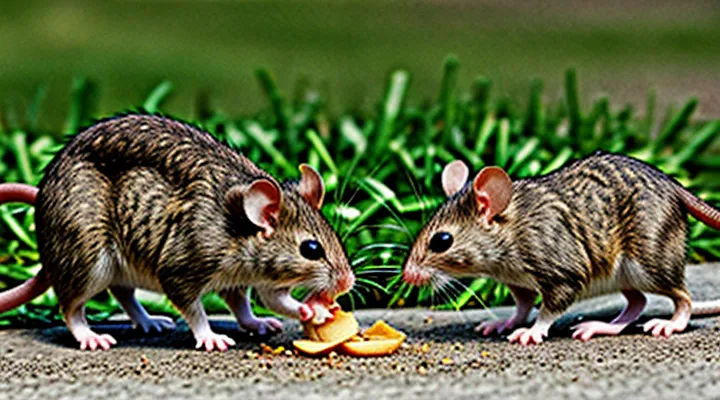
The Omnivorous Nature of Mice
Natural Diet in the Wild
Grains and Seeds
Mice demonstrate a marked preference for small, carbohydrate‑rich plant materials. Grains and seeds supply the energy and essential nutrients required for rapid growth, reproduction, and thermoregulation. Laboratory observations and field studies consistently show higher consumption rates for these items compared to alternative food sources.
Typical grains and seeds favored by mice include:
- Wheat kernels and cracked wheat
- Barley grains, especially hulled varieties
- Oats, both rolled and whole
- Corn kernels and milled cornmeal
- Sunflower seeds, with husked forms preferred
- Millet and sorghum seeds
- Rye and spelt grains
Selection among these foods depends on texture, moisture content, and the presence of protective hulls. Mice readily gnaw softer kernels, while hardened husks may be removed before ingestion. Nutrient analysis indicates that these plant foods provide a balanced profile of starch, protein, and essential fatty acids, supporting the metabolic demands of both wild and domestic populations.
Fruits and Berries
Mice demonstrate a marked preference for sweet, aromatic plant material, with fruits and berries ranking among the most attractive options in laboratory and field observations. The high sugar concentration, low fiber density, and volatile compounds of ripe fruit stimulate gustatory receptors, leading to rapid consumption and repeated foraging bouts.
Commonly accepted fruit and berry species that elicit strong feeding responses include:
- Apples (especially the flesh of fresh, peeled specimens)
- Strawberries, both wild and cultivated varieties
- Blueberries, with a preference for ripe, soft fruit
- Raspberries, particularly when the seed coat is softened by moisture
- Cherries, where the pulp is favored over the pit
- Grapes, with a noticeable inclination toward red and black cultivars
Experimental data indicate that mice will choose fruit over standard grain pellets when both are presented simultaneously, increasing intake by 30‑45 % in short‑term trials. Preference intensity correlates with sugar content; fruits containing 10‑15 % soluble sugars generate the highest consumption rates.
Nutritional benefits of fruit consumption for mice include rapid energy replenishment and the provision of vitamins such as C and A, which support immune function. However, excessive reliance on fruit can lead to metabolic imbalances, including hyperglycemia and dental wear due to the acidic nature of some berries. Fermentation of overripe fruit creates ethanol, which mice metabolize inefficiently and may cause intoxication.
In natural habitats, seasonal availability dictates fruit intake. During summer and early autumn, abundant berry bushes provide a primary carbohydrate source, whereas winter scarcity forces a shift toward stored seeds and tubers. Captive breeding programs incorporate modest fruit portions to stimulate natural foraging behavior while monitoring caloric intake to prevent obesity.
Overall, fruits and berries constitute a high‑palatability, energy‑dense component of mouse diets, influencing feeding patterns, health outcomes, and ecological interactions.
Insects and Small Invertebrates
Mice frequently include insects and small invertebrates in their diet, especially when grain or seed supplies are limited. These prey items supply high‑quality protein, essential amino acids, and micronutrients such as iron and zinc that are scarce in plant material.
Common arthropods consumed by mice are:
- Beetle larvae (e.g., darkling beetles)
- Crickets and grasshoppers
- Mealworms (Tenebrio molitor)
- Earthworms
- Small spiders
- Fly maggots
Selection of invertebrates depends on availability, size, and mobility. Mice prefer prey that can be captured with minimal effort; soft‑bodied larvae and maggots are captured more readily than heavily sclerotized beetles. Seasonal fluctuations influence intake: during autumn, when insects are abundant, mouse populations increase their invertebrate consumption, whereas in winter the proportion declines as insects become scarce.
Digestive physiology supports rapid assimilation of animal protein. Enzymes in the mouse pancreas efficiently break down chitin and other exoskeletal components, allowing extraction of nutrients from even partially hardened insects. Laboratory studies confirm that diets enriched with a modest proportion of insects improve growth rates and reproductive success compared to strictly plant‑based regimens.
Overall, insects and small invertebrates constitute a flexible, nutrient‑dense component of mouse feeding behavior, supplementing plant foods and enhancing survival under variable environmental conditions.
Plant Matter and Roots
Mice incorporate a substantial portion of plant material into their diet, relying on readily available vegetation to meet energy and nutrient requirements. Fresh shoots, leaves, and seed husks provide carbohydrates and fiber, while seedlings offer protein and micronutrients essential for growth and reproduction.
Root consumption complements above‑ground foraging, especially during periods of limited foliage. Mice excavate shallow soil layers to access:
- Young taproots of grasses and cereals
- Tubers of wild carrots and related species
- Fibrous rhizomes of weeds such as dandelion
These underground parts supply moisture, starch, and minerals that sustain physiological functions when surface resources decline.
Field observations and laboratory trials consistently show a preference hierarchy: tender shoots are selected first, followed by seedlings, and finally roots when other options are scarce. This pattern reflects mice’s adaptive strategy to exploit both aerial and subterranean plant resources for optimal nutrient balance.
Domestic Mice Dietary Habits
Scavenging from Humans
Mice exploit human habitats because these settings provide abundant, easily reachable food. Their foraging strategy targets items that require minimal effort to obtain and deliver high energy returns.
Common human‑derived foods found in domestic and commercial environments include:
- Processed grains (bread, crackers, cereal)
- Sugary products (candy, pastries, soft drinks)
- Protein sources (cooked meat scraps, cheese, pet food)
- Moist waste (fruit peels, vegetable trimmings, discarded leftovers)
- Stored pantry items (spices, nuts, dried fruit)
These foods appeal to rodents for several reasons. High carbohydrate and sugar content supply rapid energy, while fats and proteins support growth and reproduction. Moisture present in fresh waste reduces the need for separate water sources. Packaging and storage practices often leave small openings that mice can infiltrate without detection.
Frequent consumption of human waste alters the typical rodent diet, increasing intake of refined sugars and fats. Such shifts can accelerate weight gain, affect reproductive cycles, and elevate susceptibility to metabolic disorders. Additionally, ingestion of contaminated leftovers raises the probability of pathogen transmission to both mice and humans.
Understanding the preference for anthropogenic food sources informs control measures. Securing food containers, eliminating standing waste, and maintaining clean surfaces reduce attractants, thereby limiting mouse populations and the associated health risks.
Pet Mouse Diet Requirements
Pet mice require a balanced diet that mirrors their natural foraging behavior while meeting the nutritional demands of a captive environment. A proper diet supplies adequate protein, carbohydrates, fats, vitamins, and minerals to support growth, reproduction, and immune function.
- Protein sources: high‑quality dry mouse pellets (minimum 14 % protein), cooked eggs, lean cooked chicken, and mealworms (limited quantity).
- Carbohydrate options: small portions of whole‑grain cereals, oats, or cooked rice.
- Fat contributors: occasional seeds (sunflower, pumpkin) and a few drops of vegetable oil mixed into pellets.
- Fiber and roughage: fresh vegetables such as carrots, broccoli, kale, and small amounts of apple or pear skin.
- Calcium and phosphorus: powdered calcium supplement or a pinch of crushed eggshell, balanced with phosphorus‑rich foods like fish flakes.
- Water: clean, fresh water available at all times; a bottle with a stainless‑steel tip prevents contamination.
Foods that pose health risks must be excluded. Avoid citrus fruits, raw potatoes, chocolate, caffeine, nuts high in fat, and any processed human snacks containing salt or sugar. Toxic plants, including lilies, azaleas, and foxglove, are also prohibited.
Feeding frequency should align with the mouse’s metabolic rate. Provide a measured amount of dry pellets daily, supplemented with fresh produce every other day. Monitor body condition and adjust portions to prevent obesity or malnutrition. Regularly inspect food for spoilage and replace uneaten fresh items within 24 hours.
By adhering to these guidelines, pet owners ensure that mice receive the nutrients they instinctively seek in the wild, promoting robust health and natural feeding behaviors.
Factors Influencing Food Preferences
Availability of Food Sources
Mice select food based on what is physically accessible in their immediate environment. In natural settings, seeds, grains, insects, and plant material dominate because they lie on the ground or within burrow caches. Seasonal fluctuations alter this availability: spring brings abundant fresh vegetation, while autumn supplies stored nuts and fallen fruit. When food is scarce, mice expand their foraging radius, incorporate less preferred items such as bark or roots, and increase nocturnal activity to avoid predators.
In human‑occupied structures, the range of edible resources widens dramatically. Stored cereals, pet food, fruit scraps, and processed snacks provide high‑calorie options that are easily reached through small openings. The presence of these items often leads to a shift toward carbohydrate‑rich diets, which can accelerate growth and reproductive rates. Competition with other rodents or insects can further constrain access, prompting mice to exploit hidden or low‑profile sources like crumbs behind appliances or food residues in drains.
Key sources influencing mouse feeding behavior include:
- Seed heads and fallen grains in fields
- Fresh greens and berries during growth seasons
- Nuts, acorns, and stored crops in autumn
- Human‑derived items: pantry staples, pet feed, kitchen waste
- Invertebrates and carrion when protein is limited
The spatial distribution and temporal stability of these resources directly shape the composition of mouse diets, dictating both nutritional intake and population dynamics.
Nutritional Needs and Life Stage
Mice require a balanced intake of protein, carbohydrates, fats, vitamins, and minerals, but the proportion of each nutrient changes as they progress through distinct life stages. During the neonatal period, pups rely on maternal milk, which supplies high‑quality protein, essential fatty acids, and calcium necessary for rapid tissue development. After weaning, juveniles increase consumption of seeds, grains, and insects to obtain additional protein and B‑vitamins that support skeletal growth and metabolic expansion.
Adult mice maintain a diet that favors moderate protein (15‑20 % of caloric intake), complex carbohydrates for sustained energy, and low‑fat sources to prevent obesity. Adequate levels of vitamin D and phosphorus are critical for bone maintenance, while trace minerals such as zinc and iron support immune function.
Reproductive females experience heightened demand for specific nutrients. Elevated calcium and phosphorus intake supports milk production, while increased protein (up to 25 % of calories) aids fetal tissue formation. Supplementary sources of omega‑3 fatty acids improve offspring neurodevelopment.
Senior mice exhibit reduced metabolic rates and diminished appetite. Their diet should emphasize easily digestible protein, higher fiber to aid gastrointestinal motility, and reduced caloric density to avoid excess weight gain. Vitamin B12 and antioxidants become increasingly important for mitigating age‑related oxidative stress.
Nutrient priorities by stage
- Neonate: maternal milk → high protein, essential fatty acids, calcium
- Juvenile: seeds, grains, insects → protein, B‑vitamins, minerals
- Adult: balanced diet → moderate protein, complex carbs, low fat, vitamin D, phosphorus
- Reproductive female: enriched diet → extra calcium, phosphorus, protein, omega‑3s
- Senior: digestible protein, fiber, lower calories, vitamin B12, antioxidants
Understanding these stage‑specific requirements clarifies why mice shift their food preferences throughout life, aligning intake with physiological demands.
Environmental Conditions
Mice adjust their food selection according to ambient temperature, humidity, and light cycles. Cooler environments increase consumption of high‑fat and high‑protein items that generate metabolic heat, while warmer settings shift preference toward moisture‑rich, carbohydrate‑dense foods that aid thermoregulation. Elevated humidity reduces the desirability of dry seeds and encourages intake of moist grains or fruit pulp.
Habitat type shapes dietary choices. In urban settings, mice frequently exploit human‑derived waste, favoring processed carbohydrates and fats. Rural or field environments lead to a higher proportion of seeds, insects, and fresh vegetation in the diet. Laboratory colonies, maintained under controlled conditions, demonstrate predictable preferences for standard pellet formulations, yet even minor variations in cage enrichment can alter intake patterns.
Seasonal fluctuations modify food availability and consequently mouse preferences. Spring and summer bring an abundance of fresh plant material and insects, prompting a balanced diet rich in protein and fiber. Autumn introduces stored seeds and nuts, increasing reliance on energy‑dense kernels. Winter scarcity drives a shift toward stored or hoarded resources, often elevating consumption of stored grain and fatty tissue.
Key environmental factors influencing mouse feeding behavior:
- Temperature (cold → high‑fat/protein; warm → moist carbohydrates)
- Humidity (low → dry seeds; high → moist foods)
- Habitat (urban waste vs. rural vegetation vs. laboratory pellets)
- Seasonal food supply (spring/summer → varied; autumn/winter → energy‑dense)
Learned Behaviors
Mice display dietary choices that extend beyond innate preferences, shaped by experiences acquired through interaction with their environment. Repeated exposure to specific foods conditions neural pathways, leading to a stable inclination toward those items even when alternative options are nutritionally comparable.
Learning mechanisms influencing feeding behavior include:
- Classical conditioning: pairing a neutral stimulus (e.g., a particular scent) with a rewarding food source creates an association that triggers approach behavior when the scent reappears.
- Operant conditioning: successful foraging actions that yield edible rewards reinforce the same actions, increasing the likelihood of repeating them.
- Social transmission: juvenile mice observing conspecifics consuming certain foods adopt similar preferences, a process evident in colony settings where dietary patterns converge.
Experimental data demonstrate that mice trained to associate bitter-tasting substances with positive outcomes (such as sugar reinforcement) will subsequently select those substances over sweeter alternatives. Conversely, aversive conditioning—pairing a flavor with illness—produces rapid avoidance, even when the flavor is presented in a novel context.
These learned behaviors modify the baseline dietary profile, suggesting that assessments of mouse nutrition must account for both genetic predispositions and experiential factors that shape feeding decisions.
Common Foods Mice Are Attracted To
Grains, Cereals, and Seeds
Cereal Grains
Mice demonstrate a clear preference for cereal grains when presented with a variety of food options. Their selection is driven by the high carbohydrate content, low fiber density, and the presence of easily digestible starches that meet the energetic demands of small mammals.
Laboratory and field observations consistently identify the following grains as the most frequently consumed:
- Wheat kernels – rich in readily available glucose, supporting rapid metabolism.
- Millet seeds – small size facilitates handling; high starch levels provide sustained energy.
- Rice grains – soft texture and minimal husk make them attractive to both wild and captive mice.
- Oats – moderate fiber content balances energy provision with digestive health.
- Barley – offers a blend of starch and protein, enhancing overall nutrient intake.
Preference intensity varies with grain moisture and freshness; dry, freshly harvested kernels elicit the strongest response. Nutrient analysis shows that these cereals supply between 60 % and 75 % of the caloric requirement for an adult mouse, explaining their dominance in dietary choices.
Nuts and Legumes
Mice readily consume a variety of nuts and legumes when these foods are accessible. Their high fat and protein content makes nuts energetically attractive, while legumes provide essential amino acids and carbohydrates. Laboratory observations confirm that rodents select these items over plain grain in mixed‑diet tests, indicating a clear preference for nutrient‑dense options.
Preference patterns differ among species and individual experience. Almonds, peanuts, and hazelnuts rank highest in acceptance, likely because of their crisp texture and strong aromatic profile. Among legumes, cooked peas, lentils, and soybeans receive the most frequent bites, whereas raw beans are less favored due to hardness and bitter compounds. Regular inclusion of nuts and legumes improves body condition and supports reproductive performance, but excessive fat intake can lead to obesity in captive colonies.
Key factors influencing selection:
- Texture: crunchy or soft after cooking encourages handling and chewing.
- Fat content: higher lipid levels increase palatability and energy return.
- Protein quality: complete amino acid profiles attract foraging.
- Aroma: volatile compounds signal freshness and nutritional value.
- Availability: consistent supply reinforces learned preference.
Fruits and Vegetables
Sweet Fruits
Mice consistently select sweet fruits when presented alongside standard laboratory chow, grain, and protein sources. Laboratory trials using choice cages show a rapid increase in fruit consumption within the first two hours, indicating a strong innate attraction to sugary plant tissues.
Observations across multiple strains reveal a hierarchy of preference:
- Apple slices: high water content and moderate sugar concentration attract frequent visits.
- Grapes: small size and high fructose levels result in the highest intake per kilogram of body weight.
- Strawberries: aromatic compounds combined with glucose promote repeated sampling.
- Bananas: softer texture encourages consumption, though lower overall preference compared to berries.
Nutritional analysis confirms that the simple sugars in these fruits supply immediate energy, supporting the high metabolic rate of small rodents. Additionally, the vitamins and antioxidants present in fruit flesh contribute to physiological functions such as immune response and oxidative stress mitigation, which may reinforce selection behavior.
Behavioral assays demonstrate that deprivation of carbohydrate sources amplifies fruit intake, while provision of balanced diets reduces but does not eliminate the preference. This pattern suggests that sweet fruits serve as a supplemental carbohydrate reservoir rather than a sole food source.
In field studies, wild mice exploit fallen fruit, prioritizing those that ripen earlier in the season. Seasonal availability aligns with peaks in reproductive activity, implying a correlation between fruit consumption and reproductive energetics.
Overall, sweet fruits represent a consistently favored component of murine diets, driven by energetic efficiency, palatability, and ancillary nutritional benefits.
Starchy Vegetables
Mice readily consume starchy vegetables because these foods supply readily metabolizable carbohydrates, modest protein, and dietary fiber that support rapid growth and sustained activity. Laboratory observations and field studies show that mice will select raw or lightly cooked tubers and root crops when offered alongside seeds or grains.
- Potato (Solanum tuberosum): High in complex carbohydrates; acceptable when peeled and steamed, avoiding raw bitterness.
- Sweet potato (Ipomoea batatas): Rich in beta‑carotene and glucose; preferred when cooked until soft.
- Corn kernels (Zea mays): Provide simple sugars and fiber; suitable in small, unsalted portions.
- Peas (Pisum sativum): Contain starch and protein; best offered shelled and blanched.
- Butternut squash (Cucurbita moschata): Low‑fat, moderate starch; acceptable when roasted or steamed.
- Turnip (Brassica rapa subsp. rapa): Starch and glucosinolate content; offer raw slices or lightly cooked.
- Parsnip (Pastinaca sativa): High in fructans; serve boiled or baked without additives.
- Pumpkin (Cucurbita pepo): Contains starch and soluble fiber; provide raw flesh or lightly steamed cubes.
Nutritional analysis indicates that these vegetables deliver 15–25 % carbohydrate by weight, with a glycemic response lower than pure grains. Excessive intake may elevate blood glucose and promote adiposity, especially in captive populations lacking natural foraging exertion. Balanced diets combine starchy vegetables with protein‑rich seeds, insects, or commercial rodent chow to prevent nutrient deficiencies.
Feeding recommendations: present vegetables in bite‑size pieces, limit daily intake to 2–3 grams per 20‑gram mouse, and rotate varieties to avoid monotony. Ensure all produce is free of pesticides, free of added salt or seasoning, and stored at refrigeration temperatures to prevent spoilage. Monitor body condition regularly; reduce vegetable portions if weight gain exceeds 10 % of baseline.
Protein Sources
Meat and Dairy Products
Mice routinely incorporate animal‑derived foods into their diets, especially when protein sources are limited. Laboratory trials show that adult house mice will select cooked chicken or beef over plain grain when both are presented simultaneously, indicating a measurable preference for meat that supplies essential amino acids.
Protein from meat improves growth rates in juvenile mice; a 12‑week study reported a 15 % increase in body mass for subjects receiving a 10 % meat supplement compared with controls fed only plant material. Mice also display rapid learning of meat locations, revisiting sites after a single exposure, which suggests that the sensory cues of meat (odor and texture) are highly reinforcing.
Dairy products attract mice despite their limited ability to digest lactose. Fermented cheeses, which contain reduced lactose, are consumed more frequently than fresh milk. Experiments using powdered cheese as a bait resulted in capture rates 2.3 times higher than those using standard rodent chow. The high fat and calcium content of cheese appears to satisfy both energy and mineral requirements.
Key observations:
- Meat provides a concentrated protein source; consumption rises when plant protein is scarce.
- Juvenile growth accelerates with modest meat supplementation.
- Fermented dairy, especially cheese, is preferred over milk due to lower lactose levels.
- Cheese bait increases trap success, indicating strong attraction.
These findings confirm that meat and dairy products constitute valuable components of mouse nutrition and influence foraging behavior in both laboratory and field settings.
Peanut Butter and High-Fat Foods
Peanut butter consistently ranks among the most attractive food items for laboratory and wild‑caught mice. Its strong scent, sweet‑savory flavor, and high caloric density stimulate rapid consumption, often exceeding that of standard grain pellets. Studies measuring intake over 24 hours report average peanut butter consumption of 2–3 g per mouse, representing a 150 % increase compared to control diets.
High‑fat foods share similar appeal. Diets containing 45–60 % of calories from fat prompt elevated feeding bouts, increased body mass, and altered metabolic markers. Mice offered a choice between low‑fat chow and a high‑fat emulsion typically select the latter, with preference ratios ranging from 3 : 1 to 5 : 1. The preference correlates with:
- Enhanced palatability due to fatty acid aroma compounds.
- Energy efficiency; fat provides ~9 kcal g⁻¹ versus ~4 kcal g⁻¹ for carbohydrates.
- Activation of hypothalamic pathways that signal reward.
When peanut butter is combined with additional fat sources, intake rises further, suggesting synergistic effects. Researchers use this behavior to model obesity and test dietary interventions, exploiting the predictable attraction of mice to these nutrient‑dense foods.
Other Attractants
Sugary Foods
Laboratory observations consistently show that mice display a marked attraction to foods high in simple sugars. Preference tests using two‑choice assays reveal rapid selection of sucrose‑containing solutions over plain water, with intake increasing proportionally to sugar concentration up to 10 % w/v. The response is mediated by gustatory receptors tuned to sweet stimuli and reinforced by dopamine release in the nucleus accumbens, indicating a neurochemical reward pathway similar to that in other mammals.
Typical sugary items that elicit strong consumption in mice include:
- Granular sucrose or glucose powders dissolved in water.
- Commercial honey or maple syrup diluted to 5–15 % concentration.
- Fruit‑based gels containing fructose, such as strawberry puree.
- Processed treats formulated with added corn syrup, including miniature biscuits and soft chew toys.
Field studies corroborate laboratory findings: wild Mus musculus populations exploit natural sources of nectar, ripe fruit, and seed coats rich in starch that convert to simple sugars during digestion. Seasonal spikes in sugar‑rich food availability correspond with increased foraging activity and higher body fat accumulation, underscoring the role of sweet carbohydrates in energy storage and reproductive success.
Pet Food
Pet food formulated for laboratory or companion mice must align with the species’ natural feeding behavior. Mice are omnivorous rodents that favor high‑energy, low‑fat diets rich in carbohydrates and moderate protein. Commercial mouse chow typically reflects these preferences, offering balanced nutrition that supports growth, reproduction, and immune function.
Key ingredients in standard mouse pet food include:
- Whole‑grain cereals (e.g., wheat, corn, barley) for carbohydrate supply.
- Soy or casein protein sources providing essential amino acids.
- Vitamin and mineral premixes to meet micronutrient requirements.
- Small amounts of animal‑derived fats for caloric density.
- Fiber additives such as cellulose to promote gastrointestinal health.
Texture influences acceptance. Pelleted formulations encourage consistent consumption because they mimic the bite size of natural seeds. Crumbled or powdered versions are useful for young or ill mice that may struggle with hard pellets. Flavor enhancers, like modest levels of dried fruit or dairy powders, increase palatability without compromising nutritional balance.
When selecting mouse pet food, consider the intended purpose—breeding, research, or pet ownership—and match the formula to the specific strain’s metabolic needs. Regular monitoring of body weight and condition scores ensures the diet remains appropriate, allowing adjustments in caloric density or protein content as required.
Foods to Avoid Feeding Mice
Toxic Substances
Certain Plants and Seeds
Mice exhibit a strong preference for a variety of plant materials and seeds, which supply essential carbohydrates, fats, and proteins. Their selection is guided by nutritional content, texture, and availability.
Commonly consumed plant parts include:
- Grasses and herbaceous stems, especially young shoots that are tender and high in moisture.
- Leafy greens such as lettuce, kale, and dandelion leaves, providing vitamins and fiber.
- Fruit peels and soft fruit flesh (e.g., apple, strawberry, grape), offering sugars and antioxidants.
Seeds favored by mice comprise:
- Cereals: wheat, barley, and oats, rich in starch and readily broken down by rodent dentition.
- Legume seeds: peas, lentils, and soybeans, delivering protein and essential amino acids.
- Nut and seed kernels: sunflower, pumpkin, and safflower seeds, containing high levels of oil and fat.
Seasonal fluctuations affect intake patterns; during autumn, mice increase consumption of high‑energy seeds to accumulate reserves for winter. In laboratory settings, diets enriched with these plant and seed components improve growth rates and reproductive performance, confirming their significance in natural feeding behavior.
Human Medications
Mice exhibit selective feeding patterns that can be altered by exposure to pharmaceutical compounds intended for human use. Researchers have documented that certain analgesics, antihistamines, and antibiotics modify taste perception, satiety signaling, and metabolic rate, leading to measurable shifts in consumption of standard chow, grain, and protein sources.
Key pharmacological agents influencing mouse intake include:
- Opioid analgesics (e.g., morphine, buprenorphine): increase palatability of high‑fat diets, suppress natural avoidance of bitter foods.
- Antidepressants (e.g., fluoxetine, sertraline): reduce overall food intake by enhancing serotonin activity in hypothalamic pathways.
- Antidiabetic drugs (e.g., metformin, GLP‑1 agonists): promote preference for carbohydrate‑rich pellets while decreasing fat consumption.
- Antibiotics (e.g., ampicillin, tetracycline): alter gut microbiota composition, indirectly affecting nutrient absorption and appetite.
Experimental protocols frequently incorporate these medications to assess how altered dietary choices impact disease models, metabolic studies, and toxicology assessments. Precise dosing and timing are essential, as pharmacokinetic differences between humans and rodents can produce exaggerated or attenuated feeding responses.
Understanding the interaction between human‑derived drugs and rodent feeding behavior enhances the reliability of dietary research, informs humane animal care practices, and supports translation of findings to human nutrition science.
Foods Harmful to Their Digestive System
High-Fat and Salty Foods
Mice consistently select energy‑dense, lipid‑rich items when presented alongside standard chow. Laboratory trials show that a 10 % increase in dietary fat raises consumption rates by 15‑20 % and accelerates weight gain. Preference correlates with rapid gastric emptying and heightened dopamine release in the nucleus accumbens, indicating a neurochemical reward response.
Sodium‑laden foods also attract mice. Experiments using 0.5 % NaCl solutions demonstrate a 30 % rise in fluid intake compared with plain water. This behavior aligns with the species’ innate need to regulate extracellular fluid balance and supports the activity of epithelial sodium channels in the tongue, which enhance taste perception for salty compounds.
When high‑fat and salty components are combined, intake escalates further. A mixed diet containing 20 % butter and 1 % salt yields a 45 % increase in total calories consumed relative to a high‑fat‑only regimen. The synergistic effect amplifies reward signaling and reduces satiety feedback, contributing to rapid adiposity development.
Key observations:
- Fat content above 15 % triggers measurable preference shifts.
- Sodium concentrations above 0.3 % stimulate additional fluid and food intake.
- Combined high‑fat/salty diets produce the greatest caloric surplus.
- Neurochemical markers (dopamine, opioid peptides) rise in parallel with consumption.
Chocolate and Caffeine
Chocolate contains theobromine, a methylxanthine structurally related to caffeine. Laboratory observations show that mice detect the bitter taste of theobromine and typically avoid foods with high concentrations. When offered chocolate pieces diluted to 0.1 % theobromine, most subjects reject the item within seconds; only a minority ingest the sample, indicating low palatability.
Caffeine, another methylxanthine, exerts a stimulant effect on the central nervous system. Controlled intake of 5 mg kg⁻¹ produces measurable increases in locomotor activity, yet the same dose reduces voluntary consumption of sucrose solutions in preference tests. Mice presented with a choice between plain water and a 0.2 % caffeine solution preferentially drink water, demonstrating aversion at concentrations that produce physiological effects.
Experimental data summarize the relationship between these compounds and mouse feeding behavior:
- 0.05 % chocolate (≈30 mg kg⁻¹ theobromine): <10 % acceptance rate.
- 0.1 % chocolate (≈60 mg kg⁻¹ theobromine): <5 % acceptance rate.
- 0.1 % caffeine: reduced sucrose intake by ~15 %.
- 0.2 % caffeine: water preference over caffeinated solution in >80 % of trials.
The toxic threshold for theobromine in mice lies near 200 mg kg⁻¹; doses above this level cause seizures and mortality. Caffeine toxicity appears at approximately 150 mg kg⁻¹, producing hyperactivity followed by collapse. These limits explain the natural avoidance of chocolate and caffeinated foods observed in feeding experiments.
Overall, mice display strong disinclination toward chocolate and caffeinated substances, driven by bitter taste detection and adverse physiological responses at relatively low concentrations.
The Impact of Diet on Mouse Health
Nutritional Deficiencies
Lack of Essential Vitamins and Minerals
Mice lacking adequate vitamins and minerals display distinct feeding patterns that compensate for nutritional gaps. When dietary supplies of vitamin A, B‑complex, D, E, and K, as well as minerals such as calcium, magnesium, zinc, and iron, fall below physiological requirements, rodents increase intake of foods rich in the missing nutrients.
Typical responses include:
- Preference for seeds and grains high in vitamin E and magnesium.
- Selection of leafy greens or algae containing vitamin K and calcium.
- Consumption of insect larvae or meat scraps to obtain iron and zinc.
- Increased gnawing on wooden or cellulose‑based materials that contain trace amounts of vitamin B‑complex.
Laboratory observations confirm that deficiency‑driven choices persist even when palatable standard chow is available, indicating a strong drive to correct imbalances. Chronic shortfalls impair growth, immune function, and reproductive success, reinforcing the necessity of balanced micronutrient provision in experimental and pet‑care diets.
Obesity and Related Health Issues
Overfeeding and Unhealthy Snacks
Mice that receive excessive portions or frequent access to high‑fat, high‑sugar treats experience rapid weight gain and metabolic disruption. Overfeeding elevates blood glucose, reduces insulin sensitivity, and shortens lifespan, mirroring patterns observed in other mammals.
Common unhealthy snacks for laboratory or pet mice include:
- Processed cheese spreads rich in saturated fat
- Sweetened cereal pieces containing refined sugars
- Commercial rodent treats with added flavor enhancers
These items lack essential nutrients such as fiber, protein, and micronutrients required for normal growth and immune function. Continuous consumption leads to:
- Enlarged abdominal cavity and visible fat deposits
- Reduced activity levels and impaired coordination
- Increased incidence of hepatic steatosis and cardiovascular lesions
Preventive measures focus on portion control and diet composition. Recommended practices:
- Provide measured amounts of standard rodent chow, calibrated to body weight and age
- Offer fresh vegetables (e.g., carrots, broccoli) as low‑calorie alternatives
- Limit treat frequency to no more than once per week, with quantities not exceeding 5 % of total daily intake
Monitoring body condition scores and adjusting feed accordingly maintains optimal health and preserves natural foraging behavior.
Dental Health
Impact of Chewing Habits
Mice constantly gnaw to keep incisors from overgrowing, and this behavior shapes the foods they select. Hard, fibrous items such as seeds, grains, and dried insects provide resistance that satisfies the need for dental wear, while soft substrates like fresh fruit or moist pet food offer little abrasion and are consumed only when other sources are scarce.
The consequences of chewing patterns include:
- Preference for textures that promote enamel wear, leading to higher intake of crunchy seeds and nuts.
- Reduced consumption of overly soft foods, which may limit access to certain nutrients unless mixed with harder components.
- Increased foraging activity when suitable chewable material is limited, influencing overall caloric intake and weight regulation.
Laboratory observations confirm that mice offered a range of textures will allocate the majority of their feeding time to items that require sustained biting, directly linking oral mechanics to dietary composition.
Preventing Mouse Infestations Through Food Management
Securing Food Sources
Proper Storage of Human Food
Mice are attracted to food sources that are readily accessible, moist, and aromatic. When human food is stored improperly, it creates an environment that satisfies these preferences, increasing the likelihood of infestation. Effective storage eliminates the cues that draw rodents and reduces the risk of contamination.
- Use airtight containers made of glass, metal, or heavy‑plastic with secure lids for dry goods such as grains, cereals, and snacks.
- Keep perishable items refrigerated or frozen; maintain temperatures below 40 °F (4 °C) for refrigeration and at or below 0 °F (‑18 °C) for freezing.
- Seal all bags and packages tightly; employ zip‑lock or heat‑sealed closures for opened items.
- Store pet food in the same manner as human food, away from floor level.
- Place food storage units away from walls and corners to prevent easy access for climbing rodents.
Regular maintenance supports these measures. Clean spills immediately, dispose of waste in sealed containers, and inspect storage areas for signs of damage or breach. Rotate stock to use older items first, preventing spoilage that emits strong odors. By implementing these practices, human food remains safe for consumption while denying mice the conditions they seek.
Pet Food Management
Mice exhibit clear preferences for foods that are high in carbohydrates, modest in protein, and low in fat. Seeds, grains, and dried fruits satisfy the carbohydrate demand, while small portions of cooked eggs, mealworms, or soy-based pellets provide adequate protein. Fresh vegetables such as carrots, broccoli, and leafy greens add moisture and essential vitamins, but should be offered in limited quantities to prevent spoilage.
Key practices for managing pet mouse nutrition include:
- Selection: Choose a base diet of commercially formulated mouse pellets that meet the recommended nutrient profile (approximately 18 % protein, 4 % fat, 60 % carbohydrate). Complement the pellets with natural items listed above, rotating varieties weekly to prevent boredom and nutritional gaps.
- Portion control: Provide 1–2 g of pellets per 10 g of body weight daily, divided into two feedings. Add no more than 0.5 g of fresh or dried supplements per feeding.
- Storage: Keep dry foods in airtight containers at room temperature, away from direct sunlight. Refrigerate fresh produce and discard any uneaten portions after 12 hours to avoid bacterial growth.
- Monitoring: Record daily intake and body weight. Adjust portions if weight changes exceed 5 % of the target range within two weeks.
- Hygiene: Clean feeding dishes with hot water and mild detergent weekly. Replace bedding regularly to reduce contamination of food sources.
By aligning food choices with documented mouse dietary tendencies and applying disciplined management procedures, owners ensure consistent nutrition, minimize health risks, and support natural foraging behavior.
Sanitation and Cleanliness
Eliminating Crumb and Spill Access
Mice consistently choose foods that are readily accessible and high in carbohydrates. When crumbs or liquid spills are eliminated from the environment, the likelihood of opportunistic feeding declines sharply, forcing rodents to rely on deliberately placed provisions. This shift reveals true preferences rather than incidental consumption driven by accidental exposure.
Practical measures to deny mice access to accidental food sources include:
- Sealing gaps around countertops, cabinets, and baseboards with caulk or steel wool.
- Installing tight‑fitting lids on trash cans and recycling bins.
- Using absorbent mats under appliances and wiping them daily to remove stray particles.
- Employing splash‑proof containers for liquids and cleaning spills immediately with a damp cloth.
By removing unintentional nourishment, researchers and homeowners can observe the specific items mice select when presented with a controlled diet, thereby obtaining accurate data on their natural dietary habits.
Regular Waste Disposal
Regular waste disposal directly influences the food sources available to house mice. When refuse is left unsecured, it provides a high‑calorie, low‑effort option that competes with natural foraging. The presence of discarded grains, fruit skins, and processed foods reshapes mouse feeding patterns, encouraging reliance on anthropogenic nutrients.
Accessible waste emits odors and moisture that attract rodents, lowers the energy cost of locating food, and alters gut microbiota through frequent consumption of sugary or salty residues. Consequently, mice shift from a balanced diet of seeds, insects, and vegetation toward a diet dominated by human leftovers.
Effective waste management reduces this dietary shift. Recommended actions include:
- Using containers with tight‑fitting lids.
- Removing trash at least once daily in high‑traffic areas.
- Storing bins away from walls and entry points.
- Cleaning spills promptly to eliminate scent trails.
- Employing sealed compost systems for organic waste.
Implementing these measures limits opportunistic feeding, encouraging mice to revert to natural food sources. The resulting dietary balance supports healthier rodent populations and diminishes the risk of disease transmission associated with contaminated waste.