
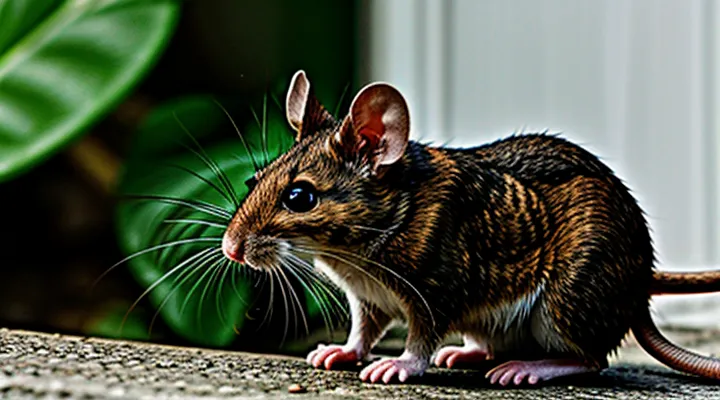
The World Through a Mouse's Eyes: A Glimpse into Their Fears
Understanding a Mouse's Instincts
Survival Mechanisms
Mice confront a wide range of predators and environmental hazards that demand rapid, effective responses. Their survival depends on a suite of physiological, behavioral, and sensory adaptations that mitigate risk and facilitate escape.
- Acute auditory and olfactory detection enable early identification of approaching carnivores such as owls, snakes, and feral cats.
- Whisker‑mediated tactile sensing provides precise spatial awareness in low‑light conditions, allowing navigation through complex burrow systems.
- Rapid, erratic locomotion—characterized by high‑frequency bursts and sudden direction changes—reduces capture probability during predator attacks.
- Burrowing behavior creates concealed refuges; tunnel networks include multiple exits and dead‑end chambers that serve as escape routes.
- Social vigilance, wherein individuals emit alarm vocalizations, alerts conspecifics to danger and triggers collective dispersal.
- Stress‑induced hormonal release (e.g., adrenaline) heightens cardiovascular output and muscle readiness, supporting immediate flight.
These mechanisms operate synergistically, ensuring that mice maintain a high probability of evading predation and surviving fluctuating threat levels. Continuous refinement of sensory acuity, motor agility, and communal communication underpins their resilience across diverse habitats.
The Role of Scent and Sound
Mice rely on olfactory cues to identify danger. Predator urine, fur, and feces contain volatile compounds that trigger immediate avoidance. Laboratory studies show that exposure to cat or fox scent reduces exploratory behavior within seconds. Chemical signals from birds of prey, such as hawk feathers, also elicit freezing responses. The sensitivity of the mouse olfactory epithelium allows detection of concentrations as low as parts per billion, ensuring rapid assessment of the environment.
Auditory perception complements scent detection. Mice possess a broad hearing range that includes ultrasonic frequencies produced by small predators and insectivores. Sudden low‑frequency thuds, such as the footfall of a barn owl, generate startle reflexes. Continuous rustling of vegetation, characteristic of snakes moving through grass, prompts heightened vigilance and reduced foraging. Experiments using playback of predator calls demonstrate a measurable increase in corticosterone levels, confirming stress induction.
Key sensory inputs that provoke fear in mice:
- Predator odors: cat urine, fox feces, hawk feathers, weasel scent glands.
- Alarm pheromones: conspecific urine released after a predator encounter.
- High‑frequency sounds: ultrasonic vocalizations of owls, bat echolocation clicks.
- Low‑frequency vibrations: footfalls of larger mammals, wind‑induced leaf movement.
The integration of scent and sound information occurs in the amygdala, which coordinates rapid motor responses such as fleeing, freezing, or seeking shelter. Disruption of either channel, through olfactory blockage or auditory masking, diminishes avoidance behavior and increases susceptibility to predation. Consequently, both modalities constitute essential components of the mouse’s defensive strategy.
The Primary Predators: Who Hunts Mice?
Feline Hunters: Cats
Domestic Cats
Domestic cats (Felis catus) represent a primary mammalian predator that mice encounter in both urban and rural environments. Their predatory behavior derives from innate hunting instincts retained from wild ancestors, enabling rapid detection, pursuit, and capture of small rodents.
Key characteristics that make cats effective hunters include:
- Acute vision attuned to motion at low light levels, allowing detection of mice’s quick scurrying.
- Highly sensitive whiskers that map three‑dimensional space, facilitating precise navigation in confined areas.
- Muscular forelimbs equipped with retractable claws, delivering swift, lethal strikes.
- Auditory range extending into ultrasonic frequencies, capturing the high‑pitched squeaks produced by rodents.
Cats employ a sequence of tactics: silent stalking, brief pause to assess distance, explosive pounce, and a bite to the neck or spinal region that quickly immobilizes the prey. This method reduces the mouse’s chance to escape and minimizes the duration of struggle, which in turn limits the risk of injury to the predator.
The presence of domestic cats exerts measurable pressure on mouse populations. Studies of household pest control report a reduction in mouse activity where free‑roaming cats are present, while indoor‑only cats contribute less directly but can still affect rodents that enter dwellings. Consequently, cats serve as a natural control factor, influencing mouse behavior, distribution, and survival rates across diverse habitats.
Wild Felines
Wild felines constitute a primary source of danger for small rodents. Their presence spans forests, grasslands, deserts, and mountainous regions, where they hunt opportunistically.
- Bobcat (Lynx rufus) – forest and shrubland predator, frequently captures mice.
- Canada lynx (Lynx canadensis) – tundra specialist, relies on rodent cycles.
- Puma (Puma concolor) – adaptable to varied habitats, includes mice in diet.
- African leopard (Panthera pardus) – occupies savanna and woodland, preys on rodents when larger prey are scarce.
These cats possess acute night vision, low‑frequency hearing, and vibrissae that detect minute air movements. Muscular forelimbs and retractable claws enable rapid acceleration and precise strikes. Their stealth is enhanced by soft footpads that minimize substrate noise.
Hunting proceeds through stalking, short‑range ambush, and a decisive bite to the cervical vertebrae. Capture success rates exceed 70 % when prey is within striking distance. Predation pressure reduces mouse densities, especially during peak breeding seasons, thereby influencing population dynamics and disease transmission.
Interaction with other carnivores, such as mustelids and raptors, creates a competitive hierarchy that shapes prey availability. Wild felines’ predatory impact contributes to ecosystem balance by regulating rodent communities and limiting vegetation overconsumption.
Avian Predators: Birds of Prey
Owls: Silent Hunters of the Night
Owls dominate nocturnal predation on rodents through a combination of stealth, acute sensory systems, and rapid flight. Their facial disks concentrate sound waves, allowing precise localization of mouse movements even in total darkness. Large, forward‑facing eyes provide binocular vision, enhancing depth perception for accurate strikes. Feather structure suppresses aerodynamic noise, making the approach undetectable until the moment of capture.
Key adaptations that increase threat to mice include:
- Silent wingbeat generated by specialized feather edges.
- Asymmetrical ear placement that creates a three‑dimensional acoustic map.
- Powerful talons capable of crushing bone in a single grip.
- Muscular neck that rotates the head up to 270°, expanding visual coverage without body movement.
Behaviorally, owls patrol territories at dusk, positioning themselves on perches that overlook mouse pathways such as field edges and burrow entrances. When a mouse ventures into the detection zone, the owl initiates a swift dive, often reaching speeds of 60 km/h. The sudden, silent attack leaves little opportunity for escape, forcing mice to adopt heightened vigilance, reduced foraging time, and increased use of underground refuges.
Consequences for mouse populations manifest as lower survival rates in habitats with dense owl presence, altered activity patterns to avoid peak hunting periods, and selective pressure favoring individuals with enhanced hearing and camouflage. The predator‑prey dynamic thus shapes both owl hunting efficiency and mouse defensive strategies.
Hawks and Falcons: Daytime Stalkers
Hawks and falcons dominate the daylight sky as agile predators of rodents. Their acute vision detects mouse movement from distances up to several hundred meters, allowing early identification of prey before the animal can seek cover. Swift, low‑altitude flight combined with sudden dives creates a surprise attack that leaves little time for escape.
Key attributes of these raptors include:
- Visual acuity: Retinal structure provides up to eight times the resolution of human sight, enabling detection of minute rustling or shadow changes.
- Wing morphology: Long, pointed wings generate high speed while maintaining maneuverability for rapid turns around vegetation.
- Talons and beak: Strong, curved talons grasp and immobilize the mouse; a hooked beak delivers a lethal bite to the neck or spine.
- Hunting strategy: Perch‑and‑watch from elevated sites, followed by a steep stoop that maximizes kinetic energy and minimizes the prey’s reaction window.
Mice respond to the presence of these aerial hunters by altering activity patterns. They increase use of burrow entrances concealed by dense ground cover, reduce foraging during bright midday hours, and emit higher‑frequency alarm calls that trigger collective retreat. The pressure exerted by hawks and falcons shapes mouse vigilance, influencing both spatial distribution and temporal behavior within ecosystems.
Reptilian Threats: Snakes
Constrictors
Mice perceive large snakes that kill by coiling as immediate danger. Constrictors locate prey through heat-sensitive pits, scent, and vibration, then strike, seize, and immobilize the rodent with muscular loops. The pressure exceeds the mouse’s circulatory capacity, causing rapid loss of consciousness and death.
Typical constrictor species that threaten mice include:
- North American copperhead (Agkistrodon contortrix) – medium‑size, nocturnal, often encountered in fields and woodlands.
- Eastern garter snake (Thamnophis sirtalis) – smaller but capable of subduing mice in dense vegetation.
- Common boa (Boa constrictor) – tropical, utilizes ambush tactics near ground cover and burrows.
- Rat snake (Pantherophis spp.) – frequent in agricultural settings, actively hunts rodents.
Mice reduce exposure by:
- Favoring elevated pathways that limit contact with ground‑level predators.
- Limiting activity during peak snake activity periods (dusk and night).
- Using complex burrow networks that hinder a snake’s ability to coil around a moving target.
The physiological impact of a constrictor bite includes:
- Immediate loss of motor control as muscles contract around the spine.
- Disruption of blood flow leading to organ failure within minutes.
- Absence of venom; death results solely from mechanical compression.
Understanding these characteristics helps explain why constrictors rank among the most lethal threats to mouse populations.
Venomous Snakes
Venomous snakes represent a significant threat to mice, combining rapid detection, potent envenomation, and efficient killing techniques. Their sensory systems—heat‑sensing pits, acute vision, and chemosensory cues—allow precise localization of small rodents even in low‑light conditions. Once a mouse is within striking distance, the snake delivers a bite that injects neurotoxic or hemotoxic venom, depending on the species. Neurotoxins disrupt nerve transmission, causing paralysis within seconds; hemotoxins damage blood vessels and tissue, leading to rapid hemorrhage and organ failure.
Key characteristics of venomous snakes that affect mouse survival include:
- Stealthy ambush – many species remain motionless, blending with leaf litter or burrows, reducing the chance of early detection by the prey.
- Thermal detection – pit vipers and some elapids sense the heat emitted by a mouse’s body, enabling attacks from concealed positions.
- Venom potency – even a single milligram of certain neurotoxins can incapacitate a mouse, minimizing struggle and injury risk for the predator.
- Rapid consumption – after envenomation, snakes often swallow prey whole, limiting exposure to potential counter‑attacks.
Ecologically, venomous snakes help regulate rodent populations, preventing overpopulation and associated crop damage. Their predation pressure influences mouse behavior: individuals tend to avoid open ground, increase nocturnal activity, and develop heightened vigilance near known snake habitats. Studies tracking mouse movement patterns show reduced foraging range in areas with high snake density, indicating an adaptive response to the presence of these lethal predators.
Overall, venomous snakes combine sensory precision, lethal biochemistry, and stealth tactics to pose a direct and efficient danger to mice, shaping both population dynamics and behavioral strategies within rodent communities.
Canine Foes: Dogs and Wild Canids
Domestic Dogs
Domestic dogs (Canis familiaris) represent a frequent source of danger for house mice. Their size, speed, and predatory instincts enable them to detect, chase, and capture small mammals. When a dog moves through a building, its keen sense of smell and hearing can locate concealed rodents, prompting a pursuit that often ends in capture or injury.
Key aspects of canine threat to mice include:
- Acute olfactory detection of mouse scent trails.
- Rapid auditory response to squeaks and rustling.
- Physical ability to reach and trap mice in confined spaces.
- Instinctive biting and shaking motions that cause severe trauma.
In environments where dogs are present, mouse populations typically exhibit heightened vigilance, reduced foraging activity, and increased use of hidden nesting sites. The persistent presence of a dog can therefore suppress rodent numbers and limit their spatial distribution within homes and farms.
Foxes and Coyotes
Foxes and coyotes constitute two of the most common mammalian predators that threaten mice in a variety of habitats. Both species rely on acute hearing, keen vision, and a highly developed sense of smell to locate small prey. Their nocturnal activity patterns overlap with the periods when mice are most active, increasing the likelihood of encounters.
Foxes (Vulpes spp.) typically hunt by stalking and pouncing. Their flexible bodies enable rapid bursts of speed, allowing them to close distances of up to 30 meters before striking. Foxes often use a “search‑and‑pounce” technique, pausing to listen for rustling or squeaking, then lunging with a bite that delivers a lethal blow to the mouse’s neck or spinal region. The predator’s diet includes a substantial proportion of rodents, with studies reporting mouse consumption rates of 15–30 % of total intake in temperate zones.
Coyotes (Canis latrans) employ a different strategy. They favor endurance chasing, capable of maintaining speeds of 40 km/h over several minutes. Coyotes are opportunistic; they may ambush mice near burrow entrances or pursue them across open ground. Their pack behavior, though less common than in wolves, can amplify hunting efficiency when multiple individuals cooperate to flush out hidden rodents. Field observations indicate that coyotes can reduce local mouse densities by up to 20 % during peak breeding seasons.
Key characteristics that make foxes and coyotes effective threats to mice:
- Acute auditory detection of high‑frequency sounds produced by mouse movement.
- Olfactory sensitivity to urine and fecal pheromones marking mouse territories.
- Visual acuity in low‑light conditions, facilitating night‑time predation.
- Physical adaptations: sharp canine teeth for quick kills, strong forelimbs for grasping.
The combined presence of these predators exerts constant pressure on mouse populations, influencing behavior such as increased burrow depth, heightened vigilance, and altered foraging routes. Understanding the specific tactics of foxes and coyotes provides insight into the ecological forces shaping mouse survival strategies.
Other Mammalian Predators
Weasels and Stoats
Weasels and stoats are among the most efficient mammalian predators of mice. Their slender bodies enable rapid entry into burrows and tight spaces where rodents hide. Sharp teeth and a powerful bite deliver lethal wounds within seconds, while a flexible spine allows sudden changes of direction during pursuit.
Both species rely on acute sensory systems. Vision detects motion at low light levels; whisker receptors sense vibrations in the soil; olfactory abilities locate prey scent trails over considerable distances. These adaptations make them capable of tracking mice even when the rodents remain motionless.
Impact on mouse populations is measurable. Field studies show that areas with established weasel or stoat territories experience a reduction in mouse density of 30‑45 % compared to predator‑free zones. Predation pressure influences mouse behavior, prompting increased nocturnal activity and the use of deeper nest chambers.
Key characteristics of weasels and stoats include:
- Size: adult body length 15–25 cm, weight 100–250 g, facilitating entry into mouse nests.
- Hunting technique: ambush followed by rapid chase, often ending with a single bite to the neck.
- Reproductive rate: multiple litters per year, each producing 4–7 offspring, sustaining high predator numbers.
- Territoriality: individuals defend a range of 0.5–2 km², ensuring continuous pressure on local rodent communities.
Understanding these predators clarifies why mice exhibit heightened vigilance, frequent use of cover, and swift escape responses when confronted with weasels or stoats.
Raccoons and Opossums
Raccoons (Procyon lotor) and opossums (Didelphis virginiana) are common sources of danger for wild and captive mice. Both species occupy habitats that overlap with mouse populations, increasing the likelihood of encounters.
Raccoons are nocturnal omnivores with a diet that includes small mammals. Their dexterous forepaws enable them to pry open containers, nest boxes, and burrows, granting direct access to mice. Raccoons locate prey by scent and auditory cues; they can detect mouse activity beneath leaf litter or within compost piles. Seasonal peaks in raccoon activity—particularly in late summer and early autumn—correlate with heightened predation pressure on mouse cohorts.
Opossums are solitary marsupials that hunt primarily at night. Their diet comprises insects, rodents, and carrion. Opossums employ a sit‑and‑wait strategy, positioning themselves near mouse runways or feeding stations. Their strong jaws and sharp teeth allow rapid dispatch of captured mice. Unlike raccoons, opossums are less likely to manipulate objects but can infiltrate ground nests and burrows.
Key characteristics that increase risk to mice:
- Nocturnal foraging patterns that coincide with mouse activity cycles.
- Acute olfactory and auditory senses for detecting concealed prey.
- Physical adaptations (raccoon forepaws, opossum jaws) that facilitate capture.
- Habitat overlap in gardens, farms, and urban green spaces.
- Seasonal abundance of food resources driving increased predator presence.
Mitigation measures for laboratory or pet mouse facilities include securing feed in sealed containers, installing predator‑exclusion screens on ventilation openings, and maintaining clear perimeters to reduce attractants for raccoons and opossums. Effective control of these predators diminishes mortality rates and supports stable mouse populations.
Indirect Threats and Environmental Dangers
Human Impact
Pesticides and Traps
Mice encounter chemical controls and mechanical devices designed to eliminate or deter them. Pesticides function by disrupting nervous systems, metabolic pathways, or respiration. Common rodenticides include anticoagulants (e.g., bromadiolone, difenacoum), neurotoxins (e.g., bromethalin), and metal phosphides (e.g., zinc phosphide). These agents are typically formulated as pellets, blocks, or bait stations, allowing placement in concealed locations to reduce accidental exposure of non‑target wildlife and humans. Effective use demands strict adherence to label instructions, proper bait density, and regular monitoring to confirm mortality and prevent secondary poisoning.
Mechanical capture methods rely on instantaneous or rapid incapacitation. The principal categories are:
- Snap traps: steel spring mechanisms that kill with a single strike; high kill efficiency, minimal bait required.
- Electronic traps: battery‑powered plates delivering a lethal voltage; reusable, no poison residue.
- Live‑catch traps: cage designs that confine without injury; useful for relocation or research, but require immediate handling to avoid stress.
Selection criteria include target species size, placement environment, safety considerations, and regulatory restrictions on poison use. Proper positioning—along walls, near runways, and in concealed corners—maximizes contact rates. Routine inspection ensures traps remain functional, bait remains fresh, and any captured rodents are dealt with promptly.
Habitat Destruction
Habitat destruction removes the cover, nesting sites, and foraging grounds that mice rely on to avoid detection. When vegetation is cleared, burrows are exposed, and ground litter is stripped away, the animals lose the structural complexity that obscures their movements from predators.
Consequences of habitat loss include:
- Reduced shelter, forcing mice to travel in open areas where visual and auditory predators can locate them more easily.
- Fragmented populations, which limit access to safe corridors and increase the likelihood of crossing predator‑rich zones.
- Diminished food diversity, leading to prolonged foraging periods and heightened exposure to hunting species.
The overall effect is a measurable rise in predation rates and a decline in mouse survival. Conservation of natural habitats therefore directly mitigates one of the principal dangers facing these rodents.
Environmental Hazards
Extreme Weather Conditions
Mice experience acute stress when weather deviates sharply from the moderate conditions of their burrows. Sudden temperature spikes raise metabolic demand, deplete water reserves, and impair thermoregulation. Prolonged cold lowers body temperature, slows digestion, and increases the risk of hypothermia. Both extremes reduce the time mice can safely forage, compelling them to expose themselves to predators.
Extreme weather also disrupts shelter stability. Heavy rain or rapid snow melt can flood burrow entrances, forcing mice to abandon established nests. High winds and hail damage vegetation, stripping cover that conceals movement. The loss of protective structures intensifies encounters with snakes, owls, and feral cats.
Key weather phenomena and their direct effects on mice include:
- Heatwaves: accelerated dehydration, elevated heart rate, limited night activity.
- Cold snaps: reduced enzymatic activity, increased energy consumption for warmth, constrained foraging range.
- Flash floods: immediate drowning risk, displacement to unfamiliar terrain, heightened predator visibility.
- Severe storms: destruction of ground cover, exposure to aerial hunters, disorientation.
- Drought: scarcity of seed and insect prey, competition for limited water sources, forced travel across open ground.
Collectively, these conditions amplify the threats that already challenge mouse survival, making extreme weather a significant factor in their risk landscape.
Lack of Food and Water
Mice confront scarcity of sustenance as a primary survival challenge. Deprivation of food triggers rapid weight loss, reduced reproductive output, and heightened vulnerability to predation because weakened individuals cannot evade hunters effectively. Absence of water accelerates dehydration, leading to impaired thermoregulation, diminished locomotor activity, and eventual organ failure. Both deficits compound stress hormones, weakening immune responses and increasing mortality rates.
Key physiological and ecological consequences include:
- Energy depletion: glycogen stores exhaust within 24‑48 hours, forcing reliance on fat reserves.
- Reproductive suppression: estrous cycles delay or cease, limiting population growth.
- Predator exposure: reduced vigilance and slower escape responses raise capture probability.
- Behavioral shifts: increased foraging range and risk‑taking elevate encounters with natural enemies.
- Mortality escalation: dehydration can be fatal within 48‑72 hours under typical laboratory conditions.
Field observations confirm that habitats with intermittent food or water availability host smaller, less dense mouse populations. Management practices that limit resource access effectively reduce mouse numbers by exploiting these inherent physiological limits.
Interspecies Competition
Rats and Larger Rodents
Mice share their habitat with several rodent species that pose direct danger. Rats, particularly the Norway and roof varieties, are larger, more aggressive, and capable of killing or displacing mice through physical confrontation. Their size advantage allows them to dominate limited food resources, forcing mice into marginal foraging zones where exposure to other predators increases.
Larger rodents such as voles, ground squirrels, and chipmunks contribute to the threat landscape in distinct ways. They compete for seeds and insects, often driving mice to forage under suboptimal conditions. Some species, like the black-tailed prairie dog, emit alarm calls that attract avian predators, indirectly raising the risk for nearby mice.
Key mechanisms of threat from rats and larger rodents include:
- Direct aggression: bites, territorial fights, and lethal encounters.
- Resource monopolization: depletion of grains, seeds, and insects essential to mouse diets.
- Habitat disruption: burrow destruction and nest usurpation, leading to loss of shelter.
- Indirect predation escalation: alarm signaling and predator attraction caused by larger rodent activity.
Understanding these interspecific dynamics clarifies why mice exhibit heightened vigilance and avoidance behaviors when cohabiting with more dominant rodent species.
Insect Predators
Mice encounter several insect species that act as predators, adding to the array of natural threats they must evade. These insects employ diverse hunting strategies, ranging from ambush attacks to venomous stings, and can inflict injury or death on small rodents.
- Ground beetles (Carabidae): possess powerful mandibles that can crush or seize juvenile mice caught near the soil surface.
- Assassin bugs (Reduviidae): inject enzymes that liquefy tissue, allowing the bug to consume the mouse’s internal fluids after a brief bite.
- Robber flies (Asilidae): capture mice in flight or on the ground, delivering a painful, paralytic bite before feeding.
- Predatory wasps (e.g., spider wasps, solitary hunting wasps): paralyze mice with venom, then transport the immobilized prey to a nest for larval development.
- Antlion larvae: construct sand pits that trap small mammals; once a mouse falls in, the larva delivers a lethal injection.
These insect predators contribute significantly to the mortality risk faced by mice, especially juveniles and individuals foraging in open or semi‑buried environments where exposure to such arthropods is highest. Their presence reinforces the broader spectrum of dangers that shape mouse behavior and survival strategies.