
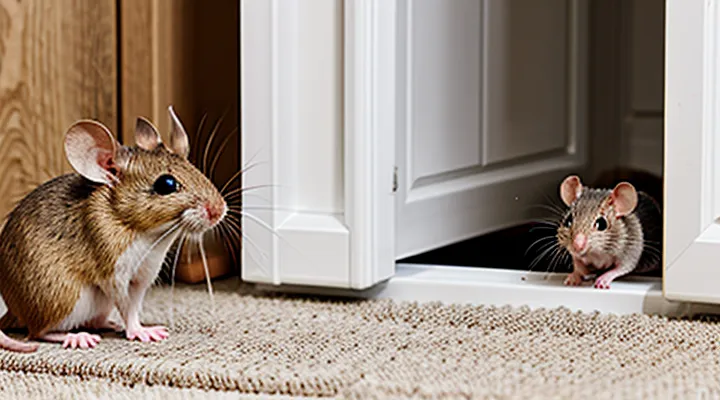
Understanding What Frightens Mice
Natural Predators and Their Impact
Cats and Other Household Pets
Cats deter rodents by emitting a scent that signals a predator, by leaving urine marks, and by occasional hunting activity. Their presence alone reduces mouse activity in areas where they roam freely.
Other common pets contribute to mouse deterrence in distinct ways:
- Ferrets: Agile hunters that chase mice through tight spaces, creating a hostile environment for the pests.
- Small dogs (e.g., terriers): Instinctual chase behavior disrupts mouse foraging patterns; audible barking adds an additional stress factor.
- Certain bird species (e.g., chickens, ducks): Produce loud vocalizations and rapid movements that startle mice, especially when housed near entry points.
Effective use of pets for rodent control requires the following practices:
- Allow the animal unrestricted access to rooms where mouse activity is suspected, while ensuring safety for both pet and household.
- Maintain regular cleaning of litter boxes, cages, and bedding to prevent disease transmission and to keep the predator scent potent.
- Combine pet presence with physical barriers such as sealed entry points and traps to maximize elimination efficiency.
Pets should not replace structural pest management but serve as a complementary deterrent that lowers mouse populations through natural predation cues.
Birds of Prey
Birds of prey exert a natural deterrent effect on residential rodents. Their presence, even visual or auditory cues, signals a high‑risk environment for mice, prompting avoidance behavior.
Physical deterrence can be achieved by installing raptor silhouettes or realistic decoys near entry points, storage areas, and along walls. Mice quickly associate these shapes with predation risk and reduce activity in the vicinity.
Acoustic deterrence relies on playback of hawk or owl calls. Short, irregular bursts of recorded calls, placed on battery‑operated devices, maintain a perception of an active predator without causing habituation.
Habitat modification encourages actual raptor visitation. Providing nesting boxes for owls or installing perches for hawks near open fields creates a sustainable predator presence. Regular monitoring ensures boxes remain clean and accessible.
Practical implementation checklist:
- Position decoys at 3‑5 ft height, rotate orientation weekly.
- Set sound emitters on a timer: 2‑minute playback, 30‑minute silence, repeat.
- Mount nesting boxes 10‑15 ft above ground, facing south‑west for optimal sunlight.
- Keep surrounding vegetation trimmed to enhance sight lines for raptors.
Combining visual, auditory, and ecological strategies maximizes the perceived threat, leading to a measurable decline in mouse activity throughout the home environment.
Sensory Aversions
Strong Scents
Mice react sharply to intense odors because their olfactory system is highly sensitive. Strong scents disrupt their ability to locate food and nesting sites, prompting avoidance of treated areas.
Effective aromatic deterrents include:
- Peppermint oil (minimum 10 % concentration). Apply soaked cotton balls in corners, behind appliances, and near entry points. Replace every 48 hours.
- Clove oil (5–10 % solution). Distribute on cloth strips placed in crawl spaces and under cabinets. Refresh weekly.
- Eucalyptus oil (10 % solution). Spray lightly on baseboards and shelving. Reapply after cleaning.
- Citronella oil (10 % solution). Place in vent openings and near garbage disposals. Replenish after two weeks.
Implementation guidelines:
- Ensure ventilation to prevent respiratory irritation for occupants.
- Combine multiple scents in a single location to prevent habituation.
- Avoid direct contact with food surfaces; use barriers such as sealed containers.
- Monitor for reduced rodent activity; adjust placement if sightings persist.
Strong aromatic agents provide a non‑toxic method to deter mice, reducing the need for traps or poisons while maintaining a household environment that is inhospitable to these pests.
Loud Noises
Loud noises trigger a strong aversion in mice because their survival instincts prioritize detecting predators. Sudden, high‑decibel sounds overwhelm their sensitive hearing, causing panic and prompting them to flee or hide. This reaction makes noise an effective deterrent when applied consistently.
To employ acoustic deterrence safely, consider the following actions:
- Install a white‑noise generator that emits continuous, low‑frequency sounds above 60 dB; mice find this environment uncomfortable.
- Use a motion‑activated alarm that produces a brief, sharp burst of sound (80–90 dB) whenever rodent activity is detected.
- Place a programmable speaker system to broadcast intermittent bursts of clanging or rattling noises, ensuring intervals of at least 30 seconds to prevent habituation.
- Keep household appliances such as vacuum cleaners, blenders, or fans running periodically in areas where mice are suspected, creating an unpredictable acoustic landscape.
When implementing these measures, verify that sound levels remain within residential safety standards to avoid human discomfort. Combine acoustic tactics with sealing entry points, removing food sources, and employing traps for a comprehensive control strategy.
Bright Lights
Bright lights create an environment that most rodents find uncomfortable. Mice rely on darkness for movement and shelter; sudden illumination interferes with their navigation and increases exposure to predators.
- Install motion‑activated LED fixtures near entry points, pantry doors, and hidden pathways. The brief flash disrupts activity and discourages repeated visits.
- Use daylight‑mimicking bulbs in storage areas where food is kept. Continuous illumination reduces the likelihood of nocturnal foraging.
- Position floodlights or high‑intensity lamps at the exterior of the house, especially around foundations, to deter entry from outside.
Effectiveness depends on proper placement. Lights should cover gaps in wall voids, under appliances, and along baseboards where mice travel. Over‑illumination of living spaces may cause discomfort for occupants, so balance is required.
Limitations include habituation; mice may adapt to constant light after prolonged exposure. Rotating light sources or combining illumination with other deterrents—such as sealing cracks and removing food sources—maintains pressure on rodent activity.
Safety considerations: Choose fixtures with low heat output to avoid fire risk, and ensure cords are protected from chewing. Energy‑efficient LEDs provide sufficient brightness while minimizing power consumption.
In summary, bright lighting serves as a practical, non‑chemical method to discourage mice in residential settings when applied strategically and complemented by rigorous sanitation and structural sealing.
Environmental Dislikes
Open Spaces
Open spaces in a residence remove the concealed pathways and sheltered corners that rodents rely on for movement and nesting. When floor surfaces, countertops, and storage areas are kept clear, the environment becomes hostile to mice, which prefer darkness and tight concealment.
Mice avoid expansive, unobstructed zones because exposure increases the likelihood of detection by predators and humans. Bright lighting, audible activity, and the absence of hiding places heighten stress for the animal, prompting it to seek alternative routes or abandon the premises entirely.
Practical steps to create and maintain open spaces:
- Store food in sealed containers and place them on elevated shelves rather than on open countertops.
- Keep pantry aisles and kitchen drawers free of excess paper, packaging, or debris.
- Use low‑profile furniture that does not create gaps beneath or behind it.
- Regularly sweep and vacuum floors to eliminate crumbs and droppings that could attract rodents.
- Install shelving that allows easy visual inspection of stored items, reducing hidden niches.
Sustaining uncluttered areas limits the opportunities for mice to establish nests, travel undetected, and access food sources. The resulting reduction in shelter and foraging options directly supports long‑term rodent control.
Unfamiliar Objects
Mice rely on scent and visual familiarity to navigate indoor spaces; sudden changes trigger a stress response that discourages settlement. Introducing objects that are novel in shape, texture, or movement creates a perceptual barrier, reducing the likelihood of colonisation.
Common unfamiliar items that provoke avoidance include:
- Reflective surfaces such as aluminum foil strips or mirrored panels, which generate unpredictable light reflections.
- Vibrating devices like ultrasonic emitters or low‑frequency shakers, producing sensations mice have not encountered.
- Strongly scented materials, for example citrus peels, peppermint oil pads, or ammonia‑infused sponges, presenting olfactory cues outside normal household odors.
- Textured obstacles such as plastic mesh, coarse sandpaper, or rubber mats, offering unfamiliar tactile feedback.
Effective implementation follows three steps: place the chosen items along known entry points, rotate or replace them every two to three weeks to maintain novelty, and combine several types to address both visual and olfactory sensitivities. Continuous monitoring ensures that mice do not acclimate, allowing prompt adjustment of the deterrent array.
Strategies for Mouse Elimination
Deterrents Based on Fear
Ultrasonic Devices
Ultrasonic devices emit high‑frequency sound waves that are inaudible to humans but uncomfortable for rodents. The emitted tones disrupt mice’s communication and cause disorientation, prompting them to vacate treated areas.
Key characteristics of effective ultrasonic repellents:
- Frequency range: 20–65 kHz, targeting the hearing sensitivity of common house mice.
- Coverage area: specify square footage per unit; larger spaces may require multiple devices.
- Adjustable timers: allow intermittent operation, reducing habituation.
- Built‑in motion sensors: activate emission only when movement is detected, conserving energy.
Placement guidelines ensure maximum impact:
- Position devices at least 12 inches off the floor, near entry points, walls, and known nesting sites.
- Avoid obstructing the speaker with furniture or curtains; open line of sight improves sound propagation.
- Distribute units evenly in multi‑room homes; overlapping zones prevent gaps in coverage.
Limitations to consider:
- Solid walls and thick insulation block ultrasonic waves; test each room for effectiveness.
- Certain pets, especially rodents and some small mammals, may experience distress; relocate devices if adverse reactions occur.
- Mice can become desensitized after prolonged exposure; rotate frequencies or combine with other control methods for sustained results.
Maintenance requirements are minimal. Clean the exterior surface periodically to prevent dust accumulation, and replace units according to the manufacturer’s lifespan, typically every 2–3 years.
When selecting a product, prioritize models with verified frequency output, reliable power sources (battery or AC), and documented field testing. Proper installation, regular monitoring, and integration with sanitation practices create a comprehensive approach to deterring mice from residential environments.
Scent-Based Repellents
Mice rely heavily on their sense of smell to locate food and shelter; strong, unpleasant odors disrupt this navigation and deter entry into a dwelling.
Effective scent-based repellents include:
- Peppermint oil (Mentha piperita) – high concentration of menthol and menthone creates an acrid aroma that mice avoid.
- Eucalyptus oil (Eucalyptus globulus) – phenolic compounds produce a sharp scent unpleasant to rodents.
- Clove oil (Syzygium aromaticum) – eugenol component acts as a natural irritant.
- Ammonia – volatile ammonia vapors mimic predator urine, prompting avoidance.
- Citronella – citrus-derived compounds generate a repelling fragrance.
Application guidelines:
- Dilute essential oils in water at a ratio of 10 ml oil per liter of water; spray along baseboards, entry points, and near stored food.
- Reapply every 48 hours, or after cleaning, to maintain potency.
- Place soaked cotton balls in concealed areas where mice travel; replace weekly.
- For ammonia, use a shallow dish with a few tablespoons of concentrated solution, ensuring ventilation to avoid human irritation.
Precautions and efficacy:
- Direct contact with undiluted oils may damage painted surfaces; test a small area first.
- Strong odors dissipate quickly; consistent reapplication is essential for sustained deterrence.
- Scent repellents reduce activity but seldom eradicate established infestations; combine with sealing gaps and trapping for comprehensive control.
- Keep repellents out of reach of children and pets; follow safety data sheets for each chemical.
Trapping Methods
Live Traps
Live traps provide a humane method for removing mice from residential environments. The device consists of a concealed compartment that closes automatically when a mouse triggers a pressure-sensitive plate or a trip wire. The sudden enclosure, combined with the unfamiliar scent of the trap, creates a strong deterrent that discourages entry into the same area.
Effective deployment requires strategic placement. Position traps along walls, behind appliances, and near known gnawing sites, because mice travel close to vertical surfaces. Use high‑protein baits such as peanut butter, dried fruit, or small pieces of cooked meat. Secure bait to the trigger mechanism to prevent premature removal. Check traps at least twice daily to avoid prolonged confinement, which can cause stress and increase the likelihood of escape.
Pros
- Captures rodents without killing them.
- Reduces risk of poison exposure to children and pets.
- Allows targeted removal of individual pests.
Cons
- Requires regular monitoring and timely release.
- May be less effective in large infestations.
- Needs proper sanitation after each catch.
When a mouse is captured, transport the trap to a location at least two miles from the residence, preferably a wooded or rural area where the animal can find shelter. Release the mouse gently, ensuring the surrounding environment provides adequate cover and food sources. Follow local regulations regarding wildlife relocation, as some jurisdictions restrict the transport of certain species.
By integrating live traps with diligent sanitation, sealing of entry points, and ongoing monitoring, homeowners can address rodent intrusion while minimizing harm to the captured animals.
Snap Traps
Snap traps provide a direct, rapid method for reducing mouse populations inside residential spaces. The mechanism consists of a spring‑loaded bar positioned beneath a baited trigger. When a mouse contacts the trigger, the bar snaps shut, delivering an instantaneous kill. This immediate result exploits mice’s natural aversion to sudden, violent movements, reinforcing the perception of danger throughout the environment.
Effective deployment relies on precise placement and proper bait selection. Key practices include:
- Position traps along walls, behind appliances, and near known entry points; mice prefer to travel close to surfaces.
- Use a small amount of high‑protein bait such as peanut butter, dried fruit, or bits of cooked meat.
- Set traps with the trigger just barely engaged; excessive tension reduces sensitivity.
- Replace any trap that fails to capture within 24 hours to maintain a consistent threat presence.
Safety considerations are essential. Keep traps out of reach of children and pets by using covered models or placing them in inaccessible areas. Wear gloves when handling captured rodents to avoid disease transmission, and dispose of bodies in sealed bags before discarding them in an outdoor trash container.
Advantages of snap traps include low cost, immediate results, and no reliance on chemicals. Limitations involve the need for regular monitoring and the potential for humane concerns among some users. For households seeking a non‑chemical, swift solution, snap traps remain a proven tool when applied with strategic placement and diligent maintenance.
Glue Traps
Glue traps consist of a flat surface coated with a strong adhesive that immobilizes rodents instantly upon contact. The device offers a silent, chemical‑free option for indoor pest control, appealing to households that prefer non‑toxic solutions.
Effective deployment requires strategic placement: along walls, behind appliances, in hidden corners, and near known gnawing sites. Mice travel close to baseboards and follow established runways; positioning traps directly across these pathways maximizes capture rates. Replace traps promptly when they become saturated or after a caught rodent to maintain adhesion.
Advantages:
- Immediate incapacitation without the need for poison
- No odor or residue that could attract other pests
- Low cost per unit, easy to store in bulk
Disadvantages:
- Potential for accidental capture of non‑target species, including pets
- Ethical concerns regarding prolonged suffering of trapped rodents
- Limited reusability; each trap serves a single capture
Safety measures include securing traps out of reach of children and animals, wearing disposable gloves during handling, and disposing of captured rodents in sealed bags before discarding. For environments where humane concerns outweigh convenience, consider snap traps or exclusion techniques as alternatives.
Exclusion Techniques
Sealing Entry Points
Sealing entry points blocks the most reliable route mice use to access interior spaces. Identify gaps larger than a quarter‑inch in foundations, walls, windows, doors, and utility penetrations. Common sources include:
- Cracks around pipe stacks and vent pipes
- Gaps beneath baseboards and crown molding
- Openings around HVAC ducts and electrical conduits
- Unsealed spaces behind appliances and cabinets
Apply appropriate materials to each opening. Use steel wool or copper mesh for irregular cracks, then cover with expandable polyurethane foam or cement. Install metal flashing or hardware cloth (½‑inch mesh) over larger holes before applying caulk or mortar. For door and window frames, install weatherstripping and ensure sweeps contact the floor tightly.
Conduct a systematic inspection after each sealing effort. Light a flashlight along interior walls to reveal missed fissures, and check the exterior for new gaps after seasonal temperature changes. Maintain seals by reapplying caulk annually and repairing any damage caused by settling or weather.
A sealed envelope eliminates the safe harbor mice seek, forcing them to abandon the structure or become vulnerable to other control measures.
Maintaining a Clean Environment
A tidy home deprives mice of shelter, food residues, and nesting material, making the environment hostile to them. Regular removal of crumbs, spilled pet food, and stale pantry items eliminates primary attractants. Vacuuming floors, wiping countertops, and cleaning behind appliances eradicate hidden deposits that rodents exploit.
- Store dry goods in sealed containers; glass or heavy‑plastic jars prevent gnawing access.
- Dispose of garbage daily in bins with tight‑fitting lids; keep outdoor dumpsters away from building walls.
- Sweep and mop kitchen floors after each meal preparation; mop under cabinets and appliances weekly.
- Clean pet feeding areas after every use; rinse bowls and dry surfaces to remove droppings and saliva.
- Inspect and declutter storage spaces; eliminate cardboard boxes, fabric piles, and unused papers that could serve as nests.
Consistent sanitation reduces scent trails that mice follow, disrupts their foraging patterns, and forces them to seek alternative habitats. Implementing these practices creates a deterrent environment without chemicals, aligning hygiene standards with effective rodent prevention.
Food Storage Best Practices
Secure food storage removes a primary attraction for rodents. Keep all edible items in containers that seal tightly, preventing access to odors and crumbs. Plastic or glass jars with rubber gaskets, metal tins with snap‑on lids, and heavy‑duty ziplock bags are effective. Store these containers on shelves rather than on the floor, where mice can reach them more easily.
Maintain a clean pantry environment. Dispose of packaging immediately, wipe down surfaces after each use, and sweep regularly to eliminate stray particles. Rotate stock so that older products are used first, reducing the chance of spoilage that draws pests.
Adopt temperature control measures. Refrigerate or freeze perishable goods, especially those with strong scents such as cheese, nuts, and pet food. Cold environments suppress odor diffusion and discourage foraging behavior.
- Use airtight containers for dry goods, cereals, and grains.
- Place containers on elevated surfaces, away from walls.
- Clean spills promptly; avoid leaving food residues.
- Refrigerate or freeze high‑attractant items.
- Inspect containers for damage and replace compromised seals.
Consistent application of these practices limits food‑related cues, decreasing the likelihood that mice will enter the residence.
Post-Elimination Measures
Sanitation and Cleanup
Mice are attracted to food residues, water sources, and clutter that provide shelter. Maintaining a clean environment removes these incentives and reduces the likelihood of infestation.
Regular removal of crumbs, spills, and food wrappers eliminates accessible nutrition. Store all consumables in airtight containers made of glass, metal, or thick plastic; label containers to ensure proper sealing. Clean countertops, floors, and appliances after each use with a disinfectant that dissolves grease and protein residues.
Waste management is critical. Empty trash bins daily, use bins with tight‑fitting lids, and keep the exterior of containers free of food smears. Compost bins should be sealed and positioned away from entry points.
Moisture control prevents mice from exploiting water sources. Fix leaky faucets, pipes, and appliances promptly. Wipe down sinks and appliance interiors to remove standing water.
Declutter storage areas such as basements, attics, and garages. Stack boxes away from walls, seal gaps in shelving, and discard items no longer needed. Organized spaces limit hiding places and simplify inspection.
Routine inspection supports early detection. Conduct weekly checks for droppings, gnaw marks, or nests in hidden corners, under appliances, and behind furniture. Immediate removal of discovered debris disrupts mouse activity.
Implementing these sanitation practices creates an environment that offers no food, water, or shelter, thereby deterring mice and supporting any additional control measures.
Preventing Future Infestations
Mice return when conditions that attracted them remain unchanged. Long‑term protection depends on eliminating shelter, food, and entry points.
Sealing gaps in walls, foundations, and around pipes removes the most common routes. Use steel wool, copper mesh, or concrete to fill holes larger than a quarter‑inch. Install door sweeps and weather stripping on exterior doors. Repair damaged screens and vent covers.
Maintain a clean environment that denies rodents access to sustenance. Store dry goods in airtight containers, discard crumbs promptly, and keep countertops free of leftovers. Remove pet food after each meal, and clean under appliances and furniture where debris accumulates.
Implement a monitoring routine to detect early signs of activity. Place snap traps or live‑catch devices along walls, behind furniture, and near suspected entry points. Inspect insulation, attic, and crawl spaces monthly for gnaw marks, droppings, or nesting material. Replace traps or relocate them if capture rates decline.
Action checklist
- Inspect exterior for cracks; seal with appropriate material.
- Fit door sweeps and repair damaged screens.
- Store food in sealed containers; clean spills immediately.
- Remove clutter that provides hiding places.
- Deploy traps in strategic locations; check weekly.
- Conduct monthly visual inspections of hidden areas.
Consistent application of these measures reduces the likelihood of a renewed mouse problem, ensuring a durable solution without recurring disruptions.
Monitoring for Re-entry
Effective monitoring after a rodent‑control intervention prevents mice from re‑establishing a presence. The first step is to document all entry points that were sealed, noting the material and date of repair. This record serves as a baseline for later inspections.
Regular visual checks focus on signs of activity: fresh gnaw marks, droppings, urine stains, and displaced food. Inspect these indicators weekly in kitchens, pantry shelves, and behind appliances. A sudden increase in any of these signs signals a breach.
Technology can supplement manual surveys. Motion‑activated cameras positioned near previously compromised openings capture nocturnal movement without disturbing occupants. Infrared trail cameras provide clear evidence of small mammals even in dark corners. Data from these devices should be reviewed at least twice a week.
Monitoring actions
- Place snap or live traps along walls where activity was previously detected; check traps daily.
- Use non‑toxic bait stations with built‑in sensors that log each visit; download logs weekly.
- Conduct a perimeter sweep with a flashlight and a handheld metal detector to locate hidden metal plates or wire mesh that may have shifted.
- Schedule a professional inspection every three months to verify integrity of seals and to assess any new structural vulnerabilities.
By maintaining a disciplined observation routine and leveraging simple detection tools, homeowners can identify re‑entry attempts promptly and intervene before a full infestation develops.