
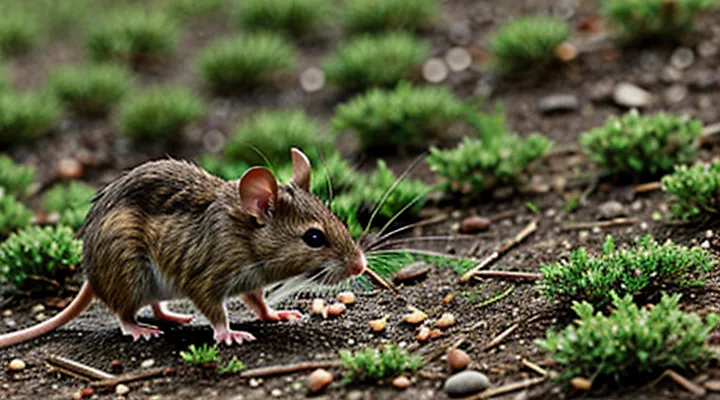
The Omnivorous Nature of Wild Mice
Main Dietary Components
Seeds and Grains
Wild mice rely heavily on seeds and grains to meet the high energy demands of their active lifestyles. These plant products supply carbohydrates, proteins, and essential fatty acids that support rapid growth, reproduction, and thermoregulation.
Common seed and grain items consumed include:
- Grass seed heads (e.g., wheat, barley, oats) harvested from standing stalks or fallen on the ground.
- Legume seeds such as pea, bean, and lentil pods that become exposed after pod dehiscence.
- Nut shells and husks from acorns, hazelnuts, and pine seeds, especially in forested habitats.
- Wild cereal grains from abandoned fields, including rye, millet, and sorghum.
- Sunflower and safflower seeds that accumulate in disturbed soils.
Nutritional analysis shows that seeds provide 30–60 % of a mouse’s caloric intake, with carbohydrate concentrations ranging from 45 % to 70 % of dry weight. Protein content varies between 10 % and 20 %, while lipids, particularly in oil-rich seeds like sunflower, contribute up to 15 % of total energy. These macronutrient ratios enable mice to sustain high metabolic rates and support litter production during breeding peaks.
Foraging behavior reflects seasonal availability. In spring, mice target freshly fallen grass seeds and emerging legume pods; summer sees increased consumption of sun‑exposed seeds; autumn brings a shift to nut and grain stores as foliage declines; winter forces reliance on cached seeds and residual grains. Cache retrieval and opportunistic feeding reduce competition with larger granivores and ensure year‑round access to high‑energy resources.
The consumption of seeds and grains also influences plant community dynamics. By selecting specific seed sizes and species, mice affect seed dispersal patterns, germination success, and ultimately vegetation composition across habitats. Their selective predation can suppress dominant grasses while promoting diversity among less competitive forbs.
Fruits and Berries
Wild rodents frequently incorporate fruits and berries into their foraging repertoire, exploiting seasonal abundance to meet energy demands. These plant items provide high concentrations of simple sugars, vitamins, and antioxidants, supplementing the protein‑rich diet derived from seeds and insects.
Typical fruit and berry sources include:
- Wild strawberries (Fragaria spp.) – consumed when low‑lying plants bear ripe fruit.
- Blackberries (Rubus fruticosus) – harvested from shrubby thickets, particularly in late summer.
- Raspberries (Rubus idaeus) – favored for their soft texture and high sugar content.
- Wild grapes (Vitis vinifera sylvestris) – eaten directly from vines or fallen to the ground.
- Serviceberries (Amelanchier spp.) – valued for their nutrient‑dense pomes.
- Elderberries (Sambucus nigra) – collected in clusters, often after ripening.
Mice select these resources based on availability, ripeness, and proximity to shelter. Consumption peaks during periods of fruiting, reducing reliance on stored seeds and decreasing exposure to predators by limiting travel distances. The intake of fruit and berry matter contributes to hydration, especially in arid habitats where water sources are scarce.
Insects and Other Invertebrates
Wild mice regularly incorporate animal protein by capturing insects and other small invertebrates. This component balances carbohydrate‑rich seeds and plant material, providing essential amino acids, lipids, and micronutrients.
Typical insect prey includes:
- Beetles (Coleoptera) and their larvae
- Moths and butterflies (Lepidoptera) in larval or adult form
- Flies and gnats (Diptera)
- Ants and termites (Hymenoptera)
- Grasshoppers and crickets (Orthoptera)
- Spiders (Araneae) captured opportunistically
Beyond insects, mice consume additional invertebrates such as:
- Earthworms and other annelids
- Slugs and snails (Gastropoda)
- Small freshwater crustaceans (e.g., amphipods) when near water sources
Seasonal fluctuations dictate availability. In temperate zones, larvae and soft‑bodied insects peak in spring and early summer, prompting heightened foraging activity. During colder months, mice shift toward more resilient prey like beetle adults and overwintering larvae. Nocturnal foraging, tactile exploration, and rapid bite mechanics enable efficient capture of mobile or concealed targets.
Digestive physiology adapts to occasional animal intake; gastric secretions increase to process chitin and protein, while gut microbiota adjust to mixed diets. Consequently, invertebrate consumption supports growth, reproduction, and survival across diverse habitats.
Fungi and Mushrooms
Mice frequently incorporate fungi and mushrooms into their foraging repertoire, especially during autumn when fruiting bodies proliferate on forest floors. These organisms supply carbohydrates, proteins, and micronutrients such as B‑vitamins and trace minerals that complement the rodents’ primarily seed‑based intake.
Key characteristics of fungal consumption include:
- Preference for saprophytic species that decompose leaf litter, such as Pleurotus and Coprinus spp., which are readily accessible and relatively low in defensive chemicals.
- Seasonal peaks aligned with spore release periods, typically from September to November, when moisture and temperature conditions favor rapid growth.
- Opportunistic ingestion of mycelial mats and sporocarps discovered near root systems, indicating tactile and olfactory cues guide selection.
Nutritional contributions are notable: carbohydrates from fungal polysaccharides provide immediate energy, while protein content ranges from 10 % to 20 % of dry mass, supporting growth and reproduction. Some fungi also contain ergosterol, a precursor to vitamin D₂, enhancing calcium metabolism in the host.
Risk management is evident in mouse behavior. Individuals avoid conspicuously bright or bitter-tasting mushrooms, which often signal toxic compounds such as amatoxins or muscarine. Laboratory analyses confirm that wild-caught mice exhibit lower mortality when restricted to common, non‑toxic taxa, suggesting innate discrimination mechanisms.
Ecologically, fungal consumption facilitates spore dispersal. As mice transport ingested spores through feces, they contribute to the propagation of mycorrhizal partners that improve forest nutrient cycling. This mutualistic interaction underscores the functional significance of mushrooms within the broader dietary landscape of wild rodents.
Plant Matter: Leaves, Stems, and Roots
Wild rodents rely heavily on plant material when animal prey is scarce. Leaves provide a readily available source of carbohydrates, moisture, and micronutrients such as vitamin C and potassium. The high surface‑to‑mass ratio of foliage enables rapid intake, while the soft texture reduces chewing effort. Seasonal growth spikes increase leaf abundance, prompting mice to concentrate foraging activity during spring and early summer.
Stems serve as a secondary plant component. They supply structural carbohydrates, primarily cellulose and hemicellulose, which support gut microbial fermentation. Rodents preferentially gnaw on tender, young shoots where lignin content remains low, allowing efficient digestion. In habitats where herbaceous vegetation dominates, stem fragments often constitute a measurable portion of the diet.
Roots contribute essential minerals and stored carbohydrates. Mice excavate shallow root zones to access taproots and tubers rich in starch and sugars. Root consumption intensifies during autumn and winter, when above‑ground vegetation declines. The following points summarize key characteristics of each plant part:
- Leaves: high water content, rapid turnover, source of simple sugars and vitamins.
- Stems: source of fibrous carbohydrates, preferred in youthful, flexible form.
- Roots: reservoir of starches and minerals, accessed through burrowing activity.
Collectively, these plant tissues supply the energy, hydration, and nutrients required for survival, growth, and reproduction in wild mouse populations.
Seasonal and Environmental Influences on Diet
Availability of Food Sources
Wild mice encounter food availability that fluctuates with season, habitat type, and ecological pressure. In spring, germinating seeds and tender shoots dominate the resource pool, while autumn brings an abundance of fallen nuts and mature grains. Winter reduces plant matter, compelling rodents to rely on stored caches, bark, and occasional insect prey.
Resource distribution varies among ecosystems:
- Grasslands: high seed density, limited woody material.
- Forest understory: diverse seed mix, ample fungi, occasional arthropods.
- Agricultural margins: cultivated crops, spilled grain, increased rodent activity.
- Urban perimeters: refuse, ornamental plant seeds, anthropogenic waste.
Competition influences access. Dominant species such as voles or larger rodents may deplete shared stores, forcing mice to shift diet composition or expand foraging range. Predation risk also shapes foraging patterns; mice often select microhabitats offering cover when food patches are sparse.
Human activities modify availability. Crop rotation introduces periodic surpluses of cereal kernels, while pesticide application can suppress insect populations that supplement the diet. Waste management practices affect the presence of high‑energy scraps, directly impacting the caloric intake of urban-dwelling mice.
Impact of Habitat on Foraging Behavior
Wild mice adjust their foraging strategies according to the structural and ecological characteristics of the environment they occupy. In densely vegetated forests, leaf litter and fallen logs create a three‑dimensional matrix that conceals seeds, insects, and fungal spores. Mice exploit this complexity by conducting short, frequent forays close to cover, reducing exposure to aerial predators while maximizing encounter rates with dispersed food items.
Open grasslands present a contrasting scenario. Sparse cover limits hiding places, prompting rodents to adopt longer, linear routes that prioritize speed and vigilance. The abundance of grasses and herbaceous seeds leads to a diet dominated by plant material, with occasional opportunistic consumption of ground‑dwelling arthropods during peak activity periods.
Arid regions impose severe moisture constraints. Under such conditions, mice concentrate foraging around scarce water sources—often in the vicinity of succulent plants or damp microhabitats. Their movements become highly localized, and dietary intake shifts toward moisture‑rich seeds and insects that can provide necessary hydration.
Agricultural landscapes introduce human‑derived resources. Crop residues, stored grain, and cultivated plants increase food density, encouraging mice to expand home‑range size and intensify nightly activity. The predictable availability of high‑energy seeds reduces the need for extensive exploratory behavior, but also elevates competition with conspecifics and other granivores.
Urban settings generate novel foraging opportunities. Waste deposits, ornamental gardens, and building crevices supply a heterogeneous mix of carbohydrate‑rich scraps and small invertebrates. Mice in these habitats exhibit flexible, opportunistic foraging patterns, often exploiting temporal windows when human activity wanes.
Key habitat‑driven influences on foraging behavior:
- Resource distribution: clustered vs. dispersed food items dictate travel distance and search intensity.
- Cover availability: dense vs. open cover shapes movement speed and predator avoidance tactics.
- Moisture level: determines reliance on water‑rich foods and proximity to humid microhabitats.
- Human disturbance: alters temporal activity patterns and access to anthropogenic food sources.
Overall, habitat architecture and resource dynamics directly sculpt the foraging decisions of wild rodents, producing distinct dietary compositions and movement strategies across ecological contexts.
Nutritional Needs and Feeding Strategies
Essential Nutrients for Wild Mice
Protein Requirements
Wild rodents require protein to synthesize muscle tissue, enzymes, and antibodies, making it a central component of their nutritional balance. Field studies consistently show that adult mice sustain a diet in which protein contributes roughly 15 %–20 % of total caloric intake; during gestation or lactation, the proportion can rise to 25 %–30 % to support rapid tissue growth and milk production.
Typical protein consumption aligns with body mass. A 20‑gram adult mouse ingests approximately 0.3 g of protein per day, while a juvenile weighing 10 grams requires about 0.15 g. These figures translate to an intake of 15 mg protein per gram of body weight for maintenance, increasing to 20 mg g⁻¹ during reproductive phases.
Primary protein sources in natural habitats include:
- Seeds and nuts rich in storage proteins (e.g., wheat, oat, acorn)
- Invertebrates such as beetles, caterpillars, and earthworms
- Plant shoots and young leaves containing soluble proteins
- Fungal mycelia and fruiting bodies when available
Seasonal fluctuations influence protein availability. In spring, emerging insects provide high‑quality amino acids, allowing mice to meet elevated demands for growth. Autumn brings abundant seeds, sustaining protein intake through the lean winter months. When preferred sources decline, rodents shift toward lower‑quality plant proteins, which may limit reproductive output.
Physiological adjustments accompany dietary changes. Mice increase gut absorptive surface area when protein‑rich foods dominate, enhancing amino acid uptake. Conversely, during protein scarcity, they reduce metabolic rates and prioritize essential functions, conserving nitrogen.
Overall, the protein requirement of wild mice is a dynamic target, calibrated by body size, life‑stage, and environmental supply. Adequate intake ensures survival, reproductive success, and resilience against pathogens.
Carbohydrate Sources
Wild mice obtain most of their carbohydrates from plant material encountered in their natural habitats. Seeds and grains of grasses, sedges, and forbs provide rapidly digestible starches and simple sugars. When available, they also exploit fallen fruits and berries, which supply fructose, glucose, and occasional organic acids.
- Seeds and grains – wheat, barley, millet, rice, and native grass seeds; high in starch, low in fiber.
- Fruits and berries – blackberries, raspberries, wild grapes; rich in simple sugars and antioxidants.
- Nuts and acorns – oak, hazel, and beech nuts; contain complex carbohydrates and fats.
- Root tubers – dandelion taproots, carrot roots; store soluble sugars and starch.
- Bark and cambium – especially in winter; provide limited polysaccharides and soluble sugars.
- Fungal fruiting bodies – certain mushrooms; offer glycogen and mannans as supplementary carbs.
Seasonal variation influences reliance on each source. During spring and summer, abundant seeds and fresh fruits dominate carbohydrate intake. In autumn, nuts and acorns become primary, while winter forces mice to consume bark, cambium, and stored root tissues. This flexible foraging strategy ensures a continuous supply of energy‑rich carbohydrates throughout the year.
Fat Intake
Wild mice obtain fat primarily from plant and animal matter encountered in their habitats. Fat provides a dense energy source, supporting thermoregulation, locomotion, and reproductive processes.
Typical fat sources include:
- Seeds of grasses and herbaceous plants
- Nuts and acorns from trees and shrubs
- Fruit pulp and skins
- Insect larvae and adult arthropods
- Small vertebrate carrion when available
Average fat contribution to total caloric intake ranges from 10 % to 20 % of the diet, depending on species and habitat quality. In nutrient‑rich environments, fat calories may rise to 25 % during periods of abundant seed production. Conversely, arid or early‑successional habitats often yield lower fat percentages, sometimes below 8 %.
Seasonal variation influences fat consumption markedly. Autumn sees increased ingestion of high‑energy seeds and nuts, preparing individuals for winter scarcity. During colder months, mice may rely more on stored body fat and opportunistic animal protein, which also supplies lipids.
Physiological effects of dietary fat encompass rapid energy release, insulation against low temperatures, and provision of essential fatty acids for cell membrane integrity. Elevated fat intake correlates with higher litter sizes and accelerated growth rates in juveniles, reflecting the nutrient’s role in reproductive success.
Vitamins and Minerals
Wild rodents obtain essential micronutrients from a variety of natural foods. Their intake of vitamins and minerals reflects the seasonal availability of seeds, grasses, insects, and fungal material.
Key vitamins found in the wild diet include:
- Vitamin A – supplied by green plant parts and seeds rich in β‑carotene; supports visual function and epithelial health.
- Vitamin B‑complex – B1 (thiamine), B2 (riboflavin), B3 (niacin), B6 (pyridoxine) and B12 (cobalamin) are derived from insects, nuts, and fermented plant matter; facilitate energy metabolism and nervous system maintenance.
- Vitamin C – present in fresh shoots, berries, and certain fungi; acts as an antioxidant and aids collagen synthesis.
- Vitamin D – generated in skin after exposure to ultraviolet light; also obtained from insect larvae; regulates calcium balance.
Important minerals absorbed from wild foraging include:
- Calcium – concentrated in seeds, bone fragments, and mineral-rich soils; essential for bone formation and muscle contraction.
- Phosphorus – abundant in grain husks and insect exoskeletons; works with calcium in skeletal development.
- Magnesium – found in leafy vegetation and nuts; co‑factor for numerous enzymatic reactions.
- Iron – sourced from insects and certain seeds; required for hemoglobin synthesis and oxygen transport.
- Zinc – present in nuts, fungi, and arthropods; involved in immune function and protein synthesis.
- Sodium and potassium – obtained from plant sap and soil dust; maintain fluid balance and nerve signaling.
Seasonal shifts alter the proportion of these nutrients. In spring, fresh shoots increase vitamin C and β‑carotene intake, while late summer sees a rise in seed consumption, boosting calcium and vitamin A. During periods of scarcity, rodents may gnaw on mineral deposits or consume carrion to meet specific micronutrient demands.
Foraging Habits and Adaptations
Nocturnal Activity
Wild mice are predominantly active after dusk, initiating foraging cycles that coincide with reduced predator visibility and cooler temperatures. Their circadian rhythm aligns feeding bouts with the first hours of darkness, when ambient humidity often rises and plant material becomes more palatable.
Nocturnal foraging expands dietary breadth. During night hours, mice exploit resources that are less accessible to diurnal competitors:
- Small seeds and grains that fall to the forest floor after wind dispersal.
- Insect larvae and adult arthropods drawn to nighttime humidity.
- Fresh fruit pulp and soft berries that soften in cooler conditions.
- Fungal mycelia and sporocarps emerging in damp microhabitats.
- Organic detritus and carrion fragments uncovered by nocturnal scavengers.
Sensory adaptations support night feeding. Vibrissae detect surface texture, while olfactory receptors locate chemically rich food sources. Low-light vision, enhanced by a high rod-to-cone retinal ratio, enables mice to discriminate subtle contrasts on the ground.
Seasonal shifts modify nocturnal intake. In spring, abundant insect emergence increases protein consumption; in autumn, seed caches dominate the menu. Competition intensifies as other nocturnal rodents converge on the same resources, prompting territorial marking and rapid exploitation of transient food patches. Predation pressure remains a constant factor, driving swift, stealthy movements and the use of cover such as leaf litter and burrow entrances.
Hoarding Behavior
Wild mice regularly collect and preserve food items to mitigate the unpredictable availability of resources. This caching strategy allows individuals to maintain a steady nutrient supply during periods of scarcity, such as cold weather or drought. The behavior is observed across diverse habitats, from temperate forests to arid grasslands, and involves both temporary surface deposits and deeper burrow stores.
Typical cached items include:
- Seeds of grasses, cereals, and herbaceous plants
- Nuts and kernels from shrubs and trees
- Insect larvae or pupae captured during foraging bouts
- Small fragments of fruit or berries when available
Mice select items based on caloric density, durability, and ease of transport. High‑energy seeds and nuts dominate caches because they resist decay and provide rapid energy release. When insects are abundant, rodents incorporate them to supplement protein intake, especially during breeding seasons.
Cache management follows a simple spatial pattern: recent acquisitions are placed near the entrance of the nest, while older stores are buried deeper. This arrangement reduces the likelihood of pilferage by conspecifics and predators. Laboratory studies show that mice can remember the locations of dozens of individual caches for weeks, relying on visual landmarks and olfactory cues.
Hoarding also influences population dynamics. Areas with abundant seed production support larger mouse colonies, as the surplus can be stored and shared among group members. Conversely, habitats with limited seed output force rodents to expand foraging ranges, increasing exposure to predators and competition.
Overall, the storage of food resources constitutes a central component of the dietary ecology of wild rodents, shaping their survival, reproductive success, and ecological impact.
Sensory Abilities in Food Detection
Mice rely on a suite of acute sensory systems to locate and evaluate potential food sources in natural habitats. Olfactory receptors detect volatile compounds released by seeds, insects, and decaying matter, allowing individuals to pinpoint edible items from several meters away. The nasal epithelium contains millions of odor‑sensitive neurons that generate precise spatial maps of scent gradients, guiding locomotion toward nutrient‑rich patches.
Taste buds on the tongue and palate provide immediate feedback on the chemical composition of contacted material. Bitter receptors trigger avoidance of toxic substances, while sweet and umami receptors confirm the presence of carbohydrates and proteins. This rapid assessment limits ingestion of harmful items and optimizes caloric intake.
Vibrissae serve as tactile antennas, sweeping through leaf litter and soil to sense texture, shape, and movement of concealed prey. Deflection patterns are transmitted to the somatosensory cortex, enabling discrimination between seeds, larvae, and inedible debris without visual input.
Auditory cues supplement foraging by revealing the presence of arthropods and other small animals. High‑frequency hearing detects the rustle of insects or the subtle vibrations of burrowing organisms, prompting targeted exploration.
Low‑light vision contributes to navigation and the identification of contrasting food objects against the forest floor. Rodent eyes possess a high density of rod cells, enhancing sensitivity in dim conditions and supporting the detection of bright seeds or fungal fruiting bodies.
Collectively, these sensory modalities form an integrated detection network that maximizes resource acquisition while minimizing exposure to toxins and predators.