
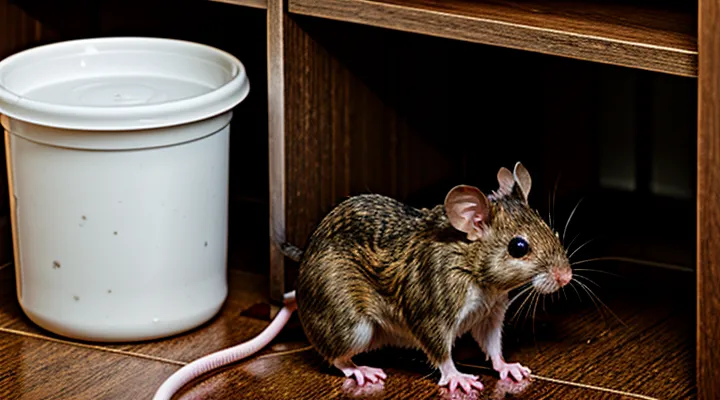
Understanding the Domestic Mouse Diet
Why Mice Enter Homes
Mice are attracted to residential environments primarily because they provide reliable sources of nourishment. The presence of easily reachable food eliminates the need for extensive foraging, encouraging rodents to establish a foothold inside the building.
- Unsecured pantry items, open cereal boxes, and spilled grains create immediate feeding opportunities.
- Pet food left out overnight offers a high‑protein supplement.
- Crumbs on countertops, floors, and under appliances supply a constant carbohydrate source.
- Open garbage cans and compost containers add organic waste to the diet.
Water availability further motivates entry. Leaky pipes, dripping faucets, and condensation in bathrooms satisfy hydration requirements without the mouse having to search outdoors.
Structural vulnerabilities serve as entry routes. Gaps around doors, windows, and foundation walls, as well as openings for utilities, ventilation, and cable conduits, permit rodents to infiltrate with minimal effort.
The combination of abundant indoor food, ready water, and accessible shelter creates a self‑reinforcing cycle: as mice find sufficient nutrition inside, they remain, reproduce, and increase the likelihood of repeated incursions. Mitigating these factors—securing food, eliminating standing water, and sealing entry points—directly reduces the incentive for mice to invade homes.
Nutritional Needs of House Mice
House mice require a balanced intake of macronutrients and micronutrients to sustain growth, reproduction, and daily activity. Protein supplies essential amino acids for tissue repair and enzyme production; a diet containing 15–20 % protein by weight meets these demands. Common household sources include crumbs of meat, cheese, pet food, and insects that may infiltrate the environment.
Carbohydrates provide immediate energy. Grain fragments, cereal dust, and sugary residues contribute 45–55 % of total calories. Excessive sugar can lead to obesity and metabolic disturbances, so a varied carbohydrate profile is preferable.
Fats deliver concentrated energy and support cell membrane integrity. Approximately 5–10 % of dietary intake should derive from animal fats, butter residues, or oily pet treats. Overconsumption raises the risk of hepatic lipidosis.
Vitamins and minerals are required in trace amounts. Vitamin A, B‑complex, D, and E deficiencies manifest as impaired vision, neurological dysfunction, and reduced fertility. Calcium and phosphorus maintain skeletal health; a calcium‑to‑phosphorus ratio near 1:1 prevents demineralization. Sodium and potassium regulate fluid balance, while iron and zinc support immune function.
Water intake is critical; mice obtain moisture from both free drinking water and high‑water‑content foods such as fruits and vegetables. Access to clean water reduces dehydration‑related mortality.
A typical domestic rodent diet may be summarized as follows:
- Protein: 15–20 % (e.g., meat scraps, pet food, insects)
- Carbohydrates: 45–55 % (e.g., grains, cereal dust, sugary residues)
- Fats: 5–10 % (e.g., animal fats, butter, oily treats)
- Vitamins/minerals: adequate levels from varied food sources
- Water: continuous access to fresh supply
Meeting these nutritional parameters promotes optimal health, reproductive success, and longevity in house mice. Deviations—such as prolonged protein deficiency or excessive simple sugars—result in weight loss, weakened immunity, and reduced breeding efficiency.
Common Food Sources for House Mice
Grains and Seeds
Pantry Staples
Mice in residential settings rely heavily on readily available pantry items. These foods provide high carbohydrate and protein content, supporting rapid growth and reproduction.
- Cereals, oats, and granola
- Bread, crackers, and tortillas
- Pasta, rice, and couscous
- Peanut butter, nut butters, and spreads
- Dried fruit, raisins, and apricots
- Cheese, processed slices, and powdered milk
- Sugar, honey, and syrups
- Pet food stored in the kitchen
Mice locate these products through scent trails and by exploiting gaps in packaging. Loose bags, unsealed containers, and damaged boxes present easy entry points. Once inside, rodents can gnaw through cardboard, plastic, and even thin metal, contaminating surrounding items.
Effective prevention requires airtight storage. Use containers with sealed lids rated for rodent resistance, keep the pantry floor clear of debris, and inspect packaging for damage regularly. Maintaining a clean environment reduces the attractant value of pantry staples and limits rodent access.
Bird and Pet Food
Mice readily exploit bird and pet foods left accessible in residential environments. These products typically contain high‑energy ingredients such as seeds, grains, meat meals, and added fats, which align with the rodent’s preference for calorie‑dense sources. The protein levels, often ranging from 15 % to 30 % of the formulation, satisfy the animal’s growth and reproductive demands, while the presence of sugars and oils enhances palatability and encourages repeated consumption.
Key characteristics that attract mice:
- Small particle size facilitates rapid ingestion.
- Strong aromatic cues from fish, poultry, or seed oils.
- Low moisture content prolongs shelf life, allowing accumulation in hidden corners.
- Packaging that is not rodent‑proof, such as loosely sealed bags or open containers.
Potential consequences of mouse access to these feeds include contamination of the food supply with urine, feces, and pathogens, which can transmit diseases to other household pets. Additionally, rodents may cause structural damage while gnawing through packaging, leading to waste and increased maintenance costs.
Preventive measures focus on securing the food supply:
- Store all bird and pet feeds in metal or heavy‑wall plastic containers equipped with tight‑closing lids.
- Place containers on elevated surfaces, away from walls and baseboards where mice travel.
- Regularly inspect storage areas for signs of gnawing or droppings; replace compromised containers promptly.
- Limit the quantity of feed left out to the minimum required for pet consumption, removing excess after each feeding session.
Understanding the nutritional composition and storage vulnerabilities of bird and pet foods enables effective management of rodent foraging behavior within the home.
Fruits and Vegetables
Fresh Produce Access
Mice locate fresh produce through scent, visual cues, and occasional contact with surfaces that have been handled by humans. When fruit or vegetables are left on countertops, tables, or open cabinets, volatile compounds emitted by ripening produce create a chemical trail that guides rodents directly to the source. Crumbs, moisture, and soft tissue further encourage feeding, while gaps in pantry doors or vent openings provide entry points.
Typical household items that attract rodents include:
- Apples, pears, and other soft‑fleshed fruits
- Berries, grapes, and cherries
- Leafy greens such as lettuce, spinach, and kale
- Carrots, celery, and cucumber slices
- Fresh herbs with strong aromas (e.g., basil, mint)
Once inside, mice gnaw through packaging, foil, or thin plastic to reach the edible material. Their incisors can breach sealed containers if the seal is not reinforced. Moisture from washed produce also creates a micro‑environment conducive to nesting, increasing the likelihood of prolonged infestation.
Preventive measures focus on limiting access and eliminating attractants:
- Store all fresh produce in airtight, rigid containers or in the refrigerator.
- Clean countertops and floors immediately after handling food; remove crumbs and spills.
- Inspect pantry doors, windows, and utility openings for gaps; seal with steel wool or caulking.
- Dispose of fruit cores, vegetable peels, and spoiled produce in sealed bags before trash collection.
- Conduct regular inspections of storage areas for signs of gnawing or droppings.
By restricting the availability of fresh produce, households reduce the nutritional incentive for rodents and lower the risk of damage and disease transmission.
Rotting Food Scraps
Rotting food scraps attract house mice because the decomposition process releases strong odors that signal a readily available energy source. The high moisture content and breakdown of complex carbohydrates into simple sugars make these remnants especially digestible for rodents.
Nutritionally, decayed organic matter supplies:
- Simple sugars for immediate energy
- Amino acids from protein breakdown
- Fatty acids liberated from lipids
- Vitamins produced by microbial activity
Mice can consume the softened material directly, reducing the effort required to gnaw solid food. This opportunistic feeding behavior supports rapid weight gain and increases reproductive rates.
However, reliance on spoiled waste poses health risks to the rodent population. Pathogenic bacteria and mold spores present in decomposing matter can cause gastrointestinal infections, impair immune function, and reduce lifespan. Persistent exposure may also lead to toxin accumulation from fungal metabolites.
Effective household management includes:
- Immediate removal of food remnants before they begin to decompose.
- Sealing waste in containers with airtight lids.
- Regular cleaning of spills and crumbs to eliminate odor cues.
- Using sealed trash bins and disposing of organic waste daily.
These practices limit the availability of rotting scraps, thereby decreasing the attractiveness of the indoor environment to mice and reducing the likelihood of infestation.
Protein Sources
Insects and Spiders
House mice frequently supplement their diet with arthropods found indoors. Insects and spiders provide protein, fat, and essential micronutrients that complement grain‑based foods.
Typical indoor arthropods consumed include:
- Cockroach nymphs and adults, especially in kitchens and basements.
- Housefly larvae (maggots) found near waste or decaying organic matter.
- Flour beetles and weevils that infest stored grain products.
- Carpet beetle larvae present in upholstery and fabrics.
- Small spiders inhabiting corners, cracks, and ceiling webs.
Mice capture these prey items opportunistically. They use rapid darting movements and precise chewing to immobilize and consume the soft tissues, discarding exoskeletons that are low in digestible nutrients. The ingestion of arthropods can temporarily increase caloric intake, particularly when stored food supplies are limited.
Nutritional impact is measurable. Studies show that adding 5–10 % insect protein to a standard mouse chow improves growth rates and fur condition, indicating that the occasional intake of insects and spiders contributes to overall health. However, reliance on arthropods alone is insufficient; mice still require carbohydrate sources for sustained energy.
Control measures that reduce indoor insect and spider populations—such as sealing entry points, maintaining cleanliness, and employing integrated pest management—directly limit a mouse’s secondary food sources, thereby decreasing its ability to thrive in domestic environments.
Meats and Dairy (Limited)
House mice readily sample protein sources found in residential kitchens, but their consumption of meat and dairy remains modest. Small portions of cooked, unseasoned meat provide essential amino acids and can supplement a primarily grain‑based diet. Raw meat poses bacterial hazards and may contain parasites, which can compromise mouse health and increase the risk of contaminating stored food. When offering meat, it should be fresh, low‑fat, and presented in bite‑size pieces that are removed after a few hours to prevent spoilage.
Dairy products deliver calcium and vitamin D, yet most mice lack the enzymes required to digest lactose efficiently. Cheese, yogurt, or milk can be tolerated in limited quantities, preferably low‑fat varieties without added sugars or flavorings. Excessive dairy intake may cause digestive upset, including diarrhea, and can attract predators or pests due to lingering odors.
Key considerations for safely incorporating these foods:
- Provide only cooked, plain meat; avoid sauces, spices, and bone fragments.
- Limit servings to no more than 5 % of the total daily intake.
- Offer dairy in small, plain portions; monitor for signs of intolerance.
- Remove uneaten portions within two hours to minimize bacterial growth.
- Store meat and dairy in sealed containers to reduce accidental access.
By restricting protein and dairy to occasional, controlled portions, homeowners can deter overconsumption while maintaining a balanced indoor mouse diet that aligns with the species’ natural nutritional preferences.
Household Items They Chew On
Non-Food Items as Food Simulators
Mice frequently gnaw on objects that are not edible but satisfy their need for texture, moisture, and oral stimulation. These items act as food simulators, allowing rodents to maintain dental health and obtain trace nutrients.
- Paper and cardboard: fibers provide rough surfaces for abrasion; ink residues may contain low levels of sugars or salts that attract mice.
- Cotton and fabric scraps: absorb moisture, offering a tactile substitute for soft food; occasional lint contains keratin, a protein source.
- Plastic packaging: thin films can be chewed to release trapped odors from previous food contact, prompting exploratory ingestion.
- Wood shavings and bark: porous material retains humidity; natural oils may deliver trace fatty acids.
- Pet bedding (e.g., fleece or shredded paper): soft texture mimics nest material while delivering occasional mineral particles.
Consumption of these simulators does not meet the nutritional requirements of a domestic rodent. Persistent reliance indicates insufficient access to proper food sources and may lead to malnutrition, gastrointestinal blockage, or exposure to harmful chemicals from inks, adhesives, or treated wood. Effective control measures include sealing food containers, removing clutter, and providing safe chewable enrichment such as untreated wood blocks.
Why They Chew Non-Food Items
Mice regularly gnaw on objects that are not edible, a behavior driven by physiological, nutritional, and environmental factors.
The incisor teeth of rodents grow continuously. Without constant abrasion, the teeth become overgrown, impairing chewing and causing pain. Non‑food items such as electrical cords, cardboard, and wooden furniture provide the necessary resistance to file down the teeth to a functional length.
Nutrient gaps in the domestic diet can trigger the search for alternative sources. Deficiencies in minerals like calcium, phosphorus, or trace elements may lead mice to ingest or chew inorganic materials that contain these nutrients, for example plaster or drywall dust.
Exploratory chewing satisfies the innate need to assess the surrounding environment. By testing the texture and hardness of various substrates, mice gather tactile information that informs safe navigation and potential shelter locations.
Stress and boredom increase oral activity. In confined spaces, the lack of stimulation prompts repetitive gnawing as a coping mechanism. Providing appropriate enrichment, such as chewable wooden blocks or safe dental toys, reduces the likelihood of damaging household items.
Nest construction also requires non‑food material. Fibrous substances—paper, fabric, insulation—are incorporated into nests for structural support and insulation. This behavior explains the presence of shredded non‑edible debris in mouse hideouts.
Primary motivations for chewing non‑food items:
- Dental wear maintenance
- Compensation for mineral deficiencies
- Environmental assessment
- Stress alleviation in restricted habitats
- Acquisition of building material for nests
Understanding these drivers helps homeowners implement preventative measures, such as sealing gaps, offering safe chew objects, and ensuring a balanced dietary supplement, thereby minimizing damage caused by rodent gnawing.
Dietary Preferences and Adaptability
Omnivorous Nature
House mice exhibit true omnivory, consuming both plant and animal matter found within residential environments. Their feeding behavior adapts to seasonal availability and human activity, allowing rapid exploitation of diverse nutritional sources.
Typical food items include:
- Crumbs of bakery products, cereal grains, and processed snacks.
- Seeds, nuts, and dried fruit fragments.
- Insect carcasses, live larvae, and other arthropods attracted to indoor lighting.
- Pet food, both dry kibble and canned varieties, often left uncovered.
- Organic waste such as vegetable peels, fruit skins, and spoiled leftovers.
Protein intake derives primarily from insects and animal‑based pet provisions, while carbohydrates and fats are supplied by grains, sweets, and fatty residues. The balance of macronutrients fluctuates with household habits; for example, kitchens with regular meal preparation provide abundant carbohydrate sources, whereas homes with active pet feeding schedules offer more protein.
Mice possess physiological mechanisms to digest cellulose in modest amounts, yet they rely on microbial fermentation in the gut to extract energy from plant fibers. Their dentition, characterized by continuously growing incisors, enables efficient processing of hard seeds and shells.
Understanding the omnivorous scope of domestic rodents informs pest‑management strategies, emphasizing the removal of food residues, secure storage of pet feed, and regular disposal of organic waste.
Opportunistic Feeding Habits
House mice exploit any accessible nutrient source, shifting intake according to availability rather than adhering to a fixed menu. Their feeding strategy relies on rapid assessment of crumbs, spills, and stored goods, enabling survival in diverse indoor settings.
Typical household items consumed include:
- Processed grains such as cereal, bread, and crackers
- Sugary substances like jam, honey, and chocolate
- Protein-rich leftovers, including meat scraps, cheese, and pet food
- Fats from cooking oils, butter, and grease residues
- Organic waste from fruit, vegetables, and compost bins
Mice prioritize high‑energy foods, especially those with simple sugars and fats, because these support rapid growth and reproduction. When preferred items are scarce, they resort to lower‑quality matter such as paper, cardboard, or dried plant material, demonstrating flexibility in nutrient acquisition.
Seasonal fluctuations in human activity influence intake patterns; holidays increase sugary and fatty treats, while winter heating raises humidity, promoting mold growth that mice may also ingest. This adaptability sustains populations throughout the year.
Understanding opportunistic consumption assists in pest‑management planning. Eliminating accessible food residues, securing containers, and maintaining rigorous sanitation directly reduce the range of viable resources, limiting mouse survival and reproduction within residential environments.
Survival in Resource-Scarce Environments
House mice thrive in environments where food is unevenly distributed, relying on a flexible diet that maximizes caloric intake from whatever remains accessible. When conventional supplies diminish, they shift toward lower‑quality items, extending survival without external assistance.
- Crumbs, cereal fragments, and processed grains
- Pet food leftovers, both dry and wet formulations
- Starches from packaged snacks, bread, and pasta
- Insect carcasses, larvae, and occasional live insects
- Plant material such as fruit skins, vegetable peelings, and dried herbs
- Non‑nutritive detritus (paper, cardboard) when other sources are exhausted
Mice employ opportunistic foraging, entering rooms during quiet periods to avoid detection. They store surplus in concealed caches, often within wall cavities or insulation, preserving nutrients for future scarcity. Nighttime activity reduces competition with diurnal pests and limits exposure to human interference.
Metabolically, mice can adjust basal rates to conserve energy, increasing reliance on fat reserves derived from occasional high‑fat foods like cheese or nuts. Their digestive enzymes break down cellulose and complex carbohydrates, allowing utilization of plant debris that other rodents might reject. Rapid gut turnover supports efficient extraction of nutrients from heterogeneous meals.
Understanding these adaptive mechanisms informs control measures: eliminating crumbs, securing pet food, sealing entry points, and removing hidden caches reduce the resources that sustain mouse populations during lean periods. Continuous sanitation disrupts the feedback loop that enables survival in resource‑scarce indoor settings.
Dangers of an Uncontrolled Mouse Diet
Contamination of Food
Mice entering residential kitchens and pantries introduce pathogens, allergens, and physical debris into stored food. Saliva, urine, and feces deposit bacteria such as Salmonella, E. coli, and Listeria, which survive on dry surfaces for weeks. These microorganisms multiply when moisture levels rise, creating a health risk for occupants who consume contaminated items.
Physical contamination occurs when rodents chew packaging, leaving holes that expose contents to environmental contaminants. Fragments of fur, hair, and droppings become intermixed with grains, cereals, and pet food, reducing product quality and prompting waste. The presence of rodent saliva also initiates enzymatic breakdown of fats and proteins, accelerating spoilage.
Typical signs of food contamination include:
- Visible droppings or urine stains on packaging
- Chewed or torn containers
- Unusual odors or discoloration of stored items
- Increased insect activity attracted to rodent waste
Effective mitigation requires sealing entry points, storing food in airtight containers, and regularly inspecting pantry items for damage. Prompt removal of contaminated products prevents spread to other foods and limits exposure to harmful microbes.
Damage to Property
Mice that live indoors rely on a varied diet that includes stored food, crumbs, and organic waste. Their feeding habits directly affect the integrity of household structures.
When rodents gnaw on packaging, cardboard, and paper, they create entry points for further infestation and compromise the strength of walls, cabinets, and insulation. Their constant chewing also damages electrical wiring, increasing the risk of short circuits and fire hazards.
Typical sources of damage related to their consumption include:
- Food containers: pierced seals allow moisture loss and spoilage, leading to waste and the need for replacement.
- Wooden components: bite marks weaken joints and support beams, potentially requiring repair or replacement.
- Fabric and upholstery: shredded fibers create holes and reduce the lifespan of furniture.
- Plumbing and ducts: chewed seals and insulation expose pipes to contamination and corrosion.
The presence of mouse droppings and urine on contaminated surfaces accelerates decay of organic materials, further degrading wood, drywall, and plaster. In addition, the attraction of insects and mold to these residues compounds the deterioration of property.
Preventive measures such as sealing entry points, using airtight storage, and maintaining regular cleaning reduce both the nutritional incentive for mice and the resulting structural damage. Prompt identification of gnaw marks and immediate repair mitigate long‑term costs and preserve the safety of the living environment.
Disease Transmission
House mice regularly consume stored food, crumbs, and waste, creating direct pathways for pathogens to enter human environments. When rodents ingest contaminated material, bacteria, viruses, and parasites multiply in their gastrointestinal tract and are expelled through droppings, urine, and saliva. These secretions contaminate surfaces, food supplies, and cooking utensils, facilitating transmission to occupants.
Key mechanisms of disease spread include:
- Fecal–oral transfer – mouse droppings settle on countertops, dishes, or raw ingredients; ingestion of these residues introduces agents such as Salmonella and Campylobacter.
- Aerosolization – dried droppings or urine particles become airborne during cleaning or disturbance, allowing inhalation of hantavirus and Leptospira organisms.
- Mechanical carriage – rodents transport fleas, mites, and ticks on their bodies, which can bite humans and transmit rickettsial diseases.
- Cross‑contamination – mice gnaw food packaging, creating holes that expose contents to contaminant sources and enable pathogen migration into untouched items.
Common illnesses linked to indoor rodent feeding behavior encompass:
- Hantavirus pulmonary syndrome – inhalation of aerosolized urine or feces.
- Leptospirosis – contact with contaminated urine.
- Salmonellosis – ingestion of food tainted by droppings.
- Lymphocytic choriomeningitis – exposure to rodent secretions.
- Rat‑bite fever – bacterial infection from bites or scratches.
Preventive measures focus on eliminating food sources, sealing entry points, and maintaining rigorous sanitation. Removing accessible sustenance reduces rodent populations, thereby interrupting the chain of pathogen transmission.
Preventing Mice from Accessing Food
Proper Food Storage
Proper food storage is a critical factor in controlling the presence of house‑bound rodents. Secure containers, airtight seals, and strategic placement reduce the accessibility of edible waste and limit the attraction of mice to residential areas.
Food items should be kept in containers made of thick plastic, glass, or metal with locking lids. The seals must be tested regularly for cracks or wear that could allow small rodents to gnaw through. Label each container with the purchase date to ensure timely rotation and prevent spoilage that draws pests.
Storage locations must be elevated from the floor and away from walls. Shelves placed at least six inches above the ground create a barrier that mice cannot easily bridge. Avoid placing food near appliances that generate heat, as warmth accelerates decay and increases odor, which is highly appealing to rodents.
Maintain a strict cleaning schedule. Wipe down shelves after each use, discard crumbs, and vacuum corners where debris accumulates. Empty trash bins daily, using bags with reinforced seals, and store bins in a locked cabinet if possible.
Key practices for preventing rodent access:
- Use sealed, rodent‑proof containers for all dry goods, pet food, and cereals.
- Store perishables in the refrigerator or freezer; do not leave them on countertops.
- Keep pantry doors closed; install magnetic catches to ensure a tight seal.
- Place bait stations and traps away from food storage areas to avoid contamination.
- Inspect packaging for damage before purchase; choose bulk items with minimal openings.
By enforcing these storage protocols, households diminish the food sources that sustain mouse populations, thereby reducing the likelihood of infestation and safeguarding both health and property.
Regular Cleaning and Sanitation
Regular cleaning reduces the amount of accessible food for house‑bound rodents, directly limiting the variety and quantity of items they can consume. By removing crumbs, spills, and food residues from countertops, floors, and appliances, the indoor environment offers fewer attractants for mice, forcing them to search elsewhere or abandon the premises.
Effective sanitation requires systematic actions:
- Store all food in sealed containers made of glass, metal, or heavy‑wall plastic.
- Dispose of waste daily in bins with tight‑fitting lids; empty the bins before they become overfilled.
- Sweep or vacuum high‑traffic areas after each meal, paying special attention to corners, under appliances, and behind furniture.
- Clean pet feeding stations after each use; rinse bowls with hot water and detergent.
- Wipe down pantry shelves, cabinets, and drawer interiors with a mild disinfectant every week.
Additional measures reinforce the primary cleaning routine:
- Seal gaps around pipes, vents, and baseboards to prevent mice from entering storage spaces.
- Perform a monthly deep clean of kitchen appliances, removing built‑up grease and food particles that can serve as hidden food sources.
- Inspect and rotate pantry stock regularly; discard expired or damaged items that attract rodents.
Consistent implementation of these practices eliminates the nutritional incentives that sustain mouse populations, thereby supporting overall pest management in residential settings.
Sealing Entry Points
Mice enter homes to reach stored food, water, and shelter. Preventing their access begins with eliminating the pathways they use. By sealing gaps, cracks, and openings, the likelihood of rodents discovering and exploiting indoor food sources drops sharply.
Typical entry points include:
- Gaps around utility pipes and wires
- Openings beneath doors and windows
- Cracks in foundation walls, basement floors, and crawl‑space walls
- Unsealed vent openings, chimney flues, and dryer exhaust ducts
- Holes in siding, soffits, and eaves
Effective sealing procedures:
- Inspect the entire building envelope, focusing on the locations listed above.
- Clean debris and dust from each gap to ensure adhesive contact.
- Apply appropriate materials:
- Steel wool or copper mesh for small holes, followed by caulk or expanding foam.
- Silicone or acrylic caulk for cracks ¼ inch wide or less.
- Rigid metal flashing or weather‑resistant board for larger openings, secured with screws and sealant.
- Install door sweeps and weather stripping on all exterior doors.
- Verify the seal after seasonal temperature changes, repairing any new fissures promptly.
A fully sealed structure removes the primary incentive for mice to explore indoor food supplies, thereby supporting long‑term control of the household rodent diet.