
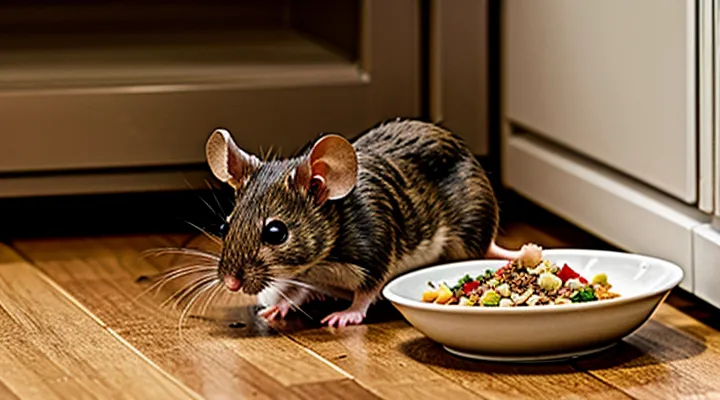
Common Food Sources in Homes
Pantry Items and Grains
Mice that inhabit residential kitchens gravitate toward dry, easily stored foods. Their small size and high metabolism drive constant foraging, making pantry supplies a primary resource.
- Wheat flour
- Rice (white, brown, wild)
- Oats, rolled or instant
- Cornmeal and cornflakes
- Pasta, uncooked
- Crackers, pretzels, chips
- Bread crumbs and dried dough
- Cereal grains (cereal, granola)
- Peanut butter and nut spreads
- Dried beans and lentils
These items provide carbohydrates and protein in a form that mice can gnaw without moisture. Grain-based products also contain fats and sugars that support rapid weight gain and reproduction. Consumption of such foods can contaminate stored goods, spread pathogens, and trigger allergic reactions in humans.
Preventive measures include sealing containers with airtight lids, storing bulk items in metal or thick plastic bins, and maintaining a clean kitchen surface free of crumbs. Regular inspection of pantry shelves for signs of gnawing or droppings helps detect infestations early and limits damage.
Fruits and Vegetables
Domestic mice frequently consume a range of fresh produce when it is accessible in homes.
- Apples, peeled or sliced, provide simple sugars and fiber.
- Bananas, offered in small pieces, deliver potassium and carbohydrate energy.
- Berries (strawberries, blueberries, raspberries) add antioxidants and moisture.
- Grapes, cut into quarters, supply high‑glycemic sugars.
Common vegetables accepted by indoor rodents include:
- Carrots, grated or diced, contribute beta‑carotene and crunch.
- Peas, shelled, offer protein and vitamins A and K.
- Lettuce varieties (romaine, butterhead), trimmed, supply water content and minimal calories.
- Cucumber, sliced, serves as a low‑calorie hydration source.
Fruits and vegetables supply essential micronutrients but also present risks. High‑sugar items can promote rapid weight gain and dental problems. Oxidized or moldy produce may cause gastrointestinal upset. Introduce new items gradually, monitor consumption, and remove uneaten portions to maintain a balanced diet for household mice.
Meats and Dairy
Domestic mice frequently encounter animal protein and dairy products in household environments, incorporating them into their opportunistic diet when such items are accessible.
-
Meat sources
- Cooked poultry (chicken, turkey) – soft texture, high protein, low fat; readily gnawed.
- Cooked beef or pork – richer in iron and amino acids; may be favored for scent.
- Processed meats (ham, sausage) – salty, high in preservatives; attractive but can cause digestive upset if consumed in excess.
- Raw meat – rare in homes; poses bacterial risk and may be avoided unless fresh.
-
Dairy options
- Soft cheese (cream cheese, mozzarella) – high moisture, easy to nibble; provides calcium and fat.
- Yogurt – probiotic content may aid gut flora; mice typically prefer plain over flavored varieties.
- Milk – low lactose tolerance in many adult mice; occasional intake may lead to diarrhea.
- Butter or margarine – concentrated fat source; small amounts can supply energy but increase obesity risk.
When offering meat or dairy to pet mice, provide only small, uncontaminated portions, avoid highly salted or spiced items, and monitor for signs of digestive distress. In typical domestic settings, these foods constitute occasional supplements rather than primary nutrition, which remains centered on grain‑based pellets and fresh vegetables.
Pet Food
Pet food formulated for small rodents supplies the nutrients required by domesticated mice. Commercial rodent pellets deliver balanced protein (15‑20 %), fat (3‑5 %), and fiber (5‑7 %) levels, supporting growth, reproduction, and immune function. These pellets are typically low in sugar and free of allergens that can trigger digestive upset.
Suitable pet‑food options include:
- Rodent-specific dry pellets – nutritionally complete, minimal waste, easy to store.
- Miniature kibble for small cats or birds – high protein, low grain; suitable only when size permits safe consumption.
- Fresh vegetables – shredded carrots, broccoli, or leafy greens provide vitamins and moisture; limit to 10 % of daily intake.
- Occasional fruit – small apple or banana slices offer simple sugars; restrict to prevent obesity.
- Protein treats – boiled egg white or cooked lean chicken, no seasoning; serve as supplemental protein.
Avoid foods containing chocolate, caffeine, high salt, or strong spices, as they are toxic to mice. Replace any wet pet food with a dry formulation to reduce mold risk and maintain consistent nutrient density. Regularly monitor body condition and adjust portions to maintain a healthy weight range of 15‑30 g for adult house mice.
Factors Influencing Mouse Food Choices
Availability
Mice in residential environments encounter food sources determined by the ease with which items can be accessed. Availability hinges on storage practices, placement of waste, and the presence of unsecured consumables.
Typical domestic food items that are readily reachable for rodents include:
- Unsealed grain products (cereal, rice, pasta)
- Pet food left uncovered or stored in open containers
- Fresh fruit and vegetable scraps placed on countertops or in trash bins without lids
- Processed snacks (crackers, chips) discarded on floors or tables
- Sugary substances (honey, jam) spilled or stored in easily opened jars
Factors that modify this accessibility are:
- Frequency of cleaning and prompt disposal of leftovers
- Use of airtight containers for dry goods
- Placement of trash cans with secure lids away from walls
- Restriction of pet feeding areas to sealed feeders
- Implementation of routine inspections for hidden food caches
Consistent control of these variables reduces the quantity of edible material that mice can exploit, limiting their sustenance options within the household.
Nutritional Needs
Mice kept as household pets require a diet that supplies energy, protein, fats, vitamins, and minerals in precise proportions. Energy is delivered primarily by carbohydrates such as grains, dried fruits, or formulated pellets; a typical daily intake ranges from 10 to 15 kcal per gram of body weight. Protein, essential for growth and tissue repair, should constitute 14–20 % of the diet, sourced from soy, wheat, or animal‑based meals. Fats provide concentrated calories and support skin health; a level of 4–6 % is adequate.
Vitamins and minerals must be present in balanced amounts to prevent deficiencies. Key micronutrients include:
- Vitamin A for vision and immune function
- Vitamin D for calcium absorption
- Vitamin E as an antioxidant
- B‑complex vitamins for metabolism
- Calcium and phosphorus for bone development, maintained at a ratio of approximately 1.2 : 1
- Magnesium, potassium, and sodium for electrolyte balance
Water is indispensable; mice should have continuous access to clean, fresh water, either from a bottle or a shallow dish. Commercial rodent mixes are formulated to meet these specifications, reducing the risk of nutritional gaps. When supplementing with fresh foods—such as vegetables, fruits, or lean meat—portion sizes must be limited to avoid excess sugar or fat, which can lead to obesity and related health issues. Regular monitoring of body condition and adjusting portions accordingly ensures optimal health and longevity in domestic environments.
Seasonal Changes
Seasonal fluctuations shape the diet of house mice living in human dwellings, influencing the types and quantities of food they exploit.
In winter, reduced outdoor foraging forces mice to rely on stored household items. They preferentially consume high‑calorie dry goods such as cereals, grains, and processed snacks, and increase intake of pet food left in feeders. Limited access to fresh produce drives a shift toward carbohydrate‑rich substances that remain stable at low temperatures.
Spring brings a resurgence of insect activity within homes. Mice augment their diet with arthropods found in basements, crawl spaces, and near indoor plants. Concurrently, the appearance of fresh vegetables in kitchens adds fiber‑rich options, prompting a balanced intake of protein and micronutrients.
Summer conditions raise ambient humidity and temperature, encouraging the growth of mold and fungal spores on stored foods. Mice exploit these resources, incorporating mold‑infested grains and bread. Outdoor insects become abundant, and mice frequently capture flies and beetles that infiltrate windows and doors. The higher metabolic demand of warmer weather also leads to increased consumption of sugary treats and fruit residues.
Autumn triggers a preparatory phase for the upcoming cold months. Mice increase storage behavior, hoarding nuts, seeds, and dried fruit near entry points. Their diet reflects a higher proportion of fats and proteins from these reserves, supporting energy storage for winter survival.
Typical seasonal food items
- Winter: cereals, crackers, pet kibble, dried pasta
- Spring: household insects, fresh greens, carrots, lettuce
- Summer: mold‑affected grains, fruit scraps, flies, beetles
- Autumn: nuts, seeds, dried fruit, cheese remnants
Understanding these patterns assists in targeted pest management, allowing interventions that remove season‑specific attractants and reduce the likelihood of infestation.
Human Activity
Human activity determines the availability of food sources for mice living inside residences. Food waste left on countertops, crumbs on floors, and improperly sealed containers create predictable foraging opportunities. Open pantry bags, spilled cereal, and uncovered pet food provide high‑calorie options that sustain mouse populations.
Cleaning practices directly affect mouse diet. Regular removal of food residues reduces the range of edible items to occasional accidental spills. Conversely, infrequent cleaning allows accumulation of dried grains, nuts, and sugary particles, which mice readily exploit.
Storage habits shape the nutritional profile of mouse meals. Airtight containers prevent access to processed foods, forcing mice to rely on natural debris such as dried plant material or insect remains. Loose storage of grains, cereals, and snacks expands the dietary spectrum to include carbohydrates, proteins, and fats.
Seasonal human behavior modifies food availability. Holiday gatherings increase the presence of sweet treats and rich dishes, temporarily boosting caloric intake for mice. Summer barbecues and outdoor dining generate discarded crumbs that migrate indoors, extending the feeding period beyond typical indoor cycles.
Mitigation strategies focus on altering human actions:
- Seal all food packages with resealable clips or zip locks.
- Store pet food in containers with tight-fitting lids and remove leftovers after each feeding.
- Clean surfaces immediately after meals; sweep floors and wipe countertops.
- Dispose of waste in bins with secure lids; empty them regularly.
- Inspect and repair structural gaps that allow mouse entry, limiting access to interior food zones.
By adjusting everyday habits, residents can control the composition and quantity of food that mice encounter, thereby influencing the overall dietary patterns of household rodents.
Health Risks Associated with Mouse Foraging
Contamination of Food and Surfaces
Mice that inhabit residential kitchens and pantries frequently encounter human food, leading to direct contamination of edible items and surrounding surfaces. Their constant foraging behavior introduces saliva, urine, and fecal matter onto stored products, which can multiply bacterial populations and facilitate the spread of pathogens such as Salmonella, E. coli, and Listeria. Contact with packaging compromises integrity, allowing insects and mold to infiltrate the contents.
Typical routes of contamination include:
- Direct ingestion: Mice chew through bags, boxes, and containers, depositing oral secretions onto the food.
- Excreta deposition: Urine and droppings settle on countertops, shelves, and open food, creating reservoirs for disease agents.
- Surface transfer: Rodent fur carries particles that are transferred to utensils, cutting boards, and appliance handles during movement.
- Cross‑contamination: Contaminated surfaces serve as vectors, spreading microbes to untouched foods during preparation.
Effective mitigation requires sealing food in rodent‑proof containers, maintaining a clean environment free of crumbs, and implementing regular inspections for signs of gnawing or droppings. Prompt removal of contaminated items and thorough disinfection of affected areas limit the risk of foodborne illness and preserve the safety of household provisions.
Transmission of Diseases
Mice that forage on household food waste, stored grains, and pet feed frequently encounter bacteria, viruses, and parasites that survive in these substrates. When rodents ingest contaminated material, pathogens multiply in their gastrointestinal tract and are shed in feces, urine, and saliva. The same contaminated residues later attract other mice, creating a cycle that amplifies the microbial load within the domestic environment.
The primary routes by which disease spreads from rodent consumption to humans include:
- Fecal‑oral transmission – particles from mouse droppings contaminate surfaces, utensils, or food items that are subsequently handled or ingested.
- Aerosolized particles – dried feces or urine become airborne during cleaning, allowing inhalation of viral or bacterial agents.
- Direct contact – handling live mice, dead carcasses, or contaminated bedding transfers pathogens to skin or mucous membranes.
Common illnesses linked to the dietary habits of domestic mice are:
- Salmonellosis – caused by Salmonella spp. present in spoiled food, leading to gastrointestinal upset.
- Hantavirus pulmonary syndrome – transmitted through inhalation of aerosolized rodent excreta, resulting in severe respiratory disease.
- Leptospirosis – bacteria excreted in urine contaminate water or damp surfaces, producing flu‑like symptoms and potential kidney damage.
- Campylobacteriosis – spread via fecal contamination of kitchen surfaces, causing diarrhea and abdominal pain.
- Helminth infections – such as Hymenolepis spp., acquired through accidental ingestion of eggs present in mouse droppings.
Effective mitigation relies on eliminating food sources that sustain rodent populations. Strategies include sealing containers, promptly discarding waste, and maintaining dry storage conditions. Regular sanitation of countertops, floors, and pantry shelves removes residual fecal matter, reducing the likelihood of pathogen transfer. Integrated pest management, combining trapping with environmental sanitation, limits mouse access to domestic food supplies and interrupts the disease transmission cycle.
Allergic Reactions
Mice living in homes consume a variety of foods that become sources of allergens for occupants. Common dietary items include grains, dried fruit, pet kibble, and household scraps. When mice ingest these substances, fragments and residues are deposited in droppings, urine, and fur. The resulting particles disperse into indoor air and settle on surfaces, where they can trigger immune responses in sensitized individuals.
Allergenic components derived from mouse diets:
- Protein fragments from wheat, corn, and rice kernels
- Lipid residues from peanut and seed oils
- Aromatic compounds from cooked leftovers and spices
- Microbial metabolites that develop on decaying food matter
Exposure to these particles may cause respiratory symptoms such as sneezing, nasal congestion, wheezing, and asthma exacerbations. Skin contact with contaminated surfaces can produce itching, redness, and hives. Diagnosis typically involves skin-prick testing or specific IgE assays that identify reactivity to mouse-derived food proteins.
Mitigation strategies focus on eliminating food sources and controlling mouse populations:
- Store grains, cereals, and pet food in sealed containers.
- Promptly clean spills and discard food waste in covered bins.
- Use traps or professional extermination to reduce mouse presence.
- Employ HEPA filtration and regular vacuuming to remove airborne contaminants.
Implementing these measures reduces the concentration of diet-related allergens, decreasing the likelihood of allergic reactions among residents.
Preventing Mice from Accessing Food
Proper Food Storage
Mice are drawn to accessible food sources; limiting exposure through proper storage curtails consumption in residential environments.
- Store dry goods in containers with sealed lids made of metal or thick plastic; avoid cardboard or paper packaging.
- Keep perishable items refrigerated or frozen; maintain temperatures below 4 °C for fresh produce and below –18 °C for long‑term storage.
- Organize pantry shelves so that items are stacked away from walls and floor; leave a clearance of at least 5 cm to discourage gnawing.
- Dispose of food waste promptly; use bins with tight‑fitting lids and empty them daily.
- Conduct monthly inspections; replace damaged containers, repair cracks, and seal gaps around storage areas.
Consistent application of these measures reduces attractants, limits rodent entry points, and supports a hygienic household.
Maintaining Cleanliness
Mice in residential environments rely on readily accessible food residues, crumbs, and improperly stored items. When surfaces are free of organic debris, the variety and quantity of edible material that mice can exploit diminish sharply, limiting their diet to occasional opportunistic sources.
Regular removal of food waste, prompt cleaning of spills, and secure storage of pantry items create a hostile environment for foraging rodents. By eliminating scattered particles, homeowners reduce the incentive for mice to enter kitchens and dining areas, thereby restricting the range of consumable items.
Practical actions to sustain a hygienic setting include:
- Disposing of garbage daily in sealed containers.
- Wiping countertops and floors after each meal.
- Storing dry goods in airtight jars or metal bins.
- Vacuuming corners, under appliances, and behind furniture weekly.
- Cleaning pet feeding stations and removing uneaten food promptly.
Consistent application of these measures lowers the availability of edible matter, compelling mice to seek sustenance elsewhere or to reduce overall intake. The resulting decline in food resources directly influences mouse behavior and population dynamics within the household.
Sealing Entry Points
Mice reach stored food by exploiting gaps in a building’s envelope. Blocking these openings removes the primary pathway to kitchen pantries, cupboards and countertops, thereby reducing the likelihood of contamination.
- Gaps around pipes, cables and vents – seal with steel‑wool inserts covered by silicone caulk.
- Openings beneath doors and windows – install brush sweeps or weatherstripping.
- Cracks in foundation walls and floor joists – fill with expanding polyurethane foam or cement mortar.
- Holes around utility penetrations – use metal flashing or hardware cloth secured with screws.
- Small openings in cabinets and appliance backs – apply self‑adhesive metal mesh or epoxy filler.
Durable materials such as stainless steel, copper mesh and high‑grade silicone resist gnawing and weathering. Regular inspection of sealed sites, especially after renovations or seasonal temperature shifts, ensures continued integrity. Prompt repair of any newly discovered breaches maintains the barrier that prevents rodents from accessing domestic food supplies.