
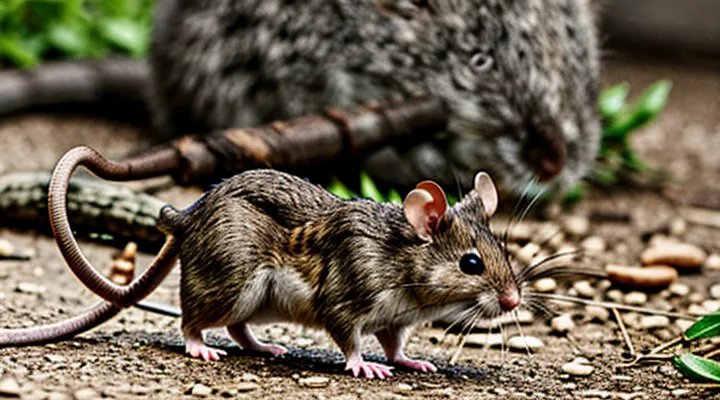
The Omnivorous Nature of Wild Mice
General Dietary Habits
Seasonal Variations in Diet
Mice adjust their foraging behavior to match the availability of resources that change throughout the year. In spring, emerging vegetation provides tender shoots, young leaves, and a surge of insect activity; these items supplement the seed reserves accumulated during winter.
Summer brings abundant grasses, herbaceous flowers, and a high density of arthropods. Mice exploit the soft seed heads of grasses, the nectar and pollen of flowering plants, and an increased intake of beetles and caterpillars.
Autumn is characterized by the ripening of seeds from trees and shrubs. Acorns, hazelnuts, and sunflower seeds dominate the diet, while fallen fruit and residual insects offer additional protein.
Winter limits food sources to stored seeds, dried plant material, and any accessible carrion. Mice rely heavily on cached grains and the occasional winter-active invertebrate, such as aphids that persist on evergreen foliage.
Typical seasonal diet components:
- Spring: young leaves, shoots, aphids, springtails
- Summer: grass seed heads, flower pollen, beetles, caterpillars
- Autumn: tree seeds (acorns, hazelnuts), fallen fruit, residual insects
- Winter: cached grains, dried seeds, limited invertebrates
Geographic Influences on Food Choices
Geographic conditions shape the foraging behavior of wild rodents, dictating the availability of seeds, insects, fruits, and vegetation. In arid zones, limited plant growth forces mice to rely heavily on drought‑resistant seeds and occasional arthropods, while seasonal rains trigger bursts of herbaceous growth that temporarily expand dietary options.
Temperate forests provide a diverse seed bank, nuts, and fallen fruit. During autumn, mast production—acorns, beechnuts, and hazelnuts—dominates intake, whereas spring sees increased consumption of emerging insects and tender shoots. Snow cover restricts access to ground resources, prompting a shift toward stored seeds and bark.
Coastal and riparian habitats introduce aquatic invertebrates and salt‑tolerant vegetation into the menu. Mice near streams exploit emerging aquatic larvae, whereas island populations may supplement plant material with seaweed fragments or carrion left by seabirds.
Typical geographic influences include:
- Climate‑driven plant phenology (seed and fruit timing)
- Soil fertility affecting seed size and abundance
- Seasonal precipitation patterns altering vegetation cover
- Proximity to water sources providing aquatic prey
- Altitude‑related temperature gradients limiting metabolic rates
These factors collectively determine the composition of wild rodent diets across different landscapes.
Common Food Sources for Wild Mice
Plant-Based Foods
Seeds and Grains
Wild mice rely heavily on seeds and grains as a primary energy source. These plant materials provide carbohydrates, proteins, and essential fatty acids that sustain rapid growth and high metabolic rates. Seasonal availability influences consumption patterns; during autumn, abundant seed drops from trees and grasses increase intake, while winter scarcity reduces reliance on this food class.
Typical seed and grain items include:
- Acorns and beech mast
- Sunflower and millet seeds
- Wheat, barley, and oat kernels
- Corn kernels and sorghum grains
Digestive efficiency for these foods is enhanced by the rodents’ enlarged cecum, which ferments cellulose and extracts additional nutrients. When seeds and grains dominate the diet, body condition improves, reproductive success rises, and foraging distances decrease, reducing exposure to predators.
Fruits and Berries
Wild mice regularly incorporate fruits and berries into their foraging repertoire, especially during late spring through early autumn when plant resources peak. Seasonal availability dictates the specific types consumed; common selections include wild strawberries, blackberries, raspberries, serviceberries, and high‑latitude cloudberries. These items provide readily digestible sugars, modest protein, and a spectrum of micronutrients such as vitamin C, potassium, and anthocyanin pigments.
- Energy contribution: Simple carbohydrates from ripe fruit supply immediate fuel for nocturnal activity and thermoregulation.
- Hydration: High water content aids in maintaining fluid balance during dry periods.
- Antioxidant intake: Phenolic compounds in berries mitigate oxidative stress associated with rapid metabolism.
- Gut microbiota support: Dietary fiber fosters beneficial bacterial populations, enhancing nutrient absorption.
Mice typically harvest fruit from low‑lying shrubs or fallen specimens on the forest floor, using tactile and olfactory cues to locate ripe items. Consumption is opportunistic; individuals prioritize fruit when it is abundant, reducing reliance on seeds and insects. Laboratory analyses confirm that fruit‑rich diets improve body condition scores and reproductive output, reflecting the ecological advantage of exploiting these high‑energy resources.
Nuts
Nuts constitute a valuable component of the diet of wild rodents, providing high‑energy lipids, protein, and essential micronutrients. Seasonal abundance determines their contribution; trees such as oak, hazel, beech, and pine release nuts in late summer and autumn, coinciding with increased foraging activity.
Key characteristics of nut consumption include:
- Energy density – fats in nuts supply more than twice the calories of typical seed or grain foods, supporting thermoregulation and reproductive effort.
- Protein content – species‑specific variations deliver 10–20 % protein, complementing the lower protein levels of grasses and herbaceous seeds.
- Micronutrients – vitamin E, magnesium, and zinc are present in concentrations that aid immune function and bone development.
- Storage behavior – mice transport whole nuts or broken fragments to burrow chambers, where they serve as a seasonal reserve.
- Risk factors – high‑fat intake can lead to obesity in populations with limited activity; fungal contamination (aflatoxins) poses a toxin hazard, especially in damp cache sites.
Field observations indicate that mice preferentially select nuts with thinner shells, such as hazelnuts, because reduced handling time maximizes net energy gain. In ecosystems where nut‑bearing trees dominate, rodent populations often exhibit higher density and faster reproductive cycles, reflecting the nutritional advantage conferred by these resources.
Vegetables and Roots
Wild mice frequently include plant material in their diet, with vegetables and roots providing essential carbohydrates, vitamins, and minerals. Seasonal availability influences consumption patterns; during spring and early summer, tender shoots and leaf vegetables dominate, while autumn sees increased reliance on underground storage organs.
Commonly consumed vegetables:
- Young leaves of grasses and herbaceous plants
- Seedlings of clover, alfalfa, and other legumes
- Soft stems of wild lettuce, dandelion, and chickweed
Typical roots and tubers:
- Taproots of carrots, parsnips, and wild radish
- Fibrous roots of beet and turnip seedlings
- Underground storage structures of wild onions and garlic
Nutrient analysis shows that these plant parts supply glucose for immediate energy, dietary fiber for gut health, and micronutrients such as potassium, calcium, and vitamin C. The selection of vegetables and roots reflects both nutritional needs and foraging efficiency, as mice favor easily accessible, low‑risk food sources that can be harvested quickly.
Fungi
Wild mice regularly incorporate fungi into their foraging repertoire, especially during moist seasons when fruiting bodies are abundant. The consumption of mushrooms supplements protein and micronutrients that are scarce in seeds and insects.
Common fungal items include:
- Agaricaceae (e.g., Agaricus spp.) – soft caps, high in amino acids.
- Boletaceae (e.g., Boletus spp.) – firm flesh, rich in potassium.
- Russulaceae (e.g., Russula spp.) – bitter taste, occasional source of lipids.
- Mycorrhizal ectomycorrhizae – hyphal mats that mice gnaw for carbohydrates.
Seasonal availability dictates intake intensity; peak consumption occurs in autumn when leaf litter retains moisture and mycelial growth accelerates. Mice locate fungi by scent cues and tactile exploration, often navigating under logs and within dense underbrush.
While many fungi provide nutritional benefits, some contain toxins such as amatoxins or muscarine. Wild mice exhibit selective avoidance of brightly colored or odorous specimens, reducing exposure to harmful compounds. This selective foraging contributes to the regulation of fungal populations and facilitates spore dispersal through excreta.
Animal-Based Foods
Insects and Other Invertebrates
Wild mice supplement plant material with a variety of arthropods and soft-bodied organisms. Insect prey provides high‑quality protein, essential amino acids, and moisture, which are especially valuable during periods of seed scarcity.
Typical invertebrate items include:
- Beetles (Coleoptera), especially larvae and soft‑bodied adults.
- Caterpillars and moth larvae (Lepidoptera), rich in lipids.
- Fly larvae and pupae (Diptera), abundant in decaying organic matter.
- Spiders (Araneae), offering both protein and chitin.
- Earthworms (Oligochaeta), delivering moisture and nitrogen.
- Crustacean remnants such as small aquatic larvae near water edges.
Mice locate these resources by scent and tactile cues, often foraging on the forest floor, under leaf litter, or near moist habitats. Seasonal fluctuations affect availability: spring and early summer see peaks in caterpillar and fly larva populations, while autumn brings increased beetle activity. When plant foods decline, reliance on invertebrates rises, allowing mice to maintain energy balance and reproductive output.
Digestive adaptations include a short intestinal tract optimized for rapid processing of protein‑rich meals, and enzymatic systems capable of breaking down chitin. This flexibility enables wild rodents to exploit a broad spectrum of food sources across diverse ecosystems.
Scavenged Carrion
Wild mice frequently incorporate scavenged carrion into their diet, especially when alternative food sources are limited. They locate dead insects, small vertebrates, and the remnants of larger prey left by predators, often exploiting the same sites used by carnivores.
Carrion provides high‑quality protein, essential fatty acids, and minerals such as calcium and phosphorus. These nutrients support rapid growth, reproductive output, and thermoregulation during cold periods.
Mice turn to carrion under several conditions:
- Seasonal decline of seeds and green vegetation
- Post‑breeding energy demands
- Proximity to predator kill sites or bird of prey nests
Consuming dead animal tissue carries inherent hazards. Risks include exposure to bacterial pathogens (e.g., Salmonella, Clostridium), parasites (e.g., nematodes), and chemical contaminants such as heavy metals or residual toxins from the original prey. Competition with other scavengers, including larger rodents and insects, can limit access.
Species differences affect carrion use. House mice (Mus musculus) display higher tolerance for urban waste and readily exploit human‑derived carcasses. Wood mice (Apodemus sylvaticus) prefer natural forest carrion, favoring small mammals and amphibians. Both species adjust intake based on local resource availability, demonstrating flexible foraging strategies.
Small Vertebrates
Mice that forage in natural habitats frequently supplement plant material with small vertebrate prey. These prey items provide high‑quality protein, essential amino acids, and micronutrients that are scarce in seeds and foliage.
Common vertebrate targets include:
- Juvenile amphibians such as frog tadpoles and newly hatched salamanders
- Hatchlings of reptiles, especially lizards and small snakes
- Nestlings of ground‑dwelling birds, often taken from shallow nests
- Young fish caught in shallow streams or puddles
Predation on these organisms occurs primarily during twilight and nighttime hours, when mouse activity peaks and visual detection of prey is reduced. Hunting techniques involve rapid pounce, use of whisker‑guided tactile cues, and brief handling to subdue the victim before consumption.
Seasonal availability influences reliance on vertebrate prey. In spring, abundant amphibian larvae and reptile hatchlings increase intake rates, while autumn sees a rise in ground‑nest bird fledglings. Summer heat may limit foraging time, reducing vertebrate capture frequency.
The ingestion of small vertebrates contributes measurable energy gains, supporting reproductive output and growth. Studies show that mice consuming vertebrate protein achieve higher body mass and larger litter sizes compared with individuals restricted to plant matter alone.
How Mice Find and Store Food
Foraging Strategies
Sensory Cues for Food Detection
Wild rodents rely on a suite of sensory mechanisms to locate edible resources in heterogeneous habitats. Olfactory receptors detect volatile compounds emitted by seeds, insects, and decaying matter, enabling mice to assess food presence from several meters away. Gustatory cells on the tongue and palate evaluate chemical composition upon contact, distinguishing nutritious items from toxic substances. Whisker follicles convey tactile information about texture and size, allowing rapid discrimination of seeds versus inedible debris. Vision, though limited in low‑light environments, contributes to the identification of brightly colored fruits or movement of prey. Auditory cues, such as rustling leaves or insect chirps, can signal the proximity of hidden food sources.
Key sensory cues include:
- Smell: detection of specific odorants (e.g., fatty acids, amino acids)
- Taste: immediate assessment of sweetness, bitterness, saltiness, sourness, umami
- Touch: whisker‑mediated surface texture and object shape
- Sight: recognition of visual patterns and motion
- Sound: interpretation of substrate vibrations indicating prey or seed movement
Integration of these modalities occurs in the brain’s olfactory and somatosensory cortices, producing a rapid decision matrix that guides foraging routes, cache selection, and avoidance of poisonous items. This multimodal strategy maximizes energy intake while minimizing exposure to hazards.
Burrowing and Tunneling for Food
Wild mice rely on an extensive network of underground passages to locate and harvest sustenance. Burrows serve as both shelter and foraging conduit, allowing individuals to reach food sources that remain inaccessible to surface dwellers.
The architecture of these tunnels reflects dietary priorities. Primary chambers are positioned near seed caches, fungal growths, and insect colonies. Secondary shafts extend toward root systems, where mice extract plant roots, tubers, and emerging seedlings. This spatial arrangement reduces exposure to predators while maximizing resource acquisition.
Key food categories accessed through burrowing include:
- Seeds and grains stored in soil layers or dropped by birds.
- Fungal mycelium developing in humid, decomposing substrates.
- Invertebrates such as beetle larvae and earthworms inhabiting the same soil strata.
- Plant roots and tubers from grasses, legumes, and herbaceous plants.
Seasonal variations modulate tunnel activity. During autumn, mice expand chambers to accommodate abundant seed supplies, while winter prompts deeper excavation toward insulated root zones. Spring triggers increased branching toward emerging insects and fresh vegetative growth.
Energetic calculations indicate that the caloric gain from subterranean foraging outweighs the metabolic cost of excavation. Studies measuring oxygen consumption during digging report efficiency gains of up to 30 % compared to surface foraging under equivalent temperature conditions.
Overall, burrowing and tunneling constitute a strategic adaptation that directly shapes the nutritional profile of wild rodent populations, influencing growth rates, reproductive success, and ecosystem interactions.
Food Storage Behaviors
Hoarding for Winter
Mice collect and conceal food during the autumn months to survive periods when foraging becomes impossible. This behavior reduces exposure to predators and harsh weather while ensuring a reliable energy source throughout the cold season.
Stored items typically include:
- Seeds from grasses and herbaceous plants
- Nuts such as acorns and hazelnuts
- Grain kernels and dried legumes
- Insect carcasses and arthropod remnants
- Small fragments of fruit pulp
Mice hide caches in insulated microhabitats: beneath leaf litter, within burrow chambers, under bark, or inside crevices of rocks. The chosen sites protect supplies from moisture, mold, and other scavengers.
Caching commences as daylight wanes and temperature drops, peaking when ambient temperatures fall below 10 °C. Mice increase collection rates, prioritize high‑fat and high‑carbohydrate items, and reduce travel distances to conserve energy.
Winter hoarding influences local seed dispersal patterns, alters plant regeneration rates, and provides a food source for secondary consumers that locate mouse caches. Research on these storage strategies informs management of rodent populations and predicts ecosystem responses to climate variability.
Cache Locations and Methods
Mice gather edible items such as seeds, grains, insects, and plant material and conceal them in discrete sites to ensure a reliable food supply during periods of scarcity. Typical cache locations include:
- Burrow chambers beneath the nest floor, protected from predators and moisture.
- Soil pockets excavated near root systems, where organic matter is abundant.
- Crevices in rocks or fallen logs, offering temperature stability.
- Surface depressions covered with leaf litter, providing camouflage.
The methods employed to create and maintain caches involve precise behaviors. First, mice assess the nutritional value and size of each item before transport. Second, they use their incisors and forepaws to shape the substrate, forming a secure pocket. Third, they deposit the food and cover the opening with displaced material, often compacting it to deter displacement by other animals. Fourth, they mark the site with scent cues, facilitating later retrieval. These strategies enable wild rodents to sustain their diet throughout seasonal fluctuations.
Impact of Human Environments on Mouse Diet
Urban and Suburban Food Sources
Human Food Waste
Human food waste constitutes a significant portion of the diet for wild rodents, particularly mice inhabiting urban and suburban environments. Discarded items provide high‑calorie, readily digestible nutrients that supplement natural foraging on seeds, insects, and plant material.
Common categories of waste exploited by mice include:
- Processed grains and cereals left in trash bags or on the ground.
- Bread, pastries, and other baked goods found in dumpsters.
- Fruit peels, vegetable scraps, and leftover meal residues.
- Meat remnants and cooked leftovers, especially in restaurant refuse.
- Packaged snack foods, often rich in fats and sugars, that are discarded unsealed.
The reliance on anthropogenic food sources alters foraging behavior. Mice shift activity patterns to align with human waste disposal schedules, increasing nocturnal foraging near waste containers. Nutrient intake becomes skewed toward carbohydrates and fats, potentially affecting reproductive rates and population density. Moreover, proximity to waste sites raises exposure to pathogens and toxins present in contaminated refuse.
Management strategies targeting waste reduction—secure lids on bins, regular collection, and public education on proper disposal—directly limit the availability of these resources. By minimizing accessible food waste, the incentive for mice to congregate in human‑occupied areas diminishes, leading to lower encounter rates and reduced pressure on native ecosystems.
Pet Food
Pet food for captive mice is engineered to replicate essential aspects of a wild rodent’s nutrition while providing consistency and safety unavailable in natural habitats. Formulations balance macronutrients and micronutrients to support growth, reproduction, and immune function, recognizing that wild mice obtain protein from insects, seeds, and plant matter, whereas domestic products must supply these elements in a controlled matrix.
- Protein sources: soy, whey, dried insects, or fish meal; levels typically range from 15 % to 20 % of the diet.
- Fat content: 4 % to 8 %, derived from vegetable oils or animal fats, delivering essential fatty acids.
- Fiber: 5 % to 10 %, supplied by cellulose, oat bran, or beet pulp to promote gastrointestinal motility.
- Vitamins: A, D, E, K, B‑complex, and C, added in bioavailable forms to prevent deficiencies common in laboratory or pet settings.
- Minerals: calcium, phosphorus, magnesium, potassium, and trace elements such as zinc and selenium, calibrated to maintain skeletal health and metabolic balance.
Manufacturers adhere to veterinary nutrition guidelines, employing sterilization and extrusion processes that eliminate pathogens without degrading heat‑sensitive nutrients. Ingredient lists exclude toxic compounds, including heavy metals, mycotoxins, and artificial preservatives known to compromise rodent health.
Feeding protocols recommend offering 1 g to 2 g of dry pellets per 10 g of body weight daily, divided into two equal meals to mimic natural foraging patterns. Fresh water must be available at all times; wet foods should be refreshed every 24 hours to prevent spoilage. Storage in airtight containers at ambient temperature preserves nutrient integrity and prevents contamination.
By aligning pet food composition with the dietary profile of wild rodents, caretakers ensure that captive mice receive adequate nourishment while minimizing the risks associated with variable foraging conditions.
Agricultural Products
Wild rodents frequently exploit cultivated crops, turning fields into reliable food sources. Their consumption patterns reflect the availability, nutritional value, and seasonal growth of agricultural produce.
Grains constitute the primary attraction. Mice readily ingest:
- Wheat kernels and broken straw
- Barley and oat seeds
- Corn kernels, both fresh and drying
Leguminous crops also attract foraging mice because of protein-rich seeds. Commonly consumed legumes include:
- Soybeans
- Peas
- Lentils
Root and tuber vegetables provide accessible, energy-dense material. Species observed feeding on these plants are:
- Potatoes
- Carrots
- Turnips
Fruit crops add sugars and moisture to the diet. Mice have been documented eating:
- Apples
- Grapes
- Berries
Overall, agricultural products supply high-calorie, easily digestible nutrients that support rapid growth and reproduction in wild mouse populations. Their opportunistic feeding on cultivated plants intensifies crop loss, especially during harvest and storage phases.
Risks Associated with Human-Provided Food
Exposure to Toxins
Wild rodents regularly ingest environmental toxins while foraging, because their diet consists of seeds, fruits, insects, and organic debris that may contain natural or anthropogenic contaminants.
Primary toxin sources include:
- Alkaloid‑rich seeds and nuts from certain plant species.
- Insect prey that have accumulated pesticides or heavy metals.
- Soil particles and detritus contaminated with industrial runoff, mining residues, or agricultural chemicals.
- Fungal metabolites present on mold‑infected grain or fruit.
When toxins enter the gastrointestinal tract, absorption occurs mainly in the small intestine, followed by distribution through the bloodstream to the liver and kidneys for detoxification. Limited metabolic capacity in small mammals leads to higher internal concentrations relative to larger species, resulting in measurable physiological impacts such as hepatic enzyme inhibition, renal impairment, and altered reproductive hormone levels.
Chronic exposure contributes to reduced growth rates, lower litter sizes, and increased mortality, which can affect local population dynamics and predator‑prey relationships. Monitoring toxin levels in wild mouse tissues provides insight into ecosystem health and helps evaluate the spread of contaminants across trophic levels.
Research protocols that assess dietary toxin exposure must account for seasonal variation in food availability, habitat fragmentation that increases contact with polluted sites, and the synergistic effects of multiple contaminant classes on metabolic pathways.
Nutritional Imbalances
Wild mice obtain most of their energy from seeds, grains, and plant matter, while insects and fungi supplement protein and micronutrients. The availability of these resources fluctuates with season, habitat, and competition, creating frequent nutritional gaps.
Common imbalances observed in free‑living rodent populations include:
- Protein shortfall: reliance on carbohydrate‑rich seeds reduces intake of essential amino acids.
- Excess carbohydrates: high‑energy grains elevate blood glucose, limiting fat storage efficiency.
- Calcium deficiency: low‑calcium vegetation leads to weakened bone mineralization.
- Phosphorus excess: disproportionate grain consumption raises phosphorus levels, impairing calcium absorption.
- Vitamin A scarcity: limited access to leafy greens and fruits reduces retinal and immune function.
- Trace mineral deficits: insufficient zinc and iron impair enzyme activity and hemoglobin synthesis.
These deficiencies manifest as reduced body mass, delayed sexual maturation, lower litter sizes, compromised immune responses, and skeletal deformities such as bowed limbs or porous bone tissue. Mortality rates increase during periods when imbalances intensify, particularly in winter and early spring.
Rodents partially offset shortages through opportunistic foraging: incorporating insects for protein, gnawing bark for calcium, and hoarding diverse food items to buffer seasonal scarcity. Habitat diversity and the presence of mixed vegetation promote a more balanced intake, decreasing the prevalence of chronic deficiencies.