
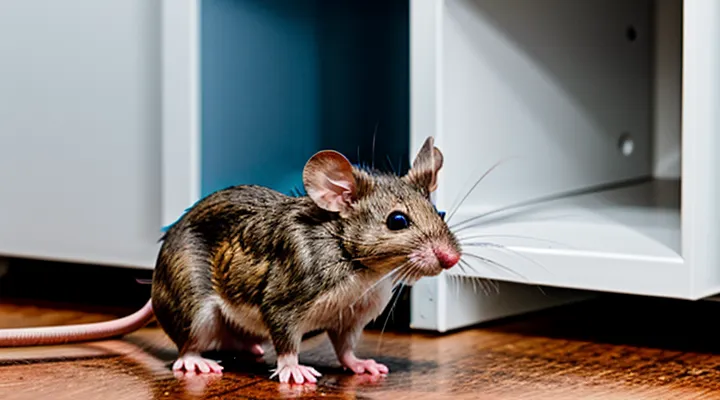
Common Terms for Mouse Control
Pest Control
Mouse control is a specialized branch of pest management that focuses on the detection, prevention, and elimination of rodent infestations. Professionals employ a systematic approach that begins with a thorough inspection to identify entry points, nesting sites, and activity indicators such as droppings or gnaw marks. Accurate assessment determines the scope of intervention and informs the selection of appropriate control measures.
Effective rodent mitigation relies on three core components: exclusion, sanitation, and population reduction. Exclusion involves sealing cracks, installing door sweeps, and reinforcing building envelopes to deny access. Sanitation reduces attractants by eliminating food residues, managing waste, and maintaining clean storage areas. Population reduction employs traps, baits, or, where legally permissible, rodenticides, applied according to integrated pest management (IPM) principles to minimize non‑target impacts.
Key practices in rodent control include:
- Conducting regular perimeter surveys to detect new intrusion pathways.
- Deploying mechanical traps (snap, live‑catch) in high‑activity zones.
- Using bait stations with anticoagulant or non‑anticoagulant formulations, positioned away from children and pets.
- Monitoring trap success rates and adjusting placement based on observed patterns.
- Documenting all actions in a pest‑control log for regulatory compliance and future reference.
Compliance with local regulations, proper training, and adherence to safety protocols are essential for responsible rodent management. Continuous evaluation of control outcomes ensures long‑term effectiveness and reduces the likelihood of recurrence.
Rodent Management
Rodent management encompasses all methods used to prevent, monitor, and eradicate mouse populations in residential, commercial, and industrial settings. Effective programs integrate habitat modification, sanitation, exclusion techniques, and, when necessary, targeted control agents.
Key components include:
- Environmental sanitation: Eliminate food sources by sealing containers, promptly cleaning spills, and storing waste in sealed receptacles.
- Structural exclusion: Install door sweeps, seal cracks, and reinforce building envelopes to block entry points.
- Population monitoring: Deploy snap traps, live‑catch devices, or electronic sensors to assess activity levels and identify hotspots.
- Control tactics: Apply bait stations with anticoagulant or non‑anticoagulant formulations, ensuring placement complies with safety regulations and resistance management guidelines.
Professional practitioners evaluate infestation severity, select appropriate tools, and document outcomes to refine future interventions. Continuous review of regulatory standards and emerging technologies ensures that rodent management remains both effective and compliant.
Extermination
Extermination refers to the deliberate elimination of mouse populations through chemical, mechanical, or biological means. Professionals classify methods into three categories:
- Chemical agents: Rodenticides applied as baits or dusts, selected for acute toxicity, delayed action, or reduced secondary poisoning risk.
- Mechanical devices: Snap traps, electronic kill traps, and live‑capture cages, chosen for target specificity and compliance with regulatory standards.
- Biological approaches: Introduction of natural predators, use of fertility‑reducing compounds, or deployment of pheromone‑based disruption systems.
Effective practice demands accurate identification of the target species, assessment of infestation density, and evaluation of environmental constraints. Integrated strategies combine multiple modalities to achieve rapid reduction while minimizing non‑target impact and resistance development. Documentation of application dates, product formulations, and observed mortality rates supports regulatory compliance and facilitates post‑treatment analysis.
The Practice of Mouse Control
Identification of Infestation
Effective mouse management begins with accurate detection of an infestation. Identification relies on observable evidence rather than assumptions, allowing prompt intervention and preventing population growth.
Typical indicators include:
- Fresh droppings, approximately ½ inch long, darkened at the ends.
- Gnawed materials such as wires, packaging, and wooden structures.
- Grease tracks along walls or baseboards where mice travel.
- Presence of nests composed of shredded paper, fabric, or insulation.
- Audible sounds of scurrying, especially at night.
Inspection techniques prioritize systematic coverage. Begin at entry points—doors, windows, utility openings—and trace potential routes inward. Use a flashlight to examine concealed areas, and employ sticky traps or motion‑activated cameras to confirm activity. Record findings with timestamps to establish infestation severity.
Once evidence is gathered, classify the situation:
- Isolated sightings – limited signs, single entry point, low risk.
- Active infestation – multiple droppings, nests, and damage across several zones.
- Severe infestation – extensive gnawing, widespread nests, and high population density.
Classification guides the selection of control measures, ensuring that response aligns with the level of mouse presence.
Prevention Strategies
Effective prevention of rodent intrusion relies on eliminating conditions that attract mice. Seal gaps around doors, windows, and utility penetrations with steel wool or silicone caulk. Install door sweeps and repair damaged screens to block entry points. Maintain a clean environment by storing food in airtight containers and promptly removing spills.
Manage habitat to deter nesting. Keep vegetation trimmed away from building foundations, and store firewood off the ground. Eliminate standing water and fix leaks that create moisture sources. Regularly inspect crawl spaces and attics for signs of activity and remove debris that could serve as shelter.
- Conduct monthly inspections of exterior and interior structures.
- Apply exclusion techniques such as metal flashing and mesh on vents.
- Implement strict waste management, including sealed trash bins.
- Use traps or bait stations only after verifying exclusion measures are in place.
- Document findings and actions to track trends and adjust protocols.
Sealing Entry Points
Sealing entry points constitutes the foundational step in any program aimed at preventing mouse intrusion. By eliminating gaps, cracks, and openings through which rodents can gain access, the likelihood of infestation drops dramatically.
Effective sealing involves three critical actions. First, conduct a systematic inspection of the building envelope, focusing on utility penetrations, foundation joints, and ventilation shafts. Second, select appropriate materials—steel wool, copper mesh, or silicone-based sealants—based on the size and location of each opening. Third, apply the chosen barrier with a continuous, overlapping technique to ensure no residual voids remain.
Common locations requiring attention include:
- Gaps around pipe sleeves and conduit entries
- Openings beneath doors and windows
- Cracks in foundation walls and floor joists
- Vents, chimney flues, and attic hatchways
- Exterior siding seams and roofing flashings
After installation, verify integrity by conducting a visual check and, if necessary, a smoke test to confirm that airflow no longer passes through sealed areas. Regular maintenance inspections, performed quarterly, sustain the barrier’s effectiveness and support long‑term mouse management.
Sanitation and Food Storage
Effective rodent management relies on clear terminology and consistent practice, especially where sanitation and food storage intersect. Proper terminology distinguishes between preventive measures, such as “exclusion” (sealing entry points), and active measures, like “trapping” or “baiting.” Precise language ensures that staff understand responsibilities and that protocols are uniformly applied.
Sanitation standards reduce attractants that draw rodents. Key actions include:
- Removing food residues from surfaces immediately after use.
- Storing dry goods in sealed, rodent‑proof containers.
- Regularly cleaning waste bins and disposing of refuse in closed containers.
- Maintaining a schedule for deep cleaning of storage areas, including cracks and crevices.
Food storage practices complement sanitation by limiting access and hiding places. Essential controls involve:
- Positioning pallets and shelving away from walls to create a clear perimeter.
- Using metal shelving that cannot be gnawed.
- Implementing a first‑in, first‑out rotation to prevent stale inventory.
- Conducting routine inspections for signs of gnawing, droppings, or nesting material.
Integrating terminology with action creates a feedback loop: staff report observed rodent activity using the agreed terms, prompting targeted interventions. Documentation of incidents, corrective steps, and outcomes supports continuous improvement and compliance with health regulations.
Eradication Methods
The accepted term for managing unwanted mice is rodent control, a discipline that combines scientific classification with practical intervention.
Effective eradication relies on multiple techniques, each targeting specific aspects of mouse populations.
- Chemical control – Application of rodenticides, preferably anticoagulant compounds, delivered through bait stations to minimize non‑target exposure.
- Mechanical control – Use of snap traps, electronic devices, or live‑capture cages, positioned along established runways and feeding zones.
- Biological control – Introduction of natural predators such as barn owls or feral cats, supplemented by habitat modifications that encourage predator presence.
- Environmental control – Elimination of food sources, sealing of entry points, and reduction of clutter to deny shelter and foraging opportunities.
- Integrated pest management (IPM) – Coordination of chemical, mechanical, biological, and environmental measures, guided by regular monitoring and threshold assessments.
Selection of a method depends on infestation severity, location constraints, regulatory compliance, and risk assessment for humans and domestic animals. Continuous evaluation ensures that eradication remains effective while limiting resistance development and collateral damage.
Trapping
Trapping refers to the physical capture of mice as a direct method of population reduction. It is employed when rapid removal is required, when chemical controls are unsuitable, or when monitoring of activity levels is needed. The technique operates by luring rodents into a device that delivers an immediate, lethal or non‑lethal outcome, thereby preventing further breeding and damage.
Common trap categories include:
- Snap traps: spring‑loaded mechanisms that kill instantly upon activation.
- Live‑catch traps: cages that confine the animal for relocation or study.
- Electronic traps: battery‑powered units that deliver a high‑voltage shock.
- Glue boards: adhesive surfaces that immobilize the rodent for later disposal.
Effective trapping practice involves:
- Positioning devices along walls, near entry points, and in areas showing gnaw marks.
- Using bait such as peanut butter, seeds, or dried fruit to attract mice.
- Regularly checking and resetting traps to maintain efficacy.
- Disposing of captured rodents according to local health regulations.
- Rotating trap types to address potential trap shyness in established populations.
Snap Traps
Snap traps are mechanical devices designed to kill rodents instantly by applying a rapid, forceful closure of a spring‑loaded bar. The term “snap trap” encompasses several variants, including wooden boards, plastic platforms, and heavy‑gauge metal constructions. All models share a common mechanism: a baited trigger releases a pre‑tensioned spring, which propels the bar onto the mouse’s neck or spine, causing immediate death.
Key characteristics of snap traps:
- Construction material – wood offers low cost and easy disposal; plastic provides weather resistance; metal ensures durability for high‑traffic areas.
- Trigger sensitivity – adjustable tension allows calibration for different rodent sizes, reducing false releases.
- Bait compatibility – compatible with solid, liquid, or scented baits; placement of bait on the trigger platform maximizes engagement.
Effective deployment follows a standard protocol:
- Select a trap appropriate for the environment (indoor vs. outdoor) and target species.
- Adjust spring tension to the lowest setting that still guarantees lethal force.
- Position the trap perpendicular to the wall, with the trigger facing the anticipated travel path of mice.
- Secure bait at the designated spot, ensuring it does not obstruct the trigger mechanism.
- Inspect traps daily, removing and disposing of captured rodents according to local health regulations.
Advantages include rapid kill, no chemical residues, and reusability after proper cleaning. Limitations consist of the need for careful handling to avoid accidental discharge, limited effectiveness against larger rodents, and potential public concern over visible dead pests.
Regulatory considerations require compliance with occupational safety guidelines: users must wear protective gloves, store traps out of reach of children and non‑target animals, and follow municipal disposal rules for dead rodents. Proper training and adherence to these practices ensure snap traps remain a reliable component of rodent management strategies.
Live Traps
Live traps are devices that capture mice without inflicting lethal injury, allowing for relocation or humane disposal. The mechanism typically involves a trigger that releases a door or cage once the animal enters, securing it until the trap is inspected.
Common designs include:
- Wire-mesh cages with spring-loaded doors
- Plastic containers with a one-way entry chute
- Bucket traps that use a weighted platform to tip the bucket when the mouse steps on it
Effective deployment requires placement along established rodent pathways, such as walls, behind appliances, and near food sources. Bait selection influences capture rates; high-protein items like peanut butter or dried fruit attract mice more reliably than grain alone.
Operational guidelines:
- Inspect traps daily to minimize stress on captured animals.
- Wear gloves when handling traps to prevent scent transfer and protect against disease.
- Release captured mice at a distance of at least two miles from the original site, preferably in a suitable natural habitat.
- Reset traps promptly after each capture to maintain continuous control.
Legal frameworks often restrict the relocation of invasive species; compliance with local wildlife regulations prevents accidental ecological disruption. Ethical considerations emphasize minimizing suffering, which live traps achieve when maintained and monitored correctly.
Baits and Rodenticides
Baits and rodenticides constitute the core components of professional mouse management. They provide the primary means of reducing populations by delivering lethal agents directly to target animals.
Effective bait programs rely on three critical factors: attractant quality, active ingredient potency, and delivery system integrity. High‑quality attractants mimic natural food sources, ensuring rapid consumption. Active ingredients—such as anticoagulants, neurotoxins, or metabolic disruptors—determine the speed and reliability of mortality. Delivery systems, including sealed blocks, pellets, or tamper‑resistant stations, protect non‑target species and maintain bait freshness.
Common categories of rodenticides include:
- First‑generation anticoagulants (e.g., warfarin, chlorophacinone): require multiple feedings, limited resistance.
- Second‑generation anticoagulants (e.g., brodifacoum, difethialone): single‑feed lethal, higher potency, increased resistance concerns.
- Non‑anticoagulant agents (e.g., bromethalin, zinc phosphide): act on the nervous system or metabolic pathways, often used where anticoagulant resistance is documented.
Selection criteria for a bait program involve:
- Assessment of infestation severity and species behavior.
- Evaluation of resistance patterns in the local rodent population.
- Consideration of environmental constraints, such as indoor versus outdoor deployment.
- Compliance with regulatory guidelines governing pesticide use.
Proper rotation of active ingredients mitigates resistance development. Monitoring bait consumption and verifying mortality rates enable adjustments to dosage or formulation. Integration with exclusion techniques—sealing entry points and maintaining sanitation—enhances overall efficacy and reduces reliance on chemical controls alone.
Professional Services
Professional services that address the terminology and practice of mouse control focus on delivering expertise that enhances interaction design, accessibility compliance, and ergonomic efficiency. Consultants assess existing input frameworks, recommend standardized nomenclature, and implement best‑practice configurations across platforms. Specialists conduct audits to verify that cursor behavior aligns with industry guidelines, reducing inconsistencies that hinder user productivity.
Training providers deliver targeted workshops for development teams, covering topics such as pointer acceleration, click‑rate optimization, and adaptive input handling for diverse user groups. Certification programs validate competence in applying recognized mouse‑control standards, ensuring that organizations maintain a consistent vocabulary and implementation approach.
Support firms offer ongoing maintenance, including firmware updates for hardware devices, configuration management for operating systems, and troubleshooting of latency or precision issues. Their services extend to custom scripting solutions that automate cursor actions in specialized workflows, thereby integrating mouse control seamlessly into broader automation strategies.
Typical professional service offerings include:
- Terminology alignment audits
- Interaction design consultancy
- Accessibility compliance verification
- Customized training sessions
- Certification pathways
- Hardware and software support contracts
- Automation script development
Engaging these services provides measurable improvements in user experience, reduces development rework, and guarantees adherence to established mouse‑control conventions.
Integrated Pest Management (IPM) for Mice
Principles of IPM
Integrated pest management (IPM) provides a structured framework for controlling rodent populations while minimizing environmental impact. The approach combines multiple tactics, each evaluated for effectiveness, cost, and safety before implementation.
Core IPM principles relevant to mouse control include:
- Monitoring and identification – systematic tracking of activity patterns, species confirmation, and infestation hotspots.
- Threshold determination – establishing quantitative levels of mouse presence that trigger action, based on damage potential and health risk.
- Prevention – sealing entry points, managing food sources, and maintaining sanitation to reduce attractants.
- Control tactics – applying non‑chemical methods first (traps, exclusion), followed by targeted chemical applications only when necessary.
- Evaluation – reviewing outcomes after each intervention to adjust strategies and prevent resistance.
Effective practice relies on accurate terminology: “mouse control” denotes actions aimed at suppressing Mus musculus populations, while “rodent management” encompasses broader ecological considerations. Applying IPM terminology ensures communication consistency among pest professionals, regulators, and stakeholders.
Documentation of each step—monitoring data, threshold values, preventive measures, and control results—supports accountability and facilitates continuous improvement in mouse management programs.
Benefits of an IPM Approach
Integrated Pest Management (IPM) provides a systematic framework for controlling rodents while minimizing adverse effects on human health, non‑target species, and the environment. By combining monitoring, sanitation, exclusion, and targeted interventions, IPM reduces reliance on chemical rodenticides and lowers the risk of resistance development. Continuous inspection identifies activity hotspots, enabling precise placement of traps or baits and preventing unnecessary pesticide applications.
Key advantages include:
- Reduced chemical exposure – selective use of rodenticides limits contact with occupants and pets.
- Sustainable population suppression – habitat modification and exclusion prevent reinfestation, decreasing long‑term control costs.
- Regulatory compliance – aligns with guidelines that prioritize least‑toxic methods, simplifying documentation for audits.
- Enhanced data collection – systematic monitoring generates records that support evidence‑based decision making and performance evaluation.
Economic benefits arise from lower purchase volumes of toxic agents, decreased labor for repeated treatments, and fewer property damage claims. Ecological gains involve preservation of beneficial wildlife and prevention of secondary poisoning in predator species. Overall, an IPM strategy delivers effective mouse control with measurable improvements in safety, cost efficiency, and environmental stewardship.
Factors Influencing Mouse Control Methods
Severity of Infestation
Severity of mouse presence varies across measurable criteria, guiding the selection of control techniques. Assessment begins with direct observation of activity signs, such as droppings, gnaw marks, and live captures, combined with spatial distribution and population estimates.
- Low severity – occasional droppings, isolated sightings, limited damage; population unlikely to exceed a few individuals per 1,000 sq ft.
- Moderate severity – frequent droppings, multiple live captures, visible damage to food packaging or wiring; estimated 5–15 individuals per 1,000 sq ft.
- High severity – pervasive droppings, constant gnawing, structural damage, audible activity; population 15–30 individuals per 1,000 sq ft.
- Critical severity – uncontrolled breeding, extensive contamination, rapid material loss; population exceeds 30 individuals per 1,000 sq ft.
Each tier demands a corresponding escalation of control measures. Low severity often warrants preventive bait stations and exclusion methods. Moderate severity requires integrated baiting, trap placement, and habitat modification. High severity calls for intensive bait deployment, professional monitoring, and possibly fumigation. Critical severity obliges immediate, comprehensive eradication protocols, including mass baiting, sealed environments, and post‑treatment sanitation.
Terminology used by pest‑management professionals reflects these tiers. Phrases such as “light infestation,” “moderate activity,” “heavy presence,” and “critical outbreak” convey both the quantitative assessment and the urgency of intervention, ensuring consistent communication across inspection reports, treatment plans, and regulatory documentation.
Environmental Considerations
The terminology used to describe the manipulation of a computer mouse—such as cursor navigation, pointer control, or input device management—directly influences how environmental factors are addressed in development and deployment.
Hardware considerations include the selection of recyclable plastics, low‑impact metals, and energy‑efficient circuitry. Reducing power draw through optimized sensor design and implementing sleep modes when the device is idle lower overall electricity consumption. Designing for modular repair extends product lifespan and curtails electronic waste.
Software implementations affect environmental performance by determining processor load and resource utilization. Streamlined event‑handling loops, avoidance of unnecessary polling, and leveraging hardware acceleration minimize CPU cycles and associated power usage. Lightweight drivers and firmware updates that focus on performance gains further reduce the ecological footprint.
Ergonomic design contributes to the environmental context by influencing workstation layout and lighting requirements. Devices that promote natural hand posture decrease the need for auxiliary accessories, while adjustable DPI settings allow operation on varied screen sizes without increasing display brightness.
Best practices for environmentally responsible mouse control:
- Choose components certified for recyclability and low toxicity.
- Implement power‑saving features at both hardware and driver levels.
- Optimize code to reduce processing overhead and idle time.
- Prioritize modular construction to facilitate repair and component reuse.
- Align DPI and sensitivity settings with display capabilities to avoid excess energy consumption.
Safety for Humans and Pets
Effective mouse management requires strict adherence to safety protocols that protect both people and companion animals.
Physical traps, adhesive boards, chemical baits, and ultrasonic emitters each present distinct hazards. Snap mechanisms can injure unattended hands or paws; glue surfaces cause painful entanglement; rodenticides carry toxicity that may be transferred through secondary poisoning; ultrasonic devices emit frequencies that can disturb sensitive pets.
Safe deployment involves precise placement, barrier implementation, and personal protective equipment.
- Position snap traps out of reach of children and pets, preferably behind appliances or inside sealed containers.
- Encase glue boards in rigid frames and label them clearly; monitor continuously to prevent prolonged exposure.
- Store rodenticides in locked containers; apply bait only in tamper‑resistant stations inaccessible to non‑target species.
- Test ultrasonic units for audible side effects before installation; locate devices away from animal sleeping areas.
- Wear disposable gloves when handling any control device; wash hands thoroughly after contact.
If accidental ingestion or contact occurs, initiate immediate medical evaluation. Administer activated charcoal for oral poison exposure under professional guidance; seek veterinary assistance for pets showing signs of distress. Keep emergency contact numbers readily available.
Consistent application of these measures minimizes health risks while maintaining effective rodent suppression.