
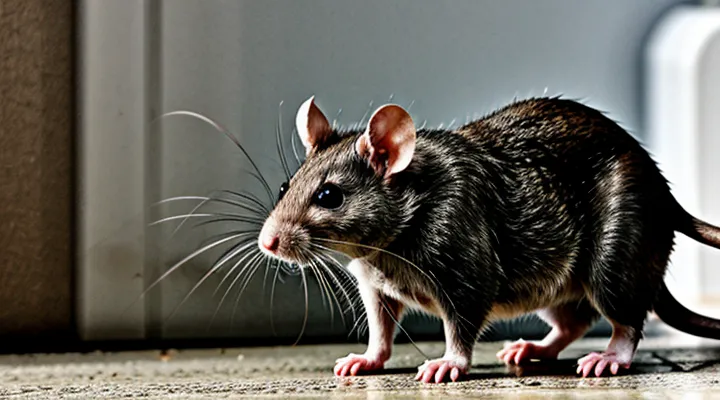
What is a Phobia?
General Characteristics of Phobias
Phobias are intense, irrational fears triggered by specific objects, situations, or organisms. They manifest as immediate anxiety, physiological arousal, and an overwhelming urge to avoid the stimulus. The fear response often includes rapid heart rate, sweating, trembling, and a sense of loss of control.
Key characteristics of phobias include:
- Specificity – each phobia targets a distinct trigger, such as heights, spiders, or rodents.
- Persistence – the fear endures for at least six months and does not diminish without intervention.
- Disproportion – the emotional reaction exceeds the actual danger posed by the object or situation.
- Avoidance behavior – individuals alter daily routines to escape exposure, which can impair personal, academic, or occupational functioning.
Epidemiological data show that specific phobias affect roughly 7–9 % of the population, with higher prevalence among women. Onset typically occurs in childhood or early adolescence, though new cases can emerge later in life.
Diagnostic criteria, as outlined in the DSM‑5, require:
- Marked fear or anxiety about a particular object or situation.
- Immediate anxiety response upon exposure.
- Recognition that the fear is excessive or unreasonable (optional for children).
- Significant distress or impairment in social, occupational, or other important areas.
- Exclusion of other mental disorders that could better explain the symptoms.
Treatment approaches prioritize exposure-based therapies. Systematic desensitization gradually introduces the feared stimulus while teaching relaxation techniques. Cognitive‑behavioral therapy (CBT) restructures maladaptive beliefs about the threat. Pharmacological options, such as selective serotonin reuptake inhibitors, may be prescribed to reduce overall anxiety levels, but they do not replace behavioral interventions.
The fear of rats exemplifies a specific phobia. It follows the same diagnostic pattern and responds to the same therapeutic modalities. Recognizing its general traits helps clinicians apply evidence‑based strategies across the broader spectrum of phobic disorders.
Specific Phobias vs. Other Anxiety Disorders
Fear of rats exemplifies a specific phobia: an intense, persistent dread triggered by a distinct object or situation. The anxiety response is immediate, short‑lived, and disproportionate to any actual danger posed by the animal.
Specific phobias differ from broader anxiety disorders in several respects:
- Trigger: single, identifiable stimulus (e.g., rats) versus diffuse or multiple triggers (e.g., social evaluation, unpredictable panic attacks).
- Onset: often develops in childhood or adolescence; other anxiety disorders may emerge later.
- Duration of episodes: brief, situational spikes for phobias; prolonged or recurrent worry in generalized anxiety disorder.
- Cognitive focus: fear of imminent harm from the specific object; pervasive apprehension about a range of future events in other disorders.
Diagnostic criteria reflect these distinctions. Specific phobias require marked fear or anxiety about the phobic object, avoidance or endurance of the situation with intense distress, and functional impairment. Generalized anxiety disorder demands excessive worry about numerous domains for at least six months. Panic disorder hinges on recurrent unexpected panic attacks and fear of their consequences. Social anxiety disorder centers on fear of negative evaluation in social contexts. Post‑traumatic stress disorder involves re‑experiencing, avoidance, and hyperarousal after a traumatic event.
Treatment strategies also diverge. For specific phobias, exposure‑based interventions dominate:
- Graded exposure (systematic desensitization)
- Virtual reality exposure
- Single‑session intensive exposure
Other anxiety disorders commonly incorporate:
- Cognitive‑behavioral therapy focusing on maladaptive thought patterns
- Pharmacotherapy (e.g., SSRIs, SNRIs)
- Mindfulness‑based stress reduction for generalized anxiety
- Trauma‑focused therapy for PTSD
Understanding the precise nature of the fear—whether confined to a single stimulus like rats or encompassing broader concerns—guides accurate diagnosis and effective intervention.
Musophobia: The Fear of Rats and Mice
Historical and Cultural Context of Musophobia
Musophobia, the irrational fear of rodents, derives from the Greek words mus (μῦς, “mouse”) and phobos (φόβος, “fear”). The term entered scientific nomenclature in the late‑19th century, yet aversion to mice and rats predates this classification by millennia.
Ancient societies linked rodents with disease, theft, and divine displeasure. Egyptian tomb paintings depict rats as carriers of pestilence; Greek myth assigns the mouse to the goddess Demeter as a symbol of famine. Roman legal texts prohibited the keeping of mice in domestic spaces, reflecting practical concerns about grain loss.
In Judeo‑Christian traditions, rodents appear as agents of divine punishment. Biblical passages describe plagues of rats as manifestations of divine wrath, reinforcing the association between rodents and moral corruption. Islamic jurisprudence classifies rats as haram (forbidden) for consumption, underscoring their ritual impurity.
During the Middle Ages, the Black Death amplified musophobic sentiment. Chronicles describe swarms of rats as omens of impending mortality; municipal ordinances mandated the extermination of rodent populations to curb contagion. Folklore from this period features rats as shapeshifters and demonic messengers, reinforcing social stigma.
Contemporary literature and cinema perpetuate these motifs. Notable examples include:
- Horror novels where rats symbolize unseen threats.
- Animated films portraying rodents as mischievous antagonists.
- Psychological thrillers that exploit rodent imagery to evoke dread.
Cross‑cultural surveys reveal divergent attitudes. In East Asian agrarian societies, rats sometimes occupy a protective role, associated with fertility and wealth, while Western narratives frequently cast them as vermin. Indigenous American myths often depict the mouse as a clever trickster, mitigating fear through reverence.
Overall, musophobia reflects a convergence of epidemiological experience, religious symbolism, and narrative tradition, shaping its persistence across epochs and cultures.
Common Triggers and Symptoms
Murophobia, also known as rat phobia, is a specific anxiety disorder characterized by an irrational and persistent fear of rats. The disorder manifests when particular stimuli activate the fear response, leading to measurable physiological and behavioral changes.
Common triggers include:
- Direct visual contact with a rat or rat silhouette.
- Audible cues such as squeaking, scurrying, or rustling in walls.
- Olfactory cues resembling rodent urine or droppings.
- Encountering rat‑infested environments (sewers, basements, grain stores).
- Media portrayals that emphasize rat aggression or disease transmission.
- Personal history of traumatic encounters with rats during childhood.
Typical symptoms fall into three categories:
Physiological responses
- Accelerated heart rate.
- Profuse sweating.
- Tremors or shaking.
- Shortness of breath.
Psychological manifestations
- Intense dread or panic.
- Feeling of loss of control.
- Persistent intrusive thoughts about rats.
Behavioral expressions
- Immediate avoidance of locations where rats may appear.
- Escape attempts or frantic movement.
- Refusal to enter basements, attics, or kitchens.
- Seeking reassurance from others about safety.
Recognition of these triggers and symptoms is essential for accurate diagnosis and effective intervention.
Physical Reactions
Physical reactions to the specific fear of rats, clinically identified as muriphobia, manifest through the autonomic nervous system. The body initiates a fight‑or‑flight response that produces measurable changes.
- Elevated heart rate and blood pressure
- Rapid, shallow breathing or hyperventilation
- Profuse sweating, particularly on palms and forehead
- Tremors or muscle tension in limbs
- Gastrointestinal upset, including nausea or abdominal cramps
- Dilated pupils and heightened startle reflex
These symptoms arise from the release of adrenaline and cortisol, which prepare the organism for immediate action. The intensity of the response correlates with the perceived proximity of the rodent and the individual's prior conditioning. In severe cases, the physiological cascade can trigger panic attacks, characterized by intense dread, choking sensations, and a sense of loss of control. Recognizing these reactions enables clinicians to differentiate muriphobia from generalized anxiety and to apply targeted exposure or cognitive‑behavioral interventions.
Psychological Responses
Rat phobia, clinically referred to as muriphobia or, less frequently, musophobia, elicits a predictable set of psychological reactions. The condition triggers intense fear at the mere thought or sight of rats, often accompanied by a rapid escalation of anxiety symptoms. Cognitive patterns include persistent catastrophic imagery, exaggerated threat appraisal, and intrusive recollections of past encounters. Emotional responses are dominated by dread, irritability, and, in severe cases, panic attacks. Physiological activation manifests as increased heart rate, sweating, trembling, and heightened startle reflex. Behavioral outcomes typically involve deliberate avoidance of environments where rodents may be present, compulsive checking for signs of infestation, and, when avoidance fails, abrupt flight responses.
Typical psychological profile:
- Persistent overestimation of danger associated with rats
- Intrusive thoughts about contamination or disease transmission
- Heightened vigilance for rodent cues in the environment
- Rapid onset of anxiety upon exposure to visual or auditory rat stimuli
- Immediate retreat or refusal to enter spaces perceived as infested
These responses reflect the underlying fear circuitry, where the amygdala, hippocampus, and prefrontal cortex interact to reinforce avoidance and sustain the phobic state. Effective intervention targets the maladaptive cognitive appraisal and the conditioned physiological arousal.
Behavioral Patterns
The specific phobia concerning rats, often termed muriphobia or rat phobia, triggers distinct behavioral patterns that differentiate it from general anxiety disorders. Individuals diagnosed with this condition display consistent reactions when confronted with rodent cues, whether real or imagined.
Typical responses include:
- Immediate withdrawal from environments where rats might be present, such as basements, sewers, or agricultural settings.
- Heightened vigilance, manifested by frequent scanning of surroundings and checking for rodent signs.
- Physical manifestations such as rapid heartbeat, trembling, sweating, and shortness of breath upon exposure to rat‑related stimuli.
- Verbal avoidance, characterized by refusal to discuss rats or related topics and abrupt topic changes when rodents are mentioned.
- Reliance on safety behaviors, for example, keeping doors closed, using traps, or employing protective gear even when the risk is minimal.
Long‑term coping strategies often involve systematic desensitization, cognitive restructuring, or pharmacological treatment. Successful interventions reduce avoidance frequency, lower physiological arousal, and enable participation in previously restricted activities.
Causes and Risk Factors
Genetic Predisposition
Genetic predisposition contributes significantly to the development of the specific anxiety disorder characterized by an intense aversion to rodents. Twin and family studies consistently reveal higher concordance rates among monozygotic twins compared with dizygotic pairs, indicating heritable components. Genome‑wide association analyses have identified several loci linked to heightened amygdala reactivity, a neural substrate frequently implicated in phobic responses.
Key genetic factors include:
- Polymorphisms in the serotonin transporter gene (5‑HTTLPR) that modulate serotonergic signaling.
- Variants of the catechol‑O‑methyltransferase (COMT) gene affecting dopamine metabolism.
- Mutations in the brain‑derived neurotrophic factor (BDNF) gene influencing synaptic plasticity.
Epigenetic mechanisms, such as DNA methylation patterns altered by early‑life stress, can amplify or mitigate these inherited risks. Interaction between genetic susceptibility and environmental triggers determines whether an individual will manifest the rat‑related phobia.
Traumatic Experiences
Murophobia, the clinical term for an intense fear of rats, often originates from specific traumatic events. Direct encounters with aggressive or disease‑carrying rodents create vivid memories that the brain encodes as threats. Repeated exposure to such incidents reinforces avoidance behavior and amplifies physiological responses, such as rapid heartbeat and sweating, whenever rats are perceived.
Typical traumatic experiences include:
- Being bitten or scratched by a rat during childhood.
- Witnessing a rat infestation in a living space, accompanied by loss of personal belongings.
- Observing a rat transmit disease to a family member or pet.
- Surviving a sudden, large‑scale rodent invasion in a public venue.
These events generate a conditioned fear response that persists even after the original danger has passed. The memory trace remains accessible to sensory cues—scurrying sounds, silhouettes, or even the odor of rodent urine—triggering the same autonomic activation as the initial trauma.
Clinical assessment identifies the phobia through self‑reported anxiety levels, physiological measurements during exposure, and the presence of avoidance strategies that interfere with daily activities. Treatment protocols prioritize exposure therapy, cognitive restructuring of the traumatic narrative, and, when appropriate, pharmacological support to diminish hyperarousal. Successful intervention reduces the influence of past trauma on current fear, allowing individuals to function without disproportionate distress when rats are encountered.
Learned Behaviors
The fear of rats, often termed murophobia or rat phobia, frequently originates from learned behaviors rather than innate reactions. From childhood, observing a caregiver’s distress when encountering rodents can condition a similar response. Media portrayals that associate rats with disease or danger reinforce negative associations, creating a mental shortcut that triggers anxiety whenever a rat is perceived.
Key mechanisms through which the phobia develops include:
- Observational learning: Witnessing others display fear or avoidance of rats leads to internalization of the same response.
- Classical conditioning: A neutral stimulus (e.g., a rat image) paired with an unpleasant event (e.g., a scream) produces a fear response to the stimulus alone.
- Operant reinforcement: Avoidance behavior that reduces immediate discomfort is rewarded, solidifying the pattern and making it resistant to extinction.
- Cultural transmission: Stories, jokes, and societal warnings about rats embed a collective aversion that individuals adopt without direct experience.
These processes shape the individual's perception, causing the phobia to persist even when rational assessment contradicts the fear. Intervention strategies that target learned components—such as systematic desensitization, modeling of calm behavior, and cognitive restructuring—directly address the acquired nature of the anxiety, offering the most effective route to reduction.
Diagnosing Musophobia
Criteria for Diagnosis
The fear of rats, classified as a specific phobia, is diagnosed when a distinct set of clinical features is present. Diagnosis requires that the anxiety response be triggered by the mere presence or anticipation of rats, leading to immediate and intense fear or panic. The reaction must be disproportionate to any real danger posed by the animal and must persist for at least six months.
Key diagnostic criteria include:
- Persistent, irrational fear triggered by rats or rat-related cues.
- Immediate anxiety response upon exposure, often accompanied by physiological symptoms such as rapid heartbeat, sweating, trembling, or shortness of breath.
- Recognition that the fear is excessive, yet the individual feels powerless to control it.
- Avoidance behavior that significantly interferes with daily activities, work, or social functioning.
- Absence of a medical condition or substance effect that could better explain the symptoms.
Assessment should involve a structured clinical interview, evaluation of symptom duration, and exclusion of other anxiety disorders. Confirmation relies on meeting all listed criteria and documenting the functional impairment caused by the phobia.
Professional Assessment Methods
Rat-related fear, commonly classified under rodent-specific phobias, is identified in clinical practice through standardized assessment procedures. Accurate diagnosis relies on objective data rather than anecdotal reports.
Professional evaluation employs several validated techniques:
- Structured clinical interview (e.g., SCID) to verify DSM‑5 criteria for specific phobia.
- Self‑report inventories such as the Fear Survey Schedule or the Phobia Assessment Scale, which quantify intensity and frequency of rat‑related anxiety.
- Behavioral Approach Test (BAT) that records the highest proximity a client tolerates when presented with a live rat or realistic stimulus.
- Physiological monitoring (heart rate, skin conductance) during exposure to assess autonomic arousal.
- Cognitive appraisal questionnaires that explore catastrophic beliefs and avoidance patterns.
- Optional neuroimaging or electrophysiological measures for research‑oriented cases.
Data from these instruments guide treatment planning, informing exposure hierarchy design, medication considerations, and progress tracking throughout therapy.
Treatment Approaches
Cognitive Behavioral Therapy («CBT»)
The clinical term for an irrational fear of rats is muriphobia, sometimes referred to as rat phobia or rattophobia. It falls under the broader category of specific phobias, characterized by intense anxiety triggered by the presence or anticipation of rats.
Cognitive Behavioral Therapy (CBT) provides a structured, evidence‑based approach to reduce the distress associated with muriphobia. The method combines cognitive restructuring with systematic exposure, aiming to modify maladaptive thoughts and diminish avoidance behaviors.
Key components of CBT for this phobia include:
- Psychoeducation about fear mechanisms and the role of avoidance.
- Identification and challenge of catastrophic beliefs about rats (e.g., “All rats will bite and transmit disease”).
- Development of a graded exposure hierarchy, starting with low‑threat stimuli such as pictures of rats and progressing to controlled interaction with live animals.
- Implementation of exposure sessions, employing relaxation techniques and cognitive coping statements during each step.
- Monitoring of anxiety levels using standardized rating scales to track progress.
- Relapse prevention planning, incorporating self‑help strategies and scheduled “booster” exposures.
Clinical trials report significant reduction in fear intensity and avoidance after a typical 8‑ to 12‑session protocol. Successful outcomes depend on patient commitment to homework assignments and therapist guidance throughout exposure exercises.
Exposure Therapy
Exposure therapy is the primary behavioral intervention for individuals who experience an intense, irrational fear of rats, commonly identified as musophobia. The method relies on systematic, controlled contact with the feared stimulus to diminish anxiety responses.
The therapeutic process typically follows these stages:
- Assessment: Clinician evaluates fear intensity, avoidance patterns, and physiological reactions.
- Psychoeducation: Patient receives factual information about fear mechanisms and the rationale for exposure.
- Hierarchy construction: A graded list of rat‑related situations is created, ranging from low‑stress (viewing a picture) to high‑stress (handling a live rat).
- Gradual exposure: Patient engages with each item on the hierarchy, repeating until anxiety decreases markedly.
- Response prevention: Patient refrains from safety behaviors that would otherwise reduce anxiety, reinforcing new learning.
- Review: Progress is measured, and the hierarchy is adjusted as needed.
Research indicates that repeated, extinction‑based exposure reduces avoidance and physiological arousal, often achieving lasting remission after a limited number of sessions. Successful outcomes depend on consistent practice, therapist guidance, and patient commitment to confronting feared scenarios without escape.
Cognitive Restructuring
The fear of rats is commonly labeled rattophobia, also referred to as musophobia when the aversion includes both rats and mice. This specific phobia triggers intense anxiety, avoidance, and physiological arousal upon exposure to rodents or related cues.
Cognitive restructuring addresses rattophobia by modifying the maladaptive thought patterns that sustain the fear response. The process involves several precise steps:
- Identify automatic thoughts associated with rats, such as “they will bite me” or “they carry disease.”
- Examine the evidence for and against each thought, noting factual inaccuracies or exaggerations.
- Generate balanced alternatives, for example, “most rats avoid humans” or “proper hygiene reduces disease risk.”
- Reinforce revised beliefs through repeated mental rehearsal and real‑world verification.
Therapeutic outcomes improve when cognitive restructuring is combined with gradual exposure. Patients confront rat‑related stimuli while applying the newly formed cognitions, thereby weakening the link between the stimulus and the fear response. Over time, the revised thought structure diminishes avoidance behavior and reduces physiological arousal, leading to functional recovery from rattophobia.
Medication Options
Medication for the specific phobia of rats, commonly termed murophobia, follows the same clinical guidelines used for other anxiety disorders. First‑line pharmacologic agents are selective serotonin reuptake inhibitors (SSRIs) such as sertraline, fluoxetine, and escitalopram. These drugs increase serotonergic activity, reduce symptom intensity, and are typically administered once daily for a period of 8–12 weeks before full effect is observed.
Second‑line options include serotonin‑norepinephrine reuptake inhibitors (SNRIs) like venlafaxine and duloxetine, which target both serotonin and norepinephrine pathways. When rapid symptom relief is required, short‑term benzodiazepines (e.g., clonazepam, lorazepam) may be prescribed, but clinicians limit duration to avoid dependence.
Adjunctive agents can mitigate physiological arousal:
- Propranolol (beta‑blocker) – lowers heart rate and tremor during exposure.
- Hydroxyzine (antihistamine with anxiolytic properties) – useful for acute panic episodes.
- Pregabalin – reduces hyperexcitability and improves sleep quality.
Medication should be combined with evidence‑based psychotherapy, typically cognitive‑behavioral therapy with exposure techniques, to achieve durable remission. Dosage adjustments are guided by symptom severity, comorbid conditions, and individual tolerability. Monitoring includes baseline and periodic assessments of mood, blood pressure, and potential side effects.
Anti-Anxiety Medications
Rattophobia, the excessive fear of rats, falls under specific phobias that trigger intense anxiety when the animal is perceived or imagined. Clinical guidelines recommend a combination of psychotherapy and pharmacotherapy to reduce symptom severity.
Pharmacological options target the neurochemical pathways that sustain anxiety. They are prescribed when exposure‑based therapy alone does not achieve sufficient relief or when symptoms impair daily functioning.
- Selective serotonin reuptake inhibitors (SSRIs) – fluoxetine, sertraline, escitalopram; increase serotonergic transmission, reduce baseline anxiety, require several weeks for therapeutic effect.
- Serotonin‑norepinephrine reuptake inhibitors (SNRIs) – venlafaxine, duloxetine; similar mechanism with added norepinephrine modulation, useful for comorbid depressive symptoms.
- Benzodiazepines – alprazolam, clonazepam; potentiate GABA‑A receptors, provide rapid symptom control, limited to short‑term use due to dependence risk.
- Beta‑blockers – propranolol; attenuate peripheral autonomic responses, helpful for situational anxiety during exposure sessions.
- Buspirone – 5‑HT1A partial agonist; non‑sedating, suitable for long‑term management, slower onset.
Prescription decisions consider the severity of rattophobia, patient medical history, and potential drug interactions. Initiation typically starts with low doses, titrated upward while monitoring for side effects such as gastrointestinal upset, insomnia, or dizziness. Regular assessment determines whether medication remains necessary alongside continued psychotherapeutic interventions.
Antidepressants
Murophobia, the intense fear of rats, is classified as a specific anxiety disorder. Treatment protocols often incorporate antidepressant medication to reduce the underlying anxiety that fuels the phobic response.
Antidepressants that have demonstrated efficacy in specific phobias include:
- Selective serotonin reuptake inhibitors (SSRIs) – increase serotonergic transmission, attenuate hyper‑reactivity of the amygdala.
- Serotonin‑norepinephrine reuptake inhibitors (SNRIs) – combine serotonergic and noradrenergic effects, provide broader anxiolytic coverage.
- Tricyclic antidepressants (TCAs) – block reuptake of serotonin and norepinephrine, useful when SSRIs are insufficient.
- Monoamine oxidase inhibitors (MAOIs) – rare use due to dietary restrictions, reserved for treatment‑resistant cases.
Prescribing guidelines emphasize starting at low doses, gradual titration, and monitoring for adverse reactions such as gastrointestinal upset, sexual dysfunction, or orthostatic hypotension. Therapeutic benefit typically emerges after 4–6 weeks; continuation for at least 6 months reduces relapse risk.
Adjunctive interventions—cognitive‑behavioral exposure therapy, relaxation training, and psychoeducation—enhance medication outcomes. Integration of pharmacologic and behavioral strategies yields the most reliable reduction in rat‑related fear.
Self-Help Strategies and Support
Rat phobia, clinically identified as muriphobia, manifests as intense anxiety when encountering rodents or even thinking about them. The condition can disrupt daily activities, especially in environments where rats are present.
Effective self‑help approaches include:
- Cognitive restructuring: Identify irrational thoughts about rats, replace them with balanced assessments, and record the evidence for each belief.
- Gradual exposure: Begin with low‑intensity stimuli, such as pictures of rats, then progress to videos, and eventually to controlled, real‑world encounters. Maintain a steady pace to prevent overwhelm.
- Relaxation training: Practice diaphragmatic breathing, progressive muscle relaxation, or guided imagery before and during exposure sessions to lower physiological arousal.
- Mindfulness exercises: Focus on present‑moment sensations without judgment, allowing anxiety to pass without reinforcing fear responses.
When self‑directed methods prove insufficient, professional assistance becomes essential. Cognitive‑behavioral therapy (CBT) offers structured protocols that integrate exposure and cognitive techniques. Certified therapists can tailor interventions to individual severity levels. In addition, support groups—both online forums and local meetings—provide peer validation, shared coping strategies, and accountability.
Medication may complement psychological work for severe cases. Selective serotonin reuptake inhibitors (SSRIs) or short‑acting anxiolytics, prescribed by a psychiatrist, can reduce baseline anxiety, facilitating engagement with therapeutic tasks.
Consistent application of these strategies, combined with professional guidance when needed, yields measurable reductions in rat‑related fear and improves overall functional capacity.
Living with Musophobia
Coping Mechanisms
Individuals who experience intense fear of rodents can employ several evidence‑based strategies to reduce anxiety and improve daily functioning.
Cognitive‑behavioral therapy (CBT) restructures irrational thoughts about rats, replacing catastrophic predictions with realistic assessments. Systematic desensitization pairs gradual exposure to rodent‑related stimuli with relaxation techniques, allowing the nervous system to habituate without overwhelming distress.
Pharmacological options include selective serotonin reuptake inhibitors (SSRIs) and benzodiazepines, prescribed to manage acute symptoms and facilitate participation in therapeutic exercises.
Self‑directed practices reinforce professional treatment. Mindfulness meditation lowers physiological arousal by focusing attention on breath and bodily sensations. Progressive muscle relaxation systematically reduces tension in major muscle groups, decreasing the somatic component of fear.
Support networks provide additional resilience. Peer groups for animal‑related anxieties enable sharing of coping experiences, while virtual forums offer discreet access to resources and encouragement.
A structured plan typically integrates the following elements:
- Initial assessment by a mental‑health professional to confirm diagnosis and severity.
- Development of a personalized exposure hierarchy, beginning with low‑threat images and advancing to real‑world encounters.
- Regular CBT sessions to challenge maladaptive beliefs and track progress.
- Scheduled practice of relaxation or mindfulness exercises, at least twice daily.
- Monitoring of medication effects and side‑effects, with adjustments as needed.
- Participation in peer‑support meetings or online communities for ongoing reinforcement.
Consistent application of these mechanisms yields measurable reductions in avoidance behavior, heart‑rate response, and subjective fear ratings, allowing individuals to navigate environments where rodents may be present with greater confidence.
Seeking Support
Rattophobia, the clinical term for an intense fear of rats, often triggers avoidance behaviors that interfere with daily life. Individuals experiencing this anxiety benefit from structured support that addresses both psychological and practical aspects.
Professional intervention provides evidence‑based treatment. Cognitive‑behavioral therapy (CBT) reconditions fear responses through exposure exercises and cognitive restructuring. Licensed psychologists or psychiatrists can tailor sessions to the severity of the phobia, and medication may be prescribed when anxiety levels require pharmacological assistance.
Peer networks offer additional reinforcement. Support groups—online forums, community meet‑ups, or specialty organizations—allow sufferers to share coping strategies, track progress, and reduce feelings of isolation. Participation in moderated discussions ensures accurate information and respectful dialogue.
Practical resources complement clinical work. The following actions are recommended:
- Identify a therapist experienced in specific phobias and schedule an initial consultation.
- Register with a reputable anxiety‑focused support community; verify moderation policies before joining.
- Compile a list of trusted educational materials (e.g., scholarly articles, reputable mental‑health websites) for personal study.
- Establish a gradual exposure plan, beginning with visual stimuli and advancing to controlled, real‑world encounters under professional guidance.
- Monitor symptoms in a journal, noting triggers, intensity, and coping responses to inform treatment adjustments.
By integrating professional therapy, peer assistance, and systematic self‑management, individuals can mitigate the impact of rattophobia and restore functional engagement with environments where rats may be present.
Improving Quality of Life
The clinical label for an intense, irrational fear of rats is muriphobia, a subset of rodentophobia. Individuals diagnosed with muriphobia often experience heightened anxiety, avoidance behavior, and physiological stress responses when exposed to rats or rat‑related cues.
Effective interventions focus on reducing symptom severity and enhancing daily functioning. Cognitive‑behavioral therapy (CBT) restructures maladaptive thoughts and introduces systematic desensitization. Pharmacological options, such as selective serotonin reuptake inhibitors, alleviate acute anxiety during exposure sessions.
Practical steps that improve overall well‑being include:
- Maintaining a rodent‑free environment through sealing entry points and using traps responsibly.
- Practicing relaxation techniques (deep breathing, progressive muscle relaxation) before encountering potential triggers.
- Engaging in regular physical activity to lower baseline stress hormones.
- Joining peer support groups where shared experiences normalize coping strategies.
Long‑term quality of life benefits from consistent therapy attendance, adherence to medication when prescribed, and proactive management of environmental risk factors. Monitoring progress with standardized anxiety scales ensures adjustments to treatment plans remain evidence‑based.