
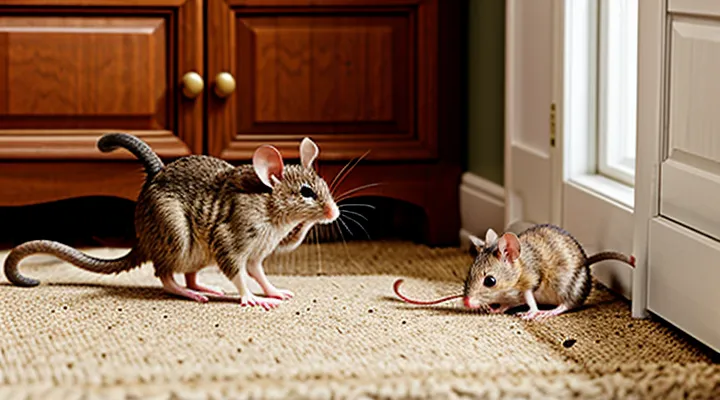
Understanding House Mouse Diet
The Omnivorous Nature of House Mice
House mice exhibit a highly adaptable omnivorous feeding strategy, enabling survival in varied environments. Their dentition and digestive physiology accommodate both plant and animal matter, allowing rapid exploitation of available resources.
In natural settings, the diet consists primarily of seeds, grains, nuts, and soft‑stemmed vegetation. Invertebrates such as insects, larvae, and arachnids supplement protein intake, especially during breeding periods when nitrogen demand increases.
Urban and suburban habitats expand dietary options to include human‑derived foods. Crumbs, processed snacks, pet kibble, and discarded produce provide high‑calorie sources that support larger populations. Access to stored grains and pantry items further enhances reproductive success.
Typical food preferences can be grouped as follows:
- Plant material: seeds, cereals, fruits, leafy greens
- Animal protein: insects, larvae, carrion fragments
- Anthropogenic waste: bakery crumbs, cereal flakes, pet food, cooked leftovers
The omnivorous nature of house mice underlies their capacity to colonize diverse ecosystems and persist alongside human activity.
Preferred Food Categories
Grains and Seeds
House mice regularly consume a variety of grains and seeds, providing a primary source of carbohydrates and essential fatty acids. These foods supply rapid energy and support growth, reproduction, and activity levels.
Common grains and seeds found in mouse diets include:
- Wheat kernels and bran
- Barley grains
- Oats, rolled or whole
- Rye seeds
- Corn kernels
- Sunflower seeds
- Millet
- Flaxseed
Mice demonstrate a marked preference for foods with higher lipid content, such as sunflower and flax seeds, while also exploiting readily available cereal grains stored in pantries or agricultural facilities. Seasonal availability influences selection; during harvest periods, freshly harvested grains become dominant, whereas in colder months stored seeds and processed cereals maintain consumption.
Nutritional analysis shows that grains contribute starches and protein, whereas seeds contribute oils rich in omega‑3 and omega‑6 fatty acids. Balanced intake of both categories promotes optimal body condition and reproductive success. Excessive reliance on a single grain type may lead to deficiencies in essential micronutrients, underscoring the importance of dietary diversity in natural foraging behavior.
Fruits and Vegetables
House mice readily consume a variety of fruits, taking advantage of the natural sugars and moisture they provide. Commonly accepted items include apples, grapes, berries, and melons. These foods supply quick energy and support hydration, especially when water sources are limited.
Vegetables also feature prominently in the murine diet. Preferred choices are carrots, peas, lettuce, and broccoli. Such plant matter contributes fiber, vitamins, and minerals essential for digestive health and overall physiological function.
Typical fruit and vegetable selection observed in laboratory and field studies:
- Apples, pears, and plums
- Strawberries, blueberries, and raspberries
- Carrots, cucumbers, and zucchini
- Spinach, kale, and cabbage
Seasonal availability influences consumption patterns; mice adjust intake according to the abundance of fresh produce. In environments lacking fresh options, they may resort to stored or wilted produce, which still offers nutritional value despite reduced palatability.
Meats and Dairy
House mice incorporate animal protein into their diet when accessible. Small pieces of cooked or raw meat, such as chicken, beef, and fish, are readily consumed. Preference for fresh over decayed tissue reflects an innate avoidance of pathogens. In laboratory settings, mice demonstrate rapid intake of protein sources, increasing body mass and reproductive output.
Typical dairy products accepted by house mice include cheese, yogurt, and milk. Soft cheeses and low‑fat varieties are preferred due to ease of chewing. Milk consumption is limited by lactose tolerance; young mice exhibit higher intake than adults.
Common meat and dairy items observed in urban and rural environments:
- «Meats»: cooked chicken, beef scraps, fish fillets, processed deli slices
- «Dairy»: soft cheese, low‑fat yogurt, pasteurized milk
Nutritional contribution of these foods centers on high‑quality protein, essential amino acids, calcium, and vitamins B12 and D. Excessive fat or salt in processed meats may lead to obesity or renal strain. Dairy ingestion can cause gastrointestinal upset in lactose‑intolerant individuals, reducing overall health. Monitoring availability of safe, low‑contamination animal products supports optimal growth and breeding success in house mouse populations.
Insects and Invertebrates
House mice (Mus musculus) incorporate a wide range of invertebrate prey into their diet, particularly when plant material is scarce. Insects provide essential protein, lipids, and micronutrients that support growth, reproduction, and immune function. The following groups constitute the primary invertebrate components consumed by these rodents:
- Beetles (Coleoptera) – larvae and adults, especially grain beetles and darkling beetles.
- Crickets and grasshoppers (Orthoptera) – captured in outdoor foraging zones.
- Moths and butterflies (Lepidoptera) – caterpillars and pupae found near stored food.
- Flies and their larvae (Diptera) – housefly maggots and fruit‑fly larvae in waste.
- Worms and nematodes – earthworms in moist soil and free‑living nematodes in compost.
In addition to whole insects, mice often ingest smaller arthropods such as mites, ticks, and springtails encountered in bedding or stored grain. Consumption of these organisms is opportunistic; mice detect prey through movement, odor, and moisture cues. Seasonal fluctuations influence availability: beetle larvae dominate winter diets, while flying insects increase intake during spring and summer.
Nutritional analysis shows that a diet supplemented with insects can raise protein content by 10–15 % compared with a grain‑only regimen. Fatty acid profiles improve, with higher levels of essential polyunsaturated fats derived from insect membranes. Micronutrient enrichment includes increased zinc, iron, and B‑vitamins, which are less abundant in plant seeds.
Laboratory studies confirm that mice offered live insects exhibit higher growth rates and lower mortality under protein‑restricted conditions. Field observations corroborate these findings: populations inhabiting grain stores with frequent insect infestations display higher reproductive output than those confined to strictly plant‑based environments.
Overall, insects and other invertebrates represent a critical, protein‑rich supplement that enhances the dietary balance of house mice, particularly during periods of limited vegetal resources.
Opportunistic Feeding Habits
House mice demonstrate highly adaptable foraging strategies that enable survival in diverse human environments. Their opportunistic feeding behavior allows rapid exploitation of any available organic material, ranging from processed foods to natural debris.
Key characteristics of this adaptability include:
- Preference for high‑energy items such as grains, cereals, and sugary residues.
- Consumption of protein sources, including insects, pet food, and meat scraps.
- Utilization of waste products, compost, and discarded produce.
- Ability to ingest non‑nutritive substances when preferred foods are scarce, exemplified by occasional ingestion of paper or fabric fibers.
Seasonal variations influence selection patterns; during colder months, mice increase intake of stored pantry items, whereas warmer periods see greater reliance on outdoor vegetation and insects. This flexibility results from a keen sense of smell and tactile exploration, enabling detection of concealed food sources within walls, insulation, and stored containers.
Management strategies that reduce opportunistic feeding opportunities focus on eliminating accessible food residues, sealing entry points, and maintaining rigorous sanitation protocols. By limiting the spectrum of consumable resources, the propensity for house mice to exploit human habitats diminishes markedly.
Factors Influencing Food Choices
Availability of Food Sources
Food availability determines the composition of the mouse diet. When stored products are accessible, rodents concentrate on high‑carbohydrate items; when those are scarce, natural resources become primary.
Typical urban sources include:
- grain and cereal residues in pantries;
- processed snack fragments;
- pet food left uncovered;
- refuse from kitchen waste bins.
Rural and garden environments provide:
- seed heads of grasses and weeds;
- fallen fruit and berries;
- invertebrates such as beetles and larvae;
- compost material rich in organic matter.
Seasonal shifts modify the spectrum of accessible items. Cold periods restrict intake to human‑supplied stores, whereas warm months expand options to seeds, insects, and plant matter. Consequently, dietary preferences adjust in direct response to the prevailing supply of edible resources.
Nutritional Needs
House mice require a balanced intake of proteins, carbohydrates, and fats to sustain rapid growth and high reproductive rates. Protein sources such as seeds, insects, and processed pet foods supply essential amino acids for tissue development and enzyme production. Carbohydrates from grains, fruits, and starchy vegetables provide immediate energy, while modest fat levels from nuts or oil‑enriched feeds support hormone synthesis and insulation.
Key micronutrients include:
- Calcium and phosphorus for bone mineralization and dental health.
- Iron, zinc, and copper to facilitate oxygen transport and immune function.
- B‑complex vitamins for metabolic pathways, particularly thiamine, riboflavin, and niacin.
- Vitamin A for vision and epithelial integrity.
- Vitamin D, obtained primarily through dietary fortification, aids calcium absorption.
Adequate water consumption is vital; mice typically ingest 5–10 ml of fluid per day, sourced from fresh drinking water or moisture‑rich foods. Dehydration rapidly impairs kidney function and reduces foraging efficiency.
Feeding regimens that combine commercially formulated rodent pellets with occasional fresh produce meet these nutritional demands while preventing deficiencies. Supplemental grit or sand can be offered to aid digestion of fibrous material. Monitoring body condition and adjusting diet composition ensure optimal health and reproductive performance.
Environmental Conditions
Temperature
Temperature directly shapes the feeding behavior of house mice. In cooler environments, metabolic demand rises, prompting increased consumption of high‑energy foods such as seeds, grains, and stored pantry items. Warmer conditions reduce energy expenditure, leading mice to favor softer, moisture‑rich sources like fruit, vegetables, and insect larvae.
Key temperature thresholds influence diet selection:
- Below 10 °C: preference for carbohydrate‑dense stores; increased gnawing of insulated packaging.
- 10 °C – 20 °C: balanced intake of grains and protein; opportunistic foraging expands to garden produce.
- Above 20 °C: shift toward water‑rich foods; reduced interest in dry stores, heightened activity during nocturnal hours.
Thermoregulation also affects digestive efficiency. Lower ambient temperatures slow gut motility, extending digestion time for fibrous material. Higher temperatures accelerate enzymatic activity, improving absorption of sugars and fats.
Seasonal temperature fluctuations drive seasonal dietary cycles. Cold spells trigger storage‑seeking behavior, while heat waves encourage exploration of wet habitats and consumption of evaporative cooling sources.
Understanding temperature‑driven dietary patterns assists in effective pest management. Adjusting food availability according to ambient conditions can limit attractants and reduce infestation risk.
Humidity
Humidity influences the foraging behavior and food selection of domestic rodents. Elevated moisture levels accelerate microbial growth on grain, fruit, and seed kernels, reducing palatability and increasing the risk of gastrointestinal disturbances. Consequently, mice preferentially seek dry, low‑moisture items such as cracked corn, dried nuts, and processed pellets when ambient humidity rises above 60 %.
Conversely, moderate humidity (30‑50 %) preserves the texture and nutrient content of fresh produce, encouraging consumption of vegetables, leafy greens, and moist fruits. In environments where humidity fluctuates, mice adjust their diet by alternating between stored dry foods and freshly foraged moist items, maintaining a balanced intake of carbohydrates, proteins, and essential fats.
Key effects of humidity on dietary preferences:
- High humidity → avoidance of damp grains, increased intake of dry seeds and pellets.
- Moderate humidity → inclusion of fresh vegetables and fruits, higher water intake from food.
- Low humidity → reduced risk of spoilage, stable consumption of both dry and moist foods.
Understanding these moisture‑driven patterns assists in designing effective pest‑management strategies and in providing appropriate nutrition for captive populations.
Learned Behaviors
House mice develop feeding patterns that extend beyond instinctual choices, incorporating behaviors acquired through observation, experience, and interaction with conspecifics. These learned components shape the selection of foods, timing of foraging, and strategies for accessing resources in human‑occupied environments.
Social learning occurs when juvenile mice observe adults handling novel food items, then replicate the handling techniques. Classical conditioning reinforces preferences when specific foods are repeatedly paired with positive outcomes such as reduced hunger or avoidance of predators. Habituation reduces fear of certain textures or odors after repeated exposure, allowing mice to exploit a broader range of edible materials.
Key learned behaviors include:
- Imitation of adult foraging routes, leading to efficient navigation of cluttered spaces.
- Preference formation for foods associated with safe nesting sites.
- Development of cache‑retrieval routines after repeated storage of surplus grains.
- Adaptation to human‑provided feeding stations, resulting in regular visitation schedules.
Understanding these adaptive mechanisms informs pest‑management strategies: altering the availability of preferred foods, disrupting social transmission pathways, and employing deterrents that break conditioned associations can reduce the attractiveness of residential areas to house mice.
Impact of House Mouse Diet on Humans
Contamination of Food Supplies
House mice frequently infiltrate stored provisions, introducing contaminants that compromise nutritional value and safety. Physical debris such as fur, droppings, and gnawed fragments become mixed with grain, cereals, and processed foods, creating visible impurities that reduce product quality. Microbial contamination arises when mouse excreta deposit pathogens—including Salmonella, Campylobacter, and Hantavirus—onto consumables, facilitating bacterial growth and increasing the risk of foodborne illness. Chemical contamination occurs when rodents gnaw electrical wiring or packaging, releasing metallic particles and plastic residues that may leach into edibles.
Key food categories vulnerable to infestation include:
- Whole grains and seed mixes, which provide easy access to protein and carbohydrates.
- Processed snacks, especially those stored in open or poorly sealed containers.
- Pet food, often kept in bulk bins that lack airtight seals.
Effective mitigation relies on integrated measures:
- Seal entry points with steel wool or cement to prevent ingress.
- Implement regular sanitation cycles, removing debris and disinfecting surfaces.
- Employ bait stations and mechanical traps in proximity to storage areas.
- Rotate stock frequently, positioning newer supplies behind older items to minimize prolonged exposure.
Continuous monitoring of storage environments, combined with prompt removal of contaminated products, sustains the integrity of food supplies against rodent‑induced degradation.
Damage to Property
House mice seek high‑energy foods such as grains, seeds, and processed leftovers, directing their foraging activities toward stored products and structural components of buildings. The attraction to these items creates a direct pathway for damage throughout residential and commercial properties.
Common forms of damage include:
- Gnawed electrical wiring, increasing fire risk and costly repairs.
- Compromised insulation made of cellulose or cotton, leading to heat loss and higher energy expenses.
- Contaminated stored foodstuffs, resulting in loss of inventory and the need for thorough sanitation.
- Eroded wooden structures, floor joists, and framing members weakened by chewing.
- Stained or chewed upholstery, curtains, and other soft furnishings, reducing aesthetic value and resale potential.
Mitigation requires sealing entry points, employing bait stations, and maintaining rigorous sanitation protocols. Prompt detection and targeted control reduce the likelihood of extensive repairs and preserve the integrity of the built environment.
Disease Transmission
Salmonella
Salmonella represents a significant bacterial hazard that can be introduced into the diet of house mice through contaminated food items. The pathogen survives in a variety of organic substrates, allowing rodents to acquire infection while foraging in human‑occupied environments.
Common foods associated with Salmonella contamination include:
- Grain‑based products such as cereals and seed mixes
- Processed pet foods and dry kibble
- Fresh produce left exposed, especially leafy greens and fruit scraps
- Dairy remnants that have not been refrigerated
When a mouse ingests contaminated material, Salmonella colonizes the intestinal tract, leading to bacterial shedding in feces. This shedding creates a feedback loop, increasing environmental contamination and raising the probability of further transmission among conspecifics.
Infected mice may exhibit reduced feed intake, weight loss, and gastrointestinal distress. Moreover, the presence of Salmonella in rodent populations poses a zoonotic threat, as humans handling infested premises or consuming products contaminated by rodent droppings can acquire the infection.
Mitigation strategies focus on eliminating sources of contamination and disrupting transmission pathways. Effective measures comprise:
- Securing food storage to prevent rodent access
- Regular sanitation of areas where food residues accumulate
- Prompt removal of droppings and implementation of rodent‑control programs
By addressing these factors, the likelihood of Salmonella entering the dietary niche of house mice diminishes, protecting both animal health and public safety.
Hantavirus
Hantavirus is an RNA virus primarily maintained in wild and commensal rodents. House mice (Mus musculus) act as natural reservoirs, harboring the pathogen without overt disease. Viral replication occurs in the respiratory and gastrointestinal tracts, leading to excretion of infectious particles in urine, feces and saliva.
Dietary habits of house mice influence viral dynamics. Access to high‑energy food sources such as grains and processed waste promotes rapid population growth, increasing host density and the probability of virus transmission among individuals. Nutrient‑rich diets may also affect immune function, potentially altering viral shedding rates.
Human infection arises from inhalation of aerosolized particles contaminated with rodent excreta. Outbreaks are linked to indoor environments where food storage practices attract mice and facilitate accumulation of droppings. Preventive measures focus on reducing rodent access to food and eliminating conditions that support large mouse populations.
- Secure all food items in sealed containers.
- Remove spilled grains and crumbs promptly.
- Seal cracks and gaps in building envelopes.
- Employ traps or professional pest control to lower mouse numbers.
- Clean contaminated areas with disinfectant while wearing respiratory protection.
Pest Control Implications
Understanding the dietary habits of house mice provides a foundation for effective pest management. Mice preferentially consume grains, seeds, dried fruit, pet food, and occasional insects. Their attraction to high‑energy, carbohydrate‑rich substances drives selection of bait types and placement strategies.
Key implications for control programs:
- Deploy bait stations near storage areas, pantry corners, and along walls where food residues accumulate.
- Choose bait formulations that mimic preferred foods, such as wheat‑based pellets or peanut‑flavored blocks.
- Adjust bait density according to seasonal variations in natural food availability; increased outdoor resources in summer reduce indoor bait demand, while winter scarcity heightens indoor foraging.
- Implement sanitation measures that eliminate spillage, seal containers, and remove accessible crumbs to diminish attractants.
- Modify structural features by sealing cracks, installing door sweeps, and reducing clutter to limit access to preferred feeding sites.
Continuous monitoring of bait uptake and mouse activity informs adjustments to product selection and deployment frequency. Data‑driven revisions sustain population suppression while minimizing non‑target exposure.