
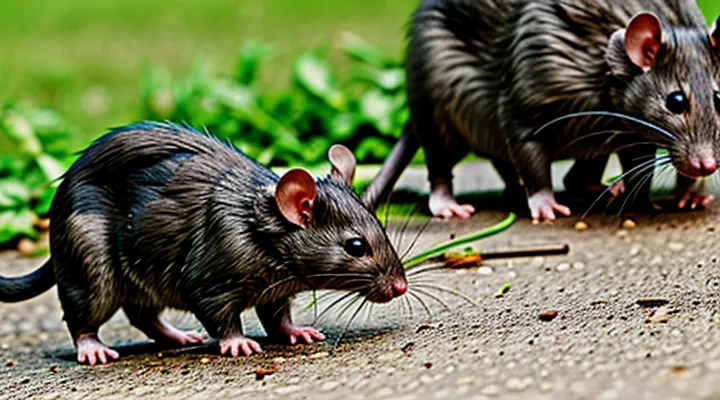
Understanding Rat Dietary Needs
Essential Nutrients for Pet Rats
Proteins
Rats need high‑quality protein to support growth, tissue repair, and immune function. Dietary protein should come from sources that are digestible, low in fat, and free of contaminants.
Safe protein options
- Cooked chicken breast, skinless and unseasoned
- Boiled eggs, whole or whites only
- Low‑fat cottage cheese or plain yogurt
- Cooked lean beef, trimmed of excess fat
- Tofu, firm and unflavored
- Commercial rat pellets that list protein as a primary ingredient
Unsafe protein options
- Processed meats containing spices, preservatives, or high sodium (e.g., deli ham, bacon)
- Raw fish or shellfish, which may harbor parasites or bacteria
- Cured or smoked meats with nitrates
- Fatty cuts of pork or lamb, which can cause digestive upset
- Dairy products with added sugars or flavorings
Feeding guidelines
- Provide protein as 15‑20 % of the total daily caloric intake for adult rats; increase to 25‑30 % for growing or pregnant individuals.
- Offer protein in small, measured portions once or twice daily to prevent obesity.
- Ensure all protein foods are cooked thoroughly, cooled, and free of bones or sharp fragments.
- Monitor rats for signs of intolerance, such as diarrhea or reduced activity, and adjust the diet accordingly.
Consistent inclusion of the listed safe proteins, combined with regular observation of health indicators, maintains optimal nutrition while avoiding the risks associated with unsuitable protein sources.
Carbohydrates
Rats rely on carbohydrates for quick energy and proper digestive function. Provide sources that are natural, minimally processed, and low in added sugars.
- Whole‑grain bread, plain oatmeal, brown rice, and whole‑wheat pasta.
- Fresh fruits such as apples (without seeds), bananas, berries, and melon.
- Vegetables including carrots, peas, sweet potatoes, and corn kernels.
- Small portions of unsweetened cereal or plain popcorn (unbuttered, unflavored).
Avoid carbohydrate foods that contain high levels of refined sugars, artificial sweeteners, or excessive fats, as these can cause obesity, gastrointestinal distress, and metabolic disorders.
- Candy, chocolate, and sugary desserts.
- Processed snacks like chips, crackers with added salt or flavorings.
- Sweetened cereals, flavored yogurts, and fruit‑flavored drinks.
- Honey, maple syrup, and other syrups.
- Baked goods with frosting, glaze, or high‑fat fillings.
Limit daily carbohydrate intake to no more than 10–15 % of the rat’s total caloric budget, distributing portions across multiple feedings to maintain stable blood glucose levels.
Fats
Rats require dietary fats for energy, cell structure, and absorption of fat‑soluble vitamins. Excessive or inappropriate fat sources can lead to obesity, gastrointestinal upset, or liver strain.
Safe fat sources for pet rats include:
- Small amounts of plain, unsalted sunflower or safflower oil mixed into regular feed.
- Low‑fat cheese (e.g., part‑skim mozzarella) offered sparingly.
- Cooked, skinless chicken or turkey without added sauces.
- Small pieces of boiled egg yolk, limited to a few teaspoons per week.
- Commercial rodent fat supplements formulated specifically for laboratory or pet rats.
Unsafe fat sources for rats consist of:
- Butter, margarine, or any spread containing high levels of saturated or trans fats.
- Fried foods, including French fries and battered meats, which contain excessive oil and seasoning.
- Processed snack items such as chips, popcorn with butter, or salted nuts.
- Animal fats that are heavily seasoned, cured, or contain preservatives (e.g., bacon, salami).
- Any oil or fat infused with garlic, onion, or strong spices, which are toxic to rodents.
Providing appropriate fat quantities—generally no more than 5 % of total caloric intake—maintains health while preventing adverse effects.
Vitamins and Minerals
Rats require a balanced intake of vitamins and minerals to support growth, immune function, and reproduction. Deficiencies or excesses can lead to metabolic disorders, skeletal abnormalities, or reduced fertility.
-
Vitamin A – vital for vision and epithelial health. Safe sources include carrots, sweet potatoes, and spinach in small, finely chopped portions.
-
Vitamin D – regulates calcium absorption. Sun‑exposed egg yolk and fortified rodent pellets provide adequate levels.
-
Vitamin E – antioxidant protecting cell membranes. Sunflower seeds and wheat germ offer reliable amounts.
-
Vitamin K – essential for blood clotting. Leafy greens such as kale and lettuce supply sufficient quantities.
-
B‑complex vitamins (B1, B2, B3, B6, B12, folate) – support energy metabolism and nervous system function. Whole grains, legumes, and lean meats are appropriate sources.
-
Calcium – needed for bone formation and nerve transmission. Dairy products like low‑fat cheese, plain yogurt, and calcium‑rich vegetables (broccoli, bok choy) meet requirements.
-
Phosphorus – works with calcium for skeletal health. Fish, eggs, and meat provide balanced phosphorus.
-
Magnesium – involved in enzymatic reactions and muscle function. Pumpkin seeds and whole‑grain cereals are effective providers.
-
Potassium – maintains fluid balance and cardiac rhythm. Bananas, apples, and cucumber deliver safe potassium levels.
-
Iron – essential for hemoglobin synthesis. Lean red meat, cooked lentils, and fortified cereals supply bioavailable iron.
Excessive or toxic intake arises from certain foods. High‑dose liver, raw egg whites, and excessive dairy can cause hypervitaminosis A or D, leading to liver damage or calcification of soft tissues. Raw onions and garlic contain compounds that interfere with iron metabolism and should be avoided. Foods high in oxalic acid, such as rhubarb leaves, bind calcium and reduce its absorption, posing a risk of deficiency. Processed snacks, sugary treats, and salty chips provide no nutritional benefit and may introduce harmful additives, disrupting mineral balance.
Providing a diet that includes the listed safe sources while excluding the identified hazardous items ensures rats receive necessary vitamins and minerals without exposure to toxic levels. Regular monitoring of body condition and consultation with a veterinary nutritionist can fine‑tune nutrient provision for optimal health.
Safe Foods for Rats: A Comprehensive Guide
Fruits
Berries
Berries provide natural sugars, fiber, and antioxidants that can complement a rat’s staple diet when offered correctly.
-
Safe options
- Blueberries – fresh or thawed, seeds removed.
- Strawberries – sliced, core removed.
- Raspberries – whole, monitor for mold.
- Blackberries – whole, ensure no pesticide residue.
- Cranberries – unsweetened, fresh or dried without added sugar.
-
Unsafe or risky options
- Cherries – pits contain cyanogenic compounds; even pit‑free varieties may cause digestive upset.
- Grapes and raisins – can trigger kidney failure in rodents.
- Elderberries – contain toxic glycosides when raw.
When feeding berries, limit portions to no more than one teaspoon per rat per day, introduce new varieties gradually, and wash thoroughly to remove contaminants. Treat berries as occasional supplements, not a primary food source.
Stone Fruits (Pitted)
Stone fruits that have been pitted—such as peaches, plums, apricots, and cherries—can be offered to pet rats in moderation. The flesh provides natural sugars, vitamins A and C, and a modest amount of fiber, which can diversify a rat’s diet and encourage chewing activity.
Safe considerations
- Remove all pits completely; the hard seed poses a choking hazard and may contain trace amounts of cyanogenic compounds.
- Offer only a small portion (approximately one teaspoon of fruit per day for an adult rat) to prevent digestive upset.
- Wash the fruit thoroughly to eliminate pesticide residues.
- Serve fresh fruit; avoid canned or processed varieties that contain added sugars, syrups, or preservatives.
Potential risks
- Overfeeding introduces excess sugar, leading to obesity, dental decay, or gastrointestinal disturbances.
- Ripe fruit that is bruised or moldy can harbor harmful bacteria or fungi.
- Any fruit with a high acidity level, such as certain cherry varieties, may irritate the stomach lining if given in large amounts.
Incorporating pitted stone fruit as an occasional treat aligns with a balanced rat diet that primarily consists of high‑quality pellets, fresh vegetables, and limited protein sources. Monitoring weight and stool consistency after introduction helps ensure the fruit remains a safe addition.
Melons
Melons can be included in a rat’s diet, but only in limited amounts and with proper preparation. The fruit’s high water content and natural sugars provide hydration and a quick energy source, yet excessive consumption may cause digestive upset.
- Safe parts: Flesh of cantaloupe, honeydew, and watermelon; remove all seeds before offering.
- Unsafe parts: Rind of watermelon and other melons; seeds, if present, pose choking hazards and may contain trace toxins.
- Portion guidance: Offer no more than one teaspoon of flesh per 100 g of body weight, two to three times a week.
- Preparation tips: Wash the exterior thoroughly, cut the flesh into bite‑size cubes, and discard any leftover pieces after a few hours to prevent spoilage.
Rats that receive melons as an occasional treat typically show no adverse effects, provided the fruit is fresh and free of pesticides. Overfeeding can lead to loose stools, weight gain, or reduced appetite for balanced pellets and vegetables. Monitoring intake and limiting frequency ensures melons remain a safe, enjoyable supplement.
Citrus Fruits (in moderation)
Citrus fruits can be part of a rat’s diet, but only in limited quantities. The high acidity and sugar content can cause digestive upset if given excessively. Offer small pieces of orange, lemon, lime, or grapefruit no more than once or twice a week, and monitor for signs of diarrhea or loss of appetite.
- Acceptable citrus: orange (seedless), mandarin, small amounts of grapefruit flesh.
- Items to avoid: citrus peels, zest, and any fruit that has been treated with pesticides.
- Portion size: a bite‑sized fragment, roughly the size of a pea, per 2‑month‑old rat; larger rats may receive up to a quarter of a teaspoon.
Introduce citrus gradually, observe the animal’s reaction, and discontinue if adverse effects appear. Balanced nutrition for rats should rely primarily on commercial rodent pellets, supplemented with fresh vegetables and occasional fruits.
Vegetables
Leafy Greens
Leafy greens provide essential vitamins, minerals, and fiber for pet rats when offered in moderation.
Safe options include:
- Romaine lettuce (core removed)
- Spinach (limited to avoid oxalate buildup)
- Kale (young leaves, small amounts)
- Swiss chard (stems trimmed)
- Arugula
- Dandelion greens (fresh, pesticide‑free)
Unsafe or problematic greens:
- Iceberg lettuce (low nutritional value, high water content)
- Cabbage (can cause gas, digestive upset)
- Endive (may contain bitter compounds)
- Bok choy (high calcium, risk of urinary stones)
Guidelines: wash all greens thoroughly, remove any wilted portions, and serve no more than a tablespoon per 100 g of body weight per day. Introduce new varieties gradually and monitor for changes in stool or appetite.
Root Vegetables
Rats can digest many root vegetables, but selection must consider nutritional balance and potential hazards.
Safe options include:
- Carrot (raw or lightly steamed) – high in beta‑carotene, low in sugar.
- Sweet potato (cooked, unseasoned) – source of fiber and vitamins A and C.
- Beetroot (cooked, peeled) – provides potassium and antioxidants.
- Parsnip (cooked, unseasoned) – offers vitamin K and manganese.
- Radish (raw, in small amounts) – supplies vitamin C and a mild crunch.
Unsafe or risky root vegetables:
- Raw potatoes – contain solanine, toxic to rodents.
- Raw turnips and rutabaga – may cause digestive upset due to high fiber and glucosinolates.
- Raw onions or garlic – belong to the allium family, toxic to rats.
- Large quantities of any root vegetable – can lead to obesity, diarrhea, or nutrient imbalances.
When offering root vegetables, present them in bite‑size pieces, remove skins if they are thick or treated with pesticides, and limit portions to no more than 10 % of the total daily diet. Regularly monitor the rat’s weight and stool consistency to ensure the chosen vegetables are well tolerated.
Cruciferous Vegetables (in moderation)
Cruciferous vegetables belong to the Brassicaceae family and can be included in a rat’s diet when offered sparingly. Their fiber and vitamin content support digestive health, but excessive intake may interfere with thyroid function and cause gastrointestinal irritation.
-
Safe cruciferous options for occasional feeding:
- Broccoli florets, raw or lightly steamed
- Cauliflower florets, raw
- Brussels sprouts, halved and steamed briefly
- Kale leaves, finely chopped, raw
- Cabbage leaves, shredded, raw
-
Risks associated with overconsumption:
Feeding guidelines recommend no more than one teaspoon of chopped cruciferous vegetable per 100 g of body weight per week. Wash all produce thoroughly, remove any wilted sections, and serve in small, bite‑size pieces to prevent choking. Cooking should be limited to brief steaming; prolonged heat destroys most nutrients and may increase the concentration of harmful compounds. Rotate cruciferous vegetables with other safe greens to maintain nutritional balance and avoid cumulative effects.
Squash and Gourds
Squash and gourds are frequently offered to pet rats as a source of moisture and vitamins. Their soft flesh and mild flavor make them attractive, but proper selection and preparation are essential to ensure safety.
Safe practices
- Offer raw or lightly steamed pieces, avoiding added salt or seasoning.
- Remove the skin if it is thick or tough; younger varieties usually have edible skin.
- Discard seeds from larger gourds, as they can be hard and pose choking hazards.
- Provide only a small portion—approximately one teaspoon per 100 g of body weight—once or twice a week.
Potential hazards
- Overripe or moldy squash may contain mycotoxins that are toxic to rodents.
- Commercially grown varieties often carry pesticide residues; choose organic or thoroughly wash before serving.
- Certain winter squash (e.g., acorn or butternut) contain higher sugar levels, which can disturb gut flora if fed excessively.
- Very large gourds with tough rind may cause dental wear or digestive blockage.
Feeding guidelines
- Store fresh squash in the refrigerator and use within three to five days.
- Cut into bite‑size cubes to facilitate chewing and reduce the risk of choking.
- Monitor the rat’s stool for any signs of diarrhea after introducing squash; discontinue if adverse effects appear.
- Rotate squash with other vegetables to maintain a balanced diet and prevent nutrient excess.
Grains and Legumes
Whole Grains
Whole grains provide a source of complex carbohydrates, fiber, and essential nutrients that support the digestive health of pet rats. When offered in moderation, they complement a balanced diet that includes protein, fresh vegetables, and a quality rodent pellet.
Safe whole grains include:
- Brown rice (cooked, unseasoned)
- Oats (plain rolled or steel‑cut, cooked)
- Quinoa (rinsed, cooked)
- Whole‑wheat pasta (cooked, plain)
- Barley (cooked, unflavored)
These grains should be introduced gradually, served at room temperature, and limited to no more than 10 % of the daily caloric intake. Rinse grains before cooking to remove dust and potential pesticide residues. Avoid adding salt, butter, oil, or seasoning, as these additives can irritate the gastrointestinal tract.
Unsafe grain‑related items consist of:
- Bread made with refined flour or containing additives
- Sweetened cereals with sugar or artificial flavorings
- Grain snacks coated in chocolate, cheese powder, or salt
- Mold‑contaminated or stale grains, which can produce mycotoxins
Monitor rats for signs of digestive upset—such as diarrhea or reduced appetite—after introducing new grains. Discontinue any grain that provokes adverse reactions and consult a veterinarian if symptoms persist.
Cooked Legumes
Cooked legumes supply protein, fiber, and micronutrients valuable for pet rats, provided they are prepared correctly and offered in moderation.
Safe options include:
- Plain boiled or steamed lentils
- Fully cooked chickpeas without seasoning
- Soft cooked black beans, rinsed after cooking
- Well‑cooked split peas
- Cooked mung beans, cooled before serving
Potential concerns:
- Legumes containing high levels of lectins or phytates when undercooked; these compounds can irritate the digestive tract.
- Beans that retain a strong scent or oil after frying; such preparations may cause gastrointestinal upset.
- Legumes mixed with salt, garlic, onion, or spices; these additives are toxic to rodents.
Preparation guidelines:
- Boil legumes until they are soft enough to be mashed with a fork.
- Rinse thoroughly to remove excess sodium and cooking liquids.
- Cool to room temperature before offering to prevent burns.
- Limit portions to a tablespoon per 100 g of body weight, mixed with the regular pellet diet.
- Observe the rat for signs of soft stools or reduced appetite after introduction; discontinue if adverse reactions appear.
Protein Sources
Cooked Meats
Cooked meats can be included in a rat’s diet if they meet strict safety criteria. Meat must be plain, fully cooked, and free of seasonings, sauces, or added fats. Overcooking that creates a hard texture may cause dental strain, while undercooking risks bacterial contamination. Portion size should be limited to no more than 5 % of the total daily intake to prevent obesity and nutrient imbalance.
-
Safe options
• Plain boiled chicken breast, shredded into small pieces
• Unseasoned cooked turkey, deboned and finely diced
• Lean boiled pork tenderloin, cut into bite‑size cubes -
Unsafe options
• Cooked meat containing garlic, onion, or other allium powders
• Processed meats such as bacon, ham, sausage, or deli slices
• Meat cooked with oil, butter, salt, spices, or sauces
• Charred or burnt portions that produce acrylamide
• Bones, cartilage, or tough connective tissue that can splinter
Introduce any cooked meat gradually, monitor for digestive upset, and discontinue if the rat shows signs of discomfort or altered stool. Regularly rotate protein sources to maintain a balanced nutrient profile.
Eggs
Eggs provide a high‑quality protein source for rats and can be included in a balanced diet when offered correctly. The egg white contains essential amino acids, while the yolk supplies fatty acids, vitamins A, D, E, and B‑complex nutrients. Because rats have a limited ability to digest raw egg proteins, cooking is recommended to prevent digestive upset and reduce the risk of bacterial contamination.
Safe preparation and serving guidelines
- Cook eggs thoroughly (hard‑boiled, scrambled, or poached) without added salt, butter, oil, or seasonings.
- Cool the cooked egg to room temperature before offering to avoid burns.
- Offer a small portion, such as a quarter of a hard‑boiled egg or a teaspoon of scrambled egg, once or twice a week.
- Ensure the egg is cut into bite‑size pieces to prevent choking.
Potential concerns and restrictions
- Raw egg whites contain avidin, a protein that binds biotin and can cause deficiency if consumed regularly.
- Overfeeding eggs may lead to excess fat intake, weight gain, and imbalanced nutrient ratios.
- Egg shells are high in calcium but should be finely ground and given sparingly; coarse shells can cause dental wear or intestinal blockage.
- Do not combine eggs with sugary or fatty additives, as these increase the likelihood of digestive problems.
In summary, cooked eggs are a safe, nutrient‑dense treat for rats when presented in modest quantities and prepared without additives. Raw eggs, excessive yolks, and unground shells should be avoided to maintain optimal health.
Dairy Products (in moderation)
Rats can tolerate small amounts of dairy, but the portion must remain limited. Their digestive systems lack sufficient lactase, the enzyme that breaks down lactose, so excess dairy can cause diarrhea and discomfort.
Suitable dairy options include:
- Plain low‑fat yogurt (no added sugars or fruit pieces) – a source of protein and probiotics.
- Small cubes of mild cheese such as mozzarella or cottage cheese – low in fat and salt.
- A teaspoon of plain kefir – provides beneficial bacteria and tolerable lactose levels.
When offering dairy, follow these guidelines:
- Limit total dairy intake to no more than 5 % of the rat’s daily caloric intake.
- Introduce new dairy items gradually, observing for signs of digestive upset.
- Serve only fresh, unflavored products; avoid artificial sweeteners and additives.
Products that should be avoided completely:
- Full‑fat cheeses, especially blue, feta, or aged varieties, because of high fat and salt content.
- Processed cheese spreads and cheese‑flavored snacks, which contain preservatives and excess sodium.
- Flavored yogurts, milkshakes, and sweetened dairy desserts, due to added sugars and artificial flavors.
Monitoring the rat’s health after dairy consumption is essential. If stool consistency changes or the animal shows reduced appetite, discontinue dairy immediately and consult a veterinarian.
Nuts and Seeds (unsalted, in moderation)
Nuts and seeds can be a nutritious supplement for pet rats when offered unsalted and in limited quantities. They provide protein, healthy fats, vitamin E, and minerals such as magnesium and zinc, which support coat condition and energy metabolism. Because of their high caloric density, excessive feeding may lead to obesity, fatty liver disease, or digestive upset, so moderation is essential.
Safe options, served raw or lightly roasted without oil or seasoning, include:
- Almonds (small pieces, no skins)
- Sunflower seeds (hulled)
- Pumpkin seeds (unsalted)
- Hazelnuts (crushed)
- Peanuts (unsalted, in very small amounts)
Unsafe or discouraged choices are:
- Salted or flavored nuts
- Macadamia nuts (toxic to rodents)
- Walnuts (high fat, risk of mold)
- Pecans (large size, choking hazard)
Guidelines for inclusion:
- Limit to no more than 1 – 2 % of the rat’s daily caloric intake.
- Offer only a few pieces per week, not daily.
- Observe the animal for signs of digestive distress after introduction.
- Store nuts in airtight containers to prevent rancidity.
Providing nuts and seeds responsibly enhances dietary variety while minimizing health risks.
Commercial Rat Food
Commercial rat food is formulated to meet the nutritional requirements of laboratory and pet rats. It typically contains a balanced blend of protein, fat, fiber, vitamins, and minerals derived from grains, soy, and animal by‑products. The protein content ranges from 14 % to 20 % to support growth and reproduction, while added fiber promotes digestive health.
Safe components commonly found in reputable brands include:
- Whole grain corn and wheat
- Soy meal or soy protein isolate
- Dried whey or milk solids
- Vitamin premix (A, D3, E, B‑complex)
- Mineral mix (calcium, phosphorus, zinc, iron)
These ingredients are heat‑treated or extruded to eliminate pathogens and reduce mycotoxin risk. Commercial mixes also incorporate antioxidants such as vitamin E to extend shelf life and prevent oxidative damage.
Unsafe or questionable additives may appear in low‑cost formulations:
- High levels of added sugars or sweeteners
- Artificial colors and flavors
- Excessive fat from animal rendering
- Inadequate calcium‑phosphorus ratios, which can lead to skeletal problems
When selecting a product, verify that the label lists precise nutrient percentages and that the manufacturer provides a guarantee of quality control. Certified laboratory‑grade diets often include batch testing for contaminants and compliance with the Association of Feeding Control.
Supplementary feeding with fresh vegetables, fruits, or protein treats should complement, not replace, the commercial base. Overreliance on treats can dilute essential nutrients and introduce toxic foods such as avocado, chocolate, or raw beans.
In summary, a high‑quality commercial rat diet supplies a complete nutrient profile, minimizes exposure to harmful substances, and simplifies daily feeding routines. Choose brands with transparent ingredient disclosures and regular quality audits to ensure the health and longevity of the rats.
Unsafe Foods for Rats: What to Avoid
Toxic Foods
Avocado
Avocado contains a high concentration of fat and the compound persin, which can cause gastrointestinal upset and, in severe cases, liver damage in rats. The fruit’s skin and seed also present choking hazards and contain elevated levels of persin.
If an avocado is offered, the following precautions are essential:
- Remove the skin and seed completely; both parts are unsafe.
- Serve only a very small amount of the flesh—no more than a teaspoon for an adult rat.
- Observe the animal for signs of vomiting, diarrhea, or lethargy after ingestion.
- Limit exposure to occasional, not regular, treats; avocado should not replace a balanced rodent diet.
Given the potential toxicity and the availability of safer fruit options, avocado is generally classified as an unsafe food for pet rats and should be avoided in most feeding regimes.
Rhubarb
Rhubarb stalks contain calcium oxalate crystals and moderate amounts of fiber, vitamins A and C, and potassium. When offered to pet rats, only the cooked or raw stalks, without any added sugar or seasoning, should be given in very small portions—no more than a half‑inch piece per day for an adult rat. Excess consumption can lead to urinary tract irritation or kidney strain due to oxalic acid.
Rhubarb leaves are highly toxic to rodents. They contain high concentrations of oxalic acid and anthraquinone glycosides, which can cause severe gastrointestinal distress, renal failure, and potentially death. Any leaf material must be removed completely before presenting the stalks.
Guidelines for feeding rhubarb to rats
- Offer only the stalk, never the leaf.
- Limit the portion to a few centimeters per serving.
- Observe the rat for signs of discomfort, such as reduced water intake or abnormal urine.
- Discontinue use immediately if any adverse reaction occurs.
In summary, rhubarb can be an occasional, limited treat for rats if strictly limited to the stalk portion; the leaves must be excluded entirely.
Green Potatoes
Green potatoes develop a green rind or flesh when exposed to light, indicating the presence of chlorophyll and the alkaloid solanine. Solanine concentration rises as the green area expands, reaching levels that can be harmful to small mammals.
Rats ingesting green potatoes may experience gastrointestinal irritation, lethargy, tremors, and, in severe cases, respiratory failure. The toxin interferes with cellular sodium channels, leading to neurological and cardiac disturbances.
- Do not offer any green‑colored potato to rats.
- Discard potatoes that show any green surface, even after peeling.
- If a potato is only slightly green, remove the green portion and cook the remaining flesh thoroughly before offering it to a rat; however, the safest practice is to avoid potatoes altogether.
Overall, green potatoes are classified as unsafe for rat consumption due to solanine toxicity. Safe alternatives include fresh vegetables such as carrots, broccoli, and cucumber.
Wild Mushrooms
Rats may encounter wild mushrooms while foraging, and distinguishing edible species from toxic ones is essential for their health.
Safe wild mushrooms for rats include:
- Agaricus campestris (field mushroom) – mild flavor, low toxin risk.
- Pleurotus ostreatus (oyster mushroom) – high protein, digestible cell walls.
- Lentinula edodes (shiitake) – rich in vitamins, safe when cooked.
- Hypsizygus tessellatus (beech mushroom) – low in harmful compounds, acceptable in small portions.
Unsafe wild mushrooms for rats encompass:
- Amanita phalloides (death cap) – contains amatoxins lethal at minimal doses.
- Galerina marginata (deadly galerina) – produces the same toxins as death caps.
- Cortinarius species – may contain orellanine, causing kidney failure.
- Gyromitra esculenta (false morel) – harbors gyromitrin, which converts to monomethylhydrazine, a neurotoxin.
Introducing any wild mushroom should be preceded by thorough identification, preferably by an expert. When in doubt, exclude the specimen from the rat’s diet. Regularly monitor for signs of distress, such as lethargy, loss of appetite, or gastrointestinal upset, and seek veterinary care immediately if symptoms appear.
Onion and Garlic
Onion and garlic are toxic to rats. Both contain organosulfur compounds that damage red blood cells, leading to hemolytic anemia. Symptoms may include lethargy, pale gums, and rapid breathing. Even small amounts—raw, cooked, or powdered—can cause adverse effects.
Key points:
- Toxic agents: thiosulfates and allicin
- Minimum harmful dose: approximately 5 g of raw onion or 2 g of garlic per kilogram of body weight
- Clinical signs: weakness, jaundice, dark urine, elevated heart rate
Because the risk outweighs any nutritional benefit, onion and garlic should be excluded from a rat’s diet. Replace them with safe vegetable options such as carrots, broccoli, or leafy greens, which provide fiber and vitamins without hematologic hazards.
Chocolate
Chocolate contains theobromine and caffeine, compounds that rats metabolize poorly. Even small quantities can cause rapid heart rate, tremors, seizures, and potentially death. Dark and semi‑sweet varieties have higher concentrations of these stimulants than milk chocolate, making them especially hazardous.
- Theobromine toxicity threshold for rats: approximately 100 mg per kilogram of body weight.
- A single square of milk chocolate (≈5 g) can exceed the safe limit for an average adult rat.
- Symptoms of poisoning include hyperactivity, vomiting, diarrhea, and uncontrolled muscle contractions.
- Immediate veterinary care is required if ingestion is suspected; induced vomiting and activated charcoal may be administered under professional guidance.
Because of the high risk, chocolate should never be offered as a treat or ingredient in a rat’s diet. Safer snack alternatives include small pieces of fresh fruit, unsalted nuts, or commercially formulated rodent treats that meet nutritional standards without toxic additives.
Foods to Limit or Avoid Due to Health Risks
Sugary Foods
Rats can tolerate only modest amounts of sugar. Natural, low‑glycemic treats such as fresh fruit (e.g., apple slices without seeds, berries, melon) provide vitamins and hydration while delivering limited sugar. Small pieces of unsweetened dried fruit (e.g., apricots, figs) are acceptable if offered sparingly. Occasionally, a tiny portion of plain oatmeal or unsweetened whole‑grain cereal may serve as a carbohydrate source without excessive sweetness.
Unsafe sugary options include any product with added sugars or artificial sweeteners. Candy, chocolate, gum, and sugary pastries contain high concentrations of sucrose, fructose, or corn syrup, which can cause rapid weight gain, dental decay, and metabolic disorders. Processed snacks such as cookies, cake, doughnuts, and sugary cereals present similar risks. Artificial sweeteners (e.g., xylitol, aspartame) are toxic to rodents and must be avoided entirely. Fermented sugary foods like honey and jam also pose danger due to their high osmolarity and potential for bacterial contamination.
Guidelines for feeding sugary items:
- Offer natural fruit no larger than a thumbnail, remove seeds and cores.
- Limit dried fruit to one or two small pieces per week.
- Exclude all confectionery, baked goods, and flavored beverages.
- Never provide products containing xylitol, aspartame, or other non‑nutritive sweeteners.
- Monitor weight and dental health regularly; adjust sugar intake if signs of obesity or tooth wear appear.
Salty Foods
Rats need a small amount of sodium to maintain nerve impulses and fluid balance, but their tolerance for salt is far lower than that of humans. Dietary sodium should not exceed 0.2 % of the total feed weight; levels above this threshold quickly produce dehydration, kidney strain, and elevated blood pressure, which can shorten lifespan.
Safe low‑salt options
- Unsalted rice, plain or cooked
- Fresh vegetables with naturally low sodium (cucumber, zucchini)
- Small pieces of low‑fat, low‑sodium cheese (no more than 1 g per day)
- Unflavored, air‑popped popcorn without added butter or salt
- Commercial rat pellets formulated to meet the 0.2 % sodium requirement
Unsafe high‑salt foods
- Potato chips, pretzels, and other snack foods
- Salted nuts and seeds (including flavored varieties)
- Processed meats such as ham, bacon, or sausage
- Cheese with added salt or strong flavorings
- Canned soups, sauces, or any food containing added sodium compounds
If a rat consumes a salty item, provide immediate access to fresh water and monitor for signs of excess thirst, reduced activity, or abnormal urination. Adjust the overall diet to compensate for the sodium spike, returning to the baseline pellet mix within 24 hours. Consistent adherence to low‑salt guidelines ensures optimal health and prevents the chronic conditions associated with sodium overload.
Fried and Greasy Foods
Fried and greasy foods pose significant health risks for pet rats. High fat content can lead to obesity, hepatic lipidosis, and pancreatitis, conditions that progress rapidly in small mammals. Excessive oil residues increase the likelihood of diarrhea and interfere with nutrient absorption. Salt and seasoning commonly found in fried items elevate blood pressure and may cause electrolyte imbalance.
Rats should be denied any of the following items:
- French fries, potato chips, and tortilla chips
- Fried chicken, fish, or meat with breaded coating
- Doughnuts, pastries, and other deep‑fried desserts
- Popcorn prepared with butter or oil
If a rat accidentally consumes a small piece of plain, unseasoned fried food, monitor for vomiting, loose stools, or lethargy. Persistent symptoms require immediate veterinary attention.
Safe alternatives for occasional protein treats include boiled, skinless chicken breast or plain cooked egg white, both offered in minimal quantities and without added fat. These options provide nutrition without the complications associated with fried and greasy fare.
Raw Sweet Potatoes
Raw sweet potatoes are occasionally offered to pet rats as a source of carbohydrates, fiber, and micronutrients. The tuber contains beta‑carotene, vitamin C, potassium, and small amounts of protein, which can complement a balanced rodent diet.
Nutritional content per 100 g of raw sweet potato includes approximately 86 kcal, 20 g carbohydrate, 1.5 g fiber, 1.6 g protein, and 0.1 g fat. Beta‑carotene converts to vitamin A, supporting vision and immune function. Potassium contributes to electrolyte balance. The fiber aids gastrointestinal motility, but excessive intake may cause loose stools.
Safety considerations:
- Raw starch is difficult for rats to digest; it may lead to bloating or diarrhea.
- Oxalates present in raw sweet potato can contribute to kidney stone formation if consumed in large quantities.
- Surface contaminants or pesticide residues pose infection risks; thorough washing is essential.
- Sweet potatoes do not contain toxic compounds such as solanine, so they are not inherently poisonous.
Feeding guidelines:
- Offer only small, bite‑size pieces (no larger than 1 cm³).
- Limit raw sweet potato to 5 % of total daily food weight to prevent digestive upset.
- Introduce gradually, monitoring for changes in stool consistency or appetite.
- Consider steaming or lightly cooking the tuber to break down starch and reduce oxalate content; this improves digestibility while preserving most nutrients.
- Store fresh pieces in the refrigerator for no more than 24 hours to avoid spoilage.
When presented correctly, raw sweet potatoes can be a safe occasional supplement, but they should never replace a nutritionally complete rat chow.
Dried Corn
Dried corn, when plain and free of additives, can be offered to pet rats as an occasional treat. It provides carbohydrate energy and a crunchy texture that encourages natural gnawing behavior. The grains should be small enough to prevent choking; breaking larger kernels into bite‑size pieces is advisable.
Safe characteristics
- Unsalted, unflavored kernels
- Fresh, free from mold or mildew
- Broken into pieces appropriate for the animal’s size
- Given in limited quantities (no more than a few grams per week)
Potential hazards
- Kernels coated with butter, oil, salt, or seasoning
- Popcorn that contains hulls, which can cause intestinal blockage
- Stale or mold‑contaminated corn, which may produce mycotoxins
- Excessive amounts leading to obesity or digestive upset
In practice, include dried corn only as a supplemental snack, not a staple. Monitor the rat for any signs of digestive distress after feeding, and discontinue use if adverse reactions appear.
Large Amounts of Citrus Peel
Citrus peel is occasionally offered to pet rats as a treat, but the amount given dramatically influences its safety. The rind contains vitamin C, fiber, and aromatic oils that can provide a brief flavor variation. However, the essential oils—primarily limonene and terpenes—are potent irritants to a rat’s digestive system when consumed in large quantities.
Potential problems of excessive citrus peel include:
- Gastrointestinal irritation, leading to diarrhea or vomiting.
- Disruption of normal gut flora due to antimicrobial properties of the oils.
- Increased risk of kidney strain from the high acid content.
- Possible respiratory irritation if the peel’s scent is overly strong in an enclosed cage.
Rats tolerate small, occasional pieces of peel (no more than a few millimeters per serving) without observable adverse effects. For regular feeding, replace citrus peel with safer fiber sources such as plain carrots, broccoli stems, or apple cores.
Guideline for owners: limit citrus peel to occasional, bite‑size samples; monitor the animal for signs of digestive upset; discontinue use if any symptoms appear.
Feeding Guidelines and Best Practices
Portion Control
Proper portion control is essential for maintaining a rat’s health when offering both safe and unsafe foods. Overfeeding, even of nutritious items such as fresh vegetables, can lead to obesity, digestive disturbances, and reduced lifespan. Conversely, limiting the amount of occasional treats prevents toxicity and reinforces balanced nutrition.
A typical adult rat requires approximately 10–15 % of its body weight in food per day. This total includes a base diet of high‑quality commercial pellets, supplemented with fresh produce and occasional treats. Portion sizes should be measured using a kitchen scale or standardized scoops to ensure consistency.
- Base diet (pellets): 1 – 2 grams per 100 g of body weight, divided into two daily feedings.
- Fresh vegetables: 5 % of total daily intake; offer a small handful of leafy greens, carrots, or bell peppers each day.
- Fruits: 2 % of total daily intake; provide a quarter of a small apple or a few berries no more than three times weekly.
- Treats (safe but high‑calorie): 1 % of total daily intake; limit to a single piece of nut or a small piece of cheese per week.
- Unsafe foods: Zero allowance; any presence of toxic items such as chocolate, raw beans, or citrus peels must be avoided entirely.
When introducing a new safe food, start with a 1‑gram sample and observe the rat for 24 hours. If no adverse reaction occurs, the portion can be incrementally increased up to the recommended percentage. For foods known to cause mild gastrointestinal upset in larger amounts—such as broccoli or cabbage—maintain the lower end of the suggested range and monitor stool consistency.
Consistent portion control reduces the risk of nutrient imbalances and supports a stable gut microbiome. Recording daily intake in a simple log helps identify trends, adjust quantities, and detect early signs of over‑ or under‑feeding. By adhering to precise measurements and established percentages, caretakers can safely expand a rat’s diet while minimizing exposure to harmful substances.
Frequency of Feeding
Rats require consistent feeding intervals to maintain metabolic stability and prevent obesity. Adult individuals thrive on two meals per day, spaced approximately 12 hours apart; this schedule aligns with their natural foraging rhythm and supports steady blood‑glucose levels. Juvenile rats benefit from three to four smaller portions, delivered every 6–8 hours, to accommodate rapid growth and higher energy demands.
Portion size should reflect the animal’s weight and activity level. A typical adult consumes 15–20 g of a balanced pellet diet per day, divided equally between the two feedings. Fresh vegetables and fruits, classified as safe items, may be offered as supplements, not exceeding 10 % of total intake. Treats, especially high‑fat or sugary foods, must be limited to occasional rewards—no more than once or twice weekly—to avoid digestive upset and weight gain.
Unsafe foods, such as raw potatoes, chocolate, and processed snacks, must never be included in regular meals. If an accidental ingestion occurs, remove the source immediately and monitor the rat for signs of distress; veterinary consultation is advisable.
Feeding schedule checklist
- Adult rats: two meals, 12 h apart
- Juveniles: three to four meals, 6–8 h apart
- Daily pellet amount: 15–20 g for adults
- Safe supplements: ≤10 % of total diet, fresh produce only
- Treat frequency: ≤2 times per week, small portions
- Prohibited items: raw potatoes, chocolate, processed junk foods
Adhering to these intervals and portion guidelines ensures optimal nutrition, promotes healthy weight, and reduces the risk associated with hazardous food items.
Introducing New Foods
When expanding a rat’s diet, introduce each item gradually to assess tolerance and prevent digestive upset. Begin with a small portion, observe behavior for 24 hours, and increase the amount only if the animal shows no signs of distress such as diarrhea, lethargy, or loss of appetite.
- Offer a single new food at a time.
- Limit the trial portion to no more than one teaspoon for an adult rat.
- Record any adverse reactions in a log.
- Maintain the regular feed schedule to provide nutritional stability.
Safe options include:
- Fresh vegetables: broccoli florets, carrots, cucumber, zucchini, bell pepper.
- Fresh fruits in moderation: apple (seedless), blueberry, strawberry, banana.
- Cooked grains: plain oatmeal, brown rice, whole‑wheat pasta.
- Protein sources: boiled egg white, cooked chicken breast, low‑fat plain yogurt.
Unsafe options include:
- Citrus fruits: orange, lemon, lime.
- Raw beans and legumes: kidney beans, lentils, chickpeas.
- Processed snacks: chips, crackers, chocolate, candy.
- High‑fat or salty foods: bacon, cheese, salted nuts, avocado.
- Toxic plants: rhubarb leaves, nightshade family, poison ivy.
After each introduction, monitor weight, coat condition, and stool consistency. Adjust the diet by removing problematic items and substituting alternatives from the safe list. Consistent observation ensures a balanced diet while minimizing health risks.
Hydration: Water Availability
Rats require constant access to clean, fresh water to maintain physiological balance and support digestion of solid foods. Dehydration can develop within hours, leading to lethargy, weight loss, and renal complications.
Provide water in a stainless‑steel or heavy‑plastic bottle fitted with a chew‑proof spout. Bottles prevent spills, reduce bacterial growth, and allow precise monitoring of consumption. Replace the water daily; scrub the bottle and spout weekly with mild detergent, then rinse thoroughly.
Avoid the following water sources:
- Stagnant pond water or untreated tap water containing high chlorine levels.
- Fruit juices, milk, or sugary drinks; they add unnecessary calories and may cause gastrointestinal upset.
- Water with added flavors, essential oils, or chemicals.
Monitor intake by observing the bottle level and the rat’s behavior. Reduced drinking, dry fur around the mouth, or sunken eyes indicate insufficient hydration and require immediate correction. Ensure the water container is positioned away from food to prevent contamination, yet within easy reach of the cage’s active zones.