
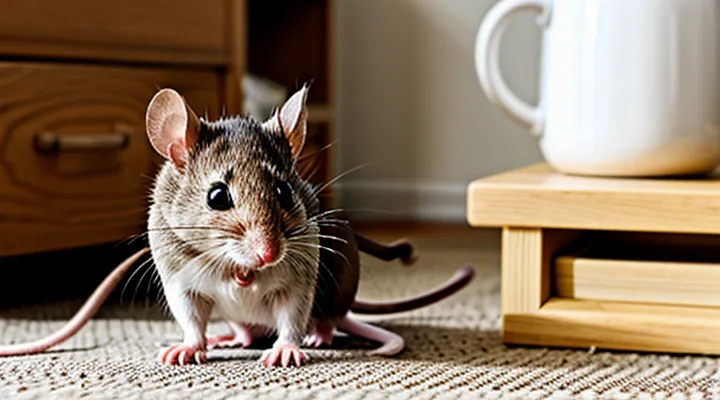
Understanding Mouse Fears in the Home
Common Mouse Fears
Predators and Their Scent
Mice instinctively avoid the presence of natural predators such as cats, owls, snakes, and feral dogs. The threat is detected primarily through odor molecules released by the predator’s skin, urine, and feces. These chemical cues trigger a defensive response, causing rodents to retreat, freeze, or seek alternative routes.
The scent of a predator remains effective even after the animal has left the area. Volatile compounds linger in fabrics, wood, and dust, creating a hostile environment for mice. This principle underlies many traditional deterrents that rely on the transfer of predator odor to household surfaces.
Practical folk applications:
- Soak a clean cloth in diluted cat urine, wring out excess liquid, and place the cloth in corners, behind appliances, and near entry points. Replace every 48 hours to maintain potency.
- Sprinkle ground owl feathers or dried owl pellets in attic spaces, crawl spaces, and under cabinets. Reapply monthly, especially after cleaning.
- Mix a few drops of essential oil derived from snake musk (available in specialty stores) with water, spray around baseboards and door frames. Refresh the spray weekly.
- Distribute small sachets containing dried feral‑dog hair or fur near mouse pathways. Keep sachets sealed in breathable fabric and replace quarterly.
When employing these methods, observe mouse activity for a reduction in sightings or droppings within one to two weeks. If the scent loses effectiveness, clean the area thoroughly before reapplying the deterrent to prevent odor saturation that may diminish the response.
Loud Noises and Vibrations
Mice possess an acute auditory system; frequencies as low as 20 Hz and as high as 80 kHz are detectable. Sudden, high‑volume sounds trigger a flight response, while continuous low‑frequency vibrations disturb balance and navigation. The stress induced by these stimuli can lead to reduced feeding, erratic movement, and eventual abandonment of a nesting site.
Folk practices exploit this sensitivity to compel rodents to vacate interior spaces. The following methods rely on readily available household items and traditional knowledge:
- Ultrasonic emitters – devices that generate frequencies above 20 kHz disrupt communication and cause discomfort. Placement near entry points maximizes exposure.
- Rattling containers – jars filled with pebbles, dried beans, or metal shards produce intermittent vibrations when shaken. Position them along walls to create a persistent disturbance.
- Hanging metal strips – thin copper or aluminum pieces clanged by drafts create both noise and subtle tremors. Secure them at ceiling height to affect ceiling‑level pathways.
- Vibrating oil diffusers – ceramic or wooden diffusers filled with peppermint or eucalyptus oil vibrate when manually tapped, releasing repellent aroma while adding a low‑frequency pulse.
- Portable speaker loops – low‑volume recordings of predator calls or mechanical clatter played on a loop generate continuous auditory stress without alarming occupants.
Effectiveness depends on consistent operation and coverage of all suspected routes. Combining at least two of the listed techniques increases the likelihood of deterring mice without resorting to chemical agents.
Bright Lights and Sudden Movements
Mice instinctively avoid intense illumination because it compromises their natural camouflage and heightens exposure to predators. Sudden, erratic motions trigger a startle reflex that signals danger, prompting an immediate flight response. Both stimuli disrupt the rodent’s reliance on low‑light foraging and quiet navigation, leading to avoidance of well‑lit areas and rapid retreat from abrupt gestures.
Folk practices that diminish these aversions focus on reducing visual stress and smoothing environmental cues.
- Dimmed lighting: Place amber‑tinted lamps or cover bright bulbs with parchment to lower luminance without eliminating necessary illumination.
- Steady ambient glow: Use night‑lights with a constant, soft output to prevent sharp contrasts that scare rodents.
- Gentle motion: Replace abrupt door slams with soft‑close mechanisms; install rubber pads on cabinet doors to mute sudden closures.
- Herbal diffusion: Burn dried chamomile or lavender in a low‑flame incense holder; the soothing aroma calms the nervous system, lessening the reaction to unexpected movement.
- Ground‑level pathways: Lay shredded straw or dry grass along mouse routes to create a tactile guide that reassures the animal during minor disturbances.
By moderating light intensity and smoothing kinetic events, these traditional measures create a more predictable environment, allowing mice to navigate indoor spaces with reduced fear and greater adaptability.
Restricted Access to Food and Water
Mice instinctively avoid environments where food and water are unreliable. The perception of scarcity triggers heightened alertness, erratic foraging, and increased concealment. When resources are intermittently accessible, rodents may explore hidden crevices, retreat quickly after brief feeding bouts, and display nervous pacing near potential supply points.
Folk practices that diminish this anxiety focus on establishing a stable, yet unobtrusive, provision system:
- Place a small dish of grain or dry cat‑food on a raised platform; the elevation deters predators while signaling consistent availability.
- Soak a cotton ball in diluted apple cider vinegar and tuck it near the water source; the mild acidity discourages other insects that compete for moisture, preserving a clean water spot for the mouse.
- Scatter a thin layer of crushed rosemary or mint leaves around feeding stations; the aromatic compounds mask the scent of predators and create a familiar olfactory cue that reassures the rodent.
- Use a shallow bowl of water mixed with a few drops of honey; the sweetness encourages frequent drinking without overwhelming the mouse with a large volume that could be perceived as a flood risk.
By ensuring a predictable supply of nourishment and hydration, these traditional methods reduce the fear response associated with restricted access, encouraging calmer behavior and limiting destructive searching.
Loss of Hiding Places
Mice depend on concealed cavities, cracks, and clutter to avoid detection and protect themselves from predators. When these shelters disappear, the animals experience heightened stress, rapid movement, and a tendency to explore exposed areas of the house.
The loss of safe zones forces mice to seek alternative routes, often leading to increased gnawing on structural components, contamination of food supplies, and greater visibility to humans and domestic pets. Persistent exposure also weakens immunity and reduces reproductive success.
Effective folk solutions restore and augment hiding places without chemicals:
- Place dry, shredded rye straw in corners and under appliances; the material mimics natural bedding and encourages mice to settle in controlled zones.
- Arrange small bundles of cotton or wool in hidden gaps; the fibers create warm, insulated pockets that satisfy the need for concealment.
- Insert hollowed-out pine cones or dried twigs into wall voids; the natural cavities provide ready-made retreats.
- Sprinkle a thin layer of crushed dried leaves near baseboards; the debris forms a soft, camouflaged substrate that mice readily occupy.
- Use low‑odor herbal sachets (e.g., chamomile, lavender) within these materials to mask human scents while maintaining a comfortable environment for the rodents.
By reinstating suitable refuges through these traditional methods, homeowners can reduce mouse anxiety, limit destructive behavior, and manage infestations without resorting to synthetic pesticides.
Signs of Mouse Fear and Stress
Increased Activity at Night
Mice become markedly more active after dusk when they perceive the interior of a house as a safe haven from daylight predators. Dim lighting, reduced human movement, and cooler temperatures create an environment where rodents feel less exposed, prompting them to forage, explore, and establish new routes throughout rooms and cabinets.
The surge in nocturnal activity can disrupt sleep, generate audible scurrying, and increase the risk of contaminating stored foods. Traditional household practices offer several low‑cost, non‑chemical methods to discourage this behavior.
- Saturate cotton balls with peppermint essential oil and place them near known pathways; the strong aroma interferes with rodents’ olfactory navigation.
- Scatter dried lavender or rosemary on shelves; these herbs emit volatile compounds that mice tend to avoid.
- Sprinkle ground cloves or mustard seeds in corners and behind appliances; the pungent scent acts as a deterrent.
- Seal gaps around baseboards, pipes, and vent openings with steel wool and caulk; eliminating entry points removes the incentive for nightly excursions.
- Deploy a simple ultrasonic emitter set to operate from 10 p.m. to 6 a.m.; high‑frequency sound discourages rodents without affecting humans.
Implementing these measures consistently reduces the frequency of night‑time movement, restores quiet evenings, and limits the chance of food spoilage. Regular inspection of deterrent placement and prompt repair of structural openings ensure lasting effectiveness.
Gnawing and Chewing
Gnawing and chewing represent mice’s primary response to perceived threats within a dwelling. The act allows rodents to test the durability of objects that might confine or endanger them, while simultaneously providing a means to escape potential traps.
Common triggers for this behavior include:
- Unfamiliar construction materials such as plastic or metal.
- Strong odors that differ from the household baseline.
- Sudden vibrations from appliances or foot traffic.
- Intense light sources near hiding places.
Folk practices counter these triggers by introducing deterrents that overwhelm the mouse’s sensory perception. The remedies rely on repellent scents, bitter tastes, or irritant textures that discourage gnawing.
Effective traditional measures comprise:
- Peppermint oil applied to doorframes and cracks.
- Dried cloves or ground mustard placed in suspected pathways.
- Citrus peels or lemon juice sprayed on surfaces.
- Vinegar solution wiped along baseboards.
- Ash or powdered charcoal spread around entry points.
Implementation steps: apply deterrents directly to potential access sites, refresh applications weekly, rotate different substances to prevent habituation, and keep storage areas free of food residues that might mask repellent odors. This approach reduces gnawing incidents and limits structural damage caused by mouse activity.
Droppings and Urine Trails
Mice rely on scent to navigate and to assess danger. Fresh droppings and urine trails signal recent activity, alerting other rodents to the presence of competitors or predators. When a scent indicates that an area has been marked by a rival, a mouse will avoid it to reduce the risk of confrontation or detection by a predator that follows olfactory cues.
Eliminating these chemical markers reduces the perceived threat and discourages further intrusion. Folk practices focus on neutralizing odor, disrupting scent trails, and creating environments that mice find inhospitable.
- Soak cotton balls in peppermint oil; place them near known droppings. The strong menthol aroma masks urine scent and is repellent to rodents.
- Mix equal parts white vinegar and water; spray the solution on surfaces where droppings have accumulated. Vinegar’s acidity breaks down the odor molecules and deters re‑marking.
- Sprinkle diatomaceous earth around entry points and along pathways. The fine silica particles absorb moisture from urine, drying the trail and making it less detectable.
- Apply a thin layer of powdered chalk or talc on surfaces after cleaning. Both substances absorb residual scent and create a dry barrier that mice avoid.
- Use a solution of ammonia diluted with water (one part ammonia to three parts water) to wipe down areas with heavy urine deposits. Ammonia’s pungency overwhelms mouse scent markers, prompting relocation.
Consistent application of these remedies, combined with thorough removal of droppings and urine, eliminates the olfactory cues that trigger avoidance behavior. By erasing the chemical evidence of rodent activity, homeowners reduce the likelihood of mice returning to previously marked zones.
Squeaking and Scratching Sounds
Mice produce squeaking and scratching noises when they perceive danger, encounter unfamiliar vibrations, or react to sudden light changes. The sounds indicate heightened alertness and an attempt to locate escape routes.
These acoustic signals often arise from:
- abrupt household noises (vacuum cleaners, footsteps)
- bright flashes from electronic devices
- vibrations caused by appliances or plumbing
- the presence of potential predators, including cats or humans
Folk remedies that reduce the stimuli responsible for these noises rely on natural deterrents and environmental adjustments.
- Apply peppermint oil on cotton balls and place them near entry points; the strong scent masks familiar scents and discourages exploration.
- Sprinkle dried garlic or crushed cloves around baseboards; the pungent aroma interferes with rodent olfactory cues.
- Hang dried lavender bundles in closets and attics; the calming fragrance reduces stress‑induced vocalizations.
- Install ultrasonic emitters calibrated to frequencies that irritate rodents without affecting humans; continuous low‑level sound suppresses squeaking behavior.
- Seal gaps and cracks with steel wool and caulk; eliminating hidden pathways removes the need for frantic scratching.
Implementing these measures creates a quieter environment, diminishes fear responses, and prevents the persistence of squeaking and scratching sounds associated with household rodents.
Attempts to Escape
Mice in residential spaces constantly seek routes that lead them away from perceived danger. Sudden sounds, bright illumination, and vibrations trigger a flight response, prompting the rodent to locate the nearest opening.
Typical escape pathways include:
- Gaps beneath doors or windows
- Cracks in baseboards, drywall, or foundation
- Openings around utility pipes and wiring
- Vents, ducts, and chimney flues
- Small holes around plumbing fixtures
Folk practices that discourage these movements focus on making passages unattractive or impassable. Commonly employed measures are:
- Sprinkle diatomaceous earth at entry points; the fine particles irritate the mouse’s foot pads, reducing the likelihood of crossing.
- Apply several drops of peppermint or spearmint essential oil on cotton balls placed near gaps; the strong scent overwhelms the animal’s olfactory system.
- Draw a thin line of white vinegar along thresholds; the acidic vapour creates a sensory barrier.
- Lay chalk or talc across potential routes; the powder leaves a residue that mice avoid.
- Attach copper tape around openings; the metallic surface interferes with the rodent’s whisker navigation.
Sealing strategies complement these remedies. Use steel wool or hardware cloth to fill holes before applying caulk, install weather‑stripping on doors, and fit mesh screens over vents. By eliminating escape opportunities and introducing sensory deterrents, homeowners can reduce mouse activity without resorting to chemical traps.
Overcoming Mouse Fears with Folk Remedies
Repellents Based on Scent
Peppermint Oil
Peppermint oil is a widely recognized folk remedy for deterring house mice. The substance’s volatile compounds, primarily menthol and menthone, create an odor that mice perceive as threatening, prompting avoidance of treated areas.
Application methods focus on delivering a consistent scent gradient:
- Soak cotton balls in undiluted peppermint oil and place them behind appliances, under sinks, and near known entry points. Replace every 3‑4 days.
- Prepare a spray by mixing 10 ml of peppermint oil with 500 ml of water and a few drops of mild dish soap. Apply to baseboards, doorframes, and cracks once weekly.
- Use a diffuser in rooms where mice activity is reported, operating for 2‑3 hours each day to maintain airborne concentration.
Effectiveness depends on regular renewal of the scent, as it dissipates quickly in ventilated spaces. Peppermint oil should not be applied directly to surfaces that contact food or pets; a thin dilution prevents irritation. Combining the oil with physical barriers, such as sealing gaps and setting traps, enhances overall control of mouse presence.
Clove Oil
Mice are instinctively wary of strong, unfamiliar scents that signal danger. Their olfactory system detects volatile compounds that indicate predators, chemicals, or fire, prompting avoidance of areas where such odors are present.
Clove oil contains eugenol, a pungent phenolic compound that triggers the same avoidance response. When dispersed in a home, the scent creates an environment that mice perceive as hostile, reducing their willingness to explore or nest.
Effective application of clove oil includes:
- Diluting 5 ml of pure clove oil in 100 ml of water; add a few drops of mild dish soap to emulsify.
- Soaking cotton balls in the solution and placing them near entry points, pantry shelves, and suspected travel routes.
- Refreshing the cotton balls every 3–4 days, or when the aroma fades.
- Using a few drops on a cloth or paper towel placed in corners where mice have been sighted; replace weekly.
Safety considerations:
- Keep the solution away from children and pets; ingestion of concentrated oil can cause irritation.
- Test a small area of fabric or wood for discoloration before widespread use.
- Avoid direct skin contact with undiluted oil; wear gloves if handling pure clove oil.
Studies of rodent behavior confirm that eugenol disrupts the neural pathways responsible for scent tracking, leading to reduced activity in treated zones. Consistent deployment of clove‑oil treatments, combined with sealing cracks and removing food sources, creates a multi‑layered deterrent that exploits mice’s natural fear of strong, unfamiliar odors.
Eucalyptus Oil
Mice in residential spaces avoid environments that signal danger, such as bright illumination, sudden noises, and intense odors. Their sensory systems react sharply to volatile compounds that they associate with predators or unsuitable habitats.
Eucalyptus oil contains high concentrations of eucalyptol, a volatile that overwhelms the olfactory receptors of rodents. The sharp, menthol‑like scent disrupts their ability to navigate, prompting avoidance of treated areas. Because the oil evaporates quickly, the repellent effect persists as long as the source is refreshed.
Application methods include:
- Diluting 10–15 drops of eucalyptus oil in 250 ml of water and spraying the mixture around doorways, windows, and known travel routes.
- Soaking cotton balls or small fabric pads with undiluted oil and positioning them behind appliances, under sinks, and near cracks.
- Adding a few drops to a diffuser for continuous circulation of the aroma throughout the room.
Key considerations:
- Use a carrier (water or mild soap) to prevent surface damage on wood or painted finishes.
- Replace treated cotton balls every 3–4 days to maintain potency.
- Keep the oil out of reach of children and pets; ingestion can be toxic.
- Test a small, inconspicuous area before broad application to verify material compatibility.
When employed consistently, eucalyptus oil creates an inhospitable scent barrier that reduces mouse activity without resorting to chemical pesticides.
Dryer Sheets
Dryer sheets emit strong fragrances that many rodents find unpleasant. The scent masks food odors, reducing the likelihood that mice will explore a room. When placed strategically, the sheets create a sensory barrier that discourages entry.
- Place a sheet under kitchen cabinets, behind appliances, and in pantry corners.
- Replace sheets every two weeks to maintain potency.
- Combine with other aromatic deterrents, such as cedar blocks, for broader coverage.
The method aligns with traditional household practices that rely on readily available items rather than chemicals. By exploiting the mouse’s aversion to intense smells, dryer sheets offer a low‑cost, non‑toxic solution that integrates smoothly into everyday cleaning routines.
Cotton Balls Soaked in Vinegar
Cotton balls saturated with white vinegar serve as a simple, low‑cost deterrent for house mice. The strong acetic odor overwhelms the rodents’ highly developed sense of smell, creating an uncomfortable environment that encourages them to vacate the area.
When applying this folk remedy, follow these precise steps:
- Soak a standard cotton ball until it is fully saturated but not dripping.
- Place the soaked ball in corners, behind appliances, and along known mouse pathways.
- Replace each cotton ball every 48 hours to maintain potency.
- Use additional balls in adjacent rooms to establish a continuous scent barrier.
Vinegar’s acidity also discourages mice from gnawing on nearby objects, as the taste is unappealing. The method poses no risk to humans or pets when used in well‑ventilated spaces, and it does not leave residue on surfaces.
Effectiveness varies with infestation level; severe cases may require complementary measures such as sealing entry points or employing traps. Nevertheless, cotton balls infused with vinegar remain a reliable, non‑chemical option for reducing mouse activity in residential settings.
Repellents Based on Taste and Texture
Cayenne Pepper and Chili Powder
Cayenne pepper and chili powder are among the most widely cited natural deterrents for house mice. Both contain capsaicin, a compound that triggers irritation in the rodents’ nasal passages and mucous membranes, prompting avoidance behavior. Mice detect the sharp aroma with their highly developed olfactory system, which interprets the scent as a potential threat.
Application methods focus on strategic placement where mice travel or nest.
- Sprinkle a thin line of cayenne pepper along baseboards, behind appliances, and near entry points.
- Mix chili powder with a small amount of water to create a paste; spread the paste on the exterior of cupboards, under sinks, and on the underside of furniture legs.
- Reapply after cleaning or when the powder appears damp, typically every 3–5 days.
Effectiveness depends on concentration. A ratio of 1 part cayenne to 4 parts talc or flour extends coverage while maintaining potency. Overuse may attract human attention due to the strong odor, so moderation is essential.
Safety considerations include keeping the powders away from children and pets, as capsaicin can cause skin irritation and respiratory discomfort. Use gloves during application and seal any residues in areas inaccessible to non‑target occupants.
Limitations arise when mice become habituated to low‑level scents. Rotating between cayenne, chili powder, and other aromatic deterrents (e.g., peppermint oil) disrupts adaptation. In severe infestations, the spices serve best as complementary measures alongside trapping and sealing entry points.
Onion and Garlic
Mice in domestic settings react strongly to strong odors that signal predators or uninhabitable conditions. Their acute sense of smell makes them avoid substances that irritate nasal passages or mask familiar scent trails.
Onion and garlic contain sulfur‑rich compounds—such as allicin and diallyl disulfide—that are volatile, pungent, and repellent to rodents. When released into the air, these chemicals interfere with the mice’s olfactory receptors, creating an environment perceived as hostile. The repellent effect persists as long as the source remains fresh and the volatile molecules are present.
Practical folk applications:
- Slice raw onion and garlic, place the pieces in corners, cupboards, and near entry points. Replace every 24–48 hours to maintain potency.
- Create a spray by steeping equal parts chopped onion and garlic in hot water for 15 minutes, cooling, then straining. Fill a spray bottle and mist along baseboards, behind appliances, and around holes.
- Mix powdered onion or garlic with flour and sprinkle a thin layer along mouse pathways. Reapply after cleaning or when the scent fades.
Effectiveness depends on regular renewal of the odor source and the elimination of food attractants. Combining onion and garlic with physical barriers—such as sealing cracks and using traps—enhances overall control of mouse activity in the home.
Steel Wool and Scourers
Steel wool, often paired with coarse scourers, exploits rodents’ aversion to sharp, abrasive surfaces. The dense metallic fibers create a tactile barrier that mice find difficult to gnaw through; their incisors quickly become dulled when contacting the material, prompting avoidance of the treated area.
When applied correctly, steel wool blocks entry points such as gaps around pipes, vents, and foundation cracks. The recommended procedure is:
- Cut the wool to fill the opening completely, leaving no exposed gaps.
- Secure the bundle with a layer of caulk or plaster to prevent displacement.
- Replace any damaged wire mesh with a stainless‑steel alternative to maintain structural integrity.
Scourers, typically made of copper or steel, serve a similar function when placed in corners, under appliances, or along baseboards. Their rough texture produces a faint, continuous vibration as mice brush against them, reinforcing the perception of an unsafe environment. For optimal effect:
- Lay a thin strip along the perimeter of a suspected pathway.
- Ensure the surface remains dry; moisture reduces abrasive quality.
- Rotate the placement every few weeks to prevent habituation.
Both materials are inexpensive, non‑chemical solutions that align with traditional pest‑control practices. Their effectiveness relies on consistent maintenance; any breach in the barrier must be repaired promptly to sustain deterrence.
Physical Barriers and Deterrents
Blocking Entry Points
Mice avoid exposed pathways because they associate open gaps with predators and sudden disturbances. Their instinct drives them toward concealed cracks, gaps beneath doors, and utilities that provide darkness and shelter. When such routes are unavailable, mice become restless and may attempt to breach structural weaknesses.
Sealing these routes eliminates the stimulus that provokes mouse activity. Folk practices offer inexpensive, readily available materials that create physical and sensory barriers without chemicals. Applying these methods reduces the likelihood of intrusion and discourages mice from exploring the interior.
- Gaps around baseboards and floorboards – insert copper mesh or steel wool, then cover with plaster or caulk.
- Openings under doors – attach a strip of dense fabric soaked in peppermint oil, secured with adhesive tape.
- Holes around plumbing and electrical conduits – fill with a paste made from ground cinnamon and flour, then smooth with plaster.
- Cracks in walls or foundations – pack with a mixture of crushed garlic cloves and sand, compact tightly, and finish with mortar.
- Small vents and dryer exhausts – place a thin layer of dried lavender buds over the vent, then cover with fine mesh screen.
Regular inspection of the building envelope ensures that new gaps are identified promptly. Reapplying folk barriers after seasonal changes maintains their effectiveness and sustains a mouse‑free environment.
Traps with Natural Baits
Mice inside a dwelling react to sudden noises, bright lights, vibrations from foot traffic, and the presence of predators. These stimuli trigger avoidance behavior that can render conventional snap traps ineffective when the bait does not appeal to the animal’s instincts.
Natural‑bait traps exploit the same sensory triggers that draw mice into vulnerable zones while minimizing fear responses. By offering familiar food sources and subtle scent cues, the traps become attractive without provoking panic.
- Peanut butter – strong aroma, sticky texture encourages prolonged contact; works well in wooden or plastic snap devices.
- Sunflower seeds – bright color and high oil content stimulate curiosity; suitable for live‑catch cages with a small opening.
- Oats mixed with dried fruit – sweet‑savory blend mimics natural foraging; effective in glue boards placed near wall cracks.
- Cheese crumb mixture – low‑fat cheese combined with a pinch of powdered garlic repels predators while enticing mice; ideal for bucket traps with a ramp.
Placement strategies that align with mouse fear patterns increase capture rates:
- Position traps along baseboard routes where mice travel under cover of darkness.
- Locate devices near entry points such as pipe gaps or vent openings, where the animal feels less exposed.
- Use a thin layer of natural bait to mask the trap’s metal clatter, reducing auditory alarm.
Regularly refresh bait to maintain scent potency and rotate trap types to prevent habituation. This approach leverages folk knowledge of edible attractants while addressing the innate anxieties that mice exhibit in a home environment.
Creating Unwelcoming Environments
Mice avoid areas that trigger their instinctive fears: sudden illumination, high‑frequency vibrations, strong odors, and unstable surfaces. By amplifying these aversive cues, a household can become hostile to rodents without mechanical traps.
To construct an unwelcoming zone, introduce the following elements:
- Bright, flickering light sources placed near entry points; mice prefer darkness and will retreat when exposed to intense illumination.
- Continuous low‑level ultrasonic emitters; frequencies above 20 kHz disturb rodent hearing while remaining inaudible to humans.
- Concentrated sprays of peppermint oil, clove oil, or diluted vinegar on baseboards, cupboards, and behind appliances; the volatile compounds repel through olfactory overload.
- Rough or uneven flooring materials such as sandpaper‑finished boards or grated metal strips under cabinets; unstable footing discourages nesting.
- Regular disruption of pathways by moving objects or rotating barriers; mice rely on predictable routes and abandon routes that change frequently.
Combine these measures with diligent sanitation: eliminate food crumbs, seal containers, and repair cracks. The cumulative effect creates an environment where mice perceive constant threat, reducing their willingness to enter or remain.
Considerations for Effective Application
Placement and Replenishment
Placement of traditional mouse‑deterrent items determines their effectiveness. Position them near entry points, along walls, and in corners where rodents travel. Direct contact with surfaces that retain scent—such as wooden trim, baseboards, or the underside of cabinets—maximizes exposure. Distribute sachets of dried mint, crushed garlic, or powdered chalk at least every 30 cm along these pathways. Avoid placing remedies in open, well‑ventilated rooms where the odor dissipates quickly; confined spaces preserve potency.
Replenishment schedules sustain the repellent properties of folk solutions. Natural ingredients lose aromatic strength within 7–10 days under typical indoor humidity. Replace sachets, powder layers, or infused cloth strips at the end of each week. For aromatic herbs, refresh the material after 5 days by crushing or sprinkling fresh leaves to reactivate volatile compounds. In high‑traffic areas—kitchens, pantry shelves, utility rooms—double the frequency, renewing every 3–4 days. Record the dates of each replacement to maintain a consistent cycle and prevent gaps that allow mice to acclimate.
Safety for Pets and Children
Mice in domestic environments react to bright illumination, sudden sounds, and the presence of predators. Their instinctive avoidance can be harnessed to protect vulnerable family members. Folk practices that exploit these aversions—such as spreading dried lavender, peppermint oil, or crushed garlic—create zones that mice tend to vacate without the need for mechanical traps.
When implementing these methods, consider the well‑being of pets and children. Essential precautions include:
- Selecting essential oils in low concentrations; undiluted applications may irritate sensitive skin or respiratory passages.
- Placing aromatic sachets out of reach of cats, dogs, and toddlers to prevent accidental ingestion.
- Avoiding toxic substances like powdered sulfur or rodenticide‑based powders, which pose ingestion hazards.
Children and pets benefit from a clear, clutter‑free floor plan. Removing food crumbs, securing garbage bins, and sealing entry points reduce the attraction that prompts mice to explore. Regular inspection of baseboards and behind appliances ensures that any repellent material remains intact and does not become a choking risk.
If a physical barrier is required, use mesh screens or metal flashing that resist gnawing yet present no sharp edges. Such installations protect both the household occupants and the rodent‑deterring agents, maintaining a safe environment while discouraging mouse activity through natural, non‑lethal means.
Persistence and Observation
Persistence and careful observation reveal the specific anxieties that rodents experience inside residential spaces. By monitoring movement patterns, nesting sites, and reactions to environmental changes, homeowners can pinpoint triggers such as sudden noises, bright lights, or unfamiliar scents that deter mice.
Consistent tracking yields reliable data. Repeated checks at the same locations, preferably during dawn and dusk, expose habitual routes and safe zones. Documenting these findings in a simple log—date, time, observed behavior—creates a reference that guides the selection of traditional deterrents.
Applying folk remedies becomes effective when matched to the identified fears. The following steps illustrate a systematic approach:
- Record mouse activity for three consecutive nights.
- Identify the dominant fear factor (e.g., vibration, odor, temperature).
- Choose a corresponding remedy:
- Strong herbal oils (peppermint, clove) for scent aversion.
- Rough surfaces or crushed shells to amplify tactile discomfort.
- Warm water bottles placed near entry points to disrupt preferred temperature zones.
- Implement the remedy in the exact locations noted in the log.
- Re‑evaluate behavior after 48 hours; repeat the cycle if activity persists.
The cycle of observation, documentation, and adjustment ensures that folk solutions are not applied arbitrarily but are tailored to the mouse’s specific concerns. Persistence in this process builds a feedback loop that gradually reduces rodent presence without resorting to chemical interventions.