
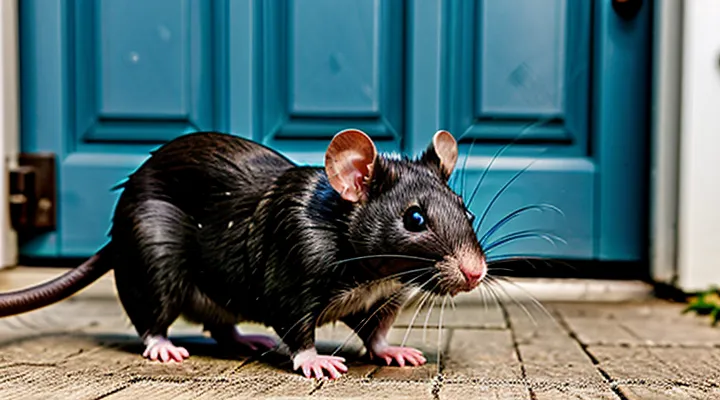
Understanding Rat Dietary Needs
Essential Components of a Healthy Rat Diet
Commercial Rat Blocks/Pellets
Commercial rat blocks and pellets provide a balanced source of nutrition designed specifically for laboratory‑grade and companion rats. Formulations typically contain a precise blend of proteins, fats, carbohydrates, vitamins, and minerals that meet the dietary requirements established by rodent nutrition standards. The protein content ranges from 18 % to 22 % of the total mix, ensuring adequate support for growth, reproduction, and tissue repair. Fat levels remain low, usually between 4 % and 6 %, to prevent excessive weight gain while delivering essential fatty acids. Carbohydrate sources, such as wheat or corn, supply energy without inducing rapid blood‑sugar spikes. Vitamin premixes include A, D, E, K and the B‑complex group, while mineral additives provide calcium, phosphorus, magnesium, and trace elements like zinc and selenium.
Key advantages of commercially produced blocks include:
- Consistent nutrient composition across batches, reducing the risk of deficiencies or excesses.
- Low moisture content, which extends shelf life and inhibits mold growth.
- Compact shape that limits spillage and allows precise portion control.
- Availability in sterile packaging, minimizing microbial contamination.
When selecting a product, consider the following criteria:
- Certification by a recognized rodent nutrition authority or compliance with the AAFCO nutrient profile for small mammals.
- Absence of artificial colors, flavors, or unnecessary fillers that could irritate the gastrointestinal tract.
- Inclusion of pre‑biotic fibers, such as inulin, to promote healthy gut flora.
- Clear labeling of ingredient sources, enabling identification of potential allergens.
Storage recommendations emphasize keeping blocks in a cool, dry environment, preferably within the original sealed container. Exposure to humidity or direct sunlight accelerates oxidation of fats and degradation of vitamins. If the product is opened, transfer the remaining portion to an airtight container and use within two to three months to maintain nutritional integrity.
In practice, commercial rat blocks can replace a portion of fresh food, supplying essential nutrients while allowing owners to supplement with occasional treats, fresh vegetables, or protein sources. Regular monitoring of body condition and health indicators ensures that the chosen diet meets the individual needs of each rat, supporting longevity and well‑being.
Fresh Vegetables
Fresh vegetables are a valuable component of a balanced diet for pet rats. They supply essential vitamins, minerals, and dietary fiber that support digestive health and overall vitality.
Safe options include leafy greens such as romaine lettuce, kale, and spinach; root vegetables like carrots and beetroot; and cruciferous varieties such as broccoli and cauliflower. When offering these foods, wash thoroughly to remove pesticides, trim tough stems, and cut into bite‑size pieces to prevent choking. Introduce new vegetables gradually, observing for any signs of digestive upset.
A typical serving schedule provides a small portion—approximately one teaspoon of chopped vegetable—once or twice daily. Excessive quantities may cause diarrhea due to high fiber or sugar content, particularly with fruits or starchy vegetables.
Vegetables to avoid are those high in oxalates or toxic compounds, including raw potatoes, rhubarb, and nightshades such as tomatoes and eggplant. Additionally, avoid iceberg lettuce because of its low nutritional value and potential for diluting essential nutrients.
Storage guidelines recommend keeping washed, cut vegetables in a sealed container in the refrigerator for no more than 24 hours. Discard any produce that shows signs of spoilage, mold, or wilting.
Incorporating a variety of fresh vegetables, rotated regularly, ensures a comprehensive nutrient profile while maintaining interest and preventing dietary monotony.
Fruits
Fruits provide essential vitamins, minerals, and hydration for pet rats when offered in moderation.
Safe options include:
- Apple (core and seeds removed)
- Blueberries
- Strawberries (hull removed)
- Raspberries
- Pear (seedless)
- Kiwi (skin removed)
- Mango (pit removed)
Preparation requires washing each fruit thoroughly, removing pits, seeds, and stems, and cutting into bite‑size pieces no larger than a rat’s fingertip.
Fruits to exclude are those containing high levels of oxalic acid or toxic compounds, such as citrus peels, grapes, raisins, cherries, and avocado.
Portion size should not exceed 10 % of the daily diet; a single small piece offered two to three times per week satisfies nutritional needs without risking obesity or digestive upset.
Consistent monitoring of weight and stool consistency confirms appropriate fruit inclusion in the diet.
Protein Sources
Pet rats require a diet that supplies a reliable amount of high‑quality protein to support growth, reproduction, and tissue repair. Protein should constitute roughly 15–20 % of the total caloric intake, with the remainder supplied by carbohydrates, fats, vitamins, and minerals.
- Cooked eggs, scrambled or boiled, provide complete amino acids and are easily digestible.
- Lean poultry (chicken or turkey breast) without skin, cooked thoroughly, offers a low‑fat protein source.
- Fresh fish such as whitefish or salmon, steamed or baked, adds omega‑3 fatty acids alongside protein; limit portions to prevent excess fat.
- Insects, including mealworms, crickets, and dried black soldier fly larvae, supply protein and chitin, which can aid digestive health.
- Low‑fat cottage cheese delivers casein protein and calcium, suitable for occasional feeding.
- Firm tofu, cut into small cubes, offers plant‑based protein; ensure it is unflavored and free of additives.
- Cooked soybeans or edamame provide soy protein; rinse to remove excess sodium.
Portion sizes should reflect the rat’s body weight and activity level. A typical adult rat can consume 0.5–1 gram of protein per day, divided among the listed sources. Introducing new proteins gradually allows observation of tolerance and prevents digestive upset. Balance protein with fiber‑rich vegetables and a commercial rodent pellet formulated to meet nutritional standards.
Raw meat, uncooked eggs, and processed foods high in salt, sugar, or preservatives are unsuitable; they increase the risk of bacterial contamination and nutritional imbalance. Treats containing protein should not exceed 10 % of the overall diet to maintain optimal health.
Healthy Fats and Oils
Healthy fats and oils contribute essential energy and support coat integrity for pet rats. Proper inclusion enhances skin moisture, promotes neurological function, and aids in the absorption of fat‑soluble vitamins.
Suitable sources include:
- Flaxseed oil – rich in omega‑3 fatty acids, promotes anti‑inflammatory effects.
- Fish oil – provides EPA and DHA, beneficial for brain development.
- Olive oil – high in monounsaturated fats, supports cardiovascular health.
- Sunflower or safflower oil – supply omega‑6 fatty acids, balance required with omega‑3 sources.
- Small amounts of cooked, lean animal fat such as chicken skin – delivers natural animal‑derived lipids.
Recommended daily intake ranges from 1 % to 2 % of total caloric consumption. Practically, a few drops (approximately 0.2–0.5 ml) of oil per rat, mixed into fresh food, satisfy the requirement without excess.
Precautions:
- Avoid hydrogenated or trans‑fat products; they impair lipid metabolism.
- Limit saturated fats from processed meats; excess may lead to obesity.
- Monitor omega‑6 to omega‑3 ratio; a disproportionate balance can trigger inflammatory responses.
- Store oils in dark, airtight containers to prevent oxidation and rancidity.
Incorporating these fats responsibly maintains optimal health and encourages a glossy, resilient coat in pet rats.
Safe Foods for Pet Rats
Vegetables Suitable for Rats
Leafy Greens
Leafy greens provide essential vitamins, minerals, and fiber that support dental health and digestive function in pet rats. They should complement a balanced diet of high‑quality pellets and occasional protein sources.
- Romaine lettuce – low oxalate content, safe for daily offering; remove the core.
- Spinach – rich in iron and calcium; limit to two to three times per week due to oxalates.
- Kale – source of vitamin C and beta‑carotene; serve in small portions, no more than twice weekly.
- Swiss chard – provides magnesium and potassium; feed sparingly for the same reason as spinach.
- Arugula – mild peppery flavor, acceptable several times a week.
- Dandelion greens – high in calcium and vitamin A; offer fresh, pesticide‑free leaves weekly.
Greens to avoid include iceberg lettuce, which lacks nutritional value, and any foliage treated with chemicals or contaminated with mold. Prior to feeding, rinse thoroughly under running water, pat dry, and cut into bite‑size pieces to prevent choking.
A typical serving consists of one to two small leaves per rat, introduced gradually to monitor tolerance. Rotate varieties to ensure a broad nutrient profile while preventing overexposure to specific antinutrients. Consistent inclusion of safe leafy greens enhances overall health and enriches the feeding experience.
Root Vegetables
Root vegetables provide essential carbohydrates, fiber, and vitamins that support the health of domesticated rats. Suitable options include carrots, sweet potatoes, beets, turnips, radishes, and parsnips. Each offers distinct nutrients: carrots supply beta‑carotene, sweet potatoes deliver vitamin A and potassium, beets contain folate, while turnips and radishes contribute vitamin C and calcium.
Preparation requires thorough washing to remove soil and pesticide residues. Cooking methods such as steaming or boiling soften fibrous structures, making the food easier to chew. Raw carrots may be offered in small, bite‑size pieces for enrichment, but most other root vegetables benefit from light cooking to reduce potential digestive irritation.
Portion control prevents excessive sugar intake and limits the risk of gastrointestinal upset. A daily serving should not exceed 10 % of the total diet, measured by weight rather than volume. For example, a 30‑gram rat may receive approximately 3 grams of cooked sweet potato or 2 grams of raw carrot per day.
Potential hazards include high oxalate levels in raw beet greens and the presence of toxins in sprouted root vegetables. Avoid feeding uncooked beet leaves and discard any moldy or spoiled portions. Regular observation for changes in stool consistency or appetite helps identify adverse reactions promptly.
Integrating a variety of root vegetables enhances dietary diversity, promotes chewing activity, and contributes to overall well‑being when combined with a balanced commercial rat diet.
Other Safe Vegetables
Pet rats thrive on a varied diet that includes a range of vegetables beyond the most common options. Introducing additional safe vegetables enhances fiber intake, provides essential vitamins, and encourages natural foraging behavior.
- «broccoli» – rich in vitamin C and calcium; offer florets in small, bite‑size pieces.
- «zucchini» – high moisture content; serve raw or lightly steamed.
- «bell pepper» (red, yellow, orange) – source of antioxidants; remove seeds before feeding.
- «cucumber» – low‑calorie hydration aid; slice thinly.
- «spinach» – contains iron and folate; provide sparingly due to oxalic acid.
- «kale» – vitamin K and A supplier; steam briefly to reduce bitterness.
- «carrot» – beta‑carotene source; grate or chop into manageable sticks.
- «green beans» – protein and fiber; serve cooked or raw, trimmed of ends.
Preparation should remove any pesticide residues by washing thoroughly under running water. For leafy greens, trim tough stems and chop into pieces no larger than a rat’s paw. Cooking methods are limited to brief steaming or blanching, which soften fibrous textures without destroying most nutrients. Avoid adding salt, butter, or seasoning.
Portion sizes depend on the individual’s weight and activity level. A general guideline is one to two tablespoons of mixed vegetables per day, divided into two feedings. Rotate varieties to prevent nutritional imbalances and monitor for signs of digestive upset. Store fresh vegetables in a sealed container in the refrigerator and discard any that become wilted or moldy.
Fruits Safe for Rats
Berries
Berries can be included in a balanced diet for pet rats when selected and prepared correctly.
Safe varieties include strawberries, blueberries, raspberries and blackberries. These fruits provide antioxidants, vitamin C and dietary fiber, contributing to immune support and digestive health.
Risks arise from high sugar content, potential pesticide residues and seeds that may cause obstruction. To minimize danger, wash berries thoroughly, remove any stems, and offer only small portions—approximately one teaspoon per rat, two to three times per week.
Guidelines for serving berries:
- Present fresh, not canned or frozen, to avoid added sugars and preservatives.
- Cut larger berries into bite‑size pieces to prevent choking.
- Limit intake to prevent weight gain and gastrointestinal upset.
- Observe each rat after feeding; discontinue if signs of diarrhea or reduced appetite appear.
Storage recommendations: keep washed berries in a sealed container in the refrigerator for no more than 24 hours. Discard any fruit that shows mold or soft spots.
When berries are unavailable, alternative fruits such as apple slices (seed‑free), banana chunks or melon cubes supply comparable nutrients with lower sugar levels.
Incorporating berries responsibly expands dietary variety while maintaining the health standards required for domesticated rats.
Pitted Fruits
Pitted fruits can be incorporated into a rat’s diet when prepared correctly. The stone must be removed completely to prevent choking or gastrointestinal injury. Soft flesh provides natural sugars, vitamins, and antioxidants, but the high sugar content requires moderation.
Suitable pitted fruits include:
- Apple (core and seeds removed)
- Peach (pit removed, flesh finely diced)
- Plum (pit removed, flesh chopped)
- Apricot (pit removed, small pieces)
- Nectarine (pit removed, thin slices)
Unsuitable options comprise fruits with large pits that are difficult to extract, such as cherries, or fruits with toxic seeds, for example, apple seeds or peach pits, which contain cyanogenic compounds.
Preparation guidelines:
- Wash fruit thoroughly to eliminate pesticide residues.
- Remove all pits and any surrounding fibrous material.
- Cut flesh into bite‑size pieces, no larger than ¼ inch.
- Offer a maximum of one teaspoon per rat per day, adjusting frequency based on overall caloric intake.
Nutritional considerations:
- Vitamin C from citrus‑free pitted fruits supports immune function.
- Fiber aids digestive health but excess may cause loose stools.
- Sugar spikes can lead to obesity; monitoring weight is essential.
In summary, pitted fruits are a safe occasional treat when pits are eliminated, portions are limited, and the overall diet remains balanced with pellets, fresh vegetables, and protein sources.
Other Safe Fruits
Pet rats may enjoy occasional fruit treats, provided the selections are non‑toxic and offered in moderation.
Safe fruit options include:
- Apple slices, core and seeds removed
- Blueberries, washed thoroughly
- Strawberries, hulled and diced
- Raspberries, rinsed
- Pear slices, without stem and seeds
- Mango chunks, skin removed
- Kiwi wedges, peel discarded
Each fruit should be washed, cut into bite‑size pieces, and any pits, seeds, or skins that could cause obstruction must be removed. Fresh fruit is preferable; frozen or canned varieties often contain added sugars or preservatives that can harm rodents.
Portions should not exceed a few millimetres of fruit per day, equivalent to roughly 5 % of the total diet. Over‑feeding may lead to digestive upset or obesity. Introduce new fruits gradually, observing the animal for any signs of intolerance such as loose stools or reduced appetite.
Incorporating these fruits alongside a balanced staple diet of pellets, grains, and occasional vegetables enhances dietary variety while maintaining nutritional safety.
Protein Sources for Rats
Cooked Meats
Cooked meats can be incorporated into a pet rat’s diet when prepared correctly. Heat eliminates most pathogenic bacteria, reduces parasite load, and improves digestibility. However, only lean, unseasoned portions should be offered.
Suitable options include:
- Chicken breast, boiled or baked without skin or seasoning.
- Turkey meat, similarly prepared, preferably from the breast.
- Lean beef cuts, such as sirloin, cooked thoroughly and trimmed of excess fat.
- Rabbit meat, prepared plain and fully cooked.
Unsuitable choices comprise pork, processed meats, and any product containing spices, sauces, or additives. High‑fat content increases the risk of obesity and liver strain; therefore, portions must remain small.
Guidelines for safe feeding:
- Cool cooked meat to room temperature before offering.
- Limit each serving to no more than ½ gram per 100 g of body weight.
- Provide meat no more than two times per week to maintain a balanced diet.
- Store leftovers in the refrigerator for a maximum of 24 hours; discard any odor or discoloration.
- Observe the rat for signs of digestive upset after introduction; discontinue if diarrhea or reduced appetite occurs.
Incorporating cooked meats enhances protein intake while supplying essential amino acids. Proper preparation and moderation prevent nutritional imbalances and health complications.
Eggs
Eggs represent a protein‑rich addition to the diet of domesticated rats, offering essential amino acids, vitamins A, D, and B‑complex, as well as minerals such as selenium and iron. The nutrient density of eggs complements the typical grain‑based feed, supporting muscle development and overall health.
Raw eggs carry a risk of Salmonella infection and contain avidin, a protein that binds biotin and can lead to deficiency if consumed in large quantities. Cooking neutralizes pathogens and deactivates avidin, making the egg safe for regular inclusion.
- Cook eggs thoroughly; boiling or scrambling without added salt or seasoning is sufficient.
- Cool to room temperature before offering to prevent burns.
- Offer a portion equivalent to approximately one‑quarter of a hard‑boiled egg for a medium‑sized rat, adjusting size for younger or larger individuals.
- Introduce eggs gradually, observing for digestive upset or allergic reactions.
- Limit feedings to two to three times per week to maintain balance with other nutrients.
Portion control is critical; excessive egg intake may displace fiber‑rich foods, leading to gastrointestinal issues. A small, occasional serving provides nutritional benefits without overwhelming the rat’s diet.
Potential concerns include cholesterol sensitivity in rats predisposed to cardiovascular problems and the possibility of egg‑related allergies. If signs of diarrhea, lethargy, or respiratory distress appear, discontinue egg feedings and consult a veterinarian.
Incorporating cooked eggs in moderation enriches the dietary regimen of pet rats, delivering high‑quality protein and micronutrients while minimizing health risks when proper preparation and serving guidelines are followed.
Dairy Products (in moderation)
Rats can tolerate small amounts of dairy, but excessive lactose may cause digestive upset. Offering dairy as an occasional supplement provides calcium and protein without replacing the primary grain‑based diet.
- Low‑fat plain yogurt (no artificial sweeteners)
- Small cubes of mild cheddar or mozzarella
- A teaspoon of cottage cheese
Each portion should not exceed 5 % of the daily caloric intake and be given no more than two times per week. Serve at room temperature, ensure the product is fresh, and avoid flavored or processed varieties that contain added sugars or preservatives.
Signs of intolerance include loose stools, bloating, or reduced appetite. If such symptoms appear, discontinue dairy immediately and monitor recovery. Alternative calcium sources—such as finely ground eggshell or mineral blocks—can replace dairy when a rat shows sensitivity.
Moderation, proper selection, and observation of the animal’s response are essential for safely incorporating dairy into a pet rat’s diet.
Legumes (cooked)
Cooked legumes provide a source of protein, dietary fiber, and essential micronutrients for domesticated rats. The heat treatment eliminates most anti‑nutritional factors, such as lectins and trypsin inhibitors, that are present in raw beans and peas.
Safe varieties include lentils, split peas, chickpeas, and small‑seeded beans such as navy or black beans. Each should be boiled until tender, drained, and cooled to room temperature before offering. Salt, butter, oil, and seasonings must be omitted to prevent sodium overload and digestive irritation.
Recommended portion size ranges from one to two teaspoons per 100 g of body weight, supplied two to three times weekly. Excessive legume intake may cause gas formation and soft stools; monitoring fecal consistency helps adjust serving frequency.
Potential concerns involve phytohemagglutinin in certain beans, which can persist if cooking is insufficient. Ensure a rolling boil for at least ten minutes, particularly for kidney and black beans, to neutralize this toxin.
Combining legumes with a balanced diet of commercial rat pellets, fresh vegetables, and occasional fruit maintains nutritional completeness while preventing monotony. Regular veterinary consultation confirms that legume inclusion aligns with the individual animal’s health status.
Grains and Seeds for Rats (in moderation)
Whole Grains
Whole grains provide essential carbohydrates, fiber, and micronutrients that support the digestive health and energy needs of domesticated rats. Incorporating them into a balanced diet can improve stool consistency, stimulate natural foraging behavior, and supply B‑vitamins and minerals such as magnesium and phosphorus.
Commonly recommended whole grains include:
- Oats (rolled or steel‑cut, uncooked)
- Brown rice (cooked, without added salt)
- Quinoa (rinsed, cooked)
- Barley (hulled, cooked)
- Whole‑grain wheat berries (cooked)
Preparation guidelines:
- Rinse grains thoroughly to remove dust and potential contaminants.
- Cook grains with water only; avoid oil, butter, or seasoning.
- Cool to room temperature before offering to prevent burns.
- Serve portions no larger than a tablespoon per feeding, adjusting for the individual’s size and activity level.
Precautions:
- Introduce new grains gradually to monitor tolerance and prevent gastrointestinal upset.
- Avoid processed grain products containing added sugars, preservatives, or artificial flavors.
- Store dry grains in airtight containers to protect against mold and pests.
When combined with protein sources, fresh vegetables, and appropriate treats, whole grains contribute to a nutritionally complete regimen for pet rats. Regular veterinary consultation ensures that grain inclusion aligns with the animal’s overall health status.
Seeds
Seeds can form a component of a balanced diet for domesticated rats when selected and prepared correctly.
Suitable varieties include sunflower seeds (unshelled, raw), pumpkin seeds, millet, and hemp seeds. These seeds provide essential fats, protein, and micronutrients such as vitamin E and magnesium.
Potential concerns involve high fat content and the presence of antinutrients in certain seeds. For example, raw soybeans contain phytoestrogens that may interfere with hormonal balance; therefore, they should be excluded.
Guidelines for safe inclusion:
- Offer seeds as occasional treats, not as a staple; limit to 5 % of total daily intake.
- Provide only raw, unsalted, and unroasted seeds; avoid flavored or oil‑coated varieties.
- Store seeds in airtight containers within a cool, dry environment to prevent mold growth.
- Observe rats for signs of digestive upset after introduction; discontinue if diarrhea or weight loss occurs.
In combination with a high‑quality pellet base, fresh vegetables, and occasional protein sources, seeds can enrich the diet while maintaining nutritional equilibrium.
Foods to Avoid Giving Pet Rats
Harmful Foods for Rats
Raw Beans
Raw beans are occasionally offered to pet rats as a source of protein and fiber, but several factors limit their suitability.
Nutritional profile: beans contain high levels of lectins, phytic acid, and certain anti‑nutrients that can irritate the gastrointestinal tract. Cooking reduces these compounds, yet the texture of cooked beans may be too soft for the incisors of rats, increasing the risk of dental issues.
Safety considerations: uncooked (raw) beans harbor cyanogenic glycosides, which can release cyanide when metabolized. Even small amounts may cause vomiting, diarrhea, or more severe toxicity.
Digestibility: rats possess a relatively short digestive passage; raw legumes are difficult to break down, leading to gas accumulation and potential bloating.
Recommendations:
- Offer beans only after thorough boiling (minimum 10 minutes) and thorough cooling.
- Limit portions to no more than one teaspoon per week for an adult rat, adjusting downward for juveniles.
- Observe for signs of discomfort, such as reduced activity, abnormal stool, or excessive grooming of the anal area.
Alternative protein sources with lower risk include cooked eggs, lean meat, and commercial rat treats formulated to meet the species’ dietary requirements.
In summary, raw beans present significant health hazards for pet rats and should be excluded from regular feeding regimens. Safe inclusion, if any, requires complete cooking, strict portion control, and vigilant monitoring.
Chocolate
Chocolate poses a serious health risk for pet rats. The compound theobromine, present in cocoa solids, is metabolized slowly by rodents, leading to toxic accumulation even after a small ingestion.
- Theobromine concentration rises with darker chocolate varieties; milk chocolate contains lower levels, yet remains hazardous.
- Even a single bite of commercial chocolate can exceed the lethal dose for a rat weighing 200 g.
- Symptoms appear within minutes to hours and include hyperactivity, rapid breathing, tremors, seizures, and cardiac arrhythmia.
If a rat consumes chocolate, immediate veterinary intervention is required. Treatment may involve activated charcoal, intravenous fluids, and monitoring of cardiac function.
Safe treats for pet rats include fresh vegetables (e.g., carrots, broccoli), small pieces of fruit (e.g., apple, banana), and specially formulated rodent treats. These options provide nutritional value without the risk of theobromine toxicity.
Citrus Peels
Citrus peels can be included in a pet rat’s diet, but only with strict controls. The rind supplies vitamin C, dietary fiber, and flavonoids that support immune function and digestion. Simultaneously, the peel contains citric acid and volatile essential oils that may irritate the gastrointestinal tract and affect liver metabolism.
Potential hazards include:
- Acidic content leading to diarrhea or enamel erosion.
- Limonene and other essential oils causing liver strain when consumed in excess.
- High sugar concentration contributing to obesity if offered frequently.
Safe handling requires:
- Thorough washing to eliminate pesticide residues.
- Removal of the white pith, which holds the greatest concentration of irritants.
- Cutting the peel into bite‑size pieces no larger than a rat’s thumbnail.
- Limiting exposure to one or two small fragments per week, monitoring for adverse reactions.
For balanced nutrition, consider substituting citrus peels with lower‑acid fruits such as blueberries, or with vegetables like carrots and leafy greens, which deliver comparable vitamins without the associated risks.
Green Potatoes
Green potatoes contain solanine, a glycoalkaloid that interferes with nerve transmission and can cause gastrointestinal distress in rodents. Levels of solanine increase when tubers turn green or develop sprouts, making them hazardous for small mammals such as pet rats.
Risks associated with feeding green potatoes to pet rats include:
- Neurological symptoms: tremors, weakness, loss of coordination.
- Digestive upset: vomiting, diarrhea, loss of appetite.
- Potential fatality at high concentrations of solamine.
Safe dietary practices for pet rats recommend avoiding all portions of potatoes that exhibit green coloration, sprouting, or soft spots. Fresh, non‑green vegetables, fruits, and formulated rodent pellets provide balanced nutrition without the toxicity risk presented by green potatoes.
Wild Insects
Wild insects provide a natural source of protein, fat, and micronutrients that complement the standard diet of domesticated rats. Their chitin exoskeleton contributes fiber, while the soft tissues supply essential amino acids and vitamins.
• Crickets – high protein, low fat, readily available.
• Mealworms – moderate protein, rich in calcium when the exoskeleton is retained.
• Wax moth larvae – abundant fat, useful for energy‑dense supplementation.
• Earthworms – excellent moisture content, low allergen potential.
• Grasshoppers – balanced protein‑fat ratio, suitable for occasional treats.
Nutritional analysis indicates that a 10‑gram portion of crickets delivers approximately 5 g of protein, 1 g of fat, and 0.5 g of fiber, meeting a significant portion of a rat’s daily requirements. Inclusion of insects should not exceed 10 % of total caloric intake to avoid imbalances.
Prior to offering, insects must be sourced from pesticide‑free environments, euthanized humanely, and rinsed with warm water. Optional blanching for 30 seconds eliminates surface pathogens without degrading nutritional value. Whole insects may be offered to encourage natural foraging behavior; alternatively, finely chopped specimens integrate smoothly into mash diets.
Feeding schedule recommends two to three small servings per week, each not exceeding 5 g for an adult rat weighing 250–300 g. Monitoring body condition and stool consistency ensures that the insect supplement supports health without causing digestive upset.
Carbonated Drinks
Carbonated drinks are unsuitable for pet rats. The high sugar content, artificial sweeteners, and acidic pH create metabolic stress and dental erosion. Carbonation introduces gas that can cause gastrointestinal discomfort and bloating, potentially leading to life‑threatening bloat syndrome.
Risks associated with offering carbonated beverages include:
- Elevated blood glucose, accelerating obesity and diabetes risk.
- Acidic environment damaging enamel and soft tissue.
- Presence of caffeine or stimulants causing hyperactivity, tremors, or cardiac arrhythmia.
- Sodium and electrolyte imbalance from added salts.
- Potential contamination from preservatives and artificial flavorings.
Safe hydration options consist of fresh, filtered water available at all times. For occasional flavor, a few drops of unsweetened fruit juice diluted with water may be used, but only under veterinary guidance. Regular monitoring of water intake ensures adequate hydration without the hazards linked to carbonated beverages.
High-Sugar/High-Fat Human Snacks
High‑sugar and high‑fat snacks intended for humans present several hazards for domesticated rats. Their metabolic systems differ markedly from those of people; excessive simple carbohydrates can cause rapid spikes in blood glucose, leading to insulin resistance and obesity. Saturated fats contribute to hepatic lipidosis and cardiovascular strain, conditions that rats are particularly vulnerable to because of their small size and high basal metabolic rate.
Key concerns include:
- Gastrointestinal upset: sugary treats may ferment in the gut, producing gas and diarrhea.
- Dental decay: sticky, sugary particles adhere to incisors, accelerating enamel erosion.
- Weight gain: calorie‑dense foods promote adipose accumulation, reducing mobility and lifespan.
- Nutrient imbalance: human snacks often lack essential vitamins and minerals required for rodent health, displacing nutritionally complete pellets.
Veterinary guidance recommends reserving such foods for occasional, minimal portions, if at all. Safer alternatives that satisfy a rat’s desire for sweet or crunchy textures are:
- Small pieces of fresh fruit (e.g., apple, banana) limited to a few grams per week.
- Unsweetened whole‑grain cereal, offered sparingly.
- Natural nut butter (peanut, almond) in a thin layer on a chew stick, avoiding added sugars and salts.
In practice, the primary diet should consist of high‑quality rodent pellets supplemented with fresh vegetables, occasional protein sources, and safe chew items. Introducing human snack items without strict portion control increases the risk of metabolic disease and shortens the animal’s lifespan.
Foods to Limit or Give Sparingly
High-Fat Foods
High‑fat foods supply essential energy for active pet rats and support the integrity of skin and fur. Adequate fat intake prevents weight loss during growth, breeding, or recovery from illness.
- «Peanut butter» (unsalted, xylitol‑free) – dense caloric source, apply thinly to prevent obesity.
- «Sunflower seeds» – rich in polyunsaturated fats, offer a few seeds daily.
- «Cooked egg yolk» – high‑quality protein and fat, provide one teaspoon per week.
- «Coconut oil» – medium‑chain triglycerides, mix ½ teaspoon into fresh food once weekly.
- «Flaxseed» (ground) – omega‑3 fatty acids, sprinkle a pinch onto regular diet.
Excessive fat can cause hepatic lipidosis, obesity, and digestive upset. Avoid foods high in saturated fat without nutritional benefit, such as bacon, processed meats, and fried items. Toxic fats from certain plant oils (e.g., cottonseed) must be excluded.
Portion sizes should align with the rat’s body condition score. Typical adult rats require 2–4 % of body weight in total food daily, with fat comprising no more than 10 % of that amount. Monitor weight weekly; adjust quantities if rapid gain or loss occurs. Provide fresh water at all times to aid digestion of higher‑fat meals.
High-Sugar Foods
High‑sugar foods can be included in a rat’s diet, but only as occasional treats. Excessive sugar interferes with metabolism, promotes dental disease, and may lead to obesity. Treats should never replace a balanced base of pellets, fresh vegetables and protein sources.
- Small pieces of fresh fruit (e.g., apple, pear, berries) – no larger than a pea, offered no more than two times per week.
- Minimal amounts of dried fruit (e.g., raisins, dates) – one or two tiny fragments, limited to once weekly.
- Commercial rat treats formulated with low‑glycaemic sweeteners – follow manufacturer’s serving guidelines.
Foods high in refined sugars or artificial sweeteners must be excluded:
- Candy, chocolate, gum, and sugary pastries.
- Syrups, honey, and jam in any quantity.
- Processed snacks containing added sugars, such as cereal bars or flavored crackers.
Portion control is critical. A single high‑sugar treat should not exceed 1 % of total daily caloric intake. Monitor body condition regularly; any rapid weight gain warrants immediate reduction of sugary items. Water availability must remain constant, as sugary foods increase thirst.
Processed Foods
Processed foods are items that have been altered by cooking, canning, drying, or adding preservatives. For pet rats, only a limited subset of these products meets nutritional and safety standards.
• Small amounts of plain, unsweetened cereal flakes (e.g., plain corn flakes) provide carbohydrates without added sugar or salt.
• Plain rice cakes, free of flavorings and oils, supply digestible starch.
• Low‑fat, unseasoned cheese slices offer protein and calcium in modest quantities.
• Cooked, unseasoned pasta or noodles can be offered as occasional carbohydrate sources.
• Canned fruits preserved in syrup, fruit snacks with artificial colors, and sugary breakfast cereals contain excessive sugars and should be avoided.
• Processed meats with nitrates, smoked sausages, and deli slices contain high sodium and preservatives, posing renal stress.
• Snack foods with added flavorings, spices, or chocolate present toxic compounds such as theobromine.
• Bread containing yeast, raisins, or seeds may cause digestive upset or toxicity.
Guidelines for inclusion of processed foods in a rat’s diet:
- Limit to no more than 5 % of total daily caloric intake.
- Offer only plain, unflavored varieties; remove any sauces, seasonings, or additives.
- Cut into bite‑size pieces to prevent choking.
- Monitor weight and stool consistency after introduction; discontinue if adverse effects appear.
- Store in airtight containers to maintain freshness and prevent mold growth.
Adhering to these parameters ensures that processed foods complement a balanced diet without compromising health.
Dairy (lactose intolerance)
Pet rats possess a limited ability to digest lactose, the primary sugar found in most dairy products. The enzyme lactase, responsible for breaking down lactose, is present in low quantities in adult rats, making them prone to gastrointestinal distress when exposed to dairy.
Common dairy items and their suitability:
- Plain yogurt (unsweetened, low‑fat) – small portions may be tolerated; probiotic strains can aid digestion, but monitor for signs of diarrhea.
- Hard cheese (e.g., cheddar, gouda) – low lactose content; occasional nibble is generally safe, yet excessive intake can lead to calcium imbalance.
- Milk and soft cheese – high lactose levels; should be avoided to prevent bloating, gas, and watery stools.
- Butter and cream – negligible lactose but high fat; occasional tiny amounts are acceptable, but regular feeding may cause obesity.
Guidelines for incorporating dairy:
- Offer only minimal quantities (no more than a pea‑size piece) and observe the rat’s stool consistency for 24 hours.
- Prefer products labeled “lactose‑free” or those naturally low in lactose.
- Provide alternative calcium sources such as mineral blocks, leafy greens, or fortified rodent pellets.
If signs of lactose intolerance appear—soft stool, increased gas, or reduced appetite—discontinue dairy immediately and consult a veterinarian experienced with small mammals.
Importance of Dietary Variety and Moderation
Balanced Nutrition for Longevity
Balanced nutrition directly influences the lifespan of domesticated rats. A diet that supplies adequate protein, fiber, essential fatty acids, vitamins, and minerals supports immune function, organ health, and metabolic stability.
Key nutrient groups:
- Protein — 30‑40 % of caloric intake; sources include high‑quality rodent pellets, cooked egg whites, and lean meat fragments.
- Fiber — 15‑20 % of diet; provided by whole‑grain cereals, oat bran, and fresh vegetables such as carrots and leafy greens.
- Fat — 5‑10 % of calories; essential fatty acids obtained from small amounts of unsalted nuts, seeds, and occasional fish oil capsules.
- Vitamins — A, B‑complex, D, and E supplied by fortified pellets and fresh produce; vitamin C supplementation may be required during illness.
- Minerals — calcium, phosphorus, magnesium, and trace elements delivered through mineral blocks or fortified mixes; excessive calcium should be avoided to prevent urinary stones.
Practical feeding protocol:
- Offer a base of commercial rat pellets formulated for laboratory or pet use; ensure the product meets the protein and fiber percentages listed above.
- Supplement with fresh vegetables daily; limit fruit to 10 % of total intake to prevent excess sugars.
- Provide a small portion of protein treats no more than three times per week; avoid processed meats with additives.
- Rotate safe nuts and seeds, keeping portions under 5 % of daily calories.
- Maintain continuous access to clean water; consider a water bottle with a metal spout to prevent contamination.
Foods to exclude: raw potatoes, citrus fruits, chocolate, caffeine, alcohol, and any items containing artificial sweeteners. Regular monitoring of body condition and periodic veterinary assessments ensure the diet remains appropriate for long‑term health.
Preventing Obesity and Health Issues
Providing pet rats with a balanced diet is essential for preventing excess weight gain and associated health problems. Calorie intake should match the animal’s activity level and metabolic rate; overfeeding high‑fat treats quickly leads to obesity, which predisposes rats to diabetes, cardiovascular strain, and reduced lifespan.
Key nutritional strategies include:
- Offering a measured portion of commercial rat pellets that meet established protein (15‑20 %) and fiber (5‑7 %) standards.
- Supplementing with fresh vegetables such as carrots, broccoli, and leafy greens, limited to 10 % of the daily ration to avoid excess sugars.
- Providing small amounts of whole‑grain cereals or oats as occasional energy sources, not exceeding 5 % of total intake.
- Restricting high‑fat foods (nuts, seeds, cheese) to rare treats, ensuring they do not exceed 2 % of the diet.
- Monitoring body condition weekly; a smooth, firm silhouette indicates appropriate weight, while a rounded abdomen signals the need to reduce caloric density.
Hydration plays a supporting role; clean water must be available at all times to facilitate digestion and prevent urinary complications. Regular veterinary check‑ups enable early detection of weight‑related issues and allow dietary adjustments before chronic conditions develop.
By adhering to precise portion control, selecting low‑fat, nutrient‑dense foods, and maintaining vigilant health monitoring, owners can safeguard pet rats against obesity and its detrimental effects.
Introducing New Foods Gradually
Introducing new foods to a pet rat’s diet requires a methodical approach to prevent digestive disturbances and to assess acceptance. Begin with a minimal portion, typically no more than a teaspoon, and blend it with the rat’s regular feed. Observe the animal for 24–48 hours before increasing the amount.
- Offer the novel item once daily, mixed with familiar food.
- After the observation period, raise the proportion by 25 % if no adverse signs appear.
- Continue incremental increases until the new food constitutes 10–15 % of the total diet.
- Record any changes in appetite, stool consistency, or activity level.
Common additions include «sweet potato», «broccoli», «oatmeal», and cooked egg white. Apply the same gradual protocol to each item, even when previously introduced foods have been well tolerated.
Signs of intolerance comprise watery stool, sudden weight loss, or lethargy. At the first indication, cease the new food, revert to the previous diet, and consult a veterinarian if symptoms persist.
Hydration: Water is Key
Importance of Fresh Water
Fresh water is a non‑negotiable component of a balanced diet for pet rats. Rats consume water continuously; even a slight deficit can impair kidney function, reduce metabolic efficiency, and increase susceptibility to respiratory infections. Access to clean, uncontaminated water supports optimal digestion, maintains electrolyte balance, and aids thermoregulation.
Key considerations for supplying water:
- Use a stainless‑steel or heavy‑glass bottle with a sipper tube to prevent spillage and bacterial growth.
- Replace the water daily; discard any residue that may develop after 24 hours.
- Clean the container with mild, unscented detergent and rinse thoroughly before refilling.
- Position the bottle at a height that allows the rat to reach the sipper comfortably without straining its neck.
Signs of dehydration include sunken eyes, dry skin around the nose, and reduced urine output. Immediate correction involves offering fresh water and, if necessary, a diluted electrolyte solution formulated for small mammals.
In environments where water bottles are impractical, a shallow ceramic dish may be used, provided it is changed multiple times per day and monitored for contamination.
Ensuring an uninterrupted supply of fresh water directly influences the health, longevity, and behavioral vitality of pet rats. «Adequate hydration is as essential as nutrition for these small rodents».
Water Bottle vs. Water Bowl Considerations
Pet rats require a reliable water source that remains clean and accessible. Choosing between a suspended bottle and an open bowl involves evaluating hygiene, durability, and the animals’ natural behaviors.
Hygiene considerations differ markedly. A bottle equipped with a metal or plastic spout limits exposure to contaminants, reducing the risk of bacterial growth. Regular cleaning of the bottle’s interior and spout prevents biofilm formation. In contrast, a bowl collects droplet runoff and may become a breeding ground for mold if not emptied and washed daily.
Durability and cage space influence the decision. A bottle attaches to the cage wall, preserving floor area and preventing accidental tipping. Rats that chew aggressively may damage the bottle’s tubing; reinforced models with stainless‑steel tubes mitigate this issue. A bowl occupies floor space and can be displaced by active rats, potentially spilling water and creating a damp environment.
Behavioral factors affect water intake. Rats naturally drink from shallow containers, making a bowl intuitive for exploration and play. However, some individuals prefer the steady flow from a bottle’s drip, which can encourage more frequent sipping. Observing each rat’s drinking pattern helps determine the most effective option.
Key considerations can be summarized:
- Hygiene: bottle – sealed, reduced exposure; bowl – requires frequent cleaning.
- Space: bottle – wall‑mounted, saves floor area; bowl – occupies floor, may be knocked over.
- Chewing resistance: bottle – reinforced tubing preferred; bowl – ceramic or stainless steel reduces damage.
- Natural drinking behavior: bowl – mimics shallow puddles; bottle – provides consistent drip.
Selecting the optimal water delivery system depends on the specific cage setup, the rats’ chewing habits, and the owner’s maintenance routine. Both options can meet nutritional needs when managed appropriately.