
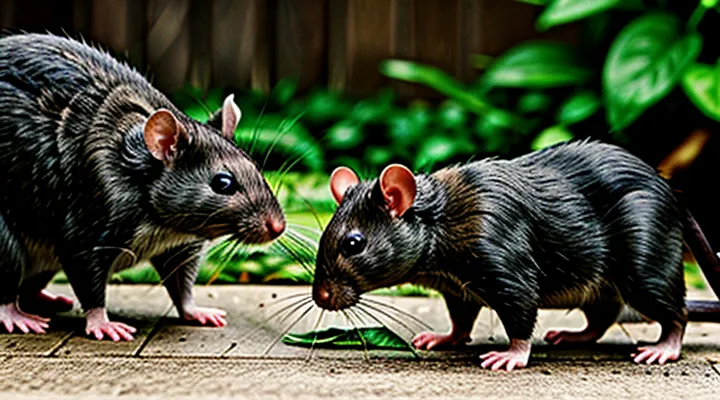
Understanding Rat Nutritional Needs
Essential Dietary Components for Rats
Protein Requirements
Rats require a diet containing approximately 14–20 % crude protein on a dry‑matter basis to support growth, reproduction, and maintenance. Protein quality matters; amino acid profiles should meet the rat’s needs for lysine, methionine, and tryptophan. Sources that provide complete or highly digestible protein include:
- Commercial rodent pellets formulated to meet established nutritional standards.
- Cooked lean meats such as chicken breast, turkey, or rabbit, offered in small, unseasoned portions.
- Boiled eggs, particularly the whites, which supply high‑quality protein without excessive fat.
- Low‑fat dairy products like plain yogurt or cottage cheese, limited to avoid lactose intolerance.
- Legume‑based products (e.g., cooked lentils, split peas) that have been thoroughly softened to improve digestibility.
Items that should be avoided because they either lack sufficient protein or contain harmful components include:
- Raw or undercooked meat, which may harbor pathogens.
- Processed meats with high sodium, nitrates, or added spices.
- Fish with high levels of thiaminase (e.g., raw carp, herring) that deplete vitamin B1.
- Soy products containing anti‑nutritional factors unless heat‑treated.
- Insect shells or exoskeletons that are indigestible and may cause gastrointestinal blockage.
Balancing protein intake with adequate energy from carbohydrates and fats prevents excess nitrogen waste and supports renal health. Regular monitoring of body condition and adjusting portion sizes ensures that protein provision remains appropriate throughout the rat’s life stage.
Carbohydrates and Fiber
Carbohydrates provide the primary energy source for laboratory and pet rats. Simple sugars such as glucose and fructose are rapidly absorbed but can cause blood‑sugar spikes if offered in excess. Complex carbohydrates—whole grains, oats, barley, and brown rice—release energy more steadily and are generally well tolerated.
-
Acceptable carbohydrate sources
• Cooked whole‑grain rice
• Cooked oatmeal
• Whole‑wheat pasta, plain and unseasoned
• Cooked barley or quinoa
• Unsweetened cornmeal or polenta -
Sources to avoid or limit
• Processed sugary snacks (candy, frosting, sugary cereals)
• White bread or refined flour products lacking fiber
• Fruit juices with added sugars
• High‑fat pastries and doughnuts
Fiber supports gastrointestinal motility and microbial health. Soluble fiber, found in oats, peas, and apples, forms a gel that moderates glucose absorption. Insoluble fiber, present in wheat bran, carrots, and leafy greens, adds bulk and promotes regular bowel movements.
-
Beneficial fiber options
• Plain, cooked sweet potato (skin removed)
• Fresh, washed carrots, chopped finely
• Small amounts of raw apple with skin, core removed
• Fresh leafy greens such as romaine lettuce or kale, offered in moderation -
Fiber sources to exclude
• Raw beans or legumes containing lectins (e.g., kidney beans)
• High‑oxalate vegetables like spinach in large quantities
• Processed fiber supplements with artificial additives
Rats require roughly 20–30 % of their diet from carbohydrates, with fiber comprising 2–5 % of total intake. Overloading on sugary foods can lead to obesity, dental disease, and metabolic disturbances, while insufficient fiber may cause constipation and dysbiosis. Balance carbohydrate and fiber provision by rotating safe items, monitoring body condition, and maintaining fresh water at all times.
Healthy Fats
Rats require dietary fats for energy, cell membrane integrity, and absorption of fat‑soluble vitamins. Only sources that are low in saturated fat and free of additives should be included in a balanced rodent diet.
-
Allowed fats:
- Sunflower seed oil – unsaturated, omega‑6 rich, safe in small quantities.
- Flaxseed oil – high in omega‑3, supports coat health; store refrigerated and limit to 0.5 ml per week.
- Fish oil – provides EPA and DHA; use a purified form without heavy metals, no more than 0.25 ml weekly.
- Small amounts of unsalted nuts (e.g., almonds, walnuts) – offer monounsaturated fats; serve crushed, no more than a few pieces per week.
-
Prohibited fats:
- Lard, butter, and animal fats – high in saturated fatty acids, can cause obesity and liver strain.
- Coconut oil – excessive saturated fat, may disrupt lipid metabolism.
- Processed vegetable oils with trans‑fat content (e.g., partially hydrogenated oils) – increase cardiovascular risk.
- Peanut butter with added sugars or salt – contains preservatives and high sodium, unsuitable for rodents.
Guidelines for inclusion
- Introduce any new fat source gradually, monitoring for digestive upset or changes in stool consistency.
- Limit total fat contribution to 5–10 % of the daily caloric intake; excessive fat accelerates weight gain and can lead to hepatic lipidosis.
- Ensure the primary diet remains a high‑fiber, low‑fat pellet formulation; fats serve as supplemental nutrients, not as a staple.
By selecting only unsaturated, minimally processed oils and nuts, and by observing strict portion limits, caretakers can provide the essential fatty acids rats need without exposing them to the health hazards associated with saturated and trans fats.
Vitamins and Minerals
Rats require a precise balance of micronutrients to maintain health, growth, and reproductive performance. Commercial rodent diets are formulated to meet these needs; supplemental additions should be limited to specific deficiencies or veterinary recommendations.
Vitamins that can be administered safely
- Vitamin A (retinol) – provided in commercial pellets; excess doses cause liver damage.
- Vitamin D₃ – essential for calcium metabolism; dosage must not exceed 1,000 IU/kg body weight per day.
- Vitamin E (α‑tocopherol) – antioxidant; 10–20 IU/kg daily is adequate.
- Vitamin K – supports clotting; incorporated in standard feeds.
- B‑complex (B₁, B₂, B₃, B₅, B₆, B₁₂, biotin, folic acid) – required for energy metabolism; levels present in balanced diets meet requirements.
Vitamins that should be avoided
- High‑dose vitamin A – leads to skeletal malformations and hypercalcemia.
- Vitamin D₃ above recommended limits – induces hypercalcemia, renal calcification.
- Vitamin C – rats synthesize it endogenously; supplementation offers no benefit and may cause gastrointestinal upset.
- Fat‑soluble vitamins in human multivitamin formulations – concentrations exceed safe thresholds for rodents.
Minerals suitable for rat nutrition
- Calcium – 0.5–1.0 % of diet; sourced from dairy, leafy greens, fortified pellets.
- Phosphorus – 0.4–0.8 % of diet; balanced with calcium to maintain a 1:1 ratio.
- Magnesium – 0.1–0.2 % of diet; found in nuts, seeds, whole‑grain feeds.
- Potassium – 0.2–0.4 % of diet; supplied by fruits, vegetables, and commercial chows.
- Iron – 40–80 mg/kg diet; adequate in pellet mixes; excess can cause oxidative stress.
- Zinc – 30–50 mg/kg diet; essential for enzyme function; present in fortified feeds.
Minerals that pose toxicity risks
- Copper – toxic above 20 mg/kg; avoid copper‑based rodenticide residues.
- Selenium – lethal at 0.5 mg/kg; no supplementation required if diet is balanced.
- Sodium – high intake leads to hypertension; limit added salt.
- Heavy metals (lead, cadmium, mercury) – must be absent from feed and water sources.
Practical guidance
- Rely on nutritionally complete rodent pellets as primary food source.
- Introduce fresh vegetables or fruits sparingly, ensuring they do not alter established vitamin/mineral ratios.
- Use vitamin or mineral supplements only under veterinary supervision, specifying dosage per kilogram of body weight.
- Avoid human dietary supplements, fortified cereals, or over‑the‑counter multivitamins intended for people.
- Monitor for signs of deficiency (e.g., alopecia, poor growth) or toxicity (e.g., lethargy, organ enlargement) and adjust diet accordingly.
Safe Foods for Rats: A Comprehensive Guide
Fresh Fruits for Rats
Berries: «Blueberries», «Raspberries», «Strawberries»
Blueberries provide rats with antioxidants and modest amounts of vitamin C, but the high sugar content requires limited portions. Offer no more than a few berries per week, removing stems and washing thoroughly to eliminate pesticides.
Raspberries contain fiber and vitamin K, yet their seeds can pose a choking hazard for small rodents. Slice the fruit, discard seeds, and present a maximum of two to three berries per week.
Strawberries supply vitamin C and folate; however, they are also rich in sugar and may carry surface contaminants. Feed only one or two small pieces weekly, ensuring the fruit is washed and hulled.
General guidance: introduce any new berry gradually, observe for digestive upset, and maintain a balanced diet dominated by high‑quality rodent pellets and fresh vegetables. Avoid overfeeding berries to prevent obesity, diarrhea, or dental problems.
Melons: «Cantaloupe», «Watermelon»
Melons can be included in a rat’s diet, but only under specific conditions. Both cantaloupe and watermelon provide hydration and modest amounts of vitamins A and C, yet their high sugar content and potential for gastrointestinal upset limit the safe quantity.
- Offer only fresh, seed‑free flesh. Remove the rind entirely, as it is tough, fibrous, and may cause intestinal blockage.
- Limit portions to a maximum of one teaspoon per 100 g of body weight, no more than twice weekly. Excessive intake can lead to diarrhea, weight gain, and dental problems.
- Inspect for mold or spoilage before serving; contaminated melon accelerates bacterial growth and may result in severe illness.
- Avoid canned or pre‑sweetened varieties, which contain added sugars, preservatives, and sometimes artificial colorants that are toxic to rodents.
If a rat exhibits loose stools, lethargy, or loss of appetite after melon consumption, discontinue the fruit immediately and monitor for recovery. In such cases, consult a veterinarian to rule out underlying digestive disturbances.
Other Fruits: «Apples» (seedless), «Bananas», «Pears»
Apples without seeds, bananas, and pears are generally safe for rats when offered in moderation. These fruits provide carbohydrates, vitamins, and fiber that can complement a balanced rodent diet. Fresh produce should be washed, cut into bite‑size pieces, and presented on a clean surface to prevent contamination.
- Apple (seedless): low in fat, rich in vitamin C; limit to one small slice per day to avoid excess sugar.
- Banana: high potassium and natural sugars; a thin slice every other day satisfies cravings without promoting obesity.
- Pear: source of dietary fiber and vitamin K; one small cube three times weekly supplies nutrients while maintaining weight control.
Avoid fruit with pits, stems, or bruised areas, as they may contain toxins or foster bacterial growth. Remove any remaining seeds from apples before feeding; even seedless varieties sometimes retain trace pit fragments. Introduce each fruit gradually, monitoring for digestive upset or changes in stool consistency. Consistent observation ensures the fruit enhances health rather than causing adverse effects.
Fresh Vegetables for Rats
Leafy Greens: «Kale», «Spinach», «Romaine Lettuce»
Leafy greens are a common component of a balanced rat diet, supplying vitamins A, C, K, calcium, and dietary fiber. They should complement a staple of high‑quality rodent pellets, not replace it.
- Kale – rich in vitamin K and calcium; feed in small quantities (no more than one teaspoon per day for an adult rat). Excess calcium can lead to urinary stones; monitor intake.
- Spinach – contains iron and magnesium; limit to occasional servings (once or twice weekly, one teaspoon). High oxalate levels may contribute to kidney stone formation; avoid regular feeding.
- Romaine lettuce – low in calories, provides water and fiber; safe as a regular snack (up to two teaspoons daily). Avoid the outer leaves if wilted or contaminated.
Preparation guidelines: wash thoroughly under running water, remove any wilted or damaged portions, and chop into bite‑size pieces. Offer fresh greens daily; discard leftovers after two hours to prevent bacterial growth. Store washed, dry leaves in a sealed container in the refrigerator for up to three days.
Contraindications: do not feed rats wilted, moldy, or pesticide‑treated greens. Avoid mixing leafy greens with sugary fruits or high‑fat treats, as the combination can cause gastrointestinal upset. Continuous overfeeding of any leafy green may result in diarrhea or nutrient imbalance. Adjust portions based on the rat’s size, activity level, and overall health.
Root Vegetables: «Carrots», «Sweet Potatoes»
Carrots are a permissible component of a rat’s diet. They provide beta‑carotene, vitamin A, and modest fiber. Prior to offering, wash thoroughly to remove pesticide residues; peel only if the skin is visibly dirty. Serve in small, bite‑size pieces, either raw or lightly steamed. Limit portions to 5–10 % of daily intake because excess sugar can cause loose stools.
Sweet potatoes are also acceptable when prepared correctly. They supply complex carbohydrates, fiber, and vitamin A. Feed only cooked, unseasoned sweet potato; raw tuber is difficult to digest and may irritate the gastrointestinal tract. Cut into small cubes and offer no more than 10 % of the rat’s total diet to avoid excessive caloric load.
Guidelines for both root vegetables
- Wash or peel to eliminate contaminants.
- Present in modest, uniform pieces to prevent choking.
- Incorporate gradually, monitoring fecal consistency.
- Exclude sweetened, flavored, or processed versions.
Items to avoid
- Carrots or sweet potatoes coated with sugar, salt, or butter.
- Frozen or canned varieties containing additives.
- Large, uncut pieces that pose a choking hazard.
Other Vegetables: «Broccoli», «Peas», «Bell Peppers»
Broccoli, peas, and bell peppers are suitable additions to a rat’s diet when offered in moderation and prepared correctly.
-
Broccoli – Rich in vitamin C and fiber. Serve raw florets in small pieces; avoid the thick stem, which can be tough to chew. Limit intake to a few bites per day to prevent gas buildup.
-
Peas – Provide protein, vitamins A and K, and carbohydrates. Offer fresh or frozen peas, thawed and rinsed. Remove skins if peas are mature, as they may be difficult to digest. A handful of peas three times weekly is sufficient.
-
Bell Peppers – Supply vitamin C, antioxidants, and moisture. Slice thin strips of red, yellow, or orange peppers; discard green varieties in large quantities because of higher bitterness. Feed no more than a small slice daily.
All three vegetables should be washed thoroughly to eliminate pesticide residues. Introduce each new item gradually, monitoring for signs of digestive upset such as loose stools or reduced appetite. Replace any uneaten portions after a few hours to prevent spoilage. Incorporating these vegetables enhances nutritional variety while maintaining a balanced rat diet.
Grains and Cooked Foods
Cooked Pasta and Rice
Cooked pasta and rice are commonly offered to pet rats as occasional treats. Both foods are primarily carbohydrate sources and lack the protein, fat, and micronutrients rats require for a balanced diet. When introduced, they should be plain, without sauces, oils, butter, salt, or seasonings that could cause digestive upset or sodium overload.
Rats can tolerate small quantities of these grains, but they must remain a minor component of daily intake. Overreliance on pasta or rice may lead to obesity, nutrient deficiencies, and dental problems due to the low fiber content.
Guidelines for feeding cooked pasta and rice:
- Serve only a few teaspoons per rat, no more than 5 % of total caloric intake.
- Ensure the food is fully cooled to room temperature before offering.
- Provide only plain versions; exclude cheese, tomato sauce, soy sauce, and other additives.
- Monitor for signs of diarrhea or reduced appetite after consumption.
- Rotate with other suitable grain options (e.g., oats, quinoa) to maintain dietary variety.
If a rat shows adverse reactions—persistent loose stools, reduced activity, or weight loss—remove the grain immediately and consult a veterinarian. Regularly balanced rat chow should remain the primary food source, with cooked pasta and rice treated strictly as supplemental treats.
Whole-Grain Cereals (unsweetened)
Whole‑grain cereals that are free of added sugars are generally safe for laboratory and pet rats when offered in moderation. These grains provide complex carbohydrates, dietary fiber, B‑vitamins, and trace minerals that support energy metabolism and gut health. Because rats are omnivorous, cereals should complement protein‑rich foods rather than replace them.
- Offer no more than 10 % of the daily diet by weight; excess carbohydrate can lead to obesity and glucose intolerance.
- Provide cereals in small, dry pieces to prevent mold growth; moisture encourages fungal contamination.
- Ensure the product contains no artificial sweeteners, flavorings, or added salt, which may be toxic or cause electrolyte imbalance.
- Store in airtight containers at cool temperatures to maintain nutritional integrity and limit rancidity of the grain oils.
Potential concerns include:
- High fiber content can cause loose stools if introduced abruptly; increase gradually over several days.
- Some whole‑grain varieties contain phytic acid, which binds minerals and may reduce absorption; occasional feeding mitigates this effect.
- Sprouted grains have higher nutrient availability but also higher moisture, requiring refrigeration and prompt consumption to avoid spoilage.
In practice, unsweetened whole‑grain cereals serve as a supplemental carbohydrate source that enhances diet variety while supplying essential micronutrients, provided the above guidelines are observed.
Cooked Lean Meats and Eggs
Cooked lean meats and eggs provide high‑quality protein that rats can digest efficiently. These foods should be plain, free of seasoning, sauces, or added fats. Overcooking can reduce nutrient availability, while undercooking increases the risk of bacterial contamination.
- Use chicken breast, turkey, lean beef, or pork loin; remove skin and visible fat.
- Boil, steam, or bake until the internal temperature reaches at least 74 °C (165 °F).
- Cool to room temperature before offering; serve in small, bite‑size pieces.
- Eggs should be hard‑boiled or scrambled without oil, butter, or milk; discard any raw egg whites.
A single serving of cooked lean meat or egg should not exceed 10 % of a rat’s daily caloric intake. Frequent feeding can displace essential fiber and vitamin sources found in standard rodent diets. Introduce new protein sources gradually to monitor for digestive upset or allergic reactions.
Potential hazards include:
- Salt or seasoning residues that can cause electrolyte imbalance.
- Bones, especially from poultry, which may splinter and cause injury.
- Excessive protein leading to kidney strain in older or compromised rats.
When incorporated correctly, cooked lean meats and eggs enhance growth, coat condition, and overall vigor without compromising the balanced nutrition provided by a formulated pellet base.
Occasional Treats and Snacks
Small Amounts of Yogurt
Yogurt, when offered in very small portions, can be a safe occasional treat for pet rats. The product provides a modest amount of protein, calcium, and beneficial bacteria that may support gut health. However, the high lactose content of regular dairy yogurt can cause digestive upset in rats, whose ability to digest lactose is limited.
Guidelines for feeding yogurt to rats:
- Choose plain, unsweetened yogurt with no added flavors, fruit, or artificial sweeteners.
- Limit the serving to no more than half a teaspoon per rat, once or twice a week.
- Observe the animal for signs of diarrhea, bloating, or reduced appetite after consumption; discontinue if any symptoms appear.
- Prefer low‑fat or Greek varieties, which contain less lactose than full‑fat options.
- Avoid yogurts containing xylitol, chocolate, or other toxic additives.
In summary, a tiny amount of plain, low‑lactose yogurt can be incorporated into a rat’s diet as a supplemental source of protein and probiotics, provided it is administered sparingly and the animal’s response is monitored.
Unsalted Nuts and Seeds
Unsalted nuts and seeds can be offered to rats in moderation, providing essential fats, protein, and micronutrients.
- Suitable options: sunflower seeds, pumpkin seeds, almonds, walnuts, hazeln nuts, and peanuts (raw, unsalted).
- Nutrient contribution: omega‑3 and omega‑6 fatty acids, vitamin E, magnesium, and zinc.
Limitations:
- High‑calorie density may lead to obesity if portions exceed 1–2 % of the rat’s body weight per day.
- Hard shells (e.g., pistachio, walnut) should be removed to prevent dental injury.
- Some nuts, such as macadamia, contain compounds linked to toxicity in rodents and must be avoided.
Feeding guidelines:
- Offer a small handful (approximately 5–10 grams) two to three times weekly.
- Observe for signs of gastrointestinal upset; discontinue if diarrhea or weight loss occurs.
- Store in airtight containers to preserve freshness and prevent mold growth, which can produce harmful mycotoxins.
When incorporated correctly, unsalted nuts and seeds enrich a rat’s diet without replacing the core components of a balanced rodent pellet regimen.
Sugar-Free Baby Food
Sugar‑free baby food is often marketed as a convenient, bland source of nutrients for infants, but its suitability for laboratory or pet rats requires careful evaluation. The product typically contains pureed vegetables, fruits, or grains without added sugars, providing moisture and a mild flavor that many rats accept.
Nutritional considerations
- Protein content ranges from 2 % to 8 % depending on the ingredient blend; most rat diets require 14 %–18 % protein, so baby food alone cannot meet protein needs.
- Fat levels are low, usually under 5 %; rats need moderate fat (5 %–10 %) for energy and coat health.
- Fiber is present in modest amounts, supporting gastrointestinal function, yet the overall fiber contribution may be insufficient for a rat’s high‑fiber requirement.
- Vitamins and minerals vary; many baby foods lack adequate calcium, phosphorus, and vitamin D, which are essential for skeletal development.
Safety aspects
- Absence of added sugars eliminates the risk of rapid blood‑glucose spikes, a benefit for rats prone to obesity.
- Lack of preservatives and artificial sweeteners reduces exposure to compounds that can cause renal stress.
- Commercial baby foods may contain thickeners (e.g., xanthan gum) or stabilizers; these ingredients are generally inert but can cause mild digestive upset if consumed in large quantities.
- Packaging often includes BPA‑lined containers; repeated exposure may be undesirable for long‑term feeding.
Practical recommendations
- Offer sugar‑free baby food as an occasional supplement, not as a primary staple.
- Combine with a balanced rodent pellet that meets protein, fat, and mineral specifications.
- Limit portions to one teaspoon per adult rat per day to prevent caloric imbalance.
- Monitor body weight and fecal consistency for signs of malabsorption or constipation.
- Prefer varieties based on single vegetables (e.g., pureed carrots) to identify potential allergens.
In summary, sugar‑free baby food can be incorporated safely into a rat’s diet when used sparingly and paired with a nutritionally complete rodent feed. It provides moisture and a low‑sugar option, but it does not satisfy the full spectrum of macro‑ and micronutrient requirements required for optimal rat health.
Foods to Avoid: Dangerous and Unhealthy Options
Toxic Foods for Rats
Avocado Pit and Skin
Avocado pits and skins contain persin, a compound toxic to many mammals. In rats, ingestion of these parts can lead to gastrointestinal irritation, reduced appetite, and, in severe cases, cardiac distress. The high fat content of the pit also poses a choking hazard and may cause intestinal blockage if swallowed whole.
Key considerations for feeding rats avocado remnants:
- Do not offer the pit; its size and hardness increase the risk of obstruction and trauma to the oral cavity.
- Avoid the skin; persin concentration is higher in the outer layer than in the flesh, and the texture can irritate the digestive tract.
- If a rat accidentally consumes a small fragment, monitor for vomiting, lethargy, or abnormal breathing and consult a veterinarian promptly.
- Safer alternatives for providing healthy fats include small amounts of unsalted nuts (e.g., almonds) or commercial rodent treats formulated without toxic additives.
In summary, both the seed and the peel of an avocado are unsuitable for rat diets due to toxicity and physical hazards. Provide only the ripe flesh in limited quantities, and ensure all other parts are excluded from the animal’s food supply.
Green Parts of Potatoes and Tomatoes
Green portions of potatoes and tomatoes contain toxic alkaloids that can harm laboratory and pet rats.
Ripe potatoes develop a green skin or sprouts when exposed to light. The green tissue accumulates solanine, a glycoalkaloid that interferes with neuronal function and may cause lethargy, vomiting, or death at relatively low doses. Even small amounts can produce observable neurological signs in rats. Consequently, any potato material that exhibits green coloration, including sprouts, should be excluded from a rat’s diet.
Tomatoes also produce chlorophyll in unripe fruit and in the stems and leaves of the plant. These green tissues contain tomatine, a glycoalkaloid with similar neurotoxic effects. While ripe red fruit is generally safe in moderation, the green parts are not. Ingestion of tomato leaves, stems, or unripe green fruit can lead to gastrointestinal upset and reduced appetite.
Guidelines for feeding rats:
- Do not offer green potato skins, sprouts, or any tuber showing chlorophyll.
- Discard tomato vines, leaves, stems, and green or partially green fruit.
- Use only fully ripened, red tomato flesh in limited quantities.
- Provide only non‑green, cooked potato flesh after thorough removal of any green areas.
Adhering to these practices prevents accidental exposure to solanine and tomatine, ensuring a safer diet for rats.
Citrus Peels
Citrus peels are rich in vitamin C, dietary fiber, and flavonoids, which can contribute to antioxidant intake in rats. The peel’s essential oils, chiefly limonene, and its high citric‑acid content can cause gastrointestinal irritation and, in excess, may be toxic.
If citrus peels are included in a rat’s diet, follow these guidelines:
- Use only fresh, pesticide‑free peels; wash thoroughly.
- Remove all seeds, as they contain trace cyanogenic compounds.
- Offer a fragment no larger than 1 cm² per feeding.
- Limit total peel weight to less than 5 % of the animal’s daily food mass.
- Observe the animal for signs of diarrhea, reduced appetite, or lethargy; discontinue if symptoms appear.
Repeated or large‑scale feeding of citrus peels is not advisable because the cumulative effect of essential oils can impair liver function and alter gut microbiota. Small, occasional portions may be acceptable as a supplement, but they should never replace a balanced grain‑based diet.
Raw Kidney Beans
Raw kidney beans contain high concentrations of phytohaemagglutinin, a lectin that is toxic to rats when ingested uncooked. The toxin interferes with intestinal mucosa, can cause severe gastro‑intestinal distress, and may lead to fatal outcomes if large amounts are consumed.
Key considerations for raw kidney beans:
- Toxicity appears after as little as 0.1 g of raw beans per kilogram of body weight.
- Symptoms include vomiting, diarrhea, abdominal pain, and dehydration.
- Mortality risk rises sharply without prompt veterinary intervention.
Cooking neutralizes the lectin. Boiling beans for at least 10 minutes at a rolling boil, followed by thorough draining, reduces toxicity to safe levels for rat consumption. However, even after cooking, beans should be offered only as an occasional supplement, not a staple, because of their high protein and carbohydrate content, which can disrupt the balanced diet required for laboratory or pet rats.
Practical guidance:
- Never present raw kidney beans to rats.
- If inclusion in the diet is desired, ensure beans are fully cooked and cooled.
- Serve in small portions (no more than 1–2 g per 100 g of body weight) and monitor for adverse reactions.
- Store cooked beans in a sealed container, discard any leftovers after 24 hours to prevent bacterial growth.
In summary, raw kidney beans are unsuitable for rat feeding due to potent lectins; only properly cooked beans, limited in quantity, may be used safely as an occasional treat.
Chocolate
Chocolate contains theobromine and caffeine, compounds that rats metabolize slowly. Even small quantities can cause elevated heart rate, tremors, and seizures. Laboratory studies show lethal doses around 200 mg theobromine per kilogram of body weight; typical dark chocolate exceeds this concentration. Consequently, chocolate should be excluded from a rat’s diet.
If a rat accidentally ingests chocolate, monitor for:
- Restlessness or hyperactivity
- Rapid breathing
- Muscle twitching or tremors
- Diarrhea or vomiting
Seek veterinary assistance immediately upon observing any of these signs.
Safe alternatives that provide enrichment without risk include:
- Small pieces of fresh fruit (apple, banana)
- Unsweetened applesauce in minimal amounts
- Commercial rodent treats formulated without caffeine or theobromine
When offering treats, limit portions to no more than 5 % of the animal’s daily caloric intake and ensure they are nutritionally balanced. Regularly review ingredient lists to confirm the absence of chocolate‑derived additives.
Onion and Garlic
Onion and garlic contain sulfur‑rich compounds that damage rat red blood cells, leading to hemolytic anemia. The toxic agents—N‑propyl disulfide in onion and allicin in garlic—are absorbed quickly and cause rapid destruction of erythrocytes. Even small quantities can produce clinical signs such as weakness, jaundice, and dark urine.
Foods to avoid
- Fresh, cooked, or powdered onion (all varieties)
- Fresh, cooked, or powdered garlic (all varieties)
- Products that include onion or garlic as flavoring agents (e.g., seasoned pellets, sauces)
Reason for exclusion
- Hemolysis risk outweighs any nutritional benefit
- No established safe threshold for laboratory or pet rats
If accidental ingestion occurs, monitor for pallor, lethargy, and reduced appetite. Veterinary intervention should be sought promptly; treatment may involve fluid therapy and supportive care to mitigate anemia.
Safe alternatives for flavor and enrichment include carrot shavings, apple slices, and leafy greens such as kale, all of which lack the hemolytic properties of onion and garlic.
Unhealthy and Processed Foods
Sugary Snacks and Candies
Sugary snacks and candies contain high concentrations of simple sugars that can overwhelm a rat’s digestive system. Excessive glucose intake leads to rapid spikes in blood sugar, increasing the risk of obesity, dental decay, and insulin resistance. Rats lack the enzymatic capacity to process large amounts of refined sugar efficiently, so regular consumption is contraindicated.
- Rapid blood‑sugar elevation
- Weight gain and fatty liver development
- Tooth enamel erosion
- Potential for gastrointestinal upset (diarrhea, bloating)
Occasional, minute portions may be offered without immediate harm, provided the treat is free of artificial sweeteners, colors, and preservatives. The safe amount does not exceed 0.5 g of total sugar per 100 g of body weight per week. Any exposure beyond this threshold should be avoided.
Preferred alternatives that satisfy a rat’s craving for sweetness include:
- Small pieces of fresh fruit (e.g., apple, pear) with skins removed.
- A few drops of unsweetened, natural fruit puree.
- Tiny portions of plain oatmeal or whole‑grain cereal without added sugars.
These options deliver natural sugars alongside fiber, vitamins, and minerals, reducing the health risks associated with processed confectionery.
Salty Snacks
Salty snacks are generally unsuitable for rats. High sodium levels can cause dehydration, kidney strain, and hypertension, which rats are especially vulnerable to. Commercially produced chips, pretzels, and salted nuts contain added salts, flavor enhancers, and sometimes artificial colors that exceed safe dietary limits.
Safe alternatives
- Unsalted, plain popcorn (no butter or seasoning)
- Small pieces of fresh cucumber or zucchini with a light sprinkle of sea salt (no more than ¼ tsp per 100 g of food)
- Homemade oat or rice crackers prepared without added salt
Items to avoid
- Potato chips, tortilla chips, and similar fried snacks
- Pretzels, salted crackers, and seasoned nuts
- Processed snack foods with preservatives such as monosodium glutamate (MSG) or sodium nitrite
If a rat accidentally consumes a salty snack, provide fresh water immediately and monitor for signs of excessive thirst, lethargy, or abnormal urination. Persistent symptoms require veterinary attention.
Fried and Greasy Foods
Rats thrive on diets that are low in excess fat, salt, and artificial additives. Their natural intake consists of grains, vegetables, and lean protein, which support digestion, metabolic balance, and dental health.
Fried and oily items introduce several hazards. High fat content overwhelms the rat’s limited bile capacity, leading to steatorrhea and hepatic strain. Trans‑fatty acids and saturated fats raise cholesterol levels, accelerating atherosclerotic changes not typical for rodents. The oil residue clings to fur, increasing the risk of matting and skin irritation, while the greasy texture encourages bacterial growth in the cage environment.
Specific concerns include:
- Gastrointestinal obstruction from indigestible crusts.
- Pancreatitis triggered by sudden spikes in dietary fat.
- Respiratory irritation when aerosolized oil particles settle on bedding.
- Weight gain and obesity, which shorten lifespan and predispose to diabetes.
To maintain optimal health, avoid offering any of the following:
- French fries, potato chips, and tortilla chips.
- Fried chicken, fish, or meat strips.
- Doughnuts, pastries, and other deep‑fried sweets.
- Any food prepared in butter, lard, or vegetable oil with a crispy coating.
Instead, provide nutritionally appropriate treats such as plain cooked rice, steamed vegetables, or low‑fat protein sources. These alternatives supply energy without the detrimental effects associated with greasy, fried foods.
Dairy Products (in large quantities)
Rats tolerate small amounts of dairy, but excessive quantities pose serious health risks. High lactose levels can overwhelm their limited lactase activity, leading to gastrointestinal distress, dehydration, and weight gain. Excess calcium may cause kidney stress and bone metabolism disorders.
- Lactose intolerance → diarrhea, dehydration
- Elevated fat content → obesity, liver strain
- Calcium overload → renal dysfunction, skeletal issues
- Fermented dairy (e.g., cheese) → high sodium, potential hypertension
For optimal nutrition, limit dairy to occasional, low‑lactose portions and monitor for adverse reactions.
Foods Causing Digestive Issues
Large Amounts of Gassy Vegetables
Rats tolerate small portions of cruciferous and other high‑fiber vegetables, but feeding them in bulk can cause excessive gas, abdominal distension, and diarrhea. The rapid fermentation of compounds such as raffinose, stachyose, and glucosinolates produces hydrogen, methane, and carbon dioxide, overwhelming the rodent’s digestive capacity. Persistent bloating may lead to reduced appetite, weight loss, and, in severe cases, intestinal obstruction.
To maintain a balanced diet while avoiding gastrointestinal distress, limit or exclude the following vegetables when offering large servings:
- Cabbage, broccoli, cauliflower, Brussels sprouts, kale, and bok choy
- Beans, peas, and lentils (raw or lightly cooked)
- Onions, garlic, and leeks (high sulfur content)
Instead, provide rats with moderate portions of low‑gas options such as carrots, bell peppers, zucchini, and leafy greens like romaine lettuce or spinach. Supplement with a high‑quality rodent pellet to ensure adequate protein, fat, and essential nutrients. Monitor stool consistency and body condition after introducing any new food, adjusting quantities to prevent excessive fermentation.
Certain Raw Vegetables: «Artichokes», «Brussels Sprouts»
Raw artichoke hearts provide fiber, antioxidants, and modest protein for rats. The tough outer leaves and choke should be removed before offering the interior. Small, bite‑size pieces reduce choking risk. Excessive consumption may cause digestive upset due to high fiber content; limit servings to a few grams per day for an adult rat.
- Remove inedible outer leaves and choke.
- Cut hearts into ½‑inch cubes.
- Offer no more than 5 % of total daily food volume.
- Observe for loose stools; discontinue if symptoms appear.
Raw Brussels sprouts contain vitamin C, vitamin K, and glucosinolates that support immune function. Their dense texture can be hard for rats to chew, increasing the chance of dental wear or obstruction. Introduce only a few florets, finely chopped, and monitor for gas or bloating, which may result from the high sulfur compounds.
- Trim stems, separate florets, and chop finely.
- Serve 2–3 small florets per adult rat per day.
- Combine with softer vegetables to aid chewing.
- Discontinue if abdominal discomfort or excessive gas occurs.
Both vegetables are safe when prepared correctly and fed in moderation, but they should never replace a balanced rodent diet composed primarily of commercial pellets, fresh water, and a variety of low‑risk vegetables.
Practical Feeding Guidelines
Portion Sizes and Frequency
Daily Feeding Routines
Provide a consistent feeding schedule. Offer fresh food once or twice daily, preferably in the morning and early evening. Remove uneaten portions after four hours to prevent spoilage and bacterial growth. Maintain a constant supply of clean water, refreshed daily.
Select nutritionally balanced components. A commercial rodent pellet should represent the primary portion of the diet, typically 10–15 g per adult rat. Complement pellets with fresh items listed below, limiting total fresh intake to no more than 10 % of total calories.
- Small pieces of carrots, broccoli, kale, or spinach
- Sliced apple (seedless) or pear, without core
- Cooked plain chicken breast, boiled egg, or low‑fat cottage cheese (no seasoning)
Exclude items that pose health risks. Avoid the following categories:
- Citrus fruits, raw potatoes, and onions
- Processed snacks, sugary treats, or foods containing artificial sweeteners
- High‑fat meats, dairy with added salt, and any moldy or stale produce
Monitor portion sizes. For each fresh item, offer a bite‑sized piece (approximately 0.5 cm³). Adjust quantities based on the rat’s weight, activity level, and body condition; overweight individuals require reduced fresh portions.
Record observations. Note daily intake, any leftovers, and changes in behavior or coat condition. Use this log to refine the schedule, ensuring the diet remains balanced while eliminating unsafe foods.
Treat Allocation
Treat allocation for rats requires balancing enrichment with nutritional safety. Select items that complement a balanced diet, avoid those that introduce toxins or digestive disturbances, and manage portion size to prevent obesity.
Safe treats include:
- Small pieces of fresh apple (core and seeds removed)
- Cooked plain oatmeal or brown rice
- Unsalted, unflavored nuts in limited quantities (e.g., almonds, peanuts)
- Low‑fat cheese cubes
- Fresh leafy greens such as romaine lettuce, kale, or spinach
- Whole grain cereal flakes without added sugar
Unsafe treats comprise:
- Citrus fruits (oranges, lemons) because of acidity
- Processed snacks containing salt, sugar, or artificial flavors
- Chocolate, caffeine, or any products with theobromine
- Raw beans, especially kidney beans, due to lectins
- Onion, garlic, and related Allium species, which cause hemolytic anemia
- High‑fat meats or fried foods that exceed metabolic capacity
Guidelines for allocating treats:
- Offer treats no more than 5 % of total daily caloric intake.
- Introduce new items one at a time, observe for adverse reactions over 48 hours.
- Provide treats in bite‑size portions to avoid choking hazards.
- Rotate selections weekly to maintain variety and prevent nutrient imbalances.
- Store fresh treats in the refrigerator and discard any that become moldy or wilted.
Adhering to these practices ensures that treats enhance welfare without compromising health.
Food Preparation and Presentation
Washing Produce
Washing produce removes surface residues, microbes, and debris that could harm laboratory or pet rats. Clean vegetables and fruits provide essential vitamins and fiber, but only after thorough rinsing under running water. Use a brush for firm items such as carrots, cucumbers, and apples; soak leafy greens for 30 seconds, then rinse. Avoid soap, detergents, or chemical disinfectants, as residues remain toxic to rodents.
Safe produce after washing:
- Carrots, peeled or scrubbed
- Cucumbers, sliced and rinsed
- Apples, core removed, washed
- Bell peppers, de‑seeded and rinsed
- Leafy greens (spinach, kale), soaked and rinsed
Produce that remains unsuitable even when washed:
- Citrus fruits (high acidity can cause digestive upset)
- Avocado flesh (contains persin, toxic to rats)
- Raw potatoes and sweet potatoes (solanine persists despite washing)
- Tomato leaves and stems (solanine present)
- Any produce with visible mold or rot, regardless of cleaning
Providing only properly washed items minimizes the risk of pesticide ingestion, bacterial infection, and chemical toxicity, ensuring a balanced and safe diet for rats.
Avoiding Contamination
When providing rats with edible items, maintaining a contamination‑free environment is essential for their health. Use only clean, sterilized containers for storage and preparation. Discard any food that shows signs of mold, discoloration, or off‑odors before it reaches the cage.
- Store dry feeds in airtight, moisture‑resistant packages; replace seals if they become compromised.
- Wash fresh vegetables and fruits under running water, then pat dry with a clean towel; avoid soaking, which encourages bacterial growth.
- Keep feeding utensils (spoons, trays) in a dishwasher or hot‑soak solution after each use; inspect for cracks where residues could accumulate.
- Separate raw protein sources (e.g., cooked eggs, lean meat) from plant‑based foods to prevent cross‑contamination; handle them on dedicated cutting boards.
- Clean the cage and feeding area daily; remove leftover food, droppings, and any debris that could harbor pathogens.
Implementing these measures reduces the risk of introducing harmful microbes, toxins, or chemical residues into the rats’ diet, thereby supporting optimal growth and disease resistance.
Hydration: Water Availability
Water Bottle vs. Bowl
Providing water correctly is a critical component of a rat’s diet. Two common delivery systems—hanging bottles and open bowls—differ in hygiene, accessibility, and maintenance.
A bottle supplies water through a sealed sipper tube. The seal prevents contamination from bedding, urine, or droppings, reducing the risk of bacterial growth. The tube limits spillage, preserving cage dryness. Regular inspection of the tube for blockages ensures continuous flow. Bottles occupy less floor space, which is advantageous in small enclosures. However, rats with dental issues or very young pups may struggle to latch onto the tube, leading to dehydration.
An open bowl offers unrestricted access. Rats can drink from any angle, which is useful for individuals with mouth injuries or for pups learning to drink. Bowls allow visual monitoring of water volume, making it easy to detect rapid consumption or leakage. The downside is exposure to contaminants; bedding, food particles, and urine can quickly foul the water, requiring daily cleaning. Spillage increases humidity, potentially fostering mold growth and respiratory problems.
When choosing between the two, consider the following factors:
- Health status: Dental or oral injuries favor a bowl; otherwise, a bottle minimizes contamination.
- Cage size: Limited space benefits from a bottle; larger enclosures can accommodate a bowl without crowding.
- Cleaning routine: Daily bowl changes are essential; a bottle needs less frequent cleaning but must be checked for tube blockage.
- Behavioral preference: Some rats develop a habit of using one method; observe the animal’s choice and adjust accordingly.
A hybrid approach—maintaining a functional bottle while providing a shallow, stainless‑steel bowl for occasional use—covers most scenarios. This combination ensures continuous clean water supply while accommodating special needs without compromising hygiene.
Regular Water Changes
Regular water changes are a critical component of a rat’s diet management. Fresh water prevents the buildup of bacteria, mold, and contaminants that can compromise health and interfere with nutrient absorption.
- Replace water daily to eliminate microbial growth.
- Use a clean, rodent‑safe bottle or bowl; avoid glass containers that may shatter.
- Rinse the dispenser with hot, soapy water, then rinse thoroughly before refilling.
- Inspect water for cloudiness, odor, or debris; replace immediately if any are present.
- Store water in a sealed container to protect from dust and pests.
Stagnant water can become a source of pathogens and may encourage rats to drink less, leading to dehydration. Consistent turnover of water supports proper kidney function and aids digestion of solid foods. Incorporating these practices ensures that water remains a safe, uncontaminated element of the rat’s overall dietary regimen.