
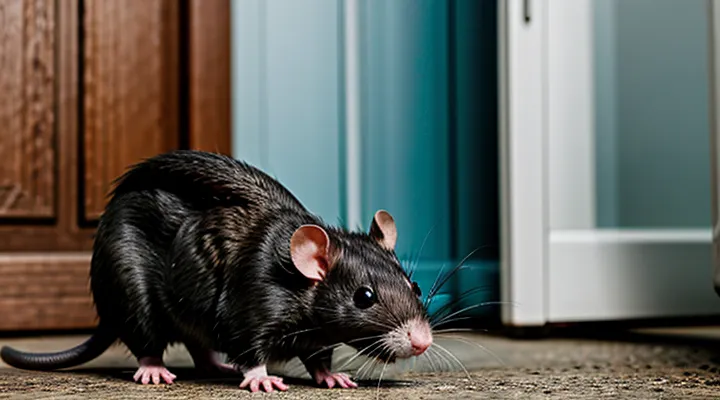
Understanding Rat Dietary Needs
Essential Nutritional Requirements
Proteins
Proteins are a major component of a balanced diet for pet rats, supporting tissue repair, growth and immune function.
Safe protein sources include:
- Cooked lean chicken breast, unseasoned and shredded
- Hard‑boiled egg, finely chopped
- Low‑fat cottage cheese, offered in small portions
- Plain tofu, cubed and lightly steamed
- Commercial rat pellets that list a defined protein percentage
Protein foods that should be excluded are:
- Processed meats containing sodium nitrite, preservatives or heavy seasoning
- Raw fish, especially salmon or trout, due to risk of parasites and thiamine‑destroying enzymes
- Dairy products with high lactose content, such as whole milk or flavored yogurts, which can cause digestive upset
- Nuts and seeds in large quantities, because of high fat and potential for aflatoxin contamination
- Legumes that are uncooked or contain lectins, for example raw soy beans or kidney beans
Recommended practice: provide protein daily in amounts that compose roughly 15‑20 % of total caloric intake. Portion size should not exceed a teaspoon for a mature rat; younger rats may require slightly more frequent, smaller servings. All protein items must be cooked or prepared without added salt, sugar or spices, and should be cooled to room temperature before offering. Regular monitoring of body condition and stool consistency helps confirm that protein levels are appropriate.
Carbohydrates
Carbohydrates supply essential energy for pet rats, supporting activity levels and thermoregulation. A balanced diet includes complex carbohydrates that digest slowly, preventing rapid blood‑sugar spikes.
Appropriate carbohydrate sources:
- Whole grains such as rolled oats, barley, and brown rice
- Legumes like lentils and split peas, cooked without added salt
- Fresh vegetables containing starch, for example sweet potatoes and carrots
- Commercial rodent pellets formulated with appropriate carbohydrate ratios
Problematic carbohydrate sources:
- Refined sugars found in candy, honey, and syrups
- Processed grains with added flavorings, such as flavored cereals
- Bread crusts containing excessive sodium or preservatives
- Fruit juices and sugary drinks
Moderation is critical; carbohydrates should constitute roughly 30‑40 % of total caloric intake. Offer fresh, unseasoned foods in limited portions, and monitor body condition regularly. Adjust quantities based on activity level and weight trends to maintain optimal health.
Fats
Fats provide essential energy and support absorption of fat‑soluble vitamins in a rat’s diet. Proper selection of fat sources prevents obesity and digestive upset.
Safe fat sources for pet rats include:
- Small amounts of plain cooked chicken skin, trimmed of excess grease.
- Unsalted, unflavored nuts such as almonds or walnuts, offered in very limited quantities.
- Commercial rodent pellets that contain balanced added fats.
- A few drops of high‑quality, unscented olive oil mixed into fresh vegetables.
Fats to avoid entirely:
- Butter and margarine, which contain high saturated fat and possible additives.
- Lard or pork fat, prone to causing gastrointestinal irritation.
- Processed snack foods with artificial flavorings, preservatives, or trans fats.
- Seed oils rich in omega‑6 fatty acids, such as soybean or corn oil, when given in excess, which can disrupt the omega‑3 to omega‑6 ratio.
Providing appropriate fats contributes to healthy coat condition and energy levels while minimizing the risk of metabolic disorders.
Vitamins and Minerals
Pet rats require a balanced intake of vitamins and minerals to support growth, reproduction, and immune function. Commercial rodent blocks and fortified laboratory diets typically contain appropriate levels of these nutrients, reducing the need for additional supplementation.
Safe supplements include:
- Vitamin A – 300–500 IU per kilogram of body weight, administered no more than once weekly.
- Vitamin D3 – 400–800 IU per kilogram, limited to two doses per month to avoid toxicity.
- Vitamin E – 30–50 IU per kilogram, provided in small daily portions.
- B‑complex vitamins – standard rodent formulations, no extra dosing required.
- Calcium – 0.8–1.2 % of diet dry matter; calcium carbonate or calcium gluconate can be mixed into food.
- Phosphorus – 0.5–0.8 % of diet dry matter; maintain a calcium‑to‑phosphorus ratio near 1:1.
- Magnesium – 0.1–0.2 % of diet dry matter; magnesium oxide or citrate acceptable in limited amounts.
Supplements that should be avoided or used with extreme caution:
- Excess vitamin A – doses above 1,000 IU per kilogram cause liver damage.
- Vitamin D3 over 1,200 IU per kilogram leads to hypercalcemia and kidney failure.
- High‑dose vitamin E – concentrations above 100 IU per kilogram increase oxidative stress.
- Iron supplements – unnecessary when a balanced diet is provided; overload results in gastrointestinal irritation.
- Zinc beyond 100 mg per kilogram – risk of copper deficiency and immune suppression.
- Copper excess – doses above 10 mg per kilogram cause hepatic toxicity.
When supplementation is deemed necessary, consult a veterinarian experienced with rodent nutrition to determine precise dosages and monitor for adverse effects. Regular dietary analysis ensures that vitamin and mineral levels remain within safe limits, preventing both deficiencies and toxicities.
Water
Water is essential for the health of pet rats; it supports digestion, kidney function, and thermoregulation. Fresh, clean water must be accessible at all times.
- Provide water in a stainless‑steel or heavy‑glass bottle with a sipper tube to prevent contamination.
- Replace water daily; clean the bottle and tube with mild, non‑abrasive detergent and rinse thoroughly.
- Maintain temperature between 15 °C and 24 °C; avoid chilled or overheated water that can cause stress.
- Use tap water that meets local safety standards; if chlorine levels are high, let water stand for 24 hours or use a filtration system.
Items that must not be offered as a liquid source include:
- Sugary drinks, fruit juices, and flavored water; they disrupt glucose balance and can lead to obesity.
- Milk, dairy products, or plant‑based milks; rats lack lactase and may develop gastrointestinal upset.
- Alcoholic beverages or caffeinated drinks; both are toxic at low concentrations.
- Water containing chemicals, pesticides, or strong odors; these pose renal and hepatic risks.
«Fresh water should be available at all times» is a core requirement for proper rat husbandry. Consistent provision of safe water, combined with regular bottle maintenance, ensures optimal hydration and prevents health complications.
Foods That Are Safe for Pet Rats
Vegetables
Leafy Greens
Leafy greens provide essential vitamins and minerals for pet rats, but selection and preparation affect safety and nutritional value.
Safe options include:
- Romaine lettuce
- Spinach (in limited quantities)
- Kale (young leaves)
- Swiss chard
- Arugula
- Dandelion greens
- Mustard greens
These greens should be washed thoroughly, trimmed of thick stems, and offered in small, bite‑size pieces. Feeding frequency of 1–2 teaspoons per day per rat maintains balance without excess calcium or oxalates.
Problematic greens consist of:
- Iceberg lettuce (low nutrient content)
- Cabbage (causes gas)
- Bok choy (high in goitrogens)
- Collard greens (high oxalate levels)
Avoid these to prevent digestive upset and potential kidney strain.
Nutritional considerations:
- Vitamin C content supports immune function.
- Calcium‑to‑phosphorus ratio should remain near 1:1; excessive calcium from certain greens can disrupt bone health.
- Oxalates, present in spinach and kale, may contribute to urinary stone formation if over‑fed.
Best practice: rotate approved greens, monitor stool consistency, and adjust portions based on individual weight and activity level.
Root Vegetables
Root vegetables offer carbohydrate, fiber, and essential micronutrients that support dental health and digestion in pet rats.
• «Carrot» – raw or lightly steamed, low in sugar, suitable for daily inclusion.
• «Sweet potato» – cooked, skin removed, rich in beta‑carotene, can be offered several times a week.
• «Beetroot» – cooked, peeled, provides iron and vitamin C, appropriate in small portions.
• «Parsnip» – cooked, moderate fiber, suitable for occasional feeding.
Root vegetables that pose health risks should be excluded.
• «Potato» – raw or uncooked, contains solanine; even cooked, high starch may disrupt gut flora.
• «Turnip» – raw, high in glucosinolates that can irritate the gastrointestinal tract; cooking reduces but does not eliminate risk.
• «Radish» – raw, sharp flavor and high water content may cause diarrhea; limited cooked portions are advisable only for short‑term use.
Feeding recommendations: provide small, bite‑sized pieces; wash thoroughly; remove skins when necessary; limit total root vegetable intake to no more than 10 % of the overall diet. Introduce new items gradually and monitor for adverse reactions.
Other Safe Vegetables
Pet rats thrive on a varied diet that includes several vegetables deemed safe when offered in moderation.
Commonly accepted vegetables:
- Carrots, raw or lightly steamed, cut into bite‑size pieces.
- Bell peppers (red, yellow, green), seed‑free, chopped.
- Zucchini, raw or steamed, sliced thinly.
- Spinach, fresh, offered sparingly due to oxalate content.
- Broccoli florets, lightly steamed to soften tough fibers.
- Cucumber, peeled if waxed, sliced thin.
- Green beans, cooked until soft, cooled before serving.
Preparation guidelines: wash thoroughly, remove any pesticide residue, and cut into pieces appropriate for the rat’s small mouth. Introduce each new vegetable individually, observing the animal for 24‑48 hours to detect adverse reactions. Limit total vegetable portion to approximately 10 % of the daily food intake; excess may cause diarrhea.
Cautions: avoid cruciferous vegetables such as kale or cabbage in large quantities, as they can cause gas. Do not feed potatoes, raw onions, garlic, or rhubarb, which are toxic. Monitor for signs of gastrointestinal upset and adjust the diet accordingly.
Providing a rotating selection of the listed vegetables contributes essential vitamins, minerals, and fiber, supporting overall health and encouraging natural foraging behavior.
Fruits
Berries
Pet rats may enjoy berries as occasional treats, provided the fruit is safe, fresh, and offered in small portions.
Safe berries include:
- Strawberries, sliced and rinsed
- Blueberries, whole or halved
- Raspberries, washed and patted dry
- Blackberries, trimmed of stems
- Cranberries, fresh and unsweetened
Berries to avoid:
- Grapes and raisins, linked to renal toxicity
- Cherry pits, containing cyanogenic compounds
- Wild berries with unknown toxicity, such as nightshade berries
- Citrus fruits with high acidity, which can irritate the digestive tract
Preparation guidelines:
- Remove stems, leaves, and seeds that could cause obstruction.
- Wash thoroughly to eliminate pesticides or contaminants.
- Serve no more than one teaspoon per rat per day, integrating the treat into a balanced diet of pellets, fresh vegetables, and protein sources.
Monitoring after introduction is essential; any signs of diarrhea, lethargy, or loss of appetite require immediate cessation of the berry and consultation with a veterinarian.
Pitted Fruits
Pitted fruits are occasionally offered as treats to small rodents, yet safety considerations dictate strict limits. The edible flesh of apples, peaches, plums, and similar fruits supplies vitamins, fiber, and hydration, which can complement a balanced diet when presented in modest portions.
Risks associated with the pits outweigh potential benefits. Pits present a choking hazard, may fracture delicate incisors, and often contain cyanogenic glycosides that release toxic hydrogen cyanide upon digestion. Consequently, any fruit containing a hard seed should be excluded from a rat’s menu.
Guidelines for inclusion of fruit flesh:
- Offer no more than one teaspoon of fresh, seed‑free fruit per day.
- Ensure fruit is washed, peeled, and cut into bite‑size pieces.
- Introduce new fruit varieties gradually, monitoring for digestive upset.
Strict prohibitions:
- Do not provide whole fruits with pits intact.
- Do not offer dried fruit that retains the seed.
- Do not feed fruit skins that may contain pesticide residues unless thoroughly cleaned.
Adhering to these parameters maintains nutritional variety while preventing the hazards inherent to pitted fruit consumption.
Other Safe Fruits
Pet rats can safely enjoy a variety of fruits beyond the most common options. Fruit should be offered in small, bite‑sized pieces to prevent choking and to limit sugar intake.
- «apple» – core removed, skin optional, seedless slices.
- «pear» – ripe, skin removed, no seeds.
- «blueberries» – washed, whole, no more than a few per serving.
- «raspberries» – washed, whole, limited due to acidity.
- «blackberries» – washed, whole, offered sparingly.
- «cantaloupe» – seedless, rind removed, soft cubes.
- «honeydew melon» – seedless, rind removed, soft cubes.
- «kiwi» – peeled, small chunks, monitor for occasional digestive upset.
- «strawberries» – hulled, sliced, avoid over‑feeding because of high water content.
When introducing a new fruit, observe the rat for signs of digestive distress such as loose stool or reduced appetite. Fruit should not exceed 10 % of the total diet; the primary nutrition should come from high‑quality rodent pellets, fresh vegetables, and occasional protein sources. All fruit must be washed thoroughly to remove pesticide residues. Seeds, pits, and cores are hazardous and must be discarded. Refrigerated leftovers should be discarded after 24 hours to prevent mold growth.
Grains and Breads
Cooked Grains
Cooked grains can be incorporated into a pet rat’s diet when they are plain, fully cooked, and served in moderation.
Suitable options include:
- «cooked rice» (white or brown) without added salt or butter
- «cooked oatmeal» prepared with water only
- «cooked quinoa» rinsed and boiled until soft
- «cooked barley» or “millet” grains, plain and cooled
- Small pieces of plain, cooked whole‑wheat pasta
Grains that should be avoided or offered only sparingly:
- Bread containing preservatives, seeds, or nuts
- Processed cereals with added sugars, flavorings, or artificial colors
- Instant oatmeal packets that contain sweeteners or additives
- Grains seasoned with herbs, spices, garlic, or onion
Preparation guidelines:
- Rinse dry grains before cooking to remove dust and residues
- Boil or steam until soft; texture should allow easy chewing
- Cool to room temperature before serving to prevent burns
- Offer no more than a teaspoon per rat per day, adjusting for size and activity level
Nutritional impact:
- Provides carbohydrates for energy and modest fiber for digestive health
- Excessive portions may lead to weight gain, blood‑sugar spikes, or gastrointestinal upset
- Stale or improperly stored grains risk mold growth, which can cause respiratory issues
Incorporating the listed cooked grains according to the guidelines supports a balanced diet while minimizing health risks.
Whole-Wheat Bread
Whole‑wheat bread offers a modest amount of complex carbohydrates, fiber, and small quantities of protein and B‑vitamins. The fiber content can aid digestive regularity, while the carbohydrate portion provides a quick source of energy.
Pet rats can consume whole‑wheat bread in limited amounts. The dense texture requires thorough chewing, which supports dental wear. However, the bread lacks essential nutrients such as taurine, calcium, and essential fatty acids; it should not replace a balanced pellet diet.
Potential concerns include:
- High carbohydrate load may contribute to weight gain if offered excessively.
- Sodium content, often elevated in commercial loaves, can strain renal function.
- Mold or stale bread poses a risk of mycotoxin exposure.
Guidelines for safe inclusion:
- Offer a slice no larger than a quarter of an inch thick.
- Limit frequency to two to three times per week.
- Ensure the bread is fresh, unsalted, and free of additives such as seeds, nuts, or raisins.
- Observe the rat for signs of digestive upset, such as loose stool or reduced activity, after each feeding.
When whole‑wheat bread is provided within these parameters, it serves as an occasional treat that complements, rather than substitutes, the primary nutritional regimen.
Proteins and Dairy
Cooked Meats
Cooked meats can be incorporated into a rat’s diet, but only when they meet strict safety criteria. Excessive fat, salt, or seasoning compromises digestive health and can lead to obesity or organ strain. Protein from meat should supplement, not replace, a balanced grain‑based regimen.
Safe options include:
- Plain, unseasoned chicken breast, boiled or baked until fully cooked.
- Lean turkey meat, prepared without skin or additives.
- Small portions of boiled pork tenderloin, free of marinades.
- Freshly cooked rabbit, devoid of herbs or spices.
Each serving should be limited to a bite‑sized piece, offered no more than two to three times per week. Monitor weight and stool consistency after introduction.
Unsafe options encompass:
- Processed meats such as sausage, bacon, ham, or deli slices.
- Meat containing garlic, onion, or other allium compounds.
- Fatty cuts, especially those with visible marbling.
- Meat cooked with sauces, spices, or excessive salt.
These items introduce toxic compounds, high sodium levels, or indigestible fats, increasing the risk of gastrointestinal upset and renal stress.
Handling guidelines:
- Cool cooked meat to room temperature before offering.
- Store leftovers in a sealed container, discard after 24 hours.
- Wash hands and sanitize surfaces after preparation.
- Observe the rat for any signs of distress, including reduced appetite or abnormal droppings, and adjust feeding accordingly.
Eggs
Eggs supply high‑quality protein, essential amino acids, and modest amounts of vitamins A, D, E, and B‑complex, making them a valuable occasional supplement for rat nutrition.
Only cooked egg flesh should be offered; boiling, scrambling, or poaching without added salt, butter, or seasoning provides a safe form. A small piece—approximately the size of a pea—delivers sufficient nutrients without overwhelming caloric intake.
Raw egg whites contain avidin, a protein that binds biotin and may induce deficiency if consumed regularly. Additionally, uncooked eggs present a salmonella risk. Consequently, raw egg whites and yolks should be excluded from a regular diet.
Safe and unsafe practices can be summarized:
- Provide boiled or lightly scrambled egg white and yolk, plain and unseasoned.
- Limit frequency to 1–2 times per week; treat eggs as a supplement, not a staple.
- Avoid raw egg components, especially uncooked whites.
- Exclude added fats, sugars, spices, and dairy products.
- If calcium is desired, grind clean, boiled eggshells into a fine powder and mix sparingly with regular feed.
«Eggs provide high‑quality protein and essential nutrients», supporting growth and coat condition when incorporated responsibly. Excessive egg consumption may lead to obesity, digestive upset, or nutrient imbalances; moderation ensures benefits without adverse effects.
Low-Fat Dairy Products
Low‑fat dairy products, such as skim milk, low‑fat yogurt, and reduced‑fat cheese, provide protein, calcium, and B‑vitamins that can supplement a rat’s diet when offered sparingly.
Advantages
- High‑quality protein supports muscle maintenance.
- Calcium contributes to bone health, provided intake remains moderate.
- Probiotic cultures in yogurt may aid gastrointestinal balance.
Potential issues
- Lactose intolerance is common among rodents; excess lactose can cause diarrhea and dehydration.
- Reduced fat levels do not eliminate the risk of weight gain if portions are too large.
- Salt‑added varieties introduce sodium, which can strain the cardiovascular system.
Guidelines for safe inclusion
- Offer no more than one teaspoon of low‑fat yogurt or cheese per week.
- Select plain, unsweetened, and unflavored products to avoid added sugars.
- Monitor the rat for signs of digestive upset after each serving; discontinue if symptoms appear.
When integrated carefully, low‑fat dairy can enrich a pet rat’s nutrition without compromising health.
Commercial Rat Food
Commercial rat food is a formulated product designed to meet the nutritional requirements of domesticated rodents. It supplies balanced proportions of protein, fat, fiber, vitamins, and minerals, reducing the need for supplementary ingredients.
Safe components commonly found in reputable brands include:
- High‑quality animal‑derived protein such as egg powder or dried insects
- Whole‑grain cereals like rolled oats, barley, or wheat
- Dried vegetables and fruits providing natural antioxidants
- Calcium sources (e.g., powdered bone meal) and essential trace minerals
- Prebiotic fibers that support gastrointestinal health
Ingredients that should be avoided in commercial rat diets:
- Added sugars, syrups, or honey that can promote obesity and dental disease
- Artificial sweeteners, especially xylitol, which are toxic to rodents
- Excessive salt or sodium chloride, which strains renal function
- Preservatives containing BHA, BHT, or propylene glycol, linked to organ damage
- Flavor enhancers derived from cheese or meat extracts that may contain hidden lactose
When choosing a commercial product, prioritize formulations that list whole food ingredients before fillers, provide a guaranteed analysis of nutrient percentages, and carry a statement of compliance with rodent nutrition standards. Store the feed in an airtight container, keep it in a cool, dry environment, and discard any product past its expiration date to prevent mold growth and nutrient degradation.
Foods That Are Harmful or Dangerous for Pet Rats
Toxic Foods
Raw Beans
Raw beans are leguminous seeds that may appear in a rat’s diet as a protein source. Their nutrient profile includes protein, fiber, and various vitamins, but also antinutritional factors such as lectins and phytohemagglutinins.
Safe raw beans for pet rats:
- Green beans, harvested before full maturity, peeled and sliced.
- Snow peas, consumed in small quantities.
- Edamame (immature soybeans), removed from pods and offered sparingly.
Unsafe raw beans for pet rats:
- Kidney beans, containing high levels of lectins that cause gastrointestinal distress.
- Lima beans, harboring cyanogenic glycosides that can be toxic.
- Fava beans, producing compounds that interfere with hemoglobin function.
- Soybeans in their mature, uncooked form, due to antinutritional proteins.
Preparation guidelines:
- Rinse beans thoroughly under running water.
- Remove skins when possible to reduce fiber load.
- Limit servings to no more than a few grams per week.
- Prefer cooked beans when inclusion is necessary; heat deactivates most harmful compounds.
Overall, raw beans should be treated as occasional treats, not staple foods. Regular monitoring of weight and stool consistency is advised when raw legumes are introduced.
Chocolate
Chocolate poses a serious health risk to pet rats. Theobromine and caffeine, compounds present in cocoa, are metabolized slowly by rodents, leading to accumulation that can cause cardiac arrhythmia, seizures, and death. Even small quantities may trigger toxicity; a single piece of dark chocolate can exceed the safe threshold for a typical adult rat.
Key considerations:
- All varieties—including milk, dark, and white—contain harmful alkaloids.
- No amount is officially recognized as safe; avoidance is the only reliable precaution.
- Symptoms of poisoning appear within 30 minutes to several hours and include hyperactivity, rapid breathing, tremors, and vomiting.
- Veterinary intervention is required immediately if ingestion is suspected; treatment may involve activated charcoal, intravenous fluids, and seizure control.
In summary, chocolate must be excluded from a rat’s diet. Substitutes such as fresh fruits, vegetables, and specially formulated rodent treats provide safe enrichment without the toxic risk.
Avocado
Avocado presents several nutritional characteristics that conflict with the dietary needs of pet rats. The fruit contains a high concentration of fat, primarily monounsaturated oil, which can overwhelm the limited digestive capacity of small rodents and lead to obesity or hepatic strain. Additionally, avocado flesh and skin contain persin, a toxin that may cause respiratory distress, myocardial damage, or gastrointestinal irritation in susceptible mammals.
Key concerns regarding avocado consumption for pet rats:
- High fat content → increased risk of weight gain and liver overload.
- Presence of persin → potential cardiotoxic and respiratory effects.
- Low fiber relative to typical rat diet → inadequate support for gut motility.
- Risk of choking on skin or pit fragments → mechanical obstruction.
Given these factors, the prudent practice is to exclude avocado from the regular menu of pet rats. Occasional, minute amounts of ripe flesh, carefully mashed and free of skin or pit, may be tolerated by some individuals, but the absence of documented safety data advises against routine inclusion. Replace avocado with rodent‑appropriate fruits such as apple slices (seedless) or berries, which provide comparable vitamins without the associated hazards.
Green Potatoes
Green potatoes should be excluded from a rat’s diet because the green coloration indicates the presence of the toxin «solanine». This compound interferes with cellular respiration and can cause neurological distress, digestive upset, and, in severe cases, respiratory failure.
Symptoms of solanine poisoning include lethargy, loss of appetite, tremors, and excessive salivation. Onset may occur within a few hours after ingestion and progress rapidly if the toxin is not removed.
If a rat consumes green potato tissue, immediate removal of the food source is required. Offer fresh water, monitor for clinical signs, and seek veterinary assistance without delay. No antidote exists; treatment focuses on supportive care and decontamination.
Safe vegetable options for rats include:
- Carrots, peeled and diced
- Broccoli florets, lightly steamed
- Peas, fresh or frozen without added salt
- Bell pepper strips, raw
These alternatives provide essential vitamins without the risk of solanine toxicity.
Raw Sweet Potato
Raw sweet potato offers a source of carbohydrates, beta‑carotene, vitamin C, and dietary fiber, all of which can contribute to a balanced diet for pet rats. The vegetable contains low levels of fat and protein, aligning with the typical nutritional profile required by small rodents.
The raw form presents a dense texture that may be difficult for rats to chew and digest, increasing the risk of gastrointestinal irritation. Additionally, surface bacteria or pesticide residues can cause illness if the tuber is not thoroughly cleaned. These factors make unprocessed sweet potato unsuitable as a primary food item.
Safe inclusion requires thorough washing, removal of the skin, and cutting into bite‑size pieces no larger than a pea. Optional brief blanching (1–2 minutes in boiling water) softens the flesh while preserving most nutrients, reducing microbial load and enhancing digestibility.
Feeding recommendations:
- Offer raw sweet potato no more than twice a week.
- Limit each serving to a maximum of ½ teaspoon per adult rat.
- Observe for signs of digestive upset; discontinue if diarrhea or reduced appetite occurs.
When prepared correctly and offered in moderation, raw sweet potato can serve as an occasional treat that adds variety without compromising health.
Wild Insects
Wild insects represent a natural protein source for small rodents, offering chitin, fat, and micronutrients. Proper selection and preparation prevent health hazards and maintain digestive balance.
Acceptable insects include:
- « Mealworms » (Tenebrio molitor larvae) – high protein, low risk when sourced from reputable breeders.
- « Crickets » (Acheta domesticus) – nutrient‑dense, best when gut‑loaded with vitamin‑rich feed.
- « Superworms » (Zophobas morio larvae) – suitable for occasional supplementation, avoid over‑feeding due to high fat.
- « Waxworms » (Galleria mellonella larvae) – treat as treat, limited frequency because of elevated fat content.
- « Silkworm pupae » – rich in calcium, ensure they are pesticide‑free.
Insects that should not be offered:
- Beetles from the family Carabidae – potential toxicity and hard exoskeletons can cause impaction.
- Fireflies and other bioluminescent species – contain lucibufagins, harmful to mammals.
- Caterpillars with spiny or hairy setae – may irritate the gastrointestinal tract.
- Insects collected from fields treated with insecticides or herbicides – chemical residues pose poisoning risk.
- Large grasshoppers or locusts – size may exceed safe swallowing capacity, increasing choking danger.
Guidelines for safe use:
- Freeze insects for 24 hours before feeding to eliminate parasites.
- Rinse and dry after thawing to reduce moisture load.
- Offer insects as part of a balanced diet that includes commercial pellets, fresh vegetables, and occasional fruit.
- Monitor intake; sudden introduction of high‑protein insects can cause diarrhea.
By adhering to these practices, owners can incorporate wild‑caught or commercially bred insects without compromising the health of their pet rats.
Foods to Avoid Due to Health Risks
Sugary Foods
Sugary foods pose a health risk for pet rats. High‑sugar treats can cause obesity, dental decay, and metabolic disturbances. Rats lack the ability to regulate rapid spikes in blood glucose, making excessive sugar intake particularly harmful.
Safe options include minimal, natural sugars found in fresh fruits and vegetables. These sources provide fiber and nutrients alongside modest sugar levels.
Unsafe options comprise processed sweets and sugary snacks that contain added sugars, artificial flavors, or preservatives. Such items offer little nutritional value and increase the likelihood of health problems.
Acceptable sugary items
- Small pieces of apple or pear (no more than a few centimeters)
- Thin slices of banana (limited to occasional feeding)
- Fresh carrot sticks (contain low sugar)
Items to avoid
- Candy, chocolate, or gummies
- Sweetened cereals or granola bars
- Fruit juices, flavored yogurts, and jam
- Commercial rat treats with added sugar
Providing a balanced diet with limited natural sugars supports optimal growth, dental health, and overall well‑being. Regular monitoring of body condition and dental status helps identify any adverse effects from inadvertent sugar consumption.
Salty Foods
Pet rats require diets that contain very low levels of sodium; excessive salt disrupts fluid balance and can damage kidneys and cardiovascular function.
Foods that must be excluded
- Processed snack chips
- Pretzels and salted crackers
- Cured meats (ham, bacon, salami)
- Salted nuts and seeds
- Commercial pet treats with added sodium
These items contain sodium concentrations far above the safe threshold for rodents and should never be offered.
Acceptable low‑sodium options
- Fresh, unsalted cheese (small piece of mozzarella or cottage cheese)
- Plain boiled egg white, without added salt
- Fresh vegetables with naturally low sodium (cucumber, zucchini, lettuce)
- Small portions of unsalted cooked chicken or turkey breast
These foods provide protein or nutrients without imposing harmful salt loads when given sparingly.
Guidelines for inclusion
- Total dietary sodium should remain below 0.3 % of the diet’s weight.
- Treats containing any added salt must be limited to occasional, minute portions.
- Monitor the rat for signs of dehydration, excessive thirst, or lethargy after any new food introduction.
Adhering to these limits ensures that pet rats receive balanced nutrition while avoiding the risks associated with «salty foods».
High-Fat Foods
High‑fat foods provide concentrated energy but can quickly lead to obesity, liver disease, and digestive disturbances in pet rats. Small amounts of healthy fats support coat condition and hormone balance, yet excessive intake overwhelms the rat’s limited metabolic capacity.
Safe sources of fat, offered sparingly (no more than 1 % of total diet weight per week), include:
- Unsalted, unflavored peanuts (crushed, a few pieces)
- Small portions of plain sunflower seeds
- Tiny quantities of cooked, skinless chicken or turkey (no added oil)
- A pinch of pure, cold‑pressed flaxseed oil mixed into fresh vegetables
Foods that must be avoided because of high saturated or trans‑fat content, additives, or salt include:
- Commercial butter, margarine, and cheese spreads
- Processed snack foods (chips, crackers, popcorn with butter)
- Fatty cuts of pork or beef with visible marbling
- Fried items, including fried eggs and battered treats
- Any product containing hydrogenated oils or trans‑fat
When introducing a new high‑fat item, monitor the rat’s weight, stool consistency, and activity level for at least one week. Sudden weight gain, loose stools, or lethargy indicate the need to discontinue the food immediately. Regular veterinary check‑ups help ensure that fat supplementation remains within safe limits.
Processed Foods
Processed foods are items altered by industrial methods such as heating, freezing, canning, or adding preservatives. For pet rats, the nutritional balance required by a high‑metabolism, omnivorous diet makes many of these products unsuitable. Excess sodium, artificial flavors, and low‑quality protein can lead to obesity, digestive upset, and renal strain.
Safe options include minimally processed items that retain natural nutrients and contain no harmful additives. Examples are:
- Cooked, unseasoned chicken breast, shredded into bite‑size pieces
- Plain, low‑fat cheese, offered in small quantities
- Whole‑grain, low‑sugar cereal, crumbled and moistened with water
These foods provide protein and calcium without excessive salt or sugar. Portion control remains essential; a single bite per day suffices for a rat weighing 200 g.
Unsafe processed foods comprise those with high levels of salt, sugar, fat, or synthetic ingredients. Common hazards are:
- Processed meats containing nitrates, spices, or curing agents
- Sweetened snack foods, including cookies, chips, and candy
- Canned soups or stews with added broth, herbs, or preservatives
- Bread with added seeds, nuts, or fruit fillings
These items increase the risk of gastrointestinal irritation, nutrient deficiencies, and long‑term health problems. Even small amounts can be detrimental because a rat’s digestive system processes food rapidly and is sensitive to chemical additives.
Guidelines for feeding processed foods to pet rats:
- Verify ingredient lists for added salt, sugar, or artificial additives.
- Offer only plain, unflavored varieties.
- Limit frequency to occasional treats; primary nutrition should come from a balanced rodent pellet diet and fresh vegetables.
- Observe the animal for signs of distress, such as reduced activity, loose stools, or weight loss, after introducing any new food.
Adhering to these principles ensures that processed foods contribute positively, if at all, to a rat’s diet while minimizing health risks.
Caffeine
Caffeine is a central nervous system stimulant that rapidly increases heart rate, blood pressure, and activity levels in rodents. Small doses produce agitation, tremors, and hyperventilation; larger doses can cause seizures, cardiac arrhythmia, and death. The median lethal dose (LD50) for rats is approximately 190 mg kg⁻¹, indicating that even modest quantities may be hazardous for a typical pet rat weighing 200–250 g.
Physiological effects include:
- Elevated catecholamine release, leading to sustained tachycardia.
- Enhanced metabolic rate, which may precipitate hypoglycemia.
- Disruption of sleep cycles and increased anxiety‑related behavior.
Common dietary items that contain caffeine are:
- Coffee beans, brewed coffee, and espresso.
- Black, green, and white tea leaves and brewed tea.
- Cola beverages, energy drinks, and certain sodas.
- Chocolate, cocoa powder, and products with added coffee flavoring.
Veterinary guidance advises complete exclusion of caffeine from the diet of pet rats. No safe threshold has been established; any detectable amount poses a risk of adverse reactions. Owners should inspect treats, human food scraps, and flavored water for hidden caffeine sources and remove them from the animal’s environment. If accidental ingestion occurs, immediate veterinary assessment is required to mitigate potential toxicity.
Alcohol
Alcohol poses a serious health risk to pet rats. Even small amounts can depress the central nervous system, leading to respiratory failure, hypoglycemia, and death. Rats lack the metabolic pathways to process ethanol efficiently; the liver converts ethanol to acetaldehyde, a toxic compound that accumulates rapidly. Clinical signs of intoxication appear within minutes and include ataxia, tremors, loss of coordination, excessive salivation, and reduced responsiveness. Prolonged exposure may cause liver damage, gastrointestinal ulceration, and immune suppression.
Guidelines for owners:
- Never offer alcoholic beverages such as beer, wine, spirits, or cocktails, regardless of dilution.
- Avoid foods containing alcohol including baked goods, sauces, and desserts that list ethanol or “alcohol” among ingredients.
- Do not use alcohol‑based cleaning solutions on cages or accessories unless fully evaporated; residual vapors can be inhaled.
- If accidental ingestion occurs, monitor for signs of distress and contact a veterinarian immediately. Prompt treatment may involve activated charcoal, intravenous fluids, and supportive care.
Safe alternatives for enrichment and hydration include fresh water, fruit juices without added alcohol, and commercial rat treats formulated without fermentable sugars. Providing a balanced diet eliminates any perceived need for alcoholic substances.
Foods with Potential Issues
Certain Raw Vegetables
Raw vegetables can be a valuable component of a pet rat’s diet when selected and prepared correctly. They supply fiber, vitamins, and hydration, contributing to gastrointestinal health and enamel maintenance.
Safe options include:
- Carrot strips, peeled and sliced thin
- Bell pepper pieces, all colors, seeded
- Cucumber slices, skin removed
- Zucchini, raw, chopped into bite‑size pieces
- Leafy greens such as romaine lettuce, kale, and spinach, offered in limited quantities
- Broccoli florets, small and soft
These items should be washed thoroughly to eliminate pesticide residues, then presented in modest portions to prevent digestive upset. Introduce each new vegetable individually, observing the rat for signs of diarrhea or reduced appetite.
Vegetables to avoid are those containing compounds that can be toxic or irritating:
- Raw potatoes, especially the skin and sprouts
- Eggplant, due to solanine content
- Tomato leaves and stems
- Rhubarb leaves
- Corn on the cob, which poses a choking hazard
Even permissible vegetables may cause problems if overfed; excess fiber can lead to loose stools, while high oxalate greens (e.g., beet greens) should be limited to reduce kidney strain. Balance raw vegetables with a base diet of high‑quality commercial rat pellets and occasional cooked protein sources. Regularly rotate the selection to provide nutritional variety while monitoring health indicators.
Citrus Fruits
Citrus fruits provide vitamin C and a refreshing flavor, but their acidity and sugar content require careful management in a rat’s diet. Excessive citrus can disrupt stomach pH, promote dental erosion, and lead to weight gain.
Safe options include small portions of the following fruits, offered no more than two to three times per week:
- Orange segments, peeled and cut into bite‑size pieces
- Mandarin slices, skin removed, limited to one or two wedges
- Lemon or lime zest, finely grated, mixed into a larger food item
Each serving should not exceed 5 % of the total daily food volume. Monitor for signs of digestive upset after introduction.
Problematic aspects arise with large quantities or whole fruits that contain seeds. Seeds of citrus species contain trace amounts of cyanogenic compounds; ingestion may cause toxicity. Additionally, grapefruit and its juice interact with metabolic enzymes, potentially altering drug absorption in rats receiving veterinary medication.
Practical guidance:
- Offer only the flesh; discard rind, seeds, and pith.
- Introduce citrus gradually, observing stool consistency and appetite.
- Balance citrus with high‑fiber, low‑sugar foods such as leafy greens and whole grains.
- Record any adverse reactions and adjust frequency accordingly.
Adhering to these parameters ensures citrus fruits contribute nutritional value without compromising health.
Peanuts
Peanuts are a protein‑rich legume that many owners consider as a treat for pet rats. Their high fat content makes them energy‑dense, but the same characteristic can lead to obesity if offered excessively. Raw, unsalted peanuts are preferable; roasted, flavored, or salted varieties introduce unnecessary sodium and additives that may irritate the gastrointestinal tract.
Nutritional profile of peanuts includes:
- Approximately 25 % protein, providing essential amino acids.
- 45‑50 % fat, predominantly unsaturated, supplying concentrated calories.
- Small amounts of fiber, vitamins E and B, and minerals such as magnesium and phosphorus.
Feeding guidelines:
- Offer no more than one or two whole peanuts per week for an adult rat; younger rats should receive only a fraction of a nut.
- Break the nut into small pieces to reduce choking risk.
- Monitor weight and behavior after each feeding; sudden weight gain or digestive upset indicates the need to reduce or discontinue the treat.
- Ensure the overall diet remains balanced with commercial rat pellets, fresh vegetables, and occasional fruits.
Potential concerns:
- Aflatoxin contamination can occur in improperly stored peanuts; only purchase from reputable sources and store in a cool, dry place.
- High fat may exacerbate liver or heart conditions in susceptible individuals.
- Shell fragments pose a mechanical hazard; always remove shells before serving.
In summary, peanuts can be incorporated safely into a rat’s diet when presented in moderation, unsalted, and free of shells. Excessive or flavored nuts should be avoided to prevent health complications.
Feeding Guidelines and Best Practices
Portion Control
Portion control is essential for maintaining a healthy weight in domesticated rats. Overfeeding leads to rapid weight gain, reduced activity, and a higher risk of metabolic disorders; underfeeding results in malnutrition and stunted growth. Accurate portions ensure that nutritional requirements are met without excess calories.
Typical daily intake for an adult rat includes 1 – 2 tablespoons of high‑quality pellets, supplemented with 1 – 2 tablespoons of fresh vegetables and a small piece of fruit no larger than a thumbnail. Water must be available at all times. Juvenile rats require slightly larger portions relative to body weight, while senior rats benefit from reduced caloric density.
- Pellets: 1 – 2 tablespoons per day, divided into two feedings.
- Leafy greens (e.g., kale, romaine): ½ ‑ 1 tablespoon, finely chopped.
- Root vegetables (e.g., carrot, sweet potato): ¼ ‑ ½ tablespoon, cooked and cooled.
- Fruit (e.g., apple, banana): ¼ ‑ ½ tablespoon, seed‑free.
- Protein treats (e.g., boiled egg, mealworms): no more than 1 teaspoon per week.
Weight monitoring provides feedback for portion adjustments. A healthy adult rat typically weighs 150 ‑ 250 grams; deviations of more than 10 % warrant a reduction or increase in food volume. Scale measurements taken weekly allow precise tracking.
To prevent waste and accidental overconsumption, offer food in a shallow dish that can be emptied after each feeding session. Remove uneaten fresh items within two hours to avoid spoilage. Store dry pellets in an airtight container to maintain freshness and deter pest infestation.
«Portion control prevents obesity in rats» reinforces the principle that measured feeding, combined with regular weight checks, sustains optimal health and longevity.
Frequency of Feeding
Pet rats require consistent feeding schedules to maintain metabolic health and prevent obesity. Adult rats thrive on two to three meals per day, spaced evenly across daylight hours. Juvenile rats, up to eight weeks old, benefit from four to five smaller feedings, reflecting their rapid growth rate.
- Morning feeding (07:00–09:00) – primary portion of dry pellets or formulated rat mix.
- Midday offering (12:00–13:00) – fresh vegetables or fruit, limited to 10 % of total daily intake.
- Evening meal (18:00–20:00) – second portion of pellets and any protein supplement.
Additional snacks may be provided between meals, but should not exceed 5 % of daily calories. Water must be available at all times; automatic dispensers ensure constant access.
Feeding frequency should adjust for health status. Rats recovering from illness or undergoing weight loss programs may require smaller, more frequent portions to reduce digestive strain. Conversely, overweight individuals benefit from reduced meal frequency, limiting intake to two meals with controlled portion sizes.
Monitoring body condition score weekly informs whether the current schedule meets nutritional needs. Adjustments based on weight trends and activity levels preserve optimal health and support the broader dietary guidelines for safe and unsafe foods.
Introducing New Foods
Introducing new foods to pet rats requires a methodical approach to prevent digestive upset and ensure nutritional balance. Offer a single novel item in a quantity no larger than a pea‑sized piece. Observe the animal for 24 hours; any signs of diarrhea, reduced activity, or refusal to eat indicate intolerance and the food should be discontinued.
Safe items for gradual inclusion include:
- Fresh leafy greens such as romaine lettuce, kale, and parsley
- Small portions of fruits like apple (seedless), banana, and berries
- Cooked plain vegetables, for example carrots, sweet potato, and green beans
- Limited amounts of whole‑grain cereals, such as rolled oats or barley
- Unsalted, unseasoned nuts in very small pieces, e.g., almonds or walnuts
Foods that must never be introduced because they pose toxicity or digestive risk:
- Citrus fruits (lemon, orange, grapefruit)
- Raw potatoes and raw sweet potatoes
- Chocolate, caffeine, and any foods containing theobromine
- Processed snacks, salty foods, and anything with added sugars
- Dairy products, including cheese and yogurt
- Onion, garlic, and related alliums
- Avocado, especially the skin and pit
When a new item passes the observation period without adverse effects, it may be incorporated into the regular diet at a modest frequency. Rotate introduced foods to provide variety while maintaining overall nutritional adequacy. Regular veterinary consultation supports optimal dietary planning and early detection of potential issues.
Monitoring Health and Digestion
Monitoring the digestive health of pet rats involves regular observation of stool consistency, appetite, and weight. Consistent, dark brown pellets indicate normal digestion; watery or mucus‑laden droppings suggest gastrointestinal upset. Sudden weight loss or gain warrants immediate dietary review.
Key metrics for health assessment include:
- Frequency of feeding and amount consumed each day.
- Stool characteristics: shape, color, and odor.
- Body condition score based on palpable ribs and spine.
- Activity level and grooming behavior.
When introducing new foods, record the rat’s response for at least 48 hours. Acceptable items such as fresh vegetables, small fruit portions, and high‑quality rodent pellets should be offered in measured quantities. Items that cause digestive distress—excessive fats, sugary treats, or foods high in oxalates—must be excluded.
Routine veterinary check‑ups complement daily monitoring. Blood panels can reveal hidden metabolic issues, while fecal examinations detect parasites that impair digestion. Early detection of abnormalities reduces the risk of long‑term health complications and supports a balanced diet.
Special Dietary Considerations
Young Rats
Young rats require a diet that supplies high protein, calcium, and energy for rapid growth. Commercial rat pellets formulated for juveniles provide a balanced foundation; supplement with fresh vegetables and occasional fruit.
Acceptable foods
- Commercial juvenile pellets, available from reputable pet‑store brands
- Cooked lean chicken or turkey, unseasoned, shredded into small pieces
- Hard‑boiled egg, finely chopped
- Fresh leafy greens such as kale, spinach, and romaine lettuce, washed thoroughly
- Small portions of carrot, broccoli, or bell pepper, cut into bite‑size pieces
- Fresh fruit in moderation: apple (seed‑free), pear, or berries, diced
Foods to avoid
- Processed meats containing additives, sodium, or spices
- Dairy products, including cheese and milk, which cause digestive upset
- Raw beans, especially kidney beans, due to toxic lectins
- Citrus fruits, as acidity can irritate the stomach
- Chocolate, caffeine, nicotine, and any alcoholic substances
- High‑fat snacks such as chips, nuts, or fried foods
- Sugary candy, honey, or syrup, which can lead to obesity and dental issues
Water must be fresh, clean, and available at all times; replace daily to prevent bacterial growth. Treats should not exceed 5 % of total caloric intake and should be offered no more than three times per week. Monitoring body condition and growth rate ensures that nutritional needs are met without overfeeding.
Pregnant/Lactating Rats
Pregnant and lactating rats have increased nutritional demands that differ from those of non‑reproductive individuals. Their diet must supply adequate protein, calcium, and essential vitamins to support fetal development and milk production.
Feeding recommendations:
- High‑quality rodent pellets formulated for breeding colonies; protein content 20‑25 % and calcium 1‑2 % of the diet.
- Fresh vegetables rich in vitamin C, such as bell peppers, broccoli, and kale; limit to small portions to avoid digestive upset.
- Cooked lean meats (e.g., chicken, turkey) or boiled eggs, introduced gradually to provide additional protein and amino acids.
- Small amounts of calcium supplements, such as crushed oyster shells, mixed into the bedding or food.
Items to avoid:
- Low‑protein seed mixes and grain‑only diets; they fail to meet the elevated protein requirement.
- Citrus fruits with high acidity, which can cause gastric irritation.
- Processed human foods containing excessive salt, sugar, or artificial additives.
- Dairy products; rats lack the enzyme lactase needed to digest lactose efficiently.
- Toxic plants (e.g., tomato leaves, avocado, rhubarb) that pose a risk to both mother and offspring.
Hydration is critical; provide constant access to clean, fresh water. Monitor body condition regularly; excessive weight gain may indicate overfeeding, while weight loss signals inadequate nutrition. Adjust portions based on litter size and stage of gestation or lactation to maintain optimal health.
Elderly Rats
Elderly rats require diets that support reduced metabolism, dental wear, and potential organ decline. Nutrient density should be higher than in younger adults, while texture must be soft enough to prevent chewing difficulties.
Suitable foods
- «soft commercial rat pellets» formulated with added vitamins and minerals
- «cooked lean protein» such as boiled chicken breast, turkey, or scrambled eggs, finely shredded
- «steamed vegetables» (carrots, broccoli, spinach) cut into bite‑size pieces, without added salt or seasoning
- «fresh fruit» (banana, apple, berries) in small quantities, peeled to remove tough skins
- «plain low‑fat plain yogurt» or kefir for probiotic support, offered sparingly
Foods to avoid
- «hard nuts, seeds, or whole grains» that may damage fragile teeth
- «raw or undercooked meat» due to bacterial risk
- «citrus fruits» and acidic foods, which can irritate the digestive tract
- «high‑fat or sugary treats» (chocolate, candy, fried foods) that strain aging organs
- «processed human snacks» containing additives, preservatives, or high sodium
Water must be fresh, clean, and available at all times. Monitoring body condition and adjusting portions according to activity level helps maintain optimal health in senior pet rats. Regular veterinary check‑ups complement dietary management and detect age‑related issues early.