
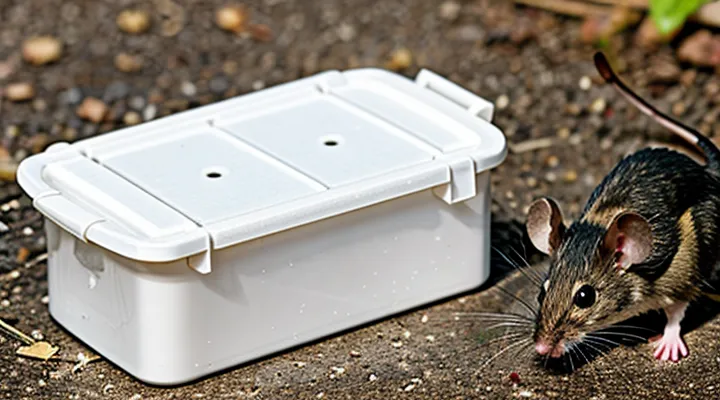
Understanding Mouse Glue Traps
How Glue Traps Work
Glue traps rely on a high‑traction adhesive applied to a flat surface. The glue consists of a polymer matrix that remains tacky at room temperature, creating a non‑penetrable layer that adheres to any object contacting it.
When a mouse steps onto the trap, its paws and tail make contact with the adhesive. The polymer bonds instantly to the fur and skin, generating a shear force that exceeds the animal’s grip strength. The resulting adhesion immobilizes the rodent, preventing forward or backward movement. Because the glue does not dry quickly, the mouse remains trapped until the trap is removed.
Key design elements include:
- A transparent, odorless polymer that does not repel rodents.
- A thin, uniform coating that maximizes contact area.
- A backing material that resists tearing under the animal’s weight.
Environmental factors affect performance. Elevated temperatures increase tackiness, while low temperatures can harden the adhesive and reduce effectiveness. High humidity may cause the glue to become overly viscous, diminishing its ability to hold the mouse securely. Manufacturers typically specify an optimal temperature range of 15 °C–30 °C and a humidity range of 30 %–70 % for reliable operation.
Ethical Considerations of Glue Traps
Glue traps raise serious ethical questions because they immobilize rodents without delivering an immediate, humane death. The adhesive surface causes prolonged distress, respiratory difficulties, and potential self‑inflicted injuries as the animal struggles to escape. This suffering conflicts with standards of humane pest control that prioritize rapid, painless outcomes.
Non‑target capture compounds the moral issue. Insects, small reptiles, and even pets can become ensnared, leading to unnecessary cruelty and ecological disruption. The indiscriminate nature of the adhesive makes it impossible to guarantee species‑specific targeting, increasing the risk of collateral harm.
Regulatory frameworks increasingly restrict or ban glue traps in many jurisdictions. Legislation often requires pest‑control methods that minimize pain and avoid unnecessary death. Compliance with such laws not only fulfills legal obligations but also aligns practice with evolving societal expectations for compassionate treatment of animals.
Considering these factors, professionals seeking effective bait for adhesive rodent devices should evaluate alternatives that meet ethical criteria. Options include:
- Snap traps with calibrated force for instantaneous kill.
- Electronic traps delivering swift, lethal shock.
- Live‑catch cages paired with immediate release or humane euthanasia.
Each alternative reduces the prolonged agony associated with adhesive capture, limits non‑target impacts, and conforms to contemporary animal‑welfare standards.
Selecting the Right Bait
Characteristics of Effective Mouse Bait
Strong Scent Attraction
Strong scent baits exploit rodents’ acute olfactory system, drawing mice directly onto adhesive surfaces. Effective options combine potency with safety, ensuring rapid attraction without contaminating the trap.
- Peanut butter infused with crushed garlic cloves: high-fat base masks the sharp garlic odor, creating a dual‑scent profile that mice find irresistible.
- Anise oil mixed with powdered cheese: anise’s volatile compounds trigger a natural foraging response, while cheese adds a familiar food cue.
- Catnip tincture applied to a small cotton swab: catnip’s menthol‑like aroma overwhelms mouse scent receptors, prompting immediate investigation.
- Coconut oil blended with dried rosemary: coconut’s sweet fragrance pairs with rosemary’s piney notes, producing a persistent, strong scent trail.
When applying these baits, place a minimal amount directly on the glue surface to avoid excess residue that could reduce adhesive effectiveness. Rotate scents weekly to prevent habituation, and store unused bait in airtight containers to preserve volatile compounds.
Sticky Consistency
Sticky consistency determines how effectively a glue trap captures and retains a mouse. The adhesive must be tacky enough to immobilize the animal on first contact, yet not so fluid that it spreads beyond the trap surface and loses its grip. An optimal formulation balances viscosity and shear strength, providing a firm bond under the animal’s weight while resisting cracking or drying.
Key characteristics of suitable glue include:
- Viscosity range: 150–250 centipoise at room temperature ensures rapid adhesion without excessive run‑off.
- Shear resistance: Minimum 0.5 MPa, allowing the trap to hold a mouse weighing up to 30 g without failure.
- Temperature stability: Consistent performance between 5 °C and 30 °C prevents softening in warm environments or hardening in cold spaces.
Adhesive types commonly used are:
- Synthetic polymer gels – high tack, low odor, maintain elasticity across temperature fluctuations.
- Resin‑based pastes – stronger initial grip, suitable for areas with high humidity.
- Hybrid formulations – combine polymer and resin properties, offering balanced viscosity and durability.
When selecting bait, match its texture to the glue’s stickiness. Moist, oily, or fatty foods enhance adhesion because they increase surface wetness, allowing the glue to form a stronger molecular bond. Dry, crumbly items may detach under the mouse’s movement, reducing trap efficiency.
In practice, apply the adhesive in a uniform layer no thicker than 0.3 mm. Verify that the surface remains glossy and unbroken after exposure to ambient conditions for at least 24 hours. This preparation maximizes capture rates while minimizing the risk of trap failure.
Non-Toxic for Household Use
When selecting attractants for adhesive mouse traps in a residence, safety must outweigh convenience. Non‑toxic baits prevent accidental poisoning of children, pets, or other non‑target organisms while still enticing rodents.
Effective household‑safe options include:
- Peanut butter mixed with a small amount of honey; both are strong olfactory stimulants and pose no health hazard when handled.
- Sunflower seeds or crushed sunflower kernels; their natural oil content attracts mice and remains harmless if ingested in minimal quantities.
- Oats soaked in a few drops of vanilla extract; the sweet scent draws rodents without introducing toxic chemicals.
- Dried apple pieces lightly brushed with cinnamon; the fruit aroma and spice combination lure mice and are safe for human contact.
- Small portions of cheese with a low‑fat content; the protein source is appealing and does not contain hazardous additives.
Apply the chosen bait sparingly to the trap surface to avoid smearing, which can reduce adhesive performance. Rotate baits weekly to prevent habituation, ensuring consistent capture rates while maintaining a non‑hazardous environment.
Top Bait Options for Glue Traps
Peanut Butter: The Classic Choice
Peanut butter remains the most widely recommended attractant for adhesive mouse traps because its strong odor, high fat content, and sweet taste reliably draw rodents. The scent penetrates the environment rapidly, ensuring that mice encounter the bait even at low concentrations. Its viscous texture adheres firmly to the glue surface, preventing the bait from being removed before a capture occurs. Additionally, peanut butter is inexpensive, readily available, and retains its potency for months when stored in a sealed container.
Key characteristics that make peanut butter suitable for glue traps include:
- Powerful aromatic profile that activates mouse olfactory receptors.
- Fat-rich composition that satisfies the species’ nutritional preferences.
- Semi-solid consistency that bonds securely to the trap without spreading.
- Low perishability, allowing long-term storage without loss of effectiveness.
- Cost efficiency compared to specialized commercial lures.
Application guidelines improve performance:
- Apply a pea‑sized amount directly onto the center of the trap, avoiding excess that could saturate the adhesive.
- Use a clean utensil to prevent cross‑contamination with other foods that might deter mice.
- Position the trap in areas of known activity, such as along walls or near entry points, where the scent can disperse unobstructed.
- Replace the bait after several days if it appears dried or less aromatic, maintaining optimal attractant strength.
When used correctly, peanut butter provides a reliable, economical solution for increasing capture rates in glue‑based mouse control programs.
Chocolate Spread: A Sweet Seduction
Chocolate spread offers a potent attractant for adhesive mouse traps. Its high sugar content, smooth texture, and rich cocoa aroma stimulate the olfactory and gustatory senses of rodents, encouraging contact with the sticky surface.
Key characteristics that enhance its effectiveness:
- Viscosity – thick enough to remain on the trap without dripping, yet pliable for easy placement.
- Aroma profile – cocoa and vanilla notes penetrate the environment, creating a detectable scent gradient.
- Energy value – carbohydrates provide a quick source of calories, appealing to foraging mice.
Application guidelines:
- Apply a pea‑sized dollop directly onto the central adhesive area.
- Spread the portion thinly to increase surface exposure while preserving stickiness.
- Secure the trap in a low‑traffic area where mice travel, avoiding direct sunlight that could melt the spread.
Advantages:
- Readily available in most households.
- Low cost per unit compared to specialized baits.
- Minimal preparation; no mixing required.
Limitations:
- High sugar may attract non‑target insects.
- Melt risk in warm conditions; store traps in a cool location before use.
- Potential for rapid desiccation, reducing scent potency after several hours.
When selecting a bait, compare chocolate spread with alternatives such as peanut butter, dried fruit, or protein‑rich fish paste. Each option presents a distinct scent and texture profile; the optimal choice depends on local rodent preferences and environmental constraints. Chocolate spread remains a strong candidate when a sweet, aromatic lure aligns with the target species’ feeding behavior.
Nuts and Seeds: Irresistible Crunch
Nuts and seeds provide a potent, aromatic lure for rodent glue traps. Their natural oils and protein content stimulate the olfactory receptors that mice use to locate food, ensuring rapid engagement with the adhesive surface.
- Peanut butter‑coated peanuts
- Sunflower seeds, raw or roasted
- Almond fragments, unsalted
- Pumpkin seeds, shelled
Each item offers a distinct scent profile and texture that encourages gnawing. When preparing bait, crush larger pieces to expose interior oils, then apply a thin coating of vegetable oil or a smear of peanut butter to increase adhesion. Position the bait at the trap’s center, ensuring the mouse contacts the glue upon reaching for the morsel.
Advantages include high palatability, low toxicity, and minimal risk of secondary poisoning. Limitations involve potential spoilage in warm environments; replace bait every 48 hours to maintain efficacy. Use airtight containers for storage and handle with clean gloves to avoid contaminating the trap surface.
Soft Cheese: A Savory Treat
Soft cheese provides a strong olfactory cue that attracts rodents to adhesive capture devices. The high moisture content releases volatile compounds quickly, ensuring the scent reaches the trap surface within minutes. Its pliable texture allows a small piece to adhere firmly without crumbling, preventing loss of bait and maintaining trap effectiveness.
When using soft cheese as bait, follow these steps:
- Cut a ½‑inch cube from the center of a fresh block.
- Pat the piece dry with a paper towel to reduce excess moisture.
- Press the cube onto the central area of the glue pad, ensuring full contact.
- Position the trap along known mouse pathways, near walls or behind appliances.
Soft cheese outperforms many dry options because it emits a continuous scent trail and remains palatable for longer periods. Compared with hard cheeses, the softer variety does not require additional moisture to become attractive, reducing the risk of glue contamination. The low fat content of most soft cheeses also minimizes residue buildup on the trap surface, preserving adhesive strength.
In addition to texture and aroma, the protein profile of soft cheese appeals to the rodent’s dietary preferences, increasing the likelihood of engagement. For environments where dairy allergens are a concern, substitute with a comparable moist protein source, such as tuna pâté or peanut butter, while preserving the same preparation guidelines.
Dried Fruit: Sugary Appeal
Dried fruit provides a high‑sugar scent that attracts mice to glue traps. The concentrated sweetness releases volatile compounds that stimulate a rodent’s foraging instincts, making it an effective lure when placed directly on the adhesive surface.
- Choose varieties with strong aroma, such as raisins, apricots, or figs.
- Cut pieces into ¼‑inch cubes to expose more surface area.
- Apply a small amount to the trap; excess can melt the glue or create a mess.
- Store unused dried fruit in airtight containers to preserve potency and prevent moisture loss.
Avoid using fruit that has been treated with preservatives or artificial flavors, as these can mask natural sugars and reduce attraction. Regularly replace bait to maintain freshness and ensure consistent trap performance.
Pet Food: Readily Available
Pet food offers a practical, inexpensive bait for glue traps because it is commonly stocked in households and stores. The strong aroma and fatty content of many pet foods attract rodents, increasing trap efficiency without requiring specialty products.
Typical readily available options include:
- Canned tuna or sardines, finely shredded.
- Wet dog or cat food with a strong fish or meat scent.
- Dry kibble flavored with poultry or beef, crushed into small pieces.
- Freeze‑dried liver or chicken treats, broken into bite‑size fragments.
When using pet food, apply a thin layer to the trap surface to prevent excess residue that could reduce adhesive performance. Replace the bait regularly, as moisture can diminish stickiness over time. This approach leverages items already on hand, minimizing additional expense while maintaining effective mouse control.
Baits to Avoid
Strong Chemical Scents
Strong chemical scents provide reliable attraction for glue traps. Their volatility ensures rapid diffusion, drawing mice from a distance. The potency of each compound determines the speed of contact and the likelihood of capture.
- Peppermint oil (menthol): high volatility, strong mint odor, effective at low concentrations. Apply a few drops on a cotton swab placed near the trap.
- Ammonia solution (5‑10%): sharp, pungent smell that mice avoid in natural settings but investigate when presented on a trap surface. Soak a small piece of fabric, wring out excess, and attach to the trap.
- Vinegar (white, 5% acetic acid): strong acidic scent, inexpensive, quick evaporation. Dilute 1:1 with water, apply to the trap edges.
- Citrus extracts (orange, lemon): citral and limonene create a fresh, intense aroma. Use concentrated essential oil, 3‑4 drops per trap.
- Castor oil (Ricinus communis): oily base with a distinct odor, adheres well to glue surfaces, prolonging scent release. Mix 1 ml oil with 10 ml water, spray lightly.
Safety considerations include wearing gloves when handling concentrated oils or ammonia, ensuring adequate ventilation, and preventing exposure to children or pets. Replace scented bait every 2‑3 days to maintain effectiveness, as volatile compounds diminish with time.
Loose, Powdery Substances
Loose, powdery substances are particularly effective for glue‑based mouse traps because their fine particles spread evenly across the adhesive surface, ensuring maximum contact with a rodent’s paws and whiskers. The low moisture content prevents the glue from softening, preserving the trap’s holding power for longer periods.
Key characteristics of suitable powders include:
- High scent intensity – strong odor attracts mice from a distance.
- Fine granulation – particles adhere readily to the glue without clumping.
- Low hygroscopicity – resistance to absorbing ambient moisture maintains trap integrity.
- Safety for indoor use – non‑toxic ingredients reduce health risks for occupants and pets.
Recommended loose powders:
- Cheese powder – concentrated dairy aroma, fine texture, widely recognized as a rodent lure.
- Peanut butter powder – strong nutty scent, minimal residue, high palatability.
- Flour mixed with vanilla extract – neutral base enhanced by a potent flavor additive.
- Cat food powder – formulated with fish or meat extracts, strong olfactory draw for mice.
- Soy protein crumble (powdered) – protein‑rich, odoriferous, suitable for environments where dairy or nut allergens are a concern.
Application guidelines:
- Lightly dust the powder over the entire adhesive area, avoiding excessive buildup that could create a barrier.
- Store unused powder in airtight containers to preserve scent potency and prevent moisture uptake.
- Replace the bait after 48 hours or when scent diminishes, as rodents quickly lose interest in stale attractants.
Potential drawbacks:
- Some powders may attract non‑target insects; consider sealing the trap in a confined area.
- Highly aromatic substances can linger in the environment; ventilate the space after placement.
By selecting powders that combine strong scent, fine consistency, and moisture resistance, users achieve reliable capture rates while maintaining trap performance over extended periods.
Toxic or Harmful Ingredients
When choosing attractants for adhesive mouse traps, the presence of toxic or harmful substances demands careful scrutiny. Certain chemicals can pose health risks to humans, pets, and non‑target wildlife, and may also compromise the ethical handling of captured rodents.
- Rodenticides (e.g., bromadiolone, difenacoum): Anticoagulant compounds that cause internal bleeding; ingestion can be fatal to children and animals.
- Heavy metals (e.g., lead, mercury): Persist in the environment, accumulate in tissues, and cause neurological damage.
- Pesticide residues (e.g., organophosphates, pyrethroids): Interfere with nerve function; exposure leads to acute toxicity symptoms.
- Industrial solvents (e.g., benzene, toluene): Volatile organic compounds that irritate respiratory pathways and may cause long‑term organ damage.
- Synthetic sweeteners with high toxicity (e.g., saccharin in concentrated form): Can provoke gastrointestinal distress and metabolic disruption at elevated doses.
Avoiding these agents reduces the likelihood of accidental poisoning and aligns bait selection with humane pest‑control practices. Safer alternatives include plain food items such as peanut butter, dried fruit, or small pieces of cheese, which attract mice without introducing hazardous chemicals. Selecting non‑toxic attractants ensures effective trap performance while protecting human and animal health.
Maximizing Trap Effectiveness
Proper Bait Application
Small Amounts are Key
When baiting adhesive traps for rodents, the amount of attractant must be limited. Excessive bait creates a thick layer that can mask the glue surface, allowing mice to avoid contact or become distracted and escape before the adhesive secures them.
A minimal portion of bait concentrates scent and taste cues, drawing the mouse directly onto the sticky area. The small quantity also prevents the trap from becoming a food source that the mouse can gnaw off without triggering the adhesive.
- Peanut butter – a pea‑sized dab placed at the center of the trap.
- Sunflower seed paste – a single grain‑sized spot.
- Cheese crumb – one to two small fragments, no larger than a fingernail.
- Commercial rodent attractant gel – a drop no larger than a grain of rice.
Applying any of these baits in the specified amount maximizes the likelihood of immediate contact, reduces the chance of bait removal, and maintains the trap’s effectiveness throughout its deployment period.
Central Placement on the Trap
Place bait directly in the center of a mouse glue board to maximize contact. The adhesive surface is most uniform at the midpoint, reducing the chance that a mouse will avoid the sticky area by stepping on the edge. Central positioning also aligns with the natural forward movement of rodents, which tend to advance straight ahead when exploring a new surface.
When applying bait, use a small amount—no larger than a pea—to keep the mouse’s focus on the trap rather than on excess food. Spread the material thinly so that it does not extend beyond the central zone. Press the bait gently into the glue to ensure it adheres without creating a raised pile that could be stepped over.
Bait options that work effectively with central placement include:
- Peanut butter: strong odor, adheres well to glue.
- Sunflower seeds: compact, attractive to both house and field mice.
- Cheese crumbs: high protein, readily accepted.
- Commercial rodent attractants: formulated for consistent scent release.
Avoid liquids or overly moist substances, as they can saturate the adhesive and diminish its holding power. After positioning the bait, allow the trap to sit undisturbed for a few minutes to let the scent diffuse across the board. This preparation improves capture rates without requiring additional handling.
Strategic Trap Placement
Along Walls and Corners
When glue traps are positioned near walls and in corners, mice are forced to travel over the adhesive while seeking shelter or food. Bait selection for these locations must account for limited exposure time and the mouse’s natural tendency to follow baseboard pathways.
- Peanut butter: strong odor, adheres well to trap surface, remains attractive after several hours.
- Sunflower seed butter: similar scent profile, lower fat content reduces risk of trap saturation.
- Small pieces of dried fruit (e.g., raisins): sweet aroma draws mice from a distance, easy to attach with a dab of adhesive.
- Commercial rodent attractant gel: concentrated scent, designed for quick detection, can be applied in a thin line along the trap edge.
Placement tips:
- Align the trap’s adhesive side parallel to the wall, with the bait positioned at the outer edge to encourage the mouse to step onto the glue as it moves along the perimeter.
- In tight corners, orient the trap so the bait faces the entry point of the mouse’s usual route; this maximizes contact likelihood.
- Refresh bait every 24–48 hours in high‑traffic areas to maintain potency and prevent desiccation.
Selecting a bait that retains its scent and texture in the confined environment of walls and corners enhances trap effectiveness while minimizing the chance of escape.
Near Signs of Mouse Activity
Identifying mouse activity is essential for placing effective glue traps. Common indicators include fresh droppings, gnawed material, oily streaks along walls, and disturbed food packaging. Each sign points to specific pathways and feeding preferences, allowing targeted bait placement.
- Fresh droppings: Indicates recent travel routes; position traps near these deposits and use strong-smelling attractants such as peanut butter or bacon grease.
- Gnawed insulation or wiring: Suggests a need for protein and fat; apply a small amount of dried fish or canned tuna on the trap surface.
- Oily streaks or grease marks: Reveal frequent contact with kitchen surfaces; use a dab of cheese or a mixture of cornmeal and honey to exploit the preference for sweet‑savory aromas.
- Disturbed food packages: Shows interest in carbohydrate sources; place a pinch of powdered sugar or a piece of dried fruit near the trap.
Select bait that matches the observed activity, apply sparingly to prevent the glue from saturating, and replace traps regularly to maintain potency. This approach maximizes capture rates while minimizing waste of resources.
Regular Trap Monitoring
Checking Traps Daily
Daily inspection is a non‑negotiable step when using adhesive mouse traps. The glue surface loses effectiveness after contact with moisture or debris, and unattended captures can lead to odor, disease risk, and trap failure. Prompt removal also prevents secondary infestations caused by dead rodents attracting other pests.
When you check a trap, follow a consistent routine:
- Visually confirm whether the adhesive is still clear and tacky. Replace any trap that appears dry, dirty, or partially saturated.
- Identify captured rodents. Use disposable gloves, then place each specimen in a sealed bag for humane disposal.
- Clean the surrounding area to eliminate urine, feces, or food residue that could reduce bait attraction.
- Reset the trap with fresh bait if required, ensuring the bait is positioned to encourage contact with the glue surface.
- Record the date, location, and outcome of each inspection to track trap performance and adjust placement strategy.
Performing this inspection at the same time each day—preferably early morning—maximizes the chance of catching active foragers before they disperse. Consistency reduces the window during which a trap remains ineffective, thereby maintaining optimal capture rates and limiting health hazards.
Safe Disposal of Traps and Mice
Proper disposal of glue traps and captured rodents prevents secondary infestations, protects household members, and complies with local regulations. After confirming the trap has secured a mouse, wear disposable gloves to avoid direct contact with adhesive and potential pathogens.
- Place the entire trap in a sealable plastic bag; squeeze the bag to expel excess air, then seal tightly.
- Add a second bag for double containment if the trap is large or heavily soiled.
- Dispose of the sealed bags in an outdoor trash container that is regularly emptied; avoid placing them inside indoor waste bins.
- Clean any surfaces that may have contacted the adhesive with a dedicated cleaning solution, then rinse with water and dry thoroughly.
- Wash hands with soap and water after removing gloves; sanitize work surfaces with a disinfectant.
If municipal guidelines require special handling, follow the prescribed procedures for hazardous waste. Store unused traps in their original packaging, away from food preparation areas, until they can be discarded safely. Regularly review local pest‑control ordinances to ensure compliance.
Alternative Mouse Control Methods
Snap Traps
Snap traps remain a reliable mechanical solution for mouse control, especially when combined with attractants that mimic natural food sources. Selecting an appropriate lure enhances capture rates and reduces the time required for effective pest management.
- Peanut butter – strong aroma, adheres to trigger plate, maintains potency for several days.
- Sunflower seeds – high fat content, appealing to rodents, easy to secure with a small clip.
- Cheese (hard varieties) – dense texture, resistant to crumbling, emits familiar scent.
- Chocolate chips – sweet flavor, attractive to both mice and juveniles, requires minimal quantity.
- Dried fruit pieces – concentrated sugars, lightweight, suitable for placement in tight corners.
When applying bait, ensure it is fresh and free from mold. Attach the lure securely to prevent premature removal by the animal. Position traps along walls, behind appliances, and near known activity zones, aligning the trigger mechanism with the mouse’s typical travel path.
Integrating snap traps with adhesive mouse devices creates a layered approach: snap traps address active foragers, while glue stations capture shy or exploratory individuals. Consistent monitoring and prompt disposal of captured rodents maintain hygiene and preserve the efficacy of both trap types.
Live Traps
Live traps provide a humane alternative to adhesive devices and require bait that stimulates a mouse’s natural foraging instincts. Effective attractants must be strong‑smelling, high‑energy, and readily accessible within the trap chamber.
Recommended baits for live capture include:
- Peanut butter – dense scent, easy to apply in small amounts.
- Sunflower seeds – bright aroma, preferred by many rodent species.
- Dried fruit pieces (e.g., raisins or apricots) – sweet odor, attractive to omnivorous mice.
- Small bits of cooked meat or fish – potent protein scent, useful in environments where grains are less effective.
Application technique influences success. Place a pea‑sized amount of bait on the trigger plate or at the rear of the cage, ensuring the mouse must fully enter the chamber to reach it. Avoid excess that may allow the animal to retrieve the lure without triggering the door.
When selecting a live trap, prioritize models with a quick‑closure mechanism and a smooth interior surface to prevent injury. Combine the trap with the baits listed above to achieve consistent capture rates while maintaining humane handling standards.
Electronic Traps
Electronic traps provide a practical alternative to traditional bait when dealing with mouse glue boards. The device delivers a high‑voltage shock that instantly immobilizes rodents, eliminating the need for consumable attractants. Because the trap does not rely on food or scent, it remains effective in environments where odors attract non‑target species or where hygiene concerns limit the use of organic baits.
Key characteristics of electronic traps include:
- Immediate kill mechanism reduces the time a mouse remains alive, minimizing stress and disease risk.
- Reusable design lowers long‑term costs compared to disposable glue boards.
- Built‑in safety features such as insulated housing and automatic shut‑off protect humans and pets.
- Ability to operate continuously with battery or mains power ensures coverage even during power outages.
When integrating electronic traps with glue boards, consider the following guidelines:
- Place electronic units in high‑traffic pathways to intercept rodents before they encounter glue surfaces.
- Use glue boards as secondary containment for any mice that evade the shock, positioning them downstream of the electronic device.
- Monitor trap performance daily; replace batteries or recharge as needed to maintain consistent voltage output.
- Keep the area free of competing food sources to prevent rodents from bypassing the electronic trap in favor of readily available sustenance.
By combining the rapid lethality of electronic traps with the passive capture of glue boards, pest managers achieve a comprehensive control strategy that reduces reliance on traditional bait while maintaining high efficacy.
Professional Pest Control Services
Professional pest‑control operators choose bait for adhesive mouse traps based on efficacy, safety, and regulatory compliance. They prioritize attractants that provoke immediate feeding behavior, ensuring rapid capture and minimizing the time rodents spend on the glue surface.
Effective attractants include:
- Peanut butter, high in fat and scent, proven to trigger strong foraging response.
- Commercial rodent gel baits formulated with concentrated protein and grain flavors.
- Fresh fruit puree, such as apple or banana, providing natural sweetness without contaminating the trap.
- Synthetic pheromone lures that mimic mouse urine or glandular secretions, useful in low‑visibility environments.
Operators assess placement variables—temperature, humidity, and traffic patterns—to match bait type with site conditions. They also follow local health regulations, selecting non‑toxic baits for residential settings and ensuring proper disposal of captured rodents.
When a client requests glue‑trap solutions, the service provider evaluates the infestation level, identifies target species, and recommends the bait that maximizes capture rate while adhering to safety standards. This systematic approach reduces repeat infestations and limits exposure to non‑target organisms.