
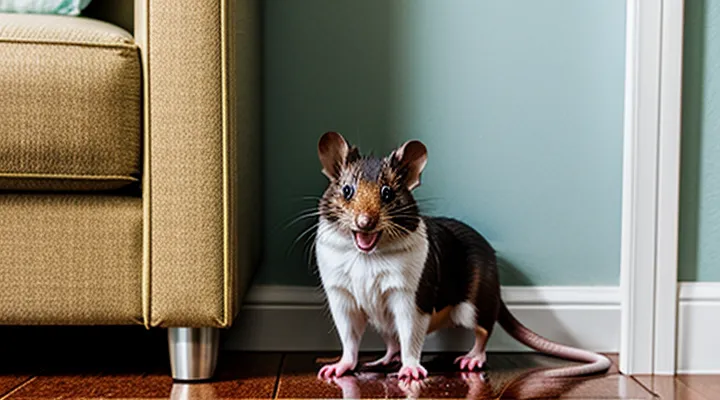
Understanding the Mouse Problem
Signs of a Mouse Infestation
Droppings and Urine Trails
Droppings and urine trails serve as primary evidence of rodent activity, revealing movement patterns and nesting sites. Their presence indicates that mice have established scent pathways, which can attract additional individuals and reinforce infestation.
Eliminating these biological markers disrupts communication among rodents. Thorough cleaning removes olfactory cues that guide mice to food sources and shelter. Use disposable gloves, a HEPA‑filtered vacuum, and a detergent solution containing enzymatic cleaners to break down proteins in urine. Follow with a disinfectant that neutralizes residual odors without leaving strong fragrances that might mask the scent for the pests.
Effective measures include:
- Collect all visible droppings with a sealed bag; dispose of in an outdoor trash container.
- Saturate contaminated surfaces with enzymatic cleaner; allow a minimum of ten minutes for chemical action.
- Rinse with warm water; dry completely to prevent moisture accumulation.
- Apply a non‑toxic odor‑neutralizing spray to hard‑to‑reach areas such as behind appliances and inside wall voids.
- Seal entry points discovered during inspection; use steel wool or copper mesh to block re‑entry.
Regular monitoring of cleaned zones ensures that any new deposits are addressed promptly, maintaining an environment hostile to further rodent colonization.
Gnaw Marks and Damage
Mice leave distinctive gnaw marks that reveal both presence and potential structural compromise. Teeth continuously grow, prompting rodents to chew on accessible materials; the resulting incisions are typically clean, shallow, and rounded at the ends. Identifying these signs early prevents escalation of damage.
Common targets include:
- Electrical wiring: exposed insulation creates fire hazards and disrupts appliance function.
- Wooden framing and furniture: chew holes weaken load‑bearing components and degrade aesthetic value.
- Food packaging: perforated containers invite contamination and spread disease.
- Plastic pipes: compromised seals lead to leaks and water damage.
Each affected area demands immediate remediation. Severed wires must be insulated or replaced, and any compromised structural element should be reinforced or swapped out. Sealing entry points with steel wool or cement blocks further gnawing activity, as rodents cannot penetrate these materials. Regular inspection of corners, cabinets, and behind appliances reduces the likelihood of unnoticed damage accumulating.
Preventive measures that focus on eliminating gnawing opportunities—such as storing food in airtight containers, maintaining a clutter‑free environment, and employing rodent‑resistant materials—directly diminish the incentives for chewing. By addressing gnaw marks promptly and reinforcing vulnerable surfaces, the overall effectiveness of rodent deterrence strategies in an apartment is substantially enhanced.
Strange Noises
Strange noises in a residence often signal mouse activity. Audible signs such as high‑pitched squeaks, intermittent scratching, and faint gnawing indicate the presence of rodents moving through concealed pathways. Recognizing these sounds enables timely intervention before damage escalates.
Distinct noises correspond to specific behaviors. Continuous scratching on walls or ceilings suggests nesting material being gathered. Intermittent scurrying behind appliances points to foraging routes. Repeated gnawing on wiring or insulation reveals attempts to enlarge entry points.
Effective responses include:
- Seal gaps larger than a quarter‑inch with steel wool or caulk to eliminate access routes.
- Install snap traps or electronic traps along identified pathways; position devices near walls where noises originate.
- Deploy ultrasonic emitters that emit frequencies above human hearing; place units in rooms where scurrying is heard.
- Remove food sources by storing perishables in airtight containers and cleaning crumbs promptly.
- Conduct regular inspections of insulation, cabinets, and plumbing voids to locate and eradicate hidden nests.
Prompt attention to abnormal sounds reduces infestation risk and protects structural integrity.
Risks Associated with Mice
Health Hazards
Mice infestation in a residential unit creates direct health threats. Rodents carry pathogens, contaminate food supplies, and trigger allergic reactions, all of which compromise occupant well‑being.
- Transmission of diseases such as hantavirus, leptospirosis, and salmonellosis through urine, droppings, and saliva.
- Food contamination leading to gastro‑intestinal illnesses when mouse waste contacts stored provisions.
- Allergic sensitisation caused by rodent dander and urine proteins, resulting in asthma attacks and chronic respiratory irritation.
- Secondary infections from bites or scratches, providing entry points for bacteria.
- Structural degradation from gnawing activity, exposing residents to dust and mold growth.
These hazards demand immediate mitigation. Reducing rodent presence eliminates the source of pathogen exposure, lowers the incidence of allergic episodes, and prevents foodborne outbreaks. Effective deterrence measures—such as sealing entry points, maintaining rigorous sanitation, and employing proven trapping techniques—directly address the identified risks, safeguarding health and reducing potential medical expenses.
Property Damage
Mice in an apartment generate significant property damage through gnawing, contamination, and structural compromise.
- Gnawed electrical wiring creates fire hazards and costly repairs.
- Damaged insulation reduces energy efficiency and invites further pest intrusion.
- Chewed furniture, curtains, and flooring require replacement.
- Contaminated food stores and surfaces pose health risks and necessitate deep cleaning.
Preventing such damage relies on comprehensive rodent deterrence measures.
- Seal all potential entry points, including gaps around pipes, vents, and baseboards.
- Install snap traps or humane catch‑and‑release devices in concealed locations.
- Deploy ultrasonic emitters that emit frequencies uncomfortable for rodents.
- Apply natural repellents, such as peppermint oil, on surfaces near suspected routes.
- Engage licensed pest‑control professionals for inspection and targeted treatment.
Immediate implementation of these strategies limits repair costs, preserves structural integrity, and maintains a safe living environment.
Preventing Mouse Entry
Sealing Entry Points
Inspecting Walls and Foundations
Inspecting walls and foundations is essential for identifying potential entry points that allow rodents to access an apartment. Examine all interior walls for gaps around baseboards, electrical outlets, and plumbing fixtures. Look for signs of gnawing, droppings, or nesting material near seams and joints. Use a flashlight to reveal hidden cracks behind furniture and appliances.
Check exterior walls that border the building’s structural envelope. Locate any cracks, gaps, or damaged caulking around windows, doors, and ventilation ducts. Seal openings larger than a quarter‑inch with steel wool, copper mesh, or silicone‑based sealant. Repair deteriorated plaster or drywall to eliminate concealed pathways.
Inspect the foundation and floor joists for voids or gaps where pipes and cables penetrate. Ensure that utility conduits are fitted with tight‑fitting sleeves. Apply expanding foam or mortar to fill irregular openings that cannot be covered with mesh.
When inspecting, follow a systematic sequence:
- Survey interior wall surfaces from floor to ceiling.
- Document any damage with photographs for later repair.
- Test suspected gaps by inserting a thin piece of paper; resistance indicates a sealable opening.
- Apply appropriate sealing material immediately after identification.
Regular inspection, at least quarterly, maintains the integrity of barriers and reduces the likelihood of rodent intrusion. «Mice can enter through openings as small as a quarter‑inch», making thorough examination of walls and foundations a critical preventive measure.
Repairing Gaps Around Pipes and Wires
Sealing openings around plumbing and electrical conduits eliminates primary entry points that rodents exploit in residential units. Gaps as small as a quarter‑inch allow mice to infiltrate walls, crawl spaces, and ceilings, leading to contamination and structural damage.
- Inspect all visible pipe sleeves, cable trays, and utility holes. Use a flashlight to reveal concealed cracks behind appliances and beneath cabinets.
- Apply a durable, rodent‑resistant sealant such as silicone‑based caulk or expanding foam to fill cracks wider than two millimetres.
- For larger voids, insert steel wool or copper mesh before sealing; rodents cannot gnaw through metal reinforcement.
- Wrap exposed wiring with conduit sleeves made of PVC or metal, then secure with appropriate clamps to prevent gaps at junctions.
- Cover utility penetrations with metal flashing or hardware cloth, fastening it tightly to the surrounding structure.
After repairs, conduct periodic checks, especially after moving furniture or renovating, to verify that seals remain intact. Replace deteriorated material promptly to maintain a continuous barrier against rodent intrusion.
Sealing Cracks in Doors and Windows
Sealing gaps around doors and windows eliminates entry points that rodents exploit. Properly closed openings prevent mice from infiltrating living spaces, reduce the likelihood of nesting, and limit food contamination.
- Inspect all perimeter frames for visible cracks, gaps around hinges, and spaces between the sash and the wall.
- Apply a flexible, non‑toxic sealant such as silicone or acrylic caulk to narrow fissures; press the material firmly to ensure full contact.
- Use weatherstripping on the lower edge of doors; select a durable strip that compresses when the door closes, creating a tight seal.
- Install metal or mesh flashing over larger openings, especially around window frames, to reinforce the barrier against chewing.
- Replace damaged or warped door sweeps; choose a sweep with a continuous brush or rubber edge that adheres snugly to the floor.
- Conduct a periodic review, reapplying sealant where wear or environmental factors have caused deterioration.
Consistent maintenance of sealed perimeters sustains an environment that deters rodent intrusion without relying on chemical repellents.
Maintaining a Clean Environment
Proper Food Storage
Proper food storage directly reduces the attraction of rodents to an apartment. Food that is exposed to air, moisture, or odors creates a reliable foraging signal for mice, encouraging entry and habitation.
- Keep all dry goods in containers with sealed, latch‑type lids; glass or heavy‑wall plastic provides the most reliable barrier.
- Refrigerate or freeze perishable items within two hours of purchase; temperature control eliminates scent and prevents spoilage.
- Store pet food in the same manner as human food; avoid leaving bowls on the floor overnight.
- Use metal cans for bulk items such as grains, nuts, or dried fruit; metal does not absorb odors and resists chewing.
- Place spice jars, sugar, and baking supplies in airtight jars; small openings are sufficient to block rodent access.
Maintain a clean environment around storage areas. Wipe spills immediately, sweep crumbs from countertops, and dispose of waste in bins equipped with tight‑fitting lids. Regularly empty trash cans and keep them away from walls to prevent mice from using them as pathways. By eliminating accessible food sources, the apartment becomes an inhospitable habitat for rodents, supporting broader deterrent strategies.
Regular Cleaning and Decluttering
Regular cleaning eliminates food residues that attract rodents, while decluttering removes hiding places and nesting sites. Consistent removal of crumbs, spills, and uncovered waste reduces the scent cues mice use to locate a habitat.
Key actions include:
- Sweeping and mopping floors daily, especially in kitchens and dining areas.
- Disposing of garbage in sealed containers and emptying them regularly.
- Storing food in airtight packaging; avoiding open bowls or pantry bags.
- Washing dishes promptly after use; avoiding piles of dishes in the sink.
- Vacuuming upholstery and corners to extract hidden particles and droppings.
- Organizing storage areas; stacking boxes off the floor and keeping aisles clear.
- Removing clutter such as newspapers, cardboard boxes, and unused fabrics that provide shelter.
A tidy environment deprives mice of both nourishment and shelter, making an apartment inhospitable. Implementing these practices creates a barrier that discourages entry and encourages any existing rodents to seek alternative locations.
Managing Waste
Effective waste management directly reduces the likelihood of mouse activity in a residential unit. Food residues and improperly stored trash provide attractive foraging sites; eliminating these resources removes a primary incentive for rodents.
Store household waste in containers that seal tightly, preventing odor escape and access by pests. Empty sealed bins at least weekly, and dispose of organic matter in external, regularly serviced receptacles. Keep compostable items in a separate, well‑ventilated container with a secure lid, and transfer contents to municipal collection points promptly.
- Use metal or heavy‑wall plastic bins with snap‑tight lids.
- Position waste containers away from walls and appliances.
- Clean bin interiors with a mild disinfectant after each emptying.
- Inspect and repair any gaps in plumbing or drainage that could allow waste leakage.
- Schedule routine removal of garbage from the building’s common areas.
Monitor waste handling practices by conducting monthly visual checks for spills, torn liners, or lingering odors. Promptly address any breach to maintain a hostile environment for mice and sustain a hygienic living space.
Natural and Humane Repellents
Essential Oils and Scents
Peppermint Oil
Peppermint oil, a volatile essential oil extracted from Mentha piperita, exhibits a strong aromatic profile that rodents find intolerable. The oil’s high concentration of menthol and menthone interferes with the olfactory receptors of mice, prompting avoidance of treated zones.
Application techniques for residential environments include:
- Soaking cotton balls in undiluted oil and placing them in concealed locations such as behind appliances, under sinks, and within cabinet cracks. Replace every 48 hours to maintain potency.
- Diluting a few drops in water and spraying the solution along baseboards, entry points, and interior surfaces of walls. Ensure the area is well‑ventilated to prevent excess residue.
- Incorporating a few drops into a carrier oil (e.g., almond or mineral oil) and applying the mixture to wooden or plastic surfaces where mice are likely to travel. Reapply weekly.
Safety considerations dictate that the oil be kept out of reach of children and pets, as ingestion can cause gastrointestinal irritation. Prolonged exposure may affect individuals with respiratory sensitivities; use protective gloves and masks when handling concentrated oil. Although effective for short‑term deterrence, peppermint oil does not eradicate established infestations; combine with structural sealing and professional pest management for comprehensive control.
Clove Oil
Clove oil is a potent botanical repellent that exploits the acute sensitivity of rodents to strong aromatic compounds. The primary active constituent, eugenol, interferes with the olfactory receptors of mice, creating an environment they instinctively avoid.
Application requires a diluted solution to ensure efficacy while minimizing residue. Recommended preparation: mix ten drops of clove oil with one hundred milliliters of water. Apply the mixture to cotton balls or small cloth pieces and position them in areas where mouse activity is observed, such as behind appliances, in cabinet corners, and along baseboard seams. Reapply every 48 hours, or after cleaning, to maintain a persistent scent barrier.
- Use airtight containers for prepared solution to preserve potency.
- Replace cotton carriers when the scent diminishes, typically after two days.
- Avoid direct contact with food preparation surfaces.
Safety considerations include keeping treated carriers out of reach of children and pets, as concentrated oil may cause irritation. Ensure adequate ventilation in confined spaces; prolonged exposure to undiluted oil can affect respiratory comfort. If skin contact occurs, rinse with mild soap and water.
For optimal results, integrate clove oil treatment with structural controls: seal cracks, install door sweeps, and eliminate food sources. The combined approach maximizes deterrence and reduces the likelihood of reinfestation.
Cotton Balls Soaked in Scents
Cotton balls infused with strong aromatic oils create a hostile environment for rodents that seek shelter in residential units. The scent overwhelms the animals’ highly developed sense of smell, prompting them to avoid treated areas.
Effective oils include:
- «peppermint oil» – intense menthol aroma, widely documented as a rodent deterrent.
- «eucalyptus oil» – sharp, camphoraceous scent that repels mice.
- «clove oil» – warm, pungent fragrance with proven repellent properties.
- «citronella oil» – citrus‑based odor that discourages entry.
Preparation steps:
- Saturate a cotton ball with 5–10 drops of the chosen oil.
- Allow excess liquid to be absorbed by the cotton, preventing drippage.
- Place the soaked ball in a small, breathable container (e.g., a paper cup) to protect the material while maintaining scent diffusion.
Placement guidelines:
- Position balls near entry points such as door thresholds, window sills, and gaps around pipes.
- Distribute additional units in corners of cabinets, pantry shelves, and behind appliances where mice commonly travel.
- Maintain a distance of at least 2 inches from food preparation surfaces to avoid contamination.
Maintenance and safety considerations:
- Replace cotton balls every 3–5 days, or when the scent diminishes.
- Ensure oils do not come into direct contact with pets or children; store used balls out of reach.
- Combine scent treatment with structural sealing for optimal results, as aromatic deterrents alone do not eliminate an established infestation.
Other Natural Methods
Ultrasonic Repellents
Ultrasonic repellents emit high‑frequency sound waves, typically between 20 kHz and 65 kHz, that are inaudible to humans but disturb the auditory system of mice. The device converts electrical energy into acoustic pulses that create an uncomfortable environment, prompting rodents to vacate the area.
Effective deployment requires consideration of coverage and placement. A single unit usually protects a space of 500–800 ft²; larger apartments may need multiple devices positioned at least 6 ft apart. Devices should be placed at floor level, away from walls and large furniture that could block the sound waves. Continuous operation is recommended, with power supplied either by mains electricity or rechargeable batteries.
Key factors influencing performance:
- Obstructions: Solid barriers such as concrete, metal, or thick insulation diminish signal propagation.
- Pet sensitivity: Cats and dogs may perceive the frequencies; select models with adjustable frequency ranges or pet‑safe modes.
- Maintenance: Clean the exterior surface periodically to prevent dust accumulation, which can attenuate the ultrasonic output.
Limitations include reduced efficacy in multi‑room layouts where walls interrupt the acoustic field, and the possibility of habituation if mice become accustomed to the sound. Combining ultrasonic devices with complementary measures—such as sealing entry points, eliminating food sources, and using traps—enhances overall control of rodent activity.
Ammonia Solution
Ammonia solution serves as a chemical deterrent for rodents in residential units. Its pungent odor irritates the nasal passages of mice, prompting avoidance of treated areas.
Preparation guidelines:
- Dilute household ammonia (5‑10 % concentration) with water in a 1:1 ratio.
- Wear gloves and eye protection throughout mixing.
- Store the mixture in a sealed, clearly labeled container away from children and pets.
Application methods:
- Soak cotton balls or cloth strips in the solution and place them in concealed entry points, such as gaps behind appliances, under cabinets, and along baseboards.
- Refresh soaked materials every 48 hours to maintain odor potency.
- Avoid direct contact with food surfaces; keep treated items out of reach of household members.
Safety precautions:
- Ensure adequate ventilation; open windows or use exhaust fans during and after placement.
- Do not combine ammonia with bleach or other cleaners, as toxic gases may form.
- Dispose of used materials in sealed bags before discarding.
Effectiveness assessment:
- Consistent odor presence reduces mouse activity in treated zones.
- Ammonia alone does not eliminate infestations; integrate with sealing of entry points and regular sanitation for comprehensive control.
Apple Cider Vinegar Spray
Apple cider vinegar spray provides a potent, low‑cost deterrent for rodents within residential units. The strong acidity and pungent aroma disrupt the scent trails that mice rely on for navigation and foraging, causing them to avoid treated areas.
To prepare the spray, combine one part apple cider vinegar with three parts water in a clean spray bottle. Add a few drops of peppermint essential oil if a complementary scent is desired. Shake the mixture vigorously before each application to ensure uniform distribution.
Effective application follows a systematic pattern:
- Target entry points such as door frames, window sills, and gaps around pipes.
- Coat the interior of cabinets, pantry shelves, and the undersides of countertops.
- Reapply every 48 hours, or after cleaning, to maintain an active scent barrier.
Precautions include:
- Testing the solution on a hidden surface to verify no discoloration of finishes.
- Avoiding direct contact with electronic components to prevent corrosion.
- Storing the bottle out of reach of children and pets.
Consistent use of the spray, combined with sealing of structural openings, reduces the likelihood of mouse activity in the apartment.
Trapping and Eradication Methods
Types of Traps
Snap Traps
Snap traps are mechanical devices that deliver an instantaneous, lethal force to a mouse upon contact with the trigger. The design consists of a spring‑loaded bar that snaps shut, ensuring rapid death and minimizing suffering.
Key characteristics of snap traps:
- High efficacy: single‑strike capture rate exceeds 90 % when correctly positioned.
- Low cost: inexpensive materials allow widespread deployment without significant expense.
- No chemical residues: absence of poisons eliminates secondary contamination risks.
- Reusability: springs and bars can be reset repeatedly after each capture.
Effective placement follows a systematic pattern. Position traps along established runways, typically within 1–2 cm of walls where mice travel. Target concealed zones such as behind appliances, beneath cabinets, and near entry points. Ensure the trigger side faces the expected direction of movement; misorientation reduces capture probability.
Maintenance protocol includes regular inspection, prompt removal of captured rodents, and thorough sanitation of the trap surface. After disposal, clean the mechanism with a mild detergent, rinse, and dry before resetting. Replace worn springs or damaged bars to sustain performance.
Live Traps
Live traps provide a humane solution for managing mouse activity in an apartment. The device consists of a cage with a one‑way door that closes when a rodent enters to reach the bait, allowing capture without injury.
The mechanism relies on a trigger plate that releases the door when weight is applied. Bait options such as peanut butter, seeds, or small pieces of fruit increase attraction. Once captured, the mouse remains confined until release.
Guidelines for effective use:
- Choose a trap size appropriate for adult mice; a cage measuring at least 10 × 10 × 12 cm ensures comfort.
- Position traps along walls, behind appliances, and near known droppings, as mice travel close to baseboards.
- Secure the trap on a stable surface to prevent tipping.
- Inspect traps daily; release captured rodents at least one mile from the building to discourage return.
- Clean traps after each use with mild detergent to remove scent trails that may deter further captures.
Proper sanitation complements trapping. Seal entry points, store food in airtight containers, and maintain regular garbage disposal to reduce attractants. Integrating live traps with these preventative measures minimizes mouse presence while adhering to humane standards.
Glue Traps
Glue traps provide a passive, no‑electric solution for mouse control in apartments. The trap consists of a flat board coated with a strong adhesive that immobilizes rodents upon contact.
The adhesive surface captures mice instantly, preventing escape and allowing easy identification of captured pests. No bait is required, reducing the risk of attracting non‑target wildlife.
Effective placement follows these principles:
- Position traps along walls, behind appliances, and near known entry points, as mice travel close to surfaces.
- Place traps perpendicular to the wall, with the adhesive side facing the expected travel direction.
- Use multiple traps in high‑activity zones to increase capture probability.
Safety considerations are essential. Keep traps out of reach of children and pets; sealed containers can conceal traps in vulnerable areas. Regular inspection prevents prolonged suffering of captured rodents.
Advantages include low cost, silent operation, and immediate results. Limitations involve potential humane concerns, reduced effectiveness in cluttered spaces, and the need for frequent replacement as adhesive loses potency.
Disposal requires wearing gloves, sealing the trap in a plastic bag, and discarding it according to local waste regulations. Routine replacement every two weeks maintains optimal performance.
Effective Baiting Strategies
Peanut Butter and Seeds
Peanut butter and seeds serve as potent bait in rodent control devices. The combination of high fat content and strong aroma attracts mice, increasing trap success rates.
Effectiveness derives from the following factors:
- Aromatic intensity draws mice from concealed routes.
- Sticky texture of peanut butter prevents quick release after contact.
- Seeds add bulk, encouraging prolonged handling by the target.
Guidelines for deployment:
- Apply a pea‑size amount of peanut butter to the trigger mechanism.
- Embed a few seeds within the peanut butter to enhance tactile appeal.
- Position traps along wall edges, behind appliances, and near known droppings.
- Secure traps in inaccessible areas for children and pets.
- Replace bait daily to maintain freshness and scent potency.
Limitations include attraction of additional rodents and potential for accidental ingestion by non‑target species. Proper disposal of used bait and traps eliminates lingering scent that could encourage reinfestation.
Integrating baited traps with exclusion methods—such as sealing entry points and removing food sources—optimizes overall mouse deterrence in a residential setting.
Cheese and Crackers
Cheese and crackers present a high risk of attracting rodents when left exposed in a living space. Their strong aromas and easy accessibility make them preferred food sources for mice, undermining attempts to keep the apartment mouse‑free.
Secure storage eliminates the attraction. Place all dairy products, including cheese, in airtight containers made of glass or heavy‑wall plastic. Keep crackers in sealed bags or bins with tight‑fitting lids. Clean any crumbs or spills immediately, using a vacuum or damp cloth, to remove residual scent trails that guide mice toward food sources.
When used as part of a control strategy, cheese and crackers serve only as bait, not as deterrents. Position small quantities on snap traps or humane catch‑and‑release devices, ensuring the bait is concealed within the trap to prevent other occupants from accessing it. Replace bait regularly to maintain potency and reduce the chance of accidental consumption by pets or children.
Key practices for managing cheese and crackers in a rodent‑prevention program:
- Store in containers with a seal rating of at least 90 % air‑tightness.
- Label containers with the date of opening; discard after the recommended shelf life.
- Perform weekly inspections of pantry shelves for broken packaging or crumbs.
- Use a separate, low‑traffic area for bait placement, away from food preparation zones.
By minimizing the availability of cheese and crackers as food sources, the overall effectiveness of mouse‑repelling measures improves, reducing the likelihood of infestation. «Prevention begins with eliminating attractants.»
Chocolate
Chocolate poses a significant attraction for rodents, making it a factor to manage when seeking to keep mice out of a dwelling. The sweet aroma and high sugar content stimulate foraging behavior, encouraging entry into kitchens and pantry spaces.
Effective control measures concerning chocolate include:
- Store chocolate in airtight containers made of metal or thick plastic; any breach invites scent diffusion.
- Place sealed packaging on high shelves, away from floor level where mice travel.
- Clean surfaces after handling chocolate to remove residue that could serve as a trail.
- Use bitter‑flavored cocoa products with high cacao percentages; the increased bitterness reduces palatability for mice, though it does not function as a true repellent.
Avoid leaving open chocolate wrappers or crumbs on countertops; even minimal exposure can create a persistent lure. Maintaining strict sanitation around chocolate consumption diminishes the likelihood of mouse activity in adjacent areas.
Safe Trap Placement
Safe trap placement is a fundamental element of effective rodent control in a residential setting. Proper positioning reduces risk of accidental contact with occupants, minimizes contamination, and enhances the likelihood of capturing the target animal.
- Position traps along established mouse pathways; typical routes follow walls, behind appliances, and beneath cabinets.
- Place traps perpendicular to the wall, with the trigger side facing the wall, to align with the animal’s natural movement.
- Maintain a distance of 1–2 inches from the wall to allow easy entry while preventing escape.
- Install traps at a height of 2–3 inches above the floor, matching the average mouse travel level.
- Avoid locations accessible to children or pets; use protective barriers or sealed containers when necessary.
- Secure traps on stable surfaces to prevent tipping or displacement by vibrations.
- Replace or reset traps promptly after each capture to sustain effectiveness.
Placement must consider environmental factors. Areas with high moisture, such as near sinks or dishwashers, attract mice and serve as optimal sites. Conversely, avoid direct exposure to heat sources that could impair trap mechanisms. Regular inspection, at least once daily, ensures traps remain functional and that any captured rodents are removed hygienically.
Consistent application of these positioning principles contributes to a controlled environment, limiting mouse activity while protecting the health and safety of all residents.
Professional Pest Control
When to Call an Expert
Mice infestations that persist despite basic preventive measures demand professional intervention. When initial actions—such as sealing entry points, removing food sources, and deploying traps—fail to reduce activity, the situation escalates beyond DIY capacity.
Key indicators that an expert should be summoned include:
- Continuous sightings of mice in multiple rooms over several weeks.
- Evidence of gnaw damage to wiring, insulation, or structural components.
- Accumulation of droppings or urine stains in concealed areas.
- Presence of a strong, musky odor suggesting a large breeding population.
- Signs of disease risk, such as contamination of food storage or preparation surfaces.
Additional circumstances warranting immediate contact with a pest‑control specialist:
- Residents with compromised immune systems, allergies, or respiratory conditions.
- Rental properties where landlord responsibilities cover pest management.
- Situations requiring compliance with local health regulations or building codes.
Professional services provide comprehensive assessment, targeted baiting, and long‑term exclusion strategies that exceed the reach of household tools. Prompt engagement minimizes property damage, reduces health hazards, and prevents further spread throughout the building.
Benefits of Professional Services
Professional pest‑control providers bring specialized expertise that surpasses typical DIY attempts. Certified technicians identify entry points, assess infestation levels, and apply targeted treatments that comply with health and safety regulations. Their equipment delivers rapid results while minimizing disruption to occupants.
- Accurate detection of hidden activity reduces the risk of recurrence.
- Integrated pest‑management strategies combine sanitation advice, structural sealing, and humane trapping.
- Use of approved, low‑toxicity products protects vulnerable populations, including children and pets.
- Ongoing monitoring guarantees long‑term effectiveness and early intervention if new activity appears.
- Liability coverage shields property owners from potential damage claims related to pest damage.
Engaging qualified specialists eliminates trial‑and‑error costs, ensures compliance with local housing codes, and delivers a sustainable solution for mouse deterrence in an apartment setting.