
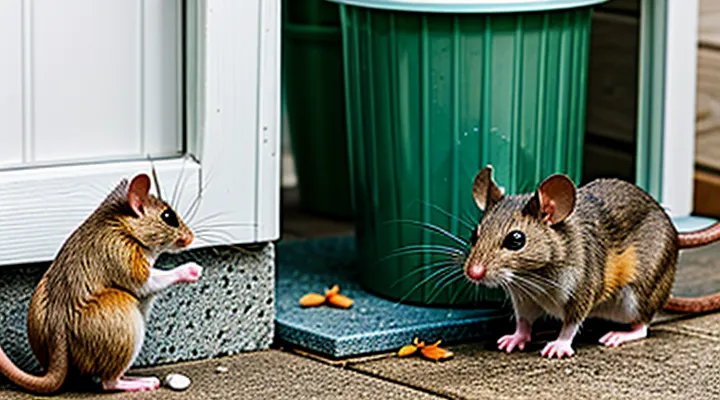
Understanding the Mouse Problem
Identifying Signs of Mice
Droppings and Urine Trails
Droppings and urine trails serve as reliable evidence of mouse activity. Fresh droppings are roughly the size of a grain of rice, darkened by exposure, and often found along walls, behind appliances, or in pantry corners. Urine leaves a faint, musky odor and may appear as wet streaks on surfaces, especially near food storage.
Key indicators of infestation include:
- Small, dark pellets clustered in concealed areas.
- Damp or glossy lines on cabinets, countertops, or baseboards.
- Gnaw marks on wires, packaging, or wood near the droppings.
- Unexplained food contamination or spillage.
These waste products carry pathogens such as hantavirus, salmonella, and leptospira. Direct contact or inhalation of aerosolized particles can cause illness. Prompt removal eliminates health hazards and reduces the scent cues that attract other rodents.
Effective sanitation requires:
- Wearing disposable gloves and a mask to avoid exposure.
- Using a disinfectant solution (e.g., bleach diluted 1:10) to soak the contaminated area for at least five minutes.
- Scrubbing the surface, then wiping it clean with disposable towels.
- Sealing entry points with steel wool or caulk to prevent re‑entry.
- Disposing of waste in a sealed bag and removing it from the premises.
Eliminating droppings and urine deprives mice of the chemical trails they use for navigation and recruitment. A clean environment forces them to search for new routes, increasing the likelihood that traps or bait stations will be encountered. Maintaining this level of hygiene therefore supports long‑term rodent exclusion.
Gnaw Marks and Damage
Gnaw marks are the most immediate evidence of mouse activity. Teeth constantly grow, so rodents chew to maintain length, targeting any material softer than wood. Characteristic crescent‑shaped bite edges appear on wires, plastic containers, and structural components. Repeated chewing creates holes that enlarge over time, compromising the integrity of insulation, electrical circuits, and plumbing. The resulting exposure can lead to short circuits, fire hazards, and water leaks.
Damage caused by gnawing extends beyond visible holes. Mice often infiltrate walls and crawl spaces, gnawing at:
- Electrical wiring, increasing the risk of malfunction or fire.
- HVAC ducts, allowing contaminants to circulate throughout the home.
- Food packaging, contaminating supplies with urine and feces.
- Structural timber, weakening load‑bearing elements.
Identifying these signs early enables swift intervention. Sealing entry points, removing attractants, and deploying proven exclusion methods reduce the likelihood of new gnaw marks and prevent further deterioration of the property.
Strange Noises
Mice generate distinctive sounds that signal their presence and can guide preventive measures. Scratching along walls, especially near baseboards or cabinets, indicates gnawing activity. High‑pitched squeaks heard at night often accompany movement through concealed pathways. Rattling of stored food containers suggests rodents accessing pantry items.
Identify these auditory cues promptly and respond with targeted actions:
- Seal entry points identified by the direction of scratching noises.
- Place snap or electronic traps along walls where squeaking is most frequent.
- Deploy ultrasonic repellents that emit frequencies above the audible range of mice, disrupting their communication.
- Store dry goods in airtight containers to eliminate food‑related sounds of foraging.
Continuous monitoring of abnormal household sounds enables early detection and reinforces any physical barriers or deterrent devices already installed.
Unpleasant Odors
Unpleasant odors create an environment that mice find hostile, reducing the likelihood of entry and nesting. Strong scents interfere with their sensitive olfactory system, making it difficult for them to locate food and shelter.
Common deterrent smells include:
- Ammonia: vaporizes quickly, irritates respiratory passages.
- Peppermint oil: high concentration overwhelms scent receptors.
- Clove oil: contains eugenol, which repels rodents on contact.
- Vinegar: acidic fumes disrupt scent trails.
- Citronella: volatile compounds mask attractant odors.
Application methods matter. Soak cotton balls in the chosen oil or solution and place them near potential entry points, such as gaps under doors, behind appliances, and in cabinets. Replace soaked materials every few days to maintain potency.
Avoid using food‑based aromas, as they may attract rodents instead of repelling them. Combine odor deterrents with physical barriers—seal cracks, install door sweeps, and keep surfaces clean—to maximize effectiveness. Regular monitoring confirms whether the scent strategy remains functional or requires adjustment.
Common Entry Points
Gaps in Foundations
Gaps in foundations provide direct pathways for rodents to enter residential structures. Small openings around utility penetrations, cracks where the foundation meets the slab, and unsealed joints between concrete and brick allow mice to slip inside while seeking shelter and food. Because mice can squeeze through gaps as narrow as ¼ inch, even minor defects become significant entry points.
Addressing these openings reduces the likelihood of infestation. Recommended actions include:
- Inspect the perimeter of the foundation for visible cracks, gaps around pipes, and seams between different building materials.
- Seal all detected openings with appropriate materials: use hydraulic cement for structural cracks, silicone‑based sealant for flexible joints, and steel wool or copper mesh behind caulking in larger gaps to prevent gnawing.
- Install a continuous concrete or metal flashing around the base of the foundation to create a barrier that discourages climbing and chewing.
- Maintain a clear clearance of at least 12 inches between soil and any wooden components, preventing moisture accumulation that attracts rodents.
- Conduct periodic re‑inspection after seasonal changes or after any construction activity that might disturb the foundation.
By systematically eliminating foundation gaps, homeowners create a robust physical obstacle that limits mouse access, complementing other preventive measures such as proper food storage and vegetation management. This approach directly targets one of the most common infiltration routes, thereby strengthening overall rodent resistance.
Openings Around Pipes
Pipe penetrations create direct pathways for rodents to enter living spaces. Small gaps around water, gas, and drainage pipes often go unnoticed during routine maintenance, yet they provide easy access to food and shelter. Inspecting every visible pipe entry point reveals openings as narrow as a quarter‑inch, which are sufficient for a mouse to squeeze through.
Effective sealing requires durable, non‑chewable materials and proper application techniques:
- Steel wool or copper mesh packed tightly into the gap, followed by a layer of expanding foam to hold the filler in place.
- Heavy‑duty silicone caulk applied around the pipe exterior, ensuring a continuous bead that adheres to both pipe and surrounding surface.
- Metal flashing or stainless‑steel collar secured with screws, covering larger openings where insulation alone is insufficient.
- Closed‑cell rubber gaskets fitted over pipe sleeves, providing a flexible seal that accommodates thermal expansion.
Routine checks should include:
- Visual examination of all exterior and interior pipe exits during seasonal cleaning.
- Verification that existing seals remain intact, replacing any damaged sections promptly.
- Installation of a barrier system before new plumbing work, preventing future gaps.
By systematically sealing pipe openings, homeowners eliminate one of the most common entry routes, substantially reducing the likelihood of mouse infestations.
Damaged Screens and Vents
Damaged window screens and ventilation openings create direct pathways for rodents to infiltrate living spaces. Small tears, loose fittings, or missing sections permit mice to squeeze through gaps as narrow as a quarter of an inch, bypassing other defensive measures.
These entry points are typically located near the roofline, basement walls, or utility tunnels, where exposure to weather and wear accelerates deterioration. Unsealed seams and ragged mesh compromise the structural barrier, allowing nocturnal foraging activities to extend inside the home.
- Inspect all screens and vents quarterly; note any tears, rust, or loose hardware.
- Replace compromised mesh with stainless‑steel or heavy‑duty aluminum that resists gnawing.
- Apply weather‑resistant caulk around frame edges to eliminate gaps.
- Install fine‑mesh vent covers rated for rodent exclusion; secure with screws rather than clips.
- Reinforce surrounding framing with wood or metal strips to prevent future sagging.
Restoring the integrity of screens and vents eliminates one of the most common access routes, reducing the likelihood of mouse presence and limiting the need for chemical or trap‑based interventions.
Cracks in Walls and Ceilings
Cracks in walls and ceilings provide direct pathways for mice to enter living spaces. Even hair‑thin openings allow rodents to squeeze through, making these gaps a primary vulnerability in any building envelope.
Identify and assess all potential entry points. Conduct a systematic visual inspection, focusing on:
- Gaps around utility penetrations (pipes, cables, ducts)
- Junctions where plaster meets framing
- Areas where drywall has been damaged or poorly finished
- Openings above door frames and windows
- Roof‑to‑wall intersections, especially near attic vents
Seal identified cracks promptly. Effective sealing methods include:
- Apply a high‑quality, rodent‑resistant caulk for gaps up to ¼ inch. Silicone‑based or polyurethane formulations maintain flexibility and adhere to diverse substrates.
- Use expanding foam sealant for larger voids, ensuring the product is labeled as pest‑proof. Trim excess after curing to preserve a smooth surface.
- Install metal flashing or stainless‑steel mesh over openings larger than ½ inch, then cover with cement or plaster to restore structural integrity.
- Replace damaged drywall or plaster sections entirely when cracks are extensive or recurrent.
Maintain the barrier over time. Schedule quarterly checks, especially after seasonal temperature changes that can cause building materials to contract or expand. Reapply sealants as needed, and monitor for signs of chew marks or fresh gnawing.
When cracks persist despite regular maintenance, enlist a licensed pest‑control professional. They can evaluate structural deficiencies, recommend advanced sealing products, and integrate the repair plan with broader rodent‑exclusion strategies.
Preventive Measures and Home Sealing
Sealing Entry Points
Using Steel Wool and Caulk
Steel wool, when tightly packed into gaps, creates a physical barrier that mice cannot chew through. Caulk, applied over the wool, seals the material and prevents it from shifting, eliminating entry points around pipes, vents, and foundations.
- Choose stainless‑steel wool of grade 0000 or finer; its dense fibers resist gnawing.
- Insert the wool into cracks no larger than a quarter inch, compressing it until it fills the space completely.
- Apply a bead of silicone or acrylic caulk over the packed wool, smoothing it to ensure full coverage.
- Allow the caulk to cure according to the manufacturer’s instructions before exposing the area to moisture or cleaning.
- Inspect the sealed openings periodically; reapply wool and caulk if any movement or wear is observed.
Combining these materials provides a durable, low‑maintenance solution that blocks rodent infiltration without chemical reliance.
Repairing Damaged Screens
Damaged window or door screens create gaps that allow mice to enter living spaces. Restoring the integrity of these barriers eliminates a primary access point and strengthens overall protection against rodent intrusion.
Typical damage includes torn mesh, broken frames, and loose fasteners. Assess each screen for holes larger than ¼ inch, warped sections, and compromised hinges. Replace compromised components before proceeding with repairs.
- Remove the screen from its frame.
- Trim torn edges with scissors or a utility knife.
- Apply a strip of fine‑mesh repair tape over holes, overlapping the surrounding material by at least ½ inch.
- Secure the tape with a thin layer of clear silicone sealant; smooth the sealant to prevent gaps.
- Re‑install the screen, tightening all screws and ensuring the frame sits flush against the opening.
- Inspect the finished installation for any remaining openings and reinforce as needed.
A fully functional screen blocks entry routes, reduces the likelihood of nesting sites, and complements other mouse‑deterrent measures such as sealing cracks and maintaining cleanliness. Regular inspection and prompt repair of screen damage sustain an effective barrier against rodent infiltration.
Installing Door Sweeps
Door sweeps create a physical barrier that blocks the gap between the bottom of a door and the floor, preventing mice from slipping into a residence. The barrier also reduces airflow that can carry scent cues, making the entry point less attractive to rodents.
- Choose a sweep made of durable material such as rubber, silicone, or bristle‑filled aluminum. Rubber provides flexibility for uneven thresholds; bristles allow ventilation while still restricting entry.
- Measure the door width accurately, then cut the sweep to match, leaving a small overlap on each side to ensure complete coverage.
- Align the sweep with the door’s underside, confirming that it contacts the floor when the door is closed without dragging excessively.
- Secure the sweep with the supplied screws or adhesive strips, tightening fasteners evenly to avoid gaps.
- Test the door by opening and closing it several times, checking that the sweep remains flush and that no visible space remains at the bottom.
Regular inspection is essential. Look for wear, debris accumulation, or displacement after heavy traffic. Replace a worn sweep promptly to maintain the seal. In homes with sliding doors or threshold irregularities, combine sweeps with weatherstripping or threshold seals for comprehensive protection.
Implementing door sweeps alongside other rodent‑prevention measures—such as sealing cracks, managing food sources, and maintaining a clutter‑free environment—significantly lowers the likelihood of mouse intrusion.
Eliminating Food Sources
Storing Food in Airtight Containers
Storing food in airtight containers eliminates accessible scent trails, a primary attractant for house mice. Secure containers prevent crumbs and spills from reaching the floor, removing food sources that motivate rodents to enter living spaces.
- Choose containers with silicone or rubber gaskets that compress fully when closed.
- Prefer glass, stainless steel, or heavy‑wall plastic; thin plastic can be chewed through.
- Keep lids tightly sealed after each use; do not rely on snap‑fit lids without a sealing mechanism.
- Place containers on shelves or countertops, never directly on the floor where mice can gnaw at edges.
- Group similar items together, label with purchase dates, and rotate stock to avoid stale residues.
- Inspect seals regularly for cracks or wear; replace compromised containers promptly.
- Clean any accidental spills immediately with a damp cloth and disinfectant.
Consistent use of these practices reduces food availability, thereby discouraging mouse activity throughout the home.
Cleaning Up Spills Promptly
Promptly cleaning up spills eliminates food sources that attract mice. Moisture and residue left on floors, counters, or appliances provide nourishment and a scent trail, encouraging rodents to explore the area. Immediate removal of liquids and thorough wiping with a disinfectant prevents the formation of a feeding site and interrupts the chemical signals mice use to locate food.
Effective spill management includes:
- Absorbing liquids with paper towels or cloths as soon as they appear.
- Disinfecting the affected surface to remove residual sugars or fats.
- Disposing of cleaning materials in sealed bags to avoid secondary contamination.
- Inspecting nearby areas for hidden drips or splatters that could serve as hidden attractants.
Routine vigilance reinforces the overall strategy of keeping rodents out of the home. By denying mice easy access to food and moisture, the environment becomes inhospitable, reducing the likelihood of infestation.
Securing Pet Food
Pet food provides a high‑energy source that readily attracts mice, making unsecured supplies a common entry point for infestations. Proper storage eliminates this attraction and supports broader rodent‑prevention efforts.
- Use containers made of heavy‑wall plastic or metal with a gasket seal; ensure lids close tightly.
- Choose containers rated for airtight performance; verify that seals remain intact after repeated opening.
- Store dry kibble in a cool, dry location away from direct sunlight; avoid placing containers near walls or baseboards where rodents travel.
- For wet or perishable food, keep it refrigerated or freeze portions not needed daily; discard leftovers promptly.
Maintain a clean feeding area. Remove crumbs and spilled food after each meal, sweep or vacuum the floor, and wash feeding bowls with hot, soapy water. Position feeding stations on elevated surfaces or on a metal tray that prevents mice from climbing beneath. Limit the amount of food left out overnight; offer only the quantity pets can consume within a few hours.
Consistent application of these practices reduces the scent trail that draws mice, reinforces the overall strategy of keeping rodents out of the home, and protects both pet health and household hygiene.
Removing Water Sources
Fixing Leaky Faucets
A leaking faucet provides a constant source of moisture that attracts mice seeking water and shelter. Eliminating the leak removes this incentive, reducing the likelihood that rodents will explore or inhabit the kitchen area.
To stop a faucet from dripping:
- Turn off the water supply at the shut‑off valve beneath the sink.
- Disassemble the faucet according to the manufacturer’s instructions, taking note of the order of components.
- Inspect the O‑ring, washer, and cartridge for wear or damage; replace any faulty parts with exact‑fit replacements.
- Clean mineral deposits from the valve seat with a non‑abrasive cleaner to ensure a tight seal.
- Reassemble the faucet, tighten connections securely, and restore water flow.
- Verify that the faucet no longer drips by running water at normal pressure.
Regular maintenance reinforces the deterrent effect:
- Check faucet handles and spouts weekly for early signs of moisture.
- Replace aging seals before they fail.
- Keep the area around the sink dry by wiping up splashes promptly.
- Inspect adjacent pipes for condensation and insulate if necessary.
By keeping fixtures dry and functional, the home eliminates a primary attractant for mice, contributing to a more secure environment.
Draining Standing Water
Draining standing water eliminates a primary source of moisture that attracts mice. Mice require water for survival; pools of water in basements, crawl spaces, or near foundations create a hospitable environment. Removing these reservoirs forces the rodents to seek alternative locations, often away from the interior of the house.
Effective moisture control includes the following actions:
- Identify all low‑lying areas where water collects after rain or plumbing leaks.
- Install or repair drainage systems such as French drains, sump pumps, and gutters to redirect runoff away from the foundation.
- Seal cracks in foundation walls, basement floors, and exterior siding that permit water infiltration.
- Use dehumidifiers in damp rooms to maintain relative humidity below 50 %.
- Ensure that pet water dishes are emptied and cleaned regularly; store them on raised platforms to prevent spills.
Consistently applying these measures reduces the appeal of a home’s perimeter, discourages mouse activity, and supports broader pest‑prevention strategies.
Reducing Clutter
Storing Items Off the Floor
Storing belongings above ground eliminates hiding places that attract rodents. Items left on the floor create clutter, provide shelter, and conceal food residues, all of which encourage mouse activity. Elevating storage disrupts their ability to nest and reduces the likelihood of accidental contact with food sources.
Practical measures:
- Use shelving units that keep boxes, pantry items, and seasonal gear at least 12 inches off the floor.
- Install wall‑mounted cabinets or pegboards for tools, appliances, and small objects.
- Place bins on sturdy platforms; avoid cardboard boxes directly on the ground.
- Ensure all containers are sealed with tight‑fitting lids to prevent scent leakage.
- Keep the area beneath storage units clear; vacuum regularly to remove debris and droppings.
These actions create a less inviting environment, limiting the opportunities mice have to establish a foothold inside the residence.
Regularly Decluttering Storage Areas
Keeping storage spaces tidy reduces the likelihood that mice will find shelter or food. Food scraps, paper, fabric, and other clutter create hiding places and protect rodents from predators, encouraging them to settle. By removing unnecessary items and organizing what remains, you eliminate the conditions that attract infestations.
Practical steps for regular decluttering:
- Empty all containers weekly; discard expired or unused food, and store remaining items in sealed, rodent‑proof containers.
- Sort items by frequency of use; keep seldom‑used objects on higher shelves or in sealed plastic bins.
- Vacuum or sweep floors and corners after each cleaning session to remove debris and droppings.
- Inspect stored boxes for tears or holes; replace damaged packaging with sturdy alternatives.
- Schedule a monthly audit of the storage area to remove items that have become redundant or damaged.
Consistent application of these measures limits accessible shelter and sustenance, thereby discouraging mice from establishing a presence in the home.
Natural and Non-Lethal Deterrents
Scent-Based Deterrents
Peppermint Oil
Peppermint oil is widely recognized as an effective, non‑chemical deterrent against house mice. Its volatile compounds create an odor that mice find intolerable, prompting them to avoid treated areas.
The oil’s primary active component, menthol, overstimulates the rodents’ olfactory receptors. This sensory overload disrupts normal foraging behavior and drives mice to seek alternative habitats.
Application methods:
- Soak cotton balls in undiluted peppermint oil and place them in entry points, cabinets, and along baseboards.
- Mix 10 ml of oil with 250 ml of water, add a few drops of dish soap, and spray the solution on walls, floors, and around potential nesting sites.
- Reapply every 3–4 days or after cleaning to maintain potency.
Safety considerations: essential oil can irritate skin and eyes; wear gloves and avoid direct contact with pets. Concentrated oil may damage certain surfaces; test on a small area first. Peppermint oil reduces mouse activity but does not eliminate established infestations; combine with sealing entry gaps for comprehensive control.
Cedarwood and Cloves
Cedarwood oil contains natural phenols that repel rodents by disrupting their scent trails. The vapor irritates mouse olfactory receptors, causing them to avoid treated areas. Clove oil, rich in eugenol, produces a strong aromatic barrier that mice find intolerable. Both substances are non‑toxic to humans and pets when used correctly, making them suitable for indoor applications.
Effective deployment follows a simple protocol:
- Dilute cedarwood and clove essential oils in a carrier such as water or a light oil (e.g., almond oil) at a ratio of 1 % to 2 % each.
- Soak cotton balls or small fabric pads in the diluted mixture.
- Place the soaked pads in entry points, corners, pantry shelves, and behind appliances where mouse activity is likely.
- Replace pads every 3–5 days to maintain potency.
Combining the two oils enhances the repellent effect because cedarwood targets the mouse’s sense of smell while clove adds a gustatory deterrent. Application should avoid direct contact with food surfaces; instead, position pads near, but not on, food storage areas. Regular monitoring confirms efficacy; a decline in droppings or gnaw marks indicates successful deterrence.
Ammonia-Soaked Cotton Balls
Ammonia‑soaked cotton balls provide a strong, volatile scent that mice find intolerable, prompting them to avoid treated areas.
The odor originates from ammonia’s basic chemical properties, which interfere with the rodents’ sensitive olfactory receptors. When the scent is present, mice are less likely to enter kitchens, pantries, or storage spaces where the cotton balls are positioned.
- Gather clean cotton balls and a small container.
- Fill the container with a dilute ammonia solution (approximately one part household ammonia to three parts water).
- Submerge each cotton ball briefly, allowing it to absorb the mixture.
- Place the saturated balls in corners, behind appliances, and near entry points where mouse activity has been observed.
- Replace or re‑soak the cotton balls every 3–5 days, or when the scent diminishes.
Safety measures are essential: ensure adequate ventilation, keep cotton balls out of reach of children and pets, and avoid contact with food‑preparation surfaces. Use gloves when handling ammonia to prevent skin irritation.
Field reports indicate that ammonia‑treated cotton balls deter mice for short periods, but the method does not eradicate established infestations. Combine this approach with sealing entry gaps and employing traps for comprehensive control.
Ultrasonic Repellents
Placement and Effectiveness
Effective mouse control depends on where deterrents are positioned and how reliably they function. Proper placement targets the pathways mice use to enter and travel within a residence, while effectiveness measures the proportion of rodent activity reduced after deployment.
- Snap traps: locate along walls, behind appliances, and near known droppings. Position with trigger end facing the wall; mice prefer moving parallel to surfaces. Success rates exceed 80 % when traps are checked daily and bait is refreshed.
- Live‑catch traps: set in dark corners, under cabinets, and within concealed burrows. Use a short bait stick to encourage entry. Release captured mice promptly outdoors, at least 100 m from the property, to prevent re‑entry. Capture rates average 60–70 % with consistent monitoring.
- Bait stations: install in tamper‑proof housings at baseboard junctions, near utility lines, and in attic access points. Seal surrounding gaps to force rodents into the station. Poison consumption typically eliminates 70–90 % of the local population within two weeks, provided stations remain undisturbed.
- Ultrasonic emitters: mount on interior walls at a height of 12–18 in., covering open rooms and storage areas. Effectiveness declines beyond 30 ft radius and is reduced by solid furniture or curtains. Field tests show a 30–50 % reduction in activity, best when combined with physical barriers.
- Natural repellents (peppermint oil, cayenne, ammonia): apply on cotton balls or spray around entry points, vent openings, and pantry shelves. Volatile compounds deter for 2–3 days before dissipating; repeated application required for sustained impact. Observed deterrence ranges from 20–40 % of sightings.
- Structural sealing: fill cracks, gaps around pipes, and gaps under doors with steel wool, caulk, or expanding foam. Eliminate openings larger than ¼ in. Permanent closure prevents initial invasion, yielding a 95 % decrease in new infestations when all potential routes are addressed.
Combining strategically placed mechanical traps, secure bait stations, and comprehensive sealing produces the highest reduction in mouse presence. Regular inspection and timely replacement of depleted devices maintain the efficacy of the overall deterrent system.
Limitations of Use
Effective mouse control strategies often encounter practical constraints that reduce their reliability. Understanding these constraints helps homeowners select realistic measures and avoid wasted effort.
- Chemical repellents: Limited to short‑term effectiveness; rodents quickly habituate, and indoor use raises health concerns for occupants, especially children and pets.
- Ultrasonic devices: Performance depends on unobstructed line‑of‑sight; furniture and walls block sound waves, creating safe zones where mice can operate undisturbed.
- Snap traps: Require precise placement and regular monitoring; missed catches allow continued activity, and improper handling poses injury risk.
- Glue boards: Effective only for small populations; adhesive loses potency in humid environments, and captured mice may suffer prolonged distress, raising ethical objections.
- Natural deterrents (peppermint oil, mothballs): Provide minimal repellent force; strong odors dissipate quickly, necessitating frequent reapplication, and may be intolerable for residents.
- Sealant and exclusion work: Demands thorough inspection of structural gaps; hidden entry points behind insulation or under flooring often remain overlooked, permitting ongoing intrusion.
Budget, maintenance frequency, and compatibility with household occupants define the feasible scope of each approach. Combining multiple methods can mitigate individual shortcomings, yet each addition introduces its own set of operational limits that must be evaluated before implementation.
Live Traps and Release
Humane Trapping Techniques
Humane trapping provides a practical alternative to lethal methods while preventing mouse infestations. Live‑catch traps are designed to confine rodents without injury; they feature smooth interiors, secure doors, and ventilation. When selecting a trap, choose models that accommodate adult mice and allow easy cleaning.
Effective bait includes peanut butter, cheese, or small pieces of fruit. Apply a thin layer to the trigger mechanism to encourage entry. Position traps along walls, behind appliances, and near known gnawing sites, because mice travel close to surfaces. Place traps perpendicular to the wall, with the entry point facing the baseboard.
After capture, relocate the mouse at least two miles from the residence to reduce the chance of return. Release the animal in a wooded area with adequate shelter and food sources. Wear gloves during handling to protect both the handler and the rodent from disease transmission.
Monitor traps daily; reset or replace them promptly to maintain pressure on the population. Clean traps with mild detergent after each use to eliminate scent traces that could deter further captures. Combining live‑catch traps with proper sanitation and exclusion measures—such as sealing entry points and removing food debris—creates a comprehensive, humane strategy for keeping mice out of the home.
Proper Release Protocols
Humane traps should be emptied promptly to prevent stress and injury. Before release, confirm that local regulations permit relocation of captured rodents; many jurisdictions restrict release near residential areas.
Prepare a secure container with ventilation. Place the trapped mouse inside, cover the opening, and transport the container upright to avoid sudden movements. Choose a release site at least 200 meters from any dwelling, preferably in a field, woodland edge, or abandoned structure where natural shelter and food sources exist. Release the mouse during daylight to reduce predation risk; open the container, allow the animal to exit voluntarily, and withdraw promptly.
After release, disinfect the trap with a solution of one part bleach to nine parts water, rinse with clean water, and dry thoroughly before reuse. Record the date, location, and condition of each release to monitor effectiveness and comply with wildlife management guidelines.
Professional Pest Control
When to Call an Exterminator
Severe Infestations
Severe mouse infestations involve large populations that damage structural components, contaminate food supplies, and spread disease. Signs include frequent droppings, gnaw marks on wiring or insulation, audible scurrying at all hours, and visible nesting material in hidden areas. Immediate, comprehensive action is required to prevent permanent loss of property and health risks.
- Seal every entry point larger than a quarter inch with steel wool, cement, or metal flashing.
- Deploy multiple snap traps or electronic devices in high‑traffic zones, resetting them daily.
- Install bait stations containing anticoagulant or bromethalin formulations, positioning them away from children and pets.
- Remove all food sources by storing perishables in airtight containers and cleaning crumbs from surfaces.
- Conduct a thorough inspection of walls, attics, and crawl spaces; dismantle nests and discard contaminated materials.
- Engage a licensed pest‑control professional for fumigation or rodenticide application when DIY measures fail.
- Follow up with a monitoring program that records trap catches and re‑inspects sealed openings weekly for at least two months.
Persistent Mouse Activity
Persistent mouse activity indicates that rodents have established a reliable food source, shelter, or travel route within a residence. Typical evidence includes gnawed insulation, droppings in hidden corners, and continuous damage to stored grains. Observers often find fresh chew marks on wiring or furniture, and a steady presence of mouse tracks in dusty areas.
The continuity of this behavior arises from three primary factors:
- Accessible nutrition – unsecured pantry items, pet food left out, or crumbs on countertops provide a constant supply.
- Safe nesting sites – clutter, unused boxes, and gaps behind appliances create protected environments.
- Uninterrupted pathways – cracks in foundations, gaps around pipes, and open doors allow free movement between exterior and interior spaces.
Effective countermeasures target each factor directly. Seal all entry points with steel wool or caulk, eliminate food residues by storing products in airtight containers, and reduce clutter to remove potential nesting material. Deploy snap traps or electronic devices along established runways, and replace damaged wiring promptly to prevent secondary hazards. Regular inspection and prompt removal of droppings further discourage re‑establishment, ensuring that mouse activity does not become a lasting problem.
What to Expect from Professionals
Inspection and Assessment
Inspection and assessment form the foundation of any effective mouse‑prevention plan. Accurate identification of entry routes, activity signs, and environmental conditions determines the scope of subsequent measures.
- Examine exterior walls, foundations, and rooflines for gaps larger than ¼ inch. Seal cracks with steel wool, caulk, or metal mesh.
- Inspect doors, windows, and vents; install tight‑fitting screens and weather stripping.
- Survey utility openings, pipe sleeves, and cable conduits; use expanding foam or metal collars to block passage.
- Look for droppings, gnaw marks, shredded material, and grease smears in kitchens, pantries, and storage areas.
- Check basements, crawl spaces, and attics for clutter, food debris, and moisture sources that attract rodents.
Assess risk by rating each identified breach on a three‑point scale: 1 = minor, 2 = moderate, 3 = severe. Prioritize sealing of high‑rated points, then address moderate and minor issues. Evaluate the extent of infestation through the density of droppings and evidence of nesting; heavier evidence signals immediate intervention, while sparse signs allow for monitoring.
Record findings in a structured log: location, breach size, rating, corrective action, and completion date. Review the log weekly during the active season, updating status after each repair. Re‑inspection after remediation confirms the effectiveness of closures and reveals any newly formed openings.
Consistent, systematic inspection coupled with objective assessment reduces mouse ingress and supports long‑term control.
Treatment Options
Effective mouse control begins with selecting a suitable treatment method. Options differ in mechanism, safety, and long‑term impact.
- Snap traps: Immediate kill, reusable, placed along walls where activity is observed. Requires careful positioning to avoid accidental contact.
- Live‑catch traps: Capture without killing, allowing release far from the residence. Must be checked frequently to prevent stress or death.
- Electronic traps: Deliver a swift lethal shock, contain the carcass, and reduce mess. Battery‑powered models provide consistent performance.
- Rodenticides: Chemical baits that cause mortality after ingestion. Use only in sealed bait stations, follow label instructions, and keep away from children and pets.
- Ultrasonic repellents: Emit high‑frequency sound intended to irritate rodents. Effectiveness varies; best used as a supplemental measure.
- Natural repellents: Peppermint oil, cayenne, or ammonia applied to entry points deter mice through scent. Requires regular reapplication.
- Structural exclusion: Seal cracks, gaps, and openings larger than ¼ inch with steel wool, cement, or metal flashing. Prevents new entry and complements other methods.
- Professional pest‑management services: Conduct thorough inspection, implement integrated strategies, and provide ongoing monitoring. Ideal for severe infestations or when homeowner expertise is limited.
Combining at least two approaches—such as exclusion with snap traps—enhances reliability and reduces the likelihood of recurrence. Regular inspection and prompt removal of trapped rodents sustain a mouse‑free environment.
Follow-Up Services
Professional pest‑control providers extend their work beyond the initial treatment by offering structured follow‑up programs. These programs verify that exclusion measures remain effective, address new entry points, and adjust control tactics as needed.
Typical follow‑up services include:
- Scheduled site inspections within 2‑4 weeks after the first visit, documenting signs of activity and confirming seal integrity.
- Re‑application of repellents or baits in areas where monitoring indicates renewed rodent interest.
- Replacement or reinforcement of physical barriers such as door sweeps, vent screens, and foundation cracks.
- Detailed reports delivered to the homeowner, outlining findings, corrective actions taken, and recommendations for future prevention.
Consistent monitoring reduces the likelihood of re‑infestation by detecting early signs that might otherwise go unnoticed. A documented schedule ensures accountability and provides measurable benchmarks for success. Homeowners who enroll in a follow‑up plan benefit from reduced exposure to health risks, lower long‑term remediation costs, and sustained protection of property assets.