
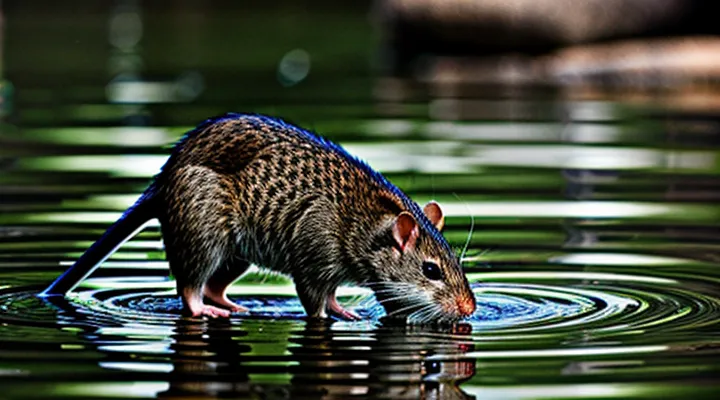
The World of Aquatic Rodents
Defining «Water Rats»
Diversity of Aquatic Rodents
Aquatic rodents comprise a distinct assemblage of mammals that have evolved specialized traits for life in freshwater environments. Their evolutionary pathways diverge from terrestrial relatives, resulting in a spectrum of forms that occupy rivers, lakes, marshes, and coastal wetlands.
Taxonomically, the group spans several families and genera. Notable lineages include:
- Muridae – species such as the water vole (Arvicola amphibius) and the African water mouse (Xenomys nelsoni).
- Cricetidae – representatives like the semiaquatic rice rat (Oryzomys palustris) and the beaver (Castor canadensis), which, although often classified separately, shares key aquatic adaptations.
- Dasyuridae – the Australian water rat (Hydromys chrysogaster) exemplifies convergent evolution in the Southern Hemisphere.
Geographic distribution reflects the group's adaptability. Species inhabit temperate zones of Europe and North America, tropical rainforests of South America, and the monsoonal wetlands of Southeast Asia and Australia. Each region hosts unique assemblages shaped by local hydrology and climate.
Morphological adaptations support submerged foraging and locomotion. Streamlined bodies reduce drag; webbed hindfeet increase propulsion; dense, water‑repellent fur provides insulation; and sensory whiskers detect vibrations in turbid water. Dental structures vary from incisors suited for gnawing aquatic vegetation to molars adapted for crushing crustaceans.
Ecologically, these rodents function as primary consumers of aquatic plants, insects, and small fish, thereby influencing energy flow within wetland food webs. Their burrowing activities modify bank stability and promote nutrient cycling, while predation by birds of prey, otters, and larger mammals integrates them into higher trophic levels.
Conservation assessments reveal that habitat degradation, water pollution, and invasive species threaten several taxa. Populations of the European water vole have declined sharply due to riverbank alteration, whereas the beaver demonstrates resilience through habitat engineering. Targeted protection of riparian zones and restoration of natural flow regimes are essential measures to preserve the group's biodiversity.
Common Misconceptions
Misunderstandings about semi‑aquatic rodents persist despite extensive research on their biology and behavior.
Common misconceptions and factual corrections:
- All water‑dwelling rats are aggressive predators. In reality, most species feed primarily on vegetation, aquatic insects, and small crustaceans; predatory behavior is limited to opportunistic hunting of fish or amphibians.
- These rodents can remain submerged indefinitely. They possess specialized fur and lung capacity that allow brief submersion, but they must surface regularly to replenish oxygen.
- Their presence indicates polluted waterways. Population density often correlates with abundant food resources and suitable riparian habitat, not necessarily with contamination.
- They are incapable of terrestrial locomotion. Muscular limbs and flexible joints enable efficient movement on land, facilitating foraging and escape from aquatic predators.
- All species share identical reproductive cycles. Reproductive timing varies widely; some breed year‑round in temperate zones, while others synchronize with seasonal flood patterns.
Accurate knowledge dispels myths, informs conservation strategies, and improves management of freshwater ecosystems where these mammals reside.
Adaptations to an Aquatic Lifestyle
Physical Characteristics
Webbed Feet and Tail Morphology
Web rats possess fully webbed hindfeet, a structural adaptation that increases surface area and reduces drag during propulsion. The interdigital membranes are reinforced by dense keratinous plates, allowing efficient transmission of muscular force while maintaining flexibility for maneuvering through vegetation and submerged obstacles. Muscular attachment sites on the metatarsals are enlarged, supporting the rapid, alternating strokes required for sustained swimming.
The caudal appendage exhibits a laterally compressed shape, resembling a paddle rather than a typical rodent tail. Each vertebral segment is elongated, and the distal half is covered with a dense fringe of stiff hairs that augment thrust and provide directional stability. The tail’s musculature includes enlarged caudofemoral and iliocaudal groups, enabling powerful lateral undulations that complement hindfoot propulsion.
Key morphological traits:
- Webbed hindfeet with reinforced keratinous membranes
- Enlarged metatarsal attachment areas for enhanced muscle leverage
- Laterally flattened tail with stiff peripheral hairs
- Extended caudal vertebrae and robust tail musculature for paddle-like motion
Fur and Insulating Properties
Aquatic rodents possess a specialized pelage that combines dense underfur with longer guard hairs. The underfur forms a tightly packed layer that traps air, reducing heat loss when the animal is submerged. Guard hairs are water‑repellent, shedding moisture and protecting the insulating underlayer from wetting. Oil secretions from the skin coat the guard hairs, enhancing the hydrophobic effect and prolonging the dry micro‑environment around the body.
Key insulating features include:
- Fiber density: up to 30,000 hairs per square centimeter, far exceeding typical terrestrial rodent fur.
- Layered architecture: a dual‑layer system where the outer guard hairs deflect water and the inner down layer retains warmth.
- Sebaceous secretion: continuous production of lipid‑rich oil that maintains water resistance and reduces thermal conductivity.
These adaptations enable water‑dwelling rodents to maintain core temperature in cold streams and lakes, support prolonged diving, and preserve muscular function despite continuous exposure to low‑temperature water.
Dentition and Diet
Aquatic rodents possess continuously growing incisors with reinforced enamel on the anterior surface and softer dentine posteriorly, creating a self‑sharpening edge ideal for gnawing aquatic vegetation and crustacean shells. The cheek teeth are low‑crowned, flattened molars that form broad occlusal surfaces, facilitating the crushing of hard‑shelled prey and the grinding of fibrous plant material. The mandibular symphysis is robust, allowing powerful bite forces necessary for processing both pliable algae and calcified shells.
Their diet reflects opportunistic foraging in freshwater habitats. Primary components include:
- Macrophytes such as waterweed, cattail shoots, and submerged grasses
- Freshwater mollusks (e.g., snails, small bivalves) with shells requiring crushing
- Crustaceans, particularly amphipods and juvenile crayfish
- Invertebrate larvae (insects, annelids) captured near the water surface
- Occasionally fallen terrestrial seeds and fruits collected from riparian zones
Seasonal shifts modify intake proportions; during spring, rapid plant growth increases herbivorous consumption, while autumn sees heightened reliance on protein‑rich crustaceans to support reproductive energetics. Digestive morphology—elongated cecum and specialized gut flora—optimizes fermentation of cellulose and assimilation of calcium from shells, underscoring the close link between dental adaptation and dietary breadth.
Behavioral Adaptations
Foraging and Hunting Techniques
Aquatic rodents exploit both submerged and shoreline environments to obtain food, employing a combination of tactile, visual, and auditory cues. Their dense, water‑repellent fur and streamlined bodies enable prolonged dives, while powerful hind limbs generate rapid propulsion for pursuit of agile prey.
Key foraging and hunting methods include:
- Dive‑and‑snatch: Rapid descent to depths of up to one meter, followed by a swift bite on fish, amphibians, or crustaceans detected by whisker‑mediated pressure changes.
- Surface stalking: Low‑profile movement along banks or floating vegetation, using keen eyesight to locate insects and mollusks before a precise pounce.
- Aquatic ambush: Positioning near submerged ledges or burrow entrances, remaining motionless until prey approaches, then striking with a sudden forward thrust.
- Scavenging: Retrieval of carrion or discarded remnants from waterfowl, facilitated by a strong sense of smell that penetrates murky water.
- Tool‑assisted extraction: Manipulation of small stones or shells to pry open hard‑shelled organisms, demonstrating manual dexterity uncommon among terrestrial rodents.
Sensory specialization underlies each technique. Vibrissae detect minute water currents generated by nearby prey, while the retinas contain a high density of rod cells for low‑light vision during nocturnal foraging. Auditory structures are tuned to frequencies produced by struggling fish, allowing detection of concealed targets.
Energy efficiency drives behavior. After a successful dive, rodents surface to replenish oxygen stores, then engage in brief periods of grooming to maintain fur insulation before resuming hunting. Seasonal shifts in water temperature and prey availability prompt adjustments in dive depth and prey selection, ensuring consistent caloric intake throughout the year.
Burrowing and Nesting Habits
Aquatic rodents that inhabit riverbanks and marshes construct burrows that serve both as refuge from predators and as regulated microenvironments for thermoregulation. Burrows are typically excavated in saturated soils, extending several meters horizontally and terminating in chambers positioned just above the water table. This placement ensures constant humidity while preventing flooding.
Nesting behavior within these burrows follows a predictable pattern:
- Chamber layout – a primary sleeping chamber, a separate storage area for food, and a peripheral tunnel network for ventilation.
- Material selection – woven bundles of sedge stems, water‑reed fibers, and compacted mud create insulated walls; occasional inclusion of pebbles adds structural stability.
- Construction cycle – initial excavation occurs during low‑water periods; subsequent reinforcement aligns with seasonal rise in water levels, allowing the nest to remain dry and stable.
Reproductive cycles are synchronized with nest readiness; females occupy the central chamber for gestation, while males patrol the outer tunnels. After offspring emerge, the colony expands the tunnel system to accommodate increased activity and to disperse waste, maintaining hygiene within the confined environment.
Social Structures
Aquatic rodents commonly called water rats exhibit complex social organization that influences survival and reproductive success.
Groups typically consist of three to twelve individuals, with a stable core of related adults and occasional transient juveniles. The composition reflects a balance between cooperative foraging and competition for limited resources.
A clear dominance hierarchy structures interactions. Alpha individuals, usually mature males, maintain priority access to food caches and nesting sites. Subordinate members display reduced aggression, defer to higher ranks during feeding, and acquire peripheral territories.
Communication relies on multimodal signals. Vocalizations include low-frequency chirps emitted underwater to coordinate movement and alert conspecifics to predators. Scent marking with glandular secretions reinforces territorial boundaries and conveys reproductive status. Visual cues, such as tail flicks, supplement auditory and olfactory messages during close-range encounters.
Breeding follows a seasonal pattern. Dominant pairs monopolize prime nesting burrows, producing litters of two to five pups. Both parents contribute to nest construction, but maternal care predominates after birth, with the mother providing thermoregulation and feeding. Subordinates may assist by guarding the nest perimeter, enhancing offspring survival.
Territorial behavior centers on resource-rich riparian zones. Individuals patrol defined perimeters, using scent marks to deter intruders. Dispersal occurs when subordinate members reach sexual maturity, prompting migration to adjacent habitats to establish new territories or join existing groups.
Key aspects of social structures:
- Group size: 3–12 members
- Hierarchy: Alpha male dominance, subordinate compliance
- Communication: underwater vocalizations, scent marking, tail flicks
- Breeding: seasonal, dominant pair monopolization, biparental nest building, maternal care
- Territory: riparian zone defense, scent-marked boundaries, juvenile dispersal
These elements collectively shape the social dynamics of water-dwelling rodent populations, ensuring resource allocation, predator avoidance, and reproductive efficiency.
Major Species of Water Rats
European Water Vole («Arvicola amphibius»)
Habitat and Distribution
Aquatic rodents occupy environments where water is a constant element of daily life. They favor slow‑moving or still freshwater bodies such as rivers, streams, lakes, marshes, and swamps. Coastal habitats, including estuaries and mangrove channels, also support populations that can tolerate brackish conditions. Dense riparian vegetation provides cover and foraging opportunities, while submerged logs and root systems offer shelter and nesting sites.
Geographically, these mammals display a broad but fragmented distribution. Established populations occur in:
- Eastern and southeastern Australia, where the rakali (Hydromys chrysogaster) dominates riverine and coastal zones.
- Southern and central Africa, with species such as the African water rat (Nectomys spp.) inhabiting tropical river basins.
- South America, where members of the genus Nectomys occupy the Amazon basin, the Orinoco floodplain, and Andean foothill streams.
- Southeast Asia, where water rats of the genus Chiropodomys are found in lowland rainforests and swampy lowlands.
- Limited islands in the Pacific, where introduced populations have adapted to lagoon and creek ecosystems.
Range limits correspond closely to climate and water availability. Populations decline or disappear in arid regions lacking permanent water bodies, and elevation beyond the foothill zone restricts presence due to reduced aquatic habitat. Human alteration of waterways—dam construction, channelization, and wetland drainage—affects local distribution by fragmenting suitable habitats and creating isolated subpopulations.
Dietary Preferences
Aquatic rodents exhibit a diet tightly linked to their semi‑marine habitats, balancing plant matter, invertebrates, and occasional vertebrate prey. Primary food sources include:
- Aquatic vegetation such as watercress, cattail shoots, and floating algae; these provide fiber and essential micronutrients.
- Freshwater invertebrates—crustaceans (e.g., shrimp, crayfish), insect larvae, and mollusks—supplied by foraging along riverbanks and submerged logs.
- Small fish and amphibian juveniles captured opportunistically during night forays.
- Fallen terrestrial seeds and fruits that accumulate along shorelines, supplementing caloric intake during low‑prey periods.
Seasonal fluctuations dictate dietary shifts: spring floods increase invertebrate abundance, prompting a protein‑rich intake, while autumn leaf fall raises the proportion of plant material. Nutrient balance is maintained through selective grazing and occasional cache building of high‑energy items, such as nut shells washed ashore.
Digestive physiology reflects this eclectic menu. Enlarged cecum facilitates fermentation of fibrous plant matter, whereas sharp incisors and robust jaw muscles enable efficient processing of hard‑shelled prey. Metabolic rates adjust to water temperature, influencing feeding frequency and prey selection.
Overall, the feeding strategy of these semi‑aquatic mammals maximizes resource use across both terrestrial and aquatic niches, ensuring survival in variable floodplain ecosystems.
Conservation Status
Aquatic rodents exhibit a range of conservation assessments that reflect habitat specificity, exploitation pressure, and regional environmental change. The International Union for Conservation of Nature (IUCN) classifies several species as Vulnerable or Near‑Threatened, while others remain Data Deficient due to insufficient survey coverage. Population monitoring indicates declines in coastal and riverine habitats where water‑dependent foraging grounds have been altered by urban expansion, dam construction, and water pollution.
Key factors influencing risk status include:
- Habitat loss from shoreline development and agricultural runoff.
- Water quality degradation caused by industrial effluents and eutrophication.
- Direct persecution in some locales where rodents are perceived as pests.
- Competition with invasive species that occupy similar niches.
Conservation actions focus on legal protection of critical wetlands, restoration of riparian zones, and implementation of water‑quality standards. Targeted research programs aim to fill data gaps for poorly studied taxa, enabling more accurate threat evaluations and adaptive management strategies.
North American Muskrat («Ondatra zibethicus»)
Ecosystem Engineering Role
Aquatic rodents commonly referred to as water rats inhabit riverbanks, wetlands, and flood‑plain forests where they maintain close contact with both water and terrestrial substrates. Their physiological adaptations—dense fur, webbed feet, and elongated whiskers—enable prolonged foraging and movement in shallow streams and marshes.
Through persistent burrowing and bank reinforcement, these mammals reshape stream morphology. Excavated tunnels create micro‑habitats that retain organic matter, while the accumulation of sediment at tunnel entrances stabilizes banks against erosion. In areas with abundant driftwood, individuals construct modest dams that slow water flow, increase residence time, and promote sediment deposition.
The physical alterations trigger measurable changes in nutrient dynamics. Slower currents foster the growth of periphyton and macrophytes, enhancing primary production. Decomposing plant material within burrow chambers releases nitrogen and phosphorus, enriching adjacent soils and supporting downstream productivity.
Habitat modifications generate cascading effects on community structure. Burrow networks serve as refuge for amphibians, invertebrates, and small fish; dammed sections provide spawning grounds for native fish species. The presence of water rats therefore correlates with increased biodiversity and elevated ecosystem resilience.
Key engineering activities:
- Bank excavation and reinforcement
- Sediment capture at tunnel portals
- Small‑scale dam construction using driftwood and vegetation
- Creation of submerged chambers that retain organic debris
- Promotion of macrophyte colonization through flow reduction
Economic Importance
Aquatic rodents generate measurable economic effects through direct product extraction, ecosystem services, and management costs. Their pelts are harvested for specialty leather, supporting niche markets that command premium prices. Meat from these species supplies regional dietary needs, especially in remote riverine communities where alternative protein sources are scarce. Commercial trapping operations contribute to local employment and generate revenue for wildlife‑management agencies.
- Fur and leather trade: high‑grade skins sold to fashion and upholstery manufacturers.
- Culinary supply: seasonal harvests provide protein for subsistence and small‑scale commercial kitchens.
- Research value: specimens serve biomedical studies, attracting funding and collaboration with academic institutions.
- Ecotourism attraction: sightings and guided river tours increase visitor spending in adjacent settlements.
Management expenses arise from crop damage, infrastructure deterioration, and disease monitoring. Farmers report losses when rodents gnaw irrigation channels and consume cultivated aquatic crops, prompting investment in control programs. Public‑health initiatives allocate resources to surveil zoonotic pathogens carried by these mammals, adding to governmental budgets. The net economic balance reflects both revenue streams and mitigation outlays, informing policy decisions on sustainable exploitation and conservation.
Australian Water Rat («Hydromys chrysogaster»)
Unique Predatory Behavior
Aquatic rodents commonly referred to as water rats exhibit predatory strategies that differ markedly from those of terrestrial counterparts. Their morphological adaptations—webbed hind feet, dense waterproof fur, and a laterally flattened tail—enable rapid underwater thrusts and sustained pursuit of prey.
These mammals employ a combination of stealth, ambush, and opportunistic hunting:
- Underwater stalking: Low‑profile swimming and silent movement allow individuals to approach fish, amphibians, and crustaceans within striking distance.
- Rapid lunge: A sudden forward thrust, powered by synchronized hind‑foot paddling and tail flick, captures prey before it can escape.
- Surface attack: When prey remains near the water’s surface, water rats rise swiftly, seizing organisms with strong fore‑paws equipped with sharp, curved claws.
- Nighttime foraging: Enhanced nocturnal vision and heightened tactile sensitivity in the whiskers facilitate detection of hidden or camouflaged prey in low‑light conditions.
Behavioral observations reveal that water rats can adjust hunting tactics based on prey type and habitat complexity, switching from direct pursuit in open water to ambush near submerged vegetation. Their ability to exploit both aquatic and semi‑terrestrial prey niches underscores a versatile predatory repertoire uncommon among rodent species.
Cultural Significance
These semi‑aquatic rodents have appeared in the folklore of riverine societies for centuries, often depicted as clever tricksters who navigate both land and water. Oral traditions recount their ability to outwit hunters, reinforcing cultural narratives that value adaptability and resourcefulness.
In indigenous art, the animal is rendered in carvings, textiles, and ceremonial masks, symbolizing the link between human communities and aquatic ecosystems. The recurring motif underscores a respect for the balance of water habitats and the creatures that inhabit them.
- Rituals: Some river festivals include dances that mimic the animal’s swimming motions, expressing gratitude for abundant fish stocks.
- Totemism: Certain clans adopt the creature as a totem, believing it provides guidance for travel and trade along waterways.
- Language: Regional dialects contain idioms derived from the animal’s behavior, used to describe quick decision‑making or stealth.
Archaeological findings reveal that tools fashioned from the animal’s bones were employed in early fishing practices, indicating a practical dimension to its cultural relevance. Contemporary educational programs reference the species to illustrate the interdependence of human livelihoods and freshwater biodiversity.
Other Notable Aquatic Rodents
Beaver Rats («Castor canadensis» and «Castor fiber»)
Beaver rats, represented by the North American beaver (Castor canadensis) and the Eurasian beaver (Castor fiber), exemplify the most specialized members of the semi‑aquatic rodent group. Both species belong to the family Castoridae and share a suite of adaptations that enable extensive engineering of freshwater environments.
Morphology includes a broad, flat tail that functions as a steering rudder and a propulsive surface, dense waterproof fur, large, continuously growing incisors with orange‑pigmented enamel, and webbed hind feet. These traits support swimming speeds of up to 8 km h⁻¹ and the manipulation of heavy woody material.
Ecological behavior centers on dam construction, lodge building, and territorial maintenance. Dams create ponds that provide stable water levels for foraging and predator avoidance. Lodges, made of interlaced branches and mud, serve as insulated shelters. Beavers exhibit monogamous pair bonds, with litters of 1–4 kits born after a gestation period of approximately 105 days. Kits remain with parents for up to two years, during which they learn dam‑building techniques.
Diet consists primarily of bark, cambium, twigs, and aquatic vegetation. Selective feeding on high‑nutrient tree species promotes forest succession patterns, while the creation of wetlands enhances biodiversity by supporting amphibians, fish, and waterfowl.
Key characteristics can be summarized:
- Habitat: Freshwater streams, rivers, and lakes with abundant woody vegetation.
- Reproduction: Seasonal breeding; high parental investment.
- Engineering: Dams and lodges modify hydrology, increase habitat complexity.
- Conservation status: C. canadensis listed as Least Concern; C. fiber recovered from Near Threatened to Least Concern after extensive reintroduction programs.
These attributes illustrate the profound influence of beaver rats on freshwater ecosystems, underscoring their role as ecosystem engineers within the broader category of aquatic rodents.
Nutria («Myocastor coypus»)
Nutria (Myocastor coypus) belong to the family Echimyidae and are the largest semi‑aquatic rodents worldwide. Native to South America, they have established invasive populations across Europe, Asia, and North America, primarily in wetlands, riverbanks, and irrigation canals.
Key biological traits include:
- Streamlined body covered with dense, water‑repellent fur; adult weight ranges from 5 to 9 kg.
- Webbed hind feet and a laterally flattened tail that provide propulsion and steering underwater.
- Herbivorous diet focused on aquatic vegetation such as cattails, reeds, and water lilies; occasional consumption of bark and crops near water bodies.
- Breeding season peaks in spring and summer; females produce 2–4 litters per year, each containing 4–13 offspring after a gestation of 130 days.
- High reproductive rate combined with limited natural predators in introduced ranges leads to rapid population growth.
Ecological consequences of nutria presence are documented as:
- Extensive root consumption causing bank erosion, loss of shoreline stability, and increased sedimentation.
- Reduction of native plant diversity, which alters habitat structure for birds, fish, and amphibians.
- Competition with indigenous herbivorous mammals for limited aquatic forage.
Management strategies employed by authorities comprise:
- Trapping programs targeting high‑density colonies.
- Habitat modification to reduce suitable shelter, such as removal of dense vegetation along banks.
- Public awareness campaigns encouraging reporting of sightings and participation in control efforts.
Understanding nutria morphology, reproductive capacity, and ecological impact is essential for developing effective mitigation measures within aquatic rodent management frameworks.
Ecological Role and Conservation
Impact on Aquatic Ecosystems
Predation and Food Webs
Aquatic rodents such as water rats occupy mid‑trophic positions, consuming a range of invertebrates, small fish, and plant material while providing energy transfer to higher predators. Their diet varies seasonally; during spring they ingest abundant aquatic insects, whereas in autumn they shift toward crustaceans and occasional amphibian larvae.
Predation pressure on water rats derives from both aerial and aquatic hunters. Primary predators include:
- Osprey (Pandion haliaetus)
- Great horned owl (Bubo virginianus)
- River otter (Lontra canadensis)
- Large piscivorous fish such as northern pike (Esox lucius)
These predators exploit the rodents’ foraging behavior along shorelines and submerged vegetation, causing spatial avoidance patterns and influencing habitat selection.
In food‑web models, water rats serve as connectors between primary consumers (invertebrates, algae) and tertiary consumers (birds of prey, mammals). Their removal from a system often results in increased invertebrate biomass and reduced energy flow to apex predators, demonstrating their stabilizing effect on ecosystem dynamics.
Management strategies that monitor water‑rat populations provide indirect insight into the health of riparian food webs, as fluctuations reflect changes in prey availability, predator abundance, and habitat quality.
Habitat Modification
Aquatic rodents actively reshape the environments they occupy, creating physical structures that influence water flow, substrate composition, and plant communities. Their activities are observable in riverbanks, marsh margins, and lake shores where they establish permanent or seasonal dwellings.
Typical modifications include:
- Excavation of burrows that intersect the water table, providing drainage pathways and stabilizing bank material.
- Construction of lodges or nests using vegetation, sediment, and debris, which alter surface roughness and create microhabitats.
- Selective foraging that trims emergent plants, opening channels for light penetration and reducing competition for space.
These alterations affect hydrological dynamics by redirecting currents, enhancing infiltration, and reducing erosion in localized zones. Sediment redistribution caused by burrow spoil contributes to the formation of gravel patches that support invertebrate assemblages. The resulting mosaic of habitats promotes species richness, particularly for organisms dependent on variable flow conditions.
Human-managed water systems can experience both benefits and challenges from these modifications. Enhanced bank stability may lower maintenance costs for flood defenses, while increased sediment deposition can impair navigation channels. Management strategies often incorporate monitoring of rodent populations, habitat restoration that mimics natural modification patterns, and targeted control measures where infrastructure is at risk.
Threats and Challenges
Habitat Loss and Degradation
Habitat loss and degradation represent the most immediate threat to semi‑aquatic rodents that rely on freshwater ecosystems. Urban expansion, agricultural drainage, and dam construction convert riparian zones, floodplains, and wetland margins into unsuitable terrain. Pollution from industrial effluents, agricultural runoff, and plastic debris reduces water quality, alters nutrient cycles, and impairs the availability of invertebrate prey.
Key drivers of habitat decline include:
- Conversion of wetlands to residential or commercial land.
- Regulation of river flow that eliminates natural flooding regimes.
- Sedimentation from upstream soil erosion.
- Introduction of invasive plant species that outcompete native vegetation.
Consequences for these rodents are measurable. Reduced shoreline vegetation limits shelter and nesting sites, leading to higher predation risk. Diminished water depth and flow variability constrain foraging opportunities and force individuals into fragmented habitats, which lowers genetic diversity. Mortality rates rise in polluted waters due to toxic exposure and disease proliferation.
Mitigation strategies focus on preserving and restoring aquatic environments. Establishing protected riparian buffers, reinstating natural flood pulses through dam re‑operating, and implementing runoff filtration systems directly improve habitat suitability. Re‑vegetation projects that plant native emergent and marginal species restore cover and food resources. Monitoring programs that track population trends and water quality provide data for adaptive management.
Effective conservation requires coordinated policy, land‑use planning, and community engagement to maintain the ecological conditions essential for the survival of these water‑dependent rodents.
Pollution and Climate Change
Aquatic rodent populations experience direct physiological stress from chemical contaminants that accumulate in riverine and wetland ecosystems. Heavy metals such as mercury and lead interfere with renal function and reproductive hormones, reducing litter size and increasing juvenile mortality. Persistent organic pollutants bind to fur and are transferred to offspring during grooming, extending exposure across generations.
Climate-driven alterations in water temperature and flow regimes exacerbate habitat loss. Elevated temperatures accelerate metabolic rates, raising the demand for food while simultaneously diminishing the availability of aquatic vegetation and invertebrate prey. Reduced stream flow concentrates pollutants, increases sediment deposition, and fragments suitable foraging zones, limiting dispersal opportunities.
Key consequences of these stressors include:
- Decline in population density across temperate and subtropical regions.
- Shift in distribution toward higher altitudes or latitudes where cooler water persists.
- Increased susceptibility to disease due to compromised immune function.
- Disruption of predator‑prey dynamics, affecting broader aquatic food webs.
Invasive Species Status
Aquatic rodents that have established populations outside their native ranges are classified as invasive species when they satisfy three criteria: they reproduce successfully in new habitats, they spread beyond initial introduction sites, and they cause measurable ecological or economic damage.
- Species such as the Norway rat (Rattus norvegicus) and the Australian water mouse (Xeromys myoides) have been recorded in riparian systems of North America and Europe, where they outcompete native water voles and disrupt sediment dynamics.
- Their omnivorous diet allows rapid exploitation of invertebrate and plant resources, leading to declines in endemic macroinvertebrate communities and altered nutrient cycling.
- Burrowing activities increase bank erosion, elevate turbidity, and create conditions favorable to invasive aquatic plants.
Regulatory agencies list these rodents on national invasive species registers, mandating monitoring, rapid response, and eradication where feasible. Management actions include:
- Trapping programs targeting high‑density colonies.
- Habitat modification to reduce water access points, such as sealing low‑lying entryways.
- Public awareness campaigns that discourage release of pet rodents near waterways.
Successful control relies on coordinated surveillance, standardized reporting protocols, and integration of genetic tools to differentiate native from introduced lineages. Ongoing assessment of population trends informs risk categorization and allocation of resources for mitigation.
Conservation Efforts
Protected Areas and Legislation
Protected zones provide the spatial framework needed to maintain viable populations of semi‑aquatic rodent species. Designation of wetlands, riparian buffers, and river catchments restricts land‑use changes that would degrade habitats.
International instruments that influence protection include:
- Convention on Biological Diversity, which obliges signatories to develop and implement conservation strategies for threatened species.
- Ramsar Convention on Wetlands, granting priority to sites that support water‑dependent fauna.
- CITES, regulating international trade of species listed in its appendices.
National statutes translate these commitments into enforceable measures. Examples are:
- The Endangered Species Act (United States) lists several water‑associated rodents, prohibiting activities that jeopardize their critical habitat.
- The Habitats Directive (European Union) requires member states to designate Special Areas of Conservation for species of community interest.
- The Environment Protection and Biodiversity Conservation Act (Australia) includes provisions for the protection of native aquatic mammals and rodents.
Effective management within protected areas relies on:
- Monitoring of water quality parameters such as dissolved oxygen and pollutant concentrations.
- Restoration of native vegetation along stream banks to provide cover and foraging grounds.
- Control of invasive predators and competitors that threaten local populations.
- Enforcement of access restrictions during breeding seasons to reduce disturbance.
Collectively, these legal frameworks and on‑the‑ground actions create a network of safeguards that support the persistence of aquatic rodent communities across their natural range.
Population Monitoring and Management
Effective population monitoring of semi‑aquatic rodents requires systematic data collection, rigorous analysis, and adaptive management. Field surveys employ standardized live‑trapping grids along riparian zones, providing capture‑recapture estimates of abundance, age structure, and sex ratio. Remote sensing techniques, such as infrared camera traps positioned at water entry points, yield activity patterns without direct disturbance. Environmental DNA (eDNA) sampling from surface water detects presence and relative density, especially in low‑visibility habitats. Telemetry devices attached to captured individuals generate movement trajectories, informing home‑range size and habitat connectivity.
Key steps in data processing include:
- Mark‑recapture modeling (e.g., Jolly‑Seber) to estimate population size and survival rates.
- Spatially explicit capture‑recapture (SECR) analysis for density mapping across heterogeneous landscapes.
- Time‑series analysis of eDNA concentrations to track seasonal fluctuations.
- Integration of telemetry data into GIS layers for habitat suitability modeling.
Management actions derive directly from monitoring outputs. When populations exceed ecological thresholds, control measures such as targeted removal or fertility‑reduction programs are implemented. Habitat modification—restoring natural flow regimes, reducing bank erosion, and limiting artificial food sources—reduces carrying capacity in conflict zones. Conservation interventions, including protected riparian corridors and predator support, maintain viable populations in areas of ecological importance. Disease surveillance, focused on pathogens transmitted by these rodents, complements population control by mitigating zoonotic risk.
Continuous feedback loops link monitoring results to management decisions. Revised population estimates trigger reassessment of control intensity, while habitat changes are evaluated for their impact on density trends. This iterative framework ensures that interventions remain proportionate, evidence‑based, and aligned with broader ecosystem objectives.