
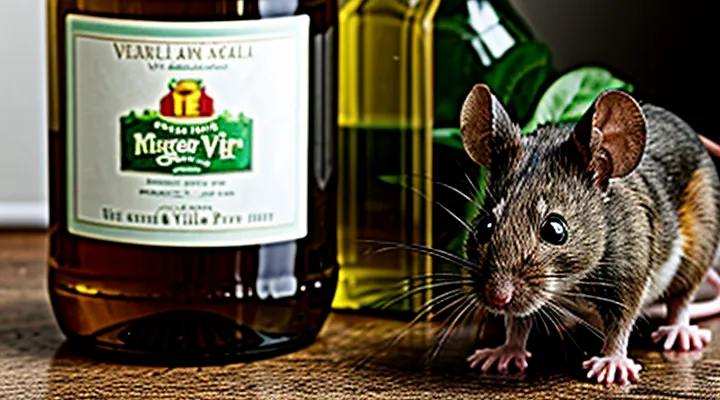
Understanding Mouse Infestations
Common Signs of Mice
Identifying a rodent problem is a prerequisite for any vinegar‑based repellent strategy. Accurate detection prevents unnecessary treatment and ensures that control measures address an active infestation.
Typical evidence of mouse activity includes:
- Dark, pellet‑shaped droppings, about ¼ inch long, found near food sources, along walls, or in hidden corners.
- Gnaw marks on wood, plastic, or wiring, characterized by clean, parallel cuts.
- Nests constructed from shredded paper, fabric, insulation, or dried plant material, often located in concealed spaces such as wall cavities, attics, or under appliances.
- Greasy smears or urine stains along baseboards, corners, and the underside of furniture.
- Fresh tracks in dusty areas, revealing four‑toed footprints with a distinctive tail drag.
- Audible sounds, especially scratching or scurrying noises occurring at night.
- Damaged food packaging, chewed open bags, or spilled grain near pantry shelves.
Each indicator confirms mouse presence and justifies the application of an acidic deterrent such as vinegar. Prompt recognition enables targeted use of the repellent, reducing the likelihood of population growth and property damage.
Risks Associated with Mice
Health Hazards
Applying vinegar as a rodent repellent introduces several health considerations. Direct contact with the liquid can cause skin irritation, especially for individuals with sensitive epidermis. Prolonged exposure may lead to dermatitis if protective gloves are not used.
Inhalation of vinegar vapors presents respiratory risks. The acetic acid vapors can irritate the nasal passages, throat, and lungs. Persons with asthma or other chronic respiratory conditions may experience exacerbated symptoms, including coughing, wheezing, or shortness of breath. Adequate ventilation is essential when vapors are generated in confined spaces.
Eye exposure to splashes or aerosolized droplets can result in painful irritation and temporary visual disturbance. Immediate flushing with water is required to reduce the risk of corneal damage.
Accidental ingestion of concentrated vinegar carries the potential for gastrointestinal upset. Symptoms may include nausea, vomiting, and abdominal pain. While low‑strength household vinegar is generally safe in culinary contexts, using higher concentrations for pest control increases the danger of adverse reactions.
Additional hazards include material degradation. Acetic acid can corrode metal fixtures, damage painted surfaces, and weaken certain plastics. This degradation may release secondary contaminants into the environment, creating indirect health concerns for occupants.
Key health hazards
- Skin irritation or dermatitis from direct contact
- Respiratory irritation and asthma aggravation from vapors
- Eye irritation and possible corneal injury
- Gastrointestinal distress if ingested in concentrated form
- Material corrosion leading to secondary exposure
Mitigation strategies involve wearing gloves and eye protection, ensuring adequate airflow, limiting the concentration of vinegar applied, and avoiding use on surfaces prone to corrosion. Proper handling minimizes the health risks while preserving the repellent’s effectiveness.
Property Damage
Using a vinegar‑based repellent reduces the risk of structural damage caused by rodent activity. Mice gnaw on insulation, wiring, and wooden framing, which can lead to compromised building integrity and increased fire hazard. Applying a diluted vinegar solution around entry points and nesting sites creates an environment that rodents avoid, limiting their access to vulnerable materials.
Typical property damage prevented by this method includes:
- Cut insulation fibers, decreasing thermal efficiency.
- Damaged electrical cords, raising the chance of short circuits.
- Chewed wooden joists, weakening support structures.
- Contaminated stored food, resulting in waste and sanitation costs.
Implementing regular vinegar applications as part of an integrated pest‑management plan maintains the condition of walls, ceilings, and equipment, thereby preserving asset value and reducing repair expenses.
Vinegar as a Repellent
Why Vinegar Works
Scent Sensitivity in Mice
Mice possess an acute olfactory system that detects volatile compounds at concentrations as low as a few parts per billion. The nasal epithelium contains millions of receptor neurons, each tuned to specific molecular features such as acidity, aromaticity, and carbon chain length. This sensitivity enables rapid behavioral responses to environmental odors, including avoidance of substances that signal potential hazards.
Acetic acid, the primary component of vinegar, triggers strong activation of the mouse olfactory receptors associated with sour and irritating scents. Laboratory assays demonstrate that exposure to vapors containing 5–10 % acetic acid reduces exploratory activity and increases time spent in shelter zones. Field observations confirm that applying undiluted or lightly diluted vinegar to entry points and perimeters creates a persistent olfactory barrier that discourages rodent ingress.
Key aspects of scent‑driven deterrence:
- Threshold detection: Mice respond to acetic acid concentrations well below the odor detection limits of humans, allowing low‑volume applications to be effective.
- Habituation resistance: The sharp, unpleasant odor maintains its repellent effect over repeated exposures, reducing the likelihood of sensory adaptation.
- Synergistic interaction: Combining vinegar with other strong odors (e.g., peppermint oil) amplifies receptor activation and broadens the spectrum of aversive cues.
Practical implementation requires consistent vapor release. Methods include:
- Soaking cotton pads in 50 % vinegar solution and placing them in concealed gaps.
- Spraying a thin mist of diluted vinegar on door thresholds and baseboards, allowing it to dry and leave a residual scent.
- Using absorbent rollers to apply vinegar to wooden surfaces where mice commonly travel.
Monitoring rodent activity after treatment shows a measurable decline in trap captures and gnaw marks within 48 hours. Maintaining the scent barrier through periodic reapplication sustains the deterrent effect, leveraging the inherent scent sensitivity of mice to achieve long‑term exclusion without chemical pesticides.
Types of Vinegar to Use
Vinegar’s high acidity and sharp odor create an environment mice avoid, making it a practical component of a rodent‑repellent strategy. Selecting the appropriate variety influences potency, safety, and cost.
- White distilled vinegar (5 % acetic acid): Highest acidity, strongest scent, inexpensive; ideal for sprays and soaked cotton balls.
- Apple cider vinegar (5–6 % acetic acid): Milder aroma, pleasant smell for humans, slightly lower deterrent strength; suitable for areas where a less aggressive odor is preferred.
- Rice vinegar (4–5 % acetic acid): Subtle fragrance, lower acidity; limited effectiveness, best combined with other deterrents.
- Malt vinegar (5 % acetic acid): Robust, yeasty odor, comparable to white vinegar; useful in kitchens where the scent blends with food preparation.
- Balsamic vinegar (6–7 % acetic acid, plus sugars): Sweet, lingering scent reduces mouse aversion; not recommended as a primary deterrent.
Apply the chosen vinegar by saturating cloths, cotton balls, or small containers placed near entry points, gaps, and nesting sites. Reapply every 48 hours to maintain odor intensity. Avoid direct contact with food storage areas to prevent flavor contamination. Combining multiple vinegar types can broaden scent coverage while balancing human comfort and rodent repulsion.
How to Apply Vinegar
Direct Application Methods
Applying vinegar directly to the environment creates an olfactory barrier that mice avoid. The most effective techniques involve concentrated solutions and strategic placement.
- Spray application: Mix white distilled vinegar with water at a 1:1 ratio. Fill a trigger‑sprayer and coat the interior of cabinets, baseboards, and entry points. Reapply weekly or after cleaning.
- Soaked cloths: Dampen a lint‑free cloth with undiluted vinegar. Press the cloth against the underside of appliances, behind refrigerators, and around pipe openings. Replace the cloth every 3–5 days.
- Cotton ball deployment: Saturate cotton balls with pure vinegar and tuck them into crevices, wall voids, and the backs of pantry shelves. Rotate the balls weekly to maintain potency.
- Vinegar‑infused traps: Soak wooden or cardboard traps in vinegar for several minutes before positioning them along mouse pathways. The scent deters activity while the trap captures any intruders that ignore the odor.
Direct contact with the liquid accelerates evaporation, intensifying the scent and extending the deterrent effect. For long‑term control, combine these methods with regular sanitation and sealing of structural gaps. Continuous exposure prevents mice from acclimating to the odor, sustaining the repellent action.
Creating Vinegar-Based Repellents
Vinegar’s strong odor deters rodents, making it a practical component of homemade mouse repellents. When combined with complementary ingredients, the solution can be applied safely around entry points, storage areas, and known pathways.
- Mix white distilled vinegar with water in a 1:1 ratio.
- Add a few drops of essential oil known for repelling pests, such as peppermint or eucalyptus.
- Stir thoroughly and pour the mixture into a spray bottle.
Apply the spray directly to cracks, gaps, and surfaces where mouse activity is observed. Reapply every 48 hours or after cleaning, as the scent diminishes over time. For continuous protection, place cotton balls soaked in the same solution near potential ingress points; replace them weekly.
Safety considerations include wearing gloves to avoid skin irritation and ensuring the mixture does not contact food preparation surfaces. Store the spray in a sealed container away from children and pets. Properly prepared vinegar‑based repellents provide an inexpensive, non‑chemical method to discourage mice without compromising indoor air quality.
Vinegar and Water Spray
Vinegar mixed with water creates a simple, readily available spray that disrupts mouse activity in homes and storage areas. The solution exploits acetic acid’s strong odor, which rodents find unpleasant, and the moisture component helps distribute the scent evenly across surfaces.
To prepare the spray, combine one part white distilled vinegar with three parts clean water in a spray bottle. Add a few drops of peppermint essential oil if additional olfactory deterrence is desired. Shake vigorously before each use to ensure a uniform mixture.
Application guidelines:
- Target entry points such as gaps around doors, windows, and baseboards.
- Spray along walls, under appliances, and in cabinets where mice are likely to travel.
- Reapply every 48 hours, or after cleaning, to maintain an effective concentration of odor.
- Avoid direct contact with food preparation surfaces; wipe any residue before food handling.
The formulation is non‑toxic to humans and pets, leaves no residue that damages furniture, and requires no specialized equipment. Studies indicate that consistent exposure reduces rodent sightings by up to 70 % in controlled environments.
Limitations include diminished efficacy in well‑ventilated spaces where the scent dissipates quickly, and reduced impact on established infestations that have already built nests. In such cases, the spray should be combined with physical barriers or professional pest control measures.
Soaked Cotton Balls
Cotton balls saturated with vinegar create a volatile environment that mice find intolerable. The acetic acid vapour interferes with their olfactory receptors, prompting avoidance of treated zones.
To implement the method:
- Choose white, unscented cotton balls to maximize absorption.
- Submerge each ball in distilled white vinegar until fully saturated; excess liquid should be squeezed out to prevent dripping.
- Place the soaked balls in strategic locations: near entry points, along walls, behind appliances, and inside cabinets where rodents are likely to travel.
- Replace the cotton balls every 3–5 days, or sooner if the scent diminishes.
Benefits include low toxicity to humans and pets, ease of application, and minimal cost. The deterrent effect persists while the vinegar scent remains strong; once evaporated, mice may return, necessitating regular renewal. This approach complements other exclusion techniques but does not replace structural sealing of gaps.
Areas for Application
Entry Points
Mice gain access to homes through gaps, cracks, and openings that connect interior spaces with the exterior environment. Common entry points include gaps around utility pipes, foundation cracks, door and window frames, vent louvers, and the undersides of appliances. These openings often measure less than a quarter‑inch, allowing rodents to slip inside undetected.
Vinegar’s strong odor and acidic composition create an inhospitable surface for rodents. When applied to potential entry points, the scent masks familiar trails and disrupts the pheromone cues mice rely on for navigation. The acidity also deters chewing, reducing the likelihood that mice will enlarge existing gaps.
Practical application:
- Inspect the building envelope for openings larger than ⅛ inch; focus on areas listed above.
- Clean each gap with a mild detergent, then wipe dry.
- Saturate a cloth or spray bottle with white distilled vinegar; apply generously to the perimeter of the opening.
- Allow the vinegar to air‑dry; reapply every 48 hours during peak rodent activity periods.
- Seal the gap with steel wool, caulk, or hardware cloth after the final vinegar treatment to prevent re‑entry.
Consistent monitoring of treated sites, combined with regular maintenance of the building envelope, maximizes the deterrent effect of vinegar and limits mouse intrusion.
Food Storage Areas
Vinegar’s strong odor disrupts the scent trails that mice rely on to locate food, making it a practical option for protecting pantry and other food‑storage spaces. Applying a solution of one part white distilled vinegar to three parts water on shelves, container lids, and the interior of cabinets creates an environment that rodents avoid without contaminating the food supply.
- Spray the diluted mixture on all surfaces where food is stored, allowing it to dry completely before restocking.
- Reapply weekly or after any cleaning that removes the residue.
- Place small open containers of undiluted vinegar in corners and behind appliances; the vapor concentration will remain high enough to deter entry.
- Combine vinegar treatment with airtight containers and sealed trash bins to eliminate alternative food sources.
Regular monitoring of storage areas, coupled with the described vinegar application, reduces mouse activity and minimizes the risk of contamination, while maintaining a safe, chemical‑free environment for consumables.
Dark, Secluded Spots
Mice gravitate toward dark, secluded areas because limited light reduces predator detection and low traffic minimizes disturbance. These locations—under appliances, behind cabinets, and within wall voids—offer shelter, warmth, and easy access to stored food.
Vinegar emits acetic acid vapors that mice find unpleasant. The sharp odor interferes with their olfactory navigation, prompting avoidance of treated zones. Unlike synthetic chemicals, vinegar leaves no toxic residues and is safe for humans and pets when used correctly.
Effective deployment in hidden spots includes:
- Soak cotton balls in white vinegar and place them in corners of cabinets, behind refrigerators, and inside crawl spaces.
- Fill small spray bottles with a 1:1 mixture of vinegar and water; mist directly onto cracks, baseboards, and behind wall panels.
- Apply vinegar-soaked cloths to the underside of shelving units and allow them to dry before restocking food items.
Reapplication every 3‑5 days maintains sufficient vapor concentration. Monitor for moisture buildup; excess liquid can damage wood or promote mold. Combine vinegar treatment with sealing entry points to enhance long‑term exclusion.
Effectiveness and Limitations
Pros of Using Vinegar
Vinegar offers a practical alternative to chemical rodenticides when addressing mouse activity in homes and storage areas. Its acidity disrupts the scent trails that rodents rely on for navigation, prompting them to avoid treated zones.
- Non‑toxic – safe for humans, pets, and food‑prepared surfaces; no risk of poisoning from accidental ingestion.
- Cost‑effective – widely available and inexpensive compared with specialized repellents.
- Simple application – diluted solution can be sprayed, wiped, or soaked into cloths, requiring no specialized equipment.
- Multi‑purpose – simultaneously cleans surfaces, removes odors, and deters mice, reducing the need for separate cleaning agents.
- Environmentally benign – biodegradable and free of persistent chemicals, minimizing ecological impact.
These attributes make vinegar a reliable component of integrated pest‑management strategies, allowing homeowners to maintain rodent‑free environments without reliance on hazardous substances.
Cons and Potential Drawbacks
Scent Persistence for Humans
Vinegar’s sharp odor arises from acetic acid, a volatile compound that reaches the olfactory receptors quickly and dissipates as it evaporates. Human detection of this scent is immediate, but persistence varies with environmental conditions.
Acetic acid’s volatility determines odor lifespan. At typical indoor concentrations (5–10 % solution), the scent remains detectable for 30–90 minutes in a closed room. Increased temperature accelerates evaporation, shortening the perceptible period; lower temperatures prolong it.
Factors influencing scent persistence:
- Solution concentration: Higher acetic acid percentages extend detectable time.
- Ambient temperature: Warm air reduces odor duration; cool air lengthens it.
- Air exchange rate: Strong ventilation removes vapors faster; sealed spaces retain them longer.
- Surface absorption: Porous materials (carpet, upholstery) hold the odor, releasing it gradually.
For rodent deterrence, the limited human‑perceived duration requires periodic reapplication to maintain effectiveness. Repeated exposure may cause olfactory fatigue, reducing human tolerance while the repellent action persists for rodents. Balancing application frequency with occupant comfort ensures the strategy remains viable without excessive odor buildup.
Need for Reapplication
Vinegar’s strong odor deters rodents, but the scent dissipates quickly. As the volatile acids evaporate, the concentration that repels mice falls below effective levels, allowing the animals to re‑enter treated areas. Regular reapplication restores the olfactory barrier required to maintain deterrence.
Factors that dictate reapplication frequency include:
- Ambient temperature: higher heat accelerates evaporation, reducing scent persistence.
- Air circulation: fans, open windows, or HVAC systems disperse the aroma more rapidly.
- Surface type: porous materials absorb vinegar, diminishing surface availability; non‑porous surfaces allow quicker loss.
- Mouse activity: repeated exposure can lead to habituation, necessitating fresh applications to prevent acclimation.
A practical schedule involves applying a diluted vinegar solution to entry points, corners, and known pathways every 3–5 days under typical household conditions. In warmer or well‑ventilated environments, the interval may shrink to 24–48 hours. Monitoring for signs of mouse presence—droppings, gnaw marks, or fresh tracks—provides a direct cue for immediate reapplication.
When to Seek Professional Help
Vinegar can deter mice in small, contained areas, but its effectiveness diminishes when infestations expand beyond a few individuals. Professional assistance becomes necessary under the following conditions:
- Multiple capture attempts fail to reduce activity within a week.
- Evidence of gnaw damage appears on structural components, wiring, or food storage.
- Signs of disease‑carrying parasites or droppings are found in living spaces.
- Infestation spreads to multiple rooms or levels of the building.
- Attempts to apply vinegar cause damage to surfaces, furnishings, or create unacceptable odors for occupants.
When any of these criteria are met, a licensed pest‑control operator should be consulted. Experts can assess the extent of the problem, implement integrated management strategies, and ensure compliance with health and safety regulations. Relying solely on home remedies in such scenarios risks property damage, health hazards, and prolonged rodent activity.
Alternative Natural Deterrents
Peppermint Oil
Peppermint oil is a volatile essential oil with a strong menthol scent that mice find highly repulsive. When dispersed in the environment, the oil interferes with rodents’ olfactory receptors, causing them to avoid treated areas.
Application methods include:
- Soaking cotton balls in undiluted peppermint oil and placing them in entry points, corners, and pantry shelves.
- Mixing a few drops of oil with water in a spray bottle, shaking well, and misting surfaces such as baseboards, cabinets, and the underside of appliances.
- Combining peppermint oil with a vinegar solution (1 part white vinegar to 4 parts water, plus 5–10 drops of peppermint oil) to create a dual‑action deterrent that leverages both acidic and aromatic repellent properties.
Efficacy studies indicate that peppermint oil reduces mouse activity by up to 70 % within 48 hours of initial deployment, especially when refreshed every 3–4 days to counteract volatilization. The oil’s rapid evaporation also limits residue buildup, making it suitable for food‑storage areas.
Safety considerations:
- Use food‑grade peppermint oil to avoid contamination of consumables.
- Keep oil‑treated cotton balls out of reach of pets and children, as ingestion can cause gastrointestinal irritation.
- Ventilate spaces after spraying to prevent excessive inhalation, which may trigger headaches or allergic reactions in sensitive individuals.
Integration with vinegar enhances the overall deterrent effect: vinegar’s acidic environment discourages nesting, while peppermint oil’s scent creates an immediate sensory barrier. Regular monitoring and replacement of treated materials sustain long‑term protection without reliance on chemical pesticides.
Clove Oil
Clove oil contains eugenol, a potent aromatic compound that irritates the olfactory receptors of rodents. The scent interferes with a mouse’s ability to locate food and nesting sites, prompting avoidance of treated areas.
When combined with an acidic solution such as diluted vinegar, clove oil adds a complementary repellent effect. Vinegar masks food odors through its acetic acidity, while clove oil delivers a strong, spicy aroma that mice find intolerable. The dual‑action approach increases the likelihood of deterring activity in infested zones.
Effective application involves the following steps:
- Mix 10 ml of clove oil with 250 ml of white vinegar and 500 ml of water.
- Transfer the solution to a spray bottle.
- Apply to entry points, baseboards, and the perimeter of storage areas, allowing the liquid to soak into cracks and crevices.
- Re‑apply every 3–4 days, or after cleaning, to maintain potency.
Safety considerations are essential. Clove oil is toxic to cats and dogs in concentrated forms; use the diluted mixture only in inaccessible zones for pets and children. Ensure adequate ventilation during and after application to avoid respiratory irritation.
Incorporating clove oil into a vinegar‑based rodent deterrent system provides a multi‑sensory barrier that reduces mouse presence without resorting to chemical pesticides.
Cayenne Pepper
Cayenne pepper contains capsaicin, a compound that irritates the nasal passages and mucous membranes of rodents, causing aversion to treated areas. When dispersed as a fine powder, the spice creates a sensory barrier that mice avoid, reducing entry points and foraging routes.
Capsaicin activates TRPV1 receptors, producing a burning sensation that mice associate with danger. The reaction is immediate, leading to rapid retreat and discouraging repeated incursions. The effect does not rely on toxicity; it merely exploits the animal’s heightened sensitivity to heat and spice.
Combining cayenne pepper with a vinegar solution enhances deterrent capacity. Vinegar emits an acidic odor that mice find unpleasant, while the pepper adds a tactile repellent. The mixture can be applied to cracks, baseboards, and the perimeter of storage containers.
- Mix 1 part cayenne pepper with 4 parts white vinegar.
- Add enough water to achieve a sprayable consistency (approximately 1 part water per 5 parts mixture).
- Transfer to a spray bottle, shake well before each use.
- Apply liberally to potential entry points, repeat weekly or after cleaning.
Safety considerations include wearing gloves and eye protection during preparation, as capsaicin can cause skin irritation. The deterrent loses potency when exposed to moisture; reapplication after rain or cleaning is required. Effectiveness varies with infestation level; severe cases may necessitate additional control measures.
Best Practices for Mouse Prevention
Sealing Entry Points
Sealing gaps, cracks, and openings eliminates the pathways that mice use to enter a building, thereby enhancing the efficacy of any acetic‑acid based deterrent. When entry points are closed, rodents cannot bypass the scent barrier created by vinegar, resulting in fewer sightings and reduced damage.
- Inspect walls, floors, and foundations for openings larger than ¼ inch.
- Apply steel wool or copper mesh to fill small gaps before applying sealant.
- Use silicone, expanding foam, or acrylic caulk to secure larger cracks.
- Install weather‑stripping around doors and windows; replace damaged pieces promptly.
- Cover utility penetrations (pipes, vents) with metal plates or appropriate sealant collars.
Regularly review high‑traffic areas, especially after seasonal temperature changes, to verify that seals remain intact. Maintaining a tight envelope around the structure ensures that the vinegar scent remains concentrated where mice are most likely to encounter it, sustaining long‑term deterrence.
Maintaining Cleanliness
Vinegar’s strong odor deters rodents, but its effectiveness depends on a clean environment that eliminates food sources and hiding places. Regular removal of crumbs, spills, and waste prevents mice from being attracted to areas where vinegar is applied.
Maintain cleanliness by:
- Sweeping and vacuuming floors daily to remove debris.
- Wiping countertops and tabletops with a mild detergent after meals.
- Storing dry goods in airtight containers to block scent trails.
- Emptying trash bins frequently and using lids that seal tightly.
- Cleaning behind appliances and under furniture where residue can accumulate.
After establishing a sanitary baseline, apply undiluted white vinegar to entry points, baseboards, and known travel routes. Reapply every 48 hours or after cleaning to sustain the repellent scent. Combining rigorous sanitation with strategic vinegar placement creates an environment where mice find no food, shelter, or appealing scent, thereby reducing infestation risk.
Proper Food Storage
Effective rodent management begins with eliminating accessible food. While vinegar’s strong scent interferes with a mouse’s ability to track odors, the most reliable barrier is secure food storage.
Vinegar creates an acidic environment that masks the aromas mice use to locate provisions. When applied to container lids, pantry shelves, or perimeter surfaces, it reduces scent transmission, but it does not replace the need for airtight containment.
- Store dry goods in sealed, non‑porous containers such as glass jars with rubber gaskets or heavy‑duty plastic bins equipped with snap‑tight lids.
- Keep perishable items refrigerated or frozen; transfer leftovers to covered dishes within two hours of preparation.
- Place a small dish of diluted vinegar (one part vinegar to three parts water) on each shelf to disrupt residual scent trails.
- Clean spills immediately; wipe surfaces with a vinegar‑water solution to remove crumbs and lingering odors.
- Rotate pantry inventory regularly; discard expired products to prevent decomposition that attracts rodents.
Combining airtight storage with strategic vinegar placement creates a dual defense: mice encounter both a physical barrier and an olfactory deterrent, substantially lowering the likelihood of infestation.