
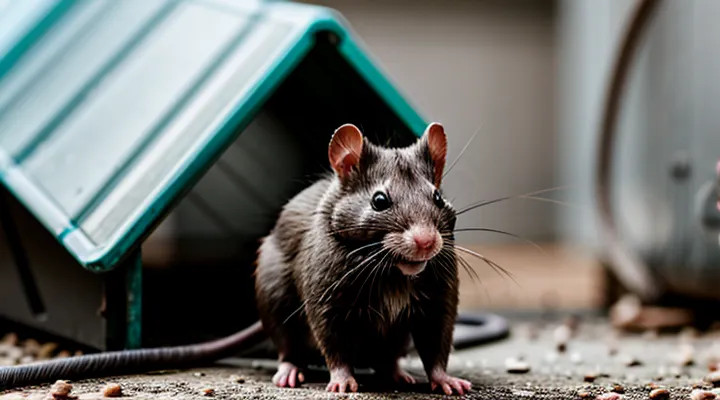
Understanding Zinc Phosphide
What is Zinc Phosphide?
Chemical Composition
Zinc phosphide is a binary inorganic compound composed of zinc and phosphorus atoms in a 3:2 molar ratio, represented by the chemical formula Zn₃P₂. Its molecular weight is approximately 258 g·mol⁻¹. The solid adopts a tetragonal crystal lattice belonging to the space group I4₁/amd, where zinc atoms occupy tetrahedral sites surrounded by phosphorus anions.
The material supplied for rodent control typically appears as a fine gray powder or granules. Commercial grades are standardized to contain 95 %–98 % Zn₃P₂, with the balance consisting of inert fillers such as silica or starch used to improve handling and bait formulation. Trace metal impurities—chiefly iron, copper, and lead—are limited to less than 0.1 % by mass to maintain consistent toxicological performance.
Key physicochemical characteristics influencing efficacy include:
- Low solubility in water (< 0.1 g·L⁻¹ at 25 °C); dissolution is negligible under neutral conditions.
- Rapid hydrolysis in acidic environments, producing phosphine gas (PH₃) and zinc ions.
- Thermal stability up to approximately 350 °C; decomposition above this temperature yields zinc vapor and phosphorus species.
- Density of 5.3 g·cm⁻³, facilitating uniform mixing with bait matrices.
The compound’s reactivity with gastric acid in rodents triggers phosphine liberation, which penetrates cellular membranes and disrupts mitochondrial respiration. Purity specifications and controlled particle size distribution are critical to ensuring predictable gas release rates and achieving reliable control outcomes.
Mechanism of Action
Zinc phosphide functions as a rodenticide through a chemical conversion that produces phosphine gas within the digestive tract of rats. When ingested, the compound reacts with gastric acid, releasing phosphine (PH₃). The gas diffuses rapidly into tissues, where it disrupts cellular metabolism.
Key toxic actions of phosphine include:
- Inhibition of cytochrome c oxidase, blocking the electron transport chain and halting ATP synthesis.
- Oxidative damage to mitochondrial membranes, leading to loss of membrane potential.
- Interference with hemoglobin oxygen binding, reducing oxygen transport.
- Induction of lipid peroxidation, compromising cell membrane integrity.
The combined effect results in rapid energy failure, organ dysfunction, and death. The lethal dose is low, making zinc phosphide an effective agent for controlling rat populations when applied according to regulatory guidelines.
History of Use
Zinc phosphide was first introduced as a rodent poison in the late 1800s, when chemists identified its ability to release phosphine gas upon ingestion by mammals. Early agricultural manuals described its use for protecting grain stores, emphasizing its rapid action and low cost.
During the early 20th century, the compound gained popularity in the United States and Europe. Government agencies began to regulate its distribution, establishing maximum residue limits for food products and requiring labeled warnings about toxic fumes. The 1930s saw the development of baits formulated with wheat flour or cornmeal to improve palatability for rats.
Mid‑century research focused on environmental impact. Studies in the 1950s demonstrated that phosphine gas dissipated quickly, reducing long‑term soil contamination. However, incidents of accidental poisoning in livestock prompted stricter handling protocols and the introduction of child‑resistant packaging.
Recent decades have refined application methods. Integrated pest‑management programs now combine zinc phosphide baits with monitoring traps, limiting exposure to non‑target species. Regulatory revisions in the 2000s introduced mandatory training for professional applicators and stricter record‑keeping requirements.
Key historical milestones:
- 1870s: Discovery of phosphine‑generating properties.
- 1905: First commercial rodent bait marketed.
- 1932: Federal guidelines on labeling and usage established.
- 1954: Environmental safety study confirming rapid gas dispersion.
- 1978: Introduction of child‑resistant containers.
- 2003: Revised professional training standards implemented.
Practical Application
Formulation Types
Baits
Zinc phosphide bait systems deliver a toxic phosphine gas when ingested by rats, providing rapid mortality. The active ingredient is combined with a carbohydrate or grain matrix that attracts rodents and masks the bitter taste of the compound. Formulations typically contain 5 %–10 % zinc phosphide by weight; higher concentrations increase the speed of phosphine release but may reduce palatability.
Recommended field rates range from 0.5 g to 1.0 g of active ingredient per square meter, applied as a uniform layer or placed in pre‑filled stations. Precise dosing depends on infestation density, bait acceptance, and environmental conditions.
Effective placement follows these principles:
- Locate stations along established runways, burrow entrances, and near food sources.
- Install baits at ground level, avoiding direct sunlight and excessive moisture.
- Space stations 5 m–10 m apart in high‑activity zones; increase spacing in low‑traffic areas.
Personal protective equipment (gloves, goggles, respirator) is mandatory during handling. Bait containers must be sealed when not in use, and any spillage should be collected and disposed of according to hazardous waste regulations. Non‑target exposure is minimized by using tamper‑resistant stations and restricting bait access to rodents.
Environmental considerations include:
- Phosphine gas dissipates within hours, leaving no persistent residues in soil or water.
- Degraded bait material should be removed after the control period to prevent secondary ingestion by wildlife.
- Monitoring of rodent activity post‑application confirms efficacy and informs any necessary re‑treatment.
Pastes
Zinc phosphide paste is a granular‑to‑gel formulation designed for direct ingestion by rodent populations. The matrix binds the active ingredient, allowing precise placement in confined bait stations and reducing spillage.
Typical composition includes:
- Zinc phosphide (10–30 % w/w) as the toxicant;
- Inert carriers such as wheat flour or cornmeal to provide bulk;
- Attractants like peanut oil or grain extracts to stimulate feeding;
- Binding agents (e.g., gelatin, starch) that give the paste a pliable consistency.
Application requires:
- Selecting bait stations that prevent access by non‑target species;
- Filling each station with a measured amount of paste, usually 0.5–2 g per station depending on rodent density;
- Positioning stations along runways, near burrow entrances, and in dark corners where rats forage;
- Replenishing bait every 3–5 days to maintain potency.
Dosage recommendations target an average rat weight of 150–250 g, delivering approximately 2–3 mg of zinc phosphide per individual. Field trials indicate that a single ingestion of 5–10 mg induces rapid mortality, minimizing the need for repeated exposure.
Safety protocols mandate:
- Wearing gloves and eye protection during handling;
- Storing paste in sealed containers away from moisture and heat;
- Labeling containers with hazard warnings and expiry dates;
- Conducting regular inspections to remove uneaten bait and prevent secondary poisoning of predators.
Regulatory compliance involves registering the product with relevant pest‑control authorities, maintaining records of application sites, and reporting any incidents of non‑target exposure. Monitoring post‑application rodent activity confirms efficacy and informs adjustments to bait density.
Pellets
Pellets formulated with zinc phosphide serve as the primary delivery medium for rodent control programs targeting rats. The granules are typically 2–4 mm in diameter, allowing easy ingestion by nocturnal foragers while minimizing spillage. Each pellet contains a calibrated dose of zinc phosphide that releases phosphine gas after contact with gastric acid, ensuring rapid lethal action within 24–48 hours.
Key characteristics of zinc phosphide pellets:
- Composition: Zinc phosphide (Zn₃P₂) blended with inert carriers such as wheat flour, cornmeal, or soy protein to improve palatability and stability.
- Dosage control: Standard formulations provide 0.5–1 g of active ingredient per pellet, calibrated for average adult rat weight (150–250 g) to achieve 100 % mortality.
- Moisture resistance: Coatings protect the active ingredient from premature degradation in humid environments, extending field life to 12 weeks under typical storage conditions.
- Safety features: Bittering agents or colored markers can be added to deter non‑target species; packaging complies with EPA regulations for hazardous substances.
Effective deployment requires placement along established runways, near burrow entrances, or within bait stations that restrict access to target rodents. Monitoring of bait consumption and periodic replenishment sustain pressure on the population. Proper disposal of unused pellets follows hazardous waste protocols to prevent environmental contamination.
Application Methods
Bait Stations
Bait stations designed for zinc phosphide applications provide a secure environment for delivering lethal doses to rats while minimizing exposure to non‑target species. The units are typically constructed from durable, weather‑resistant plastic or metal, feature lockable lids, and incorporate internal compartments that prevent accidental access.
Key characteristics include:
- Tamper‑resistant closure mechanisms;
- Size calibrated to accommodate rat activity without allowing entry by larger wildlife;
- Internal bait holders that keep the toxic mixture isolated from moisture and dust.
Effective placement follows a pattern of targeting rat pathways and habitats. Install stations along established runways, near burrow openings, and adjacent to known food sources. Position units at least 10 feet from water bodies and 20 feet from areas frequented by children or domestic animals. Avoid locations with direct sunlight to reduce bait degradation.
Bait preparation requires precise dosing of zinc phosphide, usually 0.5–1 g per gram of bait matrix, blended with an attractant such as grain or peanut butter. Load the mixture into the station’s bait compartment, seal the lid, and label the unit with the active ingredient and hazard warnings.
Safety protocols demand clear signage on each station, regular inspection for damage, and immediate removal of compromised units. Personnel handling stations must wear protective gloves and follow label instructions for personal hygiene.
Maintenance involves a scheduled check every 3–5 days to assess bait consumption, refill depleted stations, and clean interior surfaces to prevent residue buildup. Record each inspection, noting bait level, station condition, and any observed non‑target interactions.
Compliance with local pesticide regulations requires that stations be placed according to label specifications, that usage logs be retained for the prescribed period, and that disposed bait be treated as hazardous waste according to environmental guidelines.
Burrow Baiting
Burrow baiting delivers zinc phosphide directly to rats that reside underground, maximizing exposure while minimizing non‑target risk. The method involves placing bait stations at the entrance of active tunnels, ensuring that rodents encounter the toxicant during routine foraging.
Effective implementation requires:
- Identification of active burrows through fresh soil displacement or tail‑marking.
- Placement of bait in a sealed, weather‑resistant container positioned at the tunnel mouth.
- Use of a bait matrix (e.g., wheat or barley) containing the recommended concentration of zinc phosphide.
- Monitoring of bait consumption and periodic replenishment to maintain lethal dosage.
Safety protocols mandate personal protective equipment for applicators, proper labeling of bait stations, and compliance with local pesticide regulations. Disposal of unused bait follows hazardous waste guidelines to prevent accidental exposure.
Post‑application evaluation includes tracking signs of mortality, such as fresh carcasses near burrow entrances, and adjusting bait density if activity persists. Consistent record‑keeping supports verification of control efficacy and informs future burrow baiting campaigns.
Broadcast Application
Broadcast application of zinc phosphide provides rapid, area‑wide exposure for rodent populations. The method disperses granules or pellets from aircraft or ground‑mounted spreaders, allowing coverage of fields, storage yards, and inaccessible terrain where ground placement is impractical.
Effective broadcast requires precise calibration of equipment. Operators must set the discharge rate to achieve the target application density, typically 0.5–1 kg of active ingredient per hectare, depending on infestation severity and habitat type. Calibration tables supplied by the manufacturer guide adjustments for wind speed, altitude, and nozzle configuration.
Safety considerations dominate the deployment process. Personnel must wear protective gloves, respirators, and eye protection when handling the product. Weather conditions should be dry, with wind velocities below 5 m s⁻¹ to minimize drift onto non‑target areas. Buffer zones around water bodies, livestock pens, and human dwellings must be established and clearly marked.
Environmental impact is mitigated by the following practices:
- Apply only during periods of low activity for non‑target wildlife.
- Use biodegradable bait carriers that release zinc phosphide upon ingestion.
- Conduct post‑application monitoring to verify rodent mortality and assess residue levels.
Regulatory compliance mandates record‑keeping of application dates, locations, rates, and personnel signatures. Inspection reports should be retained for at least three years to demonstrate adherence to local pesticide statutes.
Continuous evaluation of efficacy involves tracking trap catches and visual signs of activity. A decline of 70 % or greater within two weeks indicates successful broadcast treatment; otherwise, supplemental spot‑applications may be required.
Safety and Environmental Considerations
Risks to Non-Target Animals
Primary Poisoning
Zinc phosphide, when deployed as a rodenticide, induces primary poisoning through the generation of phosphine gas after ingestion. The compound remains inert in the environment until it contacts the acidic conditions of a rat’s stomach, where it reacts to release phosphine, a potent respiratory toxin that rapidly disrupts cellular respiration.
Formulations typically contain 2–5 % zinc phosphide by weight, applied at rates of 0.5–2 kg per hectare depending on infestation severity and bait density. Bait stations must be positioned near burrow entrances, with each station offering 10–20 g of bait to ensure sufficient consumption for lethal effect.
Observable effects of primary poisoning include:
- Sudden onset of labored breathing
- Convulsions and loss of coordination
- Darkening of mucous membranes
- Rapid decline leading to death within 30 minutes to 2 hours after ingestion
Safety measures require personal protective equipment, sealed bait containers, and exclusion of non‑target wildlife. Spillage must be collected promptly, and contaminated soil should be treated or removed to prevent secondary exposure. Proper record‑keeping of application rates and locations supports regulatory compliance and efficacy assessment.
Secondary Poisoning
The application of zinc phosphide for rat control presents a distinct risk of secondary poisoning, where non‑target species ingest the toxin indirectly. Predatory birds, mammals, and scavengers may consume poisoned rodents or carcasses containing phosphine gas released after digestion, leading to lethal exposure.
Key factors influencing secondary poisoning include:
- Amount of zinc phosphide in the bait, typically 0.5–1 % by weight.
- Time elapsed between bait consumption and predator ingestion; phosphine production peaks within 12–24 hours.
- Species sensitivity; birds of prey and small carnivores exhibit high susceptibility even at low phosphine concentrations.
Mitigation strategies focus on reducing exposure pathways. Bait stations should be tamper‑proof, placed out of reach of wildlife, and monitored regularly to remove dead rodents promptly. Habitat management that limits predator access to baited areas, combined with targeted removal of carcasses, lowers the probability of secondary ingestion. In high‑risk environments, alternative rodenticides with lower secondary toxicity may be preferred.
Regulatory guidelines often require documentation of bait placement, quantity, and post‑application carcass handling. Compliance with these protocols minimizes ecological impact while maintaining effective rat management.
Environmental Impact
Soil Contamination
Zinc phosphide applied for rodent control introduces phosphide ions and zinc residues into the surrounding soil. The chemical persists as a low‑solubility compound, gradually releasing phosphine gas under acidic conditions. Soil pH, moisture, and organic matter content dictate the rate of phosphide degradation and the extent of zinc accumulation.
Key factors influencing contamination:
- pH: Acidic soils accelerate phosphine generation, increasing volatilization risk.
- Moisture: High moisture promotes phosphide hydrolysis, producing soluble phosphorus species.
- Organic matter: Binding of zinc to organic complexes reduces mobility but may prolong residence time.
Regulatory limits for zinc in agricultural soils typically range from 50 mg kg⁻¹ to 100 mg kg⁻¹, depending on jurisdiction. Exceeding these thresholds can impair microbial activity, alter nutrient cycling, and affect crop uptake. Monitoring programs employ atomic absorption spectroscopy or inductively coupled plasma mass spectrometry to quantify zinc concentrations in soil samples.
Mitigation strategies include:
- Targeted bait placement: Confine bait stations to minimize soil contact.
- Barrier substrates: Use non‑porous trays or sealed containers to prevent direct deposition onto soil.
- Post‑application soil testing: Conduct baseline and follow‑up analyses to detect elevated zinc levels.
- pH adjustment: Apply lime to raise soil pH, reducing phosphine release and zinc solubility.
Long‑term management requires integrating soil health assessments with pest control plans. By limiting direct soil exposure and maintaining regular analytical monitoring, the risk of zinc phosphide‑induced soil contamination can be controlled while preserving the efficacy of rodent control measures.
Water Contamination
Zinc phosphide, when deployed for rodent control, can enter water bodies through runoff, leaching from treated soils, or accidental spillage. The compound reacts with water to release phosphine gas, a toxic by‑product that dissolves partially and can persist in aquatic environments.
Key pathways of contamination include:
- Surface runoff from fields where bait stations are placed, especially after heavy rain.
- Percolation through soil layers reaching groundwater, particularly in sandy or fractured substrates.
- Direct discharge from improper disposal of unused bait or contaminated equipment.
Detected concentrations in surface water often range from low parts‑per‑billion to several parts‑per‑million, depending on application density and environmental conditions. Elevated levels correlate with reduced dissolved oxygen, impaired fish respiration, and mortality in non‑target aquatic organisms.
Mitigation measures:
- Establish buffer zones of at least 10 m between bait sites and watercourses.
- Apply bait only during dry weather to limit runoff potential.
- Use biodegradable bait carriers that reduce persistence in soil.
- Conduct regular monitoring of nearby water sources for phosphine residues.
- Implement containment protocols for spill response, including absorbent barriers and neutralizing agents.
Regulatory guidelines recommend a maximum allowable concentration of phosphine in drinking water of 0.1 mg/L. Compliance with these limits requires precise dosing, thorough site assessment, and ongoing environmental surveillance.
Human Safety
Handling Precautions
Zinc phosphide is a potent rodenticide that releases phosphine gas when ingested by rats. Proper handling prevents accidental exposure and environmental contamination.
Key precautions include:
- Wear chemical‑resistant gloves, goggles, and a particulate‑filter respirator during mixing and application.
- Keep the substance sealed in its original container; never transfer to unmarked vessels.
- Apply only in bait stations that restrict access to non‑target species and children.
- Avoid spreading dust; use a low‑velocity blower or hand‑tamping to embed bait in the ground.
- Do not apply in windy conditions or near open flames, as phosphine is flammable.
Storage requirements:
- Store in a cool, dry, well‑ventilated area away from heat sources and incompatible chemicals such as strong oxidizers.
- Maintain a secure lockable cabinet; label with hazard warnings and expiration date.
- Keep a Material Safety Data Sheet (MSDS) readily available for reference.
Emergency measures:
- If skin contact occurs, remove contaminated clothing and wash the area with soap and water for at least 15 minutes.
- In case of inhalation, move the person to fresh air immediately and seek medical assistance if symptoms develop.
- For ingestion, do not induce vomiting; provide activated charcoal and contact emergency services promptly.
All personnel handling zinc phosphide must receive training on these protocols and undergo regular safety audits to ensure compliance.
First Aid
Zinc phosphide is a rodenticide commonly applied for rat control. Accidental contact or ingestion of this chemical can produce severe toxicity. Immediate response must follow established medical guidelines to minimize harm.
- Remove contaminated clothing and seal it in a plastic bag to prevent further exposure.
- Rinse skin or eyes with running water for at least 15 minutes; do not use cotton swabs or ointments.
- If inhaled, move the person to fresh air; monitor breathing and be prepared to administer oxygen if respiration is compromised.
- For ingestion, do not induce vomiting. Encourage the individual to drink small sips of water or milk to dilute the toxin, then call emergency services.
- Provide information to medical personnel: chemical name (zinc phosphide), estimated amount, time of exposure, and any decontamination performed.
Professional medical treatment may involve gastric lavage, activated charcoal, and supportive care for respiratory or cardiovascular distress. Prompt decontamination and clear communication with emergency responders are essential to mitigate the toxic effects of this rodent control agent.
Efficacy and Resistance
Factors Affecting Efficacy
Bait Shyness
Bait shyness describes rats’ avoidance of poisoned bait after a single sub‑lethal encounter. The phenomenon reduces the effectiveness of zinc phosphide applications and can compromise a control program if not addressed promptly.
Rats develop aversion through associative learning. When a small amount of zinc phosphide fails to cause immediate death, the animal links the taste, odor, or visual cues of the bait with an unpleasant physiological response. This learned avoidance persists even when the toxin concentration is increased, because the conditioned stimulus remains unchanged.
Indicators of bait shyness include a sudden drop in bait consumption, frequent removal of bait without ingestion, and increased activity around bait stations without feeding. Field observations should focus on these patterns to differentiate shyness from natural fluctuations in rodent activity.
Effective countermeasures:
- Introduce a non‑toxic pre‑bait phase for several days to establish bait acceptance before adding zinc phosphide.
- Rotate active ingredients periodically to disrupt the association between a specific bait formulation and adverse effects.
- Vary bait presentation: change matrix, flavor, or color to present a novel stimulus.
- Place bait in concealed or elevated locations that limit visual cues while preserving access.
- Maintain bait concentration within the lethal range to avoid sub‑lethal exposures that trigger aversion.
- Combine chemical baiting with mechanical controls (traps, exclusion) to reduce population pressure and limit repeated bait encounters.
Continuous monitoring of bait uptake rates and rat behavior allows rapid adjustment of the program. Data‑driven revisions, such as altering bait composition or deployment strategy, sustain control efficacy despite the emergence of bait shyness.
Weather Conditions
Weather directly influences the performance of zinc phosphide formulations used for rat control. Temperature determines the rate at which the compound decomposes; temperatures above 30 °C increase volatilization and reduce bait longevity, while temperatures below 5 °C slow the release of phosphine gas, diminishing lethality. Optimal efficacy occurs within the 10‑25 °C window, where chemical stability and gas generation balance.
Moisture affects both bait integrity and exposure risk. Rainfall washes surface bait, leading to loss of active material and potential contamination of non‑target areas. High relative humidity (above 80 %) promotes clumping of granules, impairing uniform distribution. Applications should be scheduled during dry periods or protected with weather‑resistant covers.
Wind speed governs bait displacement and inhalation hazards. Winds exceeding 10 mph can carry phosphide particles beyond the intended zone, increasing the likelihood of accidental ingestion by wildlife or humans. Deployments in calm conditions (under 5 mph) minimize drift and ensure target consumption.
Seasonal patterns dictate timing of treatments. Spring and early autumn, when rodent activity peaks and weather conditions remain moderate, provide the most reliable outcomes. Summer heat and summer storms reduce bait availability; winter freezes hinder gas release.
Practical guidelines
- Apply bait when forecast predicts temperature between 10‑25 °C, no rain for at least 24 hours, and wind below 5 mph.
- Use moisture‑proof containers or shelters if brief precipitation is unavoidable.
- Avoid placement in open fields during high‑wind periods; select sheltered locations or low‑lying ground.
- Schedule repeat applications at the onset of each moderate‑temperature season to maintain population pressure.
Rodent Resistance
Mechanisms of Resistance
Zinc phosphide remains a primary rodenticide for controlling rat populations, yet field observations reveal recurring instances of reduced efficacy. Resistance emerges through several biologically distinct pathways.
- Enhanced detoxification enzymes, particularly cytochrome P450 isoforms, accelerate breakdown of phosphine gas released in the gastrointestinal tract, diminishing lethal concentrations.
- Altered gut microbiota composition can metabolize phosphine precursors before absorption, lowering systemic exposure.
- Genetic mutations affecting neural receptors that bind phosphine reduce the neurotoxic impact, allowing survival at doses previously fatal.
- Behavioral avoidance develops when rats associate bait odor or taste with adverse effects, leading to selective feeding on alternative food sources.
- Reduced bait consumption results from learned aversion, often reinforced by sublethal exposure that induces mild illness without death.
These mechanisms frequently act in combination, producing a multifactorial resistance phenotype. Continuous exposure to suboptimal doses, heterogeneous bait distribution, and environmental stressors accelerate selection pressure. Monitoring enzyme activity levels, genetic markers, and feeding behavior provides early detection of resistance trends, enabling timely adjustment of control protocols.
Management of Resistance
Effective resistance management for zinc phosphide in rat control requires systematic monitoring, strategic toxin rotation, and integration of non‑chemical measures. Continuous field sampling and laboratory bioassays detect shifts in susceptibility, allowing timely adjustments to control protocols. Rotating zinc phosphide with alternative rodenticides that possess distinct modes of action reduces selection pressure and delays resistance development.
Key components of a resistance‑management program include:
- Baseline susceptibility testing before deployment.
- Periodic efficacy assessments after each application cycle.
- Documentation of dosage rates, bait placement, and environmental conditions.
- Incorporation of habitat modification, exclusion techniques, and sanitation to lower population density.
- Use of synergists or adjuvants only when supported by efficacy data.
When resistance indicators emerge, immediate actions should consist of suspending zinc phosphide use, increasing reliance on mechanical controls, and introducing a rodenticide from a different chemical class. Follow‑up testing confirms restored susceptibility before reintroducing zinc phosphide. Maintaining detailed records and adhering to regulatory guidelines ensure that resistance management remains transparent and scientifically grounded.
Regulatory Aspects
Legal Restrictions
Purchase and Use Regulations
Zinc phosphide sold for rodent control is subject to strict federal and state regulations that govern acquisition, handling, and application. Only individuals or entities possessing a valid pesticide registration or a specific license may purchase the product; retailers are required to verify license numbers before completing a sale. Unauthorized transactions constitute a violation punishable by fines or revocation of licensing privileges.
Key licensing requirements include:
- Completion of a certified training program covering toxicology, safe handling, and emergency response.
- Submission of a background check confirming eligibility to possess restricted toxic substances.
- Maintenance of an up‑to‑date registration certificate displayed at the point of sale.
Storage must comply with prescribed standards: containers are to remain sealed, labeled with hazard warnings, and kept in a locked area inaccessible to untrained personnel. Temperature and humidity conditions should not exceed manufacturer specifications to prevent degradation or accidental release.
Application of zinc phosphide is limited to designated sites where non‑target exposure is minimized. Regulations mandate:
- Placement of baits only in tamper‑proof stations approved for use with rodenticides.
- Posting of warning signage indicating the presence of a toxic bait.
- Documentation of bait locations, quantities applied, and dates of deployment, retained for a minimum of 90 days.
- Immediate reporting of any suspected poisoning incidents to the appropriate environmental authority.
Disposal of unused material or contaminated equipment must follow hazardous waste protocols outlined by the Environmental Protection Agency. Failure to adhere to these regulations can result in civil penalties, criminal charges, or loss of licensure.
Licensing Requirements
Zinc phosphide is classified as a restricted-use pesticide in most jurisdictions. Only individuals or entities holding a valid pesticide license may purchase, store, or apply the material for rodent control. The licensing process typically includes the following elements:
- Completion of an accredited training program that covers product chemistry, safe handling, environmental impact, and emergency response.
- Successful passage of a written examination testing knowledge of federal and state regulations, label instructions, and pest‑management principles.
- Submission of an application to the appropriate regulatory agency, accompanied by proof of liability insurance and a background check where required.
- Renewal of the license every one to three years, depending on local statutes, with mandatory continuing‑education credits to demonstrate up‑to‑date competence.
Licensing authorities often require a written pest‑management plan that details target species, application sites, bait placement, and monitoring procedures. Failure to present an approved plan can result in denial of the license or suspension of existing privileges. Record‑keeping obligations include maintaining receipts, usage logs, and disposal documentation for a minimum of two years, enabling inspectors to verify compliance during audits.
In addition to the primary pesticide license, some regions impose supplemental permits for high‑risk environments such as grain storage facilities, food processing plants, or residential complexes. These permits may demand additional training, stricter labeling, or restricted dosage limits. Operators must verify the specific requirements of each jurisdiction before initiating any treatment program.
Best Practices and Guidelines
Zinc phosphide is a potent rodenticide that requires strict adherence to safety and efficacy protocols. Proper handling minimizes risk to non‑target species, humans, and the environment while ensuring reliable control of rat populations.
Before application, verify that the product is registered for use in the target area and that local regulations permit its deployment. Store the material in a locked, ventilated container, away from food, feed, and water sources. Keep the safety data sheet accessible and ensure all personnel have completed a certified training program covering dosage calculations, placement techniques, and emergency procedures.
Key operational steps include:
- Conduct a thorough inspection to identify active burrows, runways, and feeding sites.
- Calculate the required amount based on the estimated number of rats and the concentration of the formulation; do not exceed label‑specified rates.
- Place bait in tamper‑resistant stations or sealed bait blocks, positioning them at least 12 inches above ground level to deter wildlife.
- Use bait stations that are weather‑proof and resistant to displacement by wind or rain.
- Record placement locations with GPS coordinates or a detailed map for future monitoring.
Post‑application monitoring is essential. Check bait stations weekly for consumption levels and signs of secondary poisoning. Replace depleted stations promptly and remove any unused bait after the control period ends. Conduct a final inspection to confirm that rat activity has ceased before removing all stations and disposing of residual material according to hazardous waste guidelines.
When a spill occurs, evacuate the area, wear protective gloves and respirators, and contain the material with absorbent pads. Dispose of contaminated items in a sealed container and notify the appropriate environmental authority.
Adhering to these practices ensures that zinc phosphide delivers effective rat control while maintaining compliance with health, safety, and environmental standards.