
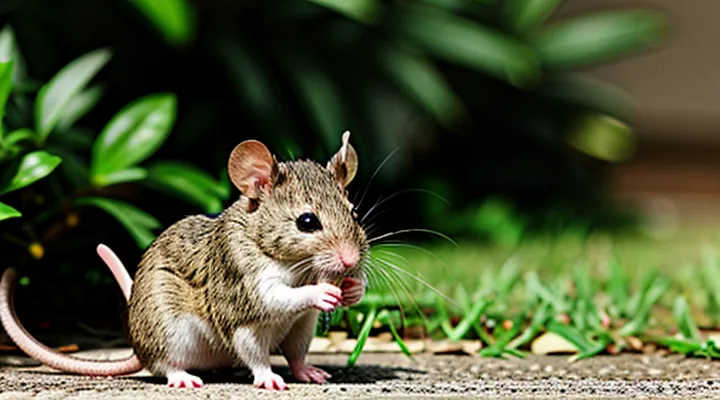
How Ultrasonic Technology Works
Sound Frequencies and Pest Response
Ultrasonic deterrents operate within the auditory limits of rodents, which typically hear between 1 kHz and 100 kHz, with peak sensitivity around 20–30 kHz. Frequencies below 20 kHz are audible to humans and ineffective for covert control; frequencies above 100 kHz exceed the rodent hearing range and provide no stimulus. Empirical studies show that continuous emission at 25–35 kHz induces avoidance behavior, while intermittent bursts at 40–50 kHz enhance the deterrent effect by preventing habituation. Response intensity diminishes after several days of exposure, indicating the necessity of periodic frequency variation or supplemental acoustic cues.
- 25–30 kHz: strong acute aversion, suitable for short‑term deployment.
- 30–35 kHz: sustained avoidance, effective in enclosed spaces.
- 40–45 kHz: reduces habituation, useful for long‑term installations.
- 45–50 kHz: augments deterrent when combined with lower bands, minimizes desensitization.
-
Effective selection requires matching device output to the target species’ hearing peak, incorporating frequency cycling, and monitoring behavioral feedback to adjust the acoustic profile accordingly.
Limitations of Ultrasonic Waves
Ultrasonic pest deterrent devices emit high‑frequency sound waves that rodents cannot hear, yet several physical and biological factors restrict their effectiveness.
The acoustic energy diminishes rapidly with distance. Air absorbs frequencies above 20 kHz, so the audible‑range zone seldom exceeds a few meters. In cluttered environments—walls, furniture, insulation—reflections create dead zones where the signal falls below the threshold needed to provoke a startle response.
Rodent hearing sensitivity varies among species and individuals. Laboratory mice detect frequencies up to 100 kHz, while many rats respond best between 20 and 40 kHz. A single device tuned to a narrow band may miss the optimal range for a mixed infestation, reducing overall repellency.
Habituation develops when rodents are continuously exposed to the same sound pattern. After several days, the stimulus loses its aversive quality, and animals resume normal activity despite ongoing emission.
Background noises—HVAC systems, appliances, outdoor traffic—interfere with ultrasonic output. Intermodulation creates competing frequencies that mask the deterrent signal, further limiting reach.
Power constraints affect field deployment. Battery‑operated units deliver lower acoustic pressure than mains‑powered models, shrinking the effective radius. In large warehouses or multi‑room residences, multiple units must be synchronized, increasing cost and complexity.
Regulatory limits on ultrasonic emissions exist in some jurisdictions to prevent interference with other electronic equipment. Compliance may require reduced output levels, which directly curtails the deterrent zone.
Summarized limitations:
- Rapid attenuation in air, limiting effective radius to 1–3 m.
- Frequency mismatch with diverse rodent hearing ranges.
- Behavioral habituation after repeated exposure.
- Interference from ambient sounds and structural reflections.
- Reduced output in portable, battery‑driven devices.
- Legal restrictions on emitted intensity.
Understanding these constraints is essential when selecting an ultrasonic solution for rodent control.
Do Ultrasonic Repellers Actually Work?
Scientific Studies and Evidence
Scientific investigations into ultrasonic rodent deterrent systems reveal a mixed record of effectiveness. Early laboratory trials, employing controlled cages and single‑species populations, reported reductions in activity ranging from 30 % to 70 % when frequencies between 20 kHz and 65 kHz were applied continuously. Field studies, conducted in agricultural storage facilities and residential basements, documented more modest declines, typically 10 %–25 %, with occasional reports of no measurable impact.
Key methodological factors influencing outcomes include:
- Frequency bandwidth: devices covering a broader spectrum tend to affect a larger proportion of rodent auditory ranges.
- Power output: sound pressure levels above 90 dB SPL at the source correlate with higher repellency, but attenuation over distance limits effective coverage.
- Exposure pattern: intermittent pulsing (e.g., 1 s on, 4 s off) reduces habituation compared to constant emission.
- Species specificity: Mus musculus responds to higher frequencies than Rattus norvegicus, necessitating frequency selection aligned with target pests.
- Environmental complexity: cluttered spaces reflect and absorb ultrasonic waves, diminishing field strength.
Meta‑analyses of peer‑reviewed articles indicate that devices meeting the following evidence‑based criteria achieve the most reliable results:
- Adjustable frequency range encompassing 20–65 kHz.
- Adjustable output power with a minimum of 90 dB SPL at 1 m.
- Programmable duty cycle to alternate emission periods.
- Independent laboratory certification confirming acoustic specifications.
- Proven durability for continuous operation in humid or dusty conditions.
Trials that omitted one or more of these parameters frequently reported null effects, suggesting that product specifications must align with the documented performance thresholds. Consequently, selection decisions should prioritize devices that provide verifiable acoustic data, allow frequency and duty‑cycle customization, and have undergone independent validation in both laboratory and real‑world settings.
Anecdotal Experiences
Homeowners who installed ultrasonic devices after a single mouse sighting often report immediate silence in the kitchen. One farmer in Iowa mounted a weather‑proof unit on a barn wall; after two weeks the trap count dropped from dozens to zero, and the animals did not return even when feed was left uncovered. A laboratory technician in California placed a portable emitter near a storage room; within three days the resident rats ceased activity, and the technician noted no audible hum in the surrounding area.
A small office in New York tried three different models on consecutive weeks. The first, a low‑frequency unit, produced a faint buzzing that staff found distracting, and rodents persisted. The second, a mid‑range emitter with adjustable timers, eliminated sightings after five days but required daily recharging. The third, a high‑frequency system with built‑in motion sensors, operated continuously without audible output; after one week, no rats were observed, and the system’s battery lasted three weeks.
Key observations from these accounts include:
- Frequency range matters; higher frequencies tend to be less perceptible to humans while remaining effective against rodents.
- Power source influences practicality; battery‑operated units demand regular maintenance, whereas wired models provide uninterrupted coverage.
- Environmental sealing protects the device from dust and moisture, extending lifespan and maintaining output consistency.
- Adjustable timing functions allow users to target peak activity periods (typically dusk to dawn), reducing unnecessary exposure.
When evaluating options, prioritize models that combine high‑frequency output, durable housing, and flexible power options. Verify that the manufacturer supplies data on frequency bands and coverage radius, as these specifications correlate directly with the success reported in the anecdotes above.
Factors Influencing Effectiveness
Ultrasonic rodent deterrents rely on several variables that determine how well they repel mice and rats. Device frequency, measured in kilohertz, must match the hearing range of target species; frequencies above 20 kHz affect rodents while remaining inaudible to most humans. Output intensity, expressed in decibels, influences the distance over which the sound remains disruptive; higher SPL extends coverage but may cause rapid habituation if excessively loud. Coverage area, defined by the manufacturer’s specified radius, should correspond to the size of the space being treated; overlapping zones improve consistency but increase power consumption. Placement height and orientation affect wave propagation; mounting devices at rodent travel corridors and avoiding obstructive furniture maximizes exposure. Environmental factors such as temperature, humidity, and background noise alter sound transmission; dry, quiet conditions preserve signal integrity. Power source stability, whether battery or AC, impacts continuous operation; intermittent supply can interrupt the deterrent effect. Finally, species-specific behavior, including habituation speed and activity patterns, determines long‑term success; rotating frequencies or combining ultrasonic tools with physical barriers reduces adaptation.
Types of Ultrasonic Repellers
Plug-in Devices
Plug‑in ultrasonic devices are a common solution for deterring rodents in residential and commercial settings. They operate by emitting high‑frequency sound waves that exceed the hearing range of mice and rats, creating an environment that discourages nesting and foraging.
Key factors when evaluating these units include:
- Frequency spectrum – Effective models cover a range from 20 kHz to 65 kHz, ensuring coverage of the most sensitive hearing bands of common rodent species.
- Coverage area – Manufacturers specify square footage per unit; select devices whose combined coverage matches the size of the target space, accounting for walls and furniture that can block sound.
- Power source – Plug‑in units draw electricity directly from outlets, eliminating the need for battery replacement. Verify that the device includes a low‑power standby mode to reduce energy consumption.
- Adjustable settings – Models with selectable frequency cycles or timers allow adaptation to different infestation levels and minimize habituation.
- Safety certifications – Look for UL, CE, or equivalent approvals, confirming that emitted frequencies do not pose risks to humans or pets.
- Durability – Units constructed from heat‑resistant plastics and equipped with surge protection withstand continuous operation in kitchens, basements, and attics.
Installation is straightforward: connect the device to a grounded outlet, position it at least 12 inches away from walls, and avoid placement near large metal objects that could reflect or absorb the ultrasonic waves. For larger areas, distribute multiple units evenly, maintaining a minimum separation of 6 feet to prevent overlapping interference.
Maintenance requirements are minimal. Periodic cleaning of the exterior removes dust that could dampen sound transmission. Replace the unit after the manufacturer’s suggested service life—typically 2–3 years—because speaker degradation reduces efficacy over time.
By assessing frequency range, coverage, power configuration, adjustability, safety compliance, and build quality, consumers can select plug‑in ultrasonic repellents that deliver reliable rodent deterrence without unnecessary complexity.
Battery-Powered Units
Battery-powered ultrasonic deterrents must deliver consistent frequency output throughout the device’s operating cycle. A reliable power source ensures the transducer emits the required 20–65 kHz range without interruption, which is essential for maintaining rodent aversion.
When evaluating models, focus on these parameters:
- Battery chemistry – Lithium‑ion cells provide higher energy density and longer discharge periods than alkaline or nickel‑metal‑hydride packs; they also sustain voltage under load, preserving acoustic intensity.
- Operating duration – Look for specifications indicating at least 8 hours of continuous use on a single charge; some units list up to 30 days on low‑power standby, which reduces maintenance frequency.
- Voltage stability – Devices that incorporate voltage regulation circuitry prevent frequency drift as the battery depletes, preserving effectiveness across the full charge cycle.
- Rechargeability – Integrated charging ports or removable battery packs simplify replacement and extend overall lifespan, minimizing long‑term cost.
- Coverage area – Manufacturers typically rate the effective radius in square meters; select a unit whose advertised range matches the target environment, accounting for obstacles that attenuate ultrasonic waves.
- Environmental sealing – IP‑rated enclosures protect against dust and moisture, crucial for installations in basements, garages, or outdoor sheds where rodents are common.
- Safety features – Automatic shut‑off on low‑battery conditions prevents sub‑threshold emissions that could habituate pests; some models also include child‑lock switches.
- Weight and ergonomics – Portable units should be lightweight enough for easy placement and repositioning without compromising battery housing integrity.
A practical approach involves matching the device’s battery specifications to the site’s power‑availability constraints. In locations lacking convenient electrical outlets, prioritize models with long‑lasting lithium cells and robust charging options. For areas with intermittent power, consider units that support both AC adapters and battery operation, ensuring continuous coverage during outages.
Finally, verify warranty terms and after‑sales support. Devices backed by multi‑year guarantees and accessible replacement battery programs reduce downtime and safeguard the investment in ultrasonic rodent control.
Outdoor vs. Indoor Models
Ultrasonic devices designed for rodent control differ significantly between outdoor and indoor applications. Outdoor units must withstand weather, cover larger areas, and operate with higher power output to penetrate vegetation and structures. Indoor models focus on compact size, low noise levels, and safety for humans and pets in confined spaces.
Key distinctions:
- Weather resistance – Outdoor units feature sealed enclosures, UV‑stable plastics, and corrosion‑proof components; indoor devices lack these protections.
- Coverage radius – Outdoor emitters typically cover 1,200–1,500 sq ft, while indoor models are rated for 300–600 sq ft.
- Power consumption – Higher wattage is common in outdoor systems to maintain effective frequencies over distance; indoor units use lower wattage to reduce electricity costs.
- Installation – Outdoor devices are mounted on walls, eaves, or poles and may require grounding; indoor units plug into standard outlets and can be placed on shelves or tables.
- Safety features – Indoor models often include automatic shut‑off when a human or pet is detected; outdoor units prioritize wildlife safety with frequency ranges that avoid harming birds and beneficial insects.
When choosing a solution, match the device’s environmental rating, coverage specifications, and power requirements to the intended location. Ensure compliance with local regulations regarding ultrasonic emissions, especially for outdoor deployment.
Key Features to Consider When Choosing
Frequency Range and Adjustability
Effective ultrasonic deterrents operate within the auditory sensitivity of mice and rats, typically 20 kHz to 80 kHz. Frequencies below 20 kHz are audible to humans and lose repellent efficacy; frequencies above 80 kHz exceed the rodents’ hearing limits and provide no advantage.
Devices marketed for rodent control usually specify a single output frequency or a range. A fixed frequency around 40 kHz covers the peak sensitivity of most species but may allow habituation. Models that emit a sweep or multiple tones across 30 kHz–70 kHz reduce adaptation risk and increase coverage of individual hearing variations.
Adjustability features to prioritize:
- Variable frequency dial or digital selector covering at least 30 kHz–70 kHz.
- Mode switching between fixed, sweeping, and random patterns.
- Power regulation to maintain consistent SPL (sound pressure level) across the selected range.
When evaluating options, verify that the manufacturer provides measured SPL values at the intended distance, and confirm that the frequency adjustment mechanism is simple to operate without requiring external calibration tools. Selecting a unit with a broad, user‑controlled frequency spectrum maximizes deterrent reliability across diverse rodent populations.
Coverage Area and Power Output
Effective rodent deterrence depends on two measurable parameters: the spatial reach of the sound field and the acoustic intensity generated by the unit.
The coverage area defines the radius within which ultrasonic waves remain above the threshold required to affect mice and rats. Manufacturers typically specify a circular or rectangular footprint measured in square meters or feet. Larger footprints reduce the number of devices needed for a building, but the actual performance may shrink if obstacles such as walls, furniture, or insulation block propagation. When assessing a product, compare the advertised coverage with the layout of the target environment and verify that the effective radius extends to all entry points and nesting zones.
Power output, expressed in milliwatts (mW) or decibels (dB SPL), determines the strength of the signal at the edge of the coverage zone. Higher output compensates for attenuation caused by distance and barriers, preserving efficacy at the perimeter of the advertised area. Key considerations include:
- Peak acoustic pressure at 1 meter from the transducer.
- Frequency range (typically 20–30 kHz) and its stability across the coverage zone.
- Compliance with safety limits to avoid harm to pets or humans.
Selecting a device requires matching the declared coverage with the required power level for the specific space. A unit that advertises 30 m² with low output may underperform in cluttered rooms, whereas a model with modest coverage but higher output can maintain deterrent levels in more confined, obstacle‑rich areas. Balance both parameters to achieve consistent ultrasonic exposure throughout the intended protection zone.
Additional Pest Control Features
Ultrasonic rodent deterrents often incorporate extra functions that improve overall pest‑control performance. These supplementary features can compensate for limitations of sound alone and provide practical advantages for users.
- Motion‑activated sensors that trigger emission only when activity is detected, conserving energy and extending battery life.
- Multi‑frequency emitters that alternate between ultrasonic ranges, reducing the chance of rodents adapting to a single frequency.
- Integrated LED lights that deter nocturnal rodents and illuminate the area for human inspection.
- Weather‑sealed housings suitable for indoor and outdoor placement, protecting electronics from moisture and dust.
- Remote‑control units or smartphone apps that allow frequency adjustment, timer settings, and on/off scheduling without direct access to the device.
- Audible alarm mode that produces a high‑pitch sound audible to humans, useful for confirming operation during installation.
- Data‑logging capability that records activation events, helping users assess coverage and identify hotspots.
When evaluating a unit, prioritize features that align with the intended environment and maintenance routine. Motion sensors and multi‑frequency output enhance effectiveness by targeting active rodents while minimizing habituation. Weather‑proof construction ensures reliable operation in garages, sheds, or basements. Remote control and scheduling simplify daily management, especially in larger facilities. Data logging provides measurable feedback, supporting evidence‑based adjustments to the pest‑control strategy. Selecting devices with these additional capabilities leads to more consistent rodent deterrence and reduces the need for supplementary chemical or trap methods.
Safety for Pets and Humans
Ultrasonic rodent deterrent devices emit high‑frequency sound that is inaudible to most humans but can affect small mammals. Safety for domestic animals and people depends on frequency range, intensity, and exposure time. Devices operating below 20 kHz may be heard by children and pets with sensitive hearing; models that produce frequencies above 30 kHz reduce this risk. Verify that the manufacturer lists the output frequency and provides a sound‑pressure level (SPL) measurement; lower SPL values correlate with reduced discomfort for non‑target species.
Key safety considerations:
- Frequency selection – Choose units that specify a minimum frequency of 30 kHz. This minimizes the likelihood of audible disturbance for humans and most dogs and cats.
- Adjustable timers – Prefer devices with programmable on/off cycles. Limiting continuous operation prevents prolonged exposure that could lead to stress in pets.
- Coverage area – Match the device’s effective radius to the size of the space. Over‑coverage creates overlapping fields, increasing overall SPL.
- Pet‑specific testing – Conduct a short trial in a confined area while monitoring pet behavior. Signs of agitation, ear scratching, or avoidance indicate unsuitable settings.
- Compliance certifications – Look for CE, FCC, or UL markings. Certified products have undergone testing for electromagnetic safety and acoustic emissions.
Installation guidelines:
- Position the unit at least 1 meter above floor level to avoid direct exposure to small mammals that may crawl underneath.
- Avoid mounting near pet feeding stations, sleeping areas, or children's play zones.
- Ensure the device is not placed in humid or dusty environments, which can alter acoustic output and increase maintenance needs.
Regular maintenance includes cleaning the speaker grille and checking battery or power‑supply integrity. Replacing units that show diminished output prevents compensatory increase of volume, which could inadvertently raise risk to humans and pets. By adhering to these parameters, users can select ultrasonic deterrents that effectively target rodents while maintaining a safe acoustic environment for household occupants.
Pros and Cons of Ultrasonic Repellers
Advantages of Using Ultrasonic Devices
Ultrasonic repellents offer several practical benefits when addressing rodent intrusion.
- Non‑chemical control – Devices emit high‑frequency sound waves that deter mice and rats without introducing poisons or residues into the environment.
- Continuous operation – Once installed, units function autonomously, providing round‑the‑clock coverage and reducing the need for manual intervention.
- Safety for humans and pets – Frequencies are inaudible to most people and domestic animals, eliminating health risks associated with toxic baits or traps.
- Low maintenance – Most models require only periodic battery replacement or occasional cleaning of the speaker grille.
- Targeted action – Sound can be directed toward specific zones, allowing precise protection of storage areas, kitchens, or agricultural facilities.
These attributes make ultrasonic technology a reliable component of integrated pest‑management strategies for rodent control.
Disadvantages and Potential Drawbacks
Ultrasonic rodent deterrent devices present several limitations that can affect their practicality and effectiveness. Sound frequencies above the audible range for humans may be heard by some rodent species, yet the intensity often diminishes quickly with distance, creating a narrow zone of influence that fails to cover larger infested areas. Consequently, placement must be precise, and multiple units may be required to achieve adequate coverage, increasing installation costs.
Potential drawbacks include:
- Variable species response – Not all mice and rats exhibit the same sensitivity to high‑frequency noise; some individuals become habituated after repeated exposure, reducing long‑term efficacy.
- Interference with other electronics – Continuous ultrasonic emission can disrupt nearby pet containment systems, baby monitors, or hearing‑aid devices, leading to unintended side effects.
- Environmental constraints – Solid barriers such as walls, furniture, or insulation absorb ultrasonic waves, limiting penetration into hidden nesting sites.
- Regulatory and safety considerations – Certain jurisdictions impose restrictions on continuous high‑frequency emissions, and prolonged exposure may affect wildlife or domestic animals with acute hearing.
- Energy consumption – Devices operating continuously draw power, which can raise electricity bills and necessitate reliable power sources in remote locations.
These factors should be evaluated alongside the intended application to determine whether ultrasonic repellent technology aligns with pest‑management goals.
Best Practices for Installation and Use
Strategic Placement Tips
Effective use of ultrasonic deterrents hinges on precise positioning. Devices emit high‑frequency sound waves that travel in straight lines and lose intensity quickly when obstructed. Place each unit where the sound can reach the target pathways without interruption.
- Install units at the highest point of entry points, such as attic openings, roof vents, and ceiling gaps. Mice and rats prefer elevated routes when accessing structures.
- Position emitters along interior walls that connect to known foraging areas, typically near pantry shelves, garbage storage, and utility rooms.
- Ensure a minimum clearance of 12 inches from walls, furniture, or insulation to prevent acoustic shadowing.
- Space multiple units 15–20 feet apart in large rooms; overlapping coverage creates a continuous field that deters movement.
- Avoid placement near metal surfaces, thick concrete, or water fixtures, as these materials reflect or absorb ultrasonic energy, reducing effectiveness.
Regularly inspect the layout. If rodent activity shifts, relocate devices to the new activity corridors. Maintaining a clear line of sight between the emitter and potential pathways maximizes the repellent field and sustains long‑term deterrence.
Maintaining Effectiveness Over Time
Ultrasonic rodent deterrents lose potency when environmental conditions shift or the device degrades. Consistent performance hinges on proper installation, periodic upkeep, and adaptation to rodent behavior.
Placement near walls, ceiling junctions, and entry points maximizes sound propagation. Avoid obstructing surfaces with furniture or clutter; even thin fabrics can absorb ultrasonic waves. Verify that the device covers the intended area by measuring the audible range with a calibrated detector or by consulting manufacturer specifications.
Routine maintenance includes:
- Cleaning transducer surfaces weekly to remove dust and debris that dampen output.
- Inspecting power sources; replace batteries before voltage drops below the operational threshold, and ensure solar or AC adapters maintain stable supply.
- Updating frequency settings when rodents exhibit habituation; many models allow manual or automatic cycling through a spectrum of ultrasonic tones.
- Conducting a monthly functional test by listening for the device’s low‑frequency indicator or using a handheld ultrasonic meter.
Environmental factors such as temperature, humidity, and ambient noise can alter wave transmission. In heated or humid spaces, schedule recalibration of the device’s output power to compensate for increased attenuation. In areas with high background noise, consider supplemental deterrents or devices with higher decibel ratings.
Documenting inspection dates, battery changes, and any observed changes in rodent activity creates a maintenance log that supports timely interventions. Over time, this disciplined approach preserves the deterrent’s efficacy and reduces the likelihood of rodent populations reestablishing.
Combining with Other Pest Control Methods
Ultrasonic rodent deterrents rarely achieve complete eradication when used alone; they function best as part of a multi‑modal strategy.
- Mechanical traps (snap, live‑catch) address individuals that ignore sound frequencies.
- Bait stations provide lethal or contraceptive action for populations that become habituated.
- Physical exclusion (sealing entry points, installing mesh) prevents re‑infestation by limiting access.
- Environmental sanitation (removing food sources, controlling clutter) reduces attractants that undermine ultrasonic efficacy.
Synchronize devices with other measures by positioning emitters near entry points while placing traps and baits downstream of the sound field. Operate ultrasonic units continuously, but schedule traps for peak activity periods (dusk and night) to increase capture rates.
Monitor rodent activity through visual inspections, trap counts, and frequency of device alerts. Adjust placement or add supplemental methods if activity persists, ensuring that each component addresses a distinct aspect of the infestation. This coordinated approach maximizes overall control while minimizing reliance on any single technique.
Alternatives to Ultrasonic Repellers
Traps and Baits
Ultrasonic repellents are most effective when combined with physical control methods such as traps and baits. Selecting the appropriate devices requires understanding their function, placement, and interaction with sound emitters.
Snap, electric, and live‑capture traps each serve a specific purpose. Snap traps deliver rapid killing, electric traps provide instantaneous electrocution, and live‑capture traps allow relocation. Choose a model that matches the target species, environment, and safety requirements. Ensure the trigger mechanism is sensitive enough to activate with the smallest rodent and that the device can operate continuously without frequent battery changes.
Baits fall into two categories: toxic formulations and non‑toxic attractants. Toxic baits contain anticoagulants or neurotoxins; they must comply with local regulations and be positioned where non‑target animals cannot access them. Non‑toxic baits, such as grain or peanut butter, facilitate trapping by increasing visitation rates. Select a bait that aligns with the chosen trap type and monitor consumption to assess effectiveness.
When integrating traps and baits with ultrasonic units, observe the following guidelines:
- Place traps at least 12 inches from the speaker to prevent sound interference with the trigger mechanism.
- Position baits in areas where rodents travel but outside the direct ultrasonic field to avoid deterrence.
- Use multiple ultrasonic devices to create overlapping zones, ensuring that no blind spot exists between trap locations.
- Conduct regular inspections to verify trap functionality and bait freshness, adjusting device placement as rodent activity patterns shift.
By matching trap design, bait selection, and ultrasonic coverage, the overall control strategy becomes more reliable and reduces the likelihood of infestation persistence.
Professional Extermination Services
Professional pest‑control firms that specialize in rodent management rely on ultrasonic deterrent systems to reduce mouse and rat activity. These devices emit high‑frequency sound waves that are uncomfortable for rodents while remaining inaudible to humans and most pets.
Key factors for selecting a qualified service include:
- Verification of licensed and insured status.
- Demonstrated experience with ultrasonic technology, supported by case studies or client references.
- Use of calibrated equipment that covers the full range of frequencies known to affect both mice and rats.
- Ability to conduct a site assessment, identify entry points, and integrate ultrasonic units with other control measures.
- Transparent pricing that separates equipment costs from labor and follow‑up inspections.
A reputable provider conducts a pre‑treatment survey to map infestation hotspots, installs devices at optimal locations, and schedules periodic checks to confirm efficacy. Maintenance plans often involve firmware updates to keep the frequency spectrum aligned with the latest research on rodent hearing.
Choosing a service that adheres to these criteria ensures reliable performance, minimizes the risk of equipment failure, and delivers measurable reductions in rodent presence.
Home Remedies and Prevention
Ultrasonic devices can be complemented by simple household measures that reduce rodent attraction and improve the effectiveness of sound deterrents.
Sealing entry points eliminates the primary pathway for mice and rats. Inspect foundations, walls, and utility penetrations; apply steel wool, copper mesh, or silicone caulk to gaps larger than ¼ in.
Removing food sources limits the incentive for rodents to linger near the device. Store dry goods in airtight containers, clean crumbs from countertops, and empty pet feeders after each use.
Managing vegetation creates an unfavorable environment around the perimeter. Trim shrubs, keep grass short, and eliminate dense ground cover that offers shelter.
Controlling moisture prevents the buildup of conditions that attract pests. Repair leaking pipes, ensure proper drainage, and use dehumidifiers in damp basements.
A basic maintenance routine sustains ultrasonic performance. Dust transducers regularly, verify battery charge or power supply, and reposition units if furniture or clutter blocks the emitted waves.
Practical checklist
- Inspect and seal all structural gaps.
- Store food in sealed containers; clean spills immediately.
- Trim vegetation and remove debris near the building.
- Fix leaks and improve ventilation in humid areas.
- Clean device surfaces and confirm unobstructed coverage.
Combining these low‑cost, non‑chemical strategies with a correctly selected ultrasonic system creates a comprehensive barrier that discourages rodents without reliance on toxins.