
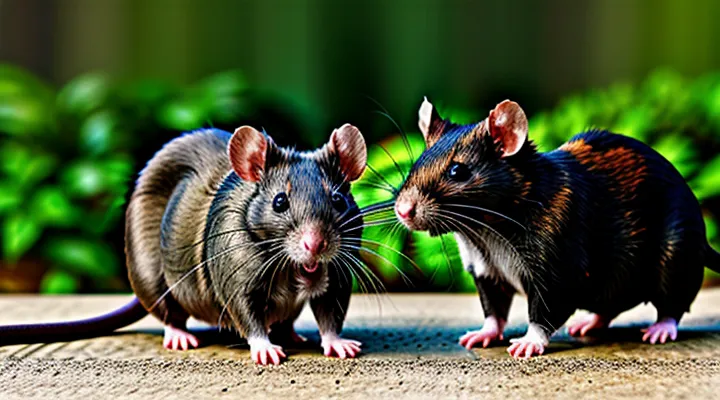
Understanding Pet Rat Varieties
Why Rat Varieties Matter
Rat varieties represent distinct genetic lines that exhibit specific coat textures, ear placements, color patterns, and temperament traits. Recognizing these differences allows owners to match a rat’s physical and behavioral profile with their caregiving preferences.
- Genetic diversity reduces the prevalence of hereditary disorders within captive populations.
- Coat and ear morphology influence grooming requirements and susceptibility to skin conditions.
- Color and pattern genetics aid in tracking lineage and preventing inadvertent inbreeding.
Behavioral tendencies vary among varieties; for example, rats with larger ears often display heightened curiosity, while those with plush fur may be more prone to calm interaction. Accurate identification of these traits guides selection of pets that align with household activity levels and handling experience.
Photographic documentation relies on clear differentiation of varieties. Precise visual records support breeders in maintaining breed standards, assist veterinarians in diagnosing condition‑specific issues, and provide prospective owners with reliable reference material.
Overall, understanding why rat varieties matter enhances animal welfare, informs responsible breeding practices, and ensures that prospective owners can make informed decisions based on concrete, observable characteristics.
Basic Categorization of Pet Rats
Pet rats fall into several primary categories that help owners choose suitable companions and understand care requirements. The most widely recognized classifications are based on coat color, pattern, size, and genetic lineage.
- Coat color – includes albino (white with pink eyes), black, brown, and agouti (mixed brown and black). Each color results from specific pigment genes and is easily identifiable in photographs.
- Pattern – encompasses solid, hooded (dark head with lighter body), and variegated (mixed patches of color). Pattern variations often appear within a single litter, providing visual diversity.
- Size – ranges from standard (approximately 200–300 g) to dwarf (under 150 g). Dwarf rats, such as the “Teddy” phenotype, display a compact body and proportionally larger ears.
- Genetic lineage – includes laboratory‑derived strains (e.g., Sprague‑Dawley) and domesticated breeds developed for specific traits like temperament or coat texture. These lineages influence health predispositions and behavior patterns.
Understanding these categories enables prospective owners to select rats that match aesthetic preferences and practical considerations, such as space constraints or breeding goals. Photographic references typically illustrate each category, highlighting distinguishing features that assist in accurate identification.
Common Pet Rat Types by Physical Characteristics
Fur Types
Standard Fur
Standard fur is the most common coat type found in domestic rats kept as companions. The hair covers the entire body in a smooth, uniform layer without any texture modifications such as curls or hairlessness.
The coat presents a sleek appearance, with individual hairs measuring approximately 1–2 mm in length. The fur lies close to the skin, allowing the animal’s musculature to be visible under the hair. This texture contributes to a low maintenance requirement compared to specialized varieties.
Typical colorations include solid shades (black, white, brown, gray) and patterned forms such as agouti, hooded, or sable. Each color results from the distribution of melanin pigments, which does not affect the underlying fur structure.
Key characteristics of the standard coat:
- Uniform hair length across the body
- Absence of curl, alopecia, or wiry texture
- Easy grooming; a soft brush removes loose hairs weekly
- Minimal risk of skin irritation related to coat anomalies
Standard-furred rats tolerate routine handling and exhibit normal thermoregulation. Their coat provides adequate insulation for ambient temperatures between 18 °C and 26 °C, eliminating the need for supplemental heating in typical indoor environments.
Rex Fur
Rex‑fur rats are distinguished by a dense, curly coat that feels similar to velvet. The hair grows in short, tightly wound curls, giving the animal a plush appearance and a distinctive silhouette compared to smooth‑coated varieties. The texture reduces the visibility of skin imperfections, but it also traps loose hair and debris, requiring regular grooming to prevent matting.
Key characteristics of the Rex coat include:
- Uniform curl pattern across the body, with occasional longer wisps on the tail.
- Soft, dense fur that retains warmth, making Rex rats well‑suited for cooler environments.
- Slightly higher shedding rate; curls release microscopic fibers that accumulate in bedding and cages.
Health considerations specific to Rex rats:
- Skin irritation may develop if hair becomes tangled; daily inspection of the coat and gentle brushing with a soft comb are recommended.
- Respiratory issues are rare but can arise if excessive fur accumulates in the respiratory passages; maintaining clean, low‑dust bedding mitigates this risk.
- Dental health remains identical to other rat types; regular chew toys are essential to prevent overgrowth.
Care guidelines:
- Provide a cage with ample ventilation and low‑pile bedding such as paper or aspen to limit fur entanglement.
- Schedule a brief grooming session three times per week, using a pet‑safe detangling spray if necessary.
- Monitor weight and coat condition during routine health checks; any sudden loss of curl density may indicate underlying illness.
Overall, Rex‑fur rats combine an appealing aesthetic with specific maintenance requirements. Proper husbandry ensures their coat remains healthy, preserving the breed’s unique visual appeal and comfort.
Double Rex Fur
The double‑rex coat is a distinctive fur type found among pet rats. It consists of a dense, wavy undercoat that lies flat against the skin, giving the animal a plush, velvety texture. Unlike standard hair, the double‑rex hair is shorter, softer, and less prone to shedding, which reduces the amount of loose fur in the enclosure.
Key characteristics of the double‑rex phenotype include:
- Texture: Ultra‑soft, velvety feel; hair lies flat without the typical “spike” of standard coats.
- Length: Shorter than normal hair, typically 0.5–1 cm, yet appears fuller due to the dense undercoat.
- Color range: Available in most standard rat colors—black, brown, white, and agouti—each retaining the same plush quality.
- Health considerations: Skin is more sensitive to abrasions; trims or harsh grooming should be avoided.
Photographic identification relies on close‑up images that capture the subtle sheen of the fur and its lack of visible whisker‑like tufts. When comparing to other coat types—such as standard, satin, or hairless—the double‑rex stands out for its combination of softness and low maintenance grooming requirements.
Breeders recommend a diet rich in omega‑3 fatty acids to support coat health, regular but gentle cleaning of the cage to prevent matting, and handling that minimizes friction. These practices preserve the coat’s integrity and maintain the rat’s overall well‑being.
Hairless Fur
Hairless rats are a distinct variety among companion rodents, recognized for the absence of the typical dense coat. Their skin appears smooth, often pink or lightly pigmented, and may show fine, sparse hair in certain individuals. The lack of fur makes these rats especially suitable for owners who prefer a tactile, low‑allergen pet.
Key characteristics include:
- Visible skin texture: The skin is soft, with a delicate surface that can be more prone to dryness.
- Temperature regulation: Without insulating fur, hairless rats rely heavily on environmental warmth; ambient temperature should remain within 68‑74 °F (20‑23 °C).
- Health considerations: The exposed skin requires regular moisturization to prevent cracking; gentle, fragrance‑free ointments are recommended.
- Photographic identification: Images typically highlight the smooth body, bright eyes, and any residual whiskers, allowing easy distinction from haired counterparts.
Proper care involves maintaining a stable climate, providing nesting material that does not cover the skin excessively, and monitoring for signs of skin irritation. With attentive management, hairless rats thrive as engaging, visually striking pets.
Satin Fur
Satin‑fur rats are distinguished by a glossy, tightly packed coat that reflects light with a silky sheen. The fur lies flat against the body, giving a sleek appearance that differs markedly from the wiry texture of standard varieties. This coat type is the result of a specific genetic mutation affecting hair structure, producing longer, smoother hairs that lie close together.
Key characteristics include:
- Color range – Satin fur appears in the same palette as other domestic rats, from black and brown to agouti and white, but each hue is enhanced by the reflective surface.
- Texture – The hair feels soft and satin‑like to the touch; it does not curl or frizz, allowing easy grooming.
- Health considerations – The dense, flat coat can trap oils, making regular cleaning essential to prevent skin irritation or fungal growth.
- Photographic representation – High‑resolution images typically show the coat’s sheen from multiple angles, highlighting the way light glides across the surface.
Owners should incorporate routine grooming into daily care. A gentle brush designed for fine hair removes loose particles without damaging the delicate strands. Bathing should be limited to occasional use of a mild, pet‑safe shampoo, followed by thorough drying to avoid moisture buildup under the fur.
When selecting a satin‑fur rat, assess the animal’s overall condition: clear eyes, clean ears, and a coat free of bald patches indicate good health. Breeders who prioritize sound genetics often provide photographs that capture the unique luster of this fur type, assisting prospective owners in making an informed choice.
Fuzz Fur
Fuzz Fur rats are distinguished by a dense, plush coat that feels soft to the touch. The hair length ranges from medium to long, creating a rounded silhouette that differs from the sleek appearance of standard varieties. Breeders emphasize the coat’s uniformity; each strand lies flat against the skin, reducing the risk of matting when proper grooming is performed.
Key characteristics of the Fuzz Fur type include:
- Coat texture: thick, velvety, with minimal shedding
- Growth pattern: continuous, requiring regular trims to maintain length
- Color palette: wide spectrum, from solid shades to patterned markings
- Size: comparable to other medium‑sized pet rats, typically 250–300 g
Photographic representation should capture the coat’s depth. Close‑up images taken with diffused lighting reveal the subtle sheen and texture, while full‑body shots illustrate the overall body shape and fur flow.
Health considerations focus on skin hygiene. Regular inspection prevents fungal infections that can develop under dense fur. A weekly grooming routine, combined with a balanced diet rich in omega‑3 fatty acids, supports coat health and reduces brittleness.
When selecting a Fuzz Fur rat, assess the animal’s grooming tolerance. Some individuals enjoy handling, while others may become stressed by frequent brushing. Experienced owners report that consistent, gentle grooming reinforces the bond and maintains the coat’s optimal condition.
Ear Types
Top-Eared
Top‑Eared rats belong to the “dumbo” category, distinguished by an enlarged, forward‑facing ear set that creates a round facial appearance. Their ears sit low on the head, covering part of the eyes and giving a gentle, expressive look. Photographs typically highlight the ear placement, a broad skull, and a short, dense coat that ranges from black and brown to agouti and white.
Key characteristics
- Ear structure: Large, floppy ears that extend horizontally, often covering the sides of the head.
- Head shape: Rounded skull with a short muzzle, creating a “panda‑like” facial expression.
- Coat: Short to medium length, dense, with common color patterns including solid, brindle, and patched varieties.
- Size: Adult weight 300–500 g, comparable to standard fancy rats, with a body length of 20–25 cm.
Behavioral notes
Top‑Eared rats display the same sociable, inquisitive temperament as other pet rats, forming strong bonds with owners and thriving in small groups. Their ear size does not affect hearing; they respond readily to vocal cues and gentle handling.
Care considerations
- Housing: Standard rat cage with adequate ventilation; provide low‑profile enrichment to accommodate the ear size.
- Cleaning: Regular cage cleaning prevents ear infections; inspect ear folds for debris or wax buildup.
- Diet: Balanced rat chow supplemented with fresh vegetables, fruits, and occasional protein treats.
Photographic guidance
Images that capture the Top‑Eared rat from a frontal angle best illustrate ear placement, while side views reveal the skull contour. Close‑up shots of the ear interior can aid in health assessments.
Overall, Top‑Eared rats offer a visually striking variation without compromising the typical health and temperament standards of domesticated rats.
Dumbo-Eared
The Dumbo‑Eared rat is a distinct variety recognized for its low‑set, oversized ears that fold forward along the head, giving a rounded facial profile. This ear placement differentiates the breed from standard rats, whose ears sit high on the skull.
Physically, Dumbo‑Eared rats display the same body structure as other domestic rats—lean musculature, a smooth coat, and a length of 7‑9 inches from nose to tail tip. Color patterns range from solid black, white, and brown to patterned varieties such as agouti, brindle, and hooded. Eyes are typically dark and expressive, and the forward‑facing ears can appear almost touch‑sensitive when handled gently.
Behaviorally, the breed exhibits a calm disposition, often seeking close contact with humans. Social interaction with conspecifics remains essential; isolation can lead to stress‑related behaviors. Playfulness is moderate, with a preference for gentle exploration over aggressive dominance.
Key care points include:
- Regular ear cleaning to prevent wax buildup, using a cotton swab dampened with saline solution.
- Monitoring for ear infections, which may develop more readily due to the ear’s orientation.
- Providing a spacious cage with multiple enrichment items to encourage movement and mental stimulation.
- Ensuring a balanced diet of commercial rat pellets supplemented with fresh vegetables and occasional protein sources.
Health assessments should focus on respiratory health and dental wear, both common concerns across rat varieties. Routine veterinary check‑ups, combined with attentive observation of behavior and physical condition, support the longevity of Dumbo‑Eared pets.
Tail Types
Standard Tail
The standard tail is the most common tail form among domesticated rats. It extends the length of the body, typically measuring 6–9 cm in adult specimens, and tapers smoothly to a point. The skin covering is thin, allowing easy inspection for injuries, parasites, or tumors. Scale pattern follows the body’s dorsal line, with a uniform coloration that matches the coat, though occasional lighter or darker patches may appear near the tip.
Key characteristics:
- Flexibility: Muscular vertebrae provide a high degree of bend, facilitating balance during climbing and rapid directional changes.
- Sensory function: Numerous vibrissae and nerve endings along the underside detect air currents and surface texture, aiding navigation in confined spaces.
- Health indicator: Changes in tail firmness, swelling, or discoloration often signal underlying health issues such as tail necrosis or circulation problems.
- Compatibility: Most rat breeds, including standard, hooded, and tuxedo varieties, possess this tail type, making it the default reference when comparing morphological traits.
Photographic documentation should capture the tail from dorsal, lateral, and ventral perspectives to illustrate scale alignment, length proportion, and any color variations. Close‑up images of the tip are valuable for assessing tip integrity and the presence of any lesions. Proper lighting and a neutral background enhance visual clarity, supporting accurate identification and health assessment.
Tailless (Manx)
The tailless, or Manx, rat is a distinct variety within the broader spectrum of domestic rats. Its most recognizable feature is the complete or near‑complete absence of a tail, a condition caused by a recessive genetic mutation that disrupts normal vertebral development. The mutation is homozygous lethal; therefore, breeders must pair a tailless individual with a normal‑tailed rat to produce viable offspring, resulting in a 25 % chance of a tailless pup in each litter.
Physical appearance combines the sleek body shape of a standard rat with a shortened or missing caudal vertebrae column. Coat colors and patterns mirror those of other varieties, allowing for a wide range of aesthetic options. The lack of a tail does not affect limb function, but it alters balance and may influence climbing behavior; tailless rats tend to rely more on their hind limbs and forepaws when navigating vertical surfaces.
Health considerations include an increased susceptibility to spinal abnormalities, especially in the lumbar region, due to the altered skeletal structure. Regular veterinary examinations should focus on posture, gait, and signs of discomfort. Environmental enrichment that minimizes the need for high climbing can reduce stress on the spine.
Key care points:
- Provide low‑profile platforms and ramps rather than tall climbing structures.
- Use soft bedding to cushion the back and prevent pressure on the lumbar area.
- Monitor weight to avoid excess strain on the musculoskeletal system.
- Schedule routine health checks with a veterinarian experienced in exotic rodents.
Photographic documentation benefits from a side‑view angle that highlights the absence of the tail, while a front view showcases facial expression and coat detail. Consistent lighting and a neutral background enhance the visual contrast between the rat’s body and its environment, making the tailless characteristic immediately apparent.
Eye Colors
Black Eyes
Black‑eyed rats represent a distinct visual variant among domesticated rats, recognized for their dark, uniform iris that contrasts sharply with the surrounding fur. The phenotype results from a recessive gene that eliminates pigment in the eye, leaving a deep, almost black appearance. Breeders value this trait for its striking aesthetic and its ease of identification in mixed litters.
Key characteristics of black‑eyed rats include:
- Eye coloration: Solid black irises without the typical reddish or pinkish hue seen in albinos.
- Coat compatibility: The trait can appear on any coat color, from agouti to solid black, providing flexibility in breeding programs.
- Health profile: No known health complications directly linked to the black‑eye gene; standard care requirements apply.
- Photographic identification: Images typically show a glossy, dark pupil that absorbs most light, making the eyes appear as tiny voids against the surrounding fur.
When documenting pet rats, photographs should capture the eyes from a frontal perspective under neutral lighting to highlight the contrast. Close‑up shots emphasize the depth of the black iris, while side views demonstrate the absence of reflective glare that characterizes lighter‑eyed specimens. Accurate descriptions paired with such images enable hobbyists and veterinarians to differentiate black‑eyed rats from other ocular phenotypes quickly.
Ruby Eyes
Ruby‑eyed rats represent a distinct visual variant prized by enthusiasts for their vivid, deep‑red irises. The coloration results from a dilution of melanin in the eye pigment, allowing blood vessels to dominate the hue. This trait appears across several common breeds, including the standard hooded, albino, and agouti varieties, each retaining the ruby eye characteristic while differing in coat pattern.
Key characteristics of ruby‑eyed rats:
- Eye color: uniform ruby red, ranging from bright scarlet to a darker burgundy depending on lighting.
- Coat compatibility: compatible with most coat colors; the eye color does not affect fur quality or growth.
- Health considerations: no inherent medical issues linked to the ruby eye gene; regular veterinary checks remain essential.
- Breeding notes: the ruby eye gene is recessive; both parents must carry the allele to produce offspring with ruby eyes.
Photographic documentation typically shows the eyes reflecting a glossy sheen against a neutral background, highlighting the contrast with the surrounding fur. When evaluating potential pets, focus on eye clarity, absence of cataracts, and overall vitality rather than solely on coloration.
Pink Eyes
Pink eyes in pet rats indicate a lack of pigment in the iris and surrounding eye structures. The condition results from genetic mutations that suppress melanin production, most commonly the albino gene, which is recessive and appears in homozygous form. Variants such as leucistic or dilute coats may also display pink eyes when pigment is reduced.
Visually, the eye exhibits a translucent sclera through which blood vessels are visible, and the iris appears pink to reddish due to underlying vasculature. The pupil may appear dark, but the overall eye lacks the typical dark brown or black coloration seen in pigmented rats.
Genetically, pink-eyed rats inherit two copies of the albino allele (aa) or, in some cases, a combination of alleles that diminish melanin. Breeders identify the trait through phenotypic observation and confirm it with pedigree analysis. The trait is stable across generations when both parents carry the recessive allele.
Health implications include heightened sensitivity to bright light, increased risk of corneal drying, and susceptibility to bacterial or fungal infections due to reduced ocular melanin protection. Regular veterinary examinations are advised to detect early signs of keratitis, ulceration, or discharge.
Care recommendations:
- Provide dim or indirect lighting; avoid direct sunlight.
- Use a humidified environment to prevent ocular drying.
- Clean the eye area gently with a sterile, saline‑based solution if discharge appears.
- Schedule routine eye health checks with a veterinarian experienced in rodent ophthalmology.
- Monitor for changes in eye color, swelling, or behavioral signs of discomfort.
Odd-Eyed
Odd‑eyed rats display a striking contrast between the colors of their eyes, with one eye typically dark and the other red or pink. The condition results from a genetic mutation that reduces pigment in the iris of one eye while preserving normal pigmentation in the other. This phenotype appears in several coat varieties, most commonly in albino and pearl lines, but can also occur in colored strains when the responsible allele is present.
Physical characteristics include:
- Asymmetrical iris coloration that remains stable throughout the rat’s life.
- No impact on vision; both eyes function normally.
- Often accompanied by a white or light‑colored facial mask, though mask presence varies with coat type.
Breeding considerations focus on the inheritance pattern. The odd‑eyed trait follows an autosomal recessive gene; both parents must carry the allele for offspring to express the phenotype. Breeders typically pair two carriers or one carrier with an odd‑eyed individual to increase the likelihood of producing odd‑eyed litters.
When photographing odd‑eyed rats, ensure adequate lighting to highlight the eye contrast without causing glare. Close‑up shots of the face capture the distinctive iris difference, while side profiles can show the symmetry of the overall head shape. High‑resolution images allow viewers to appreciate the subtle pigment variation that defines this unique appearance.
Common Pet Rat Types by Coloration
Self Colors
Black
Black rats are among the most striking varieties kept as companions. Their coat ranges from deep ebony to a glossy midnight hue, often appearing uniformly colored with a subtle sheen that becomes more pronounced under proper lighting. The pigmentation is genetically determined and does not affect health; however, darker fur can mask minor injuries or skin conditions, making regular visual inspections essential.
Physical characteristics typically include:
- Dense, short hair that resists matting.
- Dark eyes that may appear brown or black, providing excellent low‑light vision.
- A robust body structure comparable to other domestic rats, with an average weight of 250–350 g.
Behaviorally, black rats exhibit the same social and cognitive traits as other color morphs: curiosity, trainability, and a strong preference for companionship. Their coloration does not influence temperament, but owners should be aware that the dark coat may hide parasites, so routine grooming and health checks are recommended. Providing enrichment, a balanced diet, and a clean habitat ensures that black rats thrive alongside their lighter‑coated counterparts.
Agouti
Agouti is a common coat pattern among domesticated rats, characterized by a blend of dark and light hairs that creates a speckled, earthy appearance. The pattern results from the interaction of the agouti (A) gene with the rat’s base color, producing a mixture of black, brown, and tan pigments across the body.
The pattern is most visible on the dorsal surface, where each hair displays a dark tip and a lighter base. In photographs, the contrast between the darker tail, ears, and back and the lighter belly and whisker pads provides clear identification. Good lighting that emphasizes texture highlights the subtle gradations of the agouti coat.
Key characteristics of agouti rats:
- Dorsal fur: darkened tips with lighter shafts, giving a mottled look.
- Ventral fur: uniformly lighter, often cream or pale gray.
- Tail: darker than the body, sometimes with a distinct stripe.
- Eyes: dark brown, contrasting with the lighter facial fur.
- Whisker pads: lighter, matching the ventral coloration.
Agouti rats require the same basic care as other pet rats: balanced diet, regular cage cleaning, and enrichment. Their coat does not demand special grooming, but occasional brushing can reduce shedding and maintain fur condition. Health monitoring should focus on typical rodent concerns, such as respiratory issues and dental wear, independent of coat pattern.
Beige
Beige rats represent a distinct color form within the spectrum of companion rats. Their coat displays a light, creamy hue that ranges from pale sand to a warm, almost ivory tone. The coloration is uniform across the body, with minimal markings, and often pairs with dark eyes that enhance the overall contrast.
Physically, beige rats share the typical size and body proportions of the species: an adult weight of 300–500 g and a length of 20–25 cm excluding the tail. The fur is short to medium in length, dense, and lacks the glossy sheen found in some other color varieties. This texture makes the coat appear soft to the touch and reduces the visibility of stray hairs in photographs.
When capturing images of beige rats, the following guidelines improve clarity:
- Use diffused natural light to avoid harsh shadows that can obscure the subtle shade variations.
- Position the animal against a neutral, mid‑tone background (e.g., light gray) to prevent the coat from blending with the surroundings.
- Employ a shallow depth of field to highlight the head and facial features while gently blurring the periphery.
Beige rats require the same basic care as other domestic rats: a balanced diet, regular cage cleaning, and social interaction. Their light-colored fur may show dirt more readily, so routine grooming with a soft brush helps maintain a clean appearance without damaging the hair. Health monitoring, enrichment, and handling practices remain identical to those applied to other color forms.
Blue
Blue rats represent a distinct color morph within the domestic Norway rat (Rattus norvegicus) population kept as companions. The coat results from a recessive dilution gene (b) that reduces melanin density, producing a spectrum from deep slate to pale sky. Breeders identify the phenotype by consistent coloration across the dorsal and ventral surfaces, with minimal pattern variation.
The genetic mechanism is well documented: two copies of the b allele are required for expression, allowing carriers to appear black while producing blue offspring when paired appropriately. The mutation does not interfere with normal development, and health parameters align with those of standard‑colored rats.
Physical traits include a short, dense fur that reflects light with a subtle metallic sheen. Eye color typically ranges from pink to ruby, and body weight averages 300–500 g for adults. The coat’s reduced melanin does not predispose the animal to dermatological issues, though regular inspection for fur quality remains advisable.
Photographic records supplied by reputable breeders feature high‑resolution dorsal, ventral, and lateral views, accompanied by macro images highlighting fur texture. Such visual documentation aids accurate identification and comparison across litters, supporting responsible selection for prospective owners.
Key considerations for blue rat ownership:
- Genetic pairing: ensure both parents carry the b allele to guarantee blue offspring.
- Nutrition: balanced diet rich in protein and essential fatty acids promotes coat health.
- Grooming: weekly brushing removes loose hair and reveals early signs of skin irritation.
- Health monitoring: observe for alopecia or discoloration, which may indicate underlying issues unrelated to coat color.
Adhering to these guidelines maximizes the welfare of blue rats and facilitates reliable visual documentation for enthusiasts and professionals alike.
Champagne
Champagne refers to a specific coat coloration observed in several breeds of domesticated rats. The hue appears as a pale, creamy amber that can range from almost white to a light golden tone, depending on the individual’s genetic background. The color results from a dilution of the standard brown pigment, producing a uniform, soft appearance across the body, ears, and tail.
Key characteristics of the Champagne phenotype include:
- Evenly distributed pigment without stark contrast between dorsal and ventral areas.
- Slightly pinkish undertones visible on the nose and footpads.
- Eyes typically dark, providing clear definition against the light fur.
Breeders often select Champagne rats for visual appeal and for the way the coloration highlights the animal’s anatomy in photographs. When documenting these rats, high‑resolution images should capture the subtle sheen of the fur and the contrast with surrounding environments to aid identification.
Health considerations for Champagne rats align with those of other color varieties; no specific medical issues are linked to the dilution gene. Standard care practices—balanced diet, regular cage cleaning, and mental enrichment—apply equally.
Understanding the Champagne coat assists owners and photographers in recognizing and presenting this distinct visual trait within the broader spectrum of pet rat varieties.
Mink
Mink rats represent a distinct variety within the spectrum of domestic rats kept as companions. Their name derives from the glossy, dark‑brown coat that mirrors the fur of the mink animal, setting them apart from the more common albino and hooded types.
Physically, mink rats exhibit a uniform coloration ranging from deep chocolate to almost black, with a subtle sheen visible under proper lighting. The fur is short, dense, and lies close to the body, reducing the visibility of individual hairs. Eye color typically aligns with the coat, appearing dark brown or black, while the whiskers and foot pads retain a lighter tone, providing contrast.
Key characteristics for prospective owners include:
- Temperament: Generally calm and sociable, responding well to gentle handling.
- Size: Comparable to other standard pet rats, averaging 9–11 cm in body length.
- Health considerations: Coat thickness may conceal minor skin issues; regular inspection is advisable.
- Activity level: Active during twilight hours, requiring enrichment toys and tunnels.
Photographic documentation of mink rats should capture the coat’s luster and the uniformity of color. Images taken with diffused natural light highlight the subtle variations in shade, while close‑up shots of the face reveal the dark eyes and lighter whisker pads. Consistent background color enhances contrast, making the mink pattern readily identifiable for comparison with other rat varieties.
Marked Colors
Hooded
The hooded rat is a widely recognized coat pattern in domesticated rats, distinguished by a darkly pigmented head, ears, shoulders, and a dorsal stripe that contrasts sharply with a white ventral surface.
Its coloration consists of a solid black or brown mask extending over the face and ears, a dark shoulder patch that merges into a narrow, often irregular, dorsal stripe, and a completely white abdomen, paws, and tail tip. The boundary between dark and light areas can vary from a clean line to a feathered transition, depending on the individual’s genetics.
The pattern results from a recessive allele that requires both parents to carry the gene for the offspring to express the hooded phenotype. Breeders typically pair two hooded individuals or a hooded rat with a carrier to achieve predictable results, while avoiding unintended mixtures of other patterns such as “piebald” or “agouti.”
Hooded rats exhibit the same health profile and behavioral traits as other domestic varieties; they are active, social, and respond well to handling when socialized early. Their distinct coloration makes them popular in show settings and photographic documentation, where the contrast between dark and light areas highlights anatomical features.
Key points:
- Dark mask on head and ears
- Dark shoulder and dorsal stripe
- White belly, paws, and tail tip
- Recessive genetic basis
- Consistent health and temperament with other pet rats
Photographs of hooded rats typically emphasize the stark division between the dark dorsal region and the white ventral area, providing clear visual identification of the pattern.
Berkshire
The Berkshire is a distinct variety among domestic rats, recognized for its solid, dark coat and muscular build. Its fur is uniformly black or deep brown, lacking the white markings common in other strains, which gives the animal a sleek, uniform appearance. The breed typically exhibits a robust frame, a broad head, and a short, dense coat that requires minimal grooming.
- Coat: solid black or dark brown, short and glossy; no patterning
- Size: medium to large; adult weight 300–500 g
- Body shape: compact, muscular, with a broad skull
- Temperament: calm, confident, often more independent than spotted varieties
- Health considerations: generally healthy; monitor for respiratory issues common to dark-furred rats
- Photographic tips: capture the glossy sheen of the coat with soft, diffused lighting; side profiles highlight the breed’s broad head and sturdy torso.
Irish
The Irish rat is a distinct variety among domestic pet rats, recognized for its sleek, glossy coat and uniform coloration. Its fur ranges from deep black to a rich, chocolate brown, with a characteristic sheen that distinguishes it from other color morphs. The body is compact, with a slightly longer tail proportionate to its size, typically weighing between 300 and 500 grams when fully grown.
Key physical traits include:
- Short, dense hair that lies flat against the skin, minimizing grooming requirements.
- Dark, expressive eyes that contrast sharply with the coat, enhancing visual appeal in photographs.
- A well‑defined head shape with a straight profile, contributing to a clean, streamlined silhouette.
Behaviorally, the Irish rat exhibits a calm disposition, making it suitable for both novice and experienced owners. It displays consistent activity levels, engaging in exploration and gentle interaction without excessive skittishness. Social compatibility with other rat varieties remains high, provided introductions are managed gradually.
When documenting the Irish rat in visual media, photographers often emphasize:
- The glossy fur texture by using soft, diffused lighting.
- The contrast between the dark coat and the background, selecting neutral tones to accentuate the animal’s outline.
- Close‑up shots of the eyes and whiskers to capture detail and convey the rat’s alert expression.
Proper care for the Irish rat aligns with standard rat husbandry: a balanced diet, regular cage cleaning, and enrichment items such as tunnels and chew toys. Its short hair reduces the risk of matting, though routine handling helps maintain coat health and strengthens the human‑animal bond.
Capped
Capped rats display a striking two‑tone coloration in which the head, shoulders, and upper back are one hue, while the remainder of the body exhibits a contrasting shade. The pattern results from a recessive gene that restricts pigment to the cranial region, producing a “cap” of color that is visually distinct in photographs.
Typical color combinations include black‑capped (black cap with white body), chocolate‑capped, and agouti‑capped varieties. Each variant follows the same genetic principle: the cap gene must be homozygous for expression, while the base coat color derives from separate alleles. Breeders often verify the pattern by comparing side‑profile images, which reveal a clean boundary between cap and body.
Key characteristics of capped rats:
- Clear demarcation between cap and body in dorsal view
- Uniform cap color across head, shoulders, and upper back
- Base coat may be solid, patterned, or speckled, depending on additional genes
- Consistent pattern across litters when both parents carry the cap allele
Health considerations do not differ from other domestic rats; however, the visual contrast makes early detection of skin issues easier, as lesions on the cap or body stand out in photographs. Proper nutrition, regular handling, and a clean environment support the overall well‑being of capped individuals.
When selecting a capped rat, examine multiple images to confirm the integrity of the cap line and assess any variations in shading that may indicate mixed genetics. This approach ensures accurate identification and reliable breeding outcomes.
Dalmatian
The Dalmatian is a distinct coat pattern found in several pet rat varieties. It features a white base color marked with irregular black spots that resemble the classic canine pattern, giving each individual a unique appearance. The spotting is genetically stable, allowing breeders to produce consistent results across litters.
Physically, Dalmatian rats retain the standard size and body shape of their species, with a sleek, muscular build and a lively demeanor. Their eyes are typically dark, providing strong contrast against the spotted fur. The pattern does not affect health, growth rate, or lifespan; Dalmatian rats mature at the same pace as other color morphs.
Key characteristics of the Dalmatian morph:
- White background coat with black or dark brown spots of varying size
- Spots distributed randomly, never forming uniform rows
- No impact on temperament; individuals are curious, active, and social
- Compatible with standard rat care requirements: balanced diet, regular cleaning, enrichment toys
- Photographic appeal: high contrast makes them stand out in natural lighting and studio settings
Owners should monitor coat condition as with any rat, ensuring regular grooming to keep the fur clean and free of debris. The Dalmatian pattern adds visual diversity to collections of pet rats without requiring special maintenance.
Variegated
The variegated rat is distinguished by a mottled coat pattern that combines patches of two or more colors, often including white, black, brown, or gray. This coloration results from a genetic mutation affecting pigment distribution, producing a striking, irregular appearance that differs from solid‑color or “agouti” varieties.
Key features of the variegated type:
- Coat: irregular, multi‑colored patches; may include spots, splashes, or marbled sections.
- Size: comparable to standard domesticated rats, typically 9–12 inches in length, 300–500 g weight.
- Temperament: generally calm and social, similar to other pet rat breeds; individual behavior varies more with upbringing than coat pattern.
- Grooming: coat requires regular handling to prevent matting; occasional brushing helps maintain fur health.
- Breeding considerations: variegated pattern is recessive; both parents must carry the gene for offspring to display the trait.
Photographic documentation typically highlights the contrast between dark and light areas, emphasizing the uniqueness of each specimen. When selecting a variegated rat, evaluate health indicators such as clear eyes, clean fur, and active behavior, as the coat pattern does not affect vitality.
Shaded Colors
Siamese
Siamese rats are distinguished by a striking two‑tone coloration. The head, ears, and tail are dark—typically black or deep brown—while the body displays a lighter shade such as cream, beige, or white. This contrast is sharp, with a clear line where the colors meet, giving the animal a “mask” appearance.
The breed’s coat is short and smooth, similar to that of other fancy rats, and it sheds minimally. Siamese individuals often have a slender build, with a proportionally longer tail that matches the dark coloration of the head. Their eyes are dark, providing additional contrast against the lighter fur.
Key characteristics:
- Head, ears, and tail: solid dark color
- Body: light, uniform shade
- Coat: short, glossy, low shedding
- Build: lean, with a long, dark tail
- Temperament: typical of pet rats—curious, social, and trainable
Photographic documentation usually shows the dark mask clearly defined against the pale body, with the tail extending the mask’s color. Lighting emphasizes the crisp line between the two tones, making Siamese rats easily identifiable among other varieties.
Himalayan
The Himalayan is a distinct color pattern among fancy pet rats, recognized for its contrasting dark points and light body. Breeders select this variety for the sharp division between black or brown ears, nose, tail, and paws and a creamy‑white coat on the rest of the body.
Physical characteristics include:
- Dark pigmentation limited to extremities and tail
- White or cream‑colored fur covering the head, back, and abdomen
- Medium‑sized body, typically 7‑9 inches in length
- Eyes ranging from pink (albino) to dark brown, depending on genetic background
Temperament tends toward calm and sociable behavior; Himalayans often interact well with other rats and respond positively to gentle handling. Their moderate activity level makes them suitable for owners seeking a pet that enjoys exploration without excessive hyperactivity.
Care considerations focus on maintaining coat health and preventing skin irritation at the pigmented points. Regular grooming to remove loose fur, a balanced diet rich in protein, and enrichment items such as tunnels and chew toys support overall well‑being. Monitoring temperature is advisable, as the darker extremities can be more sensitive to extreme cold.
Sable
Sable rats are distinguished by a deep, uniform coat that ranges from dark chocolate to almost black, with a subtle sheen that becomes more pronounced under bright lighting. Their fur lacks the lighter markings seen in other varieties, giving a sleek, monochrome appearance that appeals to owners seeking a classic look.
Physical traits include a compact body, muscular build, and a short, dense tail that matches the coat color. Eyes are typically dark brown, and whiskers are long and white, providing contrast against the dark fur. The overall size aligns with standard pet rats, averaging 9–12 cm in body length and weighing 150–250 g.
Key care considerations:
- Housing: Provide a solid-bottom cage with ample bedding to prevent fur matting.
- Diet: Offer a balanced rat mix supplemented with fresh vegetables; monitor for any discoloration in fur that may indicate nutritional deficiencies.
- Health monitoring: Check for skin lesions or hair loss, which can be more noticeable on the uniform dark coat.
- Social needs: Sable rats thrive in small groups; interaction reduces stress and promotes healthy grooming habits.
Photographic documentation typically shows the coat’s uniformity from multiple angles, highlighting the contrast with the white whiskers and pink nose. Close‑up images reveal the fine texture of the fur, useful for distinguishing sable from similar dark‑coated varieties such as black or chocolate rats.
In breeding programs, sable coloration follows an autosomal recessive pattern, meaning both parents must carry the sable allele for offspring to express the trait. Breeders often pair sable with other colors to maintain genetic diversity while preserving the distinctive coat.
Rare and Exotic Pet Rat Types
Dwarf Rats
Dwarf rats are a distinct group of domesticated rodents prized for their small stature and diverse coat patterns. Adult dwarf rats typically weigh between 120 g and 180 g, considerably less than standard laboratory strains, which facilitates handling and reduces space requirements.
Key physical traits include:
- Compact body shape with a short tail relative to body length.
- Wide range of coat types, such as hairless, rex, satin, and standard smooth fur.
- Color variations encompassing albino, black, brown, agouti, and patterned combinations like hooded or Dutch.
Temperamentally, dwarf rats exhibit high curiosity and social interaction. They form strong bonds with owners when provided regular handling and enrichment. Their smaller size does not diminish activity levels; they require climbing structures, tunnels, and chewable objects to prevent boredom and promote dental health.
Care considerations are straightforward but demand attention to detail:
- Cage size: minimum 2 ft × 2 ft floor area, with vertical space for climbing.
- Bedding: dust‑free, absorbent material such as paper-based products to protect respiratory health.
- Diet: balanced commercial rat pellets supplemented with fresh vegetables, limited fruit, and occasional protein sources.
- Health monitoring: weekly weight checks, observation of coat condition, and prompt veterinary consultation for signs of respiratory issues or skin lesions.
Photographic documentation benefits from a neutral background, soft lighting, and a shallow depth of field to highlight coat texture. Position the rat on a stable surface, allowing natural posture, and capture multiple angles to illustrate distinctive features.
Overall, dwarf rats combine manageable size with a spectrum of visual characteristics, making them a popular choice for enthusiasts seeking variety within compact pet rodents.
Bristle Coat Rats
Bristle coat rats are distinguished by a short, stiff hair that lies flat against the skin, giving the animal a sleek, almost metallic sheen. The coat lacks the soft, plush texture seen in other varieties, which reduces shedding and simplifies grooming; a gentle brush once a week removes loose hairs and maintains shine.
Key physical traits include:
- Length of hair: 2–3 mm, uniformly dense across the body.
- Texture: firm, slightly wiry, resistant to matting.
- Color patterns: solid black, agouti, albino, and patterned varieties such as “Dutch” and “Himalayan.”
- Eyes: bright, clear, often accentuated by the contrast of the coat.
Health considerations focus on skin integrity. The tight hair layer can trap moisture, so owners should keep the cage dry and monitor for dermatitis. A balanced diet rich in protein and omega‑3 fatty acids supports coat health; occasional supplementation with fish oil promotes a glossy finish.
Behaviorally, bristle coat rats exhibit the same curiosity and social nature as other pet rats. They respond well to handling when introduced gradually, and they thrive in groups of at least two individuals to prevent loneliness.
When photographing bristle coat rats, the reflective quality of the hair benefits from diffused lighting. Softbox or natural window light reduces harsh glare, while a shallow depth of field highlights the texture without overwhelming the background. Position the animal on a neutral surface to emphasize contrast between the coat and surroundings.
Breeders select for coat consistency and color purity. Genetic testing can confirm the presence of the “bristle” allele, ensuring offspring inherit the desired hair type. Maintaining a clean breeding environment minimizes respiratory issues that may arise from dense fur particles.
In summary, bristle coat rats combine a distinctive, low‑maintenance coat with the typical temperament of domestic rats. Proper grooming, attentive health care, and appropriate photographic techniques showcase their unique appearance.
Harley Rats
Harley rats are a distinct variety within the spectrum of domestic rat breeds, recognized for their striking coloration and compact body shape. Their coat combines a deep black base with vivid orange or red markings that follow a predictable pattern, creating a high‑contrast appearance easily identified in photographs. Musculature is well‑defined, and the head is proportionally broad, giving the breed a robust look.
Key characteristics include:
- Size: Adult males average 250–300 g; females are slightly lighter.
- Coat: Short, dense fur with a glossy finish; coloration is genetically stable, reducing the likelihood of unexpected pattern variations.
- Temperament: Generally confident, active, and inquisitive; they respond well to gentle handling and exhibit quick learning in maze or trick training.
- Health: Low incidence of common rat ailments; regular veterinary checks focus on dental wear and skin condition.
- Care requirements: Standard cage size (minimum 2 ft × 1 ft × 1 ft), enrichment objects such as tunnels and chew toys, balanced diet of commercial rat pellets supplemented with fresh greens.
Photographic documentation typically highlights the contrast between the dark base and bright accent patches, providing clear visual reference for identification and breeding standards. Proper socialization from a young age enhances the breed’s reputation for friendliness and adaptability in household environments.
Choosing the Right Pet Rat for You
Temperament Considerations
When selecting a pet rat, temperament is as decisive as appearance. Behavioral tendencies influence handling, social compatibility, and suitability for novice owners.
- Dumbo rats – gentle, tolerant of frequent interaction; respond well to calm environments; may become timid if exposed to abrupt movements.
- Hooded rats – active, curious, enjoy exploration; require regular enrichment to prevent boredom; can be assertive with other rats.
- Rex rats – calm, less prone to startle; often display steady curiosity without excessive nervousness; suitable for owners seeking a steady companion.
- Standard (albino) rats – varied temperament, ranging from shy to bold; individual assessment essential; socialization early in life improves confidence.
Temperament assessment should include observation of reaction to handling, response to new objects, and interaction with cage mates. Consistent, gentle exposure reduces fear and promotes confidence across all breeds.
Health Considerations
Pet rats exhibit distinct physical traits, but each variety shares fundamental health requirements. Proper care reduces the risk of disease and promotes longevity.
Key health considerations include:
- Nutrition – Provide a balanced diet of high‑quality rat blocks, fresh vegetables, and occasional protein treats. Avoid excessive sugary or fatty foods that can lead to obesity and metabolic disorders.
- Dental health – Continuously growing incisors require constant wear. Supply chewable items such as wooden blocks or untreated natural branches to prevent overgrowth and malocclusion.
- Respiratory health – Maintain low humidity and good ventilation to deter Mycoplasma pulmonis and other respiratory infections. Observe for sneezing, nasal discharge, or labored breathing.
- Skin and coat – Regular grooming removes loose fur and deters mites and lice. Inspect for alopecia, scabs, or redness, which may indicate dermatitis or parasitic infestation.
- Weight monitoring – Weigh rats weekly; a sudden loss or gain of more than 5 % of body weight warrants veterinary evaluation.
- Vaccination and veterinary care – Schedule annual examinations with a small‑animal veterinarian familiar with rodents. Discuss vaccination options where available and establish a protocol for emergency care.
- Environmental hygiene – Clean cages weekly with mild, unscented detergent, replace bedding, and provide fresh water daily. Prevent exposure to toxic substances such as strong cleaners or scented oils.
Adhering to these guidelines supports the well‑being of all domestic rat breeds, regardless of visual differences presented in photographs or descriptive profiles.
Availability of Specific Types
Pet rat varieties differ in coat color, pattern, and body shape, and their market presence varies by region and supplier. Breeders specializing in specific phenotypes often maintain limited litters, resulting in sporadic stock for rare types such as “Himalayan” or “Blaze” rats. Large pet‑store chains typically carry only the most common colors—white, black, and agouti—because demand is steady and turnover is high. Online marketplaces and dedicated rat‑breeding forums expand access, allowing enthusiasts to order less‑available strains directly from hobbyists across the country.
Key channels for acquiring particular rat types:
- Registered breeders – offer pedigree documentation, health guarantees, and consistent supply of targeted colors; availability depends on breeding cycles and may require waiting lists.
- Pet‑store franchises – stock bulk‑bred, standard colors; rare patterns are seldom found in this channel.
- Specialty rescue groups – occasionally receive donated rats of uncommon varieties; adoption rates fluctuate with local rescues.
- Online classified sites – provide direct contact with private owners; listings change daily and verification of health status varies.
Geographic factors influence access. Urban areas with a high concentration of rodent‑focused hobbyists tend to have more diverse selections, while rural regions rely on mail‑order breeders or occasional trips to larger cities. Seasonal breeding peaks, typically in spring and early summer, increase the number of available litters, whereas winter months see reduced inventory across all channels.
Care for Different Pet Rat Types
Grooming Needs
Pet rats, regardless of breed or coloration, require regular grooming to maintain health and comfort. Proper coat care prevents matting, reduces shedding, and lowers the risk of skin infections.
- Brushing: soft‑bristled brush applied two to three times weekly removes loose hair and debris.
- Nail trimming: clippers sized for rodents used once every 10‑14 days keep paws functional and avoid painful overgrowth.
- Ear cleaning: cotton swabs dampened with saline solution applied gently once a month clears wax buildup.
- Dental maintenance: providing chewable toys and monitoring incisors daily prevents overgrowth that can impair eating.
- Bathing: occasional spot cleaning with a damp cloth is sufficient; full immersion in water is unnecessary and can cause stress.
Routine schedule: daily visual inspection, weekly brushing, bi‑weekly nail checks, monthly ear cleaning, and continuous access to chew items.
Recommended tools: veterinary‑grade brush, small animal nail clipper, sterile cotton swabs, saline solution, and chew toys made of safe, untreated wood. Handling should be calm, with the rat restrained gently to avoid injury.
Adhering to these practices supports a clean coat, functional paws, clear hearing, proper dental alignment, and overall well‑being for any domestic rat variety.
Dietary Considerations
Pet rats require a balanced diet that supports rapid growth, high activity levels, and a strong immune system. Nutrient ratios differ slightly among common varieties, but the core components remain the same.
Protein should represent 18‑20 % of total calories. Quality sources include cooked chicken breast, hard‑boiled eggs, and commercial rat pellets formulated for small rodents. Inadequate protein leads to poor coat condition and reduced muscle mass.
Fiber, at 5‑7 % of the diet, aids digestion and prevents gastrointestinal blockage. Safe options are plain oatmeal, shredded wheat, and small amounts of fresh vegetables such as carrots, broccoli, and leafy greens. Avoid high‑sugar fruits; they cause rapid blood‑glucose spikes.
Fat contributes 5‑8 % of calories, supplying essential fatty acids for skin health. Provide modest quantities of unsalted nuts, seeds, or a few drops of high‑quality vegetable oil mixed into pellets.
Water must be fresh, clean, and available at all times. Bottles with stainless‑steel sippers reduce contamination risk compared to open bowls.
A typical feeding schedule:
- Morning: measured portion of pellets (approximately 1 g per 100 g body weight) plus a protein supplement.
- Midday: a handful of fresh vegetables, rinsed and chopped.
- Evening: a small protein treat and a few fiber‑rich grains.
- Continuous: access to water.
Special considerations for dwarf or hairless varieties include monitoring calcium intake to prevent metabolic bone disease; supplement with a calibrated calcium powder not exceeding 0.5 % of total feed weight. Hairless rats are prone to skin dryness; add a modest amount of omega‑3 oil (e.g., fish oil) once weekly.
Avoid foods toxic to rats: chocolate, caffeine, alcohol, raw beans, and citrus peels. Remove any uneaten fresh produce after 30 minutes to prevent spoilage.
Regularly weigh the animal and adjust portions accordingly. A stable weight curve indicates that dietary needs are being met across different rat types.
Health Concerns Specific to Certain Types
Pet rats exhibit a range of coat colors and patterns, each linked to distinct genetic lines. Certain lines carry health issues that demand targeted prevention and treatment.
- Albino rats – lack melanin, resulting in heightened sensitivity to bright light and a predisposition to ocular infections such as conjunctivitis and corneal ulcers. Protective housing and regular eye examinations reduce complications.
- Hooded and “Dutch” pattern rats – often inherit the “hooded” gene, which can be associated with respiratory irritation due to increased mucus production. Monitoring breathing sounds and maintaining low humidity environments are essential.
- Black-eyed white (BEW) rats – share the albino mutation but retain dark eyes, leading to a higher incidence of inner ear infections and balance disorders. Routine otic inspections and prompt antimicrobial therapy mitigate risks.
- Satin coat rats – possess a gene that modifies hair texture, occasionally causing skin irritation and dermatitis. Gentle grooming and hypoallergenic bedding help prevent lesions.
- Hairless rats – lack protective fur, exposing skin to abrasions and temperature fluctuations. Constant ambient temperature control and barrier creams protect dermal health.
- Rex (curly coat) rats – display a mutation affecting hair structure, which can trap debris and foster fungal growth. Frequent cage cleaning and antifungal shampoos are recommended.
Awareness of these breed‑specific vulnerabilities enables owners to implement preventative measures, schedule veterinary check‑ups, and respond swiftly to early signs of disease, thereby extending the lifespan and welfare of their pet rats.