
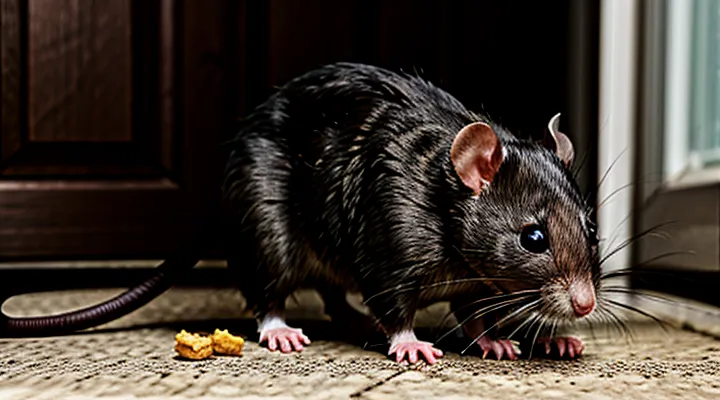
Importance of Treats in a Rat’s Diet
Nutritional Benefits of Appropriate Treats
Rats thrive on a diet that combines staple pellets with occasional treats that supply nutrients not always abundant in standard feed. Properly chosen treats enhance overall health by delivering specific vitamins, minerals, and bioactive compounds.
- Vitamin enrichment – fruits such as blueberries and leafy greens provide vitamins C and K, supporting antioxidant defenses and blood clotting.
- Mineral supplementation – small pieces of cooked egg or low‑salt cheese add calcium and phosphorus, essential for bone development and dental integrity.
- Dental health – crunchy vegetables and unsweetened dried herbs encourage natural tooth wear, reducing the risk of overgrown incisors.
- Weight regulation – low‑calorie options like cucumber or bell pepper add bulk without excess energy, helping maintain optimal body condition.
- Immune support – probiotic‑rich foods such as plain yogurt introduce beneficial bacteria that balance gut flora and improve disease resistance.
- Mental stimulation – novel textures and flavors promote exploratory behavior, decreasing stress‑related behaviors.
Selecting treats that are high in fiber, low in added sugars, and free from artificial additives maximizes these benefits. Portion sizes should not exceed 5 % of daily caloric intake, and treats should be offered no more than three times per week to avoid nutritional imbalances.
Behavioral Enrichment through Treats
Treats can serve as tools for behavioral enrichment, encouraging natural foraging, problem‑solving, and social interaction. Selecting items that require manipulation—such as small pieces of raw vegetables, nuts, or specially designed puzzle treats—stimulates tactile and olfactory senses while rewarding effort.
- Raw carrots, bell pepper, or cucumber, cut into bite‑size cubes
- Unsalted peanuts, almonds, or sunflower seeds, offered in limited quantities
- Commercially available treat blocks with hidden compartments
- Homemade gelatin cubes infused with fruit puree
When introducing a new treat, present it in a novel container (e.g., a paper tube or a plastic bottle with holes) to prompt exploration. Rotate the type of treat and the delivery method every few days to prevent habituation and maintain interest. Limit total caloric intake from treats to no more than 10 % of the rat’s daily energy requirement to avoid weight gain.
Regular enrichment sessions, lasting 5–10 minutes, reinforce positive behaviors and reduce stereotypies such as excessive grooming or pacing. Monitoring individual preferences allows tailored enrichment plans, ensuring each rat receives appropriate mental stimulation while maintaining nutritional balance.
Safe and Healthy Treat Options
Fruits and Vegetables
Acceptable Fruits
Fruit can be a nutritious supplement for pet rats when offered in moderation. The natural sugars provide quick energy, while vitamins and antioxidants support overall health. Because rats have small stomachs, fruit should complement, not replace, a balanced staple diet.
- Apple (core and seeds removed) – soft flesh, low‑fat, vitamin C source.
- Blueberries – antioxidant‑rich, serve whole, no pits.
- Strawberries – remove stems, cut into bite‑size pieces, high in vitamin C.
- Banana – slice thinly, limit to a few millimeters due to high sugar.
- Pear (seedless) – soft flesh, good fiber, cut into small cubes.
- Kiwi – peel if skin is tough, provides vitamin K and potassium.
- Mango (pit removed) – rich in beta‑carotene, offer only a small chunk.
- Melon (cantaloupe, honeydew) – seedless flesh, high water content, serve chilled.
- Grapes – seedless, cut in half to prevent choking, monitor for any signs of intolerance.
Portion size should not exceed 1 – 2 teaspoons per rat per day, and fruit treats are best limited to two to three times weekly. Overfeeding can lead to obesity, dental issues, or digestive upset.
Prepare fruit by washing thoroughly, removing skins or seeds that are hard to digest, and cutting into uniform pieces to avoid choking. Store cut fruit in an airtight container in the refrigerator and discard any leftovers after 24 hours to prevent mold growth.
Avoid citrus fruits (orange, lemon, lime) because the acidity can irritate the gastrointestinal tract, and never give fruit with pits or large seeds (e.g., cherries, apricots) which pose choking hazards and may contain cyanogenic compounds.
Acceptable Vegetables
Rats thrive on a variety of fresh vegetables that supply essential vitamins, minerals, and fiber. Offer these items daily, washing thoroughly and cutting into bite‑size pieces to prevent choking.
- Carrots – high in beta‑carotene, supports vision and immune function.
- Broccoli – provides vitamin C and calcium; limit to small portions to avoid gas.
- Bell peppers (red, yellow, orange) – rich in antioxidants and vitamin A.
- Spinach – source of iron and folate; rotate with other greens to balance oxalate intake.
- Zucchini – low in calories, adds moisture and potassium.
- Cucumber – hydrating, supplies silica for skin health.
- Kale – contains vitamin K and lutein; feed sparingly due to calcium‑oxalate content.
- Peas – offer protein and fiber; serve cooked or fresh, without added salt.
- Sweet potato – provides complex carbohydrates and beta‑carotene; serve cooked and unseasoned.
Exclude vegetables that can cause toxicity or digestive upset, such as onions, garlic, raw potatoes, and rhubarb leaves. Introduce new vegetables gradually, monitoring for signs of intolerance. Rotate selections to ensure a balanced nutrient profile and prevent boredom.
Fruits and Vegetables to Avoid
Rats require a diet that excludes certain plant foods because of toxic compounds, digestive issues, or high sugar content that can lead to obesity and metabolic disorders.
Fruits to avoid
- Citrus (oranges, lemons, limes, grapefruits): acidic juices irritate the gastrointestinal tract.
- Grapes and raisins: contain unknown toxins that can cause renal failure.
- Avocado (especially the skin and pit): high levels of persin are harmful to rodents.
- Fruit seeds and pits (apple, peach, cherry, plum): contain cyanogenic glycosides that release cyanide when metabolized.
Vegetables to avoid
- Raw potatoes and green potato skins: solanine is a potent neurotoxin.
- Onions, garlic, leeks, and chives: organosulfoxides cause hemolytic anemia.
- Rhubarb leaves: oxalic acid can precipitate kidney stones and damage renal function.
- Tomato leaves and stems: contain tomatine, which is toxic to small mammals.
Providing only safe, low‑sugar fruits and non‑toxic vegetables ensures optimal health and prevents acute or chronic conditions in pet rats.
Grains and Breads
Whole Grains
Whole grains supply rats with complex carbohydrates, fiber, and essential B‑vitamins that support steady energy release and digestive health. Unlike refined flours, they retain bran and germ, providing minerals such as magnesium, phosphorus, and zinc. Including a moderate portion of whole grains in a rat’s treat rotation helps maintain weight stability and encourages natural foraging behavior.
Suitable grains include:
- Brown rice, cooked and cooled
- Oats, plain rolled or steel‑cut, served dry or lightly moistened
- Barley, hulled or pearl, cooked without salt
- Quinoa, rinsed and cooked, cooled before offering
- Whole‑wheat pasta, boiled and unsalted
When preparing grain treats, ensure they are free of added sugars, salts, or flavorings. Limit each serving to approximately one teaspoon per day for an adult rat, adjusting downward for juveniles or overweight individuals. Monitor for signs of digestive upset; excessive fiber can cause loose stools. Rotate grain types to prevent nutrient imbalances and to keep the diet varied.
Breads and Pastries (in moderation)
Breads and pastries may be included in a rat’s treat rotation, but only in small amounts and infrequently. These foods are high in simple carbohydrates and often contain added sugars, fats, or salts that provide little nutritional benefit and can contribute to obesity, dental problems, and digestive upset if overused.
- Suitable options: plain whole‑grain bread, small pieces of unsweetened whole‑wheat pita, unflavored rice cakes, or a tiny fragment of a plain croissant.
- Portion size: no larger than a ½‑inch square (approximately 2 g) per serving.
- Frequency: limit to 1–2 times per week, ensuring that the majority of the diet consists of a balanced rat chow, fresh vegetables, and occasional protein treats.
Avoid products with raisins, chocolate, nuts, seeds, or strong spices, as these ingredients can be toxic or cause gastrointestinal irritation. Always monitor the rat after introducing a new bakery item, watching for changes in stool consistency or appetite.
Proteins and Dairy
Lean Meats and Eggs
Lean meats and eggs provide high‑quality protein essential for a rat’s growth, tissue repair, and metabolic functions. Including these foods in a balanced diet enhances muscle development and supports immune health.
Protein content in cooked chicken breast, turkey, lean beef, and boiled eggs ranges from 20 % to 30 % of the edible portion. Eggs also supply essential amino acids, choline, and vitamins A, D, E, and B12. Lean meats contribute iron, zinc, and B‑complex vitamins, which complement the nutrients found in standard grain‑based pellets.
Safe selection and preparation
- Choose skinless, boneless cuts; remove visible fat and connective tissue.
- Source meat from reputable suppliers; avoid processed, cured, or seasoned products.
- Cook thoroughly (minimum internal temperature 165 °F / 74 °C) to eliminate pathogens.
- Cool to room temperature before offering; never serve raw meat.
- Boil eggs for 8–10 minutes, peel, and slice; discard shells.
Portion guidelines
- Offer ½ to 1 gram of cooked lean meat per 100 g of body weight, two to three times weekly.
- Provide a single boiled egg (≈ 50 g) for a rat weighing up to 300 g, once weekly.
- Treats should never exceed 10 % of total daily caloric intake; the primary diet remains high‑fiber pellets.
Risks and precautions
- Overfeeding may cause obesity, kidney strain, or digestive upset.
- Fatty trims and skin increase caloric load and risk of pancreatitis; exclude them.
- Monitor for allergic reactions such as sneezing, itching, or gastrointestinal distress; discontinue the offending item immediately.
- Store cooked meat and eggs in airtight containers, refrigerate, and use within 48 hours to prevent spoilage.
Incorporating lean meats and eggs according to these guidelines supplies rats with concentrated nutrition while maintaining overall dietary balance.
Dairy Products
Dairy can be offered to pet rats as an occasional treat, providing protein, calcium, and beneficial fats. Rats vary in lactose tolerance; most adult rats digest limited amounts, while younger individuals may tolerate slightly more. Excess lactose can cause diarrhea and digestive upset.
Suitable dairy items
- Plain low‑fat yogurt (½ teaspoon per rat, 2–3 times weekly)
- Small cubes of mild cheese such as mozzarella or cheddar (½ teaspoon, 1–2 times weekly)
- Cottage cheese (¼ teaspoon, 2–3 times weekly)
- Kefir (a few drops, 1–2 times weekly)
These products should be unsweetened, unflavored, and free of artificial additives. Serve at room temperature to avoid shock.
Dairy to limit or avoid
- Full‑fat cheese with strong flavors (high sodium, may encourage overeating)
- Processed cheese spreads (contain preservatives, high salt)
- Sweetened yogurts or flavored milks (added sugars, artificial flavors)
- Milk straight from the bottle (high lactose content, rapid onset of diarrhea)
Implementation guidelines
Introduce a single dairy type in a small amount and observe for 24 hours. If stool remains normal, gradual increase within recommended limits is acceptable. Limit total dairy intake to no more than 10 % of the rat’s overall diet to maintain nutritional balance. Replace dairy treats with fresh vegetables or grains on non‑treat days. Regular veterinary check‑ups help confirm that dairy inclusion does not interfere with health markers.
Commercial Rat Treats
Commercial rat treats are formulated to complement a balanced diet, providing enrichment and targeted nutrients. Most products contain a blend of dried grains, seeds, and occasional protein sources such as soy or insect meal. Manufacturers often add vitamins (A, D, E, B‑complex) and minerals (calcium, phosphorus) to address common deficiencies in captive rats.
Key considerations when selecting a commercial treat:
- Ingredient transparency: look for products that list each component without ambiguous terms like “flavoring” or “natural concentrate.”
- Sugar and fat content: choose treats with less than 5 % added sugars and moderate fat levels to prevent obesity.
- Allergen awareness: some formulas include peanuts, wheat, or dairy; verify the rat’s sensitivities before purchase.
- Shelf life: sealed packages with nitrogen flushing maintain freshness; once opened, store in a cool, dry place and use within the indicated period.
Safety guidelines recommend offering treats no more than 5 % of the rat’s total caloric intake. Overreliance on commercial snacks can displace essential fiber from fresh vegetables and hay. Periodic rotation of different brands reduces the risk of nutrient imbalances and keeps the animal engaged with varied textures and flavors.
Treats to Avoid
Harmful Foods and Ingredients
Sugary and Fatty Foods
Sugary and fatty foods are dense sources of simple carbohydrates and saturated fats that differ sharply from a rat’s natural grain‑based diet. Their high caloric content can quickly exceed a rodent’s energy requirements, leading to weight gain and metabolic disturbances.
Health consequences include increased body fat, elevated blood glucose, dental decay from sticky sugars, and hepatic stress caused by excess fat. Rats consuming such items regularly may develop lethargy, reduced grooming, and diminished reproductive performance.
Guidelines for occasional inclusion:
- Limit to no more than one teaspoon of sugary or fatty treat per week.
- Offer only a single piece per serving; remove leftovers after 30 minutes.
- Prefer low‑sugar fruits (e.g., a small slice of apple) or minimal‑fat dairy (e.g., a pea‑sized cube of low‑fat cheese).
Foods to avoid entirely:
- Commercial candy, chocolate, or sugary cereals.
- Processed snacks high in trans‑fat, such as chips or crackers.
- Fruit juices and syrups, which concentrate sugars without fiber.
Observe the animal after each exposure. Signs of adverse reaction—excessive weight gain, diarrhea, or dental wear—require immediate removal of the offending food and adjustment of the treat schedule. Continuous monitoring ensures that occasional indulgences do not compromise overall health.
Toxic Plants and Substances
Rats require a balanced diet that excludes any plant material or chemical that can cause harm. Certain common items are outright poisonous and must never be offered as treats or supplements.
- Aconite (Monkshood) – contains aconitine, a potent neurotoxin that can cause respiratory failure.
- Azalea and Rhododendron – high levels of grayanotoxins lead to vomiting, diarrhea, and cardiac arrhythmias.
- Castor beans – ricin present in the seeds is lethal even in minute quantities.
- Cherry pits and apple seeds – contain cyanogenic glycosides that release cyanide when metabolized.
- Foxglove (Digitalis) – cardiac glycosides may cause severe heart disturbances.
- Oleander – cardiac toxins cause rapid onset of fatal arrhythmias.
- Rhododendron – similar to azalea, produces grayanotoxins.
- Sago palm – cycasin leads to liver failure and neurological damage.
- Tomato leaves and stems – solanine can induce gastrointestinal distress and neurological symptoms.
- Yew (Taxus spp.) – taxine alkaloids produce fatal cardiac effects.
In addition to plants, several household chemicals are hazardous:
- Rodenticide formulations – anticoagulants interfere with blood clotting; even trace exposure can be deadly.
- Essential oils (e.g., tea tree, eucalyptus) – concentrated compounds cause hepatic toxicity and respiratory irritation.
- Cleaning agents containing phenols or ammonia – cause mucosal burns and systemic poisoning.
- Pesticides and insecticides – neurotoxic substances disrupt nervous system function.
When planning treats, verify each ingredient against reputable rodent nutrition guides. Excluding the items listed above eliminates the primary sources of acute toxicity and supports long‑term health for pet rats.
Choking Hazards
Rats can choke on treats that are too large, hard, or have irregular shapes. Small, soft pieces reduce the risk of airway blockage. When offering a new snack, cut it into pieces no larger than a pea and observe the animal for the first few minutes.
Common choking hazards include:
- Whole nuts, seeds, and beans larger than a pea
- Hard candy, gum, and brittle chocolate pieces
- Raw corn kernels and popcorn kernels
- Large chunks of dried fruit or jerky
- Unshredded cheese blocks and dense meat pieces
Safe preparation methods:
- Slice or crumble foods to bite‑size fragments.
- Soak hard items (e.g., nuts) in water for several hours to soften them.
- Offer fresh vegetables and fruits in thin strips or small cubes.
- Avoid giving whole grapes, cherries, or olives with pits.
Monitoring practices:
- Keep treats in a shallow dish to limit access to oversized pieces.
- Remove uneaten food after 30 minutes to prevent prolonged chewing.
- Inspect the rat’s mouth and throat for signs of distress, such as labored breathing or excessive salivation.
By selecting appropriately sized, softened treats and supervising consumption, owners minimize choking incidents while providing nutritional variety.