
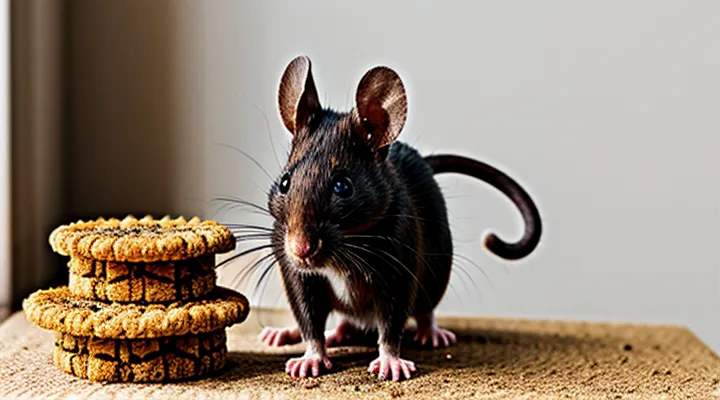
The Importance of Appropriate Treats for Rodents
Why Treats Matter
Treats provide more than occasional indulgence for laboratory and companion rodents; they serve as functional tools that influence physiology, behavior, and welfare.
First, targeted snacks deliver specific nutrients that standard pellets may lack. Small portions of fruit, seed mixes, or fortified gels supply vitamins, minerals, and antioxidants essential for immune competence and reproduction.
Second, edible rewards facilitate operant conditioning. Consistent reinforcement with palatable items accelerates learning of maze navigation, social interaction, or handling protocols, thereby reducing stress during experimental procedures or routine care.
Third, treats support dental health. Hard pieces such as dried beans or specially formulated chew sticks promote natural tooth wear, preventing overgrowth that can impair feeding.
Fourth, occasional novelty in the diet stimulates exploratory behavior and mitigates stereotypies. Introducing a limited variety of textures and flavors encourages natural foraging instincts, which correlates with lower incidence of self‑injurious actions.
Fifth, treats act as health indicators. Acceptance or refusal of a familiar snack can reveal early signs of illness, pain, or metabolic imbalance, allowing timely veterinary assessment.
Key considerations when selecting appropriate snacks:
- Nutrient profile aligns with species‑specific requirements.
- Portion size remains below 10 % of daily caloric intake to avoid obesity.
- Ingredients are free from toxic compounds (e.g., avocado, chocolate, excessive salt).
- Texture matches dental capabilities of the animal (soft for juveniles, harder for adults).
In summary, purposeful use of suitable snacks enhances nutritional balance, training efficiency, dental maintenance, behavioral health, and diagnostic monitoring for mice and rats.
Potential Risks of Unsuitable Snacks
Unsuitable snacks can compromise the health and welfare of laboratory and pet rodents. Poorly chosen foods introduce immediate and long‑term hazards that outweigh any perceived enrichment benefit.
- Nutritional imbalance: excessive fats, sugars, or salts disrupt metabolic regulation, leading to obesity, diabetes, or electrolyte disturbances.
- Toxic compounds: chocolate, caffeine, avocado, and certain nuts contain substances lethal to small mammals.
- Gastrointestinal blockage: large, hard, or indigestible pieces can obstruct the gut, requiring surgical intervention.
- Dental wear: overly hard items accelerate incisor attrition, causing malocclusion and feeding difficulty.
- Behavioral stress: unpredictable or strong‑flavored treats may trigger aggression or anxiety, interfering with normal social structures.
- Microbial contamination: stale or mold‑infested products introduce pathogens that spread rapidly within a colony.
Preventive measures include selecting items specifically formulated for rodents, limiting portion size to a few millimeters, verifying ingredient safety, and storing treats in airtight containers at appropriate temperatures. Regular health monitoring detects early signs of adverse reactions, allowing prompt dietary adjustment.
Safe and Recommended Treat Options
Vegetables for Mice and Rats
Leafy Greens
Leafy greens are a valuable addition to the diet of pet rodents, offering essential vitamins, minerals, and fiber that support healthy digestion and immune function. Their high water content also helps maintain hydration, especially when fresh water supplies are limited.
Commonly accepted varieties include:
- Romaine lettuce (remove the core)
- Spinach (offer in small amounts)
- Kale (trim tough stems)
- Swiss chard (remove thick ribs)
- Arugula
- Bok choy
- Watercress
When preparing greens, wash thoroughly to eliminate pesticides and soil residues. Cut into bite‑size pieces to prevent choking and to encourage natural foraging behavior. Introduce new types gradually, monitoring for signs of digestive upset.
Feeding guidelines recommend offering a handful of mixed greens per week for a mouse and up to one cup per week for a rat, adjusted according to activity level and body condition. Greens should complement, not replace, a balanced pellet or grain base.
Storage best practices involve keeping washed greens in a sealed container in the refrigerator, using them within two to three days to preserve nutrient quality. Discard any wilted or discolored portions to avoid mold growth.
Potential concerns include oxalic acid in spinach and beet greens, which can interfere with calcium absorption if fed excessively. Limit high‑oxalate greens and rotate with low‑oxalate options to maintain mineral balance.
Incorporating a varied selection of fresh leafy vegetables provides rodents with natural nutrients, promotes dental health through chewing, and enriches their environment without compromising safety.
Root Vegetables
Root vegetables provide a dense source of carbohydrates, fiber, and essential micronutrients that support the health of small rodents. When offered in moderation, carrots, sweet potatoes, and beets can complement a balanced diet and encourage natural foraging behavior.
Preparation guidelines ensure safety and palatability. Wash thoroughly to remove soil and pesticide residues, then cut into bite‑size cubes (approximately 0.5 cm). Lightly steam or blanch for 2–3 minutes to soften the texture, which aids digestion without destroying heat‑sensitive vitamins. Cool the pieces to room temperature before placement in the cage.
Feeding recommendations:
- Offer 1–2 g of raw or lightly cooked root vegetable per 100 g of body weight per week.
- Rotate varieties to prevent nutrient excess and maintain interest.
- Monitor for signs of spoilage; discard any pieces that become soft, moldy, or emit an off‑odor.
Potential concerns include high sugar content in some roots, which can predispose to obesity and dental issues if overfed. Avoid raw potatoes and any tubers with green skins, as they contain solanine, a toxic compound.
Incorporating root vegetables as occasional treats enhances dietary variety, contributes essential nutrients, and aligns with the natural feeding habits of mice and rats when administered responsibly.
Other Safe Veggies
Safe vegetables provide essential nutrients for pet rodents and can be offered as occasional treats. Choose fresh, organic produce free from pesticides, wash thoroughly, and cut into bite‑size pieces to prevent choking. Introduce new items gradually, observing the animal for any signs of digestive upset.
- Carrots: rich in beta‑carotene; offer a thin slice or grated portion once or twice weekly.
- Broccoli florets: high in vitamin C; provide a small tip no more than two times per week.
- Bell peppers (red, yellow, orange): source of antioxidants; offer a few strips occasionally.
- Zucchini: low‑calorie, moist texture; serve a thin slice once a week.
- Spinach: contains iron and calcium; limit to a few leaves weekly due to oxalate content.
Avoid vegetables that are toxic or cause digestive issues, such as onions, garlic, and raw potatoes. Rotate selections to ensure a varied nutrient profile while maintaining overall caloric balance.
Fruits for Mice and Rats
Berries
Berries offer a natural source of vitamins, antioxidants, and fiber that can complement the diet of laboratory and pet rodents. Small portions provide a sweet taste without excessive sugar, supporting palate enrichment while limiting caloric overload.
- Blueberries: high in vitamin C and anthocyanins; offer a soft texture suitable for both mice and rats.
- Strawberries: contain folate and potassium; cut into bite‑size pieces to prevent choking.
- Raspberries: rich in dietary fiber; remove seeds if possible, as they can be difficult to digest.
- Blackberries: supply vitamin K and manganese; serve sparingly due to higher natural sugar content.
Serving guidelines
- Offer no more than one to two berries per animal per day, depending on size and overall diet.
- Wash thoroughly to eliminate pesticide residues; consider organic produce when available.
- Present fresh berries on a clean surface; discard uneaten portions after two hours to avoid spoilage.
- Store berries refrigerated in a sealed container; use within 24 hours for optimal freshness.
Safety considerations
- Avoid dried or sugary-coated berries, which increase the risk of dental disease and obesity.
- Monitor for signs of gastrointestinal upset, such as diarrhea, which may indicate intolerance.
- Do not combine berries with high‑fat treats; maintain a balanced nutrient profile across all offered foods.
Incorporating berries as an occasional treat adds variety and nutritional benefits, provided that portion control, hygiene, and observation of individual tolerance are observed.
Pitted Fruits (in moderation)
Pitted fruits can be offered as occasional treats for laboratory and pet rodents when the pits are completely removed. The removal eliminates choking hazards and prevents exposure to cyanogenic compounds that remain in many stone cores. The flesh provides simple carbohydrates, modest fiber, and trace vitamins such as C and K, which can diversify a standard pellet diet.
Suitable options include:
- Apple slices, skin removed, cut into ¼‑inch pieces.
- Pear wedges, core and seeds discarded, similarly sized.
- Peach flesh, pit eliminated, offered in small cubes.
- Plum flesh, pit removed, presented in bite‑size portions.
Guidelines for safe inclusion:
- Limit to no more than one teaspoon of fruit per 100 g of body weight per week.
- Present only fresh, unsweetened pieces; discard any that show signs of mold.
- Monitor individual rodents for digestive upset after introduction.
- Store cut fruit in a sealed container in the refrigerator and use within 24 hours.
When used sparingly, pitted fruits add variety without compromising the nutritional balance required for healthy mice and rats.
Other Safe Fruits
Mice and rats enjoy a variety of fruits that can complement a balanced diet. Fruit should be offered in small portions because of its natural sugar content and should be washed thoroughly to remove residues.
- Apple (core, seeds, and stem removed)
- Blueberries
- Strawberries (hull removed)
- Raspberries
- Blackberries
- Pear (seedless wedges)
- Kiwi (peeled, seedless)
- Mango (pitted, cut into bite‑size pieces)
When introducing any fruit, start with a single piece to observe tolerance. Limit fruit treats to no more than 10 % of the total daily intake. Avoid citrus fruits, grapes, and cherries, as their acids or pits can cause digestive upset or toxicity. Store fresh fruit in the refrigerator for up to two days; discard any that becomes soft or moldy.
Grains and Seeds as Treats
Whole Grains
Whole grains provide a balanced source of carbohydrates, fiber, and essential nutrients for laboratory and pet rodents. Their low glycemic index helps maintain steady energy levels, while the fiber supports digestive health and prevents gastrointestinal blockage, a common concern with high‑fat treats.
Suitable whole‑grain options include:
- Brown rice – cooked, unsalted, and cooled; small grains reduce choking risk.
- Oats – rolled or steel‑cut, served dry or lightly moistened; high in soluble fiber.
- Barley – hulled or pearl, cooked without additives; offers beta‑glucan for immune support.
- Whole‑grain wheat – shredded wheat or wheat berries, softened in water; provides B‑vitamins and minerals.
- Quinoa – rinsed, cooked, and cooled; a complete protein source with a favorable amino‑acid profile.
Portion control is critical; each serving should not exceed 5 % of the animal’s daily caloric intake. Introduce new grains gradually to monitor tolerance and avoid sudden dietary shifts that could disrupt gut flora. Store grains in airtight containers at low temperature to prevent mold growth and preserve nutritional quality.
Seeds (in moderation)
Seeds can be offered to mice and rats as an occasional snack, provided the quantity remains limited.
Suitable varieties include:
- Sunflower (unshelled, preferably black‑oil)
- Pumpkin (raw, unsalted)
- Millet (whole grain)
- Flaxseed (ground)
- Safflower (unshelled)
These seeds supply essential fatty acids, vitamin E, and modest protein. Excessive intake raises the risk of obesity, gastrointestinal blockage, and nutrient imbalance because seeds are energy‑dense and low in fiber.
A safe serving equals 1 – 2 % of the animal’s body weight per week, divided into several small portions. For a 30‑gram mouse, this translates to roughly 0.3 g of seed material weekly, offered no more than two to three times.
Store seeds in airtight containers at cool temperatures to prevent rancidity and mold growth. Discard any seeds that appear discolored, smell off, or have been exposed to humidity.
Incorporating seeds sparingly enhances diet variety without compromising health.
Protein-Rich Treats
Cooked Meats (plain)
Cooked plain meats can be incorporated into a rodent’s diet as an occasional protein source. They provide high‑quality amino acids, iron, zinc, and B‑vitamins, which support muscle maintenance, immune function, and energy metabolism.
- Acceptable types: chicken breast, turkey, lean beef, pork loin, and rabbit. Meat must be boneless, skinless, and free of added salt, seasoning, or sauces.
- Preparation: simmer or bake meat until fully cooked (internal temperature ≥ 165 °F/74 °C). Allow to cool to room temperature, then cut into bite‑size pieces (approximately 1–2 mm for mice, 2–3 mm for rats).
- Portion guidelines: limit to 1–2 g per 30 g of body weight per week. Excess protein can strain kidneys and displace essential fiber and plant‑based nutrients.
- Frequency: offer no more than two servings per week to maintain a balanced diet.
- Storage: refrigerate cooked pieces in airtight containers for up to 48 hours. Freeze larger batches in single‑serve portions for up to three months; thaw before serving.
Potential concerns include:
- Bone fragments: even small bones can cause injury; always remove them.
- Fat content: trim visible fat to prevent obesity and gastrointestinal upset.
- Cross‑contamination: use separate utensils and cutting boards to avoid bacterial transfer from raw meat.
When integrated with a base of high‑fiber pellets, fresh vegetables, and occasional fruit, plain cooked meats serve as a safe, nutrient‑dense treat for laboratory and pet mice or rats. Regular monitoring of body condition and health indicators will confirm appropriate use.
Insects (live or dried)
Insects provide a high‑protein, low‑fat snack that aligns with the natural diet of laboratory and pet rodents. Live crickets, mealworms, and waxworms deliver essential amino acids, chitin, and trace minerals, while dried varieties retain most nutrients after dehydration, offering convenience and reduced mess.
Key nutritional attributes:
- Protein content: 45–65 % of dry matter.
- Fat content: 10–20 % in live forms, 5–12 % after drying.
- Calcium‑phosphorus ratio: approximately 1:1 when supplemented with a calcium source.
- Vitamin B complex and vitamin E levels sufficient for short‑term feeding.
Safety and handling guidelines:
- Source insects from reputable breeders to avoid pesticide contamination.
- Quarantine new batches for 24 hours, observing for abnormal behavior or mortality.
- Store dried insects in airtight containers at 15–20 °C; discard after six months.
- Offer live insects in a shallow dish with a secure lid to prevent escape.
Feeding recommendations:
- Provide insects as a treat no more than 5 % of total daily intake.
- Alternate between live and dried options to maintain variety.
- Combine with a small amount of fresh vegetables to enhance hydration.
By adhering to these practices, insects serve as a nutritionally balanced, stimulating snack for mice and rats.
Commercial Rodent Treats
Understanding Ingredients
Understanding the composition of rodent snacks is essential for maintaining health and preventing disease. Each ingredient contributes to energy intake, nutrient balance, and digestive comfort; therefore, selecting items with known profiles reduces the risk of toxicity and nutritional deficiencies.
Safe components commonly included in appropriate treats for mice and rats:
- Whole grains (e.g., oats, barley, millet): provide carbohydrates and fiber.
- Legume seeds (e.g., soy, lentil, chickpea): supply protein and essential amino acids.
- Fresh vegetables (e.g., carrots, broccoli, kale): deliver vitamins, minerals, and moisture.
- Fruit pieces (e.g., apple, banana, berries) in limited quantities: offer natural sugars and antioxidants.
- Nuts and seeds (e.g., sunflower, pumpkin) in small portions: rich in healthy fats and trace elements.
- Commercial rodent pellets formulated with balanced macro‑ and micronutrients: serve as a reliable base diet.
Key considerations when evaluating ingredients:
- Nutrient density – prioritize items with high protein‑to‑calorie ratios and adequate fiber to support gut motility.
- Absence of toxic substances – exclude chocolate, caffeine, alcohol, avocado, and raw beans, which contain compounds harmful to rodents.
- Purity and freshness – select products free from pesticides, mold, or rancidity; store in airtight containers at cool temperatures.
- Portion control – calculate daily allowance based on body weight (approximately 5 % of body mass) to avoid obesity.
- Allergen awareness – monitor for reactions to common allergens such as soy or nuts; introduce new items gradually.
By systematically reviewing each component against these criteria, caretakers can formulate snack selections that complement the primary diet, enhance well‑being, and minimize health risks.
Avoiding Harmful Additives
When selecting treats for laboratory or pet rodents, eliminate ingredients that can cause toxicity, digestive upset, or behavioral changes.
- Artificial sweeteners such as xylitol, sucralose, and aspartame are metabolized differently in small mammals and may lead to hypoglycemia or liver strain.
- Preservatives including BHA, BHT, sodium benzoate, and potassium sorbate have been linked to carcinogenic effects and organ damage in rodents.
- Food dyes (Red 40, Yellow 5, Blue 1) lack nutritional value and can trigger allergic reactions or hyperactivity.
- High‑sodium additives, especially in processed cheese or cured meats, increase blood pressure and exacerbate kidney disease.
Natural alternatives provide safe nutrition without these risks. Fresh fruits (apple slices, blueberries), vegetables (carrot shreds, cucumber), and plain whole‑grain cereals supply carbohydrates, fiber, and vitamins without synthetic compounds. When using commercial rodent treats, verify ingredient lists for the absence of the items above and choose products labeled “no artificial additives” or “all‑natural.”
Regularly rotate snack varieties to prevent nutrient imbalances and monitor rodents for signs of intolerance, such as reduced appetite, diarrhea, or lethargy. Promptly discontinue any treat that produces adverse symptoms and consult a veterinarian for dietary adjustments.
Treats to Avoid
Foods High in Sugar
High‑sugar items can be offered to mice and rats as occasional rewards, provided they complement a balanced diet and do not replace essential nutrients.
- Small pieces of fresh fruit (apple, banana, strawberry, melon) – natural sugars, vitamins, and water content.
- Dried fruit (raisins, dried apricot, cranberries) – concentrated sugars; limit to a few milligrams per animal.
- Honey droplets – pure glucose‑fructose mixture; apply a single drop on a chew stick or seed.
- Commercial rodent treats labeled “sweet” or “fruit‑flavored” – formulated with added sugars and fortified minerals.
- Light syrups (maple, agave) – use sparingly on a brush to coat a bite‑size nibble.
Portion control is critical. A typical adult mouse should receive no more than 0.1 g of sugary food per day; a rat may accept up to 0.3 g. Offer the treat once or twice weekly, not daily, to avoid habituation.
Monitor for adverse effects. Excessive sugar intake can accelerate weight gain, impair dental health, and increase the risk of glucose intolerance. Inspect teeth weekly for overgrowth, and track body weight to detect rapid changes. Ensure all sugary foods are fresh, free from mold, and free of artificial sweeteners that can be toxic to rodents.
When incorporated responsibly, high‑sugar snacks provide enrichment, stimulate foraging behavior, and serve as effective training incentives without compromising overall health.
Foods High in Fat
High‑fat foods provide concentrated energy for mice and rats, supporting growth, reproduction, and thermoregulation. When selecting snack options, prioritize items that are safe, nutritionally balanced, and free of harmful additives.
- Peanut butter (unsweetened, low‑salt): 50 % kcal from fat, rich in monounsaturated fatty acids.
- Sunflower seeds (shelled, raw): 45 % kcal from fat, source of vitamin E and linoleic acid.
- Almond butter (unsweetened): 55 % kcal from fat, contains omega‑3 and omega‑6 fatty acids.
- Coconut oil (solid at room temperature): 90 % kcal from saturated fat, useful for short‑term energy boosts.
- Flaxseed meal (ground): 42 % kcal from fat, high in α‑linolenic acid, supports coat health.
Safety guidelines:
- Offer high‑fat treats in moderation; excessive intake leads to obesity and hepatic lipidosis.
- Verify that products contain no added sugars, artificial sweeteners, or high levels of sodium.
- Store snacks in airtight containers to prevent rancidity, which can produce toxic oxidation products.
- Introduce new items gradually, monitoring for digestive upset or allergic reactions.
Balanced diets combine these fats with adequate protein, fiber, and micronutrients. Properly formulated high‑fat treats can enhance palatability while meeting the energetic demands of small rodents.
Toxic Foods for Rodents
Avocados
Avocados provide a unique source of monounsaturated fats, fiber, and vitamins A, C, and E, which can complement the diet of pet rodents when offered sparingly. The fruit’s creamy texture is appealing to mice and rats, encouraging natural foraging behavior.
Nutritional considerations
- Fat content: approximately 15 g per 100 g of flesh; excessive intake may lead to obesity.
- Potassium: high levels support muscle function but require monitoring to avoid electrolyte imbalance.
- Vitamin K: beneficial for blood clotting; dosage should remain low to prevent interference with anticoagulant medications.
Risk factors
- Persin, a compound found in avocado leaves and skin, is toxic to many mammals; only the ripe flesh should be served.
- Salt or seasoning added to avocado slices introduces unnecessary sodium, which can strain renal function.
- Large portions may cause gastrointestinal upset, including diarrhea.
Feeding guidelines
- Remove skin and pit completely; both contain higher concentrations of persin.
- Cut flesh into bite‑size cubes (3–5 mm) to match the animal’s chewing capacity.
- Offer no more than 0.5 g of avocado per 30 g of body weight per week, distributed across several sessions.
- Observe the animal for signs of digestive disturbance; discontinue if symptoms appear.
Storage recommendations
- Keep cut avocado in an airtight container at 4 °C; use within 24 hours to prevent oxidation.
- Discard any portions that develop brown discoloration or an off‑odor.
When integrated according to these parameters, avocado can serve as an occasional enrichment snack that enhances dietary variety without compromising health.
Citrus Fruits
Citrus fruits can be incorporated into a balanced diet for pet mice and rats when offered sparingly. The high vitamin C content supports metabolic processes, while the natural sugars provide quick energy. However, the acidic nature of these fruits may irritate the gastrointestinal tract if consumed in excess.
Key considerations
- Portion size: One small segment (approximately 2–3 mm) of orange, mandarin, or tangerine per week suffices for a typical adult mouse; a rat may tolerate two to three segments.
- Frequency: Limit exposure to two–three times per month to prevent dental erosion and digestive upset.
- Preparation: Remove seeds, peel, and any white pith; cut the fruit into bite‑size pieces to reduce choking risk.
- Storage: Fresh fruit should be refrigerated and offered within 24 hours to avoid mold growth.
Potential risks
- Acidity: Excessive consumption can lead to enamel wear and stomach irritation.
- Sugar load: High sugar intake may contribute to obesity and dysbiosis in the gut microbiota.
- Allergic reactions: Some individuals exhibit sensitivity to citrus oils; monitor for signs of itching or respiratory distress.
When used correctly, citrus fruits serve as a palatable supplement that enhances variety without compromising health. Pair them with standard rodent chow and fiber‑rich vegetables to maintain nutritional equilibrium.
Chocolate
Chocolate is a common human confection but poses a serious health risk to mice and rats. The stimulant theobromine, along with caffeine, is metabolized slowly in these species, leading to rapid accumulation and potential toxicity. Clinical signs include hyperactivity, tremors, seizures, and cardiac arrhythmias; lethal doses are reported at approximately 200 mg/kg body weight for mice and 300 mg/kg for rats.
Because of this toxicity, chocolate should not be offered as a regular snack. If accidental ingestion occurs, immediate veterinary assessment is required. Treatment protocols involve gastric decontamination, activated charcoal, and supportive care to control seizures and cardiac disturbances.
For researchers or pet owners seeking occasional treats, consider the following safe alternatives:
- Small pieces of fresh fruit (e.g., apple, banana) without seeds or cores
- Unsweetened oat or wheat cereal, crumbled
- Commercial rodent treats formulated without chocolate or caffeine
When evaluating any novel snack, verify that it contains no theobromine, caffeine, or excessive sugar, and limit portions to less than 5 % of the animal’s daily caloric intake.
Onions and Garlic
Onions and garlic contain organosulfur compounds that interfere with red blood cell integrity in rodents. Consumption leads to oxidative damage, hemolysis, and potentially fatal anemia. Even small quantities can produce measurable clinical effects.
The toxicity mechanism involves the oxidation of hemoglobin, resulting in the formation of Heinz bodies and premature destruction of erythrocytes. Laboratory studies have documented reduced lifespan of red cells after exposure to these vegetables, confirming their unsafe status for mice and rats.
Because of the rapid onset of symptoms, any accidental ingestion requires immediate veterinary assessment. Treatment focuses on supportive care, including fluid therapy and antioxidants, but prevention remains the most reliable strategy.
Safe snack alternatives for pet rodents include:
- Small pieces of fresh apple (seedless)
- Pieces of carrot or bell pepper
- Unsalted, unflavored nuts in limited amounts
- Commercially formulated rodent treats with balanced nutrients
When offering treats, limit portions to no more than 5 % of daily caloric intake and monitor for changes in behavior or health. Regularly rotate snack varieties to provide nutritional diversity without relying on harmful foods such as onions or garlic.
Raw Beans
Raw beans can be offered as an occasional snack to laboratory mice and pet rats. Their high protein and fiber content complement the standard grain‑based diet, providing a source of essential amino acids and carbohydrates.
Nutritionally, raw beans contain approximately 21 % protein, 15 % dietary fiber, and a range of micronutrients such as iron, magnesium, and B‑vitamins. The low fat level aligns with the metabolic requirements of small rodents, while the complex carbohydrates support steady energy release.
Safety considerations require thorough preparation. Raw beans contain lectins and phytohemagglutinins, which may cause gastrointestinal irritation if ingested untreated. Recommended steps:
- Soak beans in cool water for 12–24 hours.
- Rinse thoroughly under running water.
- Drain and pat dry; optional brief blanching (30 seconds in boiling water) reduces toxin levels without fully cooking the bean.
Only small portions should be introduced. A single mouse can safely consume 0.5–1 gram of prepared raw bean per day; rats may handle 1–2 grams. Excess amounts increase the risk of bloating and impede digestion.
Store prepared beans in a sealed container within the refrigerator, use within three days, and discard any that develop mold or off‑odors. Fresh, untreated beans should never be left at room temperature for longer than two hours to prevent bacterial growth.
Uncooked Sweet Potatoes
Uncooked sweet potatoes offer a natural source of carbohydrates, fiber, and beta‑carotene for small rodents. The raw tuber contains approximately 20 % sugars, which provide quick energy without the added fats found in many commercial treats.
When offering raw sweet potato, follow these guidelines:
- Preparation – Wash thoroughly, peel if desired, and cut into bite‑size cubes (about 0.5 cm³).
- Portion control – One to two cubes per day for a mouse, up to three for a rat, depending on body weight.
- Monitoring – Observe for signs of digestive upset; discontinue if stool becomes loose or if the animal shows reduced activity.
- Storage – Keep cut pieces refrigerated in an airtight container and use within 48 hours to prevent mold growth.
Nutritional benefits include:
- Fiber – Supports gut motility and helps maintain healthy fecal consistency.
- Vitamin A precursor – Beta‑carotene converts to vitamin A, essential for vision and immune function.
- Minerals – Provides potassium and manganese, contributing to electrolyte balance and bone health.
Potential concerns:
- Raw tuber contains oxalates, which may contribute to kidney stone formation if consumed excessively. Limit intake and rotate with other low‑oxalate vegetables.
- Some rodents may find the texture too firm; a brief blanching (30 seconds) softens the flesh while preserving most nutrients, making it more palatable for reluctant eaters.
Incorporating uncooked sweet potatoes as an occasional snack diversifies the diet, enhances nutrient intake, and offers a low‑calorie alternative to sugary or processed treats.
Guidelines for Feeding Treats
Moderation is Key
Providing occasional treats can enrich a rodent’s environment, but the primary diet must remain nutritionally complete. Treats supply extra flavor and mental stimulation; they should never replace staple feed.
Excessive indulgence leads to obesity, dental wear, and digestive upset. Rodents metabolize sugars and fats quickly, so even small quantities can shift energy balance. Consistent over‑feeding reduces appetite for essential pellets, compromising vitamin and mineral intake.
Guidelines for responsible snack provision:
- Limit treats to no more than 5 % of total daily calories.
- Offer a maximum of one teaspoon (≈2 g) of mixed treats per adult mouse, or one tablespoon (≈5 g) per adult rat.
- Select low‑sugar, low‑fat options such as plain oats, unsalted sunflower seeds, or small pieces of fresh fruit and vegetable.
- Rotate varieties weekly to prevent nutrient excess from any single food.
- Record each feeding event to monitor cumulative intake.
Adhering to these limits preserves health while allowing rodents to enjoy occasional flavors. Moderation ensures treats remain a positive enrichment rather than a dietary hazard.
Portion Sizes
When offering treats to pet rodents, portion control prevents obesity and maintains nutritional balance. A single treat should never exceed 5 % of the animal’s daily caloric intake; the remainder must come from a balanced base diet.
- Small seed clusters (e.g., sunflower, pumpkin): 1–2 whole seeds per mouse, 2–3 per rat.
- Dried fruit pieces (e.g., apple, banana): 0.5 cm cube for mice, 1 cm cube for rats.
- Cheese cubes (low‑fat): 2 mm cube for mice, 5 mm cube for rats, limited to two cubes per week.
- Mealworm or crickets: 1–2 insects for mice, 3–4 for rats; treat as protein supplement, not staple.
- Commercial rodent treats: Follow manufacturer’s weight recommendation; typically 0.2 g per mouse, 0.5 g per rat.
Adjust portions according to the individual’s age, activity level, and body condition. Regularly monitor weight and modify treat frequency to keep growth within species‑specific standards.
Frequency of Treats
Treats should complement a balanced diet without displacing essential nutrients. Over‑feeding can lead to obesity, dental problems, and digestive disturbances, while under‑feeding reduces motivation and enrichment value.
A typical regimen limits treats to 5 % of total caloric intake. For an adult mouse consuming roughly 4 kcal per day, this translates to no more than 0.2 kcal from treats, equivalent to a small piece of dried fruit or a few seeds. A rat, with a daily intake of about 15 kcal, may receive up to 0.75 kcal of treats, allowing a slightly larger portion of the same items.
Frequency depends on species, age, health status, and activity level. Young, active rodents tolerate daily small treats; older or sedentary individuals require fewer, spaced out servings. Health conditions such as diabetes or obesity necessitate stricter limits.
Practical schedule
- Daily low‑calorie treats: tiny pieces of fresh vegetables (e.g., carrot, cucumber) offered once per day.
- Weekly higher‑calorie treats: a few dried berries, nuts, or commercial rodent biscuits, provided no more than three times per week.
- Special occasions: a single larger treat (e.g., a small piece of apple) may be given once a month for enrichment or training.
Adjust portions if the animal shows weight gain, reduced activity, or changes in coat condition. Monitor intake and record any deviations to maintain optimal health and well‑being.
Introducing New Foods
Introducing fresh dietary options expands the palate of laboratory and pet rodents while supporting health and enrichment. New items should meet nutritional balance, be free of toxins, and encourage natural foraging behavior. Selection criteria include protein content, fiber level, low sugar, and absence of artificial additives.
Recommended introductions:
- Small pieces of roasted, unsalted pumpkin seeds – high in healthy fats and minerals.
- Diced boiled egg whites – source of digestible protein without cholesterol.
- Fresh, crisp kale leaves – rich in vitamins A, C, and K, with low oxalate concentration.
- Thin slices of whole‑grain oat biscuits – provide complex carbohydrates and fiber.
- Tiny cubes of low‑fat cottage cheese – calcium and casein for bone health.
Implementation guidelines:
- Offer a single new item at a time, observe acceptance for 48‑72 hours.
- Limit portion to 5‑10 % of daily caloric intake to prevent over‑consumption.
- Rotate introductions weekly to maintain variety and prevent monotony.
- Monitor weight, coat condition, and fecal consistency; discontinue any food causing adverse effects.
By adhering to these protocols, caretakers can safely broaden the snack repertoire for mice and rats, enhancing welfare and experimental reliability.
Monitoring for Adverse Reactions
When introducing new snack items to laboratory or pet rodents, continuous observation is required to detect any negative health effects promptly.
Critical indicators of an adverse response include:
- Sudden reduction in food intake or refusal of the offered treat.
- Unusual lethargy, tremors, or loss of coordination.
- Visible signs of gastrointestinal distress such as diarrhea, vomiting, or abdominal swelling.
- Respiratory changes, including rapid breathing or audible wheezing.
- Skin reactions, for example erythema, swelling, or excessive scratching.
Observation should follow a structured schedule:
- Record baseline behavior and physiological parameters before the first exposure.
- Conduct immediate checks at 15‑, 30‑, and 60‑minute intervals after the snack is presented.
- Perform daily assessments for the subsequent seven days, noting any deviation from baseline.
All findings must be entered into a standardized log, specifying the type of snack, dosage, time of exposure, and observed symptoms. If a reaction is confirmed, discontinue the offending item, provide supportive care as outlined in veterinary protocols, and report the incident to the responsible animal‑care authority.
Implementing these monitoring practices ensures that snack selection enhances welfare without compromising health.
The Role of Water with Treats
Providing small, nutritious snacks to laboratory or pet rodents requires simultaneous attention to fluid intake. Fresh, clean water must be available whenever treats are offered, because many bite‑size foods contain low moisture and can increase the risk of dehydration if fluid consumption does not keep pace.
Adequate hydration supports enzymatic activity that breaks down carbohydrates, proteins, and fats found in typical rodent treats. Water also aids in the transport of vitamins and minerals from the snack into the bloodstream, ensuring that the intended nutritional benefits are realized.
Key considerations when pairing water with treats:
- Offer water in a bottle or bowl that is easily reachable from the feeding area to prevent competition with the snack.
- Replace water daily to maintain freshness and prevent bacterial growth.
- Monitor consumption; a sudden drop may indicate that the treat is overly salty, sweet, or dry.
- Adjust volume of water if the treat is particularly dry (e.g., freeze‑dried insects) by providing a shallow dish for sipping.
Neglecting fluid provision can lead to reduced appetite, weight loss, and impaired kidney function. Consistent access to water maximizes the health value of each snack and sustains normal physiological processes in mice and rats.
DIY Treat Ideas
Simple Homemade Recipes
Providing rodent owners with straightforward, home‑prepared snack options enhances dietary variety while maintaining safety. Recipes rely on readily available ingredients, avoid artificial additives, and suit the digestive systems of mice and rats.
-
Oat‑Banana Mash
Ingredients: rolled oats (½ cup), ripe banana (¼, mashed), water (1 tbsp).
Method: Combine oats and water, microwave 30 seconds; stir in banana, cool to room temperature. Offer a teaspoon per animal. -
Sunflower Seed Butter Balls
Ingredients: unsalted sunflower seed butter (2 tbsp), whole wheat flour (1 tbsp), honey (½ tsp).
Method: Mix until a pliable dough forms, roll into 3‑mm balls, refrigerate 15 minutes. Serve one ball daily. -
Carrot‑Apple Crunch
Ingredients: grated carrot (¼ cup), grated apple (¼ cup), oat bran (2 tbsp).
Method: Blend ingredients, press into a thin sheet, bake at 150 °F for 45 minutes, cool, cut into bite‑size pieces. Provide a small piece as occasional treat. -
Herb‑Infused Millet
Ingredients: millet (¼ cup), dried parsley (½ tsp), dried dill (½ tsp), water (½ cup).
Method: Boil millet with water until soft, stir in herbs, let cool. Offer a pinch per feeding.
Store prepared snacks in airtight containers within a refrigerator; use within 3–5 days to prevent spoilage. Present treats on a clean dish, limit total treat intake to no more than 10 % of daily caloric consumption to avoid obesity. Regularly monitor weight and health indicators to ensure suitability.
Enrichment Through Treats
Treats serve as a practical tool for behavioral enrichment in mice and rats, encouraging natural foraging and exploratory actions while providing nutritional benefits. By incorporating small, high‑value foods into daily routines, caretakers can stimulate problem‑solving skills and reduce stereotypic behaviors.
Effective enrichment through edibles follows several principles:
- Variety: Rotate items such as dried insects, small pieces of fresh fruit, and commercially formulated rodent bites to maintain interest.
- Size: Offer portions no larger than 2–3 mm for mice and 4–5 mm for rats to prevent choking and ensure easy manipulation.
- Nutrient balance: Select treats low in fat and sugar, rich in protein or fiber, to complement the base diet without causing metabolic disturbances.
- Presentation: Hide treats within bedding, tubes, or puzzle devices to mimic natural food‑search challenges.
- Frequency: Limit supplemental feeding to 1–2 % of total caloric intake, adjusting for age, health status, and experimental constraints.
Safety considerations include verifying that each snack is free from pesticides, mold, or allergens, and maintaining a record of introduced items to track any adverse reactions. When used consistently and thoughtfully, edible enrichment enhances welfare, supports cognitive development, and contributes to more reliable research outcomes.