
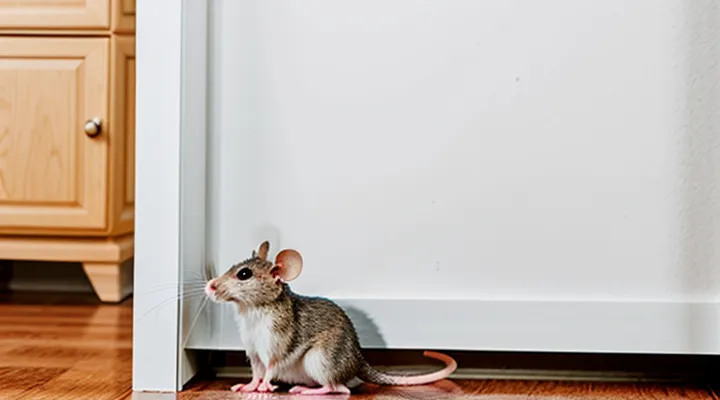
Understanding the Mouse Problem
Signs of a Mouse Infestation
Droppings and Urine
Mouse droppings and urine are primary indicators of infestation and major sources of health hazards in residential units. Their presence signals active foraging, breeding, or nesting activity, which requires immediate remediation to protect occupants.
Health risks stem from pathogens such as hantavirus, leptospira, and salmonella. Inhalation of aerosolized particles from dried droppings or contact with contaminated surfaces can cause respiratory illness, fever, and gastrointestinal symptoms. Urine residues contribute to strong, lingering odors and may attract additional rodents.
Effective remediation includes the following steps:
- Wear disposable gloves, N‑95 respirator, and protective clothing before entry.
- Ventilate the area by opening windows for at least 30 minutes; avoid using fans that disperse particles.
- Moisten droppings and urine stains with a 1 % bleach solution or a commercial disinfectant; allow 5 minutes for chemical action.
- Scrape softened material into a sealed plastic bag; dispose of the bag in an outdoor trash container.
- Clean the underlying surface with the same disinfectant, then rinse with water and dry thoroughly.
- Seal cracks, gaps, and entry points to prevent re‑contamination.
After removal, monitor the treated zones for fresh deposits. Persistent signs indicate ongoing activity and warrant additional control measures, such as traps or bait stations, to eliminate the source population. Regular inspection and prompt cleaning of droppings and urine reduce disease transmission and support long‑term rodent management in apartments.
Gnaw Marks and Damage
Gnaw marks are the most visible evidence of rodent activity. They appear as shallow, crescent‑shaped bite marks on wood, plastic, cable insulation, and cardboard. The edges are cleanly cut, and the damage often follows a linear pattern where the animal has chewed through a material to gain access or create a pathway.
Typical locations include baseboards, behind appliances, inside wall cavities, along utility lines, and on furniture legs. Mice prefer soft or easily penetrated surfaces, so they target exposed wiring, vent grills, and the undersides of cabinets. Repeated chewing can expose live wires, creating a fire hazard, and can compromise structural integrity of frames and floor joists.
The presence of gnaw marks signals potential contamination. Saliva deposited during chewing carries pathogens that can spread to food surfaces and dust. Damage to insulation reduces its effectiveness, leading to higher energy consumption and increased moisture buildup, which fosters mold growth.
Detecting rodent damage involves systematic inspection:
- Scan all low‑lying surfaces for crescent‑shaped bites.
- Examine cable bundles and power cords for exposed wiring.
- Look for shredded paper, nesting material, or droppings near chew sites.
- Test the continuity of electrical circuits if insulation appears compromised.
- Use a flashlight to inspect hidden areas behind appliances and inside closets.
Addressing gnaw marks requires immediate repair and preventive measures. Seal all entry points with steel wool or cement‑based caulk, because mice can squeeze through openings as small as a quarter inch. Replace damaged wiring and insulation to restore safety and efficiency. Clean affected surfaces with a disinfectant solution to eliminate bacterial residues. Finally, implement a monitoring system, such as glue boards or electronic detectors, to verify that the infestation has been halted and that new gnaw marks do not appear.
Strange Noises
Strange noises in an apartment frequently signal the presence of rodents, providing an early warning that allows timely intervention. Mice generate audible cues while moving, nesting, or feeding, and these sounds differ from typical household creaks.
Typical rodent-generated noises include:
- Scratching or scurrying on walls, floors, or ceilings, especially during nighttime hours.
- High‑pitched squeaks emitted when mice are startled or communicating.
- Soft rustling within insulation, cabinetry, or stored food containers.
Detecting these sounds should prompt immediate application of proven control strategies, such as:
- Seal entry points with steel wool and caulk to prevent further access.
- Deploy snap traps or electronic devices along identified pathways.
- Distribute rodent‑specific bait stations in concealed locations.
- Install ultrasonic emitters calibrated to frequencies that disrupt mouse activity.
- Maintain rigorous sanitation by storing food in airtight containers and removing waste promptly.
Addressing strange noises through systematic inspection and targeted measures reduces infestation risk and restores a quiet living environment.
Unpleasant Odors
Unpleasant odors in an apartment often signal a mouse infestation. Urine, feces, and nesting material release ammonia, sulfides, and other volatile compounds that can irritate respiratory passages and attract additional pests. Detecting these smells early helps confirm the presence of rodents before damage escalates.
Effective odor control complements any rodent‑reduction strategy. Removing the source eliminates the smell and reduces health risks. The following actions address foul scents directly:
- Identify contaminated zones – Inspect corners, behind appliances, and storage areas for damp spots, droppings, or gnaw marks.
- Wear protective gear – Use gloves, mask, and eye protection to avoid inhaling harmful vapors while cleaning.
- Dispose of waste safely – Seal contaminated material in double‑layer bags before discarding to prevent re‑contamination.
- Clean with enzymatic solutions – Apply products that break down organic residues; enzymatic cleaners neutralize odor molecules more thoroughly than ordinary disinfectants.
- Ventilate the space – Open windows and run exhaust fans for at least 30 minutes after cleaning to disperse remaining fumes.
- Seal entry points – Close gaps in walls, floors, and around pipes; preventing re‑entry stops new waste from accumulating.
- Monitor regularly – Re‑inspect cleaned areas weekly for recurrence; persistent odor indicates hidden activity that requires additional traps or bait stations.
Integrating odor elimination with trapping, baiting, and exclusion creates a comprehensive approach that restores indoor air quality while reducing the likelihood of future mouse problems.
Why Mice Are a Threat
Health Risks
Mice introduce pathogens that can cause serious illness. Common agents include:
- Hantavirus – respiratory symptoms, fever, muscle aches; can progress to pulmonary syndrome.
- Salmonella – gastrointestinal distress, fever, dehydration.
- Leptospira – kidney damage, jaundice, severe flu‑like illness.
- Lymphocytic choriomeningitis virus – meningitis, encephalitis, neurological deficits.
Rodent urine, droppings, and saliva contaminate food surfaces, leading to ingestion of these microorganisms. Inhalation of dried droppings or dust containing mouse allergens triggers asthma attacks and allergic rhinitis, especially in children and sensitized adults.
Chemical rodenticides pose additional health concerns. Anticoagulant baits can cause internal bleeding if ingested by humans or pets; secondary poisoning occurs when predators consume poisoned mice. Exposure to powdered or liquid pesticides may irritate skin, eyes, and respiratory tract, and chronic contact raises the risk of organ toxicity.
Mechanical traps also generate hazards. Snap traps can cause accidental injury to non‑target occupants; live‑capture traps may stress captured mice, increasing the likelihood of disease shedding during handling.
Effective risk reduction requires eliminating rodent access, maintaining sanitation, and selecting control measures that minimize toxic exposure. Use sealed bait stations, place traps in concealed locations, and wear protective gloves and masks when cleaning contaminated areas. Regular monitoring ensures prompt detection of new infestations before health threats expand.
Property Damage
Mice in residential units cause direct damage to building components, furnishings, and stored goods. Their gnawing behavior compromises structural integrity, disrupts electrical systems, and contaminates food supplies.
- gnawed wood framing, drywall, and baseboards weaken walls and ceilings
- chewed wiring creates short‑circuit risks and fire hazards
- damaged insulation reduces thermal efficiency and increases heating costs
- perforated containers and pantry items lead to spoilage and health concerns
Repair and replacement expenses rise sharply with prolonged infestation. Immediate assessment of affected areas limits escalation and informs budgeting for remediation.
Effective control strategies must address the sources of damage. Sealing entry points prevents future gnawing, while targeted baiting and trapping eliminate existing populations. Integrated approaches reduce the likelihood of recurrence and protect property value.
Rapid Reproduction
Mice reach sexual maturity within six weeks, then produce a litter of four to eight offspring every three weeks. A single pair can generate over 200 individuals in a year under favorable conditions.
In an apartment, limited space and abundant food sources enable this exponential growth to translate quickly into visible infestations. Population spikes occur after only a few breeding cycles, overwhelming passive preventive measures.
Control strategies must interrupt the reproductive cycle before numbers climb. Rapid‑acting interventions reduce breeding potential and prevent new generations from establishing.
- Deploy snap traps or electronic devices in high‑traffic zones; immediate removal of adults eliminates breeding individuals.
- Apply rodenticide baits formulated with anticoagulants; consumption leads to mortality before females can produce another litter.
- Seal entry points and eliminate food residues; habitat restriction limits access to nesting sites and reduces reproductive success.
- Use pheromone‑based disruptors to interfere with mating behavior; decreased courtship activity lowers litter frequency.
Effective implementation of these measures curtails the breeding capacity of mice, stabilizing the population at manageable levels within the living space.
Prevention Strategies
Sealing Entry Points
Inspecting Walls and Foundations
Inspecting walls and foundations is a prerequisite for any successful mouse control plan in a residential unit. Cracks, gaps, and loose panels provide entry points that allow rodents to move between exterior spaces and interior rooms. Detecting these vulnerabilities early prevents infestations from establishing and reduces the need for chemical interventions.
Examine exterior walls from the ground up. Look for:
- Gaps larger than ¼ inch around utility penetrations, vents, and pipe sleeves.
- Deteriorated sealant or weather‑stripping that no longer adheres.
- Damaged siding, brick, or stucco where rodents can gnaw or pry open.
Inspect interior surfaces that contact the outer envelope:
- Baseboards and crown molding for loose sections or missing nails.
- Drywall seams and plaster cracks, especially near windows and doors.
- Flooring edges where carpet meets wall, checking for lifted corners.
Assess the building’s foundation for structural breaches:
- Settlement cracks in concrete or masonry that exceed ½ inch.
- Unsealed crawl‑space openings, including vent covers and access doors.
- Evidence of rodent activity, such as gnaw marks, droppings, or urine stains, which indicate active pathways.
Document each defect, prioritize repairs based on size and proximity to food storage areas, and seal openings with appropriate materials—steel wool, copper mesh, or silicone‑based caulk for small gaps; metal flashing or concrete patch for larger breaches. Regular re‑inspection after repairs confirms the integrity of the barrier and sustains long‑term rodent exclusion.
Sealing Gaps and Cracks
Sealing gaps and cracks eliminates the primary entry points that mice use to invade an apartment. Identifying potential openings begins with a systematic inspection of the building envelope: examine the foundation, baseboards, window frames, door thresholds, utility penetrations, and any openings around pipes or vents. Look for visible holes, splintered wood, deteriorated caulking, or gaps larger than a quarter‑inch.
Choose appropriate sealing materials based on the location and size of each opening. For small cracks, apply high‑quality silicone or acrylic caulk. Medium‑sized gaps (up to half an inch) can be filled with expanding polyurethane foam, which contracts after curing to create a tight seal. Larger openings require metal flashing, steel wool, or copper mesh backed by cement or mortar. Use weather‑resistant sealants around exterior doors and windows to prevent weathering and re‑opening.
Implement the sealing process in a logical sequence:
- Clean each gap of dust, debris, and loose material.
- Apply a primer if the surface is porous or painted.
- Insert the chosen filler material, ensuring complete contact with both sides of the opening.
- Smooth the surface with a putty knife or similar tool to eliminate air pockets.
- Allow the sealant to cure according to the manufacturer’s instructions before exposing the area to moisture or traffic.
Regular maintenance preserves the integrity of sealed areas. Conduct quarterly visual checks, reapply caulk where it has cracked, and replace foam that has expanded or degraded. Maintaining a sealed building envelope reduces the likelihood of mouse infestation and supports overall pest‑control effectiveness.
Protecting Vents and Drains
Protecting vents and drains is a critical step in preventing rodents from entering an apartment. Small openings around HVAC registers, bathroom exhaust fans, and floor drains provide easy access points for mice. Sealing these gaps eliminates a primary route of intrusion.
- Install stainless‑steel mesh (¼‑inch or smaller) over all ventilation openings. The material resists gnawing and allows airflow without compromise.
- Pack steel wool tightly into gaps around vent ducts before applying caulk. The abrasive texture deters chewing while the sealant creates a permanent barrier.
- Fit snap‑on vent covers with built‑in screens on bathroom and kitchen exhaust fans. Ensure the cover fits flush to the wall to avoid gaps.
- Replace aging or cracked drain covers with solid metal grates. Use plumber’s putty or silicone sealant around the perimeter to close any cracks.
- Regularly inspect vent and drain assemblies for signs of gnawing or displacement. Promptly repair any damage to maintain integrity.
Additional measures reinforce protection. Install motion‑activated LED lights near vent openings; mice avoid illuminated areas. Keep the surrounding area free of debris and food particles that could attract rodents. By combining physical barriers with routine maintenance, the risk of mouse infiltration through vents and drains is substantially reduced.
Maintaining Cleanliness
Proper Food Storage
Food that is readily accessible encourages mouse activity in apartments; eliminating easy sources is a fundamental component of any control program.
Use containers that are airtight, made of metal or thick plastic, and equipped with secure locking lids. Store dry goods, pet food, and leftovers exclusively in these containers; avoid open bags, cardboard boxes, or loosely sealed jars.
- Transfer bulk items to sealed containers within 24 hours of purchase.
- Label containers with purchase dates and rotate stock to prevent spoilage.
- Keep pantry shelves clear of crumbs; wipe surfaces after each use.
- Dispose of waste in bins with tight‑fitting lids; empty bins daily.
- Seal garbage bags before placing them in the bin; store the bin in a locked cabinet if possible.
Maintain a clean environment by sweeping floors, vacuuming corners, and wiping countertops after meals. Regularly inspect storage containers for cracks or compromised seals and replace them promptly. Consistent application of these practices reduces food attractants, limiting mouse presence and supporting overall pest‑control effectiveness.
Regular Waste Disposal
Regular waste disposal directly affects mouse activity in apartments. Food residues and improperly sealed trash provide an attractive food source, encouraging rodents to enter living spaces.
Effective waste management includes the following actions:
- Store garbage in containers with tight‑fitting lids; inspect seals for damage weekly.
- Remove waste from the apartment at least every 24 hours; avoid accumulation in hidden corners.
- Clean spills immediately; use a disinfectant solution to eliminate lingering odors.
- Place bins away from walls and corners, preventing mice from using them as shelter.
- Dispose of organic waste in external collection points rather than indoor receptacles.
Consistent adherence to these practices reduces food availability, limits shelter options, and lowers the likelihood of infestation. Maintaining a strict disposal schedule complements other rodent‑control measures and sustains a hygienic living environment.
Decluttering and Organization
Keeping an apartment free of mice begins with eliminating the conditions that attract them. Excess items create hiding places, shelter, and pathways that facilitate rodent activity. By reducing clutter and arranging belongings systematically, residents remove the environmental cues that encourage mice to settle.
A systematic approach to decluttering includes:
- Removing all boxes, bags, and stacks from the floor; store items on shelves or in closed containers.
- Discarding food wrappers, crumbs, and any waste that could serve as a food source.
- Organizing pantry goods in sealed, rodent‑proof containers; label each container to prevent accidental over‑stocking.
- Securing cords, wires, and fabric piles that could be used for nesting.
- Regularly cleaning under appliances, behind furniture, and in storage closets.
Proper organization supports ongoing maintenance. Designate specific zones for items such as cleaning supplies, tools, and seasonal gear, and keep these zones free of debris. Establish a routine inspection schedule to identify and address any new accumulation before it becomes a problem.
By integrating these practices, an apartment becomes less hospitable to mice, complementing other control measures such as sealing entry points and using traps. The result is a cleaner living space that inherently discourages rodent infestation.
Landscape Management
Trimming Vegetation
Trimming vegetation directly adjacent to an apartment reduces the habitats that attract rodents. Overgrown shrubs, tall grasses, and dense ground cover create pathways and nesting sites, allowing mice to move from outdoor environments into building foundations and entry points.
Effective trimming practices include:
- Cutting back shrubs to a height of no more than 12 inches from the ground, eliminating shelter close to walls.
- Maintaining a clear zone of at least 18 inches between ground cover and the building’s exterior.
- Removing fruit‑bearing plants or debris that provide food sources.
- Regularly mowing lawns and disposing of clippings to prevent accumulation of organic material.
By limiting cover and food availability, trimmed vegetation decreases the likelihood of mouse ingress, supporting broader pest‑control measures within the residence.
Removing Debris
Removing debris is a critical component of any apartment mouse‑control strategy. Accumulated food scraps, paper, and clutter provide shelter and foraging opportunities that encourage rodents to remain. Eliminating these resources reduces the attractiveness of the living space and forces mice to seek alternative habitats.
Effective debris removal follows a systematic approach:
- Clear all food waste from countertops, floors, and cabinets; use sealed containers for storage.
- Dispose of paper piles, cardboard boxes, and packaging in sealed bags before placing them in external waste bins.
- Sweep and vacuum floors, paying particular attention to corners, under appliances, and behind furniture.
- Empty and clean trash cans regularly; line them with tight‑fitting lids.
- Maintain a schedule for deep cleaning of pantry shelves and storage closets, removing any spilled grains or crumbs.
Consistent execution of these actions removes the environmental conditions that support mouse populations, thereby enhancing the overall efficacy of apartment pest‑management measures.
Effective Treatment Methods
Trapping
Snap Traps
Snap traps remain a cornerstone of mouse control in residential units. Their mechanical action delivers rapid, humane mortality, minimizing suffering and reducing the risk of disease transmission.
Effective deployment requires strategic placement. Position traps along walls, behind appliances, and near known gnawing sites. Mice travel close to surfaces; aligning the trigger end with the wall maximizes contact. Use multiple traps spaced 12–18 inches apart to cover high‑traffic corridors.
Bait selection influences capture rates. Preferred attractants include peanut butter, small pieces of cheese, or dried fruit. Apply a pea‑sized amount directly to the trigger platform; excess bait can encourage shuffling without activation. Rotate bait types periodically to prevent habituation.
Safety considerations are essential in occupied apartments. Choose traps with insulated handles or wear disposable gloves during setup and removal. Secure captured rodents in sealed containers before disposal to avoid contaminating surfaces. Keep traps out of reach of children and pets; consider bait‑free models equipped with safety shields if vulnerable occupants are present.
Advantages of snap traps:
- Immediate kill reduces population growth.
- Low cost and reusable after each capture.
- No chemical residues, safe for food preparation areas.
Limitations:
- Requires regular inspection to remove dead rodents.
- May cause distress to occupants who witness captures.
- Ineffective if not placed correctly or if bait is unattractive.
Maintenance routine: check traps daily, replace spent devices, and clean trigger mechanisms with mild detergent to preserve sensitivity. After a reduction in activity, gradually retire traps to prevent rebound infestations.
Integrating snap traps with complementary measures—such as sealing entry points, maintaining cleanliness, and employing deterrents—creates a comprehensive strategy that sustains a mouse‑free living environment.
Live Traps
Live traps are devices that capture mice without killing them, allowing for humane removal from the apartment. The trap consists of a sealed chamber with a trigger mechanism; when a mouse enters to reach bait, the door shuts, confining the rodent.
Choosing a suitable trap involves several criteria. Opt for models with a sturdy latch, smooth interior surfaces to prevent injury, and a capacity of at least one mouse per capture. Transparent walls facilitate monitoring without opening the device. Plastic or metal constructions are both reliable; plastic is lighter, metal offers greater durability.
Effective placement maximizes capture rates. Position traps along walls, behind appliances, and near known activity signs such as droppings or gnaw marks. Align the trigger end perpendicular to the wall, as mice travel close to surfaces. Avoid high-traffic human areas to reduce accidental closures.
Bait selection influences success. Peanut butter, dried fruit, or small pieces of cheese provide strong olfactory cues. Apply a thin layer to the trigger platform; excess bait may cause the mouse to avoid the trap. Replace bait regularly to maintain freshness.
Monitoring and release procedures are critical. Check traps at least twice daily; prolonged confinement can stress the animal and increase the risk of escape. When a capture occurs, transport the trap to an outdoor location at least 100 meters from the residence. Release the mouse near natural cover, such as shrubs or a wooded area, allowing immediate access to shelter.
Pros of live traps include compliance with humane standards, avoidance of poison hazards, and suitability for households with children or pets. Cons involve the need for frequent inspection, potential for repeated re‑entry if release sites are nearby, and the responsibility of handling captured rodents safely.
Legal considerations vary by jurisdiction; some municipalities require permits for releasing captured wildlife. Verify local regulations before employing live traps to ensure compliance.
In summary, live traps provide a controlled, humane option for managing mouse infestations in apartments. Selecting appropriate models, baiting effectively, placing traps strategically, and conducting prompt release are essential steps for successful implementation.
Glue Traps
Glue traps are flat sheets coated with a strong adhesive that immobilize rodents upon contact. The traps require placement along established mouse pathways, near walls, behind appliances, and in hidden corners. Once a mouse steps on the surface, it becomes trapped and cannot escape.
Advantages include:
- Immediate capture without the need for bait.
- Low cost per unit, allowing extensive coverage.
- No risk of poison exposure to pets or children when used correctly.
Disadvantages include:
- Potential for prolonged suffering of trapped animals.
- Difficulty in disposal; dead rodents must be sealed in a bag before discarding.
- Reduced effectiveness in dusty or humid environments, which can diminish adhesive strength.
Safe and effective deployment involves the following steps:
- Identify high‑traffic routes by observing droppings, gnaw marks, and grease trails.
- Clean the area to remove dust and debris that could interfere with adhesion.
- Position traps with the sticky side up, securing them to the floor or wall using tape or adhesive backing.
- Check traps daily; remove captured rodents promptly and replace traps as needed.
- Store unused traps out of reach of children and pets to prevent accidental contact.
When using glue traps, consider supplemental measures such as sealing entry points, maintaining cleanliness, and employing exclusion devices. Combining these practices enhances overall control of mouse infestations in residential settings.
Proper Trap Placement
Effective mouse control in an apartment relies heavily on strategic trap placement. Position traps where rodents travel, typically along walls, behind appliances, and near entry points such as gaps around pipes or vents. Mice prefer concealed routes; placing traps directly in these pathways maximizes contact.
- Locate traps within 1–2 inches of the wall; rodents run parallel to surfaces.
- Target areas with visible signs of activity: droppings, gnaw marks, or grease trails.
- Set traps low to the floor, not higher than 6 inches, because mice seldom climb.
- Use multiple traps spaced 10–12 feet apart to cover entire infestation zone.
- Secure traps on stable surfaces; avoid placement on slippery tiles or uneven carpet.
- Replace or reset traps daily; a fresh lure maintains effectiveness.
- Keep traps out of reach of children and pets; employ enclosed bait stations when necessary.
Baits and Rodenticides
Types of Baits
Baits constitute a primary element in controlling house mice, offering a direct method to reduce populations within confined living spaces.
- Anticoagulant rodenticides – contain compounds such as warfarin, brodifacoum, or difethialone; interrupt blood clotting after ingestion, leading to death within 24–72 hours. Effective at low concentrations, but pose secondary‑poisoning risks to pets and humans; placement in tamper‑resistant stations is mandatory.
- Non‑anticoagulant rodenticides – include bromethalin and cholecalciferol; disrupt cellular energy production or calcium metabolism. Provide rapid mortality without clotting effects, reducing the chance of consumption by non‑target species.
- Food‑based baits – employ readily accepted items such as peanut butter, cheese, or grain mixtures. Serve as attractive carriers for both anticoagulant and non‑anticoagulant agents, enhancing uptake in environments where mice exhibit strong food preferences.
- Natural baits – consist of essential oils (e.g., peppermint, spearmint) or plant extracts (e.g., capsicum). Function as repellents rather than lethal agents; suitable for occupants seeking non‑chemical options, though efficacy is limited to deterrence rather than eradication.
- Combination baits – merge lethal chemicals with attractants and secondary deterrents, such as bittering agents, to minimize accidental ingestion by children or pets while maintaining high palatability for mice.
Selection of bait type must align with the apartment’s layout, resident safety requirements, and local regulatory guidelines. Proper positioning—behind appliances, within wall voids, and along known runways—maximizes contact rates and accelerates population decline. Continuous monitoring ensures bait effectiveness and informs timely replacement or adjustment of the control strategy.
Safety Precautions
Effective mouse control in an apartment requires strict adherence to safety protocols to protect occupants, pets, and the building structure.
- Use traps and bait stations only in areas inaccessible to children and animals; seal openings with metal mesh or steel wool to prevent accidental contact.
- Wear disposable gloves and, when handling rodenticides, a mask to avoid inhalation of dust or fumes.
- Follow product label instructions precisely; measure doses according to the specified concentration and avoid over‑application.
- Store all chemicals in a locked cabinet out of sight of non‑authorized persons.
- Ventilate rooms after applying sprays or powders; keep windows open for at least 30 minutes before re‑entering.
- Dispose of dead rodents in sealed bags and place them in a designated waste container; clean the area with a disinfectant to eliminate disease vectors.
- Conduct a final inspection to ensure no traps remain set in high‑traffic zones and that all bait stations are removed after the infestation is resolved.
These measures minimize health risks, prevent accidental poisoning, and maintain compliance with residential safety standards.
Strategic Baiting Locations
Placing rodent bait where mice travel most frequently determines the success of any control program in an apartment. Positioning devices along established pathways forces rodents to encounter the poison before they can reach food sources or nesting sites.
- Behind kitchen appliances (refrigerator, stove, dishwasher) where mice exploit gaps for shelter.
- Inside wall voids and baseboard cavities that connect rooms, using small containers that fit flush with the surface.
- Near entry points such as utility openings, pipe penetrations, and gaps around vents, ensuring bait is within a few inches of the opening.
- Under sink cabinets and pantry shelves, especially along the rear edge where crumbs accumulate.
- In closets or storage areas that are rarely accessed, using tamper‑resistant stations to prevent accidental contact.
Select bait stations that are child‑proof and pet‑safe, and secure them to prevent displacement by cleaning activities. Avoid locations where food preparation occurs to reduce contamination risk. Ensure each station is positioned at a height of 2–4 inches from the floor, matching the typical travel plane of mice.
After deployment, inspect stations every 48 hours. Replace depleted units, rotate positions to cover new activity zones, and record findings to identify shifting patterns. Continuous monitoring refines placement strategy and sustains long‑term suppression of the infestation.
Repellents
Natural Repellents
Natural repellents provide a non‑chemical option for deterring mice within residential units. These substances exploit rodents’ aversion to strong odors, tastes, or textures, creating an environment that discourages entry and habitation.
- Peppermint oil: Apply a few drops on cotton balls and place them near suspected pathways, closets, and behind appliances. Refresh every 3–5 days to maintain potency.
- Clove oil: Dilute with water (1 ml per 100 ml) and spray around baseboards, entry points, and storage areas. The pungent scent interferes with mice’s olfactory cues.
- Ammonia solution: Mix equal parts of household ammonia and water; lightly mist corners and gaps. The vapor mimics predator urine, prompting avoidance.
- Dryer sheets: Position scented sheets in cabinets and drawers; the chemical fragrance repels rodents for several weeks.
- Steel wool: Pack tightly into holes and cracks; the abrasive texture prevents gnawing and blocks access.
Effective deployment requires consistent placement and regular renewal of volatile agents. Ensure ventilation to prevent buildup of strong odors, and keep repellents away from food preparation surfaces and children’s reach. Combine repellents with mechanical barriers—such as sealed entry points and traps—to achieve comprehensive control. Monitoring for activity signs (droppings, gnaw marks) guides adjustments in repellent placement and intensity.
Ultrasonic Repellents
Ultrasonic repellents emit sound waves above 20 kHz, a frequency range inaudible to humans but disturbing to rodents. The devices generate a continuous or intermittent signal that interferes with mice’s communication and navigation, prompting them to vacate the area.
Laboratory and field trials indicate that ultrasonic emission reduces mouse activity by 30‑60 % when devices are positioned correctly. Effectiveness declines in cluttered environments where sound waves are absorbed or reflected, and results vary with species and habituation levels.
Optimal placement requires covering the entire floor plan with overlapping zones. Devices should be installed at least 12 inches off the floor, directed toward open spaces, and positioned near entry points such as gaps under doors or utility openings. Continuous power supply or high‑capacity batteries ensure uninterrupted operation.
Limitations include attenuation by solid walls, furniture, and insulation; mice may become desensitized after several weeks of exposure. Ultrasonic signals do not affect hidden nests, so integration with sealing and trapping measures remains advisable.
Safety profile is favorable: no chemicals are released, and exposure poses no risk to humans. Some pet species—particularly rodents and certain bat populations—may experience distress; devices should be placed out of reach of such animals.
Key criteria for selecting a reliable unit:
- Frequency range covering 20–65 kHz
- Adjustable timer or automatic shut‑off
- Manufacturer‑specified coverage area matching apartment size
- Independent laboratory certification
- Warranty of at least one year
When combined with structural exclusion and sanitation practices, ultrasonic repellents constitute a viable component of a comprehensive rodent‑control strategy for residential settings.
Professional Pest Control
When to Call an Expert
Professional intervention becomes necessary when mouse activity exceeds the limits of DIY measures. Persistent sightings, audible scurrying at night, or droppings in multiple rooms indicate an established infestation that simple traps cannot contain.
Typical indicators that justify calling a pest‑control specialist include:
- Evidence of gnaw marks on wiring, insulation, or structural components.
- Damage to food packaging or pantry items in more than one location.
- Presence of mouse urine stains on surfaces, especially near heating, ventilation, or plumbing.
- Repeated trap failures despite proper placement and bait.
- Signs of disease risk, such as allergic reactions among occupants.
Delaying professional assistance can lead to structural damage, increased risk of fire from chewed electrical wiring, and heightened exposure to pathogens carried by rodents. Moreover, an unchecked population can reproduce rapidly, rendering later eradication more costly and time‑consuming.
Before contacting an expert, secure food in sealed containers, eliminate clutter that offers shelter, and set a few snap traps in high‑traffic zones. Document the locations of droppings and damage to provide the technician with a clear picture of the infestation’s extent. This preparation speeds diagnosis and improves the effectiveness of the treatment plan.
Benefits of Professional Services
Professional pest‑control firms bring specialized knowledge to mouse infestations in residential units. Technicians assess structural vulnerabilities, identify entry points, and select products that target rodents while minimizing risk to occupants.
- Comprehensive inspection reveals hidden activity and structural gaps.
- Targeted application of baits, traps, or repellents delivers rapid population reduction.
- Certified operators ensure compliance with local health and safety regulations.
- Integrated approaches combine immediate eradication with preventive measures, such as sealing openings and advising on sanitation practices.
- Ongoing monitoring prevents re‑establishment and adjusts tactics as needed.
- Economical pricing offsets potential damage costs, medical expenses, and repeated DIY attempts.
Engaging experts eliminates the uncertainty of amateur methods, secures a healthier living environment, and provides lasting protection against future mouse invasions.
Post-Treatment Measures
Cleaning and Sanitization
Disinfecting Contaminated Areas
Mice leave urine, droppings, and saliva that can harbor pathogens such as hantavirus, salmonella, and leptospira. Direct contact or inhalation of aerosolized particles from contaminated surfaces poses a serious health risk, making thorough disinfection a mandatory step in any rodent‑control program for apartments.
Before beginning, remove all food, utensils, and pet items from the affected area. Wear disposable gloves, a face mask, and eye protection. Seal waste in a plastic bag, then discard according to local hazardous‑waste guidelines. Ventilate the space by opening windows and using fans to create airflow that carries airborne particles out of the room.
- Bleach solution: Mix 1 part household bleach (5–6 % sodium hypochlorite) with 9 parts water. Apply to hard surfaces, let stand 10 minutes, then rinse with clean water.
- Quaternary ammonium compounds: Use according to label instructions for non‑porous surfaces; contact time typically 5–10 minutes.
- Enzyme‑based cleaners: Effective on organic residues; follow manufacturer’s dwell time before wiping.
- Alcohol (70 % isopropyl): Suitable for small tools and electronics; apply, allow to evaporate fully.
After disinfecting, wipe surfaces with disposable cloths and dispose of them in sealed bags. Continue ventilation for at least 30 minutes to reduce residual fumes. Conduct a visual inspection for missed spots, then place traps or exclusion devices to prevent re‑infestation. Regular monitoring of the area for new signs of rodent activity ensures that disinfection remains effective over time.
Removing Carcasses Safely
When a mouse dies in an apartment, prompt and safe removal prevents odor, disease spread, and secondary infestations. Follow these precise actions:
- Wear disposable nitrile gloves and a mask rated N95 or higher to limit exposure to pathogens and aerosolized particles.
- If the carcass is visible, use a sealed plastic bag (trash‑bag size) to encase it. For hidden locations, employ a disposable scoop or tweezers, then place the animal directly into the bag.
- Seal the bag tightly, remove the outer gloves, and discard the bag in an outdoor trash container that is emptied regularly.
- Clean the surrounding area with a detergent solution, then apply an EPA‑registered disinfectant for at least five minutes before wiping dry.
- Launder any clothing or fabric that may have contacted the carcass separately from other laundry, using hot water (≥60 °C) and a high‑temperature dryer cycle.
- Dispose of used gloves, masks, and cleaning materials in a second sealed bag, then treat them as regular waste.
If the carcass is in a wall void or inaccessible space, contact a licensed pest‑control professional. Professionals can extract the remains safely and assess structural damage that might encourage further rodent activity. Maintaining this protocol eliminates health risks and supports long‑term rodent‑management strategies.
Ongoing Monitoring
Regular Inspections
Regular inspections form a core element of any apartment‑based mouse control program. Consistent monitoring reveals entry points, activity signs, and the effectiveness of applied measures before infestations spread.
Inspections should occur at least once a month and increase to weekly during peak rodent seasons or after initial treatment. Each session must cover all rooms, storage areas, and utility spaces where food, water, or shelter may be present.
- Check walls, baseboards, and cabinets for gnaw marks, droppings, and nesting material.
- Examine gaps around pipes, vents, and electrical outlets; measure openings to confirm they are smaller than ¼ inch.
- Inspect behind appliances, under sinks, and inside closets for concealed tracks or burrows.
- Verify the condition of traps, bait stations, and sealing materials; replace or reposition as needed.
- Use a flashlight and a mirror to access concealed corners and ceiling voids.
Record findings in a simple log: date, location, observed evidence, and corrective actions taken. This documentation enables trend analysis, helps prioritize repairs, and provides evidence for landlords or pest‑control professionals.
Integrate inspection results with other control tactics such as sealing entry points, deploying traps, and applying baits. Prompt remediation of identified vulnerabilities prevents re‑infestation and maximizes the overall effectiveness of the mouse management strategy.
Maintaining Prevention Practices
Effective mouse control in an apartment relies on consistent preventive measures. Regular inspection of potential entry points, such as gaps around pipes, vents, and baseboards, identifies vulnerabilities before infestations develop. Seal openings with steel wool, silicone caulk, or metal flashing; these materials resist chewing and maintain structural integrity.
Maintain a clean environment to eliminate food sources. Store dry goods in airtight containers, promptly clean crumbs and spills, and avoid leaving pet food unattended. Dispose of garbage in sealed bins and remove waste from the unit at least daily.
Control clutter that offers shelter. Organize storage areas, keep boxes off the floor, and discard unnecessary paper piles. Rotate seasonal clothing in sealed bags rather than leaving it in open drawers.
Implement routine monitoring. Place snap traps or electronic devices in concealed locations along walls, behind appliances, and near suspected pathways. Check traps weekly, record captures, and adjust placement as needed.
Schedule periodic professional assessments. Qualified pest‑control specialists can perform detailed surveys, apply targeted treatments, and advise on structural improvements that exceed typical DIY capabilities.
Adhering to these practices creates a hostile environment for rodents, reduces the likelihood of re‑infestation, and supports long‑term effectiveness of any active control methods applied.