
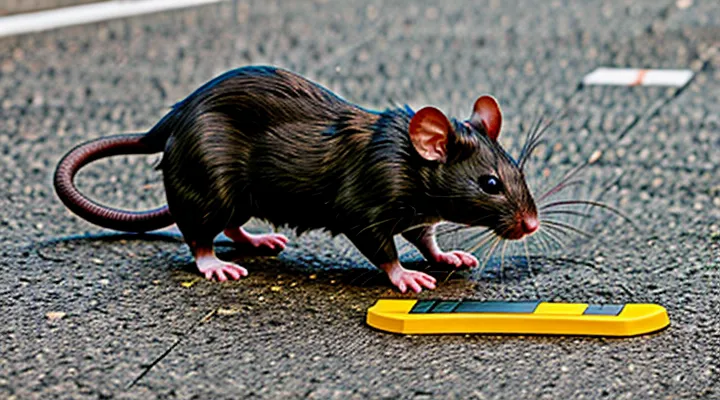
Why Train Rats?
Behavioral Research
Behavioral research provides the empirical foundation for developing effective rat training techniques. It quantifies how rats acquire, retain, and modify responses to specific stimuli, allowing researchers to isolate variables that influence learning speed and reliability.
Key aspects of behavioral investigation include:
- Operant conditioning protocols – measuring response rates under varied reinforcement schedules.
- Classical conditioning paradigms – assessing associative strength between neutral cues and biologically relevant outcomes.
- Spatial navigation tasks – evaluating memory retention in mazes and open-field environments.
- Stress and motivation assessments – recording physiological markers such as corticosterone levels alongside performance metrics.
Data derived from these experiments guide the selection of reinforcement types, timing intervals, and cue modalities. For instance, variable‑ratio reinforcement often yields higher response persistence than fixed schedules, while multimodal cues can reduce acquisition time for complex tasks.
Ethical compliance remains integral; protocols require institutional review, humane handling, and minimization of distress. Proper documentation of experimental conditions ensures reproducibility and facilitates cross‑laboratory comparisons, advancing the overall methodology for training rats.
Enrichment for Pet Rats
Enrichment is essential for the physical health, mental stimulation, and social well‑being of pet rats. Proper environmental complexity reduces stress, prevents stereotypic behaviors, and promotes natural foraging instincts.
Key enrichment categories include:
- Physical structures: climbing ladders, tunnels, and multi‑level platforms encourage exercise and exploration.
- Manipulable objects: chewable wood blocks, cardboard tubes, and puzzle feeders develop gnawing skills and problem‑solving abilities.
- Sensory stimuli: scented herbs (e.g., mint, basil), textured fabrics, and varied lighting create novel experiences that engage the rat’s senses.
- Social interaction: compatible cage mates and supervised handling sessions strengthen bonds and provide necessary social contact.
Implementing a rotation schedule prevents habituation. Replace or rearrange items every 2–3 weeks, and introduce new challenges gradually to maintain interest without causing anxiety. Monitor each rat’s response; signs of engagement include active exploration, frequent use of objects, and reduced idle time.
Dietary enrichment complements physical enrichment. Scatter small portions of fresh vegetables, fruits, or grains across the cage floor to simulate foraging. Use timed feeders that release food at irregular intervals, encouraging natural search behavior.
Regular assessment of enrichment effectiveness involves tracking weight, activity levels, and behavioral indicators such as grooming frequency and vocalizations. Adjust the enrichment plan based on observed outcomes to ensure optimal health and welfare.
Problem Solving and Cognitive Studies
Research on rat cognition provides quantitative benchmarks for evaluating the efficacy of training protocols. Problem‑solving tasks such as maze navigation, lever‑press sequences, and delayed‑matching-to-sample tests generate measurable performance indices (e.g., latency, error rate, trial‑to‑criterion). These indices serve as objective criteria for adjusting reinforcement schedules, stimulus modalities, and session duration.
Implementation of cognitive assessments in training regimens follows a systematic cycle:
- Baseline measurement: Record initial performance on a standard problem‑solving task to establish individual capacity.
- Protocol adaptation: Modify reward magnitude, inter‑trial interval, or cue complexity based on baseline data.
- Progress monitoring: Conduct periodic re‑evaluation using the same task to detect learning curves and plateaus.
- Data integration: Combine behavioral metrics with physiological markers (e.g., heart rate, cortisol) to refine training parameters.
Empirical studies demonstrate that rats exposed to gradually increasing task difficulty exhibit enhanced working memory and flexible decision‑making. Conditioning paradigms that integrate problem‑solving components—such as variable‑ratio reinforcement tied to puzzle completion—yield higher retention rates than simple stimulus‑response conditioning.
Overall, embedding cognitive testing within rat training methods transforms behavioral modification from a qualitative practice into a data‑driven discipline, enabling reproducible outcomes across laboratories.
Principles of Rat Training
Positive Reinforcement
Food Rewards
Food rewards drive operant conditioning in rat training programs. Palatable items reinforce desired behaviors by creating a clear association between the action and a positive outcome. Researchers select rewards based on nutritional value, caloric density, and the animal’s preference profile to ensure rapid acquisition and consistent performance.
Key considerations for effective reward delivery include:
- Preference testing: Present several food types (e.g., sweetened cereal, fruit puree, protein pellets) and record response latency to identify the most motivating option.
- Portion control: Use calibrated amounts (typically 0.1–0.3 g) to prevent satiety from diminishing motivation while maintaining health standards.
- Timing precision: Deliver the reward within 0.5 seconds of the target response to strengthen the stimulus‑response link.
- Variable schedule: Alternate between fixed‑ratio and variable‑interval reinforcement to reduce predictability and sustain engagement.
Monitoring intake and adjusting reward composition mitigates habituation and prevents weight gain. Consistent documentation of reward parameters supports reproducibility across experimental sessions and facilitates comparison of training efficacy.
Play and Social Interaction Rewards
Play and social interaction provide natural reinforcement for rats during training sessions. Rats engage in brief bouts of chasing, wrestling, or communal grooming when presented with opportunities for peer contact, which increases motivation and facilitates acquisition of target behaviors.
Effective implementation requires:
- Pairing the desired response with immediate access to a familiar conspecific.
- Allowing a fixed duration of interactive play (e.g., 30 seconds) following correct performance.
- Monitoring hierarchy and aggression to prevent stress; prioritize compatible cage mates.
- Recording latency to initiate play as an indicator of reward value.
When using social reward, the trainer must control environmental variables. Separate the training arena from the home cage to avoid unintended distractions, yet maintain visual and olfactory cues from the partner rat. Use a transparent barrier when direct contact is undesirable, permitting tactile sniffing without full physical interaction.
Measurement of progress includes counting correct responses per session, comparing baseline rates with and without the social incentive, and assessing changes in stress markers such as corticosterone levels. Consistent improvement across these metrics confirms the efficacy of play and social interaction as primary rewards in rat training protocols.
Shaping Behavior
Shaping behavior is a core technique for conditioning rats to perform complex tasks that are not immediately observable. The method relies on successive approximation: the trainer reinforces responses that progressively resemble the target behavior, discarding reinforcement for earlier, less accurate actions.
The process typically follows these stages:
- Identify the final response required (e.g., pressing a lever, navigating a maze).
- Break the response into observable subcomponents.
- Reinforce the first subcomponent that the rat exhibits spontaneously.
- Gradually raise the criterion, rewarding only actions that move closer to the final response.
- Eliminate reinforcement for previous subcomponents once the new criterion is consistently met.
- Maintain reinforcement at a stable schedule to prevent extinction.
Effective shaping depends on precise timing of rewards. Immediate delivery of a food pellet or a brief auditory cue after the desired action strengthens the association. Variable‑ratio schedules introduced after the behavior is established improve resistance to extinction and increase response rate.
Common pitfalls include delivering reinforcement too late, allowing unintended behaviors to be rewarded, and changing criteria before the rat demonstrates reliable performance at the current level. Monitoring the animal’s behavior continuously and adjusting the criterion incrementally mitigates these issues.
In practice, shaping integrates with other training methods such as clicker conditioning and operant conditioning. When combined, the rat learns the target behavior more rapidly and demonstrates greater flexibility in adapting to task variations.
Consistency and Patience
Consistent routines and patient handling form the foundation of successful rat conditioning. Predictable timing of sessions, identical cues for each behavior, and uniform reward delivery prevent confusion and accelerate learning. When a rat receives the same signal before a target action, neural pathways reinforce the association, reducing trial‑and‑error cycles.
Patience governs the pace at which progress is measured. Allowing ample intervals between attempts lets the animal process feedback without pressure. Immediate punishment for errors interrupts the learning cycle; instead, maintain a neutral stance, observe the response, and repeat the cue after a short pause. Gradual escalation of task difficulty preserves motivation and minimizes stress.
Practical guidelines:
- Schedule training at the same hour each day; keep session length constant (5–10 minutes).
- Use a single auditory or visual cue for each command; avoid mixing signals.
- Deliver rewards within two seconds of correct performance; ensure the same type of treat each time.
- Record performance metrics (e.g., latency, success rate) to monitor trends without altering the protocol.
- Increase task complexity only after the rat achieves ≥80 % success over three consecutive sessions.
- If the rat shows hesitation, extend the inter‑trial interval by 10–15 seconds before retrying.
By adhering to these disciplined practices, trainers create an environment where rats can internalize behaviors reliably, resulting in stable, reproducible outcomes.
Short Training Sessions
Short training sessions maximize rat engagement while preventing fatigue. Sessions lasting 5–10 minutes, conducted two to three times daily, produce consistent performance gains without diminishing motivation.
Key parameters for effective brief sessions:
- Duration: 5–10 minutes per episode; extend only if the animal remains active and focused.
- Frequency: 2–3 sessions per day, spaced by at least 30 minutes to allow rest.
- Environment: Quiet, low‑light chamber; minimal distractions sustain attention.
- Cue consistency: Use the same auditory or visual signal at the start of each session to establish a reliable routine.
Implementation steps:
- Begin each session with a brief pre‑cue (e.g., a 2‑second tone) to signal task onset.
- Present the target behavior (e.g., lever press, maze navigation) immediately after the cue.
- Deliver reinforcement (food pellet or sucrose solution) within 2 seconds of correct response.
- End the session with a clear termination signal (e.g., a distinct chime) to demarcate the training block.
Monitoring involves recording latency to respond, error rate, and reinforcement consumption for each session. Adjust duration or interval if latency increases or error rate exceeds 15 % across three consecutive sessions. Consistent data collection enables rapid refinement of the protocol, ensuring optimal learning efficiency for the rats.
Common Training Methods
Clicker Training
Introduction to the Clicker
The clicker is a precise auditory cue used to mark the exact moment a rat performs a desired action. Its function is to create a clear association between the sound and a subsequent reward, thereby accelerating learning.
A typical clicker setup includes a handheld device that emits a short, consistent click, a supply of high‑value food treats, and a schedule for pairing the click with the reward. Timing is crucial; the click must follow the target behavior by no more than a fraction of a second to maintain the connection.
Training sequence:
- Press the clicker to produce the sound, immediately follow with a treat. Repeat until the rat begins to anticipate the reward upon hearing the click.
- Introduce a simple behavior, such as approaching a target or touching a lever. Click the moment the rat completes the action, then deliver the treat.
- Gradually increase the complexity of the behavior while maintaining the click‑reward interval.
- Reduce treat frequency over time, using the click alone to sustain the behavior before re‑introducing occasional rewards.
Consistent use of the clicker within rat training protocols yields rapid acquisition of new skills and reliable performance across sessions.
Pairing Clicker with Rewards
Pairing a clicker with a reward creates a precise, observable signal that the rat can associate with a forthcoming reinforcement. The clicker’s acoustic cue functions as a conditioned reinforcer, bridging the interval between the desired behavior and the primary reward.
- Select a distinct, consistent clicker sound; avoid variations in volume or tone.
- Present the clicker immediately after the rat performs the target action.
- Follow the clicker within one second with a small food pellet or preferred treat.
- Repeat the sequence 10–15 times per session until the rat exhibits anticipatory behavior upon hearing the clicker alone.
Accurate timing is critical. The interval between the clicker and the reward must remain under two seconds to prevent the rat from attributing the reward to unrelated cues. Gradually increase the delay in increments of 0.2 seconds only after the rat demonstrates reliable anticipatory responses.
If the rat fails to respond to the clicker, verify that the sound is audible in the testing environment and that the reward maintains high value. Reduce session length to prevent fatigue, and ensure that each click is consistently paired with a reward during the initial acquisition phase.
Lure and Reward
Lure and reward constitute the core mechanism for shaping rat behavior during training sessions. A lure provides a sensory stimulus that captures attention, while a reward reinforces the desired response, creating a predictable association.
Effective lures include:
- Food items with strong odor, such as cheese, peanut butter, or fruit puree.
- Novel objects that stimulate curiosity, like small plastic toys or textured fabrics.
- Auditory cues, for example brief clicks or soft whistles, when paired consistently with a visual or gustatory lure.
Reward selection follows these principles:
- Immediate delivery after the target behavior to strengthen the connection.
- High palatability to ensure motivation, typically the same substance used as the lure.
- Consistent size and quantity to avoid variability in reinforcement strength.
Implementation steps:
- Present the lure to attract the rat’s focus.
- Prompt the desired action, such as approaching, reaching, or pressing a lever.
- Deliver the reward instantly, preferably within one second of the action.
- Record the response latency and accuracy for each trial.
- Gradually increase the interval between lure presentation and required behavior to promote independent task execution.
Key considerations:
- Use a single type of lure and reward per training phase to prevent confusion.
- Maintain a fixed schedule of reinforcement during acquisition, then transition to intermittent schedules to sustain performance.
- Monitor for satiation; reduce reward size or introduce brief pauses when the animal shows diminished interest.
Common errors include delivering the reward before the behavior, varying the reward size, and changing the lure type mid‑session. Avoiding these pitfalls preserves the clarity of the lure‑reward relationship and accelerates learning.
Target Training
Target training conditions rats to touch or interact with a predefined object, allowing precise control of behavior for research, detection, or performance tasks. The protocol hinges on consistent stimulus presentation, immediate reinforcement, and systematic shaping of the response.
Effective target training incorporates several elements:
- Target selection – use a high‑contrast, easily manipulable item (e.g., a small wooden block or colored plastic disc) that the rat can grasp or nose‑poke.
- Shaping – reinforce successive approximations, beginning with any orientation toward the target and progressing to direct contact.
- Reinforcement schedule – deliver a primary reward (food pellet, sucrose solution) within one second of target contact; transition to variable‑interval schedules once the response is reliable.
- Cue consistency – present the target from a fixed distance and angle to reduce ambiguity.
- Generalization testing – vary target color, size, or background after acquisition to confirm that the rat responds to the concept rather than a specific visual cue.
A typical training session follows a repeatable structure: brief warm‑up, presentation of the target, observation of the rat’s interaction, immediate reward delivery, and a short inter‑trial interval. Sessions last 10–15 minutes, with 3–5 repetitions per day, allowing rapid acquisition without excessive fatigue.
Common issues include delayed reinforcement, inconsistent target orientation, or excessive ambient noise. Correct these by calibrating timing devices, standardizing the presentation apparatus, and minimizing distractions. Progress is measured by the percentage of correct contacts per session; a stable rate above 85 % indicates readiness for advanced tasks such as discrimination or navigation challenges.
Operant Conditioning Chambers
Operant conditioning chambers, commonly called Skinner boxes, provide a controlled environment for evaluating and shaping rat behavior through reinforcement contingencies. The apparatus typically consists of a housing unit, a response lever or nose‑poke device, a food dispenser, a stimulus light, and a speaker for auditory cues. Sensors record each interaction, allowing precise measurement of response rates and latency.
Key operational features include:
- Programmable schedules – fixed‑ratio, variable‑ratio, fixed‑interval, and variable‑interval schedules can be set via software, enabling systematic investigation of reinforcement effects.
- Stimulus control – lights and tones can be timed to precede or follow responses, supporting cue‑association studies.
- Data acquisition – real‑time logging of lever presses, pellet deliveries, and timestamps facilitates statistical analysis of learning curves.
Typical experimental procedures follow a sequence:
- Habituation – rats acclimate to the chamber for a brief period without programmed contingencies.
- Shaping – successive approximations of the target response are reinforced, gradually guiding the animal toward the desired behavior.
- Acquisition – the full reinforcement schedule is applied; performance metrics are recorded across sessions.
- Extinction or reversal – reinforcement is withheld or altered to assess flexibility and persistence of learned behavior.
Advantages of operant chambers include reproducibility across laboratories, the ability to isolate specific variables, and compatibility with neurophysiological recordings. Limitations involve potential stress from confinement, limited ecological validity, and the need for careful calibration to avoid unintended cue‑learning.
Best practices recommend regular maintenance of mechanical components, verification of stimulus timing, and implementation of randomization in trial order to reduce bias. Integration with video tracking systems can enrich behavioral datasets, providing context for locomotor activity alongside operant responses.
Specific Training Exercises
Litter Training
Litter training teaches rats to use a designated substrate for elimination, reducing mess and supporting health monitoring. Consistent use of a litter box enables precise observation of waste for early detection of disease and simplifies cage cleaning.
Begin by selecting a shallow, stable box that fits comfortably in the cage. Place absorbent, low‑dust material such as paper pellets, wood shavings, or recycled paper strips inside. Position the box in a corner where the rat naturally spends time, avoiding areas near food and water sources.
Implement the training routine as follows:
- Observe the rat’s natural elimination spots during the first few days.
- Gently relocate any droppings found outside the box onto the litter surface.
- Offer a small treat immediately after the rat uses the box to reinforce the behavior.
- Maintain a regular cleaning schedule, removing soiled material daily while preserving a thin layer of fresh litter.
If the rat continues to eliminate elsewhere, assess the following factors:
- Box size: insufficient space may discourage use.
- Litter type: strong scents or texture can be aversive.
- Placement: proximity to preferred nesting or foraging zones influences preference.
- Stressors: loud noises, frequent handling, or sudden cage changes can disrupt training.
Adjust one variable at a time, monitor the rat’s response, and repeat reinforcement until consistent use is achieved. Regular reinforcement maintains the habit, even as the rat ages or the cage environment changes.
Coming When Called
Rats respond reliably to a specific auditory cue when the cue is paired consistently with a positive outcome. The cue should be short, distinct, and easily discriminated from ambient sounds. Begin training sessions in a low‑distraction environment; gradually introduce new stimuli as the animal’s response stabilizes.
- Choose a cue word or sound (e.g., “here,” a click, or a whistle).
- Pair the cue with a high‑value food reward delivered immediately after the rat approaches the trainer.
- Deliver the cue only when the rat is already near the trainer, then reward the approach.
- Increase the distance between trainer and rat in successive trials, maintaining the same cue‑reward contingency.
- Introduce variable‑ratio reinforcement after the behavior is established to prevent extinction.
- Use brief, consistent sessions (5–10 minutes) to avoid fatigue and maintain motivation.
- Record response latency; adjust cue timing if latency exceeds a few seconds.
Consistent timing, clear signal, and immediate reinforcement create a strong stimulus‑response association. Once the rat reliably approaches on cue, the behavior transfers to more complex tasks, such as navigating mazes or performing retrieval actions. Regular maintenance sessions preserve the response without overtraining.
Simple Agility Courses
Tunnels and Ramps
Tunnels and ramps are essential components of a controlled environment for conditioning rodents to navigate confined spaces. Constructed from clear acrylic or polycarbonate, they allow visual monitoring while providing a durable surface that resists chewing. Standard tunnel diameters range from 5 cm to 8 cm, matching the average adult rat’s body width and permitting unrestricted forward movement. Lengths of 30 cm to 60 cm encourage sustained locomotion without inducing fatigue.
Ramps must maintain a gentle incline to prevent slipping and to simulate natural ascent. A slope of 15° to 20° offers sufficient challenge while preserving safety. Surface texture should combine a non‑slip coating with a material that tolerates repeated foot traffic. Lengths of 20 cm to 40 cm allow gradual elevation change and accommodate the animal’s stride length.
Effective integration of tunnels and ramps follows a systematic protocol:
- Position tunnels and ramps in a linear sequence to create a continuous pathway.
- Alternate straight sections with angled segments to vary motor demands.
- Introduce occasional reward stations at tunnel exits to reinforce progression.
- Record latency and speed metrics at each segment to assess learning curves.
- Perform daily inspection for wear, debris, and signs of stress in the animals.
Cleaning procedures involve disassembly of modular sections, immersion in a mild enzymatic solution, and thorough rinsing to eliminate scent cues that could bias behavior. Reassembly should follow a calibrated alignment checklist to ensure consistent spatial parameters across sessions.
Behavioral observations indicate that rats quickly adapt to the tactile cues of ramps and develop efficient navigation strategies within tunnels after 3–5 training days. Adjusting tunnel diameter or ramp inclination can modulate difficulty levels, allowing progressive skill development tailored to experimental objectives.
Weaving Poles
Weaving poles serve as a tactile obstacle that encourages precise motor control and spatial awareness in laboratory and pet rats. The structure consists of a series of vertical rods spaced at adjustable intervals, allowing trainers to modify difficulty and monitor progress objectively.
Key functional benefits include:
- Development of coordinated forelimb and hindlimb movements while navigating narrow gaps.
- Reinforcement of problem‑solving behavior when combined with reward cues placed beyond the pole array.
- Quantifiable performance metrics such as time to traverse, number of slips, and pattern of gait adjustments.
Implementation guidelines:
- Begin with wide spacing (approximately 2 cm) to accommodate novice rats and reduce stress.
- Introduce incremental narrowing (0.5 cm reductions) after the animal consistently completes the current configuration without hesitation.
- Pair successful traversal with a preferred food reward or brief handling session to strengthen the association between effort and positive outcome.
Consistent use of weaving poles within a broader rat training program enhances agility, confidence, and adaptability, supporting experimental reliability and animal welfare.
Retrieving Objects
Rats can be taught to locate and retrieve objects through systematic conditioning procedures that combine shaping, reinforcement, and gradual increase of task complexity. The process begins with establishing a reliable food reward system, ensuring the subject consistently associates a specific cue—such as a click or tone—with a positive outcome. Once the reward link is solid, trainers introduce a target object, typically a small, manipulable item that the rat can grasp with its forepaws.
The next phase employs shaping techniques: the rat receives reinforcement for successive approximations toward the desired behavior. Initial reinforcement follows any interaction with the object, such as sniffing or touching. Subsequent reinforcement is contingent on more precise actions, like grasping, lifting, and transporting the object to a designated location. This incremental approach minimizes frustration and accelerates learning.
Key elements for effective object retrieval training include:
- Consistent cue‑reward pairing: Use a distinct auditory or visual signal immediately before delivering the reward.
- Variable reinforcement schedules: Transition from continuous reinforcement to intermittent schedules to strengthen persistence.
- Environmental control: Keep the training arena free of extraneous stimuli that could distract the rat.
- Gradual task escalation: Start with short distances and simple objects; increase distance, weight, and object complexity as proficiency grows.
- Data tracking: Record trial outcomes, latency, and error types to adjust protocol parameters objectively.
Safety considerations mandate that objects lack sharp edges, toxic materials, or sizes that could cause choking. Trainers should also monitor the rat’s health, ensuring that food rewards do not lead to over‑nutrition. Periodic rest days prevent fatigue and maintain motivation.
By adhering to these principles, researchers and animal‑behavior specialists can reliably develop rat cohorts capable of retrieving objects for experimental tasks, enrichment programs, or assistive applications. The methodology combines precise conditioning steps with measurable performance metrics, yielding reproducible results across individuals and laboratories.
Problem-Solving Tasks
Problem‑solving tasks are essential components of rat training programs that aim to enhance cognitive flexibility and adaptive behavior. Researchers design these tasks to require the animal to identify a solution, execute a sequence of actions, and adjust strategies when conditions change.
Typical tasks include:
- Maze navigation with variable reward locations, testing spatial learning and memory revision.
- Lever‑press sequences where the correct order produces a food reward, assessing procedural planning.
- Puzzle boxes that open only after specific manipulations, measuring insight and persistence.
- Discrimination chambers that present multiple cues, requiring selection of the cue linked to reinforcement.
Effective implementation relies on consistent reinforcement schedules. Initially, a continuous reward reinforces the correct response; subsequently, partial reinforcement introduces uncertainty, encouraging the rat to maintain the learned behavior despite occasional non‑rewards. Immediate feedback after each trial prevents the formation of ambiguous associations.
Performance metrics are recorded automatically: latency to solution, number of errors, and pattern of strategy shifts across trials. Data analysis compares baseline performance with post‑training results, revealing improvements in problem‑solving speed and reduction in error rates.
Practical considerations include maintaining a controlled environment (stable lighting, minimal noise), using ethologically appropriate apparatus dimensions, and ensuring that food deprivation levels are ethically justified to motivate participation without compromising health. Regular health checks and habituation periods reduce stress, which can otherwise impair cognitive performance.
Integrating diverse problem‑solving tasks within a training regimen produces robust evidence of enhanced learning capacity in rats, supporting broader investigations into neural mechanisms of cognition and the development of translational models for human neurobehavioral research.
Addressing Challenges in Training
Dealing with Frustration
Frustration frequently interrupts progress when conditioning rats, diminishing response reliability and increasing avoidance behaviors. Recognizing its origin enables precise corrective action.
Typical triggers include inconsistent cue timing, excessive session length, and sudden changes in habitat conditions. Each factor amplifies stress, prompting the animal to disengage from the training protocol.
Effective countermeasures:
- Standardize cue presentation with a fixed interval and clear auditory or visual signal.
- Limit sessions to 10‑15 minutes, inserting brief rests after each successful response.
- Maintain stable temperature, lighting, and cage enrichment to prevent environmental shock.
- Apply a progressive reinforcement schedule, beginning with continuous rewards and shifting to intermittent delivery once the behavior stabilizes.
- Record latency and error rates after every trial; adjust difficulty only when performance exceeds a predefined threshold.
Continuous data collection reveals trends, allowing immediate modification of variables that generate frustration. Prompt correction preserves motivation and accelerates skill acquisition.
Adopt a systematic review after each training block, eliminate identified stressors, and reinforce the desired behavior with consistent, timely rewards. This disciplined approach minimizes frustration and sustains high‑quality performance in rat training programs.
Overcoming Distractions
Distractions impede the acquisition of desired behaviors in laboratory and service rats, reducing training efficiency and data reliability. Successful mitigation requires control of environmental variables, systematic habituation, and reinforcement protocols that sustain focus.
- Isolate the training area from visual and auditory stimuli; use opaque barriers and sound‑absorbing materials.
- Conduct brief pre‑session habituation runs to familiarize rats with the apparatus and ambient conditions.
- Apply a fixed‑interval cue (e.g., a light flash) immediately before each trial to signal the onset of a required response.
- Employ a variable‑ratio reinforcement schedule that rewards sustained attention, discouraging premature disengagement.
- Introduce mild, non‑aversive distractors (e.g., distant noises) at low frequency during later sessions to build resilience; increase intensity only after consistent performance is demonstrated.
- Monitor physiological indicators (heart rate, pupil dilation) to detect emerging distraction; adjust session length accordingly.
Implementing these measures standardizes the training environment, conditions rats to prioritize task cues, and progressively strengthens attentional capacity, resulting in higher success rates and reproducible outcomes.
Modifying Unwanted Behaviors
Effective alteration of undesirable rat actions relies on precise assessment, consistent reinforcement, and environmental control. Trainers first identify the specific behavior, record its frequency, and determine antecedent cues that trigger the response. This data guides the selection of intervention strategies.
Common techniques include:
- Positive reinforcement substitution – reward an alternative, compatible behavior immediately after the cue that previously produced the unwanted action. Food pellets, tactile contact, or brief play sessions serve as reinforcers.
- Response interruption and redirection – pause the rat’s activity with a gentle tap or brief isolation, then guide it toward a preferred task such as navigating a maze or retrieving a treat.
- Extinction of reinforcement – eliminate any inadvertent reward (e.g., attention, food) that follows the problematic behavior, thereby reducing its occurrence over repeated trials.
- Environmental modification – adjust cage layout, lighting, or enrichment objects to remove stimuli that provoke the unwanted response. Adding nesting material or chewable items can channel natural urges away from problematic actions.
- Scheduled timeout periods – briefly remove the rat from the training area after an infraction, ensuring the interval is short enough to avoid stress but sufficient to break the behavior pattern.
Implementation requires consistent timing, clear signals, and documentation of progress. Data logs should capture each session’s baseline rates, applied techniques, and post‑intervention frequencies. Regular review of these records enables refinement of the protocol and confirms that the unwanted behavior diminishes without compromising the animal’s welfare or learning capacity.