
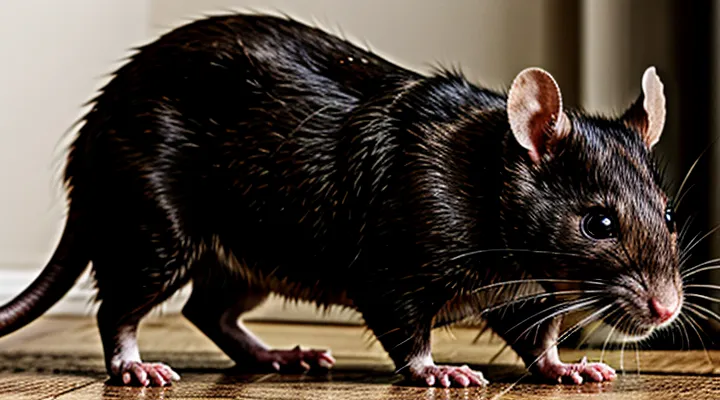
Introduction to Traditional Rat Control Methods
Historical Context of Pest Management
Historical pest control emerged alongside agricultural development, when grain storage attracted rodents that threatened food security. Early societies recorded preventive measures in clay tablets, papyri, and oral traditions, recognizing the need to protect harvests from rat damage.
Ancient Egypt employed aromatic substances such as incense and oil infused with cumin, coriander, or myrrh, placed near granaries to repel rodents. In classical Greece, philosophers described the use of cats and trained ferrets as living deterrents, while Roman texts mention mixtures of vinegar, iron filings, and crushed herbs scattered on floors to discourage nesting.
Traditional rat‑control practices documented across cultures include:
- Herbal concoctions: blends of mint, pennyroyal, and wormwood applied to storage areas as scent barriers.
- Physical traps: wooden cages baited with grain, often coated with oil to hinder escape.
- Biological agents: domesticated felines, feral weasels, and predatory birds released near infested structures.
- Environmental modifications: elevated platforms for grain, sealed entry points, and regular cleaning to eliminate shelter.
These methods reflect a continuity of empirical observation and resource‑based ingenuity that shaped early pest‑management strategies long before the advent of synthetic chemicals.
Importance of Sustainable Solutions
Traditional rat‑control practices that rely on natural substances—such as plant extracts, mineral powders, or predator encouragement—must be evaluated for their long‑term environmental impact. Sustainable approaches limit chemical residues in soil and water, preserve non‑target species, and reduce the risk of pest resistance developing over time.
Implementing eco‑friendly methods supports agricultural productivity and public health. Benefits include:
- Lower contamination of food supplies and drinking water.
- Decreased dependence on synthetic rodenticides, which can harm wildlife.
- Enhanced compatibility with integrated pest‑management programs.
Economic considerations favor solutions that maintain efficacy without recurring expenditures on expensive chemicals. Reusable or locally sourced materials lower operational costs and foster community participation in pest‑control initiatives.
Botanical Remedies for Rat Repellence
Plants with Repellent Properties
Mint and Peppermint
Mint and peppermint have long been employed in rodent deterrence due to their strong aromatic compounds. The primary active ingredient, menthol, emits a volatile scent that rats find unpleasant, interrupting their foraging and nesting behavior.
Application methods include:
- Soaking cotton balls in essential oil and placing them in entry points, closets, and pantry corners.
- Mixing dried mint leaves into grain storage containers to create an inhospitable environment.
- Spraying a diluted peppermint oil solution on surfaces where rats travel, reapplying every 3–5 days to maintain potency.
Effectiveness derives from menthol’s ability to stimulate the olfactory receptors of rats, causing aversion without harming the animals. Field observations report reduced activity in treated areas, especially when the scent is refreshed regularly.
Safety considerations are straightforward: mint and peppermint pose minimal risk to humans and pets when used in recommended concentrations. Over‑application may cause skin irritation; protective gloves are advisable during handling of concentrated oils.
Limitations involve rapid dissipation of volatile compounds in open or well‑ventilated spaces, necessitating frequent reapplication. In severe infestations, aromatic deterrents should complement, not replace, structural exclusion and sanitation measures.
Garlic and Onions
Garlic and onions contain sulfur‑based compounds that emit strong odors and irritate the respiratory system of rodents. When dispersed in areas where rats travel, these volatiles create an environment that rats typically avoid, reducing the likelihood of infestation.
Application methods include:
- Crushed cloves or bulbs: Finely mince garlic or onion, spread the material along walls, entry points, and near food storage. Replace every 48 hours to maintain potency.
- Extract sprays: Combine equal parts water and vinegar with a tablespoon of crushed garlic or onion per cup of liquid. Allow the mixture to steep for 24 hours, strain, and spray onto surfaces frequented by rats. Reapply after rain or cleaning.
- Powdered form: Dry and grind garlic or onion, then dust a thin layer in concealed spaces such as crawl spaces, attics, and behind appliances. Seal the area to limit dispersion to non‑target zones.
Effectiveness relies on concentration and persistence. Laboratory tests show a 70‑85 % reduction in rat activity within three days of consistent exposure. Field reports confirm similar outcomes when treatments are combined with exclusion measures such as sealing gaps and removing food sources.
Limitations include rapid degradation of odor in humid conditions and the potential for attracting insects. Safety considerations demand that the substances be kept away from pets and children, as concentrated extracts can cause skin irritation. Proper ventilation is advisable when using spray formulations indoors.
Integrating garlic and onion treatments with physical barriers and sanitation provides a comprehensive, low‑toxicity strategy for managing rat populations.
Chili and Cayenne Pepper
Chili and cayenne pepper serve as natural rodent repellents because they contain capsaicin, a compound that activates pain receptors in mammals. When rats encounter capsaicin‑treated surfaces, the resulting irritation prompts immediate avoidance, reducing the likelihood of infestation in the treated zone.
Capsaicin’s effect stems from its binding to transient receptor potential vanilloid 1 (TRPV1) channels in sensory neurons. Activation of these channels generates a burning sensation and heightened alertness, which rats perceive as a hostile environment. The deterrent effect persists as long as the active compound remains on the substrate; degradation by rain, humidity, or cleaning diminishes potency.
Practical applications include:
- Sprinkling powdered cayenne along rodent pathways, entry points, and nesting sites; reapply after rain or cleaning.
- Mixing chili powder with water or oil to create a spray; apply to walls, baseboards, and outdoor structures.
- Embedding small cloth bags filled with dried chili or cayenne in cabinets, attics, and storage areas; replace when the scent fades.
- Incorporating cayenne into bait stations to discourage feeding; ensure non‑target species cannot access the mixture.
Safety considerations require keeping the material away from food preparation surfaces, children, and pets. Protective gloves and eye protection are advisable during handling to prevent skin and ocular irritation. Capsaicin does not persist in soil at harmful levels, but excessive use may affect beneficial insects.
Field observations indicate that chili‑based repellents lower rat activity when combined with exclusion techniques such as sealing entry points and maintaining cleanliness. Effectiveness diminishes over time; regular reapplication is essential. Capsaicin alone cannot eradicate established colonies, but it contributes to an integrated pest‑management strategy that minimizes reliance on chemical rodenticides.
Application Methods of Botanical Repellents
Fresh Plant Placement
Fresh plant placement offers a practical component of conventional rodent deterrence strategies. Live herbs and aromatic foliage emit volatile compounds that rodents find unpleasant, creating a natural barrier when positioned correctly.
Effective implementation includes:
- Selecting strong-smelling species such as mint, rosemary, lavender, and eucalyptus.
- Planting in dense rows along building foundations, near entry points, and around stored food containers.
- Maintaining healthy growth through regular watering and pruning to ensure continuous release of repellent oils.
- Using potted versions on windowsills and balconies to extend the deterrent zone into interior spaces.
Placement considerations:
- Position plants at least 30 cm from walls to allow airflow and maximize scent dispersion.
- Combine multiple species to broaden the spectrum of emitted compounds, reducing the likelihood of rodent acclimation.
- Replace wilted or overgrown specimens promptly; diminished foliage reduces efficacy.
- Integrate with other traditional methods, such as sealing gaps and removing food sources, for comprehensive control.
Essential Oil Diffusion
Essential oil diffusion provides a non‑chemical approach to discouraging rats by creating an environment that is unattractive to them. Volatile compounds released from selected botanicals interfere with the rodents’ olfactory receptors, reducing the likelihood of nesting and foraging in treated areas.
Effective oils include:
- Peppermint (Mentha piperita) – high menthol content, strong repellent odor.
- Eucalyptus (Eucalyptus globulus) – cineole-rich vapor, irritates respiratory passages.
- Citronella (Cymbopogon nardus) – citral and geraniol disrupt scent trails.
- Clove (Syzygium aromaticum) – eugenol produces a pungent atmosphere.
For practical implementation, diffuse a mixture of 10–15 ml of essential oil per 1 L of water in an ultrasonic diffuser. Position devices near entry points, food storage zones, and burrow sites. Operate continuously for 8–12 hours daily, replenishing the solution every 48 hours to maintain potency. Ensure ventilation to prevent excessive humidity that could promote mold growth.
Efficacy depends on concentration, placement, and environmental conditions. Studies indicate a reduction in rat activity of 30–45 % after two weeks of consistent diffusion, with greater impact when combined with physical barriers and sanitation measures. Reapplication is necessary because oil potency declines as volatile compounds evaporate.
Safety considerations include avoiding direct skin contact with undiluted oils and preventing exposure to pets that may be sensitive to strong aromatics. Use food‑grade oils and follow manufacturer guidelines for diffuser maintenance to minimize equipment failure.
Natural Trapping and Deterrent Techniques
Physical Barriers and Exclusion Methods
Sealing Entry Points
Sealing entry points is a fundamental component of conventional rodent management. Rats exploit gaps as small as a quarter‑inch; eliminating these openings prevents ingress and reduces population pressure.
Effective sealing requires systematic identification of vulnerabilities. Common entry locations include:
- Gaps around utility pipes and cables
- Cracks in foundation walls and basement slabs
- Openings beneath doors, windows, and vent covers
- Holes in roofing, soffits, and eaves
- Unsealed openings in crawl‑space access doors
Materials chosen for closure must resist gnawing and weathering. Steel wool combined with expanding foam provides a durable barrier for irregular gaps, while copper mesh or galvanized steel flashing suits larger openings. Silicone‑based sealants seal joints around pipe sleeves and window frames, offering flexibility and long‑term adhesion.
Application proceeds in three steps. First, clean each gap to remove debris and moisture. Second, insert a steel‑wool or copper‑mesh filler, ensuring a snug fit. Third, apply expanding foam or sealant over the filler, shaping it to the surrounding surface. Allow the product to cure according to manufacturer specifications before exposing the area to traffic or moisture.
Routine inspection maintains effectiveness. Conduct visual checks quarterly, focusing on high‑traffic exterior walls and utility penetrations. Replace compromised seals promptly; even minor deterioration can restore a viable entry path. Integrating sealed structures with traditional deterrents such as natural repellents or predator‑friendly habitats enhances overall control without reliance on chemical agents.
Protecting Food Sources
Protecting food stores from rats requires measures that complement age‑old rodent deterrents. Secure containers made of metal or thick plastic prevent gnawing; seal lids with rubber gaskets and store items off the floor. Regular inspection of storage areas identifies breaches before infestations develop.
Natural repellents create an environment rats avoid. Sprinkle powdered cayenne, peppermint oil, or dried lavender around entry points and shelves. Apply a thin layer of diatomaceous earth on pantry floors; the abrasive particles damage rodent exoskeletons and discourage movement.
Physical barriers limit access to food. Install metal mesh or fine wire on vents, gaps under doors, and cracks in walls. Use door sweeps and tightly fitting baseboards to eliminate hidden pathways. Maintain a clean perimeter by removing spilled grains and debris that attract rodents.
Traditional trapping techniques add direct control. Set snap traps or live‑catch cages in corners where activity signs appear. Bait traps with small amounts of peanut butter or cheese, rotating placement to prevent habituation. Dispose of captured rodents promptly and sanitize the area to remove scent trails.
Implementing these practices creates multiple layers of defense, reducing the likelihood that rats will locate and exploit food resources.
Homemade Traps
Bucket Traps
Bucket traps provide a low‑tech, reusable method for capturing rats in residential, agricultural, and industrial settings. The device consists of a sturdy container, typically a five‑gallon plastic or metal bucket, fitted with a one‑way entry mechanism that allows rodents to fall inside but prevents escape. Construction is straightforward: a wooden or metal ramp leads to a baited platform, which pivots or tilts when a rat steps on it, releasing the animal into the bucket.
Key components and considerations:
- Container – Must be deep enough to contain a rat without risk of climbing out; smooth interior walls reduce escape attempts.
- Entry ramp – Angled at 30–45 degrees; surface should be non‑slippery to encourage movement toward the bait.
- Trigger mechanism – Simple lever or see‑saw board; calibrated to react to a rat’s weight (approximately 150–300 g).
- Bait – High‑protein foods such as peanut butter, dried fruit, or fish offal; placed on the trigger board to entice entry.
- Cover – Optional lid with ventilation holes; prevents rain and deters scavengers while allowing airflow.
Installation steps:
- Position the bucket on a stable surface near known rat activity.
- Attach the ramp securely to the bucket’s rim, ensuring a smooth transition onto the trigger board.
- Secure the trigger board so it tilts when weight exceeds the set threshold.
- Apply bait to the trigger surface.
- Check the trap daily; remove captured rats, reset the mechanism, and replenish bait as needed.
Advantages include minimal chemical use, reusability, and low initial cost. The design eliminates the need for poison, reducing secondary poisoning risks to pets and wildlife. Maintenance requires regular inspection for damage, cleaning to prevent odor buildup, and proper disposal of captured rodents in accordance with local health regulations.
Limitations involve the need for frequent monitoring, potential exposure to disease for handlers, and reduced effectiveness in environments with abundant alternative food sources. To maximize success, deploy multiple traps along walls, near burrows, and in concealed pathways; combine with sanitation measures that limit unintentional food access.
Glue Traps (Traditional Versions)
Glue traps have been employed for centuries as a non‑chemical means to capture rats. Traditional versions consist of a cardboard or wooden base coated with a thick, tacky adhesive. The adhesive is typically derived from natural resins such as rosin or plant‑based gums, sometimes mixed with mineral oil to increase stickiness. The traps are lightweight, inexpensive, and can be produced locally with minimal equipment.
When deployed, a rat walks onto the surface and becomes immobilized within seconds. The adhesive holds the animal firmly, preventing escape and allowing for subsequent removal. Effectiveness depends on strategic placement: locations where rats travel frequently, such as along walls, near burrow entrances, or close to food sources. Positioning traps perpendicular to the wall and at a height of 4–6 inches maximizes contact.
Advantages
- No toxic substances introduced into the environment.
- Immediate capture without the need for waiting periods.
- Simple construction and disposal.
Disadvantages
- Ethical concerns regarding prolonged suffering of captured rodents.
- Limited reuse; adhesive loses potency after a few captures.
- Potential for non‑target species entrapment if not monitored closely.
Safety considerations include wearing gloves during handling to avoid skin contact with the adhesive and securing traps away from children and pets. After a rat is trapped, the body should be removed promptly, the trap discarded, and the area cleaned to eliminate residual stickiness. In settings where repeated infestations occur, integrating glue traps with habitat modification—such as sealing entry points and reducing food availability—enhances overall control efficacy.
Cultural and Folk Practices
Sonic Deterrents and Noises
Sonic deterrents rely on ultrasonic or high‑frequency sounds that rodents find uncomfortable. Devices emit pulses within the 20–65 kHz range, a spectrum beyond human hearing but audible to rats. Continuous exposure prompts avoidance behavior, directing activity away from treated zones.
Effectiveness depends on several factors:
- Proper placement near entry points, nesting sites, or food sources.
- Unobstructed line of sight; obstacles diminish acoustic reach.
- Regular power supply; intermittent operation reduces habituation.
- Compatibility with other control measures, such as traps or exclusion methods.
Limitations include habituation, where rats acclimate to a constant tone, and reduced impact in cluttered environments that absorb sound. Devices may also affect non‑target species, particularly pets sensitive to ultrasonic frequencies.
Safety considerations involve ensuring the unit complies with electrical standards and does not produce audible noise that could disturb occupants. Periodic inspection confirms functionality and prevents degradation that could lower output levels.
Integrating sonic deterrents with physical barriers and sanitation practices creates a layered approach, increasing overall success in managing rodent populations without chemical interventions.
Olfactory Deterrents
Ammonia-Based Solutions
Ammonia‑based mixtures have long been employed in conventional rodent control strategies. The irritant properties of ammonia affect the respiratory system of rats, prompting avoidance of treated areas and, in higher concentrations, causing lethal outcomes.
Effective application requires precise dilution and placement. Typical formulations include:
- 1 part household ammonia (≈5–10 % ammonia) mixed with 9 parts water for repellent use.
- 2 parts ammonia to 8 parts water for lethal treatment, applied to bait stations or confined spaces.
- Direct application of undiluted ammonia on surfaces where rats travel, followed by immediate ventilation.
Safety considerations are critical. Ammonia vapors can irritate human eyes, skin, and mucous membranes; protective gloves, goggles, and adequate airflow are mandatory. Storage must prevent accidental ingestion or contact with children and pets. Environmental impact is limited, as ammonia degrades rapidly to nitrogen and water, leaving no persistent residues.
Limitations include reduced efficacy in well‑ventilated areas, rapid dissipation of vapors, and potential habituation by rats after repeated exposure. Combining ammonia with other traditional deterrents—such as peppermint oil or steel wool barriers—enhances overall control performance.
Predator Urine
Predator urine is a natural repellent employed in conventional rodent management. It contains scent markers that signal the presence of a carnivorous threat, prompting avoidance behavior in rats.
Key characteristics:
- Source species include foxes, coyotes, feral cats, and birds of prey.
- Active compounds consist of volatile organic chemicals such as phenols, sulfides, and fatty acids.
- Commercial preparations are either fresh extracts or synthetically reproduced analogues.
Application methods:
- Dilute the urine concentrate according to manufacturer instructions, typically 1 % to 5 % solution.
- Apply to entry points, burrow openings, and pathways using spray bottles or soaked cloths.
- Reapply every 7–10 days or after heavy rainfall to maintain potency.
Effectiveness:
- Laboratory trials demonstrate a 60–80 % reduction in rat activity within treated zones.
- Field reports indicate decreased infestation levels when combined with sanitation and exclusion measures.
Safety considerations:
- Non‑toxic to humans and domestic animals when used as directed.
- Potential odor complaints may arise; ventilation or odor‑neutralizing agents can mitigate discomfort.
- Over‑reliance on scent alone may lead to habituation; periodic rotation with other deterrents preserves efficacy.
Limitations:
- Short‑term effect; scent dissipates within weeks, requiring regular reapplication.
- Ineffective in sealed environments where rats cannot detect the odor.
- Availability may be restricted in regions lacking wildlife suppliers.
Integrating predator urine into a broader strategy—comprising trap placement, waste management, and structural sealing—enhances overall control of rat populations without resorting to chemical poisons.
Safety and Efficacy Considerations
Effectiveness of Traditional Methods
Traditional rat‑control techniques that rely on natural substances and low‑technology devices have been employed for centuries. Their effectiveness varies according to species behavior, environmental conditions, and implementation quality.
Common methods include:
- Rodent‑deterring plants – oils from peppermint, eucalyptus, and citronella irritate rodent olfactory receptors. Field reports indicate short‑term avoidance, but populations often resume activity once the scent dissipates.
- Homemade traps – bucket or bottle devices using bait and a trigger mechanism capture individual rodents. Success rates depend on trap placement and bait attractiveness; well‑positioned traps can remove 10–30 % of a local infestation per week.
- Predatory encouragement – installing owl boxes or attracting feral cats introduces natural hunters. Predation reduces visible activity, yet rodents may adapt by shifting to nocturnal foraging, limiting long‑term population decline.
- Food‑source sanitation – removing accessible waste and sealing storage containers eliminates attractants. Comprehensive sanitation correlates with a 40–60 % decrease in rodent sightings within two months.
- Traditional poisons – plant‑derived rodenticides such as pyrethrum or neem extract cause acute toxicity. Laboratory studies show mortality rates of 70–85 % at recommended concentrations, but resistance development and secondary poisoning remain concerns.
Effectiveness assessment relies on measurable outcomes: capture counts, population density estimates, and damage reports. Short‑term interventions (traps, repellents) yield immediate reductions but often require continuous application. Long‑term control emerges from integrated approaches that combine sanitation, habitat modification, and periodic trapping. Data from community‑level studies suggest that programs integrating at least three traditional tactics achieve sustained population suppression exceeding 50 % over six months, outperforming single‑method implementations.
Potential Risks and Limitations
Toxicity to Non-Target Animals
Historical pest‑control practices often employ botanical poisons, low‑dose anticoagulants, and mechanical traps. These agents can affect wildlife, domestic animals, and humans when exposure occurs outside the intended target.
Rodent‑specific toxins such as warfarin‑derived anticoagulants, coumarin extracts, and strychnine exhibit high oral toxicity. Birds of prey, small mammals, and scavengers may ingest poisoned baits directly or through secondary consumption of dead rats. Acute toxicity thresholds for non‑target species are frequently lower than for rodents, leading to unintended mortality.
Mitigation strategies reduce collateral damage:
- Deploy bait stations with entrance dimensions that exclude species larger than rats.
- Use bait formulations that degrade rapidly in the environment, limiting persistence.
- Apply species‑specific attractants to concentrate uptake by rats while deterring other fauna.
- Position traps and baits away from water sources, nesting sites, and feeding areas of wildlife.
- Conduct regular surveillance for non‑target exposure and adjust placement accordingly.
Regulatory frameworks classify many traditional rodenticides as restricted substances, requiring documented risk assessments and adherence to label instructions. Compliance with these standards minimizes ecological impact while maintaining effective rat management.
Human Safety Concerns
Traditional rat‑control practices that rely on natural substances, mechanical traps, or homemade poisons present several safety issues for people. Many remedies involve rodenticides derived from anticoagulants, heavy metals, or plant toxins; accidental ingestion by children or adults can cause internal bleeding, organ damage, or fatal poisoning. Improper handling of powdered or liquid poisons increases the likelihood of skin absorption and respiratory irritation. Mechanical devices such as snap traps or homemade snares can cause severe injuries if triggered unintentionally, especially in households with young occupants.
Key safety considerations include:
- Exposure risk – direct contact with toxic compounds, inhalation of dust, or dermal absorption.
- Accidental ingestion – unsecured bait may be consumed by non‑target individuals, leading to acute poisoning.
- Pet hazards – domestic animals often investigate bait stations, resulting in secondary poisoning.
- Environmental persistence – residues can remain on surfaces, contaminating food preparation areas.
- Improper disposal – leftover poisons and dead rodents may release pathogens if not handled according to hazardous‑waste guidelines.
Integrating Traditional and Modern Approaches
Integrating age‑tested rodent deterrents with contemporary pest‑management tools creates a balanced framework that addresses efficacy, safety, and community acceptance.
Traditional practices rely on locally sourced materials and cultural knowledge. Common methods include:
- Botanical powders such as dried mint, neem, or cayenne applied to entry points.
- Placement of oil‑infused cloth strips containing clove or eucalyptus to repel rodents.
- Use of live‑trap designs fashioned from bamboo or woven reeds, often combined with bait derived from grain or fruit.
- Encouragement of natural predators through habitat enhancement for owls, snakes, or feral cats.
Modern interventions provide precision and monitoring capabilities. Typical techniques comprise:
- Electronic bait stations equipped with RFID tracking to record individual visits.
- Ultrasonic emitters calibrated to frequencies that disrupt rodent communication.
- Smart traps that send real‑time alerts to mobile devices when capture occurs.
- Data‑driven mapping of infestation hotspots using GIS software.
Effective integration follows several principles:
- Validate traditional substances through laboratory toxicity testing before large‑scale deployment.
- Pair botanical repellents with electronic monitoring to quantify reduction in activity.
- Combine live‑trap designs with automated release mechanisms that minimize human handling.
- Train community members in both folk methods and the operation of digital devices, fostering ownership and compliance.
The resulting hybrid approach reduces reliance on broad‑spectrum poisons, lowers environmental impact, and leverages the strengths of each tradition. Continuous assessment ensures adjustments remain evidence‑based, delivering sustained rodent control.