
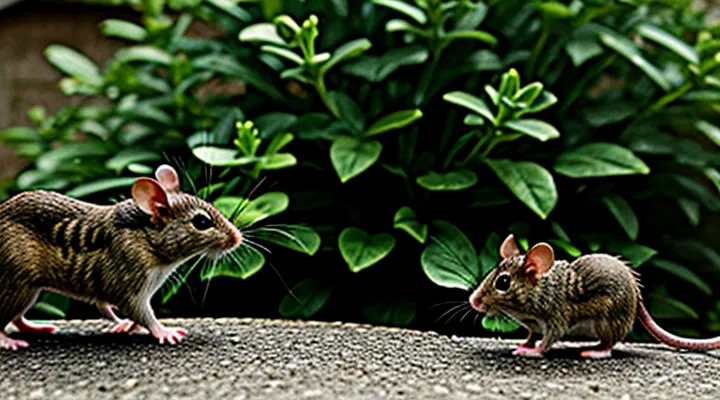
Understanding the Mouse Problem
Signs of an Infestation
Mice leave clear evidence that signals the need for conventional rodent control measures. Recognizing these indicators early prevents damage and reduces health risks.
- Gnaw marks on wood, plastic, or wiring, especially near edges or corners.
- Small droppings, dark and pellet‑shaped, found along walls, near food sources, or in hidden areas.
- Grease or urine stains that appear as darkened, oily patches on surfaces.
- Presence of shredded paper, fabric, or insulation used for nesting.
- Audible scratching or scurrying sounds, particularly at night.
- Unexplained food loss or crumbs scattered in pantry or storage spaces.
Identifying these signs promptly enables the deployment of time‑tested, non‑chemical deterrents such as sealed entry points, natural repellents, and strategic trap placement.
Risks Associated with Mice
Mice pose several direct threats that undermine health, property, and productivity. They serve as vectors for pathogens such as hantavirus, salmonella, and leptospirosis, contaminating food and surfaces through urine, droppings, and saliva. These microorganisms can cause severe respiratory, gastrointestinal, and renal illnesses in humans and livestock.
Structural damage results from gnawing behavior. Mice chew electrical wiring, increasing the risk of short circuits and fire. Their nests disrupt insulation, leading to energy loss and higher heating costs. Grain stores, packaging, and manufactured components suffer loss and spoilage when infiltrated by rodents.
Economic impact extends beyond physical damage. Contamination triggers product recalls, regulatory penalties, and loss of consumer confidence. In agricultural settings, reduced yields and increased veterinary expenses compound financial strain.
Allergic reactions arise from exposure to mouse allergens present in fur, dander, and urine. Sensitive individuals may experience asthma attacks, sinusitis, or skin irritation, necessitating medical intervention and affecting workplace attendance.
The following points summarize the principal hazards:
- Transmission of zoonotic diseases (e.g., hantavirus, salmonella)
- Contamination of food and water supplies
- Damage to electrical systems and fire hazards
- Compromise of building insulation and structural integrity
- Economic losses from product spoilage and regulatory actions
- Allergic responses and respiratory complications
Understanding these risks informs the selection and implementation of conventional rodent deterrence approaches, ensuring that mitigation efforts address the most critical consequences of mouse infestation.
Non-Lethal Repellent Strategies
Scent-Based Repellents
Peppermint Oil
Peppermint oil is a widely cited component of conventional rodent deterrent techniques. Its strong menthol scent overwhelms the olfactory receptors of mice, causing avoidance of treated areas. The oil’s volatility ensures rapid diffusion, creating an inhospitable environment without physical barriers.
Effective application includes:
- Soaking cotton balls in pure peppermint oil and placing them in corners, behind appliances, and along baseboards; replace every 3–5 days to maintain potency.
- Mixing 10–15 ml of oil with 1 liter of water, adding a few drops of dish soap, and spraying the solution around entry points, crawl spaces, and pantry shelves.
- Using commercial peppermint oil dispensers that release a controlled mist; schedule operation for 8–10 hours per day during peak activity periods.
Safety considerations: dilute oil before contact with surfaces to prevent staining; avoid use on food‑contact surfaces without thorough rinsing; keep out of reach of children and pets, as concentrated oil may cause irritation.
Clove Oil
Clove oil, extracted from the dried flower buds of Syzygium aromaticum, contains eugenol, a phenolic compound with a strong, pungent aroma. The odor irritates the olfactory receptors of rodents, causing them to avoid treated areas. Application methods include:
- Soaking cotton balls in undiluted clove oil and placing them in gaps, corners, and near entry points.
- Mixing 10–15 drops of clove oil with 200 ml of water, adding a few teaspoons of mild detergent, and spraying the solution along baseboards and shelving.
- Adding a few drops to wooden shavings or sawdust, then distributing the material around storage areas.
Effectiveness reports indicate that clove oil deters mice for 2–4 weeks before the scent diminishes, after which reapplication is required. The oil is safe for most indoor environments when used in moderate quantities; however, it may stain fabrics and should be kept away from food preparation surfaces. Direct contact with undiluted oil can cause skin irritation, so gloves are recommended during handling.
Limitations include reduced potency in well‑ventilated spaces and variable results depending on mouse species and population density. For persistent infestations, clove oil should be integrated with other conventional rodent deterrent techniques, such as sealing entry points and maintaining a clean, clutter‑free environment.
Cotton Balls Soaked in Essential Oils
Cotton balls saturated with essential oils constitute a widely practiced rodent deterrent that relies on the strong scent of selected botanicals. The method is inexpensive, easy to implement, and does not require specialized equipment.
- Peppermint oil – high menthol concentration disrupts mouse olfactory receptors.
- Clove oil – eugenol content produces an unpleasant environment for rodents.
- Eucalyptus oil – phenolic compounds create a volatile barrier.
- Citronella oil – citrus aroma interferes with mouse foraging behavior.
Application involves placing one or two fully soaked cotton balls in areas where mice travel, such as behind appliances, along baseboards, and inside cabinets. Replace the cotton balls every 3–5 days to maintain potency. Ensure the oil concentration does not exceed 5 % of the carrier to prevent saturation of the material and to reduce the risk of residue buildup.
Effectiveness diminishes in high‑traffic zones where airflow disperses the scent rapidly; supplemental placement of additional balls may be necessary. Essential oils can irritate skin and mucous membranes; use gloves during handling and keep treated cotton balls out of reach of children and pets. The technique should be integrated with sanitation measures, such as sealing entry points and removing food sources, to achieve consistent rodent control.
Sound-Based Repellents
Ultrasonic Devices (Traditional Perspective)
Ultrasonic devices are marketed as non‑chemical tools that emit high‑frequency sound waves intended to disturb rodent nervous systems. The technology originated in the late‑20th century, when manufacturers adapted industrial ultrasonic generators for household use. Early models operated at frequencies between 20 kHz and 55 kHz, a range audible to mice but generally inaudible to humans. Devices were installed in wall outlets or placed on flat surfaces, each unit covering an area of approximately 500 sq ft.
Key characteristics of traditional ultrasonic repellents include:
- Fixed frequency output, often a single tone or a simple sweep.
- Battery or mains power supply, with typical runtimes of 6–12 months before replacement.
- Integrated timer or motion sensor in later versions, allowing activation only when movement is detected.
- Plastic housing designed for easy placement in kitchens, pantries, and storage rooms.
Effectiveness depends on line‑of‑sight propagation; solid walls, furniture, and clutter create acoustic shadows that reduce coverage. Studies conducted in controlled environments reported initial avoidance behavior, but mouse populations frequently habituated after several weeks, diminishing the deterrent effect. Maintenance recommendations stress regular cleaning of the transducer surface and periodic repositioning to prevent adaptation.
From a conventional standpoint, ultrasonic devices complement other deterrent measures such as sealing entry points, eliminating food sources, and employing physical traps. Their primary advantage lies in the absence of toxic substances, while their primary limitation is the short‑term nature of the behavioral response they provoke. Users seeking sustained control typically combine ultrasonic units with structural exclusion and sanitation practices.
Physical Barriers and Exclusion
Sealing Entry Points
Effective mouse control begins with eliminating the routes rodents use to enter a building. Identifying and sealing gaps, cracks, and openings deprives mice of access, reducing the likelihood of infestation.
Inspect the exterior and interior of the structure for common entry points: gaps around doors and windows, openings around utility lines, cracks in foundations, vent covers, and gaps beneath appliances. Use a flashlight and a thin piece of cardboard to detect hidden spaces; a rodent will easily squeeze through openings as small as a quarter‑inch.
Apply appropriate sealing materials based on the size and location of each opening. For small cracks, use high‑quality silicone caulk; for larger gaps, install steel wool or copper mesh followed by expanding foam to prevent gnawing. Metal flashing or hardware cloth (¼‑inch mesh) should cover vents, chimney openings, and drainage pipes. Ensure all sealants are weather‑resistant and adhere to the substrate.
Maintain the barrier by periodically checking for new damage caused by building settlement or weather. Replace degraded materials promptly to preserve the integrity of the seal.
Key actions
- Conduct a thorough visual inspection of the building envelope.
- Use steel wool or copper mesh to block larger openings before applying sealant.
- Apply silicone caulk or expanding foam to close small cracks.
- Install metal flashing or hardware cloth on vents and utility penetrations.
- Schedule regular inspections and repairs.
By systematically removing access points, the environment becomes inhospitable to mice, supporting long‑term prevention without reliance on chemical or electronic deterrents.
Maintaining a Clean Environment
A tidy environment eliminates the primary attractants that draw mice into homes and storage areas. By removing accessible food, limiting moisture, and denying shelter, the likelihood of infestation declines sharply.
- Store dry goods in sealed containers made of metal or heavy‑wall plastic.
- Clean crumbs, spills, and pet food immediately; sweep floors and wipe surfaces after each use.
- Dispose of garbage in containers with tight‑fitting lids; empty them regularly to prevent odor buildup.
- Repair leaks, dry damp areas, and ensure proper ventilation to reduce humidity that supports nesting.
- Keep clutter to a minimum; remove cardboard boxes, piles of fabric, and other potential hideouts.
Routine inspections reinforce these measures. Conduct weekly sweeps of kitchens, pantries, and basements, noting any signs of droppings or gnaw marks. Promptly seal entry points such as gaps around pipes, vents, and door frames. Consistent application of these practices sustains an environment that discourages rodents without reliance on chemical agents.
Traditional Trapping Methods
Snap Traps
Baiting Techniques
Baiting remains a cornerstone of conventional rodent control, relying on the attraction of mice to consumable substances that either incapacitate or eliminate them. Effective baiting requires precise selection of attractants, careful placement, and systematic monitoring to achieve consistent results.
The most widely employed attractants include:
- Grain‑based mixtures – wheat, corn, and oats blended with binding agents; suitable for indoor and outdoor environments.
- Protein‑rich pastes – peanut butter, cheese, or meat extracts; effective where mice exhibit a preference for animal protein.
- Commercial rodenticides – anticoagulant or neurotoxic compounds formulated in pellet or block form; intended for long‑term exposure.
Placement guidelines focus on mouse behavior. Baits should be positioned along walls, behind appliances, and near known travel routes, typically within 2–3 inches of the surface. Use tamper‑resistant stations to prevent accidental contact by non‑target species and children. Stations must be sealed after placement to maintain bait integrity and reduce spillage.
Monitoring involves regular inspection of bait stations for consumption, mortality, and signs of avoidance. Record observations in a log to identify patterns and adjust locations accordingly. Rotate attractant types every 2–3 weeks to prevent habituation; alternating protein and grain formulations sustains interest and reduces bait shyness.
Safety protocols demand strict adherence to label instructions for toxic baits. Wear gloves when handling, store unused bait in locked containers, and dispose of dead rodents according to local regulations. When using anticoagulant rodenticides, incorporate secondary containment to limit secondary poisoning of predators.
By integrating attractant selection, strategic placement, diligent monitoring, and rigorous safety measures, baiting techniques deliver reliable control of mouse populations without reliance on modern electronic or ultrasonic devices.
Placement Strategies
Effective placement of traditional rodent deterrence tools determines their success. Position devices where mice travel, feed, or nest. Identify pathways by observing droppings, gnaw marks, and activity near walls, cabinets, and appliances. Install deterrents along these routes to interrupt movement.
Key considerations for positioning include:
- Proximity to food sources – place repellents within 12‑18 inches of pantry shelves, garbage bins, and pet feeders.
- Contact with structural gaps – locate devices at entry points such as cracks, vents, and utility openings; seal gaps after placement.
- Elevation – position tools on the floor and on lower cabinets, as mice prefer concealed, low‑level routes.
- Distribution density – space repellents no more than 6 feet apart in high‑traffic zones; increase density in heavily infested areas.
- Maintenance access – mount devices where they can be inspected and refreshed without disturbing household activities.
Avoid placing repellents in isolated corners or on high surfaces where mice are unlikely to encounter them. Regularly review placement after cleaning or remodeling, adjusting locations to reflect new pathways. Consistent, strategic positioning maximizes the efficacy of conventional mouse deterrence methods.
Live Traps
Release Considerations
Implementing conventional mouse deterrents demands deliberate planning to achieve effective outcomes while minimizing unintended consequences. The process begins with an assessment of the environment, followed by strategic deployment of repellent agents and ongoing evaluation.
- Identify target zones where rodent activity concentrates; focus placement on entry points, travel corridors, and nesting sites.
- Choose repellent type—such as ultrasonic emitters, peppermint oil, or snap traps—based on suitability for indoor versus outdoor settings and compatibility with local fauna.
- Verify that chosen methods comply with regional regulations concerning wildlife protection and chemical usage.
- Position devices or substances at heights and angles that maximize exposure to rodents while reducing contact with non‑target species and humans.
- Schedule activation periods to align with peak rodent activity, typically during dusk and nighttime hours, and adjust timing seasonally as behavior patterns shift.
- Conduct a preliminary test in a confined area to gauge efficacy and detect any adverse reactions before full‑scale release.
- Establish a monitoring protocol that records capture rates, damage reduction, and any signs of avoidance; adjust placement or method accordingly.
- Plan for safe disposal of captured rodents or spent materials, adhering to health‑hazard guidelines to prevent disease transmission.
Effective release hinges on precise localization, regulatory adherence, and systematic observation, ensuring that traditional deterrent techniques perform reliably without compromising safety or ecological balance.
Natural Predators
The Role of Cats
Cats have long been employed as a biological control agent against rodents. Their predatory instincts drive them to hunt, stalk, and kill mice, creating a direct reduction in population density within inhabited spaces. The presence of a cat also generates a scent and auditory environment that discourages mice from establishing nests.
Effectiveness depends on several factors:
- Breed and temperament: agile, high‑energy cats are more likely to pursue small prey.
- Age and health: younger, healthy individuals maintain higher activity levels.
- Exposure: cats accustomed to indoor environments may show reduced hunting drive compared to outdoor‑experienced counterparts.
- Habitat layout: cluttered areas provide concealment for mice, limiting a cat’s access.
Maintenance considerations include regular veterinary care, vaccination, and parasite control to protect both animal and human occupants. Feeding schedules should avoid over‑reliance on the cat for mouse control; supplemental nutrition ensures the animal’s welfare while preserving its hunting motivation.
Integrating cats with other non‑chemical strategies—such as sealing entry points, removing food sources, and employing trapping devices—enhances overall rodent management. When combined, these measures form a comprehensive, low‑toxicity approach that aligns with traditional pest‑deterrence practices.
Other Natural Deterrents
Natural deterrents complement conventional rodent control techniques by exploiting sensory aversions and environmental modifications. These agents are readily available, non‑toxic, and integrate easily into household or agricultural settings.
- Peppermint oil: Mice avoid the strong menthol scent; applying a few drops on cotton balls near entry points creates a persistent barrier.
- Clove and cinnamon: Ground spices or essential oils emit volatile compounds that irritate rodent olfactory receptors; sprinkling them along baseboards or in stored grain hampers foraging.
- Cayenne or hot pepper: Capsaicin irritates mucous membranes; a thin layer on surfaces deters chewing and traversal.
- Predator urine: Commercially sourced fox, ferret, or owl urine signals danger; spraying it around nests or hideouts triggers avoidance behavior.
- Plantings of mint, rosemary, or lavender: Dense foliage releases repellent aromatics; strategic placement around foundations reduces ingress.
- Habitat alteration: Removing food debris, sealing cracks, and maintaining low humidity eliminate attractants and make the environment inhospitable.
Implementing these measures alongside structural exclusion provides a multi‑layered approach that reduces reliance on chemical poisons while maintaining effective mouse management.
Prevention and Maintenance
Food Storage Practices
Proper food storage is a cornerstone of conventional rodent deterrence. Secure containment eliminates accessible odor sources, reduces visual cues, and prevents accidental spills that attract mice.
- Use containers with snap‑tight, rubber‑gasket seals; plastic or glass jars without vented lids are ineffective.
- Prefer metal or heavy‑wall containers for bulk grains, flour, and pet food; rodents can gnaw through thin plastic.
- Store items on elevated shelves, at least 12 inches above the floor, to hinder climbing.
- Keep storage areas clean; sweep crumbs daily and wipe surfaces with a mild bleach solution.
- Implement a “first‑in, first‑out” rotation system; discard expired products promptly to avoid degradation that releases attractants.
- Separate raw and processed foods; allocate distinct zones to limit cross‑contamination.
- Seal pantry doors with weather‑stripping; gaps larger than ¼ inch provide entry points.
Consistent application of these practices removes the primary food incentives that draw mice into domestic environments.
Yard Maintenance
Effective yard upkeep can significantly reduce mouse activity by eliminating shelter and food sources. Regular trimming of grass, shrubs, and groundcover removes dense vegetation that provides nesting sites. Removing leaf litter, compost piles, and fallen fruit cuts off readily available nourishment.
Implementing physical barriers further discourages intrusion. Installing metal or hardware‑cloth mesh around garden beds and beneath raised planters prevents rodents from burrowing. Sealing gaps in fences, gates, and shed doors with weather‑resistant caulking blocks entry points.
Maintain clean drainage systems to avoid standing water, which attracts insects that serve as secondary food for mice. Schedule weekly inspections to identify and repair damaged irrigation lines, hollow roots, or cracked concrete that could serve as hidden passages.
Traditional deterrent practices complement mechanical measures:
- Sprinkle powdered diatomaceous earth along perimeter rows; the abrasive particles damage the insects’ exoskeletons, reducing the mouse food supply.
- Place bundles of dried lavender, peppermint, or rosemary near garden edges; strong aromatic compounds are unpleasant to rodents.
- Deploy steel wool or copper mesh in gaps around utility conduits; the texture deters chewing.
Consistent execution of these yard‑maintenance actions creates an environment that is inhospitable to mice, aligning with long‑standing, non‑chemical control strategies.
Regular Inspections
Regular inspections form a cornerstone of conventional rodent deterrence techniques. Inspectors examine structural vulnerabilities, food storage areas, and waste disposal zones for signs of mouse activity. Early detection reduces the need for extensive trapping or chemical treatment.
Typical inspection points include:
- Gaps around doors, windows, and utility penetrations; seal openings no larger than ¼ inch.
- Cracks in foundation walls, flooring, and ceiling joists; repair with steel wool and cement.
- Undersides of appliances, cabinets, and shelving; remove debris and clean residue.
- Food packaging integrity; discard any damaged containers.
- Waste containers; ensure lids fit tightly and bins are emptied daily.
Frequency depends on building use and seasonal patterns. High‑traffic kitchens and grain storage facilities require weekly checks during autumn and winter, when mouse populations peak. Office spaces and residential units benefit from bi‑weekly inspections year‑round.
Documentation enhances effectiveness. Record observed signs, repaired locations, and dates of inspection. Trend analysis identifies recurring problem areas, guiding targeted reinforcement of barriers.
Integrating regular inspections with other traditional measures—such as natural repellents, snap traps, and predator encouragement—creates a layered defense. Consistent monitoring ensures each element functions as intended and prevents infestations from establishing.