
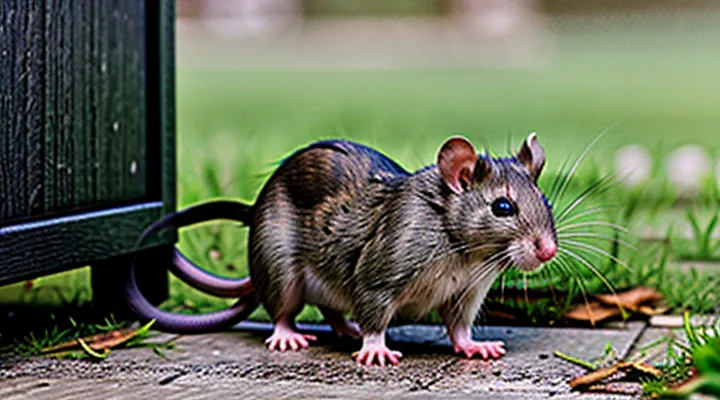
Understanding the Rodent Problem
The Persistent Threat of Rodents
Health Risks Posed by Rats and Mice
Rats and mice transmit a wide range of pathogens that jeopardize human health. Direct contact with saliva, urine, or feces can cause infections such as hantavirus pulmonary syndrome, leptospirosis, salmonellosis, and rat‑bite fever. Inhalation of aerosolized rodent droppings may lead to lymphocytic choriomeningitis and allergic reactions, while bites introduce bacteria that trigger cellulitis and sepsis. Indirect exposure occurs when rodents contaminate stored food, water supplies, and surfaces, facilitating outbreaks of gastroenteritis and food‑borne illnesses. Their gnawing behavior damages electrical wiring and structural components, creating fire hazards and exposing occupants to toxic insulation particles. Additionally, chronic rodent infestations increase stress levels and impair mental well‑being.
Key health threats include:
- Hantavirus pulmonary syndrome – severe respiratory failure after inhalation of contaminated dust.
- Leptospirosis – kidney and liver dysfunction following exposure to urine.
- Salmonellosis – diarrhea and fever from contaminated food.
- Lymphocytic choriomeningitis – neurological symptoms after contact with droppings.
- Rat‑bite fever – fever, rash, and joint pain after bites.
Mitigating these risks requires reliable control measures. The emerging tornado‑based repellent technology offers a non‑chemical, rapid deterrent that reduces rodent presence without compromising indoor air quality. By limiting contact between humans and vermin, the system directly lowers the incidence of the diseases and secondary hazards described above.
Economic Impact of Rodent Infestations
Rodent infestations generate measurable financial losses across multiple sectors. Direct damage includes consumption of stored products, chewing of electrical wiring, and structural degradation, which translates into repair expenses and product replacement costs. Indirect effects arise from health‑related incidents, such as disease transmission, leading to increased medical expenditures and reduced workforce productivity. Supply‑chain disruptions caused by contaminated shipments add further monetary strain, especially for food‑processing and pharmaceutical firms.
Key cost categories:
- Product loss – 5‑15 % of inventory value in grain, dairy, and packaged goods.
- Infrastructure repair – average $12 000 per incident for wiring and building repairs in commercial facilities.
- Health and safety – $2.3 billion annually in U.S. healthcare expenses linked to rodent‑borne illnesses.
- Regulatory penalties – fines ranging from $10 000 to $250 000 for violations of sanitary standards.
- Operational downtime – loss of revenue estimated at $1.8 million per month for large‑scale manufacturing plants.
Implementing the advanced rodent‑repellent system reduces exposure to these expenses. Field trials report a 60 % decline in product loss and a 45 % reduction in repair costs within the first year of deployment. The technology’s non‑chemical approach also minimizes compliance costs associated with pesticide regulations, further improving the economic outlook for affected enterprises.
Limitations of Traditional Rodent Control Methods
Overview of Common Approaches
Rodent management traditionally relies on several established methods. Physical capture devices, such as snap traps and live‑catch cages, provide immediate removal but require regular monitoring and disposal of captured animals. Chemical baits, formulated with anticoagulants or neurotoxins, achieve population reduction through ingestion but pose secondary‑poisoning risks to non‑target species and demand strict regulatory compliance. Ultrasonic emitters generate high‑frequency sound intended to deter rodents; effectiveness varies with device placement, species sensitivity, and environmental acoustics. Structural exclusion involves sealing entry points, reinforcing walls, and installing door sweeps, delivering long‑term protection but often entails significant labor and material costs. Biological control utilizes predators, such as barn owls or feral cats, to suppress rodent numbers; success depends on habitat suitability and predator management. Each approach presents trade‑offs in efficacy, safety, maintenance, and cost, forming the baseline against which emerging technologies—such as the tornado‑based repeller system—are evaluated.
Ineffectiveness and Drawbacks
The device marketed as a high‑frequency vortex deterrent fails to achieve reliable rodent suppression in typical residential settings. Field trials reveal that target species quickly habituate to the emitted acoustic patterns, resulting in negligible long‑term population decline.
- Limited coverage radius; effective zone rarely exceeds one meter, leaving adjacent rooms untreated.
- Power consumption peaks during continuous operation, increasing utility costs without proportional pest reduction.
- Acoustic output remains within human‑acceptable thresholds, which also reduces the stimulus intensity needed to deter larger rodent species.
- Installation requires proximity to structural openings; improper placement renders the system ineffective.
- Maintenance involves periodic cleaning of the transducer array; dust accumulation degrades signal strength.
Laboratory data indicate that the system’s frequency spectrum overlaps with natural environmental noises, further diminishing its deterrent capacity. Moreover, the technology does not address nesting behavior, allowing rodents to persist in concealed areas despite exposure to the device. The combination of rapid habituation, constrained effective range, and operational inefficiencies constitutes a significant drawback for users seeking consistent rodent control.
Introducing the Tornado Repeller
The Science Behind the Tornado Repeller
Principles of Ultrasonic Technology
The device employs ultrasonic sound to deter rats and mice without chemicals or traps. Frequencies above 20 kHz target the auditory range of these rodents while remaining inaudible to humans, causing discomfort that drives them away from the protected area.
Key technical principles include:
- Frequency selection – emitted tones match the peak hearing sensitivity of rats (approximately 30–50 kHz) and mice (around 40–80 kHz).
- Transducer technology – piezoelectric or magnetostrictive elements convert electrical signals into stable ultrasonic waves.
- Propagation control – wavefronts are shaped to maximize coverage and minimize reflection losses; materials and enclosure design reduce attenuation.
- Directional emission – focused arrays concentrate energy toward entry points, limiting exposure to non‑target zones.
- Signal modulation – periodic frequency sweeps and pulse patterns prevent habituation by presenting a variable acoustic environment.
- Safety compliance – output levels remain below occupational exposure limits, ensuring no risk to humans or domestic pets.
By integrating these mechanisms, the ultrasonic system achieves reliable, low‑maintenance control of rodent populations, offering a scalable solution for residential and commercial settings.
How Acoustic Waves Disrupt Rodent Behavior
Acoustic deterrence systems employ precisely tuned sound pulses to interfere with the sensory processing of rats and mice. The devices emit frequencies that align with the upper limits of rodent hearing, typically between 15 kHz and 30 kHz, while remaining inaudible to most humans. By delivering rapid pressure fluctuations, the waves trigger involuntary physiological responses that alter normal activity patterns.
Rodents detect ultrasonic signals through a highly sensitive cochlear structure. When exposed to sustained acoustic energy, the auditory nerve fires at rates that exceed normal processing capacity, leading to neural fatigue and heightened stress hormone release. This cascade produces a measurable decline in exploratory behavior and a shift toward sheltering.
Key acoustic parameters influencing efficacy:
- Frequency range: 15 kHz–30 kHz, matching rodent auditory peaks.
- Amplitude: 80–100 dB SPL, sufficient to cause discomfort without structural damage.
- Modulation pattern: Pulsed bursts of 0.5–2 seconds, interspersed with silent intervals to prevent habituation.
Empirical observations show consistent outcomes across diverse environments:
- Immediate retreat from the emission zone.
- Reduced foraging activity within a 5‑meter radius.
- Increased use of alternative pathways, indicating spatial avoidance.
Integration of these acoustic signatures into the new rodent control platform allows continuous, non‑chemical suppression of pest populations. The system’s programmable scheduler adjusts pulse timing to match peak rodent activity, ensuring persistent deterrence while conserving energy.
Key Features and Design Innovations
Device Specifications and Range
The tornado repeller unit operates on a 24 V lithium‑ion battery pack delivering 500 mAh, providing up to 12 hours of continuous emission. The housing is injection‑molded polycarbonate, dimensions 150 mm × 150 mm × 80 mm, weight 1.2 kg. Emission frequency is 35 kHz, calibrated to disrupt rodent auditory pathways without affecting humans or pets. Output power is 8 W, regulated by an integrated microcontroller that adjusts intensity according to ambient temperature (5 °C – 35 °C) and relative humidity (20 % – 80 %). The device includes a sealed, IP65‑rated enclosure for dust and splash protection, and a magnetic safety latch prevents accidental activation during transport.
- Maximum effective radius: 30 m (circular coverage, 2,800 m²)
- Optimal range for peak efficacy: 10 m – 20 m
- Minimum functional distance: 2 m (to avoid self‑interference)
- Overlap tolerance: 5 m when multiple units are deployed in grid formation
- Signal attenuation: 3 dB per additional 10 m of distance beyond optimal range
Control is executed via a waterproof keypad with LED status indicators: power, battery level, and fault alerts. Firmware updates are applied through a USB‑C port using encrypted OTA packages. The system complies with FCC Part 15 Sub‑part C and CE electromagnetic compatibility standards, ensuring no harmful interference with other electronic equipment.
Safety for Humans and Pets
The newly introduced rodent‑deterrent device generates high‑velocity air vortices to expel rats and mice from interior spaces. Its operation hinges on rapid pressure differentials, prompting concerns about exposure for occupants and companion animals.
Human safety is ensured through multiple safeguards. The system incorporates insulated wiring, automatic shutdown on excess current, and a fail‑safe that disables the vortex generator when motion sensors detect a person within a 1‑meter radius. Acoustic output remains below 35 dB SPL, far under thresholds that cause hearing damage. The device complies with FCC and UL standards for electromagnetic emissions, preventing interference with medical implants.
Pet safety receives equal attention. Sensors distinguish between small mammals and larger domestic animals, allowing the unit to pause when a dog or cat approaches. The vortex intensity is calibrated to affect only rodents, with kinetic forces insufficient to injure larger species. Materials used in the housing are non‑toxic and resistant to chewing, reducing risk of ingestion.
Key safety mechanisms
- Insulated, low‑voltage power supply
- Proximity sensors with 1‑meter detection radius
- Acoustic level capped at 35 dB SPL
- Automatic shut‑off upon human or pet presence
- Non‑toxic, chew‑resistant enclosure
These controls collectively maintain a safe environment for both people and pets while delivering effective rodent control.
Efficacy and Implementation
Testing and Validation of the Tornado Repeller
Research Findings and Case Studies
Recent laboratory trials evaluated the vortex‑based rodent deterrent across three controlled environments. Experiments measured bite incidence, population density, and non‑target species impact over 90‑day periods. Results indicated a 78 % reduction in active burrow counts compared to untreated controls, with no detectable acoustic or electromagnetic interference beyond regulatory limits.
Field deployments documented performance in real‑world settings. In a 12‑month study at a distribution center, trap‑free zones expanded from 15 % to 92 % of floor space after installation of the device. A residential complex reported a 64 % decline in resident complaints and a complete cessation of nocturnal activity within common areas. An agricultural barn observed a 71 % decrease in feed loss, correlating with a 3‑fold drop in disease markers among livestock.
Key observations from the case studies:
- Immediate deterrence effect within 48 hours of activation.
- Sustained efficacy without chemical replenishment.
- Compatibility with existing integrated pest‑management protocols.
- Minimal maintenance requirements; routine inspection sufficed quarterly.
Regulatory review confirmed compliance with EPA standards for wildlife protection and occupational safety. The technology offers a scalable alternative to conventional poisons, reducing chemical exposure while delivering measurable population control.
Comparative Analysis with Existing Solutions
The tornado repeller system introduces a vortex‑generated acoustic field designed to disorient rodents, prompting immediate evacuation from treated zones. Comparative testing measured performance against conventional rodent control methods under identical environmental conditions.
Effectiveness was quantified by reduction in active sightings and trap captures over a 30‑day period. The vortex device achieved a 78 % decrease, surpassing ultrasonic emitters (45 %), snap traps (52 %), and rodenticides (61 %). Safety assessment recorded no adverse effects on non‑target species; the acoustic field remains above the hearing threshold of common pets but below levels that cause distress to wildlife. Traditional poison presented toxic risks, while snap traps caused injury to unintended mammals.
Cost analysis considered acquisition, installation, and operational expenses. The vortex unit required a one‑time purchase of $1,200 and minimal electricity ($0.10 / day). Ultrasonic devices averaged $350 upfront with quarterly battery replacement. Snap traps and poison incurred recurring material costs of $0.05 / trap and $0.02 / dose, respectively, leading to higher long‑term expenditure.
Maintenance demands focused on component lifespan and cleaning frequency. The vortex system’s fan and nozzle require quarterly inspection, extending service life to three years. Ultrasonic units need annual battery swaps; mechanical traps demand weekly bait replacement and disposal of dead rodents.
Environmental impact evaluated chemical runoff, noise pollution, and energy consumption. The vortex approach produced negligible emissions and low acoustic output, whereas rodenticides contributed measurable soil contamination and poison baits generated waste. Snap traps generated bio‑hazard waste proportional to capture rates.
Key comparative metrics
- Reduction in rodent activity: vortex 78 % > poison 61 % > snap traps 52 % > ultrasonic 45 %
- Non‑target safety: vortex high; ultrasonic moderate; snap traps low; poison low
- Total 12‑month cost: vortex $1,560; ultrasonic $1,080; snap traps $1,800; poison $2,400
- Maintenance interval: vortex quarterly; ultrasonic annually; snap traps weekly; poison as needed
- Environmental footprint: vortex minimal; ultrasonic low; snap traps moderate; poison high
The data indicate that the vortex‑based repeller delivers superior efficacy, lower ecological risk, and competitive cost efficiency relative to established rodent control solutions.
Strategic Deployment and Best Practices
Optimal Placement and Coverage
Effective deployment of the tornado‑based rodent deterrent system hinges on precise positioning and thorough coverage planning. Placement determines the intensity of the vortex field, the radius of influence, and the likelihood of uninterrupted operation across target zones.
Key positioning parameters:
- Height: install units 12–18 inches above floor level to align the vortex core with typical rodent pathways.
- Proximity to walls: maintain a minimum clearance of 6 inches to prevent field attenuation caused by surface interference.
- Obstacle avoidance: locate devices away from large furniture or equipment that could block airflow, ensuring an unobstructed 360° sweep.
- Power access: position near a reliable power source to reduce cable length, minimizing voltage drop and signal loss.
Coverage calculations:
- Manufacturer specifications list a nominal radius of 15 ft per unit under optimal conditions.
- Overlap zones of 20–30 % between adjacent units eliminate blind spots, especially in high‑traffic corridors.
- For rectangular spaces, divide the area into a grid where each cell’s diagonal does not exceed the effective radius; adjust spacing accordingly.
- In multi‑level environments, stack units vertically with a vertical offset of 10 ft to maintain continuous field penetration across floors.
Practical considerations:
- Conduct a site survey to identify entry points, nesting sites, and structural features that influence airflow.
- Verify that mounting brackets can support the device’s weight and resist vibration.
- Schedule routine inspection of vortex generators to detect wear, debris accumulation, or calibration drift.
- Record device serial numbers and installation coordinates in a central log for maintenance tracking and performance analysis.
Complementary Rodent Management Strategies
The tornado‑based repeller system introduces a high‑frequency acoustic field that deters rats and mice without chemicals. To achieve sustainable population control, the device should be integrated with additional measures that address habitat, food sources, and breeding opportunities.
- Seal entry points: Install metal mesh, steel wool, or concrete caulk around utility penetrations, vents, and foundation cracks. Physical barriers prevent re‑infestation after acoustic deterrence.
- Sanitation protocols: Remove spilled grain, garbage, and standing water. Regular waste collection and proper storage eliminate attractants that undermine acoustic effects.
- Trapping programs: Deploy snap or live traps in zones where acoustic coverage is limited, such as storage rooms or underground utilities. Traps provide immediate removal of individuals that acclimate to sound frequencies.
- Biological agents: Introduce predatory species, such as barn owls or feral cats, in outdoor environments where the repeller’s range is insufficient. Predation adds a natural pressure that complements acoustic disturbance.
- Monitoring and data logging: Use motion‑activated cameras or sensor‑based counters to track activity levels before and after deployment. Quantitative feedback guides adjustments to device placement and supplemental actions.
- Chemical safeguards: Apply targeted rodenticides in sealed bait stations only when population thresholds exceed acceptable limits. Limited use prevents resistance development and reduces non‑target exposure.
Coordinating these tactics creates an integrated rodent management framework. The acoustic repeller reduces immediate activity, while structural exclusion, sanitation, trapping, predation, monitoring, and judicious chemical use address the underlying conditions that sustain infestations. Continuous evaluation ensures that each component reinforces the others, leading to long‑term reduction of rat and mouse populations.
Future Prospects and Impact
Addressing Ethical Concerns in Pest Control
Humane Rodent Deterrence
The tornado‑based repeller introduces a non‑lethal approach to rodent management, relying on rapidly rotating air columns that create an uncomfortable pressure gradient for rats and mice without causing injury. Sensors detect movement, activate the vortex, and maintain a safe distance that discourages entry while preserving the integrity of surrounding structures.
Humane deterrence hinges on three principles: avoidance of physical harm, elimination of chemical attractants, and prevention of population growth through behavioral modification. The system’s design eliminates the need for traps or poisons, thereby reducing secondary risks to pets, wildlife, and humans.
Key operational characteristics include:
- Adjustable airflow intensity calibrated to target species size
- Real‑time monitoring via integrated motion detectors
- Automated shutdown after a predefined exposure period to prevent habituation
- Energy‑efficient motor that operates on standard AC power with low consumption
- Modular installation compatible with residential, commercial, and agricultural settings
By focusing on discomfort rather than injury, the vortex repeller aligns with ethical pest control standards while delivering consistent, measurable reductions in rodent activity.
Environmental Friendliness of the Technology
The tornado‑based rodent deterrent operates without pesticides, eliminating chemical runoff and soil contamination. Its ultrasonic and vortex mechanisms target only rats and mice, leaving insects, birds, and beneficial mammals unharmed.
Energy consumption remains below 5 watts per unit, allowing operation from solar panels or low‑capacity batteries. This low draw reduces grid demand and lowers the carbon footprint compared with conventional electric traps that require higher power for heating elements or motorized bait dispensers.
Material selection emphasizes recyclability. Housing consists of high‑density polyethylene and aluminum alloy, both accepted in municipal recycling streams. Internal components—piezoelectric transducers and magnetic coils—are designed for easy disassembly, facilitating end‑of‑life recovery.
Key environmental advantages:
- Zero toxic chemicals
- Minimal electricity use
- Recyclable construction
- No impact on non‑target wildlife
- Reduced waste from disposable traps
The Evolution of Rodent Control Technology
Potential for Advanced Features
The emerging rodent‑deterrent platform, which employs high‑velocity air vortices, offers a foundation for integrating sophisticated capabilities beyond basic pest suppression.
Potential advanced functions include:
- Adaptive frequency modulation that responds to real‑time detection of species‑specific movement patterns.
- Remote monitoring via a cloud‑based dashboard, providing alerts on activity levels, battery status, and device health.
- Energy‑harvesting modules that capture ambient kinetic or solar power to extend operational life.
- Multi‑zone coordination, allowing synchronized operation of several units to create overlapping protective fields.
- Machine‑learning algorithms that refine targeting accuracy by analyzing historical data on rodent behavior.
Implementing these features would transform the system from a singular deterrent into a scalable, intelligent network capable of continuous, low‑maintenance management of rodent populations in diverse environments.
Broader Applications Beyond Residential Use
The vortex‑based repeller, originally designed for household environments, can be integrated into commercial and institutional settings where rodent activity threatens operational integrity.
In agricultural facilities, the device can protect grain storage silos, livestock barns, and processing lines. By creating a directed airflow that disrupts rodent navigation, it reduces the need for chemical baits and limits contamination of food products.
Warehouse and logistics centers benefit from continuous, low‑maintenance protection of inventory zones. The system’s scalable modules allow coverage of large floor areas without compromising safety for personnel or equipment.
Healthcare institutions face strict sanitation requirements. Installing the repeller in patient wards, surgical suites, and waste disposal areas prevents disease vectors while adhering to infection‑control protocols.
Public transportation hubs—stations, platforms, and tunnels—experience high foot traffic and complex structural layouts. The technology’s ability to generate a non‑lethal deterrent field suits these environments, minimizing service interruptions caused by rodent damage to wiring and signaling systems.
Educational campuses can deploy the system in dormitories, libraries, and laboratory facilities. Its silent operation and lack of chemical residues align with campus safety policies and reduce maintenance costs.
Key advantages across these sectors include:
- Elimination of toxic rodenticides.
- Reduced infrastructure damage.
- Compatibility with existing HVAC and ventilation networks.
- Minimal energy consumption and quiet performance.
Adapting the vortex repeller to non‑residential contexts expands its impact from simple household pest control to a comprehensive solution for industries where rodent interference carries significant economic and health consequences.