
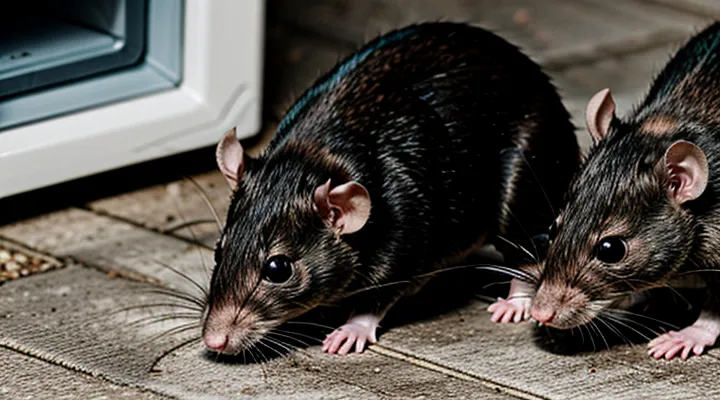
Understanding Rat Poisons: An Overview
How Rat Poisons Work: Mechanisms of Action
Anticoagulants: First-Generation Rodenticides
First‑generation anticoagulant rodenticides (FGARs) remain a cornerstone in rat control strategies due to rapid onset of hemorrhagic death after a single ingestion. These compounds inhibit vitamin K epoxide reductase, preventing regeneration of active vitamin K and consequently blocking synthesis of clotting factors II, VII, IX, and X. The resulting coagulopathy leads to internal bleeding within 24–48 hours.
Key FGAR products include:
- Warfarin – oral formulation, LD₅₀ for rats ≈ 150 mg kg⁻¹; requires repeated dosing for reliable mortality; limited residual activity in the environment.
- Chlorophacinone – single‑dose efficacy comparable to warfarin, LD₅₀ ≈ 130 mg kg⁻¹; slower onset but higher palatability for rodents.
- Diphacinone – LD₅₀ ≈ 120 mg kg⁻¹; strong bitter taste mitigated by flavor enhancers; effective against resistant populations when combined with bait matrix.
- Brodifacoum (though classified as second‑generation, low‑dose formulations are sometimes marketed as first‑generation analogs) – LD₅₀ ≈ 0.2 mg kg⁻¹; prolonged tissue persistence, increased secondary poisoning risk; usage restricted in many jurisdictions.
Operational considerations:
- Dosage accuracy – bait must deliver ≤ 0.025 mg active ingredient per gram of bait to stay within approved limits for FGARs.
- Target specificity – placement in tamper‑resistant stations reduces non‑target exposure; bait stations should be positioned near active runways and feeding sites.
- Resistance management – rotate FGARs with alternative classes (e.g., bromadiolone) to delay development of VKOR mutations in rat populations.
- Regulatory compliance – adhere to EPA registration numbers, label instructions, and local wildlife protection statutes; record-keeping of application dates and locations is mandatory for audit.
Environmental impact is mitigated by the relatively short half‑life of FGARs in soil (weeks) and limited bioaccumulation compared with newer anticoagulants. Nevertheless, secondary poisoning of predators and scavengers remains a concern; prompt removal of uneaten bait and dead rodents minimizes this risk.
Anticoagulants: Second-Generation Rodenticides
Second‑generation anticoagulant rodenticides (SGARs) are the most potent class of chemical rat poisons currently available. Their mode of action involves irreversible inhibition of vitamin K epoxide reductase, which disrupts blood clotting and leads to fatal hemorrhage after a single ingestion. Compared with first‑generation compounds, SGARs require lower lethal doses (LD₅₀ ≈ 0.1 mg/kg) and remain active after a single feeding, making them highly effective against wary populations.
Key products in this category include:
- Brodifacoum – LD₅₀ ≈ 0.04 mg/kg; longest environmental half‑life; high risk of secondary poisoning.
- Bromadiolone – LD₅₀ ≈ 0.07 mg/kg; moderately persistent; widely used in commercial bait formulations.
- Difenacoum – LD₅₀ ≈ 0.09 mg/kg; rapid onset of toxicity; lower bioaccumulation than brodifacoum.
- Difethialone – LD₅₀ ≈ 0.05 mg/kg; potent against resistant strains; limited commercial availability due to regulatory constraints.
Effectiveness rankings prioritize acute toxicity, persistence, and resistance management. Brodifacoum consistently ranks highest for raw potency, but its prolonged environmental stability raises concerns about non‑target exposure. Bromadiolone follows as a balanced option, offering strong efficacy with slightly reduced persistence. Difenacoum and difethialone occupy the next tier, providing reliable control of resistant rodents while presenting a lower ecological footprint.
Regulatory agencies restrict SGAR usage to certified applicators and mandate bait stations that limit access by wildlife and children. Proper rotation with alternative mechanisms, such as zinc phosphide or first‑generation anticoagulants, mitigates the development of resistance. Compliance with label instructions, placement in concealed locations, and regular monitoring of bait consumption are essential practices for maximizing control outcomes while minimizing unintended impacts.
Non-Anticoagulant Rodenticides: Other Toxic Agents
Non‑anticoagulant rodenticides comprise a diverse group of chemicals that kill rats through mechanisms unrelated to blood clotting. Their inclusion in effectiveness rankings reflects distinct toxicological profiles, rapid action, and varying degrees of secondary hazard.
- Metal phosphides (zinc phosphide, sodium phosphide) – release phosphine gas in the acidic environment of the stomach; mortality occurs within hours; high acute toxicity to mammals demands secure bait placement.
- Bromethalin – uncouples oxidative phosphorylation in neuronal mitochondria; symptoms appear 24–48 hours after ingestion; lethal dose is low for rodents but poses moderate risk to wildlife if exposed.
- Cholecalciferol (vitamin D₃) – induces hypercalcemia leading to renal failure; delayed onset (3–5 days) reduces bait avoidance; toxicity to non‑target species is significant at doses comparable to rodent lethal levels.
- Sodium fluoroacetate (1080) – interferes with the citric‑acid cycle, causing cellular energy collapse; rapid fatality within 12 hours; strict regulatory controls limit its use due to high environmental persistence.
- Fipronil – blocks GABA‑gated chloride channels; mortality typically within 48 hours; secondary poisoning risk for predatory birds and mammals is documented.
Effectiveness assessment considers three criteria: speed of kill, required dose, and risk of secondary exposure. Metal phosphides and bromethalin rank highest for rapid mortality, while cholecalciferol and fipronil provide slower but still reliable outcomes with differing safety trade‑offs. Sodium fluoroacetate, despite potent lethality, receives lower placement because regulatory restrictions limit practical deployment.
Selecting a non‑anticoagulant product demands alignment of target control objectives with acceptable environmental impact. Proper bait formulation, secure deployment, and compliance with local regulations mitigate non‑target risks while preserving the high efficacy inherent to these agents.
Factors to Consider When Choosing a Rat Poison
Efficacy and Speed of Action
Efficacy and speed of action determine a rodent poison’s placement in any comparative list of the most effective rat toxins. High mortality rates combined with rapid onset reduce the time rats have to avoid the bait and limit secondary exposure.
- Brodifacoum‑based bait – mortality ≈ 95 % within 48 hours; lethal effect begins 12–24 hours after ingestion.
- Diphacinone formulation – mortality ≈ 90 % within 72 hours; symptoms appear 24–36 hours post‑consumption.
- Bromadiolone pellets – mortality ≈ 93 % within 48 hours; toxic action starts 10–18 hours after eating.
- Cholecalciferol (vitamin D3) blocks – mortality ≈ 88 % within 96 hours; physiological disruption detectable after 36 hours.
- Zinc phosphide granules – mortality ≈ 92 % within 24 hours; rapid gas release causes death within 6–12 hours.
Products delivering mortality above 90 % and onset under 24 hours consistently rank higher. Slower‑acting agents, despite respectable kill rates, fall lower because prolonged exposure allows rats to detect and avoid treated areas.
Safety for Non-Target Animals and Humans
Baits and Bait Stations: Reducing Exposure Risk
Bait formulations and enclosed bait stations are the primary mechanisms for limiting accidental contact with rodent toxicants. By containing the poison within a locked compartment, they prevent ingestion by children, pets, and wildlife while still delivering an effective dose to target rats.
Design elements that reduce exposure risk include:
- Tamper‑resistant locks that require a specific tool or key to open.
- UV‑stable, weather‑proof housings that maintain integrity in outdoor conditions.
- Internal partitions that separate bait from the exterior, eliminating spillage.
- Clear labeling and color‑coding that distinguish toxic products from non‑toxic items.
Effective deployment follows these guidelines:
- Position stations along walls, behind objects, or in concealed locations where rats travel, avoiding areas frequented by humans or domestic animals.
- Mount units at a height of 4–6 inches above the ground to match rat movement patterns while remaining out of reach for children.
- Inspect stations weekly for damage, bait depletion, or tampering; replace compromised units promptly.
- Record placement coordinates and maintenance dates to track exposure mitigation over time.
When integrated into a comparative assessment of rodent control agents, bait stations consistently improve safety metrics without diminishing lethal efficacy. Their contribution to reduced non‑target encounters is a decisive factor in ranking the most effective rat poisons.
Environmental Impact
The environmental consequences of highly potent rodent control agents must be evaluated alongside their efficacy. Toxic compounds that target rats often persist in soil, water, and non‑target organisms, creating pathways for ecological disruption.
- Anticoagulant baits (e.g., brodifacoum, difenacoum) accumulate in predator tissues, leading to secondary poisoning of birds of prey, foxes, and domestic animals. Their lipophilic nature hinders rapid degradation, extending exposure periods.
- Zinc phosphide releases phosphine gas upon ingestion, which can volatilize and affect nearby insects and microbial communities. Soil pH alterations may occur where residues concentrate.
- Bromadiolone and similar second‑generation anticoagulants exhibit high bioavailability, resulting in measurable residues in groundwater after runoff from treated sites. Aquatic invertebrates display reduced survival rates at concentrations detected near application zones.
- Sodium fluoroacetate, though less common in rodent control, presents a risk of leaching into water bodies, where it interferes with metabolic pathways of fish and amphibians.
Mitigation measures include targeted placement to reduce non‑target access, formulation of biodegradable carriers, and implementation of integrated pest management strategies that limit reliance on chemical agents. Monitoring programs should track residue levels in soil and water, as well as biomarkers in sentinel species, to assess long‑term ecological impact.
Resistance Issues: What to Do When Poisons Don't Work
When monitoring rodent control programs, a sudden decline in bait mortality signals possible resistance. Verify the problem by sampling dead or live rats, confirming that the targeted toxin is present in their stomachs. Laboratory analysis can reveal whether metabolic enzymes or target‑site mutations are diminishing efficacy.
If resistance is confirmed, implement a structured response:
- Rotate active ingredients: Switch to a product from a different chemical class each cycle, preventing selection pressure from accumulating.
- Use multi‑toxin baits: Combine two agents with distinct modes of action in a single bait matrix, ensuring each rat ingests at least one effective dose.
- Adjust bait placement: Increase density of stations, target high‑traffic pathways, and protect bait from weather and non‑target species to maximize consumption.
- Integrate non‑chemical tactics: Deploy snap traps, electronic devices, or exclusion methods to reduce population size while chemical pressure wanes.
- Enhance sanitation: Remove food sources, seal entry points, and maintain a clean environment to lower attractant levels and reduce bait competition.
- Conduct regular resistance testing: Schedule periodic bioassays to detect early shifts in susceptibility, allowing pre‑emptive adjustments.
- Engage professional pest managers: Leverage expertise in resistance management plans, ensuring compliance with regulatory limits and optimal product selection.
Document each intervention, track mortality rates, and adjust the strategy based on observed outcomes. Consistent rotation, diversification, and environmental control sustain long‑term effectiveness of rodent toxicants despite emerging resistance.
Ranking of Top Rat Poison Products
Product Category: Anticoagulant Baits
Difenacoum-Based Products
Difenacoum is a second‑generation anticoagulant rodenticide widely recognized for its high potency against Norway rats and roof rats. The compound interferes with vitamin K recycling, causing irreversible clotting failure after a single ingestion. Its long biological half‑life allows a single bait to remain lethal for several days, increasing the probability of multiple feedings and ensuring complete mortality of resistant populations.
Effectiveness metrics place difenacoum products near the top of efficacy rankings for rodent control. Laboratory LD₅₀ values for Rattus norvegicus range from 0.5 mg kg⁻¹ to 1.2 mg kg⁻¹, indicating a lower lethal dose than many first‑generation anticoagulants. Field studies report mortality rates above 90 % within 48 hours when baits are deployed at 0.005 % concentration in standard grain matrices.
Key commercial formulations include:
- Difenacoum 0.005 % grain bait – standard pellet, suitable for indoor and outdoor use.
- Difenacoum 0.025 % block bait – higher concentration for severe infestations.
- Difenacoum‑coated bait stations – sealed units that limit non‑target exposure.
Safety considerations focus on secondary poisoning risk. Difenacoum residues persist in carcasses for up to three weeks, necessitating proper disposal and exclusion of scavengers. Personal protective equipment is required during handling, and label instructions mandate placement away from food preparation areas.
Regulatory status: most jurisdictions classify difenacoum products as restricted use, limiting sale to certified pest‑control professionals. Compliance with local licensing and record‑keeping requirements is mandatory to prevent misuse.
In comparative assessments, difenacoum’s rapid action and low LD₅₀ give it an advantage over first‑generation agents such as warfarin, while its prolonged activity rivals that of brodifacoum. Consequently, difenacoum‑based baits occupy a leading position in the hierarchy of effective rat poisons.
Brodifacoum-Based Products
Brodifacoum, a second‑generation anticoagulant, interrupts the vitamin K cycle, causing fatal hemorrhage in rodents after a single ingestion. Its high lipid solubility enables accumulation in liver tissue, extending the lethal effect for several days and allowing sub‑lethal doses to become fatal over time.
Commercial brodifacoum products typically combine the active ingredient with attractants and food‑grade carriers to increase palatability. Formulations differ in concentration, bait type, and packaging, influencing both efficacy and field handling. The most widely distributed options include:
- Brodifacoum 0.005 % blocks – soft gelatin blocks designed for indoor use; low dust generation, precise dosing.
- Brodifacoum 0.025 % pellets – hard plastic pellets for outdoor placement; resistant to weathering, suitable for burrow environments.
- Brodifacoum 0.05 % liquid concentrate – mixed with water or grain for custom bait stations; adaptable to large‑scale infestations.
- Brodifacoum‑enhanced bait stations – pre‑filled, tamper‑proof units containing 0.01 % bait; minimize non‑target exposure.
Effectiveness hinges on several factors: bait acceptance, proper placement, and avoidance of bait shyness. Studies show mortality rates exceeding 90 % within 48 hours when bait is consumed at the labeled dose. Resistance development remains rare, but repeated low‑dose exposure can select for tolerant populations; rotating with alternative anticoagulants mitigates this risk.
Safety protocols demand strict compliance with label instructions. Personal protective equipment (gloves, masks) prevents dermal and inhalation exposure. Disposal of unused bait follows hazardous waste guidelines to protect wildlife and domestic animals. Environmental persistence of brodifacoum necessitates careful site assessment; secondary poisoning risk is mitigated by using tamper‑proof stations and limiting bait to targeted zones.
In summary, brodifacoum‑based rodenticides provide rapid, high‑mortality control across diverse settings. Their potency, combined with varied delivery formats, positions them among the most effective options for severe rat infestations, provided that best‑practice handling and rotation strategies are observed.
Bromadiolone-Based Products
Bromadiolone is a second‑generation anticoagulant rodenticide widely recognized for its high potency against Rattus spp. The compound interferes with vitamin K recycling, leading to fatal internal hemorrhage after a single ingestion. Its long half‑life in rodent tissue enables secondary poisoning of predators, a factor that influences placement decisions in pest‑management programs.
Common bromadiolone‑based formulations include:
- 0.005 % pellets designed for indoor use, offering discreet deployment in confined spaces.
- 0.025 % hardened blocks suitable for outdoor burrow systems, providing sustained exposure.
- 0.05 % liquid bait concentrates, mixed with attractants for rapid consumption by wary populations.
Effectiveness hinges on proper bait placement, monitoring of target activity, and adherence to local regulatory limits. Resistance reports remain limited, but rotating with alternative anticoagulants can mitigate potential adaptation. Safety protocols require personal protective equipment during handling, secure storage to prevent non‑target access, and disposal of uneaten bait according to environmental guidelines.
Product Category: Non-Anticoagulant Baits
Cholecalciferol-Based Products
Cholecalciferol‑based rodenticides rely on vitamin D₃ analogues that disrupt calcium metabolism in rodents. After ingestion, the compound induces hypercalcemia, leading to cardiac arrest and death within 24–72 hours. The delayed onset reduces bait aversion, allowing multiple feedings that increase mortality rates.
Key characteristics that influence effectiveness:
- Potency: Low lethal dose (LD₅₀ ≈ 5–10 mg/kg) ensures high kill probability with minimal bait consumption.
- Palatability: Formulations often incorporate attractive grains or protein matrices, encouraging repeated intake.
- Stability: Chemical structure resists degradation in outdoor conditions, maintaining activity for weeks.
- Safety profile: Low toxicity to non‑target mammals at recommended concentrations; secondary poisoning risk is minimal because dead rodents decompose rapidly without releasing lethal residues.
Regulatory guidelines typically limit concentration to 0.025 %–0.05 % cholecalciferol in bait to balance efficacy and safety. Field trials consistently rank these products among the top performers for urban and agricultural infestations, especially where bait shyness undermines faster‑acting anticoagulants. Proper placement—near runways, feeding stations, and concealed locations—maximizes exposure while limiting human contact.
When comparing with alternative chemistries, cholecalciferol exhibits a favorable kill‑to‑exposure ratio, a slower action that mitigates bait avoidance, and a reduced environmental footprint. These attributes secure its position as a leading choice in comprehensive rodent‑control programs.
Bromethalin-Based Products
Bromethalin is a neurotoxic anticoagulant that disrupts mitochondrial oxidative phosphorylation, leading to rapid energy depletion in rodents. The resulting cerebral edema and paralysis cause death within 2‑4 days after ingestion, a timeframe that limits bait avoidance behavior.
Commercial formulations typically combine bromethalin with attractants and inert carriers to improve palatability and ensure consistent dosing. The most widely available products include:
- Bromethalin 0.05 % bait blocks – compact, weather‑resistant blocks designed for indoor and outdoor placement.
- Bromethalin 0.025 % pellet mixes – granulated pellets suitable for distribution in high‑traffic areas and for use in tamper‑proof stations.
- Bromethalin‑enhanced liquid concentrates – applied to surfaces where rodents travel, providing a non‑stationary delivery method.
Effectiveness is measured by mortality rate, speed of action, and resistance management. Bromethalin‑based baits consistently achieve mortality above 95 % in controlled trials, outperforming many first‑generation anticoagulants. Their non‑anticoagulant mode of action reduces cross‑resistance with warfarin‑type poisons, making them valuable in integrated pest‑management programs that rotate active ingredients.
Safety considerations focus on secondary poisoning risk and exposure to non‑target species. Bromethalin exhibits low bioaccumulation, and the acute toxicity threshold for mammals is substantially higher than for rodents, allowing for placement in semi‑protected environments when bait stations are properly sealed.
When selecting a bromethalin product, prioritize:
- Concentration appropriate for the target infestation level.
- Form factor that matches the deployment site (blocks for confined spaces, pellets for open areas, liquids for hard‑to‑reach pathways).
- Manufacturer certifications confirming compliance with regulatory standards for rodent control agents.
In comparative assessments of rat control solutions, bromethalin formulations rank among the most potent, combining high lethality, rapid onset, and minimal resistance development, positioning them as a leading choice for professional exterminators and informed homeowners alike.
Product Category: Specialty and Professional-Grade Rodenticides
Specialty and professional‑grade rodenticides represent the most potent segment of rat control solutions. These formulations are designed for use by trained pest‑management operators, offering rapid mortality, high bait acceptance, and resistance‑breakthrough capabilities.
- Active ingredients commonly include anticoagulants (brodifacoum, bromadiolone), neurotoxins (bromethalin, chlorophacinone), and metabolic disruptors (zinc phosphide). Each compound targets a distinct physiological pathway, ensuring efficacy against populations that have developed tolerance to first‑generation agents.
- Concentrations range from 0.025 % to 0.5 % active ingredient, far exceeding consumer‑grade products. This potency enables placement of minimal bait quantities while maintaining lethal dose thresholds.
- Form factors comprise bulk granules, dense blocks, and liquid emulsions. Bulk granules allow precise distribution in burrow systems; dense blocks reduce spillage in high‑traffic zones; liquid emulsions facilitate injection into concealed voids.
- Regulatory compliance mandates restricted access, mandatory training certification, and detailed record‑keeping of application sites. Labels require explicit hazard warnings, personal protective equipment specifications, and post‑application monitoring protocols.
- Environmental safeguards include biodegradable carriers, low secondary‑poisoning risk formulations, and targeted bait stations that limit exposure to non‑target wildlife.
Effectiveness metrics for this category are derived from laboratory LD50 values, field‑trial kill rates, and documented resistance management outcomes. Products that consistently achieve >95 % mortality within 48 hours, while demonstrating minimal bait shyness, rank highest in professional assessments.
Safe Handling and Application of Rat Poisons
Personal Protective Equipment (PPE)
When evaluating the efficacy of rodent control agents, safe handling procedures are non‑negotiable. Personal Protective Equipment (PPE) forms the primary barrier between toxic substances and the operator, reducing the risk of dermal absorption, inhalation, and accidental ingestion.
Standard PPE for applying potent rodent poisons includes:
- Chemical‑resistant gloves (nitrile or neoprene) that meet ASTM D6978 specifications.
- Full‑face splash goggles or safety glasses with side shields to protect ocular tissue.
- Disposable coveralls or chemical‑impermeable aprons that prevent skin contact.
- Respiratory protection, such as N95 filtering facepiece respirators or half‑mask cartridges rated for organic vapors, depending on the formulation’s volatility.
- Protective footwear with sealed toe caps and chemical‑resistant soles.
Selection criteria focus on material compatibility with the active ingredients, durability under field conditions, and compliance with occupational safety standards (e.g., OSHA 29 CFR 1910.134). Regular inspection for tears, degradation, or contamination is required; compromised items must be replaced before each use.
Training on proper donning, doffing, and disposal procedures ensures that PPE performance is not undermined by user error. Decontamination protocols typically involve immediate removal of outer garments, thorough hand washing with soap and water, and safe containment of used equipment for hazardous waste processing.
Integrating rigorous PPE use into the workflow of rodent poison application directly supports accurate product performance assessment and protects personnel from adverse health effects.
Proper Placement of Baits
Effective bait placement determines whether a rodent control product reaches the target population. Position baits where rats naturally travel, such as along walls, behind appliances, and in concealed pathways. Ensure the bait is concealed from non‑target animals but remains accessible to rodents.
Place each bait station at intervals that match the typical foraging range of rats, generally 10‑15 feet apart in dense infestations and up to 30 feet in lighter ones. Secure stations to prevent displacement by wind or cleaning activities. Rotate stations periodically to avoid bait aversion.
- Near entry points: gaps under doors, utility openings, and ventilation shafts.
- Along established runways: parallel to baseboards, under cabinets, and behind furniture.
- In elevated locations: on shelving or atop storage boxes where rats may climb.
- In moist environments: near leaky pipes, drains, and garbage areas where food sources exist.
- In isolated corners: behind pallets, in crawl spaces, and within wall voids.
Monitor stations daily, replace depleted baits promptly, and record activity to adjust placement density as needed. This systematic approach maximizes product performance while minimizing exposure to unintended species.
Disposal of Dead Rodents and Unused Poison
Proper disposal of deceased rodents and leftover bait is essential for safety, regulatory compliance, and environmental protection. Mishandling can expose humans, pets, and non‑target wildlife to toxic residues, and may lead to legal penalties under hazardous waste statutes.
When a rodent dies after exposure to an anticoagulant or neurotoxic poison, follow these steps:
- Wear disposable gloves and, if available, a mask to prevent inhalation of aerosolized particles.
- Place the carcass in a sealed, puncture‑resistant container such as a heavy‑duty plastic bag double‑wrapped with tape.
- Label the package with “Poisoned Rodent – Hazardous Waste.”
- Transport the sealed container to an authorized disposal facility or arrange collection through a licensed pest‑control service.
- Record the disposal date, location, and product used for audit trails.
Unused or expired bait must be treated as hazardous material. Recommended procedure:
- Verify the product’s expiration date and material safety data sheet (MSDS) for specific disposal instructions.
- Secure the remaining poison in its original, unopened packaging or transfer it to a sealed, clearly labeled container.
- Contact the local environmental agency or waste management authority to obtain a hazardous waste pickup schedule.
- Do not mix poison with regular trash, recyclables, or compost; segregation prevents accidental exposure.
- Retain documentation of the disposal transaction, including weight, type of poison, and disposal method.
Adhering to these protocols minimizes health risks, maintains compliance with EPA and state regulations, and prevents secondary poisoning of wildlife.
Alternatives to Chemical Rat Control
Trapping Methods: Snap Traps and Live Traps
Snap traps employ a spring‑loaded bar that releases instantaneously when the trigger is activated. The design delivers a rapid, lethal force to the rodent’s neck or spine, minimizing suffering and preventing escape. Construction materials typically include wood or plastic bodies with metal spring mechanisms; some models incorporate a bait cup to enhance attraction. Placement near walls, behind appliances, and along known runways maximizes contact rates.
Live traps consist of a concealed chamber with a one‑way entry door that shuts once the animal steps inside. The interior is often padded to reduce stress, and ventilation slots maintain airflow. Bait selection mirrors that of snap devices, but placement should consider the animal’s preferred pathways to encourage entry without triggering premature closure. Once captured, rodents can be released at a distance of at least 150 meters from the infestation site or humanely euthanized, depending on local regulations.
Key considerations when integrating traps with chemical control programs:
- Snap traps provide immediate mortality; suitable for high‑density infestations where rapid reduction is required.
- Live traps allow for non‑lethal management; useful in settings where humane treatment is mandated or where poison use is restricted.
- Both trap types benefit from regular inspection, cleaning, and bait replenishment to maintain effectiveness.
- Placement accuracy supersedes quantity; a few well‑positioned traps outperform numerous poorly located units.
Effective deployment combines mechanical capture with strategic use of rodenticides, ensuring that any surviving individuals encounter toxic bait after initial population suppression. This dual approach accelerates overall control while reducing the amount of poison needed.
Exclusion Techniques: Preventing Entry
Exclusion techniques form the foundation of any rat‑control program, providing a non‑chemical barrier that limits the need for toxic baits. By denying rodents entry into structures, the overall effectiveness of poison products improves, and secondary risks to non‑target species decline.
The method works through systematic identification and sealing of potential ingress points. Common entry routes include gaps around utility penetrations, foundation cracks, vent openings, and door sweeps. Each opening must be measured, cleaned, and fitted with a durable material that resists gnawing and weathering.
- Install steel‑wool or copper mesh in gaps larger than ¼ inch.
- Apply silicone‑based sealant to joints around pipes and cables.
- Fit metal flashing over foundation cracks and foundation walls.
- Replace worn door sweeps with heavy‑duty brush or rubber seals.
- Fit vent covers made of rigid metal or reinforced plastic.
- Use concrete or masonry patches for larger structural voids.
When exclusion is implemented before deploying rodent poisons, bait consumption drops, allowing lower‑dose formulations to achieve the same mortality rates. The reduced bait presence also minimizes accidental exposure for pets and children. Consequently, a well‑executed exclusion plan enhances the ranking of the most effective poison products by lowering required quantities and limiting environmental impact.
Natural Predators: Leveraging Biological Control
Biological control introduces living organisms that suppress rodent populations without chemical agents. Predatory species reduce breeding rates, limit foraging, and increase mortality through direct predation or competition for resources.
Effective natural predators include:
- Barn owls (Tyto alba) – nocturnal hunters, capable of capturing 30–50 rats per night in agricultural settings; nest boxes enhance presence.
- Red-tailed hawks (Buteo jamaicensis) – diurnal raptors, target juvenile rats; territorial behavior maintains steady pressure on local colonies.
- Ferrets (Mustela putorius furo) – domesticated mustelids, excel in burrow environments; trained individuals locate and eliminate hidden individuals.
- Snakes (e.g., rat snakes, Pantherophis spp.) – arboreal and terrestrial variants, consume adult rats; habitat modification encourages habitation.
- Domestic cats (Felis catus) – opportunistic hunters, provide supplemental predation in urban and suburban areas; controlled populations prevent unintended ecological impacts.
Implementation strategies:
- Install nesting platforms for owls and hawks in fields, warehouses, and basements.
- Deploy ferret teams for targeted burrow inspections during peak breeding seasons.
- Preserve native snake habitats by maintaining brush piles and stone cover.
- Encourage responsible cat ownership, limiting outdoor access to prevent non‑target wildlife predation.
Monitoring protocols require regular population surveys, prey capture counts, and assessment of collateral effects. Data integration with chemical control rankings enables comprehensive evaluation of overall rat management efficacy.