
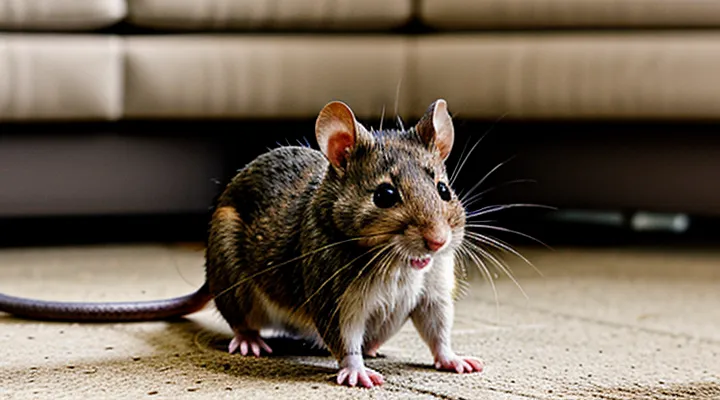
Understanding the Enemy: Identifying Mice Infestations
Signs of Mouse Activity
Droppings and Urine Stains
Mouse droppings and urine stains signal an active infestation and present health hazards that must be addressed promptly. Droppings appear as small, dark, pellet‑shaped particles, often found along walls, in cabinets, or near food sources. Urine stains manifest as yellowish discolorations, sometimes accompanied by a strong, ammonia‑like odor. Both contaminants can harbor pathogens such as Hantavirus, Salmonella, and leptospirosis, which may become airborne when disturbed.
Effective remediation requires a systematic approach:
- Wear disposable gloves, a N‑95 respirator, and protective eyewear before entering the affected area.
- Ventilate the space by opening windows and using fans to direct airflow outward.
- Moisten droppings and urine with a disinfectant solution (e.g., 1 % bleach in water) for at least five minutes to reduce aerosolization of particles.
- Remove contaminated material with damp paper towels or disposable wipes; place all waste in sealed, labeled bags.
- Clean surfaces thoroughly with the same disinfectant, ensuring contact time of at least ten minutes before rinsing.
- Dispose of cleaning supplies and protective equipment in sealed containers; wash hands with soap and water after removal of gloves.
After decontamination, inspect the premises for additional signs of mouse activity and implement exclusion measures—seal entry points, eliminate food sources, and maintain regular monitoring—to prevent recurrence.
Gnaw Marks and Damage
Mice leave unmistakable evidence through their gnawing. Teeth continuously grow, compelling the animals to chew on hard surfaces; the result is visible bite marks that compromise structural integrity and expose hidden hazards.
Typical gnaw‑related damage includes:
- Wood framing and joists weakened by shallow or deep chew channels
- Electrical wiring stripped of insulation, creating short‑circuit and fire risks
- Plastic pipe fittings cracked, leading to leaks and water‑damage proliferation
- Insulation shredded, reducing thermal efficiency and providing nesting material
- Furniture legs, cabinet doors, and countertops marred, diminishing aesthetic value and resale appeal
Identifying these signs early prevents escalation. Bite marks on baseboards or cabinetry indicate active foraging routes; damaged wiring demands immediate professional inspection to avoid electrical failure. Prompt repair and sealing of entry points eliminate the incentive for further chewing, preserving both safety and property value.
Strange Noises and Odors
Mice produce high‑pitched squeaks, especially at night when they move through walls, ceilings, or attic insulation. These sounds often accompany rapid footfalls on loose materials such as drywall or stored cardboard. Detecting consistent, intermittent chirps or scratching indicates active foraging or nesting activity and should prompt immediate inspection of adjacent cavities.
Unusual odors accompany rodent presence. A strong, oily scent arises from urine marks left along travel routes, while a faint, sweet smell may signal stored food being consumed. A lingering, musky odor suggests the buildup of feces and decomposing material within hidden nests. Both types of smell serve as reliable indicators of infestation severity.
Action steps:
- Locate source of noise by tracing the sound to a specific wall or floor section.
- Identify odor hotspots using a cotton swab or light cloth to sample air near suspected entry points.
- Seal gaps larger than ¼ inch with steel wool and caulk to block further access.
- Deploy snap traps or bait stations directly along identified pathways.
- Clean contaminated areas with enzymatic cleaners to eliminate odor residues and discourage re‑entry.
Nests and Runways
Mice establish nests in concealed locations where food, warmth, and safety converge. Typical sites include wall cavities, under appliances, within insulation, and inside stored boxes. Nest material consists of shredded paper, fabric, or dried plant matter; the presence of compacted debris signals active breeding. Identifying these structures enables targeted intervention before populations expand.
Runways are the pathways mice use to travel between food sources and nests. They appear as narrow, darkened lines of droppings, urine stains, or smudge marks along walls, baseboards, and behind furniture. Consistent patterns of parallel tracks indicate well‑established routes. Mapping runways reveals high‑traffic zones and helps prioritize treatment zones.
Effective disruption of nests and runways involves three steps:
- Locate and seal entry points with steel wool, caulk, or metal flashing to prevent re‑entry.
- Remove nest material and clean surfaces with a detergent‑water solution followed by a rodent‑specific disinfectant.
- Apply a proven rodent control product—such as a snap trap, electronic trap, or approved bait station—directly within the identified runway corridor and near the former nest site.
Regular inspection of potential nesting areas and prompt removal of debris reduce the likelihood of re‑infestation. Maintaining a clutter‑free environment and storing food in sealed containers further diminish attractants, reinforcing the overall mouse‑control strategy.
Common Entry Points for Mice
Cracks and Gaps in Foundations
Cracks and gaps in a building’s foundation provide direct pathways for mice to enter living spaces. Even hairline openings permit rodents to squeeze through, allowing them to establish nests, contaminate food supplies, and cause structural damage.
Inspection should focus on the perimeter of the foundation, basement walls, and floor joists. Look for visible fissures, shrinkage cracks, and gaps around utility penetrations. Use a flashlight and a mirror to examine hidden sections, and consider a moisture meter to detect hidden deterioration that may accompany structural openings.
Sealing methods include:
- Expanding polyurethane foam for small openings less than ¼ inch.
- Cementitious mortar for larger cracks, applied after cleaning debris and dampening the surface.
- Steel wool or copper mesh packed into gaps, followed by caulk to prevent gnawing.
- Epoxy injection for structural cracks that require reinforcement before sealing.
Regular maintenance—re‑applying sealants after seasonal temperature changes and monitoring for new cracks after heavy rains—reduces the likelihood of mouse intrusion and supports long‑term pest control effectiveness.
Unsealed Pipes and Vents
Unsealed pipes and vents provide direct pathways for mice to enter residential and commercial structures. Gaps around utility penetrations often measure less than an inch, yet they accommodate the small size of rodents, allowing them to travel from external environments to interior spaces undetected.
When mice exploit these openings, they gain access to food sources, nesting material, and shelter, which quickly escalates an infestation. The presence of rodents in ductwork also contaminates air circulation, spreading droppings and urine throughout the building and increasing health risks.
Effective mitigation requires a systematic approach:
- Conduct a thorough visual inspection of all pipe entries, vent shafts, and utility conduits. Use a flashlight to detect gaps, cracks, or loose fittings.
- Apply steel wool or copper mesh to fill openings that are too small for standard sealants. This material resists gnawing and prevents re‑entry.
- Seal larger gaps with high‑quality silicone caulk or expanding polyurethane foam, ensuring the product is rated for pest resistance.
- Install metal flashing or conduit sleeves around exposed pipe sections, securing them with stainless‑steel screws to create a durable barrier.
- Verify vent covers are intact and fitted tightly. Replace damaged screens with metal grates that rodents cannot chew through.
- Perform a final walkthrough to confirm all seams, joints, and seams are sealed, and document any remaining vulnerabilities for future maintenance.
Regular maintenance checks, performed at least twice annually, help identify new cracks caused by building settlement or temperature fluctuations. Prompt repair of identified issues sustains the integrity of the seal and reduces the likelihood of a renewed mouse problem.
By eliminating unsealed pipes and vents, homeowners and facility managers remove one of the most common entry points, thereby strengthening overall rodent control efforts and preserving a safe, hygienic environment.
Damaged Screens and Doors
Damaged screens and doors are common pathways for mice to infiltrate homes. Cracks, tears, or loose fittings create gaps large enough for a rodent to squeeze through, undermining any sanitation or trapping efforts. Reinforcing these entry points eliminates the most accessible route and forces the pests to seek less favorable environments.
Key actions to secure screens and doors:
- Inspect all exterior openings weekly; look for torn mesh, warped frames, and misaligned hinges.
- Replace torn screen material with heavy‑gauge fiberglass or metal mesh; secure edges with stainless‑steel staples.
- Seal gaps around door frames using weather‑resistant caulk or expandable foam; prioritize areas near utility lines and pipes.
- Fit door sweeps that extend to the floor, ensuring a tight seal when the door closes.
- Install self‑closing mechanisms on exterior doors to prevent prolonged openings.
After repairs, monitor for new signs of activity, such as gnaw marks or droppings, to confirm that the barrier is effective. Maintaining intact screens and doors reduces mouse ingress, supporting any additional control measures in place.
Utility Line Openings
Utility line openings provide direct pathways for mice to infiltrate structures. Gaps around electrical conduits, plumbing vents, and cable entries often exceed the 1‑inch clearance that rodents can squeeze through. Inspecting each opening reveals potential entry points that, if left untreated, undermine any extermination effort.
To secure these penetrations, follow a systematic approach:
- Identify all utility penetrations on exterior walls, foundations, and crawl spaces.
- Measure each gap; any opening larger than ¼ inch requires sealing.
- Apply steel‑wool or copper mesh to fill voids, then coat with a permanent sealant such as silicone or polyurethane.
- For larger conduits, install purpose‑built pipe sleeves or metal flashing, overlapping seams by at least 2 inches.
- Verify integrity after weather events; re‑apply sealant where cracks appear.
Maintaining airtight utility line enclosures eliminates the primary route mice use to access indoor environments, thereby enhancing the overall effectiveness of control measures. Regular audits and prompt repairs keep the structure resistant to future infestations.
Prevention: Your First Line of Defense Against Mice
Sealing Entry Points
Caulking and Expanding Foam
Caulking and expanding foam are essential tools for sealing entry points that allow mice to infiltrate a structure. By eliminating cracks, gaps, and voids in walls, foundations, and utility penetrations, these materials create a physical barrier that prevents rodents from accessing interior spaces.
Effective use requires proper identification of potential openings. Inspect baseboards, window frames, door thresholds, pipe sleeves, and exterior siding for openings larger than ¼ inch. Apply a high‑quality silicone or acrylic caulk to narrow gaps; the adhesive should remain flexible to accommodate building movement. For larger voids, use low‑expansion polyurethane foam, which expands to fill irregular spaces while maintaining a solid seal after curing.
Key steps for application:
- Clean the area to remove dust, debris, and loose material.
- Dry the surface completely; moisture impedes adhesion.
- Cut the caulk tube tip to the appropriate size; apply a continuous bead, smoothing with a putty knife or fingertip.
- For foam, dispense from a canister, filling the cavity no more than halfway to allow for expansion.
- Allow the product to cure according to manufacturer instructions before exposing to traffic or moisture.
Safety considerations include wearing gloves and eye protection, ensuring adequate ventilation when using expanding foam, and avoiding direct contact with skin. Select products labeled for pest‑proofing or rodent exclusion, as some formulations contain additives that deter chewing.
Regular maintenance involves re‑examining sealed areas after seasonal temperature changes or building settling. Reapply caulk or foam where cracks reappear to maintain an uninterrupted barrier.
By systematically sealing structural vulnerabilities with caulk and expanding foam, homeowners create a durable defense that significantly reduces mouse intrusion without reliance on traps or chemicals.
Steel Wool and Hardware Cloth
Steel wool and hardware cloth provide a reliable physical barrier against mouse intrusions. The dense fibers of steel wool block small entry points that rodents can squeeze through, while hardware cloth—galvanized steel mesh with openings no larger than ¼ inch—offers a durable, weather‑resistant seal for larger gaps.
When sealing foundations, vent openings, or utility penetrations, follow these steps:
- Inspect all exterior surfaces for cracks, gaps around pipes, and openings around doors or windows.
- Pack steel wool tightly into each narrow opening, ensuring no voids remain.
- Cover the packed wool with a strip of hardware cloth, securing it with stainless‑steel staples or heavy‑duty screws.
- Overlap adjacent pieces of hardware cloth by at least one inch and fasten the overlap to prevent mice from exploiting seams.
- Apply a rust‑inhibiting primer to the exterior of the hardware cloth where exposure to moisture is likely, extending its service life.
The combination of compressible steel wool and rigid mesh creates a dual‑layer defense: the wool eliminates immediate access, and the mesh prevents the material from being dislodged by chewing. Both materials resist corrosion, making them suitable for long‑term use in basements, crawl spaces, and outdoor structures.
Regular inspection—once each season—identifies any wear or new openings. Prompt repair restores the barrier’s integrity, maintaining an environment that discourages mouse activity without relying on chemicals or traps.
Repairing Gaps in Siding and Roof
Mice enter homes through tiny openings in siding and roof. Sealing these gaps removes the primary entry points, forcing the pests to seek shelter elsewhere.
Identify all potential gaps. Walk around the exterior, examine seams where siding meets trim, and inspect the roof for cracked shingles, damaged flashing, or gaps around vent pipes. Use a flashlight and a thin probe to confirm openings as small as a quarter‑inch.
Repair process
- Clean the area of debris, loose paint, and rust.
- Apply a high‑quality, weather‑resistant sealant or expanding foam to fill gaps less than two inches wide.
- For larger openings, install metal flashing or a patch of siding material, securing it with corrosion‑resistant screws.
- Replace cracked or missing shingles, ensuring proper overlap and secure fastening.
- Re‑caulk joints around windows, doors, and utility penetrations, using a silicone‑based product that remains flexible.
After repairs, monitor for signs of activity. If mice persist, combine sealing with traps or professional exclusion services to achieve complete control.
Eliminating Food and Water Sources
Proper Food Storage
Proper food storage is a fundamental element of any strategy aimed at eliminating mouse infestations. Mice are attracted to unsecured food sources; sealing those sources removes a primary incentive for entry and nesting.
- Store dry goods in airtight containers made of metal, heavy‑wall plastic, or thick glass. Ensure lids lock tightly and inspect seals regularly for damage.
- Keep pantry shelves clear of crumbs and spills. Wipe surfaces with a mild detergent after each use; avoid leaving food residue on the floor.
- Refrigerate or freeze perishable items promptly. Do not leave opened packages on countertops or in open cabinets.
- Position storage containers away from walls and corners. This creates a gap that makes it harder for rodents to reach the contents.
- Rotate stock according to the “first‑in, first‑out” principle. Discard expired items that may emit odors attractive to mice.
Additional measures reinforce the primary storage practices. Install door sweeps and seal gaps around cabinets, vents, and utility lines. Regularly clean behind appliances, under the sink, and in the garbage area to eliminate secondary food sources. By maintaining a consistently sealed and clean food environment, the likelihood of mouse activity drops dramatically, supporting the overall effectiveness of rodent control efforts.
Regular Cleaning and Sanitation
Regular cleaning and sanitation directly reduce the attractiveness of indoor environments to mice. Food residues, spilled grains, and unsealed containers provide the primary incentive for rodents to explore and inhabit a space. Eliminating these sources removes the incentive and forces mice to seek alternative habitats.
Effective sanitation begins with immediate removal of all food waste. Store dry goods in airtight containers, clean countertops after each use, and sweep floors nightly to prevent crumbs from accumulating. Dispose of garbage in sealed bins and empty them regularly to avoid odor buildup that can draw rodents.
Structural hygiene complements food control. Declutter storage areas, eliminate cardboard boxes and fabric piles that can serve as nesting material, and keep basements, attics, and crawl spaces free of debris. Regularly inspect walls, floors, and ceilings for gaps; seal openings larger than ¼ inch with steel wool, caulk, or expanding foam to block entry points.
Routine tasks for maintaining a mouse‑unfriendly environment:
- Sweep and mop floors daily, focusing on kitchen and dining areas.
- Wipe down appliances, shelves, and cabinet interiors after each meal preparation.
- Empty trash cans, replace liners, and store them away from food‑preparation zones.
- Conduct a weekly inspection of exterior doors, windows, and utility penetrations; apply weatherstripping or sealant as needed.
- Perform monthly deep cleaning of pantry shelves, moving items to the front of the line and discarding expired products.
Consistent execution of these practices creates an environment where mice cannot locate food, shelter, or entry routes, thereby supporting any broader rodent‑control strategy.
Addressing Leaks and Moisture
Moist environments create food sources and shelter for mice, increasing the likelihood of infestation. Water seepage softens building materials, allowing rodents to gnaw through and establish nests.
Typical leak origins include:
- Roof shingles damaged by weather
- Faulty gutter connections
- Cracked pipe joints or fittings
- Condensation on cold surfaces
- Leaking appliances such as dishwashers or refrigerators
Detect and repair leaks by:
- Inspecting roof and attic for water stains or damp insulation.
- Running a visual check of all visible plumbing for drips or corrosion.
- Using moisture meters to locate hidden saturation in walls and floors.
- Sealing identified cracks with appropriate caulk or epoxy.
- Replacing worn seals on appliances and ensuring proper drainage.
Control residual moisture by installing exhaust fans in kitchens and bathrooms, maintaining indoor humidity below 50 % with dehumidifiers, and ensuring proper ventilation in crawl spaces. Regularly audit these systems to prevent re‑entry of water, thereby removing a critical attractant for mouse populations.
Maintaining a Clean Environment
Decluttering and Organization
A cluttered environment provides hiding places, nesting material, and easy pathways for house mice. Removing excess items eliminates these advantages, forcing rodents to seek shelter elsewhere.
Key actions for effective decluttering:
- Clear floor space beneath furniture; store boxes, bags, and paperwork off the ground.
- Consolidate stored goods into sealed containers made of metal or thick plastic; avoid cardboard boxes.
- Eliminate piles of newspapers, magazines, and fabric scraps that can serve as bedding.
- Organize pantry shelves, keeping food in airtight containers and discarding expired products.
- Trim vegetation and remove debris near entry points to reduce outdoor shelter that may attract mice.
Consistent organization maintains a hostile environment for rodents. Regular inspections of storage areas reveal new clutter before it becomes a problem, allowing swift corrective measures.
The overall result is a streamlined interior that denies mice access to food, shelter, and travel routes, thereby supporting any chemical or trap‑based control methods already in place.
Yard Maintenance and Landscaping
Effective yard maintenance reduces mouse activity by eliminating shelter and food sources. Regularly mow grass to a height of 4–6 inches, trim hedges, and remove dense ground cover that creates nesting sites.
Implement landscaping features that discourage rodents:
- Install hardscape barriers such as stone or metal edging around garden beds.
- Use mulch composed of inorganic materials (e.g., rubber or gravel) instead of wood chips, which decompose and attract insects.
- Position compost bins on raised platforms with secure lids to prevent access.
- Seal cracks in sidewalks, patios, and foundation walls with mortar or concrete sealant.
Maintain proper drainage to avoid standing water, which attracts insects that serve as mouse prey. Clear debris, fallen leaves, and fruit from the yard weekly; store firewood at least 18 inches off the ground and away from structures.
Apply vegetation management by selecting low‑growth, drought‑tolerant plants that require minimal ground cover. Replace dense shrubs with spaced, upright species to improve visibility and limit hiding places. Consistent execution of these practices creates an environment hostile to mice, supporting long‑term pest control without chemical interventions.
Effective Eradication Methods for Mice
Trapping Solutions
Snap Traps: Pros and Cons
Snap traps deliver immediate results by killing rodents instantly, eliminating the need for prolonged monitoring. Their low purchase price makes them accessible for single‑family households and small businesses. The mechanical design requires no electricity or chemicals, reducing ongoing expenses. Placement flexibility allows targeting high‑traffic areas such as walls, cabinets, and entry points. Disposal of captured mice is straightforward; the carcass can be removed and discarded without hazardous waste procedures.
-
High lethality ensures rapid population reduction.
-
Minimal ongoing cost after initial purchase.
-
No reliance on power sources or toxic substances.
-
Simple installation and adjustment for optimal bait placement.
-
Immediate visual confirmation of capture.
-
Requires careful positioning to avoid accidental activation by non‑target species or humans.
-
One‑time use; each trap must be reset or replaced after a catch, increasing labor.
-
Visible dead rodents may cause distress for occupants.
-
Bait selection influences effectiveness; improper bait reduces capture rates.
-
Not suited for large infestations without extensive trap deployment.
Effectiveness depends on correct trap density, strategic placement, and appropriate bait. For moderate infestations, snap traps provide a fast, economical solution, while extensive problems may demand complementary methods such as sealing entry points or employing bait stations.
Live Traps: Humane Removal
Live traps provide a practical solution for those seeking to eliminate mice without causing suffering. The devices capture rodents intact, allowing owners to release them far from residential areas. This approach satisfies both pest‑control objectives and ethical considerations.
Key advantages include:
- Immediate capture eliminates the need for poison or snap mechanisms.
- No risk of secondary poisoning for pets or children.
- Reusable design reduces long‑term costs.
Effective implementation follows a clear protocol:
- Identify high‑traffic zones by observing droppings, gnaw marks, and nesting material.
- Place traps perpendicular to walls, with the entry side facing the rodent’s travel path.
- Bait traps with high‑protein items such as peanut butter, sunflower seeds, or small pieces of cooked meat.
- Check traps at least twice daily; release captured mice at least two miles from the property to prevent re‑entry.
- Clean and reset traps after each use to maintain effectiveness.
Maintaining a sealed environment enhances trap performance. Seal entry points, store food in airtight containers, and keep clutter to a minimum. Combining these measures with live trapping delivers a reliable, humane method for reducing mouse populations.
Electronic Traps: Modern Approaches
Electronic traps represent a technologically driven solution for controlling mouse infestations. These devices employ a high‑voltage shock to incapacitate rodents instantly, eliminating reliance on poison or mechanical snap mechanisms.
Key characteristics of modern electronic traps include:
- Voltage delivery: Typically 6–8 kV, sufficient to cause immediate fatality.
- Sensor activation: Infrared or pressure sensors trigger the discharge only when a target is present, reducing false activations.
- Safety features: Insulated housing and automatic shut‑off protect humans and non‑target animals.
- Reusable design: After a kill, the trap can be emptied and reset without replacement of consumable parts.
- Data logging: Some models record capture timestamps, aiding in monitoring activity patterns.
Effective deployment follows a systematic approach:
- Identify high‑traffic zones such as along walls, near food storage, and in concealed entry points.
- Position traps perpendicular to the wall, with the sensor facing the anticipated travel path.
- Maintain a clear line of sight to the sensor; avoid clutter that could obstruct detection.
- Inspect traps daily, remove captured specimens, and verify battery or power‑supply status.
- Replace batteries or recharge units according to manufacturer specifications to sustain consistent voltage output.
Cost considerations balance initial investment against long‑term savings. Although electronic traps carry a higher upfront price than traditional snap traps, their durability and lack of consumable bait reduce recurring expenses. Moreover, the rapid kill rate minimizes secondary contamination and eliminates the need for hazardous chemicals.
Integration with complementary measures—such as sealing entry points, practicing diligent sanitation, and employing exclusion techniques—enhances overall efficacy. When applied correctly, electronic traps provide a reliable, humane, and low‑maintenance method for mitigating mouse problems in residential and commercial environments.
Baits and Rodenticides
Understanding Different Bait Types
Selecting the appropriate bait determines the success of any mouse‑control effort. Different baits attract mice for distinct reasons, and understanding these reasons enables targeted placement and faster eradication.
- Food‑based baits – grains, nuts, chocolate, and dried fruit mimic natural foraging sources. Their strong odor and palatability make them effective for early‑stage infestations.
- Protein‑rich baits – canned fish, meat scraps, and peanut butter provide essential amino acids, appealing to mice that have exhausted carbohydrate supplies.
- Poison‑laden baits – anticoagulant blocks (e.g., bromadiolone) or neurotoxic compounds (e.g., bromethalin) deliver lethal doses after ingestion. Formulations often include mild attractants to ensure consumption.
- Humane bait stations – non‑lethal attractants paired with catch‑and‑release mechanisms. They rely on the same scent cues as food baits but avoid chemical toxicity.
- Synthetic odor baits – pheromone‑based lures replicate mouse scent markers, increasing trap interaction when conventional foods fail.
Choosing a bait requires matching the mouse’s current dietary preferences with the environment where the bait will be placed. In kitchens and pantries, carbohydrate‑heavy options outperform protein sources. In basements or storage areas where protein residues are scarce, synthetic odors or protein‑rich baits increase capture rates. Poison baits should be reserved for severe infestations and positioned where non‑target animals cannot access them.
Safety measures include sealing bait containers, wearing gloves during handling, and labeling all stations clearly. Regular monitoring ensures bait effectiveness and allows timely replacement before depletion. Implementing these practices maximizes control efficiency while minimizing unintended exposure.
Safe Placement and Usage Guidelines
Place control devices where mouse activity is confirmed, avoiding areas frequented by children, pets, or non‑target wildlife. Ensure devices are out of direct sunlight and protected from rain or extreme temperatures to maintain effectiveness and prevent accidental exposure.
- Position traps or bait stations along walls, behind appliances, and in concealed pathways.
- Install at 1–2 inches from the floor, the typical travel route for rodents.
- Maintain a minimum distance of 10 ft from food preparation surfaces, infant zones, and animal feeding stations.
- Secure devices on stable surfaces to prevent tipping or displacement.
Handle each unit with gloves, following manufacturer instructions for bait loading and activation. Use only approved attractants; avoid household scraps that may attract other pests. After placement, inspect devices daily, recording captures and removing dead rodents promptly to reduce health risks. Dispose of captured specimens in sealed containers before discarding in accordance with local regulations.
Regularly clean reusable devices with mild detergent and water, allowing full drying before re‑assembly. Store unused traps and baits in locked, clearly labeled containers, out of reach of unauthorized persons. Replace depleted or damaged units immediately to preserve continuous control coverage.
Risks Associated with Rodenticides
Rodenticides are widely employed to eliminate mouse infestations, yet they introduce significant hazards that must be considered.
Human health risks include:
- Acute toxicity from accidental ingestion or inhalation, producing symptoms such as nausea, vomiting, seizures, or respiratory failure.
- Chronic exposure that may impair liver or kidney function, disrupt blood clotting, or increase cancer risk.
- Elevated vulnerability for children, pregnant individuals, and pets due to lower body weight and higher likelihood of accidental contact.
Environmental dangers encompass:
- Non‑target wildlife mortality, especially birds of prey and scavengers that consume poisoned rodents.
- Secondary poisoning of predators and omnivores that feed on contaminated prey, propagating toxic effects through food chains.
- Contamination of soil and water sources when baits leach, affecting aquatic organisms and plant life.
Regulatory constraints require:
- Accurate labeling of active ingredients and hazard warnings.
- Restricted application areas, often prohibiting use near food preparation zones or water bodies.
- Mandatory record‑keeping of product type, quantity applied, and location to facilitate monitoring and compliance.
Mitigation strategies focus on reducing exposure while maintaining control efficacy:
- Deploy bait stations that limit access to authorized personnel and target species.
- Combine chemical treatment with sanitation, exclusion, and trapping to lower reliance on toxins.
- Provide training on proper handling, personal protective equipment, and emergency response procedures.
Understanding these risks enables informed decisions that balance mouse eradication objectives with safety and ecological responsibility.
Repellents: Natural and Commercial
Ultrasonic Devices: Effectiveness Reviewed
Ultrasonic pest repellents emit high‑frequency sound waves that rodents cannot consciously hear. The devices claim to cause discomfort, prompting mice to vacate the area.
Laboratory trials show mixed results. A 2015 study from the University of Queensland measured mouse activity in cages equipped with ultrasonic emitters. After a 24‑hour exposure, activity decreased by 12 % compared with a silent control, a change not statistically significant. A 2018 field test in residential basements reported a 30 % reduction in capture rates for traps placed near active units, but the effect vanished when devices were turned off for a week.
Key factors influencing performance:
- Frequency range (typically 20–65 kHz); lower frequencies attenuate faster, higher frequencies may exceed the hearing threshold of mice.
- Placement density; overlapping coverage improves consistency but creates interference zones.
- Obstructions; walls, furniture, and insulation absorb ultrasonic energy, limiting reach to open spaces.
- Continuous operation; most units automatically cycle off after 30–60 minutes to prevent habituation, reducing overall exposure.
Consumer reports indicate that ultrasonic devices rarely replace conventional control methods. They may deter exploratory mice in small, uncluttered rooms, but they do not eliminate established infestations. Integration with trapping, sanitation, and sealing entry points remains the most reliable strategy.
In summary, ultrasonic repellents provide modest, situational deterrence. Their efficacy is contingent on optimal frequency selection, unobstructed deployment, and complementary pest‑management practices.
Essential Oils and Natural Deterrents
Essential oils offer a direct, low‑toxicity approach to discouraging mice from entering homes. Their strong aromatic compounds interfere with rodents’ scent‑tracking abilities, prompting avoidance of treated areas.
- Peppermint oil – high menthol concentration; effective when applied to entry points and corners.
- Clove oil – eugenol content creates an unpleasant environment; suitable for pantry shelves.
- Citronella oil – volatile citrus scent repels mice; works well in basements and crawl spaces.
- Eucalyptus oil – contains cineole; deters rodents when diffused near storage areas.
- Lavender oil – linalool provides a mild repellent effect; useful in bedrooms and closets.
Application methods focus on sustained release and strategic placement. Soak cotton balls with a few drops of the chosen oil and insert them into cracks, behind appliances, and under cabinets. Prepare a spray by mixing one part oil with a carrier such as water and a small amount of dish soap; mist surfaces regularly, especially after cleaning. For continuous coverage, operate an ultrasonic diffuser with diluted oil for several hours each day.
Complementary natural deterrents reinforce the aromatic barrier. Steel wool packed into holes blocks entry while its metallic texture discourages gnawing. Freshly grated garlic or dried cayenne pepper scattered near suspected pathways adds a pungent secondary repellent. Regular removal of food residues, sealing of containers, and elimination of clutter reduce attractants, enhancing the efficacy of oil‑based measures. Combining these practices creates a multi‑layered defense that minimizes mouse activity without reliance on chemical poisons.
Commercial Repellent Sprays
Commercial repellent sprays provide a non‑chemical alternative for mouse control in residential and commercial settings. Formulated with volatile compounds such as peppermint oil, rosemary extract, or synthetic pheromones, they create an environment that mice find hostile, prompting relocation.
Key characteristics of effective products include:
- High volatility to maintain an uninviting scent throughout the treated area.
- Low toxicity for humans, pets, and non‑target wildlife.
- Compatibility with common surfaces (wood, drywall, metal) without leaving residue.
- Clear labeling of active ingredients and recommended re‑application intervals.
Application guidelines ensure optimal performance. Spray the solution along baseboards, entry points, and near known activity zones, maintaining a distance of 12–18 inches from the nozzle for even coverage. Allow the surface to dry before sealing or placing furniture. Re‑apply according to manufacturer specifications, typically every 30–60 days, or after cleaning that removes the odor.
Effectiveness hinges on proper placement and regular maintenance. Studies show that consistent use reduces mouse sightings by up to 70 % in controlled environments. However, sprays do not eliminate established infestations; they are best combined with exclusion measures such as sealing cracks and installing traps.
When selecting a product, evaluate:
- Active ingredient safety profile.
- Duration of odor persistence.
- Independent efficacy testing results.
- Compatibility with local regulations on pesticide use.
In summary, commercial repellent sprays offer a practical component of an integrated mouse management plan, delivering rapid deterrence while minimizing health risks. Their success depends on disciplined application and coordination with physical barriers.
Post-Eradication: Preventing Future Infestations
Ongoing Monitoring and Inspection
Regular Checks for Re-infestation
Regular monitoring after an initial mouse elimination effort prevents a hidden resurgence. Once traps, baits, or exclusion measures have been deployed, the environment must be inspected at set intervals to confirm that no new activity has begun.
Schedule inspections at least weekly for the first month, then bi‑weekly for the next two months, and monthly thereafter. During each visit, look for fresh gnaw marks, droppings, urine stains, or disturbed nesting material. Verify that all entry points remain sealed and that bait stations are intact and properly positioned.
- Examine kitchen cabinets, pantry shelves, and behind appliances for signs of feeding.
- Inspect utility rooms, basements, and crawl spaces where moisture and food sources may attract rodents.
- Check the exterior foundation, vents, and utility line openings for gaps larger than ¼ inch.
- Replace or reposition traps and baits if they show signs of wear or have been emptied.
- Document findings in a log, noting date, location, and observed evidence to track trends over time.
Maintaining Prevention Measures
Maintaining prevention measures is essential after eliminating a mouse infestation. Continuous vigilance prevents re‑entry and protects food supplies, structural integrity, and health standards.
- Seal all openings larger than ¼ inch with steel wool, cement, or metal flashing.
- Install door sweeps and weather‑stripping on exterior doors and windows.
- Store grain, pet food, and dry goods in airtight containers; keep pantry shelves clean and free of debris.
- Remove clutter in basements, attics, and garages that can serve as nesting sites.
- Place snap traps or electronic devices along walls, behind appliances, and near suspected travel paths; inspect and replace bait regularly.
- Conduct monthly visual inspections of building exteriors, foundation cracks, and utility penetrations; repair any damage promptly.
- Maintain landscaping by trimming vegetation away from the foundation and clearing debris that could harbor rodents.
Adhering to these practices sustains the effectiveness of the mouse control program and eliminates the need for repeated emergency interventions.
Professional Pest Control Services
When to Call an Expert
A mouse infestation becomes a professional concern when visual signs exceed isolated sightings. Evidence such as droppings in multiple rooms, gnawed electrical wiring, or damage to structural components signals a problem beyond DIY control.
Key indicators for contacting a pest‑control specialist include:
- Persistent activity despite traps or bait stations.
- Evidence of nesting within walls, attics, or crawl spaces.
- Damage to insulation, insulation, or building fabric that threatens safety.
- Signs of disease transmission risk, especially in food‑handling areas.
- Inability to locate entry points after a thorough inspection.
When these conditions appear, a qualified exterminator can conduct a comprehensive assessment, identify concealed access routes, and implement targeted eradication measures that comply with health‑code regulations. Delaying professional intervention often leads to escalated damage, higher remediation costs, and increased health hazards.
Benefits of Professional Assistance
Professional pest‑control services bring expertise that DIY approaches lack. Trained technicians identify species, entry points, and population size, ensuring that interventions address the actual source of the infestation.
- Targeted treatments use approved chemicals and devices calibrated for safety and efficacy, reducing the risk of accidental exposure to occupants and pets.
- Integrated pest‑management plans combine sanitation, structural repairs, and monitoring, creating conditions that deter future incursions.
- Regulatory compliance is maintained; professionals follow local health and environmental regulations, avoiding legal penalties.
- Cost efficiency results from reduced repeat visits and minimized damage to property, as comprehensive solutions resolve the problem in fewer steps.
- Guarantees and warranties provide accountability; service providers often offer follow‑up inspections to confirm eradication.
Choosing expert assistance eliminates guesswork, accelerates resolution, and safeguards health and property against the persistent threat of mice.