
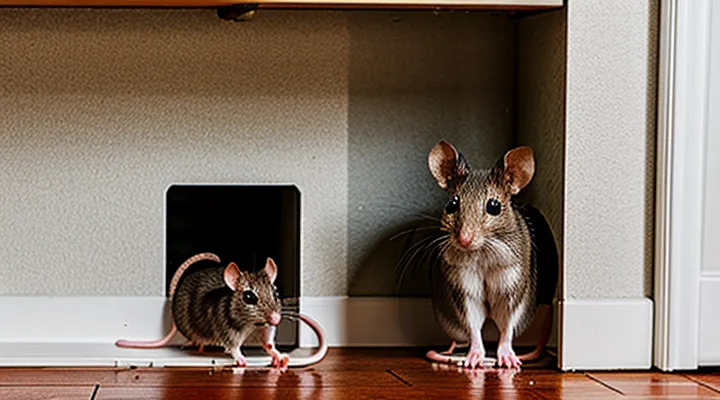
Understanding the Enemy: What Attracts Mice to Your Apartment?
Identifying Entry Points
Common Access Routes
Mice enter apartments through openings that provide unobstructed paths from exterior or adjacent units. Identifying and sealing these routes is essential for lasting control.
- Gaps around exterior doors, especially under the threshold, often exceed ¼ inch.
- Cracks in foundation walls or floor joists create vertical conduits from basements or crawl spaces.
- Unsealed gaps around utility penetrations—water, gas, and electrical lines—offer direct access.
- Openings around plumbing stacks, vent pipes, and drain lines frequently lack proper flashing.
- Unscreened vent covers, dryer exhausts, and HVAC ducts allow rodents to travel horizontally.
- Spaces behind cabinets, especially where countertops meet walls, can hide entry points.
- Window frames with deteriorated weatherstripping or broken screens provide lateral entry.
- Small holes in interior walls caused by rodents themselves expand the network of pathways.
Inspection should begin with a systematic visual survey, using a flashlight to detect light leaks, airflow, or droppings near potential openings. Apply steel wool or copper mesh to fill narrow gaps, then cover with caulk, expanding foam, or metal flashing for durability. Replace damaged screens, install door sweeps, and ensure all utility penetrations are wrapped with appropriate sealant. Regularly re‑examine sealed areas to confirm integrity, preventing re‑infestation.
Sealing Cracks and Gaps
Sealing cracks and gaps blocks the most common routes mice use to enter an apartment. By eliminating these pathways, you remove the incentive for rodents to explore the interior, making the environment inhospitable for infestation.
Inspect walls, floors, and ceilings for openings as small as a quarter‑inch. Pay special attention to areas around pipes, vents, electrical outlets, and where baseboards meet the floor. Use a flashlight and a mirror to view hidden seams.
Choose durable, flexible materials that adhere well to the substrate. Recommended options include:
- Expanding polyurethane foam for irregular gaps around plumbing.
- Steel‑wool combined with caulk for holes larger than a pencil lead.
- Silicone or acrylic sealant for narrow cracks in drywall or tile grout.
Apply sealant after cleaning the surface of dust and debris. Press the material firmly into the opening, then smooth the excess to ensure a continuous barrier. Allow the product to cure according to the manufacturer’s instructions before exposing the area to moisture or temperature changes.
Regularly monitor sealed locations. Small new cracks can appear due to building settlement or humidity fluctuations. Re‑seal any fresh openings promptly to maintain an uninterrupted defense against mouse intrusion.
Food and Water Sources
Proper Food Storage
Proper food storage removes the primary attractant that draws rodents into a living space. Sealed containers made of glass, metal, or heavy‑wall plastic prevent mice from accessing crumbs, grains, and fats. Store all dry goods—cereal, pasta, rice, nuts—in containers with airtight lids; avoid leaving products in their original packaging once opened.
Maintain a strict cleaning routine. Sweep floors and wipe countertops after each meal to eliminate residue. Dispose of food waste in bins equipped with tight‑fitting lids, and empty them daily to avoid buildup. Refrigerate or freeze leftovers promptly; do not leave perishable items exposed on counters.
Organize pantry shelves to keep items off the floor. Use shelf liners that are easy to clean, and arrange products so that older stock is used first, reducing the chance of spoilage that can emit odors attractive to mice. Regularly inspect containers for cracks or compromised seals and replace them immediately.
Implement the following practices:
- Transfer all opened foods to airtight containers within 24 hours.
- Clean spills and crumbs within minutes of occurrence.
- Store pet food in sealed containers; feed pets only the portion needed for each meal.
- Keep trash cans sealed and locate them away from food preparation areas.
- Conduct weekly inspections of pantry and refrigerator for signs of infestation or compromised storage.
Consistent adherence to these measures eliminates food sources that sustain rodent populations, thereby supporting a long‑term solution to mouse problems in an apartment.
Eliminating Water Leaks
Water leakage creates moist environments that attract rodents, providing easy access to food and shelter. Controlling moisture eliminates one of the primary incentives for mice to colonize an apartment.
Typical sources include cracked pipe joints, dripping faucets, faulty toilet seals, and condensation on cold surfaces. Each source can produce enough humidity to support mouse activity, even when visible water is scarce.
- Inspect all plumbing fixtures for steady drips.
- Test under-sink valves by turning them off and observing for residual moisture.
- Examine walls and ceilings for staining or mold, signs of hidden leaks.
- Use a moisture meter on floors, cabinets, and behind appliances.
- Repair identified faults promptly with appropriate sealants or part replacement.
Repairing leaks reduces humidity levels, deprives mice of water, and forces them to seek alternative habitats. Combined with other pest‑control measures, moisture elimination sustains long‑term rodent exclusion.
Comprehensive Eradication Strategies
Initial Assessment and Preparation
Signs of Infestation
Detection of mouse activity precedes any permanent control effort. Observing concrete indicators confirms the presence of rodents and guides the selection of eradication methods.
- Small droppings, typically 1‑2 mm long, dark brown and found along walls, behind appliances, or in cabinets.
- Gnaw marks on wood, plastic, wiring, or food packaging; fresh cuts appear shiny and may have tooth impressions.
- Grease or urine stains that appear as dark, oily smears near entry points, along baseboards, or on countertops.
- Nests constructed from shredded paper, fabric, insulation, or dried food, often hidden in concealed spaces such as behind drywall, under furniture, or within ceiling voids.
- Audible activity, especially scratching or scurrying sounds heard at night when mice are most active.
- Presence of live or dead mice, as well as a distinct, musky odor that intensifies with larger populations.
Identifying these signs enables rapid implementation of targeted measures, reduces the risk of re‑infestation, and ensures that the chosen elimination strategy addresses the full extent of the problem.
Apartment-Wide Cleanliness
Maintaining spotless conditions throughout an apartment deprives mice of food, shelter, and nesting material, directly reducing their ability to establish a population. Every surface, corner, and storage area must be free of crumbs, spills, and debris that could attract rodents.
- Store all dry goods in sealed containers; eliminate open boxes and bags.
- Sweep and vacuum floors daily; mop hard surfaces after each meal preparation.
- Dispose of garbage in tightly‑fitting lids; remove waste from the unit at least once every 24 hours.
- Clean behind appliances, under sinks, and inside cabinets; use a damp cloth to wipe any residue.
- Repair leaks promptly; dry any damp areas to prevent moisture that mice favor for nesting.
Consistent application of these practices removes the resources mice need to survive, creating an environment where infestation cannot take root and ensuring long‑term rodent control.
Trapping Methods
Snap Traps: Placement and Baiting
Snap traps provide immediate, lethal control of rodent activity without reliance on chemicals. Their simplicity and rapid result make them a cornerstone of any permanent mouse‑exclusion plan for an apartment.
Effective placement maximizes contact with mouse pathways while minimizing exposure to humans and pets. Key locations include:
- Along walls where mice travel, typically within 1‑2 inches of the surface.
- Behind appliances, under sinks, and inside cabinets where food residues accumulate.
- Near entry points such as gaps around pipes, vents, and baseboards.
- In concealed areas like attic corners or crawl‑space openings, using a small amount of bait to draw the animal out.
Bait selection influences trap success. Preferred attractants are:
- Small pieces of peanut butter, offering strong scent and easy adhesion.
- Bits of cooked bacon or ham, providing a protein source that mice readily pursue.
- Soft cheese or dried fruit, useful when other foods are unavailable.
Apply bait sparingly—no larger than a pea—to the trigger mechanism, ensuring it does not obstruct the snap action. Replace bait daily if not taken, and rotate flavors to prevent habituation.
Safety considerations:
- Position traps out of reach of children and domestic animals, using protective covers when necessary.
- Check traps at least once per day; dispose of captured rodents in sealed bags and reset traps promptly.
- Wear gloves when handling traps to avoid contaminating bait and to protect against potential disease exposure.
Live Traps: Ethical Considerations
Live traps provide a humane alternative to lethal methods when addressing rodent infestations in residential units. They capture mice without causing injury, allowing owners to relocate the animals away from the dwelling.
Ethical considerations for using live traps include:
- Animal welfare: Traps must be designed to prevent crushing or suffocation. Regular monitoring reduces the duration of confinement, minimizing stress.
- Release protocol: Relocated mice should be placed at least several miles from the apartment, in an environment where they can find shelter and food without threatening other properties.
- Legal compliance: Some jurisdictions restrict the release of captured wildlife; users must verify local regulations before deployment.
- Responsibility: Owners are obligated to check traps frequently, handle captured mice with gloves, and avoid exposing pets or children to potential disease carriers.
Implementing live traps responsibly aligns humane treatment with effective pest management, supporting long‑term control without resorting to lethal measures.
Glue Traps: Usage and Limitations
Glue traps provide a quick method for capturing individual mice in a residential setting. They consist of a flat surface coated with a fast‑acting adhesive that immobilizes rodents upon contact. Proper deployment maximizes capture rates while minimizing unintended consequences.
Effective deployment
- Clean the target area; remove food residue and debris that could interfere with adhesion.
- Position traps along established runways: behind appliances, within wall voids, near baseboards, and in corners where droppings are visible.
- Place traps perpendicular to the wall, with the adhesive side facing outward to intercept mice moving along the edge.
- Use a single trap per 10‑15 sq ft; increase density in high‑activity zones.
- Replace traps every 2–3 days to prevent decay of the adhesive and to maintain hygiene.
Limitations
- Non‑selective: captures non‑target insects and, if accessible, small pets or wildlife.
- Humane concerns: immobilized mice may suffer prolonged distress before death.
- Visibility: trapped rodents remain on the surface, creating unsightly remnants that require careful disposal.
- Limited capacity: a single trap may capture only a few individuals before losing effectiveness, making it unsuitable for severe infestations.
- Sensitivity to dust and humidity: environmental contaminants reduce adhesive strength, necessitating frequent replacement.
When used as part of an integrated pest‑management plan, glue traps can supplement other control measures, but reliance on them alone rarely achieves long‑term eradication of a mouse problem in an apartment.
Baits and Repellents
Poison Baits: Risks and Safe Use
Poison baits are a common component of rodent control strategies for apartments, but they require careful handling to avoid unintended harm.
Risks associated with rodent poison include:
- Accidental ingestion by children, pets, or non‑target wildlife.
- Secondary poisoning when predators consume poisoned mice.
- Development of bait aversion if exposure is sublethal.
- Environmental contamination from improper disposal of used bait stations.
Safe use practices mitigate these risks:
- Select bait products specifically labeled for indoor residential use and approved by regulatory agencies.
- Place bait stations in concealed locations inaccessible to children and pets, such as behind appliances or inside wall voids.
- Use the minimum effective amount of bait, following manufacturer dosage instructions precisely.
- Inspect stations regularly; replace depleted or damaged units promptly.
- Store unused bait in locked containers, away from food preparation areas.
- Dispose of empty stations and expired bait according to local hazardous waste guidelines.
Adhering to these protocols maximizes rodent mortality while protecting human occupants and household animals, supporting a permanent resolution to mouse infestations.
Natural Repellents: Effectiveness and Application
Natural repellents provide a chemical‑free option for discouraging mouse activity in residential units. Their efficacy depends on concentration, placement, and the species’ tolerance level, making precise application essential for reliable results.
- Peppermint oil: strong scent interferes with rodent olfactory receptors; 10 ml diluted in 1 L water, sprayed along baseboards, behind appliances, and near entry points. Reapply every 48 hours.
- Clove oil: contains eugenol, a natural irritant; apply 5 ml on cotton balls, position in concealed corners and storage areas. Replace weekly.
- Ammonia solution: mimics predator urine; mix equal parts ammonia and water, soak cloth strips, hang in cabinets and pantry shelves. Refresh every 72 hours.
- Cedar shavings: emit volatile compounds that repel rodents; line drawer bottoms and closet floors with a 2‑inch layer, replace when scent fades.
Effective deployment follows a systematic routine. Identify all potential ingress routes, including gaps around pipes, vents, and door frames. Seal openings larger than ¼ inch before introducing repellents, as barriers prevent re‑entry. Distribute treated materials evenly, ensuring no overlap that could dilute potency. Monitor mouse signs weekly; adjust concentration if activity persists.
Natural repellents alone rarely achieve complete eradication. Combine them with structural sealing, sanitation practices, and, when necessary, mechanical traps to maintain a hostile environment for mice. Continuous assessment and timely replenishment of repellent agents sustain their deterrent effect over the long term.
Professional Pest Control
When to Call an Exterminator
If mice are sighted in multiple rooms, leave droppings, or hear persistent scratching, professional intervention is warranted. These indicators suggest a population beyond the reach of traps or repellents.
Call an exterminator when:
- Home‑grown solutions have failed after at least two weeks of consistent effort.
- Evidence of contamination appears, such as urine stains on surfaces used for food preparation.
- Structural damage is visible, including gnawed wiring, insulation, or cabinetry.
- Residents experience allergic reactions or asthma exacerbations linked to rodent allergens.
Professional services provide licensed chemicals, sealed bait stations, and thorough inspection of hidden entry points. Their expertise ensures compliance with local health regulations and minimizes re‑infestation risk.
Delay increases the likelihood of rapid colony growth, property damage, and disease transmission. Prompt engagement with a qualified pest‑control provider secures long‑term mouse eradication in an apartment setting.
What to Expect from a Professional Service
Professional pest‑control providers follow a defined sequence when addressing a mouse infestation in a residential unit. The process begins with a thorough inspection of all rooms, utility spaces, and exterior walls. Inspectors identify signs of activity, locate entry points, and map travel routes. Findings are documented in a written report that includes an estimated timeline and cost breakdown.
The next step is a customized treatment plan. Typical components include:
- Placement of snap traps or electronic devices at strategic locations.
- Installation of tamper‑resistant bait stations in concealed areas.
- Application of rodent‑grade sealants to close gaps around pipes, vents, and baseboards.
- Use of low‑toxicity rodenticides where legally permitted, applied by certified technicians.
All equipment and chemicals comply with local health regulations. Technicians wear protective gear and follow safety protocols to prevent exposure to residents and pets.
After the initial treatment, the service schedule incorporates regular follow‑up visits. During each visit, technicians:
- Check trap efficacy and replace or relocate devices as needed.
- Re‑inspect sealed openings for new activity.
- Remove captured rodents and dispose of them according to waste‑management standards.
- Update the homeowner on progress and any additional measures required.
Most companies offer a guarantee period during which re‑infestation triggers a complimentary revisit. The guarantee typically covers a minimum of 30 days, with extensions available for an additional fee.
Homeowner responsibilities are limited to:
- Maintaining a clutter‑free environment that does not provide shelter.
- Securing food sources in sealed containers.
- Reporting any new sightings promptly.
Overall, a professional service delivers a systematic, evidence‑based approach that reduces mouse populations, blocks re‑entry, and provides measurable results within a predictable timeframe.
Long-Term Prevention and Maintenance
Regular Inspections
Seasonal Checks
Seasonal checks are a critical component of a long‑term rodent control program in an apartment. Each change of season brings different conditions that can attract mice or expose vulnerabilities in the building envelope. Regular, systematic inspections allow residents to identify and repair entry points before mice establish a presence.
In spring, increased outdoor activity drives rodents toward indoor shelter. Inspect foundation cracks, vent openings, and utility penetrations for gaps larger than ¼ inch. Replace deteriorated weatherstripping on doors and windows. Clean storage areas, removing debris that could serve as nesting material.
Summer heat encourages mice to seek cooler indoor spaces. Verify that pantry doors close tightly, and that food containers are sealed. Examine ceiling fans, air‑conditioner ducts, and attic access panels for holes or loose fittings. Ensure that garbage bins have tight lids and are emptied frequently.
Autumn brings cooler temperatures and abundant fallen leaves that provide cover for mice near building foundations. Clear vegetation, trim shrubs away from walls, and remove leaf piles that could conceal burrows. Re‑seal any gaps identified during earlier inspections, paying particular attention to crawl‑space vents and pipe sleeves.
Winter temperatures force mice to search for warmth inside apartments. Check for drafts around baseboards, radiators, and heating vents. Install steel wool or copper mesh in small openings, then cover with caulk or expanding foam. Verify that fire doors and closet doors seal properly, preventing hidden entry routes.
A concise checklist for each season:
- Examine exterior walls, windows, and doors for cracks or gaps.
- Seal openings larger than ¼ inch with appropriate materials.
- Secure food storage and waste containers.
- Remove debris, vegetation, and leaf litter near the building.
- Inspect utility penetrations, vents, and ducts for damage.
- Test weatherstripping and door sweeps for proper fit.
By conducting these targeted inspections at the start of each season, residents reduce the likelihood of mouse infestations and maintain a secure, rodent‑free living environment.
Monitoring for Re-infestation
Effective mouse control ends with systematic monitoring to catch any resurgence before it becomes a full‑scale problem.
After the initial elimination, inspect all potential entry points weekly for the first month. Look for gnaw marks, fresh droppings, or new nests in hidden corners, behind appliances, and inside wall voids.
Implement a layered detection strategy:
- Place snap or electronic traps in high‑traffic zones and check them daily.
- Deploy non‑lethal monitoring stations such as motion‑activated cameras or ultrasonic sensors to record activity without killing rodents.
- Use bait stations with a safe, non‑toxic attractant to confirm the presence of mice without contaminating food areas.
Maintain a log that records date, location, and type of evidence discovered. If any sign appears, act immediately by resealing openings, resetting traps, or applying targeted bait.
Schedule comprehensive checks every three months after the first six months, even if no activity is detected. This routine, combined with diligent record‑keeping, ensures that any re‑infestation is identified and eliminated before it compromises the long‑term integrity of the apartment’s pest‑free status.
Maintaining a Pest-Free Environment
Ongoing Sanitation Practices
Consistent sanitation eliminates food sources that attract rodents and prevents re‑infestation. Remove crumbs, spills, and pet food immediately; store dry goods in airtight containers. Clean under appliances, behind furniture, and inside cabinets weekly, using a damp cloth followed by a disinfectant that does not leave a strong odor.
Maintain waste control by using bins with tight‑fitting lids, emptying them daily, and disposing of garbage in sealed outdoor containers. Replace kitchen towels and mop heads regularly, and wash dishcloths in hot water after each use. Inspect and repair any water leaks, as moisture encourages mouse activity.
- Sweep and vacuum all floor surfaces at least twice a week.
- Wipe countertops and table edges after each meal.
- Scrape grease from stove burners and oven interiors after cooking.
- Store recycling materials in sealed bags until removal.
These practices create an environment where mice cannot find sustenance or shelter, supporting long‑term exclusion measures.
Landlord and Tenant Responsibilities
Landlords must maintain the structural integrity of the rental unit to prevent mouse ingress. This includes sealing gaps around pipes, vents, and foundation cracks; installing screens on openings; and ensuring that doors and windows close tightly. Regular inspections are required to detect early signs of infestation, and any necessary repairs must be completed promptly. If a mouse problem is identified, the landlord is responsible for hiring a licensed pest‑control professional and covering the cost of treatment until the issue is resolved.
Tenants share responsibility for keeping the interior environment unattractive to rodents. They must store food in sealed containers, dispose of waste in covered bins, and clean spills immediately. Personal clutter that creates hiding places should be minimized, and any damage that creates entry points—such as holes in walls or broken screens—must be reported to the landlord without delay.
Both parties must cooperate to sustain a mouse‑free residence:
- Landlord: seal exterior entry points, conduct periodic inspections, arrange professional extermination, and repair structural defects.
- Tenant: maintain cleanliness, store food properly, report damage, and avoid actions that compromise barriers.
- Joint: document all communications, allow access for inspections and treatments, and follow up on remediation efforts until verification of eradication.
Failure by either party to fulfill these obligations can lead to repeated infestations, health hazards, and potential legal disputes. Compliance with the outlined duties ensures effective, lasting rodent control in a rental apartment.