
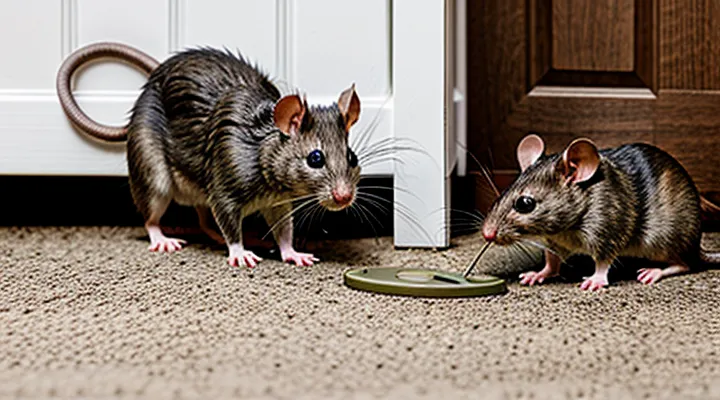
Understanding the Pest Problem
Identifying Rodent Infestation
Signs of Rats
Rats reveal their presence through distinct indicators that precede extensive damage. Recognizing these signs enables swift intervention and prevents infestation from spreading.
- Dark, pellet‑shaped droppings, typically ¼‑inch long, found along walls, behind appliances, or in pantry corners. Fresh droppings appear glossy; older ones dry and crumble.
- Gnaw marks on wood, plastic, or wiring, displaying sharp, clean edges. Rats prefer soft material near food sources, leaving bite marks at predictable angles.
- Scratching or scurrying noises, especially at night, emanating from ceilings, attics, or behind walls. Persistent sounds indicate active foraging or nesting.
- Visible tracks or smudge lines in dusty areas, created by the animal’s padded feet and tail. Tracks often form a straight line toward food or water.
- Accumulated shredded material, such as paper, fabric, or insulation, forming nests in concealed spaces like crawl spaces, closets, or under appliances.
- Stains or discoloration on surfaces caused by urine, leaving a strong, musky odor and occasional yellowish spots on wood or concrete.
- Damaged food packaging, chewed open bags, or spilled crumbs near pantry shelves, suggesting foraging activity.
Early detection of these symptoms allows targeted eradication measures, limiting the need for extensive remediation.
Signs of Mice
Mice leave unmistakable evidence that confirms their presence. Recognizing these indicators is essential for prompt action.
- Dark, rice‑shaped droppings, typically 1–2 mm long, found along walls, behind appliances, or in cabinets.
- Gnawed edges on wood, plastic, or wiring, often at a 45‑degree angle.
- Small piles of shredded paper, fabric, or insulation used for nesting.
- Fresh footprints in dusty areas, sometimes accompanied by tail marks.
- Scratching or scurrying sounds within walls, ceilings, or attic spaces, especially at night.
- Live or dead mice observed in concealed locations.
- Chewed food containers, torn packaging, or spilled crumbs near pantry shelves.
- Streaks of urine, appearing as darkened spots on surfaces, especially near entry points.
Each sign confirms infestation and should trigger immediate remediation measures.
Differentiating Between Rats and Mice
Identifying whether an infestation involves rats or mice is essential for selecting the correct eradication tactics, because each species exhibits distinct habits, preferred entry points, and susceptibility to control agents.
- Size: rats measure 9–11 inches body length, mice 2–4 inches.
- Tail: rats have thick, hairless tails equal to or longer than the body; mice possess slender, fur‑covered tails shorter than the body.
- Ears: rat ears are proportionally small and hidden by fur; mouse ears are large, conspicuous, and often visible from above.
- Nose shape: rats display a blunt, rounded snout; mice have a pointed, triangular nose.
- Footprints: rat prints show four toes on the hind foot; mouse prints reveal five.
Additional indicators reinforce visual assessment. Rat droppings are ½ inch long, spindle‑shaped with blunt ends; mouse droppings are ¼ inch, pointed at both ends. Rats gnaw on larger structural components such as beams and pipes, while mice target wiring, insulation, and food packaging. Activity patterns differ: rats are primarily nocturnal and travel along walls, whereas mice move quickly across open floor space and may be observed during daylight in quiet areas.
Accurate species determination guides the choice of bait size, trap configuration, and placement strategy, thereby improving the overall success of rodent elimination efforts.
Health Risks and Damage Caused by Rodents
Disease Transmission
Rats and mice carry a wide range of pathogens that can cause serious illness in humans. Common agents include Salmonella (bacterial gastroenteritis), Leptospira (causing leptospirosis), Hantavirus (hemorrhagic fever with renal syndrome), Yersinia pestis (plague), and Streptobacillus moniliformis (rat‑bite fever).
Transmission occurs through several pathways:
- Contamination of stored food or kitchen surfaces with urine, feces, or saliva.
- Ingestion of water or food contaminated by rodent droppings.
- Direct bites or scratches during encounters.
- Vectors such as fleas, mites, or ticks that feed on rodents and then bite humans.
Infection can lead to acute gastrointestinal distress, kidney failure, respiratory complications, or systemic hemorrhagic conditions. Vulnerable populations—children, the elderly, and immunocompromised individuals—experience higher morbidity and mortality rates.
Effective rodent eradication requires eliminating the sources of disease transmission. Key actions include:
- Sealing cracks, gaps, and utility openings to prevent entry.
- Maintaining a clean environment free of food debris and standing water.
- Deploying snap traps or electronic devices in high‑activity zones.
- Applying anticoagulant baits according to integrated pest management guidelines, ensuring placement away from pets and children.
- Conducting regular inspections to detect reinfestation early.
By removing rodents and disrupting their pathways of pathogen spread, households significantly reduce the risk of disease exposure.
Property Damage
Rodents inflict extensive damage on residential structures, compromising integrity and increasing repair costs. Their incisors continuously gnaw on wood, insulation, and plastic, creating pathways for water intrusion and weakening load‑bearing elements. Electrical wiring is a frequent target; chewed cables expose live conductors, raising the risk of short circuits, fire, and costly system replacements.
Moisture‑absorbing materials such as drywall and ceiling tiles suffer from burrowing activity, leading to gaps that facilitate mold growth. Mold colonies deteriorate painted surfaces, compromise air quality, and necessitate professional remediation. Additionally, stored food and pantry items become contaminated, prompting waste and the need for thorough sanitation.
Effective control measures reduce these losses by eliminating the source of damage. Recommended actions include:
- Sealing all entry points larger than ¼ inch with steel wool, caulk, or metal flashing.
- Installing snap traps or electronic devices in high‑traffic zones, checked daily and disposed of according to safety guidelines.
- Deploying bait stations containing anticoagulant pellets, placed out of reach of children and pets, and replenished on a regular schedule.
- Conducting routine inspections of structural components, especially attics, basements, and crawl spaces, to detect early signs of gnawing or nesting.
By implementing a comprehensive elimination program, homeowners prevent the cascade of structural deterioration, electrical hazards, and mold development, thereby preserving property value and avoiding expensive repairs.
Integrated Pest Management (IPM) for Rodents
Prevention Strategies
Sealing Entry Points
Sealing entry points prevents rodents from accessing the interior of a home. Identify all potential openings, including cracks in foundation walls, gaps around utility pipes, vents, and gaps beneath doors and windows. Use a flashlight and a mirror to inspect low‑lying areas, attic spaces, and crawl‑spaces where rodents commonly travel.
Select appropriate materials for each type of opening. Expanding foam works for irregular gaps, while steel wool combined with caulk blocks larger holes. Metal flashing or hardware cloth (1/4‑inch mesh) is suitable for sealing vents and drainage openings. Silicone sealant provides a waterproof barrier for small cracks around fixtures.
Apply sealing measures systematically:
- Clean each opening to remove debris and nesting material.
- Insert steel wool or hardware cloth into the gap, ensuring a snug fit.
- Fill remaining space with expanding foam or caulk, smoothing the surface.
- Allow the sealant to cure according to manufacturer instructions before exposing the area to moisture.
After initial sealing, conduct a follow‑up inspection after two weeks to verify that no new openings have appeared. Maintain the integrity of seals by repairing any damage caused by weather, settling, or pest activity promptly. Regular monitoring and prompt repair sustain a barrier that effectively blocks rats and mice from entering the residence.
Proper Food Storage and Sanitation
Proper food storage removes the primary attractant for rodents. Seal all dry goods in airtight containers made of metal or heavy‑wall plastic. Keep pantry shelves free of spills; wipe surfaces after each use. Store pet food in the same manner and place it in a locked cabinet.
Sanitation eliminates secondary food sources. Remove garbage daily and use bins with tight‑fitting lids. Clean under appliances, behind furniture, and inside cabinets to eliminate crumbs. Eliminate standing water by fixing leaks and drying damp areas promptly.
A systematic approach combines these actions:
- Inspect all food packages for damage; discard compromised items.
- Rotate stock to use older supplies first, preventing spoilage.
- Conduct weekly checks of storage areas for signs of rodent activity.
- Maintain a schedule for deep cleaning of kitchens, pantries, and dining spaces.
Consistent implementation reduces the likelihood of infestation and supports long‑term rodent control.
Eliminating Water Sources
Eliminating water sources removes a primary attractant for rats and mice, thereby reducing the likelihood of infestation.
Common domestic water supplies include leaking pipes, dripping faucets, condensation on windows, pet water dishes, and standing water in plant saucers. Each source creates a moist environment that supports rodent survival and breeding.
Practical actions to eradicate these sources:
- Repair all pipe leaks and faucet drips promptly.
- Install splash guards on sinks and bathtubs to prevent overflow.
- Use a dehumidifier or improve ventilation in basements, crawl spaces, and closets.
- Place pet water containers on impermeable trays and refill only as needed.
- Elevate plant saucers or replace them with self‑watering pots that prevent excess runoff.
Ongoing maintenance includes routine inspection of plumbing fixtures, periodic checks for condensation, and regular cleaning of areas where moisture may accumulate. Consistent implementation of these measures sustains a dry environment that discourages rodent activity throughout the residence.
Yard Maintenance and Decluttering
Proper yard upkeep directly reduces the likelihood that rats and mice will enter a home. Removing food sources, shelter, and pathways outside the building eliminates the primary incentives for these pests to explore indoor environments.
- Trim vegetation to ground level, preventing rodents from using overgrown grass as cover.
- Store firewood on pallets, elevate stacks at least six inches off the ground, and keep them at least twenty feet from the house.
- Eliminate standing water by fixing leaks, draining puddles, and maintaining proper drainage in low‑lying areas.
- Clear debris, such as leaf piles, compost heaps, and discarded containers, which can serve as nesting sites.
- Secure garbage bins with tight‑fitting lids and position them away from building foundations.
- Seal gaps around utility lines, vents, and foundation cracks to block entry points.
Consistent application of these measures creates an exterior environment hostile to rodents, thereby supporting any indoor control strategies and sustaining a rodent‑free residence.
Trapping Methods
Snap Traps
Snap traps provide rapid, humane mortality for rodents when placed correctly. Their simple mechanical action delivers a swift, lethal blow, eliminating the need for chemical agents or ongoing monitoring.
Effective deployment requires:
- Positioning along established runways, typically within 1–2 inches of walls.
- Using bait that attracts the target species, such as peanut butter, dried fruit, or small pieces of meat.
- Securing the trap to prevent displacement by curious pets or children.
- Checking traps daily; replace or reset immediately after a catch to maintain pressure on the population.
Advantages of snap traps include:
- Immediate result without residual toxicity.
- Low cost per unit, allowing extensive coverage in large infestations.
- Reusability after proper cleaning and replacement of the spring mechanism.
- Minimal environmental impact compared to rodenticides.
Maintenance guidelines:
- Wear disposable gloves when handling a trap to avoid scent transfer.
- Dispose of captured rodents in sealed bags, following local waste regulations.
- Inspect the spring for fatigue; replace springs that show reduced tension to preserve effectiveness.
When integrated with sanitation measures—sealing entry points, removing food sources, and reducing clutter—snap traps become a cornerstone of a comprehensive rodent eradication strategy. Their reliability and speed make them the preferred mechanical solution for homeowners seeking decisive control over rats and mice.
Live Traps
Live traps provide a humane alternative for removing rats and mice from residential environments. The devices capture rodents without killing them, allowing owners to relocate the animals away from the dwelling. This method eliminates pests while avoiding chemical exposure and secondary poisoning risks.
Key characteristics of an effective live trap include:
- Durable wire mesh or plastic construction that resists gnawing.
- A trigger mechanism sensitive enough to activate with minimal pressure.
- A secure door that closes automatically and remains locked until manually opened.
- Sufficient interior size to accommodate adult rats and mice comfortably.
Proper placement maximizes capture rates. Position traps along established runways, near walls, behind appliances, and close to food sources. Align the entrance with the direction of travel; rodents typically follow the wall edge. Avoid clutter that could obstruct the trigger.
Bait selection influences success. Use high‑protein or high‑fat foods such as peanut butter, dried fruit, or small pieces of cooked meat. Apply a small amount to the far end of the trap to encourage the animal to fully enter before triggering.
Regular monitoring prevents stress and injury. Check traps at least twice daily; remove captured rodents promptly, release them at least two miles from the residence, and reset the trap with fresh bait. Dispose of any droppings and sanitize the device with a mild disinfectant before reuse.
Integrating live traps with complementary measures enhances overall control. Seal entry points, store food in sealed containers, and maintain cleanliness to reduce attractants. When live trapping is combined with exclusion and sanitation, it becomes a central component of a comprehensive rodent eradication strategy for the home.
Glue Traps (and Ethical Considerations)
Glue traps consist of a sticky surface that immobilizes rodents when they step onto it. The adhesive is typically a non‑drying, petroleum‑based compound applied to a thin cardboard or plastic base. Placement near known runways, entry points, or food sources maximizes capture rates. Traps should be positioned flat against walls, with the sticky side facing outward, and inspected at least once daily to prevent prolonged suffering.
Effectiveness depends on proper deployment and environmental conditions. Rodents avoid strong odors; therefore, traps must be stored in airtight containers until use. In humid areas the adhesive may lose potency, requiring frequent replacement. When used correctly, glue traps can reduce a localized infestation within a few days, but they do not address underlying entry points or attractants, which must be sealed or eliminated for lasting control.
Ethical concerns arise from the prolonged distress experienced by trapped animals. The adhesive causes pain and may lead to dehydration or starvation if the victim is not removed promptly. Alternatives such as snap traps, electronic devices, or exclusion methods eliminate rodents without prolonged suffering. If glue traps are employed, operators should wear protective gloves, handle captured rodents humanely, and dispose of them according to local wildlife regulations.
Trap Placement and Baiting
Effective rodent control in residential settings relies on precise trap placement and appropriate bait selection. Position traps along walls, behind appliances, and near entry points where rodents travel. Avoid open floor areas; rodents prefer concealed routes.
- Corners where walls meet the floor or ceiling
- Behind refrigerators, stoves, and dishwashers
- Inside cabinets, especially near stored food
- Near known droppings, gnaw marks, or burrows
- Within 12‑18 inches of exterior openings such as vents or gaps
Bait choice determines trap success. Use food items that match the species’ preferences and maintain strong scent. Freshness is critical; stale bait loses attractiveness quickly.
- Peanut butter or almond butter for strong odor and high fat content
- Fresh fruit pieces (apple, banana) for mice, which favor sweet flavors
- Small meat chunks or fish oil for rats that prefer protein
- Commercial rodent attractants with pheromone enhancers, applied sparingly
Place a small amount of bait (approximately the size of a pea) on the trigger mechanism to ensure quick activation. Avoid overloading, which can allow rodents to feed without triggering the trap.
Regular inspection maximizes efficacy. Check traps daily, remove captured rodents, and reset with fresh bait. Relocate any inactive traps to new high‑traffic zones after 48 hours. Consistent monitoring prevents trap avoidance and sustains population decline.
Baits and Rodenticides
Types of Rodenticides
Rodenticides provide a chemical means of controlling infestations when sanitation and trapping prove insufficient. Selecting the appropriate class influences speed of action, secondary‑poisoning risk, and regulatory compliance.
-
First‑generation anticoagulants (warfarin, chlorophacinone). Inhibit vitamin K recycling, causing fatal bleeding after several days of ingestion. Effective against low‑density populations; resistance can develop with repeated use.
-
Second‑generation anticoagulants (bromadiolone, difethialone, brodifacoum). Possess higher potency and longer half‑life, inducing mortality after a single dose. Preferred for severe infestations but require strict placement to prevent accidental exposure of non‑target species.
-
Bromethalin. Disrupts mitochondrial oxidative phosphorylation, leading to rapid neurotoxic paralysis. Works on anticoagulant‑resistant rodents; toxicity to birds and wildlife mandates bait stations with restricted access.
-
Cholecalciferol (vitamin D₃). Causes hypercalcemia, resulting in cardiac and renal failure. Low secondary‑poisoning potential; suitable for indoor use where children or pets are present, provided bait is secured.
-
Zinc phosphide. Releases phosphine gas in the acidic stomach, producing acute respiratory failure. Fast‑acting, but highly toxic to mammals and birds; recommended only for professional application in sealed bait boxes.
Each class demands adherence to label instructions, proper bait placement, and monitoring of efficacy. Combining chemical control with exclusion measures—sealing entry points and removing food sources—maximizes the overall strategy for eliminating rats and mice from a residence.
Safe and Responsible Use
Effective rodent control in the home demands adherence to safety protocols and ethical practices. Proper execution protects occupants, pets, and the environment while ensuring the chosen method achieves its intended result.
- Wear gloves, goggles, and a mask when handling chemicals or traps.
- Ensure adequate ventilation in treated rooms; open windows and use fans.
- Follow label instructions regarding concentration, application frequency, and contact time.
- Store pesticides out of reach of children and animals, preferably in locked cabinets.
- Dispose of used bait, dead rodents, and contaminated materials in sealed containers before placing them in municipal waste.
Responsibility extends beyond personal protection. Apply treatments only where evidence of infestation exists; avoid blanket applications that expose harmless wildlife. Prioritize non‑chemical tactics such as sealing entry points, removing food sources, and employing snap traps before resorting to rodenticides. When chemicals are necessary, select products with the lowest toxicity rating approved for indoor use, and limit quantities to the minimum effective dose.
Monitoring and documentation complete the responsible approach. Record locations, dates, and quantities of applied controls; inspect traps regularly and remove captured rodents promptly. Adjust strategies based on observed outcomes to prevent overuse and reduce the risk of resistance development. This systematic, cautious methodology maximizes efficacy while safeguarding health and ecological balance.
Risks to Non-Target Animals and Children
Rodent control methods that target rats and mice can unintentionally affect pets, wildlife, and children. Chemical baits contain anticoagulants, bromethalin, or zinc phosphide; ingestion by a dog, cat, or bird can cause internal bleeding, neurological damage, or fatal poisoning. Secondary poisoning occurs when a predator consumes a poisoned rodent, transferring the toxin up the food chain.
Physical traps present additional hazards. Snap traps can injure small mammals, birds, or a child who mishandles the device. Glue boards cause severe skin trauma and distress to non‑target species that become stuck, and they may be removed and placed in a mouth without awareness of the adhesive.
Environmental placement amplifies risk. Bait stations left within reach of toddlers enable accidental consumption; even a small dose can produce vomiting, lethargy, or seizures. Outdoor bait caches near gardens expose wildlife such as squirrels, raccoons, and ground‑nesting birds to toxic residues.
Mitigation measures:
- Secure bait stations with tamper‑proof locks and mount them at least 1.5 m above ground.
- Use child‑proof containers and store all rodenticides out of sight.
- Choose snap traps with protective shields and position them along walls where children cannot reach.
- Prefer mechanical exclusion (sealing entry points) to reduce reliance on toxic agents.
- Conduct regular inspections to remove dead rodents and contaminated debris promptly.
Adhering to these precautions limits collateral harm while maintaining effective rodent eradication.
Professional Pest Control
When to Call an Expert
Rodent problems that persist despite traps, bait stations, or sealing obvious entry points require professional intervention.
Key indicators that an expert should be engaged include:
- Multiple active nests identified in walls, ceilings, or attics.
- Visible gnaw marks on structural components, wiring, or insulation.
- Evidence of droppings or urine stains covering large surface areas.
- Damage to food storage, appliances, or pantry items that cannot be contained by DIY measures.
- Signs of disease risk, such as rodent‑borne pathogens, especially in homes with children or immunocompromised occupants.
- Repeated failure of traps or bait after several weeks of diligent effort.
Professional pest control offers advantages that surpass do‑it‑yourself attempts. Certified technicians can conduct a comprehensive inspection, locate hidden entry points, and apply rodent‑specific control methods that comply with safety regulations. They also provide guarantees, follow‑up monitoring, and documentation required for insurance or rental compliance.
When selecting a service, verify licensing, insurance coverage, and references. Request a written plan outlining inspection procedures, treatment options, and post‑treatment monitoring. Confirm that the provider uses integrated pest management principles to minimize chemical exposure while ensuring effective eradication.
Promptly contacting a qualified specialist at the first sign of extensive infestation prevents structural deterioration, reduces health hazards, and shortens the overall resolution timeline.
What to Expect from a Professional Service
A professional rodent‑control service begins with a thorough on‑site inspection. Technicians identify entry points, nesting sites, and activity signs, then document findings in a written report.
The service provider presents a customized action plan that specifies:
- The type of bait or traps to be used
- Placement locations based on the inspection data
- Safety measures for occupants and pets
- Expected timeline for each treatment phase
Implementation follows the plan precisely. Trained personnel apply approved products, set tamper‑resistant traps, and seal identified gaps. All work complies with local regulations and industry standards.
After the initial treatment, the contractor conducts a follow‑up visit to verify rodent removal and to adjust tactics if necessary. Many companies offer a warranty period during which additional visits are provided at no extra charge if activity recurs.
Clients receive a detailed invoice that outlines labor, materials, and any guarantee terms. Transparent pricing eliminates hidden fees and allows homeowners to compare providers objectively.
Overall, a professional service delivers a systematic, evidence‑based approach that reduces infestation risk, minimizes health hazards, and prevents future invasions.
Post-Extermination Cleanup and Future Prevention
Sanitization and Odor Removal
Sanitization eliminates food residues and shelter that attract rodents, while odor removal disrupts the scent trails rodents use to navigate and communicate. Both actions reduce the likelihood of reinfestation after trapping or baiting measures.
Effective sanitization includes:
- Removing spilled grain, crumbs, and pet food; store all consumables in sealed containers.
- Disposing of garbage daily in bins with tight‑fitting lids.
- Cleaning countertops, floors, and cabinets with a detergent solution, followed by a disinfectant approved for food‑contact surfaces.
- Scrubbing behind appliances, under sinks, and in attic spaces where debris accumulates.
- Sealing cracks, gaps, and utility penetrations that could serve as entry points.
Odor control requires identifying and neutralizing sources:
- Locate droppings, urine stains, and nesting material; wear gloves and a mask during removal.
- Apply enzymatic cleaners to break down organic matter and eliminate lingering smells.
- Use activated charcoal or baking soda in enclosed areas to absorb residual odors.
- Increase ventilation by opening windows or installing exhaust fans, especially after cleaning.
- Avoid strong chemical deodorizers that mask scents without destroying them, as rodents may still detect underlying cues.
Integrating rigorous cleaning and thorough odor elimination with trapping, exclusion, and baiting creates a hostile environment that discourages rodent activity and supports long‑term eradication.
Repairing Damage
Rodent infestation leaves structural, electrical, and sanitary damage that must be repaired promptly to prevent re‑entry. First, conduct a thorough inspection to locate gnawed wood, broken insulation, and compromised wiring. Document each compromised area before beginning repairs.
Next, eliminate all openings that rodents exploited. Use steel wool or copper mesh to fill holes smaller than ¼ inch, then seal with cement or metal flashing for larger gaps. Reinforce doors and windows with weather‑stripping that resists chewing.
Repair structural damage as follows:
- Replace gnawed lumber with pressure‑treated wood, securing joints with stainless‑steel screws.
- Remove contaminated insulation, clean the cavity with a disinfectant solution, and install new fire‑rated insulation.
- Inspect electrical wiring for exposed conductors; replace damaged sections with armored cable and verify compliance with local codes.
After structural work, sanitize the affected zones. Apply an EPA‑approved rodent‑borne pathogen disinfectant to all surfaces, paying special attention to food‑storage areas and ventilation ducts. Dispose of waste in sealed containers and follow local hazardous‑waste guidelines.
Finally, schedule periodic inspections to verify that repairs remain intact. Record findings in a maintenance log and address any new damage immediately. Consistent upkeep of repaired elements eliminates the primary attractants for rats and mice, ensuring lasting exclusion from the residence.
Ongoing Monitoring and Maintenance
Ongoing monitoring and maintenance keep rodent populations from returning after an initial elimination effort. Regular inspections reveal new entry points, signs of activity, or deteriorating barriers before infestations become visible.
Key actions include:
- Visual checks of walls, attics, basements, and crawl spaces for gnaw marks, droppings, or nesting material.
- Verification that all gaps larger than ¼ inch are sealed with steel wool, cement, or metal flashing.
- Evaluation of trap and bait station performance; replace malfunctioning devices promptly.
- Assessment of food storage areas, ensuring containers are airtight and waste is removed daily.
A practical schedule:
- Weekly visual inspection for the first month following treatment.
- Bi‑weekly checks during months two and three.
- Monthly inspections thereafter, with additional visits after severe weather or construction work.
Technology enhances vigilance. Motion‑activated cameras capture nocturnal activity, while electronic bait stations record removal events and transmit data to a central log. Digital records enable trend analysis, helping to predict hotspots and adjust preventive measures.
Consistent execution of these steps sustains a rodent‑free environment and prevents costly re‑infestations.