
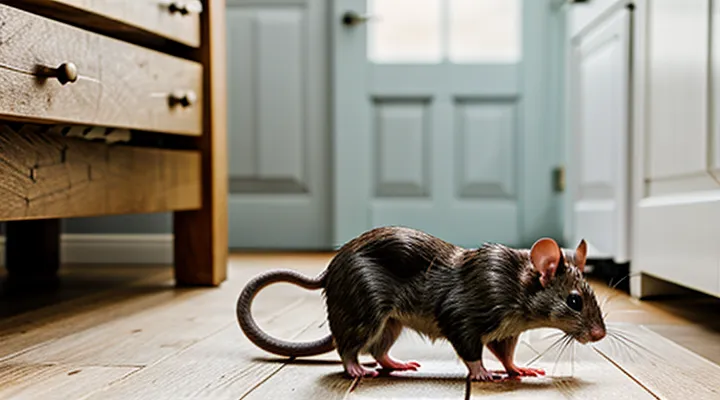
Understanding Rodenticides
Types of Rodenticides
Anticoagulants
Anticoagulants are a class of rodenticides that disrupt blood clotting, leading to fatal hemorrhage in rats and mice. They act by inhibiting vitamin K epoxide reductase, an enzyme essential for the regeneration of active vitamin K, which is required for the synthesis of clotting factors II, VII, IX, and X. Without functional clotting factors, the animal experiences internal bleeding that culminates in death, typically within 2–7 days after ingestion.
Common anticoagulant compounds include:
- Brodifacoum
- Diphacinone
- Chlorophacinone
- Warfarin
- Bromadiolone
Second‑generation agents such as brodifacoum and bromadiolone possess higher potency and longer biological half‑lives, allowing a single dose to be lethal. First‑generation products like warfarin and diphacinone require multiple feedings to achieve the same effect, which can be advantageous when targeting populations with known resistance to stronger compounds.
Advantages of anticoagulant rodenticides:
- Delayed action reduces bait shyness; rodents continue feeding after initial exposure.
- Low immediate toxicity to non‑target mammals when used according to label rates.
- Availability in various formulations (pellets, blocks, liquid baits) for different infestation scenarios.
Limitations and safety considerations:
- Anticoagulant resistance has emerged in several rodent populations, diminishing efficacy of certain compounds.
- Secondary poisoning risk exists for predators and scavengers that consume poisoned rodents; mitigation includes using tamper‑resistant bait stations.
- Environmental persistence, especially of second‑generation agents, may lead to accumulation in soil and water; proper disposal of unused bait is essential.
When selecting an anticoagulant for rodent control, evaluate resistance patterns, target species size, and the need for rapid versus delayed mortality. Integrating bait stations with regular monitoring enhances effectiveness while minimizing non‑target exposure.
Non-Anticoagulants
Non‑anticoagulant rodenticides provide an alternative to blood‑clotting agents for controlling rats and mice. Their toxicity derives from mechanisms unrelated to vitamin K antagonism, reducing the risk of cross‑resistance in populations previously exposed to anticoagulants.
Typical non‑anticoagulant chemistries include:
- Zinc phosphide, which releases phosphine gas in the acidic stomach environment, causing rapid respiratory failure.
- Cholecalciferol (vitamin D₃), which induces hypercalcemia, leading to cardiac arrhythmia and renal damage.
- Bromethalin, a mitochondrial uncoupler that disrupts ATP production, resulting in progressive neurological collapse.
- Sodium fluoroacetate, which interferes with the citric acid cycle, producing systemic metabolic failure.
Advantages of these agents:
- Effective against rodents that have developed resistance to anticoagulants.
- Single‑dose lethality in most cases, minimizing bait consumption.
- Reduced secondary poisoning risk for predators, as the toxic metabolites are less persistent in carcasses.
Safety considerations:
- Bait stations must be tamper‑proof to prevent accidental exposure of non‑target species.
- Environmental monitoring required for zinc phosphide, due to potential phosphine release under humid conditions.
- Dosage calculations must account for body weight to avoid sublethal exposure that could foster tolerance.
When selecting a non‑anticoagulant formulation, prioritize the target species’ feeding habits, habitat characteristics, and known resistance patterns. Proper placement and regular inspection of bait stations enhance control efficacy while limiting unintended impacts.
Factors Influencing Effectiveness
Rodent Species
Rodent species that commonly encounter anticoagulant or neurotoxic baits differ in size, feeding patterns, and habitat preferences, factors that influence poison selection. The brown rat (Rattus norvegicus) occupies sewers, basements, and outdoor burrows, exhibits omnivorous scavenging, and tolerates higher bait concentrations. The black rat (Rattus rattus) prefers elevated structures such as attics and rafters, feeds on grains and fruit, and is more sensitive to lower‑dose formulations. The house mouse (Mus musculus) inhabits interior walls and stored‑food areas, displays rapid reproduction, and requires quick‑acting agents for effective control. Field mice (Apodemus spp.) frequent gardens and grasslands, consume seeds and insects, and often avoid indoor bait stations.
Key comparative attributes:
- Body mass: brown rat ≈ 300–500 g; black rat ≈ 150–250 g; house mouse ≈ 15–30 g.
- Typical foraging range: brown rat ≈ 100 m; black rat ≈ 50 m; house mouse ≈ 10 m.
- Preferred bait type: brown rat → high‑concentration anticoagulants; black rat → medium‑concentration anticoagulants or bromethalin; house mouse → low‑dose anticoagulants or acute neurotoxins.
Understanding these biological distinctions allows precise matching of toxicant potency and delivery method to the targeted rodent, optimizing efficacy while minimizing non‑target exposure.
Infestation Severity
Infestation severity determines the scale and urgency of rodent control measures. Low severity indicates occasional sightings and minimal damage; moderate severity reflects regular activity, visible gnaw marks, and occasional droppings; high severity involves widespread damage, large populations, and rapid reproduction.
Severity dictates the potency and deployment method of poisons. Low‑level infestations can be managed with single‑dose anticoagulant baits placed at isolated points. Moderate infestations require multiple bait stations, preferably with secondary‑action compounds that act after ingestion. High‑level infestations demand fast‑acting anticoagulants combined with secondary‑action agents to reduce bait aversion and ensure rapid population decline.
- Low severity: single‑dose anticoagulant (e.g., bromadiolone 0.005 %); limited bait placement.
- Moderate severity: multi‑dose anticoagulant (e.g., difenacoum 0.005 %); several bait stations, inclusion of secondary‑action toxin.
- High severity: fast‑acting anticoagulant (e.g., brodifacoum 0.005 %); extensive bait distribution, secondary‑action additive, frequent monitoring.
Environmental Considerations
Environmental impact determines the suitability of any rodent toxin. Toxicants that act quickly may reduce secondary exposure, yet highly soluble compounds can leach into soil and water, affecting aquatic organisms.
Non‑target species experience risk when bait is accessible to birds, pets, or beneficial mammals. Anticoagulant formulations often cause delayed mortality, increasing the chance of carcass consumption by scavengers. Second‑generation anticoagulants persist longer, raising the probability of «secondary poisoning».
Soil and groundwater contamination depend on chemical stability. Fast‑acting neurotoxins degrade within hours, limiting environmental residues. In contrast, metal‑based poisons such as zinc phosphide generate phosphine gas, which dissipates rapidly but may leave phosphates that alter soil pH.
Resistance development alters ecosystem dynamics. Populations exposed to sub‑lethal doses can evolve tolerance, prompting higher application rates and greater environmental load. Integrated pest management reduces reliance on chemicals, preserving predator–prey relationships.
Regulatory and disposal practices mitigate adverse effects:
- Verify product registration under local wildlife protection statutes.
- Apply bait in sealed stations to restrict access by non‑target fauna.
- Collect and incinerate unused bait according to hazardous waste guidelines.
- Monitor runoff pathways after application, especially near water bodies.
Choosing a rodent control agent requires balancing lethal efficiency with ecological safety, ensuring that pest suppression does not compromise surrounding habitats.
Safety and Application
Safe Handling and Storage
Protecting Children and Pets
When selecting rodent control agents, the primary concern for households with young children or companion animals is preventing accidental exposure. Toxic baits typically contain anticoagulants, neurotoxins, or zinc phosphide; each class carries distinct risks. Anticoagulant formulations require ingestion of multiple doses to cause fatal bleeding, yet even a single small piece can harm a small dog or child. Neurotoxic products act rapidly, producing seizures after a single bite, and are often more hazardous to non‑target species. Zinc phosphide releases phosphine gas when ingested, presenting a high lethality profile for all mammals.
Safety measures must address storage, placement, and alternative control methods.
- Store all rodent poisons in locked cabinets, away from reach of children and pets.
- Use tamper‑resistant bait stations that allow entry only to target rodents; stations should be placed behind appliances, under sinks, or in concealed wall voids.
- Position bait stations at least 2 meters from play areas, feeding stations, and sleeping quarters.
- Choose formulations labeled “low‑risk to non‑target mammals” when available; such products often contain reduced concentrations of anticoagulants.
- Implement integrated pest management: seal entry points, eliminate food sources, and maintain regular sanitation to reduce rodent attraction.
If a child or pet is suspected of ingesting any rodenticide, seek immediate veterinary or medical assistance; provide the product name and active ingredient. Prompt administration of vitamin K₁ can reverse anticoagulant effects, while specific antidotes exist for certain neurotoxins.
Documentation of bait locations, product expiration dates, and disposal procedures further minimizes accidental poisoning. Regular review of safety protocols ensures ongoing protection for vulnerable household members while maintaining effective rodent control.
Preventing Non-Target Exposure
Effective rodent control requires strict measures to protect wildlife, pets, and humans from accidental ingestion of toxic baits. Secure placement of poison reduces the likelihood that non‑target species encounter the product.
- Use tamper‑resistant bait stations that lock the bait inside a sealed compartment.
- Position stations along established rodent pathways, away from food preparation areas and animal feeding zones.
- Install stations at a height or location inaccessible to birds, reptiles, and small mammals.
- Employ bait formulations with low secondary toxicity, minimizing risk if a non‑target animal consumes a fragment.
- Mark each station with clear warning signs and instructions for safe handling.
Regular inspection of bait stations confirms integrity of locks and identifies missing or damaged units. Prompt removal of compromised stations prevents exposure. Documentation of placement maps and maintenance schedules supports accountability and facilitates compliance with local regulations.
Application Methods
Bait Stations
Bait stations provide a secure delivery system for rodent toxicants, minimizing exposure to non‑target species and reducing the risk of accidental ingestion. Their closed‑design construction prevents pets, children, and wildlife from accessing the poison while allowing rodents to enter through small entry holes.
Key characteristics of effective bait stations include:
- Durable material resistant to weather and chewing;
- Sealable lid that locks only after a rodent triggers the entry mechanism;
- Internal compartment sized for standard bait blocks or pellets;
- Clear labeling with active ingredient and concentration;
- Easy‑to‑clean interior for regular inspection and bait replacement.
Proper placement enhances control effectiveness. Install stations along walls, near known runways, and in concealed locations such as under cabinets or behind appliances. Space stations approximately 10–15 feet apart to ensure overlapping coverage and to discourage bait avoidance.
Maintenance procedures are straightforward. Replace bait every 2–3 weeks or when consumption is evident. Inspect stations weekly for damage, tampering, or dead rodents, and clean with mild detergent before refilling. Document each inspection to track activity patterns and adjust station density as needed.
Safety considerations demand strict adherence to label instructions. Use only the recommended amount of toxicant per station, avoid stacking multiple stations in a single area, and store unused bait in a locked container away from food preparation zones.
Overall, bait stations constitute a controlled, efficient method for deploying rodent poisons, offering protection for humans and animals while maintaining high efficacy against rat and mouse populations.
Direct Placement
«Direct Placement» refers to positioning rodent toxicant directly in areas of confirmed activity, such as nesting sites, travel corridors, and feeding zones. This approach eliminates the need for intermediate delivery devices, allowing immediate exposure to the target species.
Effective deployment requires identification of high‑traffic zones through visual inspection, droppings, gnaw marks, or tracking powder. Bait should be placed on flat surfaces, concealed under debris, or secured within cavities where rats and mice naturally forage. Selecting a formulation with rapid onset and low secondary toxicity minimizes risk to non‑target organisms while ensuring swift mortality.
Key considerations include:
- Dosage accuracy: Apply the amount specified by the product label per placement point; over‑application does not increase efficacy and may elevate environmental hazards.
- Weather protection: Use moisture‑resistant bait or cover to preserve potency during rain or humidity.
- Safety measures: Keep placements out of reach of children, pets, and wildlife; label the area with warning signage where required by regulations.
- Monitoring: Inspect placement sites regularly, replenishing bait only after confirmed consumption or degradation.
When contrasted with alternative delivery systems, direct placement offers:
- Faster action due to immediate contact.
- Reduced material costs by eliminating containers or stations.
- Lower risk of bait avoidance, as rodents encounter the toxicant in natural foraging contexts.
Proper execution of «Direct Placement» integrates precise location targeting, appropriate product selection, and ongoing observation, thereby maximizing control efficiency for both rats and mice.
Disposal of Rodenticides and Carcasses
Proper management of toxic rodent control products and dead rodents prevents environmental contamination and secondary poisoning. All containers, whether original or repackaged, must remain sealed until disposal. Label each container with hazard warnings and the date of last use. Store containers in a locked, ventilated area separate from food, feed, and water supplies.
Disposal procedures:
- Transfer unused rodenticide to a certified hazardous‑waste facility; do not pour down drains or discard in regular trash.
- Place carcasses in leak‑proof bags, double‑bagged if possible, then seal securely.
- Submit sealed carcasses to an approved rendering plant, incineration service, or licensed landfill that accepts biological waste.
- Record the quantity, type of poison, and disposal date in a compliance log; retain records for the period required by local regulations.
Regulatory compliance mandates adherence to EPA guidelines and state or municipal statutes governing hazardous chemicals and animal remains. Failure to follow prescribed methods can result in fines, legal liability, and ecological harm. Employing these practices safeguards public health, protects non‑target species, and maintains the efficacy of rodent control programs.
Alternative Rodent Control Methods
Trapping
Snap Traps
Snap traps provide an immediate, mechanical solution for reducing rat and mouse populations. The device consists of a spring‑loaded bar that delivers a swift, lethal force when the rodent triggers a baited plate. This method eliminates the need for chemical agents and prevents the risks associated with poison ingestion by non‑target animals or children.
Key characteristics of snap traps include:
- High kill efficiency, often exceeding 90 % when placed along active runways.
- Low cost per unit, allowing extensive deployment without significant expense.
- Reusability; the mechanism can be reset after each capture.
- Immediate result, facilitating rapid assessment of control effectiveness.
Considerations for optimal use:
- Placement near walls, behind appliances, and in concealed pathways maximises encounter rates.
- Selection of appropriate bait—peanut butter, dried fruit, or small meat pieces—enhances attraction.
- Regular inspection, at least once daily, ensures timely removal of captured rodents and maintains trap functionality.
- Proper disposal of dead animals and sanitation of the area reduce secondary health hazards.
When comparing mechanical devices to toxic baits, snap traps avoid the persistence of poison residues in the environment. They also eliminate the possibility of sub‑lethal dosing, which can lead to prolonged suffering and increased disease transmission. For settings where safety, speed, and cost are priorities, snap traps represent a compelling component of an integrated rodent management strategy.
Live Traps
Live traps are cage‑type devices that capture rodents without killing them. The mechanism relies on a trigger that closes a door once the animal enters, keeping the creature confined until release.
Capture efficiency depends on proper bait selection, trap placement along walls and near known activity zones, and regular inspection. When set correctly, live traps can remove a significant portion of a rat or mouse population within a short period.
Advantages include:
- Humane handling; no toxic substances are introduced into the environment.
- Elimination of secondary poisoning risks for pets, wildlife, and humans.
- Reusability; traps can be cleaned and redeployed multiple times.
Limitations involve:
- Necessity for frequent monitoring to prevent stress or death of captured animals.
- Requirement for appropriate release sites, typically at least several miles from the infestation area.
- Potential for trap shyness if bait is not attractive or if rodents become wary of repeated exposure.
For integrated rodent management, live traps complement chemical controls by providing immediate removal of problem individuals while avoiding the drawbacks associated with poisons. Selecting live traps depends on the severity of the infestation, the need for humane solutions, and the capacity to maintain regular trap checks.
Glue Traps
Glue traps consist of a sticky adhesive surface that immobilizes rodents upon contact. The adhesive is formulated to retain strength despite moisture and dust, ensuring that captured rats and mice remain trapped until removal.
Advantages include:
- Immediate capture without reliance on ingestion or delayed action.
- No chemical residue left in the environment.
- Low risk of secondary poisoning for non‑target species when placed in controlled locations.
Limitations involve:
- Requirement for frequent inspection to prevent prolonged suffering.
- Potential for accidental capture of harmless wildlife or pets.
- Ineffectiveness against highly motivated rodents that avoid contact.
Proper deployment demands placement along established runways, near walls, and behind objects where rodents travel. Traps should be secured to a flat surface, protected from direct sunlight to preserve adhesive integrity, and checked at least once daily. Disposal follows local regulations for dead pests, with sealed containers recommended to avoid odor and contamination.
When comparing glue traps to chemical baits, the former provides a non‑toxic alternative suitable for environments where poison use is restricted, such as food preparation areas or households with children. However, glue traps lack the population‑level impact of anticoagulant rodenticides, making them best suited for localized infestations rather than large‑scale control programs.
Exclusion and Sanitation
Sealing Entry Points
Sealing entry points prevents rodents from accessing treated areas, reducing the amount of toxicant required and limiting secondary exposure risks. Identify and block all potential pathways before applying any rodent poison.
Common entry points and sealing methods:
- Gaps around pipes and utility lines – install steel wool or copper mesh, then apply silicone sealant.
- Cracks in foundation walls – fill with hydraulic cement, then smooth with epoxy filler.
- Openings beneath doors and windows – attach weather‑stripping or door sweeps, and use expanding foam for larger voids.
- Holes in vent covers – replace with metal grates or mesh screens.
- Openings in crawl spaces – seal with rigid foam board and sealant tape.
Regular inspection of the building envelope ensures that newly formed gaps are addressed promptly, maintaining the effectiveness of the chosen rodent toxicant strategy.
Eliminating Food Sources
Eliminating food sources is a prerequisite for any rodent‑control program. When rats or mice cannot locate sustenance, their movement patterns contract, increasing the likelihood of encountering bait stations.
Typical attractants include uncovered garbage, pet feed left overnight, spilled grain, and improperly sealed pantry containers. Securing these items requires airtight storage, daily removal of waste, and routine cleaning of floors and counters. Even small crumbs can sustain a small population, so thoroughness matters.
Reduced availability of nutrition forces rodents to search more actively, which amplifies the consumption rate of toxic baits. Consequently, the choice of poison becomes more decisive: a fast‑acting anticoagulant or a neurotoxic compound can achieve higher mortality when the alternative food supply is absent.
Practical steps for eliminating food sources:
- Store dry goods in sealed, rodent‑proof containers.
- Clean preparation surfaces after each use; sweep floors to remove debris.
- Dispose of garbage in containers with tight‑fitting lids; empty them regularly.
- Keep pet feed in metal bins; remove leftovers after feeding.
- Repair cracks and gaps in walls, floors, and foundations to block entry points.
Natural Predators
Natural predators provide a biological alternative to chemical control of rodent populations. Their presence reduces the need for toxic substances and limits secondary poisoning risks.
- Barn owl (Tyto alba) – nocturnal hunter, consumes large numbers of mice and small rats per night.
- Red-tailed hawk (Buteo jamaicensis) – diurnal raptor, captures adult rats during flight.
- Eastern foxsnake (Pantherophis alleghaniensis) – constricts rodents, effective in ground‑level habitats.
- Domestic cat (Felis catus) – opportunistic predator, reduces indoor and outdoor rodent activity.
- Ferret (Mustela putorius furo) – agile hunter, excels in burrows and confined spaces.
Effective deployment requires suitable habitat: nesting boxes for owls, perches for hawks, shelter for snakes, and controlled access for cats and ferrets. Legal restrictions may limit the introduction of certain raptors or snakes; permits are often necessary. Integration with limited, targeted poisoning can enhance overall control, provided that bait placement avoids predator exposure.
In integrated pest management, natural predators complement reduced‑toxicity strategies, maintain ecological balance, and diminish reliance on hazardous chemicals.
Choosing the Right Rodenticide
Assessing Your Specific Situation
When selecting a rodent control agent, the decision must reflect the particular circumstances of the infestation. Evaluate the following elements before committing to a specific poison:
- Location of activity: indoor environments require low‑toxicity products, while outdoor sites permit stronger formulations.
- Severity of the problem: a light presence may be managed with a single bait station; heavy infestation often necessitates multiple stations and possibly a secondary product.
- Non‑target risk: presence of children, pets, or wildlife demands bait that minimizes accidental exposure.
- Legal constraints: local regulations may prohibit certain active ingredients or require specific labeling.
- Resistance patterns: populations previously exposed to anticoagulants may show reduced susceptibility, indicating a need for alternative classes such as bromethalin or cholecalciferol.
- Accessibility of bait: areas with limited reach benefit from granular or pellet forms that can be placed in concealed cavities.
After gathering data on each factor, compare product specifications—active ingredient, dosage, and safety profile—to the identified requirements. Choose the formulation that aligns with the assessed risk level, regulatory environment, and expected efficacy. Continuous monitoring of trap counts and bait consumption validates the selection and informs any necessary adjustments.
Comparing Different Products
When selecting a rodent control agent, the comparison should focus on active ingredient, mode of action, speed of kill, secondary poisoning risk, resistance history, and cost per kilogram.
Active ingredient determines toxicity level. Anticoagulants such as bromadiolone and difenacoum interfere with blood clotting, requiring several days to cause death. Acute neurotoxins like bromethalin disrupt cellular energy, producing rapid mortality within hours. Zinc phosphide releases phosphine gas after ingestion, offering immediate effect but demanding careful handling due to gas release.
Mode of action influences bait placement strategy. Second‑generation anticoagulants allow single‑dose applications, reducing bait consumption. Neurotoxins may necessitate multiple bait stations to achieve sufficient intake. Gas‑releasing compounds require sealed bait stations to prevent accidental exposure.
Speed of kill affects population control speed. Rapid‑acting products limit reproduction cycles, while slower agents provide prolonged exposure, potentially reducing bait shyness. Evaluate the target infestation level to decide between immediate elimination and sustained pressure.
Secondary poisoning risk is critical for non‑target wildlife and pets. Anticoagulants pose higher secondary risk because poisoned rodents remain alive for days, allowing predators to ingest toxic tissue. Neurotoxins and phosphine gas have lower secondary risk due to quick rodent death and limited tissue residue.
Resistance records guide product choice. Many urban rat populations exhibit resistance to first‑generation anticoagulants; second‑generation variants remain effective in most cases. Neurotoxic agents show minimal resistance development, but regulatory restrictions may limit availability.
Cost considerations include active ingredient price, required application frequency, and disposal expenses. Calculate total expense per square meter of infestation to compare economic efficiency across products.
Key comparison points
- Anticoagulants: high efficacy, delayed kill, moderate secondary risk, possible resistance.
- Neurotoxins: rapid kill, low secondary risk, limited resistance, stricter regulation.
- Phosphide gases: immediate kill, low secondary risk, handling precautions, higher material cost.
Selecting the optimal product demands alignment of these factors with the specific pest pressure, environmental constraints, and regulatory framework.
Consulting Professionals
Consulting a qualified pest‑control professional is essential when selecting a rodent‑control agent. Experts assess infestation severity, identify species, and recommend a formulation that maximizes mortality while minimizing risks to non‑target organisms.
Professional guidance provides several advantages:
- Assurance of compliance with local regulations and safety standards.
- Access to products unavailable to the general public but proven effective in field trials.
- Customized application strategies that reduce waste and prevent resistance development.
- Documentation of pesticide use for liability and insurance purposes.
Typical process for engaging an expert includes:
- Verify licensure and certifications of the service provider.
- Request an on‑site inspection to determine entry points and population density.
- Discuss available active ingredients, such as anticoagulants, bromethalin, or neurotoxins, and their appropriate concentrations.
- Obtain written instructions for placement, monitoring, and disposal of bait stations.
- Review post‑treatment reports to confirm eradication and address any residual concerns.
Regulatory guidance often emphasizes professional involvement: «The EPA mandates that certain rodent poisons be applied only by certified applicators». Adhering to this requirement protects human health, pets, and wildlife while delivering the most reliable outcome.