
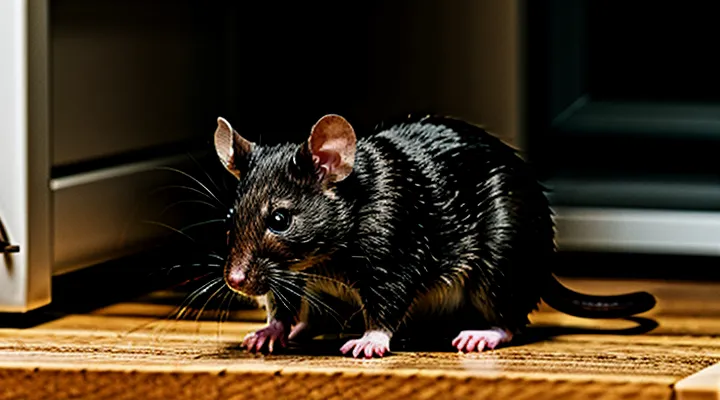
Understanding Rodent Control
Why Rodent Control is Crucial
Effective rodent control protects public health, safeguards property, and preserves food supplies. Rodents transmit pathogens such as hantavirus, leptospirosis, and salmonella, creating direct risks to humans and livestock. Their gnawing behavior compromises structural integrity, leading to costly repairs and potential fire hazards from damaged wiring.
Unchecked infestations accelerate contamination of stored grains, processed foods, and packaging, resulting in product loss and regulatory violations. Businesses that fail to manage rodent populations face fines, brand damage, and disrupted operations. Residential environments experience decreased hygiene, increased allergy triggers, and heightened stress for occupants.
Key reasons for immediate action:
- Disease transmission to humans and animals
- Structural damage to buildings and infrastructure
- Loss of food quality and economic value
- Legal and regulatory consequences for commercial premises
- Elevated pest‑related anxiety and reduced quality of life
Common Rodent Species Requiring Control
Rats
Rats are medium‑sized rodents that thrive in urban and rural environments, reproduce rapidly, and cause structural damage and disease transmission. Their adaptability and high reproductive rate make effective control essential for property protection and public health.
Biological factors influencing rodenticide selection include body mass, metabolic rate, feeding patterns, and documented resistance. Adult rats can consume up to 30 g of food per day; younger individuals may ingest smaller quantities but are more vulnerable to acute toxins. Some populations exhibit resistance to first‑generation anticoagulants, requiring alternative active ingredients.
Effective evaluation of poisons considers:
- Active ingredient potency against rat physiology
- Onset of action and duration of effect
- Potential for secondary poisoning of non‑target species
- Compliance with local regulations and safety standards
Most reliable rodenticides for rats:
- Second‑generation anticoagulants (e.g., bromadiolone, difenacoum) – high single‑dose lethality, effective against resistant strains.
- Bromethalin – neurotoxic agent causing rapid death without anticoagulant resistance concerns.
- Zinc phosphide – releases phosphine gas in the stomach, suitable for outdoor burrows; low risk of secondary ingestion.
- Cholecalciferol (vitamin D3) – induces hypercalcemia leading to organ failure; minimal environmental persistence.
Application guidelines demand precise placement in tamper‑proof stations, avoidance of food preparation areas, and adherence to label dosage. Monitoring for bait consumption and adjusting placement density based on activity patterns enhance success while minimizing non‑target exposure.
Mice
Mice infestations demand rapid, reliable control measures. Selecting an appropriate rodenticide involves evaluating toxicity, speed of action, risk of secondary poisoning, resistance patterns, and ease of deployment.
Key criteria for an effective mouse poison include:
- High acute toxicity: Low LD₅₀ values ensure swift mortality.
- Rapid onset: Death within 24–48 hours minimizes feeding on carcasses.
- Low secondary toxicity: Formulations that limit exposure to predators and pets.
- Resistance management: Active ingredients with documented efficacy against anticoagulant‑resistant populations.
- Application flexibility: Options for bait stations, granular spread, or liquid sprays.
Commonly used mouse rodenticides and their attributes:
- First‑generation anticoagulants (e.g., warfarin, chlorophacinone)
- Moderate toxicity, delayed action (3–7 days).
- Susceptible to resistance in many mouse strains.
- Second‑generation anticoagulants (e.g., brodifacoum, difethialone)
- High toxicity, lethal within 2–4 days.
- Effective against resistant populations, higher secondary poisoning risk.
- Bromethalin
- Neurotoxic, causes death in 1–3 days.
- Low secondary toxicity, limited resistance reports.
- Zinc phosphide
- Releases phosphine gas upon ingestion, lethal in hours.
- Requires careful handling, minimal secondary impact.
- Cholecalciferol (vitamin D₃)
- Induces hypercalcemia, death in 2–5 days.
- Low resistance, moderate secondary risk.
Choosing the optimal mouse poison depends on the specific infestation context, regulatory constraints, and safety considerations for non‑target species. Prioritize products with proven acute efficacy, minimal resistance, and acceptable environmental profiles.
Types of Rodenticides
Anticoagulant Rodenticides
First-Generation Anticoagulants
First‑generation anticoagulants are vitamin K antagonists that interrupt blood clotting in rodents. After ingestion, they inhibit the regeneration of active clotting factors, leading to internal hemorrhage and death typically within 3–7 days. Their delayed action allows rodents to consume multiple bait pieces before symptoms appear, increasing the likelihood of lethal dose acquisition.
Common compounds in this class include:
- Warfarin
- Chlorophacinone
- Diphacinone
- Coumafuryl
These agents are effective against susceptible populations but are vulnerable to resistance that develops after repeated exposure. Resistance manifests as reduced sensitivity to the anticoagulant effect, requiring higher bait concentrations or alternative chemistries. Monitoring for resistance through field trials is essential for maintaining control efficacy.
Safety considerations focus on non‑target exposure. First‑generation anticoagulants possess lower acute toxicity than second‑generation counterparts, yet secondary poisoning remains a risk for predators and scavengers that ingest poisoned rodents. Regulations in many jurisdictions mandate restricted use, labeling, and placement to minimize unintended ingestion.
Implementation guidelines recommend:
- Placement of bait stations in concealed, rodent‑active areas.
- Rotation with a different mode of action when resistance is detected.
- Regular inspection of bait consumption and environmental conditions.
- Documentation of application rates and observation of mortality patterns.
Adhering to these practices maximizes the utility of first‑generation anticoagulants while mitigating resistance development and ecological impact.
Second-Generation Anticoagulants
Second‑generation anticoagulants are synthetic rodenticides that interrupt the vitamin K cycle, causing lethal hemorrhage after a single ingest. They differ from first‑generation compounds by higher potency, longer biological half‑life, and the ability to kill resistant rodent populations.
Typical agents include:
- Bromadiolone
- Difenacoum
- Brodifacoum
- Flocoumafen
These chemicals bind tightly to hepatic vitamin K epoxide reductase, preventing regeneration of active vitamin K and halting synthesis of clotting factors II, VII, IX, and X. A single sub‑lethal dose may accumulate in the liver, leading to delayed mortality that reduces bait aversion.
Effectiveness against resistant rats and mice stems from:
- High intrinsic toxicity (LD₅₀ values in the low µg/kg range).
- Persistence in target tissues, allowing secondary poisoning of conspecifics.
- Compatibility with various bait matrices, facilitating field deployment.
Safety considerations require strict adherence to label instructions:
- Use tamper‑resistant bait stations to limit non‑target exposure.
- Observe withdrawal periods for livestock and pets when using indoor applications.
- Monitor for signs of sub‑lethal exposure in wildlife; secondary poisoning risk rises with prolonged environmental presence.
Regulatory agencies classify second‑generation anticoagulants as restricted‑use products, reflecting their potency and potential ecological impact. Proper rotation with alternative control methods, such as mechanical traps or habitat modification, helps mitigate resistance development and preserves long‑term efficacy.
Non-Anticoagulant Rodenticides
Cholecalciferol
Cholecalciferol, a vitamin D₃ analogue, is widely used as a rodenticide due to its delayed toxicity and low risk of secondary poisoning. After ingestion, it is metabolized to calcitriol, causing hypercalcemia, cardiac arrhythmia, and renal failure in rats and mice. The delayed onset—typically 24–72 hours—prevents bait avoidance and reduces bait shyness.
Key characteristics:
- Effective dose: 0.075 mg kg⁻¹ body weight produces mortality in 90 % of target rodents; higher concentrations accelerate death but increase non‑target exposure.
- Bait formulation: Grain‑based or wax blocks ensure palatability; moisture‑resistant coatings prolong field stability.
- Resistance profile: No documented genetic resistance; efficacy remains consistent across populations.
- Safety margin: Acute toxicity to mammals (LD₅₀ ≈ 30 mg kg⁻¹ in dogs) is substantially higher than the lethal dose for rodents, allowing controlled application in domestic settings.
- Regulatory status: Approved by major agencies (EPA, EU Biocidal Products Regulation) with label instructions limiting use to indoor infestations and exclusion zones around food preparation areas.
Implementation guidelines:
- Conduct a pre‑application survey to identify infestation hotspots.
- Place bait stations at 1–2 m intervals along walls, ensuring access for target rodents while restricting non‑target entry.
- Monitor bait consumption daily; replace depleted units to maintain constant availability.
- After confirmed eradication, remove all bait material and clean stations to prevent accidental exposure.
Cholecalciferol’s mode of action, lack of resistance, and comparatively high safety threshold make it a reliable choice for controlling rat and mouse populations when precise dosing and proper placement are observed.
Bromethalin
Bromethalin is a second‑generation, neurotoxic rodenticide widely regarded for its high potency against both rats and mice. The compound interferes with mitochondrial oxidative phosphorylation, causing gradual depletion of adenosine triphosphate (ATP) in neuronal cells. Energy failure leads to cerebral edema, paralysis, and eventual death, typically within 24–48 hours after ingestion.
Effectiveness stems from several characteristics. First, bromethalin is not a cholinesterase inhibitor, eliminating cross‑resistance with anticoagulant poisons. Second, the toxin is odorless, tasteless, and stable in a variety of formulations, allowing placement in bait stations without detection by target species. Third, the delayed onset of symptoms reduces bait shyness, as rodents do not associate the poison with immediate illness.
Key usage parameters include:
- Dosage: Commercial baits contain 0.025 %–0.05 % bromethalin, delivering approximately 5–10 mg of active ingredient per kilogram of body weight for rodents.
- Application: Bait stations should be positioned along walls, near burrow entrances, and in concealed areas. Replace baits every 3–4 days to maintain potency.
- Safety: Toxic to non‑target mammals and birds; stations must be tamper‑resistant and inaccessible to pets and wildlife. Personal protective equipment (gloves, mask) is mandatory during handling.
- Regulation: Approved by the U.S. Environmental Protection Agency (EPA) for indoor and limited outdoor use; many jurisdictions require registration numbers on packaging.
Advantages and limitations can be summarized:
-
Advantages
- High efficacy against anticoagulant‑resistant populations.
- Low bait aversion due to lack of immediate symptoms.
- Stable formulation suitable for varied environmental conditions.
-
Limitations
- Secondary poisoning risk for predators and scavengers.
- Restricted outdoor application in some regions because of wildlife concerns.
- Requires secure bait stations to prevent accidental exposure.
When selecting a rodent control agent, bromethalin offers a compelling balance of potency and resistance management, provided that strict containment measures are observed to mitigate non‑target risks.
Zinc Phosphide
Zinc phosphide is a widely used rodenticide targeting rats and mice. The compound releases phosphine gas when it contacts stomach acid, causing rapid respiratory failure in the animal. Its high toxicity ensures quick mortality, making it a preferred option for severe infestations.
Key characteristics:
- Chemical composition: Zn₃P₂, a white crystalline powder.
- Mode of action: Hydrolysis in the gastrointestinal tract produces phosphine (PH₃), which interferes with cellular respiration.
- Effectiveness: Mortality rates exceed 95 % in susceptible populations when applied at labeled concentrations.
- Application methods: Bait blocks, granules, or pelleted formulations placed in tamper‑resistant stations.
- Safety considerations: Toxic to non‑target wildlife and domestic animals; requires sealed bait stations and compliance with local regulations.
- Regulatory status: Approved in many jurisdictions for commercial use, subject to licensing and record‑keeping requirements.
Advantages include rapid action, low cost per kilogram of active ingredient, and minimal bait aversion due to low odor. Limitations involve the need for controlled access to prevent accidental poisoning of pets, livestock, or humans, and reduced efficacy in environments with high moisture that degrades the product.
Best practices for deployment:
- Conduct a site assessment to determine infestation level and potential non‑target exposure.
- Position bait stations along established runways and near nesting sites, ensuring they are inaccessible to children and animals not intended for control.
- Monitor bait consumption daily; replace depleted units promptly.
- Record usage details, including quantity applied, location, and date, to satisfy regulatory reporting.
When used correctly, zinc phosphide delivers reliable control of rat and mouse populations, aligning with the goal of selecting a potent, fast‑acting rodent poison.
Natural and Less Toxic Alternatives
Traps and Baits
Effective rodent control relies on two complementary methods: mechanical capture devices and chemical attractants. Each approach offers distinct advantages that influence selection, deployment, and safety.
- Snap traps provide immediate kill, require no poison, and allow precise placement in high‑traffic zones. Models vary by trigger sensitivity, spring force, and cage size; larger cages accommodate adult rats, while smaller designs target mice. Proper baiting enhances capture rates.
- Electronic traps deliver a high‑voltage shock that kills instantly, reduce risk of secondary exposure, and permit reuse after cleaning. Batteries must be checked regularly to maintain efficacy.
- Live‑catch traps immobilize rodents for relocation or humane euthanasia. They demand frequent monitoring to prevent stress‑related mortality and must comply with local regulations regarding release.
Bait selection determines attraction strength and poisoning effectiveness. Common formulations include:
- Anticoagulant blocks (e.g., diphacinone, brodifacoum) that disrupt blood clotting after ingestion; require multiple feedings for lethal dose.
- Acute neurotoxic powders (e.g., bromethalin) cause rapid paralysis, suitable for urgent infestations.
- Grain‑based pellets infused with zinc phosphide release toxic gas in the stomach, effective against both rats and mice.
- Aromatic soft baits (e.g., peanut butter, chocolate) increase palatability, improve acceptance by wary rodents.
Integration guidelines:
- Pair snap or electronic traps with soft baits to boost initial engagement, especially when rodents exhibit trap avoidance.
- Reserve anticoagulant blocks for areas where secondary poisoning of non‑target species is minimal; secure stations to limit access.
- Rotate bait types every 2–3 weeks to prevent habituation and maintain mortality rates.
- Conduct regular inspections, replace expired products, and document capture data to assess progress and adjust strategies.
A balanced program that combines appropriately chosen capture devices with targeted bait formulations delivers reliable reduction of rat and mouse populations while minimizing environmental impact.
Repellents
Repellents serve as a non‑lethal component in rodent management, complementing toxic baits when a comprehensive approach is required. Their primary function is to deter rats and mice from entering or remaining in a given area, reducing the likelihood that poison will be needed or that bait consumption will be compromised by avoidance behavior.
Effective repellents fall into three categories:
- Chemical agents – substances such as naphthalene, peppermint oil, or capsaicin‑based formulations that create an unpleasant odor or taste. Application points include entryways, nesting sites, and food storage zones. Longevity ranges from a few days to several weeks, depending on concentration and environmental exposure.
- Ultrasonic devices – emit high‑frequency sound waves beyond human hearing. Effectiveness varies with rodent species, distance, and obstacle presence; devices typically cover a 20‑30‑foot radius and require placement in open spaces to avoid signal blockage.
- Physical barriers – metal mesh, concrete sealants, and steel wool that block access to openings. While not a repellent in the strict sense, they prevent entry and thus eliminate the need for poison in sealed environments.
When integrating repellents with toxic baits, observe the following guidelines:
- Install chemical repellents at least 12 inches away from bait stations to avoid contaminating the poison and discouraging consumption.
- Position ultrasonic units at a height of 6‑12 inches above the floor, ensuring unobstructed line of sight to target zones.
- Verify that physical barriers are sealed with no gaps larger than ¼ inch before deploying any toxic product.
Safety considerations include avoiding direct contact with concentrated chemicals, keeping ultrasonic emitters out of reach of children and pets, and confirming that barrier materials do not trap rodents, which could lead to unintended suffering.
In practice, repellents reduce the overall bait load required for effective rodent control, limit secondary poisoning risks, and provide a measurable deterrent that aligns with integrated pest management principles. Their judicious use alongside the most suitable rodent poison enhances both efficacy and compliance with health and safety regulations.
Factors to Consider When Choosing a Rodenticide
Efficacy and Speed of Action
Selecting a rodenticide demands assessment of two metrics: lethal potency and the interval between ingestion and death. Both criteria determine the practicality of a product in infestations where rapid turnover reduces breeding cycles and limits damage.
- Brodifacoum – efficacy: high; mortality typically observed within 3–5 days.
- Diphacinone – efficacy: moderate‑high; death usually occurs in 2–4 days.
- Bromadiolone – efficacy: high; lethal effects appear in 2–3 days.
- Zinc phosphide – efficacy: high; rapid action, mortality in 6–12 hours.
- Cholecalciferol (Vitamin D3) – efficacy: moderate; death in 4–7 days, with delayed onset of symptoms.
Speed of action depends on dosage, species, health condition, and ambient temperature. Higher concentrations accelerate absorption, while cold environments can extend the lethal period. Young rodents often succumb faster than mature individuals due to lower body mass.
Regulatory frameworks require labeling of toxicity class and mandatory safety precautions. Products with rapid onset, such as zinc phosphide, demand strict handling protocols to protect non‑target wildlife and humans. Choosing a formulation involves balancing immediate impact against compliance obligations and long‑term efficacy.
Safety Concerns for Humans and Pets
Primary Poisoning Risks
Primary poisoning risks stem from the toxic nature of rodent control agents. Direct contact or ingestion can cause acute symptoms such as nausea, vomiting, abdominal pain, seizures, respiratory distress, and potentially fatal organ failure. Chronic exposure, even at low levels, may lead to neurological impairment, liver or kidney damage, and increased cancer risk.
Non‑target species are vulnerable when baits are accessible to pets, wildlife, or children. Accidental consumption often results in severe poisoning because many rodenticides lack species‑specific selectivity. Proper placement in tamper‑proof stations reduces this hazard.
Resistance development reduces efficacy over time. Sublethal doses allow rodents to survive and pass tolerant genes to descendants, necessitating higher concentrations or alternative compounds, which magnifies toxicity concerns for all exposed organisms.
Environmental contamination occurs when poisoned rodents decompose, releasing anticoagulants into soil and water. Secondary poisoning affects predators and scavengers that consume contaminated carcasses, propagating toxic effects through ecosystems.
Regulatory compliance imposes limits on active ingredient concentrations, labeling requirements, and mandatory training for users. Violations can result in legal penalties, product bans, and increased public health liability.
Mitigation strategies include:
- Selecting baits with the lowest effective dose.
- Using sealed bait stations to limit access.
- Rotating active ingredients to prevent resistance.
- Monitoring wildlife activity around treatment sites.
- Maintaining records of application dates, locations, and quantities.
Secondary Poisoning Risks
Effective rodent control agents can generate secondary poisoning when predators, scavengers, or household pets ingest contaminated prey. Anticoagulant baits, especially second‑generation compounds, retain toxic residues in the liver of killed rodents for weeks, creating a persistent hazard for any animal that consumes the carcass. Non‑anticoagulant products such as bromethalin or zinc phosphide also pose risks because the toxins remain active in the dead rodent’s tissues and can be transferred through the food chain.
Key factors influencing secondary poisoning:
- Toxin persistence – duration of residual toxicity in rodent tissues.
- Bait concentration – higher active ingredient levels increase the amount transferred to predators.
- Species susceptibility – birds of prey, feral cats, and dogs are particularly vulnerable.
- Environmental exposure – bait placed outdoors may be accessed by wildlife.
Mitigation strategies:
- Deploy tamper‑resistant bait stations to restrict access to non‑target species.
- Position bait stations away from nesting sites, water sources, and feeding areas of wildlife.
- Select baits with rapid‑acting, low‑persistence formulations when non‑target exposure is likely.
- Conduct regular inspections to remove dead rodents and prevent scavenger consumption.
- Record and monitor incidents of secondary poisoning to adjust control measures promptly.
Choosing a rodent poison therefore requires balancing lethal efficacy against the potential for collateral toxicity. Proper bait management and product selection minimize the risk of unintended harm while maintaining effective rodent suppression.
Environmental Impact
Effective rodent control agents vary in their ecological footprint. Anticoagulant baits, such as second‑generation compounds, remain active in the environment for weeks, increasing the risk of accidental ingestion by wildlife, domestic pets, and scavengers. Residues can accumulate in the liver of predators that consume poisoned rodents, leading to secondary poisoning and population declines in birds of prey and carnivorous mammals.
First‑generation anticoagulants degrade more rapidly, reducing long‑term soil contamination, but they require higher application rates, which may elevate exposure for non‑target organisms. Non‑chemical options—mechanical traps, ultrasonic devices, and habitat modification—produce negligible chemical residues and eliminate the threat of secondary toxicity.
Regulatory frameworks often mandate specific disposal procedures for unused poison and carcasses. Improper waste handling can introduce active ingredients into waterways, affecting aquatic invertebrates and fish. Biodegradable bait formulations designed to break down within days lower the probability of leaching into groundwater.
Key considerations for minimizing environmental impact:
- Choose agents with short environmental half‑lives when chemical control is necessary.
- Apply bait only in sealed stations to restrict access by non‑target species.
- Integrate chemical methods with sanitation and exclusion tactics to reduce overall poison usage.
- Follow local guidelines for carcass removal and poison disposal to prevent contamination.
Selecting a control strategy that balances efficacy with ecological safety requires assessment of target species density, habitat characteristics, and potential exposure pathways for surrounding wildlife.
Resistance to Rodenticides
Rodent populations frequently develop resistance to anticoagulant and non‑anticoagulant compounds, reducing the efficacy of standard control programs. Resistance emerges through genetic mutations that alter the target enzyme (vitamin K epoxide reductase) or increase metabolic detoxification, allowing rats and mice to survive doses that would normally be lethal.
Key indicators of resistance include persistent activity despite repeated bait applications, rapid bait avoidance, and laboratory bioassays that reveal elevated median lethal doses (LD₅₀). Early detection relies on systematic trapping, bait consumption monitoring, and periodic susceptibility testing.
Effective management of resistant infestations requires a multi‑step approach:
- Rotate active ingredients with different modes of action (e.g., switch from first‑generation anticoagulants to second‑generation or to bromadiolone‑resistant‑bypass compounds).
- Incorporate non‑chemical methods such as exclusion, sanitation, and habitat modification to lower population pressure.
- Use combination baits that pair anticoagulants with synergists (e.g., piperonyl butoxide) to overcome metabolic resistance.
- Apply targeted bait stations to limit exposure of non‑target species and ensure consistent consumption by the target rodents.
- Conduct follow‑up susceptibility testing after each intervention cycle to verify restored sensitivity.
When selecting a rodenticide for a resistant problem, prioritize agents with documented efficacy against known resistance mechanisms, verify that the product is approved for the target species, and adhere to label directions regarding dosage and placement. Continuous monitoring and adaptive rotation of active ingredients remain essential to prevent the re‑emergence of resistance.
Best Practices for Rodenticide Application
Proper Placement of Baits
Effective bait placement determines whether a rodent control product achieves its intended impact. Positioning influences discovery, consumption, and ultimately mortality rates among rats and mice.
Key placement principles:
- Locate baits along established runways, typically within 1–2 feet of walls, because rodents prefer linear travel paths.
- Position devices near entry points, such as gaps under doors, utility openings, and foundation cracks, to intercept newcomers.
- Distribute baits at varying heights: ground‑level for rats, elevated platforms for mice, reflecting species‑specific foraging habits.
- Avoid areas with high human or pet traffic; use tamper‑resistant stations when necessary.
- Replace or reposition baits every 3–5 days to maintain freshness and counter bait shyness.
Additional considerations:
- Ensure environmental conditions remain dry; moisture degrades active ingredients and deters consumption.
- Monitor bait stations weekly, recording removal rates and signs of activity to adjust density and location.
- In multi‑unit structures, coordinate placement across adjacent spaces to prevent relocation of surviving rodents.
- When using anticoagulant baits, maintain a minimum distance of 10 feet from food preparation surfaces to mitigate secondary poisoning risks.
Strategic placement, combined with appropriate product selection, maximizes rodent mortality while minimizing non‑target exposure.
Dosage and Application Guidelines
Effective rodent control depends on precise dosing and correct application of the chosen toxicant. Use the label‑specified concentration; for anticoagulant baits, a typical dosage ranges from 0.005 mg to 0.025 mg of active ingredient per gram of bait, delivering a lethal dose to a 150‑g rat after a single feeding. Second‑generation compounds require 0.001 mg to 0.005 mg per gram, reflecting higher potency.
Placement guidelines:
- Position baffles or tamper‑resistant stations along established runways, near walls, and behind appliances.
- Deploy 1–2 bait stations per 100 sq ft in high‑infestation zones; increase to 1 per 50 sq ft for severe outbreaks.
- Secure stations at least 2 ft above ground to deter non‑target wildlife.
Application timing:
- Distribute bait during periods of peak rodent activity (dusk to early morning).
- Replace stations every 3–5 days, or when bait is depleted, to maintain constant availability.
- Conduct a full inspection after 14 days to assess mortality and adjust station density accordingly.
Safety measures:
- Store containers in locked, temperature‑controlled facilities.
- Keep baits out of reach of children, pets, and wildlife; use child‑proof lids and signage.
- Wear disposable gloves when handling; wash hands thoroughly after use.
Environmental considerations:
- Avoid placement near food preparation surfaces, water sources, or drainage systems.
- Use biodegradable bait stations where possible to reduce plastic waste.
- Follow local disposal regulations for unused product and contaminated materials.
Monitoring and Follow-up
Effective pest management depends on continuous observation after the initial application of a rodenticide. Record the number of dead or incapacitated rodents daily, noting the location of each finding. Compare observed mortality with the expected kill rate for the selected compound; discrepancies may indicate resistance, inadequate dosage, or improper placement.
Maintain a log of bait consumption. Replace bait stations when material is exhausted or contaminated. Verify that non‑target species have not accessed the bait by inspecting surrounding areas and employing exclusion devices as needed.
Implement a structured follow‑up schedule:
- Day 1–3: Inspect all stations, document mortality, replenish bait.
- Day 4–7: Assess activity signs (droppings, gnaw marks), adjust station density if activity persists.
- Day 8–14: Conduct a final sweep, remove all bait, and perform a comprehensive site inspection to confirm eradication.
Document all observations in a single file, including dates, quantities used, and environmental conditions. Use this record to evaluate the efficacy of the chosen toxicant and to guide future control strategies.
Disposal of Rodenticides and Carcasses
Proper handling of rodenticide residues and dead rodents is essential for safety, regulatory compliance, and environmental protection. After applying any anticoagulant or neurotoxic bait, collect carcasses promptly to prevent secondary poisoning of non‑target animals. Use disposable gloves, protective eyewear, and sealed containers to avoid direct contact with toxic material.
Key steps for disposal:
- Place each carcass in a puncture‑resistant, sealable bag; double‑bag if the bait is highly toxic.
- Label the outer bag with “Rodenticide‑treated carcass – hazardous waste.”
- Store bags in a locked, well‑ventilated area until pickup by an authorized hazardous‑waste carrier.
- Do not compost, incinerate, or discard in regular trash; these methods can release toxins into soil or air.
- Record date, location, and type of poison used for each collection to satisfy inspection requirements.
Cleaning equipment and work surfaces should involve soap‑based detergents followed by a rinse with a diluted sodium hypochlorite solution (1 % concentration). Dispose of cleaning water as hazardous waste. Maintain documentation of all disposal activities for at least three years, as required by most regional environmental agencies.
Integrated Pest Management (IPM) for Rodents
Exclusion and Sanitation
Effective rodent management begins with preventing access and eliminating conditions that support populations. Exclusion involves sealing all potential entry points, such as gaps around pipes, vents, doors, and foundations. Use durable materials—metal flashing, concrete, or steel wool—to block openings larger than a quarter‑inch, the maximum size a mouse can squeeze through. Inspect the building envelope regularly and repair damage promptly.
Sanitation reduces attractants that draw rats and mice toward bait stations. Store food in airtight containers, clean spills immediately, and dispose of waste in sealed bins. Keep storage areas free of clutter; debris and cardboard provide hiding places and nesting material. Maintain a schedule for sweeping, vacuuming, and wiping surfaces in kitchens, pantries, and production zones.
Implementing exclusion and sanitation creates an environment where rodent poison can work efficiently, minimizing the amount of toxicant required and limiting non‑target exposure. The combined approach also lowers the risk of bait aversion, because rodents encounter fewer alternative food sources and are forced to seek the offered poison.
Key actions for exclusion and sanitation
- Seal cracks, holes, and utility penetrations with appropriate materials.
- Install door sweeps and self‑closing devices on all exterior doors.
- Eliminate standing water and fix leaks that create humid microhabitats.
- Store all feed and grain in metal or heavy‑wall containers with tight lids.
- Remove clutter, especially cardboard boxes, fabric, or insulation near walls.
- Conduct weekly inspections to verify integrity of seals and cleanliness of work areas.
Mechanical Control Methods
Mechanical control provides immediate reduction of rodent populations without reliance on chemical agents. Devices such as snap traps, electronic traps, and multi‑catch cages deliver lethal or capture outcomes through physical force, allowing precise targeting of individual pests.
Snap traps employ a spring‑loaded bar that releases instantaneously when a rodent activates the trigger mechanism. Proper placement along established runways maximizes contact rates. Models with concealed plates reduce visual exposure, increasing acceptance by wary rodents.
Electronic traps use a high‑voltage pulse to induce rapid fatality. Battery‑powered units operate continuously, delivering consistent performance in low‑light environments. Their sealed design minimizes maintenance and prevents secondary poisoning of non‑target species.
Multi‑catch cages capture rodents alive for subsequent removal. These devices feature a one‑way entry door and a secure interior compartment. Regular inspection and timely disposal prevent population rebound and reduce disease transmission risk.
Key considerations for mechanical methods include:
- Bait selection: Use attractive, species‑specific food items to encourage trap interaction.
- Trap density: Deploy enough units to intersect multiple pathways; a typical recommendation is one trap per 10–15 square meters in infested zones.
- Maintenance schedule: Inspect and reset traps daily to sustain effectiveness and prevent escape.
- Safety protocols: Position traps away from human traffic and domestic animals; wear protective gloves during handling.
When integrated with a comprehensive pest‑management plan, mechanical devices serve as a reliable alternative or complement to toxic baits, offering rapid results, reduced environmental impact, and compliance with regulations that restrict chemical usage.
Biological Control (When Applicable)
Biological control offers a non‑chemical alternative for reducing rat and mouse populations when conventional poisons are unsuitable or prohibited. The approach relies on natural predators, parasites, or pathogens to suppress rodent numbers, limiting exposure to toxic substances and reducing secondary poisoning risks.
Effective implementation requires environments where predators can operate safely—outdoor storage areas, agricultural fields, or warehouses with adequate ventilation. Indoor settings with strict hygiene standards typically preclude the use of live predators, making biological agents less practical.
Common biological tools include:
- Ferrets, weasels, or domesticated cats that actively hunt rodents.
- Raptors such as owls or hawks, deployed through nesting boxes or perch installations.
- Rodent‑specific pathogens: viral agents (e.g., rodent parvovirus), bacterial formulations (e.g., Pasteurella multocida), and entomopathogenic fungi (e.g., Metarhizium anisopliae) that cause mortality without affecting humans.
Efficacy depends on predator density, habitat suitability, and pathogen virulence. Predators can achieve rapid, localized reductions, while pathogens may spread through populations over weeks, offering sustained pressure. Neither method eliminates the need for monitoring; population declines must be measured to adjust release rates or predator access.
Regulatory frameworks often restrict the introduction of non‑native predators and mandate pathogen registration to protect non‑target wildlife. Compliance with local wildlife protection laws and veterinary guidelines is mandatory before deployment.
Integrating biological control with habitat modification, sanitation, and, when necessary, targeted chemical baits creates a comprehensive management strategy that maximizes rodent suppression while minimizing chemical reliance.