
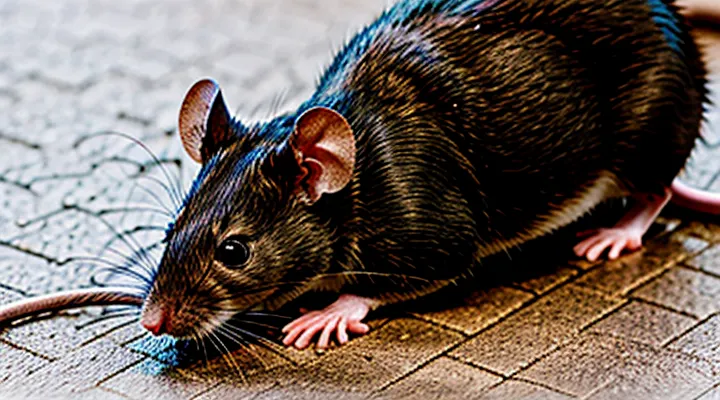
Understanding Rodent Infestations
Identifying the Problem
Signs of Rodents
Rodent activity leaves distinct evidence that signals the presence of mice or rats and indicates the need for targeted control measures. Recognizing these indicators enables timely deployment of the most potent rodent control agents.
Visible evidence includes:
- Gnaw marks on wood, plastic, or wiring, typically at right angles.
- Droppings resembling small grains; fresh specimens appear dark and moist, older ones turn lighter.
- Nests constructed from shredded paper, fabric, or insulation, often hidden in concealed spaces.
- Trails of grease or urine that create a faint, oily sheen on surfaces.
- Damage to stored food, packaging, or grain, characterized by bite holes and torn wrappers.
Auditory cues consist of nocturnal scurrying sounds within walls, attics, or crawl spaces, and occasional squeaking during mating periods. Unusual odors, described as musky or ammonia‑like, may accompany large infestations.
Monitoring these signs allows precise identification of infestation hotspots, facilitating the application of highly effective rodent poisons while minimizing unnecessary exposure to non‑target areas.
Common Rodent Species
Understanding the target species is essential when selecting an optimal rodent control agent. Different rodents exhibit distinct feeding habits, metabolic rates, and susceptibility to toxic compounds, influencing the choice of active ingredient and formulation.
Common rodent species include:
- House mouse (Mus musculus): Small, nocturnal, thrives in indoor environments, rapid reproduction.
- Norway rat (Rattus norvegicus): Large, primarily ground‑dwelling, favors sewers, basements, and outdoor burrows.
- Roof rat (Rattus rattus): Agile climber, prefers elevated structures such as attics and trees, limited to warmer climates.
- Deer mouse (Peromyscus maniculatus): Medium size, often found in rural barns and grain storage, capable of transmitting hantavirus.
- Meadow vole (Microtus pennsylvanicus): Small, herbivorous, inhabits grassy fields and lawns, high population density during spring.
Each species’ physiology determines the required dose and delivery method for effective eradication. Selecting a poison that aligns with the specific characteristics of the target rodent maximizes efficacy while minimizing non‑target exposure.
Risks Associated with Rodents
Rodent infestations generate health, structural, and economic hazards that directly influence the choice of a potent control agent.
Key risks include:
- Transmission of pathogens such as hantavirus, leptospirosis, and salmonella, leading to human and animal illness.
- Contamination of food supplies and surfaces with urine, feces, and saliva, compromising sanitation standards.
- Damage to building components, including insulation, wiring, and plumbing, increasing fire danger and repair costs.
- Loss of stored products, agricultural yields, and commercial inventory, resulting in measurable financial impact.
These dangers necessitate a control solution capable of rapid elimination, minimal secondary toxicity, and reliable delivery in environments where rodents hide and reproduce. Selecting an agent that addresses the outlined risks ensures effective population reduction while protecting occupants and property.
Types of Rodenticides
Anticoagulant Rodenticides
First-Generation Anticoagulants
First‑generation anticoagulants constitute a class of rodenticides that disrupt blood coagulation by blocking the vitamin K cycle. Common active ingredients include «warfarin», «chlorophacinone», «diphenacoum», «diphacinone» and «coumachlor». These compounds are formulated as baits, typically in concentrations of 0.005 %–0.1 % active ingredient, depending on target species and exposure risk.
The toxic action begins after ingestion; inhibition of vitamin K epoxide reductase prevents regeneration of reduced vitamin K, halting synthesis of clotting factors II, VII, IX and X. Accumulation of inactive clotting factors produces internal hemorrhage, leading to death within 3–7 days. Lethal dose (LD₅₀) for rats ranges from 0.5 mg/kg to 2 mg/kg, reflecting high potency at low exposure levels.
Effectiveness is influenced by bait acceptance, feeding behavior and environmental conditions. In controlled settings, mortality rates approach 90 % when baits are presented continuously for several days. Rapid onset of symptoms is not expected; delayed mortality reduces bait shyness and enhances overall control.
Resistance development poses a significant limitation. Populations with genetic mutations in the vitamin K reductase gene exhibit reduced sensitivity, requiring higher bait concentrations or transition to second‑generation anticoagulants. Monitoring for resistance through field assays is essential for maintaining control efficacy.
Safety considerations include low acute toxicity to non‑target mammals at recommended exposure levels, but secondary poisoning remains a concern for predators and scavengers. Label instructions mandate placement of baits in tamper‑resistant stations, avoidance of placement near food sources for domestic animals, and use of personal protective equipment during handling. Regulatory agencies classify many first‑generation compounds as restricted use, enforcing record‑keeping and disposal protocols.
Second-Generation Anticoagulants
Second‑generation anticoagulant rodenticides (SGARs) provide prolonged anticoagulation after a single ingestion, making them superior to first‑generation compounds for controlling Mus and Rattus populations. Their active ingredients—bromadiolone, difenacoum, flocoumafen, and brodifacoum—bind to vitamin K epoxide reductase, interrupting synthesis of clotting factors II, VII, IX, and X. The resulting coagulopathy persists for weeks, allowing lethal effects even when rodents consume sub‑lethal doses.
Key attributes of SGARs include:
- High potency: effective at concentrations as low as 0.005 % w/w in bait.
- Single‑dose lethality: eliminates the need for repeat applications.
- Extended half‑life: biological activity remains for 30 – 90 days, covering breeding cycles.
- Broad species coverage: effective against commensal and field rodents.
Resistance management relies on rotating active ingredients and integrating non‑chemical measures such as exclusion, sanitation, and habitat modification. Monitoring bait consumption and carcass recovery confirms efficacy and detects potential tolerance development.
Safety considerations mandate restricted access to non‑target wildlife and domestic animals. Anticoagulant residues can persist in predator tissues; therefore, placement of bait stations within secure enclosures reduces secondary poisoning risk. Personal protective equipment is required during handling, and disposal follows hazardous waste protocols.
Regulatory frameworks in many jurisdictions classify SGARs as restricted‑use products, mandating licensing for purchase and application. Compliance ensures that the most effective chemical control aligns with environmental protection standards.
Mechanism of Action
Effective rodent control agents rely on precise biochemical disruptions to achieve rapid mortality. The most commonly employed categories function through distinct pathways:
-
Anticoagulant compounds inhibit vitamin K epoxide reductase, preventing regeneration of active vitamin K. This blockage impairs synthesis of clotting factors II, VII, IX, and X, producing uncontrolled internal hemorrhage. Typical agents include second‑generation coumarins such as brodifacoum and difethialone, which exhibit prolonged biological half‑life and high affinity for hepatic receptors.
-
Neurotoxic agents such as bromethalin obstruct mitochondrial ATP‑producing processes by uncoupling oxidative phosphorylation. Accumulation of cyclic AMP within neurons triggers cerebral edema and seizures, leading to death within hours after ingestion.
-
Metal phosphides, notably zinc phosphide, release phosphine gas upon contact with gastric acid. Phosphine penetrates cellular membranes, inhibiting cytochrome c oxidase in the electron transport chain. The resulting systemic hypoxia collapses aerobic metabolism and precipitates multi‑organ failure.
-
Vitamin D₃ analogues, exemplified by cholecalciferol, elevate serum calcium concentrations by enhancing intestinal absorption and mobilizing skeletal stores. Hypercalcemia induces calcification of soft tissues, renal failure, and cardiac arrhythmias, culminating in fatal organ dysfunction.
Each mechanism exploits a critical physiological process, ensuring lethality at low exposure levels while minimizing the likelihood of resistance development. Effective deployment requires adherence to dosage guidelines and consideration of secondary poisoning risks, particularly for non‑target wildlife.
Non-Anticoagulant Rodenticides
Cholecalciferol
Cholecalciferol, a synthetic analog of vitamin D₃, is widely recognized as a high‑efficacy rodenticide. Its toxicity stems from induced hypercalcemia, which disrupts cardiac function and leads to rapid mortality in mice and rats. The compound interferes with calcium metabolism, resulting in muscle weakness, arrhythmias, and eventual heart failure within 24–72 hours after ingestion.
The active dose for laboratory‑tested rodents ranges from 0.025 mg kg⁻¹ to 0.05 mg kg⁻¹, providing lethal outcomes with minimal bait shyness. Compared with anticoagulant poisons, cholecalciferol exhibits low risk of resistance development because its physiological target differs from the vitamin K cycle. Field observations confirm consistent kill rates exceeding 90 % when baits are deployed at recommended concentrations.
Effective application follows precise guidelines:
- Bait concentration: 0.025 %–0.05 % cholecalciferol by weight.
- Placement: concealed stations near burrow entrances, feeding pathways, and travel corridors.
- Exposure period: maintain bait availability for at least 48 hours to ensure multiple feeding events.
- Non‑target protection: use tamper‑resistant containers, avoid placement near water sources, and limit access for domestic animals and wildlife.
Regulatory agencies classify cholecalciferol as a restricted-use product in many jurisdictions, requiring licensing and adherence to label instructions. Personal protective equipment is mandatory during handling, and contaminated materials must be disposed of according to hazardous waste protocols. Proper use maximizes rodent control while minimizing environmental impact and accidental poisoning of non‑target species.
Bromethalin
Bromethalin is a second‑generation anticoagulant‑free rodenticide that targets the central nervous system. The compound interferes with mitochondrial oxidative phosphorylation, causing a rapid decline in ATP production. Energy depletion leads to cerebral edema, paralysis, and death within 24–48 hours after ingestion.
Key characteristics of bromethalin:
- Broad spectrum activity against mice and rats, including strains resistant to anticoagulant poisons.
- High potency; effective doses range from 0.025 mg/kg to 0.05 mg/kg body weight.
- Slow‑acting nature reduces bait shyness, allowing rodents to consume a lethal amount before symptoms appear.
- Low secondary toxicity; mammals metabolize the compound rapidly, and the toxic metabolite exhibits limited bioaccumulation.
Application guidelines emphasize precise placement of bait stations in concealed, rodent‑frequent areas. Bait formulations typically contain 0.025 % to 0.04 % bromethalin, combined with attractants such as grain or peanut paste. Regular monitoring of bait consumption and rodent activity ensures effective control and minimizes non‑target exposure.
Safety considerations include:
- Restricting access for pets and children by using tamper‑resistant containers.
- Wearing protective gloves when handling bulk formulations.
- Disposing of unused bait according to local hazardous waste regulations.
Environmental impact remains minimal because bromethalin degrades rapidly in soil and water, with a half‑life of less than 30 days under aerobic conditions. Regulatory agencies in many regions classify bromethalin as a restricted use product, requiring certification for applicators.
Overall, bromethalin provides a reliable solution for controlling rodent populations where traditional anticoagulants fail, offering rapid lethality, low secondary risk, and compliance with strict safety standards.
Zinc Phosphide
Zinc phosphide is a highly potent rodent control agent employed primarily for managing mouse and rat populations in agricultural, industrial, and residential settings. When ingested, the compound reacts with gastric acid to release phosphine gas, a rapid‑acting systemic toxin that disrupts cellular respiration and leads to swift mortality.
Key characteristics include:
- Chemical composition: Zn₃P₂, a gray crystalline solid with low solubility in water, enhancing stability in bait formulations.
- Mode of action: Phosphine gas penetrates the bloodstream, inhibiting cytochrome oxidase enzymes, which halts oxidative phosphorylation and causes cellular hypoxia.
- Application methods: Bait blocks, granular formulations, and coated pellets allow flexible deployment; bait stations minimize non‑target exposure.
- Target specificity: Effective against a broad range of rodent species, including Mus musculus and Rattus norvegicus, with minimal impact on insects and other mammals when used according to label instructions.
- Safety considerations: Personal protective equipment (gloves, respirators) is mandatory during handling; accidental ingestion by humans or pets requires immediate medical attention due to phosphine toxicity.
- Regulatory status: Approved by many national pest‑control agencies under strict usage guidelines; some jurisdictions impose licensing requirements for purchase and application.
Optimal utilization demands accurate placement of baits in active foraging zones, regular monitoring of bait consumption, and adherence to re‑application intervals specified by manufacturers. Integration with sanitation measures and habitat modification enhances overall efficacy and reduces the likelihood of resistance development.
Mechanism of Action
Rodent control agents that achieve high mortality rates act through distinct biochemical pathways. Anticoagulant compounds inhibit the enzyme vitamin K epoxide reductase, preventing regeneration of active vitamin K. This blockage stops the γ‑carboxylation of clotting factors II, VII, IX and X, leading to progressive hemorrhage and death.
Bromethalin, a neurotoxic rodenticide, uncouples oxidative phosphorylation within mitochondria. The resulting rise in intracellular cyclic‑AMP disrupts ion homeostasis, causing cerebral edema and rapid neuro‑failure.
Cholecalciferol–based poisons increase intestinal calcium absorption and promote bone resorption. Elevated serum calcium induces cardiac arrhythmia, renal failure and vascular calcification, culminating in fatal organ dysfunction.
Zinc phosphide releases phosphine gas upon contact with gastric acid. Phosphine inhibits cytochrome c oxidase in the electron‑transport chain, halting ATP production and causing irreversible cellular respiration failure.
These mechanisms share the principle of targeting essential physiological processes—coagulation, mitochondrial energy generation, calcium regulation or oxidative metabolism—to ensure lethal outcomes in rodents.
Factors for Choosing an Effective Rodenticide
Safety Considerations
Pets and Children
Effective rodent control in environments with pets and children demands products that combine high efficacy with stringent safety features. Toxicity profiles must prioritize low risk to mammals other than rodents, while maintaining lethal potency for target species. Formulations that rely on anticoagulant mechanisms should be calibrated to deliver minimal dose per bait, reducing accidental ingestion hazards.
Critical safety attributes include:
- Child‑resistant, tamper‑proof packaging that meets regulatory standards.
- Bait stations constructed of durable material, preventing easy access by non‑target animals.
- Clear labeling with hazard symbols and dosage instructions visible in French quotes «Danger: toxic if swallowed».
Placement guidelines minimize exposure:
- Install bait stations in concealed locations such as wall voids, attic corners, or behind appliances, out of sight from children and pets.
- Maintain a distance of at least 3 feet from feeding areas, water dishes, and litter boxes.
- Conduct regular inspections to verify integrity of stations and replace depleted units promptly.
Alternative strategies complement chemical control:
- Seal entry points using steel mesh or caulking to prevent infestation.
- Deploy mechanical traps in isolated zones, ensuring they are positioned beyond reach of household members.
- Implement sanitation practices that eliminate food sources, reducing attraction for rodents.
Selecting a rodenticide that adheres to these criteria ensures effective eradication while safeguarding vulnerable occupants. Continuous monitoring and adherence to manufacturer recommendations sustain long‑term protection without compromising household safety.
Non-Target Wildlife
Non‑target wildlife includes birds, mammals, reptiles and amphibians that may encounter rodent control agents while foraging, nesting or drinking. Secondary poisoning occurs when predators consume poisoned rodents, while primary poisoning results from direct ingestion of bait or contaminated feed.
Exposure pathways comprise:
- Bait placed on the ground or in low‑lying stations, accessible to ground‑dwelling species;
- Residues on vegetation or water sources following bait spillage;
- Carcasses of poisoned rodents left in the environment, attracting scavengers.
Toxicity of highly potent rodent control agents varies with species metabolism, body weight and feeding habits. Anticoagulant compounds produce delayed mortality, increasing the chance of secondary ingestion. Acute neurotoxic formulations cause rapid death, reducing secondary risk but heightening immediate danger to curious wildlife.
Mitigation measures:
- Deploy bait stations equipped with selective entry mechanisms that exclude animals larger than the target rodent.
- Locate stations away from known wildlife corridors, nesting sites and water bodies.
- Use bait formulations with low secondary‑toxicity profiles, such as first‑generation anticoagulants with rapid clearance.
- Implement regular monitoring of bait integrity and immediate removal of spillage.
- Conduct periodic wildlife surveys to detect unintended mortality and adjust control practices accordingly.
Adhering to these practices limits adverse effects on non‑target species while maintaining effective rodent management.
Environmental Impact
Rodent control agents classified as highly lethal anticoagulants exhibit prolonged environmental persistence. Chemical residues remain active in soil for months, increasing the likelihood of uptake by plants and subsequent exposure of herbivores. Water runoff from treated areas transports contaminants to aquatic ecosystems, where they affect invertebrate populations and disrupt trophic dynamics.
Secondary poisoning constitutes a primary risk for predatory wildlife. Scavengers and raptors ingest contaminated prey, accumulating toxic compounds in their tissues. Bioaccumulation amplifies toxicity across successive predator levels, potentially leading to population declines in protected species.
Non‑target mammals, including domestic pets, suffer acute toxicity when accessing bait stations or contaminated food sources. Mitigation measures such as tamper‑resistant containers and restricted placement reduce accidental exposure but do not eliminate the underlying hazard.
Key environmental concerns associated with the most potent rodenticides:
- Soil and groundwater contamination
- Persistence of active ingredients beyond intended application period
- Secondary poisoning of birds of prey and carnivorous mammals
- Bioaccumulation in food webs resulting in sublethal effects
- Development of resistance in rodent populations, prompting higher dosage usage and greater ecological burden.
Efficacy and Bait Acceptance
Bait Formulations
Effective rodent bait formulations combine a potent active ingredient with a palatable matrix that encourages consumption by mice and rats while minimizing avoidance. Selection of the active ingredient depends on target species, resistance patterns, and regulatory status. Commonly employed toxins include anticoagulants such as bromadiolone and difenacoum, as well as acute agents like zinc phosphide and brodifacoum. Each class presents distinct mode of action, latency period, and secondary toxicity profile.
Key components of a successful bait include:
- Active ingredient concentration – calibrated to deliver a lethal dose within the expected feeding range of the target rodent.
- Attractants – protein, grain, or fruit flavors tailored to species‑specific preferences; inclusion of olfactory enhancers improves initial uptake.
- Carrier substrate – wax, gelatin, or polymer granules that maintain structural integrity and protect the toxin from environmental degradation.
- Denatonium benzoate – bittering agent added in low amounts to deter non‑target mammals without affecting rodent acceptance.
- Moisture‑resistant coating – prolongs efficacy in humid conditions and reduces spoilage.
Formulation strategies address resistance by rotating active ingredients or employing combination baits that incorporate two toxins with different mechanisms. For example, a dual‑action bait may blend a first‑generation anticoagulant with a secondary agent such as cholecalciferol, thereby overcoming established tolerance.
Safety considerations mandate precise dosing, secure packaging, and clear labeling to prevent accidental ingestion by pets or children. Environmental impact is reduced when baits are placed in tamper‑proof stations that restrict access to non‑target species.
Research indicates that bait palatability correlates strongly with consumption rates; field trials consistently report higher control success when formulations include natural attractants derived from the rodents’ preferred diet. Continuous monitoring of bait performance and resistance trends informs adjustments to formulation composition, ensuring sustained efficacy in rodent management programs.
Palatability
Palatability determines the likelihood that rodents will consume a bait before an alternative food source satisfies their hunger. High acceptance rates increase the probability of lethal dose ingestion, directly influencing overall control success.
Key elements that shape bait attractiveness include:
- Food‑based matrices that mimic natural foraging items.
- Flavor enhancers such as cheese, grain, or peanut extracts.
- Odor additives that stimulate olfactory cues specific to target species.
- Bitter‑taste masking agents that neutralize the inherent aversion to active chemicals.
Testing protocols measure consumption under competitive conditions, often using choice chambers where bait and untreated food are presented simultaneously. Results guide formulation adjustments, ensuring that the final product meets the acceptance threshold required for effective population reduction.
Formulations that balance rapid uptake with sufficient toxin concentration achieve optimal performance. Excessive flavoring may dilute active ingredient levels, while insufficient masking can trigger avoidance behaviors. Precise calibration of these variables produces a bait that is both appealing and lethal, fulfilling the primary objective of rodent control.
Resistance Issues
Resistance to rodenticides presents a major obstacle to achieving reliable control of mice and rats. Genetic mutations in the vitamin K epoxide reductase complex (VKORC1) diminish the efficacy of anticoagulant compounds, leading to reduced mortality even at label‑recommended concentrations. Metabolic resistance, characterized by elevated hepatic enzymes such as cytochrome P450, accelerates detoxification of active ingredients, allowing rodents to survive exposure that would otherwise be lethal.
Behavioral adaptation compounds chemical resistance. Bait shyness develops when sub‑lethal doses condition individuals to avoid contaminated food, while neophobia drives populations to reject novel bait formulations. These learned behaviors spread rapidly through social interactions, decreasing overall uptake of control agents.
Environmental variables influence resistance dynamics. High organic matter in bait stations adsorbs active substances, lowering bioavailability. Seasonal fluctuations in food abundance alter foraging patterns, affecting the likelihood of bait consumption and the selection pressure for resistant genotypes.
Effective management of resistance requires an integrated approach:
- Rotate active ingredients with distinct modes of action to prevent selection of cross‑resistant strains.
- Incorporate non‑chemical tactics such as trapping, habitat modification, and exclusion to reduce reliance on toxicants.
- Monitor populations regularly through susceptibility testing, adjusting dosage and formulation based on observed trends.
- Employ bait stations that limit access to target species while minimizing exposure of non‑target wildlife, thereby reducing unintended selective pressure.
Addressing resistance proactively sustains the performance of high‑efficacy rodent control solutions and prevents the escalation of control costs associated with treatment failures.
Application Methods
Bait Stations
Bait stations provide a secure enclosure for rodent toxicants, preventing accidental exposure to non‑target animals and children. The sealed design isolates the poison, allowing only mice and rats to enter through calibrated entry holes. This confinement reduces secondary poisoning risk and complies with most regulatory standards for indoor and outdoor use.
Key characteristics of effective bait stations include:
- Durable construction resistant to weathering and chewing;
- Tamper‑resistant latch that requires a specific tool to open;
- Internal compartments sized for multiple bait formulations;
- Clear labeling with hazard symbols and usage instructions.
Placement strategy influences control success. Position stations along established rodent pathways, such as wall voids, under appliances, and near food sources. Install units at a height of 6–12 inches above the floor to match the typical travel level of mice and rats. Maintain a spacing of 15–20 ft in high‑activity zones to ensure continuous coverage.
Maintenance procedures consist of regular inspection, replacement of depleted bait, and thorough cleaning after removal of a station. Record dates of service to track efficacy and adjust density of stations as the infestation level changes. Proper rotation of toxicant types mitigates resistance development and sustains long‑term population suppression.
Overall, bait stations constitute a critical component of an integrated rodent management program, delivering targeted delivery of potent rodenticides while safeguarding humans, pets, and wildlife. «Bait stations» thus enhance the reliability and safety of any high‑efficacy rodent poison application.
Placement Strategies
Effective rodent control relies on precise bait placement. Positioning determines detection by mice and rats, influences consumption rates, and limits exposure to non‑target species.
Key considerations include:
- Locate stations along established runways, typically within 10–30 cm of walls where rodents travel.
- Place bait near entry points such as foundation cracks, utility openings, and door thresholds to intercept incoming individuals.
- Deploy in concealed, tamper‑resistant containers to prevent accidental handling and to protect the poison from weather.
- Distribute indoor stations in pantry corners, under appliances, and behind furniture where food residues accumulate.
- Position outdoor stations close to burrow entrances, near trash receptacles, and along fence lines, ensuring shelter from direct rain.
- Adjust density according to infestation severity; high‑activity zones may require one station per 3 m², while low‑traffic areas can be spaced at 6–9 m² intervals.
Timing enhances effectiveness. Deploy bait before peak breeding periods to target juveniles, and replace stations regularly to maintain potency. Monitor stations for consumption and relocate any that show minimal activity.
By integrating these placement tactics, the delivery of potent rodent bait becomes systematic, maximizing lethal impact while minimizing collateral risk.
Dosage and Frequency
Effective rodent control agents require precise dosage calculations to achieve lethal results while minimizing waste and environmental impact. Dosage is expressed in milligrams of active ingredient per kilogram of target weight. For a typical adult rat weighing 300 g, a single dose of 50 mg of anticoagulant concentrate provides a reliable lethal outcome. Mice, averaging 20 g, respond to a single dose of 5 mg. Formulations with higher potency, such as bromadiolone‑based baits, allow reduction of dosage to 30 mg per kilogram of rat weight and 3 mg per kilogram of mouse weight.
Frequency of application depends on bait palatability, environmental conditions, and target species behavior. Standard practice includes:
- Initial placement of bait stations with sufficient quantity to provide at least one dose per individual within a 24‑hour period.
- Re‑evaluation after 48 hours; if live captures persist, replenish stations to maintain continuous availability.
- Full replacement of bait every 7 days in outdoor settings to counter degradation from moisture and UV exposure.
- In indoor infestations, a single 72‑hour exposure generally suffices; additional placement is unnecessary unless monitoring indicates ongoing activity.
Monitoring should involve visual inspection of bait consumption and verification of mortality within the expected 2‑ to 4‑day window for anticoagulant agents. Adjustments to dosage or frequency are warranted only after documented ineffectiveness, not preemptively. This protocol ensures maximal efficacy while adhering to safety standards for non‑target species.
Best Practices for Rodent Control
Integrated Pest Management (IPM)
Sanitation and Exclusion
Effective rodent control relies on eliminating access to sustenance and shelter. Sanitation removes attractants, while exclusion prevents entry into buildings.
Key sanitation practices include:
- Prompt removal of spilled grain, pet food, and kitchen waste;
- Secure storage of dry goods in sealed containers;
- Regular disposal of garbage in tightly closed bins;
- Cleaning of floors, countertops, and equipment to eliminate crumbs and residues.
Exclusion measures focus on sealing potential ingress points:
- Inspection of walls, foundations, and roofs for gaps larger than a quarter inch;
- Installation of metal flashing and cement-based sealants around utility penetrations;
- Fitting door sweeps and weather stripping on all exterior doors;
- Repair of damaged screens, vents, and crawl‑space openings.
Combined implementation of these strategies reduces rodent population pressure, enhancing the efficacy of any chemical control method employed. «Integrated environmental management» thus forms the foundation for sustained pest suppression.
Trapping
Trapping constitutes a core element of integrated rodent control, complementing chemical agents that target mice and rats. Effective capture reduces population density, limits breeding opportunities, and prevents secondary poisoning of non‑target species.
Common trap categories include:
- Snap traps – mechanical devices delivering instantaneous lethal force.
- Live‑capture traps – cages allowing relocation after capture.
- Electronic traps – voltage‑based systems causing rapid death.
- Glue boards – adhesive surfaces that immobilize rodents for subsequent disposal.
Optimal placement follows rodent movement patterns: align traps along walls, near entry points, and adjacent to food sources. Specific positioning guidelines:
- Install traps perpendicular to the wall, with the trigger side facing the anticipated travel route.
- Space devices 1–2 m apart in high‑activity zones.
- Position bait at the far end of the trap to ensure full entry.
Bait selection influences capture rates. Preferred attractants consist of high‑protein foods such as peanut butter, dried fruit, or commercial rodent lures. Avoid using toxic baits in conjunction with traps to prevent interference with the mechanical action.
Routine maintenance ensures continued efficacy. Inspect traps daily, remove captured rodents promptly, and reset devices with fresh bait. Clean surfaces regularly to eliminate scent trails that may deter further activity. Proper disposal of carcasses follows local regulations, minimizing disease transmission and environmental impact.
Monitoring
Effective rodent control relies on systematic monitoring of bait performance and pest activity. Continuous observation identifies declines in bait acceptance, indicating possible resistance development or formulation degradation. Data collection should include bait consumption rates, mortality counts, and spatial distribution of captured rodents.
Key indicators for a monitoring program:
- Quantity of bait removed per unit time
- Number of deceased rodents verified within the treatment zone
- Species composition of captured pests
- Presence of non‑target wildlife interaction
- Environmental residue levels in soil and water
Regular analysis of these metrics enables timely adjustment of product concentration, placement strategy, or rotation to alternative active ingredients. Monitoring intervals of 24‑48 hours during initial deployment, followed by weekly checks, provide sufficient resolution to detect trends without excessive labor.
Documentation of observations supports regulatory compliance and facilitates reporting to pest‑management authorities. Structured records, including dates, locations, and quantitative results, create a traceable history that validates the efficacy of the chosen rodent control solution.
Integration of remote sensing tools, such as motion‑activated cameras or electronic bait stations, enhances data accuracy. Automated alerts triggered by abnormal consumption patterns reduce response time and maintain high control standards.
Safe Handling and Storage
Personal Protective Equipment
Effective rodent control agents pose significant health hazards; appropriate personal protective equipment (PPE) mitigates exposure risks. Mandatory PPE components include:
- Chemical‑resistant gloves, nitrile or neoprene, ensuring barrier integrity against toxic formulations.
- Full‑face respirator equipped with organic vapor cartridges to prevent inhalation of volatile compounds.
- Impermeable coveralls or disposable suits, fastened with sealed cuffs and zipper closures.
- Safety goggles or face shield providing splash protection for ocular tissues.
- Chemical‑resistant boots with steel toe and ankle support, preventing dermal contact through footwear.
Prior to application, inspect each item for tears, punctures, or compromised seals. Replace damaged equipment immediately. Don PPE in the prescribed sequence: footwear, coveralls, gloves, respirator, eye protection. Secure all closures before entering the treatment zone.
Decontamination procedures require removal of outer layers, followed by thorough washing of reusable items with approved detergents. Dispose of single‑use PPE in sealed, labeled containers, adhering to hazardous waste regulations.
Compliance with occupational safety standards, such as OSHA 29 CFR 1910.1200, mandates documentation of PPE usage, training records, and incident reports. Regular audits confirm adherence and identify gaps in protection protocols.
Storage Requirements
Effective rodent control agents demand strict storage protocols to preserve potency and prevent accidental exposure.
Temperature stability is essential; products should be kept between 15 °C and 30 °C. Exposure to temperatures above 35 °C accelerates degradation of active ingredients, while prolonged cold can cause crystallisation.
Humidity control prevents moisture ingress, which can diminish efficacy and promote clumping. Storage areas must maintain relative humidity below 60 % and provide airtight sealing.
Container specifications include:
- Rigid, non‑reactive material (metal or high‑density polyethylene).
- Child‑resistant latch compliant with safety regulations.
- Tamper‑evident seal to detect unauthorized access.
Labeling must remain legible throughout the product’s lifespan. Labels should display concentration, hazard symbols, and expiration date in a durable, water‑resistant format. Segregation from food, feed, and cleaning agents eliminates cross‑contamination risks.
Shelf life is limited by chemical stability; most formulations retain full activity for 24 months when stored under recommended conditions. Periodic inspection for discoloration, odor change, or seal breach is mandatory. Replace any compromised units immediately.
Adherence to these storage requirements ensures sustained rodent control performance while safeguarding humans and non‑target species.
Disposal Guidelines
When handling the remnants of a high‑potency rodent control product, strict adherence to disposal protocols protects human health, non‑target wildlife, and the environment. Residual bait, empty containers, and contaminated materials must be treated as hazardous waste.
• Place used containers in a sealed, puncture‑resistant bag before transport to a licensed hazardous‑waste facility.
• Mix any leftover poison with an absorbent material such as cat litter, sand, or sawdust; seal the mixture in a sturdy, labeled container.
• Reject disposal in regular trash or recycling streams; these streams lack the containment required for toxic substances.
• Submit documentation of the waste transfer to the appropriate regulatory agency, confirming compliance with local and federal regulations.
• Maintain a log of disposal dates, quantities, and disposal locations for audit purposes.
If accidental spillage occurs, contain the area with absorbent pads, evacuate non‑essential personnel, and contact a certified emergency response team. Decontaminate surfaces using a detergent solution followed by a thorough rinse with water. After cleanup, verify that no residue remains before re‑entering the space.
Regular training of personnel on these procedures reduces the risk of inadvertent exposure and ensures that all waste is managed in accordance with statutory requirements.
Legal and Regulatory Aspects
Local Regulations
Local authorities define permissible rodent control agents through registration, labeling, usage limits, and disposal requirements. Compliance ensures public health protection, environmental safety, and legal liability avoidance.
Key regulatory elements include:
- Registration with the state pest‑control board or equivalent agency.
- Mandatory label information covering active ingredient concentration, target species, and safety warnings.
- Restricted application zones such as schools, food‑handling facilities, and residential areas with children or pets.
- Specified dosage limits per square meter or per bait station.
- Approved disposal methods for unused product and contaminated containers.
To meet local statutes, follow these steps:
- Verify the product’s registration status on the agency’s online database.
- Obtain any required permits before deployment in regulated zones.
- Apply the poison strictly according to label directions, observing distance and quantity restrictions.
- Maintain a log of application dates, locations, and quantities used, as mandated by most jurisdictions.
- Dispose of residual material in accordance with the cited waste‑management guidelines.
Violations may trigger fines, product seizure, and criminal charges. Enforcement agencies regularly audit baiting operations and can suspend licensing for non‑compliant entities.
Product Labeling
Product labeling for a leading rodent control solution must convey critical safety and usage information with absolute clarity. Labels serve as the primary communication channel between manufacturers, regulators, and end‑users, ensuring that hazardous substances are handled correctly and that accidental exposure is minimized.
Key regulatory elements required on every container include:
- Active ingredient name and concentration
- Hazard classification and signal word (e.g., «Danger»)
- Pictograms illustrating toxicity, ingestion risk, and environmental hazards
- Detailed directions for application, dosage, and target species
- Storage conditions, including temperature limits and incompatibility warnings
- First‑aid measures for accidental contact or ingestion
- Expiration date, batch number, and manufacturer contact information
Best‑practice design principles enhance label effectiveness:
- High‑contrast colors and legible fonts to improve readability under low‑light conditions
- Bold headings for each section, separated by clear visual markers
- Inclusion of child‑resistant packaging warnings and tamper‑evident seals
- Use of universal symbols alongside text to aid non‑English speakers
- Placement of the most hazardous warnings at eye level on the container
Compliance with these labeling standards reduces misuse, supports regulatory approval, and protects both users and the environment.
Professional Pest Control
Professional pest control services employ a systematic approach to eliminating rodent infestations. The process begins with a thorough inspection to identify entry points, harborages, and population density. Accurate assessment informs the selection of a rodent toxin that combines rapid action with low secondary‑poisoning risk.
Key criteria for choosing an effective rodent bait include:
- Active ingredient potency against both mice and rats
- Formulation stability under varying environmental conditions
- Compliance with local regulatory standards for hazardous substances
- Palatability that ensures prompt consumption by target species
Application techniques prioritize safety and efficacy. Bait stations are positioned in concealed, tamper‑resistant containers to protect non‑target animals and humans. Placement follows a grid pattern, typically 10–15 meters apart, with additional stations near identified runways and nesting sites. Dosage calculations adhere to manufacturer guidelines, ensuring lethal dose delivery while minimizing waste.
Monitoring and documentation constitute an essential component of the service. Pest control operators record bait consumption, capture rates, and environmental observations. Data analysis guides adjustments to bait type, density, or placement, facilitating rapid reduction of the rodent population.
Regulatory compliance mandates proper labeling, storage, and disposal of unused poison. Professionals maintain certification and undergo regular training to stay current with evolving legislation and best‑practice protocols.
The integrated methodology—inspection, targeted toxin selection, controlled deployment, and ongoing surveillance—delivers a reliable solution for controlling mouse and rat problems in residential, commercial, and industrial settings.