
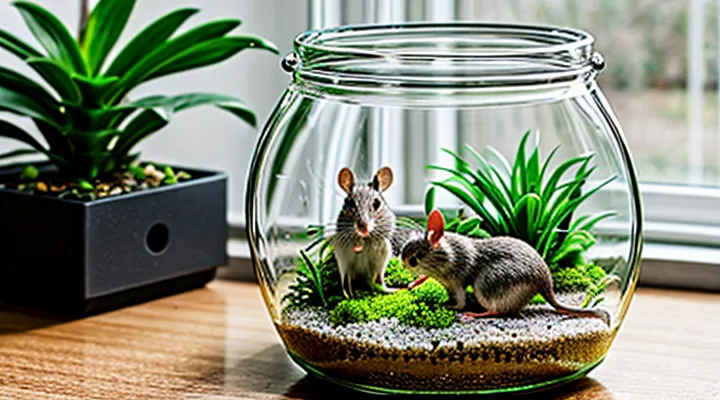
Why a Terrarium for Mice?
Advantages of Terrariums over Cages
Terrariums create a more natural microenvironment for mice than conventional cages, supporting physiological and behavioral health.
- Enclosed glass or acrylic walls retain humidity, allowing stable moisture levels essential for skin and respiratory health.
- Transparent surfaces provide unobstructed observation, facilitating health checks without disturbing the animal.
- Three‑dimensional space encourages climbing, tunneling, and nesting, which reduces stress and promotes natural activity patterns.
- Adjustable lighting and temperature zones enable precise climate control, matching species‑specific requirements.
- Integrated substrate trays simplify cleaning; sealed designs prevent escape and contain waste, reducing labor and contamination risk.
- Compact footprint maximizes usable area within limited housing facilities, improving space efficiency.
By replicating elements of a mouse’s native habitat, terrariums enhance welfare, streamline husbandry, and improve data reliability for research or pet care.
Potential Disadvantages to Consider
A terrarium can serve as a compact enclosure for laboratory or pet mice, yet several drawbacks merit attention before adoption.
- Limited ventilation may raise humidity, fostering respiratory irritation and fungal growth.
- Glass or acrylic walls restrict airflow compared to wire cages, potentially increasing heat retention during warm periods.
- Cleaning frequency rises because surface stains and urine accumulate on smooth interiors, demanding thorough disinfection to prevent pathogen spread.
- Space constraints limit vertical enrichment; climbing structures must be secured, otherwise they risk breaking the enclosure.
- Escape risk escalates if seams or lids are not sealed with appropriate latches, as mice can gnaw through weak points in plastic.
- Cost per unit exceeds that of conventional wire cages, especially when factoring replacement of cracked panels or broken hinges.
- Observation of behavior may be hindered by reflective surfaces, which can obscure subtle movements and impede accurate health assessments.
These considerations should influence the decision to employ a terrarium for mouse housing, ensuring that the environment aligns with health standards and operational requirements.
Choosing the Right Terrarium
Size Requirements
Minimum Dimensions for One Mouse
A terrarium designed for a single mouse must provide enough floor area to support natural locomotion, nesting, and enrichment activities. The minimum usable floor space is 300 cm² (approximately 46 in²). This size allows the mouse to move freely, explore, and perform typical behaviors without restriction.
Key dimensional specifications:
- Floor area: at least 300 cm² (e.g., 20 cm × 15 cm or 8 in × 6 in).
- Height: minimum 15 cm (6 in) to accommodate nesting material and climbing structures.
- Overall enclosure volume: not less than 2 L (0.07 ft³), ensuring adequate air exchange and space for accessories.
These measurements satisfy welfare standards for solitary mouse housing, prevent stress, and promote normal activity patterns. Adjustments upward are advisable when additional enrichment items, such as tunnels or wheels, are included.
Dimensions for Multiple Mice
When more than one mouse is housed together, the enclosure must supply sufficient floor area, volume, and vertical space to prevent overcrowding and to support natural activity.
A single adult mouse requires at least 0.5 square feet (≈0.05 m²) of unobstructed floor space, a minimum internal height of 6 inches (15 cm) to allow upright posture, and a total volume of roughly 1 cubic foot (≈28 L). These figures form the baseline for any group size.
To calculate the size for a group, multiply the baseline floor area by the number of individuals and add a safety margin of 20 % to accommodate movement and enrichment items. For example:
- 2 mice: ≥ 1.2 sq ft (≈0.11 m²) floor, ≥ 12 inches (30 cm) height, ≥ 2.4 cu ft (≈68 L) volume.
- 4 mice: ≥ 2.4 sq ft (≈0.22 m²) floor, ≥ 12 inches (30 cm) height, ≥ 4.8 cu ft (≈136 L) volume.
- 6 mice: ≥ 3.6 sq ft (≈0.33 m²) floor, ≥ 12 inches (30 cm) height, ≥ 7.2 cu ft (≈204 L) volume.
Enrichment structures—tunnels, climbing platforms, and nesting material—must be positioned so that usable floor space remains above the minimum requirement. Ventilation openings should occupy no more than 10 % of the total surface area to maintain air exchange without compromising space.
Adhering to these dimensional standards ensures that multiple mice can coexist healthily while exhibiting normal exploratory and social behaviors.
Material and Construction
Glass Terrariums
Glass terrariums provide a clear view of the enclosure, allowing continuous monitoring of a mouse’s health and behavior. The transparent walls facilitate rapid detection of spills, waste buildup, or injury, reducing the need for frequent opening of the habitat.
When selecting a glass terrarium for rodents, consider the following specifications:
- Minimum floor area of 30 × 30 cm per adult mouse; larger groups require proportionally more space.
- Height of at least 20 cm to accommodate climbing structures and bedding depth.
- Double‑pane or tempered glass to resist breakage from gnawing.
- Integrated ventilation slots or mesh panels that maintain airflow while preventing escape.
Proper ventilation prevents humidity excess, which can lead to mold growth and respiratory issues. Install adjustable vents near the top of the enclosure; a flow rate of 5–10 L min⁻¹ per square meter of floor space is sufficient for a standard mouse colony.
Cleaning procedures are streamlined in glass units. Remove all accessories, rinse the interior with warm water, and apply a mild, non‑toxic disinfectant. Rinse thoroughly to eliminate residue before re‑adding bedding and enrichment items. The smooth surface of glass reduces bacterial colonization compared to porous materials.
Safety enhancements include:
- Secure locking mechanisms on doors and lids to eliminate accidental openings.
- Corner protectors or silicone sealants to reinforce vulnerable edges.
- Heat‑resistant glass if supplemental warming devices are employed, preventing cracks from temperature fluctuations.
Finally, supplement the terrarium with chew‑proof accessories such as metal tunnels, ceramic hideouts, and untreated wood blocks. These items sustain dental health while preserving the integrity of the glass enclosure.
Acrylic Terrariums
Acrylic terrariums provide a clear, durable enclosure for small rodents, offering excellent visibility and resistance to breakage. The material’s lightweight nature simplifies handling and placement, while its smooth interior surface reduces the risk of injuries to the animals.
When selecting an acrylic terrarium for mice, consider the following criteria:
- Minimum floor area of 150 cm² per mouse to prevent overcrowding.
- Height of at least 15 cm to accommodate climbing and nesting structures.
- Integrated ventilation slots or drilled holes that maintain airflow without compromising structural integrity.
- Removable front panel or hinged lid for easy cleaning and observation.
- Non‑toxic sealants and adhesives to avoid chemical exposure.
Proper ventilation prevents humidity buildup and reduces the likelihood of respiratory issues. Position the enclosure away from direct sunlight and drafts to maintain a stable temperature range of 18‑24 °C. Use a substrate of paper bedding or aspen shavings; avoid cedar or pine, which release volatile compounds harmful to rodents.
Cleaning routines should include weekly removal of soiled bedding, spot‑cleaning of food and water dishes, and a monthly full‑tank wash with mild, unscented detergent followed by thorough rinsing. Inspect seals and edges regularly for cracks or stress fractures, replacing damaged panels promptly.
Supplementary accessories—such as a solid hide box, chewable wooden toys, and a climbing platform—enhance enrichment and support natural behaviors. Ensure all items are securely anchored to prevent accidental collapse.
Overall, acrylic terrariums combine visibility, safety, and ease of maintenance, making them a practical choice for housing mice in a controlled environment.
Ventilation Considerations
Proper air exchange is essential for the health of rodents housed in enclosed habitats. Stagnant air promotes the buildup of ammonia from urine, carbon dioxide, and humidity, which can irritate respiratory passages and increase susceptibility to infection.
Effective ventilation must achieve a minimum of 0.5 air changes per hour, measured at the cage’s center. This rate ensures dilution of harmful gases while maintaining a stable temperature. Monitor levels of ammonia with a handheld detector; readings above 25 ppm indicate inadequate airflow.
Practical measures include:
- Installing a passive vent on the top panel, sized to provide the required exchange rate without creating drafts.
- Adding a small, low‑speed fan to circulate air, positioned to avoid direct wind on the mice.
- Using breathable substrate and bedding that do not retain moisture, reducing humidity spikes.
- Sealing all seams except the designated vent, preventing uncontrolled leaks that could disrupt temperature control.
Regular inspection of vent openings for blockage by bedding or debris is mandatory. Clean vents weekly with a mild, non‑toxic solution and verify that airflow remains unobstructed. Adjust fan speed seasonally to compensate for changes in ambient temperature while preserving the target air change rate.
Lid and Security
Mesh Lids
Mesh lids are a critical component of any mouse enclosure, providing ventilation while preventing escape. Choose a lid made from stainless‑steel or high‑grade polymer mesh with openings no larger than 3 mm to deter even the smallest rodents. The material must resist corrosion and withstand regular cleaning with mild disinfectants.
Secure attachment prevents gaps. Use a latch system that locks the lid firmly to the terrarium frame, and verify that the mesh sits flush against the opening. Reinforce the perimeter with a thin rubber gasket to eliminate potential escape routes caused by wear.
Maintain hygiene by cleaning the mesh weekly. Remove the lid, rinse with warm water, scrub with a brush, and soak in a diluted bleach solution (1 % concentration) for five minutes before rinsing thoroughly. Inspect for rust, tears, or deformed wires during each cleaning cycle; replace the lid immediately if any damage is detected.
Key considerations for mesh lids:
- Ventilation rate: Ensure at least 15 % of the enclosure surface area is open mesh to sustain adequate airflow and temperature regulation.
- Durability: Select mesh with a tensile strength of at least 250 MPa to endure repeated handling.
- Safety: Verify that the mesh is free of sharp edges; smooth any protruding wire ends with a file.
- Compatibility: Match lid dimensions precisely to the terrarium opening; custom‑cut options are advisable for non‑standard sizes.
- Replacement interval: Plan for a full lid replacement every 12–18 months, or sooner if signs of wear appear.
Implementing these specifications guarantees reliable containment, optimal air exchange, and straightforward maintenance for mice housed in a terrarium environment.
Secure Latches
Secure latches are the primary barrier preventing escape and protecting mouse health within a terrarium. They must lock firmly without requiring excessive force, ensuring the enclosure remains sealed while allowing routine access for cleaning and feeding.
Key attributes of effective latches include:
- Positive locking mechanism – a latch that clicks into place and stays engaged under pressure.
- Corrosion‑resistant material – stainless steel or coated aluminum prevents rust that could compromise integrity.
- Tamper‑proof design – hidden screws or recessed bolts deter mice from manipulating the closure.
- Ease of operation – one‑hand actuation reduces stress on the handler and speeds maintenance tasks.
Installation guidelines:
- Align the latch with a reinforced frame segment; avoid attaching to thin plastic that may warp.
- Use self‑tapping screws of appropriate length; over‑tightening can strip the hole and weaken the hold.
- Verify that the latch engages fully across the entire opening; any gap larger than 2 mm poses an escape risk.
- Test the lock repeatedly after each cleaning cycle to confirm consistent performance.
Maintenance practices:
- Inspect the latch weekly for wear, loose screws, or deformation.
- Clean contact surfaces with a mild, non‑toxic disinfectant; residue can hinder the locking action.
- Replace any component showing signs of fatigue; a single compromised latch endangers the entire enclosure.
Selecting the right latch model aligns with the overall safety strategy for mouse housing, ensuring that the terrarium remains a secure, controlled environment throughout its use.
Terrarium Setup Essentials
Substrate Selection
Safe Substrate Options
Choosing a substrate that protects mouse health and maintains a clean environment is essential for any small‑rodent enclosure. The material must be non‑toxic, absorbent, dust‑free, and easy to replace.
- Paper‑based bedding – compressed or shredded, it offers high absorbency, low dust, and quick disposal. Suitable for short‑term and long‑term use.
- Aspen shavings – untreated hardwood chips that lack aromatic oils found in pine or cedar. Provides good ventilation and moderate absorbency.
- Coconut fiber (coir) – natural, biodegradable, and low in allergens. Retains moisture without becoming soggy; requires regular monitoring to prevent mold.
- Hemp bedding – soft, highly absorbent, and low in dust. Biodegradable and safe for rodents when sourced without added fragrances.
- Recycled cellulose pellets – compact, low dust, and expand when wetted. Useful for controlling odors; replace when saturated.
Avoid substrates that contain aromatic oils, such as pine or cedar, because they can irritate the respiratory system. Do not use sand, soil, or mulch intended for gardening, as they may harbor parasites or chemicals harmful to mice.
Maintain substrate depth at 1–2 inches to allow digging behavior while preventing excessive buildup. Replace the entire layer when it becomes soiled, clumped, or emits strong odors. Regular spot cleaning with a mild, rodent‑safe disinfectant helps extend the usable life of the bedding.
Substrate Depth
Substrate depth directly influences a mouse’s ability to dig, regulate temperature, and manage waste. Insufficient depth restricts natural burrowing behavior, leading to stress and potential health issues. Excessive depth retains moisture, creates anaerobic zones, and encourages mold growth, which can compromise respiratory health.
For optimal conditions, maintain the following substrate measurements:
- 2–3 cm for lightweight bedding such as paper strips or aspen shavings; suitable for short‑term housing and frequent cleaning.
- 4–5 cm for mixed substrate blends (e.g., coconut fiber with hardwood chips); provides adequate digging space while preserving dry layers.
- 6–8 cm for deep‑digging environments using soil‑based mixes; recommended only when humidity control and regular substrate turnover are ensured.
Replace the top 1 cm of substrate weekly to remove urine and feces, and perform a full substrate change every 4–6 weeks, depending on material absorbency. Monitor humidity levels; ideal range remains between 40 % and 55 % to prevent excessive dampness. Adjust depth accordingly if humidity consistently exceeds this range.
Enrichment and Hiding Spots
Tunnels and Tubes
Tunnels and tubes provide essential vertical and horizontal pathways that enable mice to explore, hide, and exercise natural burrowing behavior within a terrarium. Incorporating a network of these structures reduces stress, encourages activity, and helps maintain muscular health.
Select materials that are non‑toxic, easy to clean, and resistant to gnawing. Acrylic, stainless‑steel, and untreated hardwood are suitable choices; avoid painted or treated wood that may release harmful chemicals.
- Install at least three distinct pathways: one low‑level tunnel for nesting, one mid‑level tube for climbing, and one elevated tunnel for observation.
- Ensure each passage has a diameter of 2–3 cm to accommodate adult mice without restriction.
- Anchor tubes securely to the terrarium walls to prevent collapse during vigorous use.
- Provide openings at both ends of each tunnel to allow free movement and ventilation.
- Replace worn sections promptly to prevent sharp edges and potential injury.
Regularly inspect tunnels for bite marks, cracks, or accumulated waste. Clean removable sections with a mild, unscented detergent and rinse thoroughly before reassembly. Maintaining a clean, well‑structured tunnel system supports the overall welfare of mice housed in a terrarium.
Small Houses and Shelters
Small houses and shelters are essential components of a mouse terrarium, providing refuge, nesting material, and opportunities for natural behavior. Select structures that fit the enclosure dimensions; a 10‑inch cube fits comfortably in a 20‑gallon tank, while a 6‑inch tunnel works well in smaller setups. Materials such as untreated wood, solid acrylic, or natural bark allow chewing without releasing toxins.
Key considerations for choosing shelters:
- Ventilation: Ensure openings are large enough for airflow but small enough to prevent escape.
- Stability: Anchor houses to the substrate or use weighted bases to avoid tipping.
- Cleaning: Opt for smooth interiors that can be removed, disinfected, and reassembled without damage.
- Enrichment: Include multiple levels, tunnels, and hiding spots to encourage exploration and reduce stress.
Placement influences mouse welfare. Position one shelter near the feeding area for quick access to food, another in a quieter corner for rest, and a third elevated on a platform to simulate arboreal hiding places. Rotate shelters periodically to maintain interest and prevent habit formation.
Materials for bedding inside the houses should be safe and absorbent. Paper‑based bedding, shredded untreated cotton, or fine wood shavings provide insulation and comfort. Avoid cedar or pine, which emit aromatic oils harmful to rodents.
Maintenance routine:
- Remove and inspect shelters weekly.
- Clean with a mild, unscented detergent and rinse thoroughly.
- Disinfect using a 1‑part bleach to 9‑part water solution, then air‑dry completely before returning to the enclosure.
- Replace any damaged components immediately to preserve structural integrity.
By integrating well‑designed houses and shelters, the terrarium supports the physiological and psychological needs of mice, promoting health, activity, and natural behaviors.
Chewing Toys
Chewing toys are indispensable for mice kept in a closed enclosure. They satisfy the species’ instinctual gnawing behavior, prevent overgrowth of incisors, and reduce stress by providing a constructive outlet for activity.
Suitable materials include untreated hardwood, natural sisal rope, and compressed cellulose blocks. Each option offers durability and safety when sourced from reputable manufacturers. Avoid toys treated with chemicals, paints, or adhesives, as these can cause oral injuries or toxicity.
When selecting size, ensure the toy fits comfortably within the enclosure without obstructing ventilation or escape routes. A piece no larger than the mouse’s body length permits easy handling and prevents accidental entrapment.
Placement strategy:
- Hang rope toys from the upper cage bar to encourage vertical climbing.
- Secure wooden blocks on the floor to serve as a stable gnawing station.
- Rotate toys weekly to maintain novelty and prevent habituation.
Cleaning procedures involve weekly removal of debris, followed by washing with warm water and mild soap. Rinse thoroughly and air‑dry before returning the toy to the enclosure. Discard any item that shows cracks, splintering, or excessive wear.
Regular observation of the mouse’s interaction with the toys helps identify preferences and detect early signs of dental issues. Prompt replacement of worn items supports ongoing oral health and overall well‑being.
Food and Water Bowls
Ceramic Bowls
Ceramic bowls are a practical choice for mouse enclosures because they resist chewing, are easy to clean, and do not absorb odors. Their weight prevents accidental tipping, which helps maintain a stable feeding and watering area.
- Select bowls with smooth, glazed interiors to avoid bacterial buildup.
- Choose a size that allows a shallow water dish (approximately 30 ml) and a separate food dish (about 50 ml) without crowding the floor space.
- Ensure the rim is low enough for mice to access food and water comfortably, but high enough to discourage spillage.
- Verify that the ceramic material is lead‑free and food‑grade to protect animal health.
- Clean the bowls daily with warm water and mild detergent; sterilize weekly with a dilute bleach solution followed by thorough rinsing.
Using ceramic containers fulfills hygiene standards while providing a durable, non‑toxic surface for daily maintenance.
Water Bottles
Water bottles provide a reliable, contamination‑free source of hydration for mice kept in enclosed habitats. The design eliminates spillage, reduces humidity fluctuations, and limits exposure to bedding or feces, thereby maintaining a cleaner environment.
When selecting a bottle, consider the following criteria:
- Capacity of 50–100 ml, sufficient for a small colony without frequent refills.
- Clear, durable plastic or glass that resists cracking under cage cleaning.
- Narrow, self‑sealing drinking tube with a stainless‑steel or silicone tip to prevent gnawing.
- Compatibility with the terrarium’s wall thickness; most models include adjustable clamps for 1‑2 cm glass or acrylic.
Installation requires securing the bottle to the side wall using the supplied brackets, ensuring the drinking tube reaches the mouse’s nose level without obstruction. Verify that the tube protrudes no more than 2 mm from the wall to prevent escape.
Maintenance procedures:
- Fill the bottle with fresh, filtered water daily; discard any remaining water after 24 hours.
- Inspect the tube for chewing damage or blockages before each refill; replace the tip if wear is evident.
- Clean the bottle and tube weekly with a mild, non‑ionic detergent, rinse thoroughly, and sterilize by immersion in 70 % isopropyl alcohol for 5 minutes, followed by a complete rinse.
Adhering to these specifications ensures consistent water availability, supports mouse health, and preserves the integrity of the terrarium environment.
Exercise Wheels
Solid Surface Wheels
Solid surface wheels are a practical addition to enclosures designed for small rodents, offering a reliable means of moving accessories such as food dishes, water bottles, or cleaning tools without disturbing the habitat.
Constructed from non‑porous polymers or composite materials, these wheels resist moisture, urine, and bedding debris, allowing thorough sanitation with standard cleaning agents. Their smooth rotation eliminates noise and friction, reducing stress for the animals while preserving the structural integrity of the enclosure.
- Choose a wheel diameter of at least 100 mm to accommodate mouse stride length.
- Verify load capacity exceeds the combined weight of the attached item and any bedding displacement.
- Install the wheel on a flat, level surface using the supplied mounting brackets; avoid adhesive methods that may degrade over time.
- Perform weekly inspections for wear on the bearing seals and replace any compromised components promptly.
- Clean the wheel surface with a mild, non‑toxic detergent; rinse thoroughly to prevent residue buildup.
Integrating solid surface wheels into a rodent habitat enhances operational efficiency, supports hygienic maintenance, and contributes to a stable environment that promotes the well‑being of the occupants.
Size of the Wheel
A running wheel that is too small restricts a mouse’s stride, leading to spinal stress and reduced activity. A properly sized wheel allows natural locomotion, supports cardiovascular health, and encourages exercise without injury.
- Minimum diameter: 8 inches (20 cm) for adult house mice; larger breeds may require 10 inches (25 cm).
- Minimum width: 2 inches (5 cm) to accommodate side‑to‑side movement.
- Clearance: at least 1 inch (2.5 cm) between wheel rim and terrarium walls to prevent obstruction.
- Material: solid, non‑metallic (plastic or acrylic) with a smooth, non‑slipping surface; avoid wire wheels that can catch paws.
- Mounting: securely attached to the enclosure ceiling or side, allowing free rotation without wobble.
Selecting a wheel that meets these dimensions ensures safe, sustained activity for mice housed in a terrarium.
Maintenance and Cleaning
Daily Checks
Daily checks ensure the health of mice and the stability of the enclosure. Inspect the water bottle each morning; verify that the supply is uninterrupted, the tubing is free of cracks, and the water is clear. Replace any stale water immediately.
Examine the food dish for contamination. Remove uneaten food that shows signs of mold or spoilage, then replenish with a fresh portion of the prescribed diet. Confirm that the dish remains securely positioned to prevent tipping.
Assess the bedding for dampness, clumps, or odor. Remove wet or soiled sections, then add a fresh layer of appropriate substrate. Maintain a depth that allows burrowing while preventing excess moisture buildup.
Measure ambient temperature and humidity with calibrated devices. Record values and adjust heating or ventilation systems if readings fall outside the recommended range for laboratory mice (approximately 20‑26 °C and 40‑60 % relative humidity).
Observe each mouse for behavioral or physical abnormalities. Look for lethargy, excessive grooming, discharge from eyes or nose, and changes in coat condition. Separate any individual displaying signs of distress for veterinary evaluation.
Clean the enclosure’s glass or acrylic surfaces with a mild, non‑toxic solution. Wipe away spills, droppings, and urine stains to prevent bacterial growth. Perform this step daily to maintain visibility and hygiene.
Log all observations, measurements, and actions in a dedicated notebook or digital record. Consistent documentation supports trend analysis and rapid response to emerging issues.
Weekly Cleaning
Substrate Replacement
Regularly replacing the substrate in a mouse enclosure is essential for hygiene, odor control, and the animals’ health. Accumulated waste, urine, and moisture create a breeding ground for bacteria and parasites; removing the substrate eliminates these risks and preserves the integrity of the terrarium’s ventilation system.
Signs that the bedding needs replacement include visible droppings, clumping, persistent dampness, and a strong ammonia smell. Even in a well‑maintained setup, substrate should be completely changed every two to four weeks, depending on the enclosure size, mouse count, and type of bedding used.
When selecting a replacement substrate, prioritize materials that are absorbent, dust‑free, and safe if ingested. Suitable options are:
- Paper‑based bedding (e.g., shredded paper, cellulose pads) – high absorbency, low dust.
- Aspen shavings – low aromatic oils, minimal respiratory irritation.
- Coconut fiber – excellent moisture retention, biodegradable.
Avoid pine or cedar shavings, which contain volatile oils that can damage respiratory tissues.
The replacement process follows a straightforward sequence:
- Transfer mice to a temporary, secure carrier with a small amount of familiar bedding.
- Remove all old substrate, discarding it in a sealed bag.
- Clean the terrarium interior with a mild, unscented disinfectant; rinse thoroughly and allow to dry completely.
- Spread a uniform layer of the new substrate, typically 1–2 cm deep, adjusting depth for nesting preferences.
- Return the mice to the enclosure, monitoring for any signs of stress or discomfort.
Maintaining a consistent replacement schedule and using appropriate bedding material ensures a clean environment, reduces disease incidence, and supports the overall well‑being of captive mice.
Disinfecting Surfaces
Proper disinfection of all surfaces that contact mice is essential for disease prevention and colony health. Use agents that are both effective against common rodent pathogens and safe for the animals when applied correctly.
- Choose EPA‑registered disinfectants labeled for use in animal facilities. Preferred options include 10 % diluted bleach, quaternary ammonium compounds, and veterinary‑grade peracetic acid. Verify that the product’s contact time matches the manufacturer’s specifications.
- Remove organic material before applying any disinfectant. Scrape debris, rinse with warm water, and wipe dry. Residual matter reduces antimicrobial efficacy.
- Apply the disinfectant uniformly with a spray bottle or cloth. Ensure the surface remains wet for the full contact period; do not rinse unless the label requires it.
- After the required dwell time, rinse with dechlorinated water if the disinfectant is toxic to rodents when residual. Allow the surface to air‑dry completely before reintroducing mice.
- Perform a full‑surface disinfection at least once weekly, and after any outbreak, cage cleaning, or introduction of new animals. Spot‑clean high‑traffic areas (door handles, feeding trays, water bottles) daily with a diluted bleach solution (1 %).
When handling chemicals, wear nitrile gloves, eye protection, and a lab coat. Store disinfectants in a clearly labeled, ventilated area away from food and bedding supplies. Document each disinfection cycle in the maintenance log to track compliance and identify trends.
Deep Cleaning
Deep cleaning removes accumulated waste, urine stains, and bacterial colonies that regular spot cleaning cannot eliminate, preserving a healthy environment for rodents.
- Disassemble all removable components: lids, ramps, hiding boxes, and feeders.
- Empty substrate into a disposable container; discard it in a sealed bag.
- Scrub glass walls and plastic surfaces with a solution of 1 part white vinegar to 3 parts water; let sit for 5 minutes.
- Rinse thoroughly with warm water to remove residue.
- Soak non‑metal parts in a mild dish‑soap solution for 10 minutes, then rinse and dry.
- Apply a diluted bleach solution (1 tablespoon bleach per gallon water) to the interior, focusing on corners and seams; leave for 10 minutes.
- Rinse multiple times until no odor remains; dry with a clean, lint‑free cloth.
- Replace substrate with fresh, absorbent material appropriate for small mammals.
- Reassemble accessories, ensuring they are completely dry before returning mice.
Conduct deep cleaning at least once every three months, or sooner if visible soiling or strong odors develop. Use gloves and eye protection when handling cleaning agents; never use scented chemicals that could stress the animals. After cleaning, verify that temperature and humidity levels return to optimal ranges before reintroducing the mice.
Pest Prevention
Pest intrusion compromises the health of captive mice and the integrity of a terrarium. Effective prevention begins with a sealed enclosure; all seams, ventilation slots, and access doors must be fitted with fine mesh or silicone gaskets that exclude insects and rodents.
- Install a tight‑fitting lid equipped with a lockable latch.
- Cover ventilation openings with stainless‑steel mesh of ≤1 mm aperture.
- Apply a continuous bead of silicone sealant around the base and any joints.
- Use a raised platform or shelf to keep food containers off the floor, reducing attractants for ants and beetles.
Regular sanitation eliminates food residues that lure pests. Remove uneaten food within two hours, wipe surfaces with a diluted vinegar solution, and replace bedding weekly. Store supplemental feed in airtight containers outside the enclosure.
Monitoring protocols detect early signs of infestation. Inspect mesh for tears, check for droppings or dead insects, and use sticky traps around the terrarium’s perimeter. Replace traps and clean the area weekly.
Implementing these measures creates a controlled environment where mice thrive without competition from unwanted organisms.
Common Mistakes to Avoid
Overcrowding
Overcrowding in a mouse terrarium compromises health, behavior, and waste management. When the number of individuals exceeds the space required for normal activity, stress levels rise, injuries become more frequent, and disease transmission accelerates.
Guidelines for space allocation are precise. A single adult mouse needs a minimum floor area of 0.35 m² (approximately 3.8 sq ft). Adding a second mouse requires an additional 0.25 m²; each subsequent mouse should increase the floor area by at least 0.20 m². Vertical climbing structures do not replace horizontal space, but they supplement enrichment without reducing crowding risk.
Typical indicators of excessive density include:
- Elevated aggression or dominant‑subordinate conflicts
- Accumulation of urine and feces beyond routine cleaning intervals
- Reduced use of nesting material and shelters
- Diminished exploratory behavior and increased hiding
To prevent or correct overcrowding, apply the following measures:
- Calculate the total floor area and compare it with the minimum per‑mouse requirement.
- Limit the population to the calculated capacity; remove excess individuals if necessary.
- Introduce additional compartments or expand the enclosure to meet space standards.
- Provide multiple hiding spots, food stations, and water dispensers to distribute activity evenly.
- Implement a cleaning schedule that addresses waste buildup promptly.
Adhering to these standards ensures a stable environment where mice can exhibit natural behaviors without the detrimental effects of crowding.
Insufficient Ventilation
Insufficient ventilation in a mouse enclosure leads to rapid accumulation of ammonia, carbon dioxide, and humidity, creating an environment that compromises respiratory health and accelerates skin infections. Poor air exchange also encourages mold growth on substrate and bedding, further jeopardizing animal welfare.
Elevated ammonia concentrations irritate nasal passages, reduce olfactory function, and can cause chronic bronchitis. High carbon dioxide levels depress oxygen intake, resulting in lethargy and reduced activity. Excess moisture fosters bacterial proliferation, increasing the risk of dermatitis and systemic illness.
To mitigate ventilation deficits, implement the following measures:
- Install adjustable air vents on opposite walls to promote cross‑flow.
- Use mesh or perforated panels for side and top sections, ensuring they are securely fastened to prevent escape.
- Maintain a minimum gap of 2 cm between the enclosure lid and the interior surface to allow passive convection.
- Incorporate a low‑noise mechanical fan calibrated to circulate air without creating drafts that stress the mice.
- Monitor humidity with a hygrometer; keep relative humidity between 40 % and 60 % by adjusting vent size or adding absorbent material.
- Replace bedding regularly and clean the enclosure weekly to reduce organic waste that fuels ammonia production.
Regular inspection of vent integrity and airflow performance is essential for sustaining a healthy microclimate within the habitat.
Unsafe Accessories
When setting up a terrarium for mice, certain accessories pose significant risks and should be excluded from the enclosure.
- Plastic wheels or tunnels with sharp edges can cause lacerations or entrapment.
- Wire mesh with gaps larger than 0.5 cm allows escape and may trap limbs.
- Loose bedding containers that can be tipped over create obstacles and increase stress.
- Decorative items painted with non‑food‑grade pigments may leach toxic chemicals.
- Electrical heating pads without thermostatic control can overheat, leading to burns or hyperthermia.
- Small, detachable toys that can be swallowed produce choking hazards.
- Scented candles, essential‑oil diffusers, or incense introduce volatile compounds harmful to rodents’ respiratory systems.
- Glass ornaments with thin stems or fragile components risk breakage and injury.
Materials that are sturdy, non‑toxic, and appropriately sized reduce the likelihood of injury, escape, or health complications. Regular inspection of all equipment ensures that wear, cracks, or loose parts are identified and removed promptly.
Neglecting Enrichment
Neglecting environmental enrichment in a mouse terrarium leads to rapid deterioration of physical health and mental stability. Without stimuli, rodents exhibit stereotypic behaviors such as repetitive circling, self‑gnawing, and excessive grooming, which increase the risk of injury and ulcer formation. Cognitive decline manifests as reduced problem‑solving ability and slower response to novel objects, compromising the animal’s capacity to adapt to routine husbandry tasks.
Key physiological effects include:
- Elevated cortisol levels, indicating chronic stress.
- Suppressed immune function, resulting in higher susceptibility to infections.
- Muscular atrophy from lack of climbing or digging opportunities.
Behavioral signs that enrichment is insufficient:
- Persistent inactivity in the lower tier of the enclosure.
- Aggressive encounters with cage mates when space is monotonous.
- Repetitive pacing along the glass walls.
To prevent these outcomes, incorporate a minimum of three distinct enrichment elements:
- Structural complexity: tunnels, platforms, and nesting material that encourage climbing and burrowing.
- Manipulable objects: chewable wooden blocks, cardboard tubes, and puzzle feeders that stimulate foraging instincts.
- Sensory variation: safe aromatic herbs, textured substrates, and rotating objects that provide novel tactile and olfactory cues.
Regularly rotate items every two weeks to maintain novelty and monitor mice for signs of engagement. Documentation of enrichment schedules and observed behaviors supports effective management and ensures compliance with best‑practice standards for mouse terrarium care.