
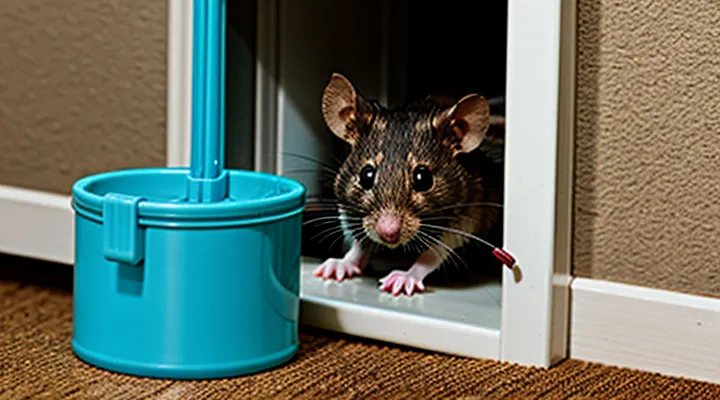
Understanding Sticky Traps
What Are Sticky Traps?
Basic Design and Mechanism
Adhesive mouse traps consist of a flat base, a high‑strength glue surface, and a protective cover. The base is typically made from rigid cardboard or plastic, providing stability on floors, walls, or corners. The glue coating is formulated from petroleum‑based or natural resin compounds that remain tacky for weeks, even under low humidity. A thin, transparent film shields the adhesive until activation, preventing accidental contact during handling.
When a mouse steps onto the exposed adhesive, its paws and tail become ensnared. The trap’s design distributes the animal’s weight across a large surface area, reducing the likelihood of escape. The adhesive’s shear strength exceeds the mouse’s grip, causing rapid immobilization. Once captured, the mouse cannot free itself because the glue bonds to fur and skin at multiple points, creating a mechanical lock that resists pulling forces.
Key components and their functions:
- Base material: ensures structural integrity and prevents bending.
- Adhesive layer: maintains consistent tack, tolerates temperature fluctuations.
- Protective film: keeps the glue uncontaminated until deployment.
- Placement guide (optional): small ridges or arrows indicate optimal orientation for maximum contact.
The mechanism relies on a passive capture principle: no trigger or spring is required. The mouse’s own movement initiates entrapment, making the trap effective in low‑traffic areas where active devices may be overlooked. Maintenance involves disposing of the used trap in a sealed container and replacing it with a fresh unit to sustain continuous control.
How They Work to Catch Mice
Sticky traps capture mice by presenting a surface coated with a fast‑acting, non‑drying adhesive. When a mouse steps onto the board, its paws and tail become permanently bonded, preventing any further movement. The adhesive remains effective for weeks, even in low‑temperature environments, because it does not harden or lose tackiness.
Placement determines success. Effective locations include:
- Along walls where mice travel, typically within 2 inches of a baseboard.
- Near known entry points such as gaps around pipes or vents.
- In corners of cabinets, pantries, or behind appliances where food residues attract rodents.
Bait enhances lure. A small amount of peanut butter, cheese, or dried fruit placed on the trap’s center draws mice toward the adhesive. The scent is strong enough to overcome the animal’s natural wariness, while the minimal quantity prevents the bait from contaminating the adhesive.
The trap’s design incorporates a rigid backing that supports the adhesive layer, ensuring the board does not fold under the mouse’s weight. This rigidity distributes the animal’s pressure evenly across the adhesive, maximizing contact and reducing the chance of escape.
Once captured, the mouse remains immobilized, and the trap can be removed safely using disposable gloves. The entire unit is then sealed in a plastic bag for disposal, eliminating the risk of secondary infestations.
Key operational principles:
- Adhesive chemistry – a polymer matrix that remains tacky without drying.
- Strategic positioning – alignment with natural rodent pathways.
- Targeted bait – concentrated attractant placed centrally.
- Structural support – rigid substrate to maintain adhesive contact.
These mechanisms combine to provide a reliable, low‑maintenance method for reducing mouse populations in residential and commercial settings.
Pros and Cons of Using Sticky Traps
Advantages of Sticky Traps
Ease of Use
Sticky mouse traps provide a straightforward solution for rodent control. The device consists of a flat board coated with a high‑strength adhesive; the user places the board in areas where mouse activity is observed. No bait preparation, no mechanical components, and no tension adjustments are required, which eliminates the common errors associated with snap‑type or live‑capture devices.
Key aspects that simplify operation include:
- Ready‑to‑use packaging – each unit arrives sealed with a protective liner that can be removed in seconds.
- One‑step placement – the trap is positioned directly on the floor, wall, or shelf; no assembly or calibration is needed.
- Immediate effectiveness – mice become trapped on contact, removing the need for monitoring intervals.
- Secure disposal – after capture, the trap can be sealed in a disposable bag, minimizing exposure to pathogens.
- Minimal maintenance – the adhesive surface retains its potency for the product’s advertised lifespan, allowing multiple catches without replacement.
These characteristics reduce the time and skill required for deployment, making adhesive traps suitable for both professional pest‑control operators and homeowners seeking a quick, reliable method.
Non-Toxic Nature
Adhesive mouse traps rely on a non‑toxic surface that captures rodents without chemical poisons. The glue formulation consists of food‑grade polymers, eliminating the risk of secondary poisoning for pets, wildlife, or humans. Because the adhesive contains no active ingredients, it does not release vapors or residues that could contaminate the environment.
Key characteristics of the non‑toxic nature include:
- Safety for non‑target species – mammals and birds that accidentally contact the trap are not exposed to lethal toxins.
- Ease of disposal – traps can be sealed in a bag and discarded without special hazardous‑waste procedures.
- Regulatory compliance – many jurisdictions classify non‑chemical traps as acceptable for residential and commercial use, simplifying compliance with pest‑control regulations.
The absence of toxic substances also supports indoor applications where chemical exposure must be minimized, such as kitchens, food‑storage areas, and child‑occupied spaces.
Disadvantages of Sticky Traps
Ethical Concerns
Adhesive traps for rodents raise several animal‑welfare issues. The glue surface immobilizes mice, causing prolonged suffering before death. Pain and stress increase when the animal attempts to escape, often resulting in injuries such as torn skin or broken limbs.
Non‑target capture represents another ethical problem. Small birds, reptiles, or beneficial insects may become stuck unintentionally, leading to unnecessary mortality. Placement strategies that fail to discriminate between species exacerbate this risk.
Regulatory frameworks in many jurisdictions require humane pest‑control methods. Failure to comply can result in legal penalties, and it conflicts with industry standards that prioritize minimal cruelty.
Disposal practices affect ethical considerations. Trapped animals must be handled in a manner that prevents additional distress; improper removal can cause further injury or expose handlers to disease.
Alternative approaches mitigate these concerns:
- Snap traps designed for rapid, lethal impact.
- Live‑capture cages that allow release away from the infested area.
- Integrated pest‑management programs emphasizing sanitation, exclusion, and monitoring before lethal methods are employed.
Choosing methods that reduce suffering, avoid collateral harm, and align with legal and professional guidelines addresses the core ethical objections to adhesive rodent control.
Potential for Cruelty
Adhesive mouse traps consist of a flat surface coated with a strong, non‑drying glue that immobilizes rodents upon contact. The design eliminates the need for bait but relies on the animal’s weight to trigger capture.
When a mouse steps onto the glue, its limbs become stuck, preventing escape. The animal experiences prolonged restraint, leading to exhaustion, dehydration, and loss of body heat. Tissue damage occurs as the glue adheres to fur and skin, often causing tearing when the animal struggles. Studies measuring cortisol levels in trapped rodents show elevated stress hormones, confirming acute pain and distress.
Regulatory agencies in several jurisdictions classify adhesive devices as inhumane. Guidelines from animal welfare organizations advise against their use, citing the inability to provide a swift, painless death. Some regions have enacted bans or require labeling that warns of potential cruelty.
Alternatives that reduce suffering include:
- Snap traps with calibrated spring tension designed for rapid kill.
- Live‑catch cages equipped with escape mechanisms that release the animal unharmed.
- Electronic devices delivering an instantaneous lethal shock.
Choosing a method that minimizes pain aligns with ethical pest‑management standards and complies with emerging legal requirements.
Ineffectiveness Against Large Infestations
Adhesive rodent traps capture individual mice quickly, but their capacity is limited to a few captures per device. When a population exceeds a dozen active individuals, traps become saturated, leaving remaining mice free to continue damaging property and spreading disease.
Key reasons the traps fail in large infestations:
- Limited bait surface – each trap offers a fixed adhesive area; once covered, no additional rodents can be caught.
- Rapid decline in effectiveness – trapped mice attract others, causing avoidance behavior that reduces capture rates.
- Inadequate coverage – deploying enough traps to intercept an entire colony requires extensive placement, which is often impractical in residential or commercial settings.
- Maintenance burden – frequent replacement or cleaning of saturated traps increases labor costs and disrupts continuous control efforts.
Large‑scale rodent problems typically demand integrated pest management (IPM) strategies. IPM combines sanitation, exclusion, and population‑level controls such as bait stations, rodenticides, or trapping arrays designed for high‑throughput capture. These methods address the root causes of infestation and maintain pressure on the entire rodent community, unlike isolated adhesive devices that only affect a small fraction of the population.
Proper Placement for Maximum Effectiveness
Identifying Mouse Hotspots
Signs of Mouse Activity
Detecting mouse activity precedes the deployment of adhesive capture devices and informs placement strategy. Visible evidence of rodent presence establishes infestation level, guides trap density, and prevents wasted effort.
- Small, dark droppings, typically 3‑5 mm long, found along walls, behind appliances, or near food sources.
- Gnaw marks on wood, plastic, or insulation, characterized by shallow, parallel cuts.
- Entry holes ranging from ¼ to ½ inch in diameter, often located near foundations, vents, or pipe penetrations.
- Fresh urine streaks that darken when exposed to light, frequently appearing on baseboards or behind cabinets.
- Scratching or scurrying sounds in ceilings, attics, or crawl spaces, especially at night.
- Nest material composed of shredded paper, fabric, or insulation, accumulated in concealed corners.
- Chewed food packaging, spilled crumbs, and displaced pantry items.
Each indicator confirms active foraging and movement, justifying the use of sticky traps in the identified zones.
Common Entry Points
Mice frequently exploit structural weaknesses to gain access to interior spaces. Common entry points include:
- Gaps surrounding plumbing and electrical conduits
- Cracks in foundation walls or slab edges
- Openings around door and window frames, especially where weatherstripping is damaged
- Unsealed vent covers, dryer exhausts, and attic hatches
- Holes left by utility installations, such as cable or gas lines
These locations provide the least resistance, allowing rodents to move unobstructed between exterior and interior zones. Positioning adhesive mouse traps directly in or adjacent to these breaches maximizes capture probability because the devices intercept mice at the moment they attempt to traverse the opening. Sealing identified gaps after trap placement enhances long‑term control by eliminating the pathways that attract further incursions.
Strategic Trap Placement
Along Walls and Corners
Positioning sticky traps near structural boundaries maximizes mouse encounters. Mice travel close to surfaces, using walls and corners as protective routes. Placing traps directly against these surfaces exploits their natural behavior and reduces avoidance.
Key placement practices:
- Attach traps flush with the baseboard or wall edge, ensuring no gap exceeds 1 cm.
- Align traps at the intersection of wall and floor where mice frequently turn.
- Install traps on both sides of a corner, covering the interior and exterior angles.
- Position traps at a height of 2–4 inches from the floor, matching the typical mouse travel plane.
- Replace or rotate traps after a capture or after 48 hours of inactivity to maintain adhesive strength.
Securing traps with appropriate adhesive backing prevents displacement by vibrations or cleaning activities. Use a clean, dry surface; remove dust and debris before application to preserve tackiness. For multi‑room infestations, repeat the above steps in each corridor, hallway, and room perimeter to create a continuous barrier.
Monitoring trapped mice at regular intervals allows quick removal, reducing the risk of odor buildup and maintaining trap effectiveness. Consistent application of these positioning guidelines yields reliable capture rates while minimizing the need for additional control measures.
Near Food Sources
Adhesive mouse traps achieve highest success when positioned within a few feet of food supplies. Mice travel directly to accessible nourishment, so placing traps along the shortest routes to pantry items, pet feeders, or kitchen counters intercepts movement before consumption occurs.
Effective placement near food sources includes:
- Aligning traps parallel to baseboard walls that connect storage cabinets to the floor.
- Setting traps behind appliances where crumbs accumulate, such as refrigerators and dishwashers.
- Positioning traps under shelves or inside cabinet doors where bait residues remain.
- Using multiple traps at entry points to pantry doors or pantry vents to cover bidirectional traffic.
Avoid locations with high human traffic to reduce accidental contact. Replace traps promptly after capture to maintain adhesive strength and prevent odor buildup, which can deter further mouse activity.
Regular inspection of food storage areas, combined with immediate trap deployment, sustains control and reduces the likelihood of population growth.
Humane Alternatives and Best Practices
Humane Release Procedures
Safely Removing Trapped Mice
When a mouse becomes stuck on an adhesive trap, immediate action prevents prolonged suffering and reduces the risk of contamination. Wear disposable gloves, secure the trap to prevent movement, and prepare a sealed container for disposal.
Procedure for safe removal
- Place a disposable plastic bag over the trap, seal the opening, and lift the trap away from the surface.
- Using a pair of tweezers, grasp the mouse at the hindquarters, avoiding contact with the adhesive surface.
- Transfer the animal into the sealed bag, then add a second bag to double‑seal the package.
- Dispose of the double‑bagged package in an outdoor trash receptacle away from living areas.
- Clean the trap surface with a solvent compatible with the adhesive, following the manufacturer’s instructions, then store the trap for future use or discard if damaged.
After handling, remove gloves, wash hands thoroughly with soap, and disinfect any tools or surfaces that contacted the trap. Proper disposal and sanitation eliminate health hazards and maintain the effectiveness of adhesive capture methods.
Releasing Mice Away from Your Property
Adhesive mouse traps provide a reliable method for capturing rodents that have entered a building. Once a mouse is secured, immediate and proper release reduces the likelihood of re‑infestation and complies with humane pest‑management practices.
When preparing to relocate a captured mouse, follow these steps:
- Wear protective gloves to prevent direct contact and avoid contaminating the trap.
- Cover the trap with a breathable container (e.g., a cardboard box) to contain the animal while minimizing stress.
- Transport the container to a suitable release site at least 200 meters (650 feet) from the property, preferably in a wooded or field area where natural shelter and food sources are available.
- Release the mouse by gently tilting the container onto the ground, allowing it to exit on its own. Avoid handling the animal directly.
- Sanitize gloves and any equipment used during the process with a disinfectant solution to eliminate scent trails that could attract other rodents.
Key considerations for successful relocation:
- Choose a location free from human habitation, livestock structures, and food storage facilities.
- Ensure the area offers adequate cover, such as brush, grass, or debris, to protect the mouse from predators.
- Verify local regulations; some jurisdictions require permits or prohibit the release of captured wildlife.
By adhering to these procedures, property owners can effectively manage mouse populations while maintaining ethical standards and preventing future incursions.
Alternative Mouse Control Methods
Live-Catch Traps
Live‑catch traps provide a humane alternative to adhesive devices when dealing with rodent intrusions. The traps consist of a spring‑loaded or gravity‑activated enclosure that secures the mouse without injury, allowing for relocation away from the property. Their design eliminates the need for poison and reduces the risk of secondary poisoning for pets and wildlife.
Key characteristics of effective live‑catch traps include:
- Sensitive trigger mechanism that activates with minimal pressure, ensuring capture of even timid rodents.
- Secure latch that prevents escape once the animal is inside.
- Easy‑to‑clean interior surfaces that resist odor buildup and facilitate rapid turnover between uses.
- Compact dimensions that fit in corners, behind appliances, or along wall lines where mouse activity is observed.
Proper deployment maximizes success. Place traps along established runways, near walls, and close to food sources. Align the trigger side perpendicular to the wall to match natural movement patterns. Check traps at least twice daily to prevent stress and to release captured mice promptly.
When combined with adhesive control methods, live‑catch traps enhance overall management by addressing capture needs without resorting to lethal measures. Their reuse capability also offers cost efficiency over single‑use sticky pads, making them a practical component of a comprehensive rodent‑control strategy.
Snap Traps
Snap traps are mechanical devices designed to kill mice instantly by applying a rapid, high‑force pressure to the animal’s neck or spine. The core components include a spring‑loaded bar, a trigger plate, and a bait holder. When a mouse contacts the trigger, the spring releases, driving the bar forward with enough velocity to ensure a lethal strike.
The trigger mechanism typically relies on a sensitive pressure plate that requires only a few grams of force to activate. Bait options range from peanut butter to commercial lures, allowing users to match the attractant to local mouse preferences. The spring tension can be adjusted on many models, providing control over sensitivity and reducing false activations caused by non‑target objects.
Effective placement follows these principles:
- Position traps along walls, where mice travel close to the baseboard.
- Set traps perpendicular to the wall, with the trigger side facing the wall.
- Space traps 12–18 inches apart in high‑traffic corridors.
- Replace bait daily to maintain potency.
- Monitor traps every 24 hours and reset or remove captured mice promptly.
Compared with adhesive mouse traps, snap traps deliver faster mortality, eliminate the risk of prolonged suffering, and can be reused after each capture. Adhesive surfaces may lose stickiness in humid environments, whereas spring‑loaded mechanisms retain performance regardless of temperature or humidity fluctuations.
Safety measures include wearing disposable gloves when handling traps, securing the device with the safety latch engaged until baiting, and disposing of dead mice in sealed bags. For households with children or pets, models featuring a protective shield over the spring reduce accidental contact. Proper maintenance—cleaning the trigger plate and checking spring tension—extends the trap’s service life and maintains consistent effectiveness.
Baits and Repellents
Adhesive mouse traps rely on attractants to increase capture rates. Proper selection and placement of baits and repellents determine whether rodents encounter the trap surface.
Baits commonly employed with adhesive traps include:
- Peanut butter or nut butter; strong aroma and high fat content appeal to omnivorous rodents.
- Fresh fruit or dried berries; sweet scent attracts foraging mice.
- Commercial rodent lures containing grain or cheese extracts; formulated for consistent potency.
- Small pieces of cooked meat; protein source for opportunistic feeders.
When using baits, apply a thin layer directly onto the trap’s adhesive edge. Excessive quantity can saturate the glue, reducing stickiness and allowing escape. Position traps along established runways, near walls, or adjacent to food storage areas for optimal encounter probability.
Repellents serve to guide mice toward traps or protect non‑target zones. Effective repellents include:
- Ultrasonic emitters; emit frequencies that deter rodents without affecting humans.
- Capsaicin‑based sprays; create a mild irritation that encourages movement away from treated surfaces.
- Essential oil blends (e.g., peppermint, eucalyptus); volatile compounds disrupt rodent scent trails.
Deploy repellents strategically: place deterrents at entry points, while leaving the trap area free of repellent residue. This contrast directs mice into the baited adhesive zone.
Safety considerations demand that baits and repellents be stored in sealed containers, away from children and pets. Use gloves when handling adhesive traps to prevent skin contact with glue. Dispose of captured rodents promptly, following local pest‑control regulations.
Combining appropriate attractants with targeted repellents maximizes the efficiency of adhesive trapping systems, ensuring reliable reduction of mouse activity in infested environments.
Safety Considerations and Maintenance
Handling and Disposal
Safe Handling of Traps
When using adhesive mouse traps, safety begins with personal protection. Wear disposable nitrile gloves to prevent skin contact with the adhesive surface. Dispose of gloves in a sealed bag after each session to avoid contaminating other surfaces.
Select placement locations that minimize accidental contact. Position traps along walls, behind appliances, and in concealed corners where mouse activity is recorded. Keep traps out of reach of children and non‑target animals by mounting them on elevated platforms or using protective covers.
Before setting a trap, inspect the surrounding area for debris that could reduce effectiveness. Clear loose material, then press the trap firmly against the substrate to ensure full adhesion. Avoid bending or folding the trap, which can create sharp edges and increase injury risk.
After capture, follow a defined removal procedure:
- Secure the trap with a second pair of gloves.
- Place the trap in a thick‑walled container with a secure lid.
- Seal the container with tape.
- Dispose of the sealed container according to local regulations for pest control waste.
Regularly replace traps to maintain effectiveness. Replace any trap that shows reduced tackiness, tears, or signs of contamination. Store unused traps in a sealed, dry container away from direct sunlight to preserve adhesive properties.
By adhering to these protocols, users minimize health hazards, protect non‑target species, and sustain the performance of adhesive mouse control devices.
Proper Disposal of Trapped Mice
When a mouse is captured on an adhesive board, immediate and safe removal prevents disease spread and maintains a hygienic environment.
Disposal must comply with local health regulations, which typically require that dead rodents be treated as biohazard material. Personal protective equipment—gloves, mask, and disposable sleeves—protects handlers from pathogens and from contact with adhesive residues.
Proper disposal procedure:
- Secure the trap – place the entire board in a sealed plastic bag, ensuring the mouse remains immobilized.
- Seal the bag – remove excess air, tie tightly, and label with “Rodent Disposal – Biohazard.”
- Dispose according to authority – deliver the sealed bag to a municipal waste collection point that accepts animal carcasses, or hand it to a licensed pest‑control service for incineration or rendering.
- Sanitize equipment – after removing the trap, wipe the surrounding area with a disinfectant solution, then discard the gloves and sleeves in a separate waste bag.
- Record the event – note the date, location, and number of captures for future monitoring and compliance audits.
Following these steps eliminates health risks, satisfies regulatory requirements, and ensures the adhesive trapping method remains an effective component of rodent management.
Maintenance Tips
Checking Traps Regularly
Regular inspection of adhesive mouse traps is essential for maintaining effectiveness and humane handling. Prompt detection of captures prevents prolonged exposure to the glue, reduces the risk of secondary injuries, and allows immediate disposal of trapped rodents, preserving trap adhesion for subsequent use.
Key practices for consistent monitoring:
- Inspect each trap at least twice daily (morning and evening) in high‑traffic areas.
- Record capture status; remove any mouse immediately to avoid distress and trap saturation.
- Clean the surrounding surface to eliminate debris that can compromise adhesive strength.
- Replace damaged or fully occupied traps with new units to sustain capture rates.
- Store unused traps in a cool, dry environment to preserve glue potency.
Implementing these steps ensures reliable performance of adhesive devices and supports efficient rodent control.
Cleaning and Reusing (If Applicable)
Adhesive mouse traps retain captured rodents with a strong, non‑toxic glue. After a catch, disconnect the trap from any surface, wear disposable gloves, and place the trap in a sealed plastic bag to contain odor and pathogens. Dispose of the bag according to local pest‑control regulations.
If the trap’s adhesive surface remains largely intact, it can be reused. Follow these steps:
- Gently peel off residual debris using a stiff card or plastic scraper; avoid tearing the glue layer.
- Wipe the surface with a cloth dampened with isopropyl alcohol; let it dry completely.
- Inspect the adhesive for cracks, loss of tack, or discoloration; any compromise requires replacement.
- Re‑affix the trap to a clean, flat area using the original mounting method.
Reusable traps should not exceed three cycles; beyond that, the glue loses effectiveness and may fail to capture mice reliably. Always store cleaned traps in a cool, dry place to preserve adhesive properties.