
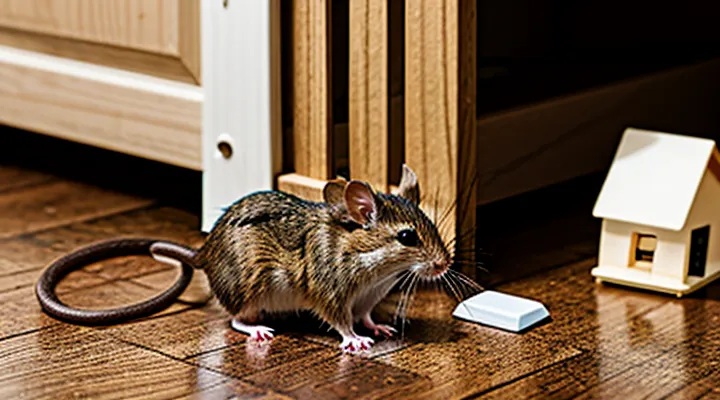
Understanding Sticky Traps
What Are Sticky Traps?
Components and Design
Sticky traps consist of several integral parts that determine their performance and reliability. The primary elements include:
- Adhesive surface – a high‑strength, non‑toxic glue formulated to retain rodents without allowing escape.
- Housing – a rigid or semi‑flexible shell that protects the adhesive from dust, moisture, and accidental contact.
- Bait compartment – a sealed chamber or recessed area that houses attractants while preventing premature exposure to the glue.
- Safety latch – a mechanism that secures the trap during handling and transport, reducing the risk of accidental capture of non‑target species.
- Mounting features – built‑in slots, hooks, or adhesive pads that facilitate placement on walls, floors, or under appliances.
Design considerations focus on material selection, geometry, and environmental resistance. Polypropylene or reinforced cardboard provide lightweight durability; coatings resist temperature fluctuations and humidity. Trap shape—flat, wedge, or cylindrical—affects placement flexibility and the likelihood of mouse contact. Edge rounding minimizes injury while maintaining sufficient surface area for adhesion. Incorporating a tamper‑proof seal ensures bait remains effective over extended periods, and a clear indicator window allows rapid assessment of capture status without disturbing the trap.
Overall, the synergy of these components and design choices yields a capture device that delivers consistent results while adhering to safety and humane standards.
How They Work
Adhesive mouse traps capture rodents by presenting a coated surface that immobilizes the animal upon contact. The board is treated with a non‑drying, tacky polymer that remains effective for weeks, even under low humidity. When a mouse steps onto the board, its paws and tail become stuck, preventing escape.
Key operational elements:
- Attractant placement – food residues, scent lures, or natural rodent pheromones are positioned near the adhesive zone to draw the animal into the trap’s effective area.
- Surface design – the board’s edges are beveled to reduce visual detection, while the central adhesive field covers enough area to accommodate the size of a typical mouse.
- Adhesive composition – a silicone‑based glue maintains viscosity without hardening, allowing the trap to stay functional after multiple captures.
- Secure mounting – traps are affixed to walls, floors, or under cabinets where mouse activity is highest, ensuring the animal cannot bypass the sticky surface.
Once the mouse is immobilized, the trap can be removed, and the captured rodent disposed of according to local regulations. The method requires periodic inspection to replace saturated boards and to prevent secondary infestations.
Advantages of Using Sticky Traps
Ease of Use
Sticky mouse traps require no assembly; the adhesive surface arrives ready for immediate placement. Users simply peel a protective backing, press the trap onto a flat surface, and leave it in a targeted area. The lack of moving parts eliminates the need for calibration or tension adjustments.
- Placement involves only one step: attach the trap to a wall, floor, or cabinet where rodent activity is observed.
- No bait is necessary; the glue itself attracts mice, reducing preparation time.
- Traps remain effective for several weeks, allowing long‑term monitoring without frequent replacement.
- Instructions are printed on the packaging in clear, visual format, facilitating quick comprehension.
Safety considerations are straightforward. The traps are designed to stay fixed once applied, preventing accidental displacement. Disposal consists of sealing the used trap in a plastic bag and discarding it according to local waste guidelines, minimizing exposure to captured rodents.
Cost-Effectiveness
Adhesive mouse traps require a low upfront purchase price, typically ranging from $0.30 to $0.80 per unit when bought in bulk. The minimal material composition—plastic base, glue layer, and a small attractant—keeps manufacturing expenses low, allowing retailers to offer competitive wholesale rates.
Operating costs remain negligible. Traps do not need electricity, batteries, or regular maintenance; once positioned, they function autonomously until a capture occurs. Disposal involves a single step: removing the trap and discarding it with the caught rodent, eliminating any recurring service fees.
When compared with snap traps, electronic devices, or professional pest‑control contracts, adhesive traps present a clear economic advantage:
- Purchase price per unit: adhesive < snap < electronic.
- No consumable accessories (e.g., bait cartridges) required.
- No labor charges for setting, monitoring, or resetting traps.
- Immediate elimination of captured rodents reduces potential damage costs.
The overall cost per successful capture often falls below $1, making adhesive solutions the most financially efficient option for residential and small‑scale commercial environments.
Non-Toxic Nature
Adhesive mouse traps capture rodents without relying on poisonous baits or chemicals. The adhesive surface consists of food‑grade, non‑reactive polymers that immobilize the animal upon contact, eliminating the risk of toxic exposure to humans, pets, or wildlife. Because the traps contain no lethal substances, they comply with safety regulations for residential and commercial environments and reduce the potential for accidental ingestion or contamination of food supplies.
Key advantages of the non‑toxic design include:
- No chemical residues remain in the area after removal.
- Safe handling and disposal procedures require only protective gloves, not specialized hazardous‑waste protocols.
- Compatibility with integrated pest‑management programs that prioritize low‑hazard control methods.
- Minimal environmental impact; the polymers are inert and do not leach into soil or water when discarded according to standard waste guidelines.
These characteristics make adhesive rodent capture devices a responsible choice for settings where health and ecological considerations are paramount.
Disadvantages and Ethical Concerns
Potential for Cruelty
Prolonged Suffering
Sticky adhesive traps capture rodents by immobilizing them on a coated surface. When a mouse contacts the glue, its paws and tail become stuck, preventing rapid escape. The animal remains conscious while unable to free itself, leading to exhaustion, dehydration, and loss of body heat. Continuous stress hormones are released as the mouse struggles, prolonging physiological distress.
Key physiological responses observed in trapped mice include:
- Rapid loss of fluid through exposed skin and respiratory surfaces.
- Decline in core temperature due to inability to maintain thermoregulation.
- Muscle fatigue from repeated attempts to detach limbs.
- Elevated cortisol levels indicating sustained stress.
The duration of suffering varies with trap placement, ambient temperature, and the mouse’s size. In cooler environments, hypothermia can develop within hours, while in warmer settings, dehydration becomes the primary cause of mortality over a longer period. The adhesive surface does not cause immediate fatal injury; instead, it creates a prolonged state of immobilization that extends the animal’s awareness of distress until death occurs.
Understanding these effects is essential for assessing the humane implications of adhesive capture devices and for comparing them with alternative control methods that result in faster incapacitation.
Injuries to Pests
Adhesive devices designed for rodent capture immobilize mice by adhering to their limbs, tail, or torso. Contact with the glue surface produces immediate mechanical trauma and initiates a cascade of physiological responses.
Typical injuries include:
- Soft‑tissue lacerations where fur and skin are pulled from the body.
- Joint dislocation or severe bruising caused by sudden restraint.
- Compromised circulation leading to tissue necrosis and eventual death.
- Respiratory distress from the animal’s inability to move freely.
The severity of these injuries correlates with trap placement, glue strength, and exposure time. Rapid immobilization reduces prolonged suffering but also increases the likelihood of acute trauma. Effective pest management programs must balance capture efficiency with ethical considerations, selecting traps that achieve control objectives while minimizing unnecessary harm.
Non-Target Captures
Capturing Other Animals
Sticky traps designed for rodent control can inadvertently capture non‑target species. Their adhesive surface does not discriminate between mammals, reptiles, birds, and arthropods that encounter the device. Understanding the scope of accidental capture is essential for responsible use.
Unintended captures occur when traps are placed in areas frequented by wildlife, such as gardens, storage sheds, or near food sources. Small mammals like voles, shrews, and chipmunks, as well as reptiles such as lizards and snakes, may become trapped. Ground‑dwelling birds, including sparrows and quails, are also at risk if traps are left on open ground.
Mitigation strategies include:
- Positioning traps along mouse pathways, away from vegetation and perches.
- Using protective barriers (e.g., wire mesh) that allow mice to pass but block larger animals.
- Selecting trap sizes and adhesive strengths calibrated for mouse dimensions.
- Regularly inspecting traps to remove non‑target captures promptly.
- Employing alternative control methods (live‑catch cages, bait stations) for environments with high wildlife activity.
When non‑target capture does occur, humane removal procedures should be applied. Use gloves to avoid direct contact with the adhesive, apply a solvent safe for the animal (e.g., vegetable oil) to release it, and provide appropriate care or release according to local wildlife regulations.
Effective management of sticky traps requires awareness of their broader impact on the ecosystem. By implementing placement guidelines and monitoring practices, users can maintain rodent control while minimizing harm to other animals.
Risks to Pets and Children
Sticky traps pose a direct hazard to non‑target animals. The adhesive surface can capture cats, dogs, or small children who encounter the device, leading to injury or death. Contact with the glue may cause skin tears, respiratory distress from inhaled particles, and severe pain as the animal struggles to free itself.
Common risks include:
- Physical trauma: limbs or fur become stuck, resulting in bruises, lacerations, or loss of tissue.
- Toxic exposure: some traps contain chemicals that irritate skin or eyes; ingestion of adhesive material can cause gastrointestinal blockage.
- Psychological stress: trapped pets may experience panic, which can exacerbate medical conditions.
- Unintended capture: children playing on the floor may step on or touch the trap, leading to accidental adhesion.
- Delayed rescue: adhesive strength can hide the presence of a trapped animal, postponing intervention and increasing severity of injuries.
Proper Placement and Usage
Identifying Mouse Activity
Effective placement of adhesive mouse traps relies on precise detection of rodent activity. Recognizing the presence of mice enables targeted deployment, reduces waste of traps, and increases capture rates.
Key indicators of mouse presence include:
- Small, dark droppings, typically 3–5 mm in length, found along walls, behind appliances, or near food sources.
- Gnaw marks on wires, plastic, wood, or packaging; fresh cuts display clean, glossy edges.
- Accumulated shredded paper, fabric, or dried plant material forming nests in concealed areas.
- Visible footprints or tail marks in dusty corners, often accompanied by oily smears.
- Chewed or torn food packaging, especially in pantry corners or under cabinets.
- Persistent scratching or squeaking sounds, most audible at night.
Confirming activity through multiple signs before setting traps ensures that adhesive devices are positioned where mice travel, maximizing the likelihood of capture.
Strategic Trap Placement
Along Walls and Corners
Adhesive mouse traps achieve maximum capture rates when placed where rodents naturally travel. Mice habitually follow the perimeter of rooms, using walls and corners as protective pathways. Positioning traps directly against these surfaces intercepts movement before rodents can reach food sources.
- Align traps flat against the baseboard or wall edge, ensuring full contact with the surface.
- Install traps at a height of 1–2 inches (2.5–5 cm) from the floor, matching the typical gait of mice.
- Concentrate devices in junctions where two walls meet, such as inside cabinet frames or behind furniture.
- Space traps 5–10 ft (1.5–3 m) apart along continuous wall lines to create an uninterrupted barrier.
- Use a small amount of non‑toxic attractant on the adhesive surface to increase initial engagement.
Surface condition influences trap adhesion. Clean, dry areas free of dust or grease maintain stickiness longer. Replace traps promptly after capture or when the adhesive loses effectiveness. Secure placement to prevent accidental contact with pets or children, employing protective covers or mounting brackets when necessary.
Near Food Sources
Placing adhesive mouse traps close to food sources maximizes capture rates because rodents naturally congregate where nourishment is available. Identifying these locations requires observation of droppings, gnaw marks, and food residue. Common hotspots include pantry shelves, under sink cabinets, behind appliances, and near garbage disposals.
Effective deployment follows several principles:
- Position traps directly adjacent to, not on, the food item to avoid contamination.
- Align traps perpendicular to the rodent’s travel path, ensuring the adhesive side faces the expected direction of movement.
- Secure traps on flat, stable surfaces; use tape or mounting strips if the area is uneven.
- Replace traps promptly after a capture to maintain adhesive potency and prevent secondary infestations.
Monitoring frequency influences success. Inspect traps daily, record captures, and adjust placement if activity shifts. In environments with multiple food sources, distribute traps evenly to cover all identified hotspots, preventing rodents from bypassing isolated devices.
Safety considerations include keeping traps out of reach of children and pets, wearing gloves during handling, and disposing of captured rodents in sealed bags. Proper sanitation—removing spilled food, sealing containers, and sealing entry points—enhances trap efficiency and reduces the likelihood of reinfestation.
Best Practices for Setup
When deploying adhesive traps for rodents, begin with a thorough inspection of the infestation area. Identify high‑traffic zones such as along walls, behind appliances, near food storage, and beneath furniture. Place traps perpendicular to these pathways, with the sticky surface facing upward and the edge nearest the wall to encourage mice to run along the edge and encounter the adhesive.
Prepare the trapping surface by cleaning away dust, grease, or debris that could reduce adhesion. Use a mild detergent and allow the area to dry completely before positioning the trap. If the environment is humid, consider a trap with a moisture‑resistant backing to maintain effectiveness.
Secure each trap firmly to prevent displacement. For smooth floors, apply a thin layer of double‑sided tape or use the built‑in adhesive pads supplied with many models. On uneven or carpeted surfaces, attach the trap to a sturdy cardboard base, then fix the base to the floor with tape or a low‑profile staple.
After placement, inspect traps at 12‑hour intervals. Replace any trap that has captured a mouse or whose surface appears compromised. Dispose of used traps in a sealed bag and handle them with gloves to avoid accidental contact with the adhesive.
Maintain a clean environment to support ongoing control. Store unused traps in a cool, dry location away from direct sunlight. Rotate trap locations periodically to cover new activity zones and prevent mice from learning avoidance patterns.
Humane Considerations and Alternatives
Checking Traps Regularly
Regular inspection of adhesive mouse traps is essential for maintaining their effectiveness. Traps that remain unattended for extended periods lose stickiness, allow captured rodents to escape, and create sanitation hazards.
A practical schedule includes checking traps at least twice daily in high‑activity zones and once daily in lower‑traffic areas. Adjust frequency during peak infestation periods or when environmental conditions (temperature, humidity) accelerate glue degradation.
- Inspect each trap for signs of capture, glue deterioration, or debris accumulation.
- Remove deceased rodents promptly, using gloves and sealed containers to prevent disease transmission.
- Dispose of used traps according to local pest‑control regulations; replace with fresh units to ensure continual attraction.
- Record inspection times, findings, and any anomalies to track trends and inform future placement strategies.
Neglecting regular checks reduces capture rates, prolongs rodent presence, and increases the risk of secondary infestations. Consistent monitoring preserves trap performance and supports overall rodent‑management objectives.
Release Strategies
Effective release strategies are essential after a mouse is caught on an adhesive board. The chosen method determines both humane considerations and the risk of secondary infestations.
- Euthanasia on site – Apply a rapid, approved method such as carbon dioxide exposure or a licensed rodent‑specific agent. Perform the procedure within the trap to prevent handling of live animals.
- Relocation – Only viable when local regulations permit. Transfer the mouse to a secure, distant environment free of shelter and food sources. Use a sealed container to avoid escape during transport.
- Disposal – Seal the trap in a heavy‑duty plastic bag, place it in a rigid container, and discard according to municipal pest‑control waste guidelines. Avoid opening the bag to prevent accidental contact with adhesive residues.
Safety measures must accompany every release action. Wear disposable gloves, eye protection, and a mask to limit exposure to glue fumes and potential pathogens. After removal, clean the surrounding area with a disinfectant solution; wipe surfaces that may have contacted the trap.
Compliance with local wildlife protection statutes and public‑health regulations is mandatory. Document each capture, the method applied, and the disposal record to maintain accountability and support integrated pest‑management reporting.
Other Mouse Control Methods
Snap Traps
Snap traps are a mechanical alternative to adhesive devices for controlling rodent populations. They rely on a spring‑loaded bar that delivers a rapid, lethal force when a mouse triggers the trigger plate. The simplicity of the mechanism allows for immediate kill, reducing the likelihood of prolonged suffering and preventing escape after activation.
Key characteristics of snap traps include:
- Speed of action: The bar snaps shut within milliseconds, ensuring an efficient capture.
- Reusability: After removal of the carcass, the trap can be reset without additional purchases.
- Portability: Compact size facilitates placement in confined areas such as wall voids, under appliances, or along baseboards.
- Safety features: Many models incorporate a shield that protects fingers and pets from accidental discharge.
- Cost efficiency: One unit typically costs less than a comparable adhesive sheet and can be used repeatedly.
When integrating snap traps into a broader rodent‑management program that also employs adhesive solutions, consider the following guidelines:
- Position traps perpendicular to the mouse’s travel route, with the trigger plate facing the expected direction of movement.
- Bait the trap with high‑protein or high‑fat attractants, such as peanut butter or dried meat, to increase capture probability.
- Space multiple traps at intervals of 10–15 cm in heavily infested zones to maximize coverage.
- Inspect traps daily, removing captured mice promptly to maintain hygiene and prevent secondary odors that could deter further activity.
- Store unused traps in a cool, dry environment to preserve spring tension and prevent corrosion.
Snap traps complement adhesive methods by providing a definitive kill mechanism, reducing the need for repeated replacement of sticky surfaces, and offering a reliable option for areas where glue boards are impractical or pose a hazard to non‑target species. Proper placement, regular monitoring, and appropriate bait selection are essential for achieving optimal results within an integrated pest‑control strategy.
Live Traps
Live traps provide a humane alternative for rodent control, capturing mice without causing injury. The devices consist of a cage or tube that closes automatically when the animal triggers a sensor, allowing safe release at a chosen location.
Advantages include:
- Preservation of the animal’s life, meeting ethical standards for pest management.
- Ability to monitor captured individuals, preventing accidental death from secondary hazards.
- Reusability after thorough cleaning, reducing long‑term costs compared to disposable solutions.
Key considerations when selecting a live trap:
- Size: The entrance must accommodate adult mice while excluding larger non‑target species.
- Trigger mechanism: Sensitive levers or pressure plates ensure reliable closure with minimal escape risk.
- Material durability: Stainless steel or heavy‑gauge plastic resists chewing and corrosion.
Operational guidelines:
- Place traps along established mouse pathways, such as walls, baseboards, and near food sources.
- Bait with high‑attractant foods like peanut butter or sunflower seeds, applying a small amount to the trigger area.
- Check traps at least twice daily to prevent stress or dehydration of captured mice.
- Release captured rodents at least one mile from the property, preferably in a suitable natural habitat.
Maintenance procedures:
- Disassemble the trap after each use, clean all surfaces with mild detergent, and rinse thoroughly.
- Inspect moving parts for wear; replace springs or hinges that show fatigue.
- Store traps in a dry environment to avoid rust or mold formation.
When compared with adhesive devices, live traps eliminate the risk of secondary poisoning and allow targeted removal without damaging surrounding surfaces. Their effectiveness depends on proper placement, appropriate bait, and diligent monitoring, making them a reliable component of an integrated rodent‑management program.
Baits and Repellents
Bait selection directly influences capture rates of adhesive mouse traps. Preferred attractants include:
- Peanut butter – strong odor, high fat content, adheres well to trap surfaces.
- Sunflower seed butter – comparable scent, lower allergen risk.
- Commercial rodent lures – synthetic blends calibrated for mouse olfactory receptors.
- Small pieces of cheese – occasional use where dairy scent is effective.
Optimal placement positions the bait at the trap’s center, ensuring the mouse must cross the adhesive zone to reach the food source. Excessive bait volume creates a barrier that may prevent contact with the glue; a pea‑sized amount maximizes contact without obstruction.
Repellents function by reducing incidental captures and focusing activity toward baited traps. Common agents include:
- Mothball‑derived naphthalene – volatile, deters rodents from non‑target areas.
- Peppermint oil – strong scent, short‑term effectiveness, requires reapplication.
- Ultrasonic emitters – emit frequencies uncomfortable to mice, useful for peripheral zones.
When deploying repellents alongside glue traps, confine the repellent to peripheral zones while reserving the immediate trap vicinity for bait. This creates a gradient that drives mice toward the attractant while discouraging movement away from the trap array.
Safety considerations mandate that baits and repellents be stored away from children and pets. Gloves should be worn during trap placement to avoid skin contact with adhesive. Periodic inspection—every 24–48 hours—ensures traps remain functional and prevents prolonged suffering of captured rodents.
Safety Precautions
Handling Traps
Proper handling of adhesive mouse traps begins with thorough preparation. Wear disposable gloves to prevent skin contact with the sticky surface and to avoid transferring scents that could deter rodents. Clean the work area, removing debris and food residues that might interfere with trap placement.
Select locations where mouse activity is evident: along walls, behind appliances, in dark corners, and near entry points. Position traps with the adhesive side facing upward and perpendicular to the wall, ensuring the smooth side faces the expected travel path. Secure each unit to the floor or a flat surface using the built‑in adhesive backing or a removable tape strip; avoid applying excessive pressure that could deform the trap.
After capture, handle the trap with caution. Grasp the outer frame, not the sticky surface, and place it into a sealed, puncture‑resistant container. Dispose of the container according to local regulations for pest control waste. If reuse is intended, replace the adhesive pad with a fresh sheet before redeployment.
Key steps for safe and effective trap management:
- Wear gloves and protective clothing.
- Identify high‑traffic rodent zones.
- Align traps perpendicular to walls, adhesive side up.
- Secure traps firmly without distorting the surface.
- Contain used traps in a sealed, puncture‑proof bag.
- Follow local disposal guidelines or replace adhesive pads for reuse.
Disposal of Captured Pests
Proper disposal of rodents captured with adhesive devices prevents disease spread, eliminates odor, and complies with local health regulations. After a mouse is trapped, handle the device with disposable gloves to avoid direct contact with bodily fluids. Place the entire trap in a sealed, puncture‑resistant container before discarding.
- Wear gloves throughout the process.
- Transfer the trap into a heavy‑duty plastic bag, squeeze the bag to remove excess air, and seal it with a zip lock or tape.
- Label the bag “hazardous waste – rodents” and store it in a secure area away from food preparation surfaces.
- Contact the municipal waste authority for instructions on the required collection schedule or drop‑off location for biological waste.
- If a commercial pest‑control service is used, follow the provider’s disposal protocol, which typically includes incineration or approved landfill disposal.
Do not reuse traps; adhesive surfaces lose effectiveness after a single capture and may retain residual scent that attracts additional pests. Clean the disposal area with an EPA‑registered disinfectant after removing the sealed bag. Record the date and location of each disposal event for audit purposes and to demonstrate compliance with pest‑management standards.
Hygiene Practices
When adhesive mouse traps are deployed, strict hygiene safeguards user health and trap performance. Direct contact with the glue surface can transfer pathogens; proper precautions reduce infection risk and maintain trap efficacy.
- Wear disposable gloves before handling traps.
- Wash hands with soap and water after removal of each trap.
- Disinfect work areas with an EPA‑approved sanitizer before and after placement.
- Store unused traps in sealed, contaminant‑free packaging.
- Dispose of captured rodents in sealed bags and discard according to local regulations.
- Clean surfaces that may have contacted the adhesive to prevent residue buildup.
Regular cleaning of the trap deployment zone prevents cross‑contamination and preserves the adhesive’s stickiness. Replace traps promptly if glue becomes saturated with debris, as reduced adhesion compromises capture rates. Implementing these practices ensures a sanitary environment while maximizing the effectiveness of adhesive rodent control.