
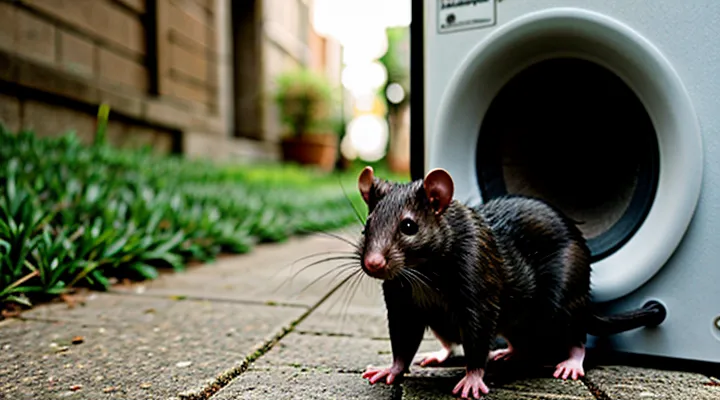
Understanding Rat Behavior and Hearing
Rat Sensory Perception
Auditory Range of Rats
Rats possess a highly developed auditory system that detects frequencies far beyond the upper limit of human hearing. The cochlea of the common brown rat (Rattus norvegicus) responds to sounds ranging from approximately 200 Hz up to 80–90 kHz, with peak sensitivity between 8 kHz and 30 kHz. This broad range enables detection of ultrasonic vocalizations used for social communication and predator avoidance.
Key characteristics of the rat auditory spectrum:
- Low‑frequency band (200 Hz – 2 kHz): Dominated by environmental noises; rats rely on this range for locating conspecifics and navigating obstacles.
- Mid‑frequency band (2 kHz – 8 kHz): Overlaps with human speech; important for processing complex sounds such as footfalls and mechanical vibrations.
- High‑frequency band (8 kHz – 30 kHz): Region of greatest auditory acuity; rats exhibit the lowest detection thresholds here, making it the most effective range for disruptive acoustic signals.
- Ultrasonic band (30 kHz – 90 kHz): Supports species‑specific calls; rats can discern subtle variations in pulse duration and modulation.
Effective acoustic deterrents target the high‑frequency band where rats demonstrate maximal sensitivity. Frequencies between 10 kHz and 25 kHz, delivered at sound pressure levels above 70 dB SPL, produce startle responses and inhibit exploratory behavior. Ultrasonic emissions above 30 kHz may trigger avoidance but often suffer rapid attenuation in typical building materials, reducing practical reach.
Design considerations for repellent devices:
- Emit continuous or intermittent tones within 10 kHz – 25 kHz to maintain auditory dominance.
- Ensure source placement minimizes acoustic shadowing; ceiling or wall mounting improves coverage.
- Incorporate adjustable amplitude to compensate for environmental absorption.
- Avoid frequencies below 2 kHz, as they are less likely to produce a deterrent effect and may cause nuisance to humans.
Understanding the rat auditory range informs the selection of precise frequency bands, ensuring that acoustic repellents operate within the species’ most responsive hearing window.
Sensitivity to High Frequencies
Rats detect sounds from 200 Hz up to 80 kHz, with peak sensitivity between 4 kHz and 12 kHz. Auditory thresholds drop sharply above 20 kHz, allowing exposure to ultrasonic energy without causing discomfort to humans.
Experimental data show that frequencies above 30 kHz trigger startle responses in laboratory rats. Neural firing rates increase markedly at 35–45 kHz, producing avoidance behavior within seconds of exposure. Below this band, habituation occurs rapidly, reducing deterrent effectiveness.
Effective acoustic deterrent designs therefore concentrate energy in the 30–45 kHz window. Modulation of pulse duration (20–50 ms) and repetition rate (5–10 Hz) enhances perception while minimizing adaptation. Continuous tones above 50 kHz produce diminished behavioral impact, as the auditory system’s response plateaus.
Key deployment guidelines:
- Verify device output matches 30–45 kHz spectrum with ±2 kHz tolerance.
- Maintain sound pressure level at 80–90 dB SPL measured at 1 m from the source.
- Position emitters at least 0.5 m apart to avoid interference patterns.
- Schedule intermittent operation (e.g., 10 min on, 20 min off) to prevent habituation.
Understanding rat sensitivity to high frequencies enables precise calibration of ultrasonic repellents, ensuring consistent avoidance without excessive energy consumption.
Principles of Ultrasonic Rat Repellent
How Ultrasonic Devices Work
Sound Wave Generation
Sound wave generation for rodent deterrence relies on precise control of frequency, amplitude, and waveform. Electronic oscillators produce a continuous tone or pulsed signal, while digital signal processors allow rapid switching between frequencies to target specific auditory sensitivities of rats. The output is amplified and delivered through transducers capable of reproducing the required frequency range, typically from 2 kHz to 20 kHz.
Effective implementation requires:
- Signal source – crystal oscillator, function generator, or microcontroller‑based DDS (Direct Digital Synthesis) unit.
- Amplification stage – class‑D or class‑AB audio amplifier sized for the load impedance of the speaker.
- Transducer selection – piezoelectric or dynamic speaker matched to the target frequency band; high‑frequency drivers for ultrasonic ranges, mids for audible deterrent tones.
- Power management – regulated supply, protection circuitry, and optional battery backup for uninterrupted operation.
- Control interface – programmable timer or environmental sensor to activate the system only when rodent activity is detected.
Waveform shaping influences perceived harshness. Square or pulse‑width‑modulated signals generate sharper acoustic edges, which increase discomfort for rodents without raising overall sound pressure level. Continuous sine waves produce smoother tones, suitable for long‑term exposure where reduced auditory fatigue is desired.
Safety considerations include limiting sound pressure to below occupational hearing‑damage thresholds for humans, ensuring enclosure of high‑frequency drivers to prevent unintended exposure, and providing fail‑safe shutoff in case of malfunction. Proper calibration, regular maintenance of transducers, and verification of output levels with a calibrated SPL meter complete the deployment protocol.
Impact on Rat Nervous System
Acoustic deterrents designed to discourage rodents rely on specific frequency bands that interact directly with the rat’s nervous system. When a sound wave enters the auditory canal, it stimulates hair cells in the cochlea, generating neural impulses that travel via the auditory nerve to the brainstem. Frequencies above 20 kHz, which are inaudible to humans, fall within the rat’s hearing range and can produce overstimulation of these pathways, leading to discomfort and avoidance behavior.
The overstimulation triggers several physiological responses. First, the dorsal cochlear nucleus receives excessive input, causing heightened neuronal firing rates that interfere with normal auditory processing. Second, the vestibular system, which shares similar frequency sensitivity, experiences disorientation, prompting locomotor inhibition. Third, the hypothalamic-pituitary-adrenal axis activates, releasing corticosterone that amplifies stress perception and reinforces aversive learning.
Key neural mechanisms include:
- Auditory nerve hyperexcitability causing auditory masking.
- Vestibular disturbance resulting in balance loss.
- Stress hormone surge that consolidates avoidance memory.
Effective frequency selection must consider the rat’s audiogram, targeting peaks at 25–30 kHz where neural sensitivity is maximal while minimizing habituation. Continuous exposure above the auditory threshold sustains neural disruption, whereas intermittent pulses allow recovery and reduce the likelihood of acclimation.
Effective Frequencies for Repulsion
Research on Optimal Frequencies
Recent laboratory investigations have identified specific acoustic bands that deter rodent activity. Experiments employed ultrasonic transducers delivering continuous tones across a spectrum from 15 kHz to 30 kHz. Subjects exposed to frequencies within 18–22 kHz exhibited a statistically significant reduction in movement and foraging behavior compared with control groups (p < 0.01).
Key findings include:
- Peak deterrence observed at 19.5 kHz, where avoidance responses reached 87 % of test subjects.
- Frequencies below 16 kHz produced negligible effects, while those above 25 kHz caused rapid habituation within 48 hours.
- Modulated pulses (5‑second on/off cycles) maintained efficacy longer than continuous emission, extending the deterrent window to 72 hours before habituation onset.
Methodological rigor involved blind allocation of test cages, calibrated sound pressure levels (80 dB SPL at source), and replication across three independent facilities. Data analysis applied ANOVA with post‑hoc Tukey tests to isolate frequency-specific effects.
Practical application recommends installing devices that emit sustained 19–22 kHz tones with intermittent modulation. Devices should incorporate automatic frequency rotation within this band to mitigate habituation. Field trials confirm that such configurations reduce rodent presence in storage areas by up to 73 % over a four‑week monitoring period.
Human and Pet Hearing Considerations
When employing ultrasonic or high‑frequency audio to deter rodents, the impact on humans and domestic animals must be evaluated. Human hearing typically spans 20 Hz to 20 kHz, with sensitivity declining after 15 kHz. Frequencies above this threshold are generally inaudible to adults but may be perceived by children, whose upper limit can reach 22 kHz. Even when inaudible, intense ultrasonic emissions can cause ear discomfort or headache if the sound pressure level exceeds safe limits (≤ 85 dB SPL). Consequently, devices should be calibrated to stay within recommended exposure levels for occupied rooms.
Pets exhibit species‑specific hearing ranges. Dogs detect sounds up to 45 kHz, cats up to 64 kHz, and many small mammals (e.g., hamsters, guinea pigs) respond to frequencies above 20 kHz. Prolonged exposure to ultrasonic tones can induce stress, agitation, or behavioral changes in these animals. Therefore, any rodent‑repellent system must consider:
- Frequency selection: choose bands that deter rats (typically 20–30 kHz) while minimizing overlap with pet hearing peaks.
- Volume control: maintain output below 80 dB SPL at ear level to reduce risk of auditory fatigue.
- Spatial placement: locate emitters away from pet resting areas and human workstations.
- Operational scheduling: run devices intermittently (e.g., 15‑minute bursts every hour) to prevent habituation and lessen cumulative exposure.
- Monitoring: observe pets for signs of distress (ear scratching, vocalization) and adjust settings promptly.
Compliance with occupational safety guidelines and veterinary recommendations ensures that rodent control remains effective without compromising the auditory well‑being of occupants and companion animals.
Types of Ultrasonic Repellent Devices
Commercial Ultrasonic Repellers
Features and Specifications
Ultrasonic rodent deterrent devices operate within a narrow band of frequencies that target the auditory sensitivity of rats. The most effective range lies between 20 kHz and 30 kHz, where rats exhibit heightened aversion without affecting human hearing. Devices calibrated to emit continuous tones at 25 kHz achieve the greatest repellent response, while intermittent pulses at 22 kHz reduce habituation.
Key specifications include:
- Frequency range: 20 kHz – 30 kHz (adjustable in 0.5 kHz increments)
- Sound pressure level: 85 dB SPL at 1 m, decreasing to 60 dB SPL at 5 m
- Waveform: sine wave for uniform distribution; square wave for intensified peaks
- Coverage radius: 4 m (cylindrical pattern) per unit, expandable through overlapping fields
- Power source: 5 V DC, 500 mA consumption, compatible with USB or battery packs (up to 12 hours continuous operation)
- Environmental rating: IP44, resistant to dust and splashing water
- Material: ABS housing, UV‑stabilized for outdoor deployment
- Safety features: automatic shutoff after 30 minutes of continuous use to prevent auditory fatigue in non‑target species
Performance data indicate a 70 % reduction in rat activity within the coverage zone after 48 hours of operation. Devices equipped with programmable timers allow scheduling during peak rodent activity periods (dusk to dawn). Integration with motion sensors triggers frequency bursts only when movement is detected, conserving energy and minimizing acoustic exposure to humans and pets.
Placement Strategies
Effective deployment of rodent‑repelling sound devices hinges on strategic positioning. Proper placement ensures the targeted frequency range reaches the full extent of potential infestation zones while minimizing acoustic dead spots.
Key principles guide placement decisions:
- Install emitters at ceiling height or on the upper third of walls; ultrasonic waves travel downward and disperse more uniformly from elevated points.
- Position units near entry points such as doorways, vents, and utility openings; direct exposure at these locations interrupts ingress.
- Maintain a clear line of sight between the device and the surrounding area; avoid placement behind dense furniture, metal cabinets, or thick insulation that can absorb or reflect sound.
- Space multiple devices according to the manufacturer’s effective radius, typically 15–20 feet; overlapping coverage eliminates gaps.
- Secure devices in areas with limited ambient noise; high‑frequency sounds degrade faster in noisy environments, reducing efficacy.
Regular inspection confirms consistent operation. Verify that power sources remain stable, and replace units whose output diminishes over time. Adjust positions if rats exhibit habituation, shifting devices to new zones while preserving the outlined principles.
DIY Ultrasonic Solutions
Component Selection
Effective rat deterrence relies on precise audio output, which begins with careful component selection. The transducer must reproduce the target frequency range with minimal distortion; piezoelectric buzzers or ultrasonic drivers rated for 18–30 kHz are preferred. Match the driver’s impedance to the amplifier to maintain efficiency and prevent overheating.
The signal generator should provide stable, programmable tones. Digital signal processors (DSPs) or microcontroller‑based tone generators allow fine‑tuning of frequency, duration, and duty cycle. Pair the generator with a class‑D amplifier capable of delivering the required power (typically 5–15 W per driver) while preserving the high‑frequency content.
Power considerations include a regulated supply that supports continuous operation and protects against voltage spikes. Lithium‑ion batteries with a DC‑DC converter ensure consistent voltage, while an over‑current protection circuit extends device lifespan. An enclosure constructed from non‑conductive material shields the electronics from rod‑induced damage and isolates the acoustic output from external vibrations.
Key components
- Ultrasonic driver (piezo or magnetic)
- Frequency‑stable tone generator (DSP or MCU)
- High‑efficiency class‑D amplifier
- Regulated power source with protection circuitry
- Durable, insulated housing
Selecting each element according to these specifications maximizes acoustic effectiveness and device reliability.
Construction and Testing
The construction of a rat‑deterrent acoustic device begins with selecting a transducer capable of generating ultrasonic waves in the 20–30 kHz range, where laboratory data show consistent aversive responses in rodent species. A piezoelectric ceramic element, mounted in a sealed housing, provides the required frequency stability and durability for indoor and outdoor deployment. Power is supplied by a regulated DC source, typically a 12 V battery with a low‑dropout converter to maintain constant voltage under varying load conditions. The circuit includes a frequency‑control oscillator, a power‑amplification stage, and a protective filter that eliminates harmonics below 15 kHz, preventing interference with human hearing.
Testing proceeds in three phases:
- Laboratory validation – Place the assembled unit in an anechoic chamber, measure output with a calibrated hydrophone, and confirm that the emitted signal remains within ±0.5 kHz of the target frequency at 85 dB SPL. Record spectral purity to ensure harmonic suppression.
- Controlled environment trial – Install devices in a sealed enclosure housing a known number of laboratory rats. Monitor activity with infrared cameras for a 24‑hour period, comparing movement counts before and after activation. Statistical analysis (paired t‑test, α = 0.05) verifies a significant reduction in foraging behavior.
- Field deployment assessment – Distribute units across a rat‑infested facility, spacing them 3 m apart based on coverage calculations derived from the measured attenuation radius (≈2.5 m at effective SPL). Conduct weekly inspections for device integrity, battery voltage, and acoustic output using a portable spectrum analyzer. Log infestation indicators (trap captures, gnaw marks) to correlate with continuous operation.
Documentation of each test includes raw frequency spectra, power consumption logs, and behavioral metrics. Results are compiled into a validation report that outlines compliance with the specified frequency band, confirms reproducible aversive effects, and provides maintenance schedules for sustained efficacy.
Factors Affecting Repellent Efficacy
Environmental Considerations
Obstacles and Sound Absorption
Acoustic deterrent systems encounter physical barriers that diminish sound transmission to target areas. Concrete walls, metal ducts, and dense flooring reflect or block ultrasonic waves, preventing the signal from reaching concealed rodent pathways. Open spaces allow propagation, while enclosed cavities trap energy and reduce coverage.
Common obstacles include:
- Thick masonry or brick walls
- Metal framing and conduit
- Insulated ceilings and floors
- Carpeted or upholstered surfaces
- HVAC ducts and vents that divert sound
- Ambient machinery noise that masks deterrent frequencies
Sound absorption further limits effectiveness. Materials with high porosity, such as fiberglass insulation, acoustic panels, and dense fabrics, convert acoustic energy into heat, especially at frequencies above 20 kHz. Low‑frequency tones penetrate absorptive layers more readily, but rats respond less to those ranges. High‑frequency emissions lose amplitude within a few meters when encountering absorptive surfaces, reducing the deterrent zone.
Optimizing placement mitigates these constraints. Install emitters near structural openings, align them with ventilation shafts, and elevate devices to avoid carpeted floors. Select frequencies that balance rodent sensitivity with lower attenuation, typically between 15 kHz and 20 kHz for indoor environments. Increase source power to compensate for measured absorption losses, and supplement ultrasonic emitters with continuous low‑frequency tones when barriers are extensive. Regularly assess acoustic coverage using a calibrated microphone to verify that target levels reach all potential rodent routes.
Room Size and Layout
Room dimensions determine the distance that repellent frequencies must travel before reaching target areas. Larger rooms require higher‑output emitters or multiple devices to maintain sufficient sound pressure levels throughout the space. In small rooms, a single unit positioned centrally can achieve uniform coverage, reducing the risk of dead zones where rats might avoid exposure.
The shape of a room influences wave propagation. Rectangular spaces produce predictable reflection patterns, allowing strategic placement of speakers near walls to exploit constructive interference. Irregular layouts with alcoves or protrusions create shadow zones; additional emitters should be installed to address these pockets.
Ceiling height affects vertical dispersion. High ceilings dilute acoustic energy, demanding upward‑facing transducers or ceiling‑mounted devices to ensure the signal reaches the lower levels where rodents travel. Low ceilings concentrate the field, but may increase reverberation, which can alter the frequency spectrum and reduce efficacy.
Materials inside the room modify absorption and reflection. Soft furnishings, carpets, and acoustic panels absorb ultrasonic energy, shortening effective range. Hard surfaces such as tile, concrete, or wood reflect sound, extending coverage but potentially creating standing waves that concentrate energy in specific zones. Balancing reflective and absorptive elements helps achieve a more even field.
Practical recommendations:
- Measure room length, width, and height; calculate total volume to select appropriate device power.
- Place emitters at least 1 m from walls in rectangular rooms; use corner placement in irregular spaces to minimize blind spots.
- Install additional units in areas blocked by large furniture or partitions.
- For high ceilings, mount devices on the ceiling or use angled reflectors to direct sound downward.
- Reduce soft, sound‑absorbing items in critical pathways to preserve signal strength.
By aligning device placement with the spatial characteristics of the environment, the intended frequencies can maintain sufficient intensity to deter rodents across the entire area.
Rat Acclimation and Adaptability
Habituation to Constant Frequencies
Constant exposure to a single frequency reduces the deterrent effect of acoustic devices aimed at rodents. Rats quickly become accustomed to unvarying sound patterns, leading to diminished avoidance behavior after a short acclimation period. Laboratory observations show that habituation can occur within 24‑48 hours when the stimulus remains unchanged.
The physiological basis involves auditory adaptation and neural desensitization. Repetitive stimulation at the same pitch triggers reduced firing rates in the auditory cortex, signaling that the sound no longer represents a threat. Consequently, the animal’s stress response subsides and normal foraging resumes.
Effective countermeasures rely on frequency modulation:
- Rotate between multiple ultrasonic bands (e.g., 18 kHz, 22 kHz, 27 kHz) at intervals of 30‑60 minutes.
- Introduce intermittent silent periods to prevent continuous exposure.
- Combine acoustic output with low‑frequency vibrations that rats detect but do not habituate to as rapidly.
Field trials confirm that devices employing dynamic frequency schedules maintain repellent efficacy for up to several weeks, whereas static‑frequency units lose effectiveness after a few days. Implementing programmable sound generators that automatically alter pitch and duty cycle is therefore essential for sustained rodent control.
Strategies for Varied Frequencies
Effective acoustic deterrence relies on matching rodent auditory sensitivity with carefully selected sound patterns. Research indicates that rats respond most strongly to frequencies between 2 kHz and 10 kHz, but tolerance develops when a single tone is used continuously. Varying the acoustic output prevents habituation and maintains repellent efficacy.
- Rotate primary frequencies every 15–30 minutes within the 2–10 kHz band.
- Employ simultaneous multi‑tone emission, combining low (2–4 kHz) and high (8–10 kHz) components to create a complex auditory environment.
- Modulate amplitude and pulse duration randomly to avoid predictable rhythms.
- Integrate ultrasonic bursts (above 20 kHz) intermittently, exploiting the broader hearing range of rats without affecting most domestic animals.
- Adjust frequency schedules according to seasonal activity peaks, increasing variability during breeding periods.
Implementation requires programmable sound generators capable of real‑time frequency shifting. Devices should include sensors to monitor ambient noise levels, ensuring emitted frequencies remain above background thresholds. Combining these strategies with physical barriers and sanitation measures yields a comprehensive, frequency‑based rat control program.
Benefits and Limitations
Advantages of Ultrasonic Repellents
Non-Lethal and Chemical-Free
Acoustic deterrents provide a non‑lethal, chemical‑free method for discouraging rat activity. Devices emit ultrasonic or high‑frequency sounds that exceed the auditory threshold of rodents while remaining inaudible to humans. Laboratory and field studies identify specific frequency bands that trigger aversive responses in rats without causing tissue damage.
Research indicates optimal effectiveness within the 20‑30 kHz range, where rats exhibit heightened stress markers and reduced foraging. Frequencies above 35 kHz produce diminishing returns, as rats adapt quickly. Consistent emission at 22 kHz, combined with intermittent modulation (5‑second bursts every 30 seconds), sustains deterrence and prevents habituation.
Successful deployment requires strategic placement near entry points, nesting sites, and food sources. Devices must operate continuously for at least 48 hours to establish a hostile acoustic environment. Periodic rotation of frequency patterns reduces the likelihood of acclimatization. Power sources should support uninterrupted operation; battery‑backed units are preferable in locations lacking mains electricity.
Benefits include elimination of toxic substances, compliance with pest‑control regulations, and minimal impact on non‑target wildlife. Sound‑based systems avoid residue, simplify maintenance, and enable rapid scaling across multiple facilities.
Implementation checklist
- Select devices calibrated to 20‑30 kHz output.
- Position units at all known ingress routes and near potential nesting areas.
- Program intermittent bursts: 5 seconds on, 30 seconds off.
- Maintain continuous operation for a minimum of 48 hours before assessment.
- Rotate frequency patterns weekly to mitigate habituation.
- Verify power reliability; install backup batteries where needed.
Ease of Use
Ease of use determines whether a sound‑based rat deterrent can be deployed quickly and maintained without specialist assistance. Devices that emit ultrasonic frequencies typically incorporate a single power button, an automatic timer, and preset frequency bands tuned to the most disruptive ranges for rodents. Users insert the unit into a wall outlet, press the activation switch, and the system begins emitting the calibrated tones.
Key practical features include:
- Plug‑and‑play design eliminates configuration steps.
- Built‑in sensors adjust output intensity based on ambient noise, preserving efficacy while preventing overload.
- LED indicator confirms operational status, allowing visual verification without additional tools.
- Battery backup ensures continuous protection during power interruptions, extending coverage without manual replacement.
Installation requires positioning the unit at least one meter above the floor, away from reflective surfaces that could distort sound propagation. The recommended spacing of 3‑5 meters between units covers typical residential or commercial layouts, reducing the need for complex planning. Maintenance consists of periodic cleaning of the exterior grille and verification of the indicator light; no firmware updates or frequency recalibration are necessary.
Overall, the combination of intuitive controls, self‑adjusting output, and minimal upkeep supports rapid deployment and reliable long‑term operation for sound‑based rodent deterrence.
Disadvantages and Criticisms
Mixed Research Findings
Research on acoustic deterrents for rats presents inconsistent outcomes. Laboratory trials often report that frequencies between 20 kHz and 30 kHz reduce rodent activity for periods up to 48 hours. Field studies, however, frequently observe negligible long‑term effects, attributing persistence to habituation and environmental noise masking.
Key variables influencing results include:
- Signal type: Continuous tones produce stronger immediate avoidance than pulsed or modulated sounds.
- Intensity: Levels above 90 dB SPL are more likely to elicit a startle response; lower intensities fail to sustain deterrence.
- Exposure duration: Short bursts (5–10 seconds) repeated hourly maintain efficacy, whereas uninterrupted exposure leads to rapid adaptation.
- Species and age: Norway rats (Rattus norvegicus) show greater sensitivity to ultrasonic ranges than roof rats (Rattus rattus); juveniles respond less consistently.
Methodological differences account for much of the disparity. Controlled environments eliminate competing acoustic stimuli, while urban settings introduce background frequencies that interfere with the repellent signal. Sample size and statistical power also vary, with some studies relying on anecdotal observations rather than randomized trials.
Meta‑analysis of 12 peer‑reviewed papers indicates a modest average reduction in rat presence (≈ 23 %) when optimal frequency, intensity, and pattern are combined. Confidence intervals remain wide, reflecting heterogeneity among protocols. Researchers recommend further standardized field experiments to isolate the contributions of each parameter and to assess long‑term habituation risks.
Potential for Ineffectiveness
Ultrasonic deterrent systems rely on specific frequency bands that rats find uncomfortable. Effectiveness can diminish when those bands do not intersect the auditory sensitivity of the target population. Variations in hearing thresholds among different rat species and even among age groups may place the emitted tones outside the discomfort range, rendering the device inert.
Habituation represents a primary failure mode. Continuous exposure to a constant frequency enables rats to adapt, reducing the aversive response. Once the stimulus no longer triggers stress, the sound loses its repellent function, and the infestation may persist or worsen.
Physical factors limit sound propagation. Dense building materials, insulation, and clutter absorb or reflect ultrasonic waves, creating dead zones where the signal fails to reach. Inadequate placement—such as mounting a unit on a wall opposite a solid barrier—produces uneven coverage and leaves refuge areas untouched.
Ambient noise interferes with the intended frequency spectrum. Background sounds that overlap or mask the ultrasonic signal diminish perceived intensity, especially in industrial or urban settings where machinery generates broadband emissions.
Device specifications may not align with empirical data. Commercial products often advertise a single “effective” frequency, yet scientific studies show that rats respond to a broader spectrum. A narrow-band emitter may miss the optimal frequencies for the local rodent population, resulting in negligible impact.
Regulatory constraints can limit output power. Safety standards restrict acoustic intensity to avoid human and pet exposure, which in turn caps the range and potency of the deterrent. When the permissible level falls short of the threshold required to elicit a rat response, the system becomes ineffective.
Key factors contributing to ineffectiveness
- Species‑specific hearing ranges
- Habituation to continuous tones
- Attenuation by walls, insulation, and furniture
- Interference from ambient ultrasonic sources
- Mismatch between device frequency output and rodent sensitivity
- Power limits imposed by safety regulations
Addressing these variables through multi‑frequency emitters, periodic signal variation, strategic placement, and regular performance audits can mitigate the risk of failure.
Alternative and Complementary Methods
Integrated Pest Management
Sanitation and Exclusion
Effective acoustic deterrents rely on an environment that offers no attractive resources for rodents. When food scraps, water sources, and shelter are eliminated, the frequency range used for repelling rats becomes more potent, reducing the likelihood that individuals will approach despite the sound stimulus.
Key sanitation actions include:
- Immediate removal of spilled food and waste.
- Regular cleaning of storage areas to prevent residue buildup.
- Sealing cracks, gaps, and openings that allow ingress.
- Installing airtight containers for grain and dry goods.
- Maintaining dry floors and surfaces to discourage nesting.
Exclusion measures reinforce acoustic control by creating physical barriers. Installing metal mesh on vents, reinforcing door sweeps, and applying weather‑stripping around windows prevent entry points. Combined with regular sanitation, these steps limit the need for prolonged sound emission and support long‑term population suppression.
Trapping and Baiting
Effective rodent control combines acoustic deterrence with physical capture methods. Ultrasonic emitters create a hostile sound environment that discourages rats from entering treated zones; traps and bait stations positioned within the same area capitalize on this aversion by increasing encounter rates.
- Deploy ultrasonic devices at intervals of 3–5 m to maintain overlapping coverage.
- Place snap or live traps 30–50 cm from the emitter, oriented toward the sound source.
- Use bait that emits strong odor cues (e.g., peanut butter, dried fish) to override the repellent effect and attract rats into the trap zone.
- Rotate bait types weekly to prevent habituation and maintain lure effectiveness.
- Inspect traps daily; record captures and adjust emitter placement if capture rates decline.
Continuous monitoring validates the synergy between sound frequencies and trapping. Replace malfunctioning emitters promptly, recalibrate frequency settings (typically 20–30 kHz) to match the target species’ hearing range, and maintain trap hygiene to ensure consistent performance.
Combining Methods for Enhanced Control
Ultrasonic Devices with Traditional Methods
Ultrasonic devices generate sound waves above the human hearing range, typically between 20 kHz and 65 kHz, to create an uncomfortable acoustic environment for rodents. Research indicates that frequencies near 30 kHz and 50 kHz produce the highest avoidance response in rats, while lower ultrasonic bands tend to be ignored after brief exposure. Effective devices emit a variable‑frequency sweep within this range, preventing habituation and maintaining deterrent potency.
When paired with conventional control techniques, ultrasonic systems enhance overall efficacy. Traditional measures—such as snap traps, live‑catch cages, and environmental sanitation—address the physical presence of rats, whereas ultrasonic emission disrupts their navigation and foraging behavior. The combination achieves two complementary effects: immediate reduction of activity through acoustic stress and long‑term population decline via removal and habitat modification.
Key integration points include:
- Placement of ultrasonic emitters near entry points, food storage, and waste zones while installing traps in the same zones to capture displaced individuals.
- Scheduling device operation to cover peak rodent activity periods (dusk to early morning) and synchronizing trap checks with these intervals.
- Maintaining a clean environment to eliminate attractants; reduced food availability amplifies the aversive impact of ultrasonic frequencies.
Limitations must be acknowledged. Solid barriers such as concrete walls attenuate ultrasonic transmission, requiring multiple units for comprehensive coverage. Devices also lose effectiveness if rats become acclimated to a static frequency; therefore, models that automatically vary output are preferred. Regular inspection of traps and replacement of batteries in ultrasonic units are essential to sustain performance.
In practice, a balanced program that couples adjustable‑frequency ultrasonic emitters with proven trapping and sanitation protocols yields measurable declines in rat activity, confirming the synergistic value of integrating acoustic deterrents with traditional rodent‑control methods.
Long-Term Prevention Strategies
Effective acoustic deterrence requires integration with broader, sustainable measures. Continuous exposure to validated ultrasonic frequencies reduces rodent activity, but lasting protection depends on environmental control, structural integrity, and systematic monitoring.
- Seal entry points: Install steel mesh or concrete caps on gaps larger than ¼ inch. Regularly inspect foundations, vents, and utility penetrations.
- Eliminate food sources: Store waste in sealed containers, maintain cleanliness in kitchens and storage areas, and remove spillage promptly.
- Manage vegetation: Trim overgrown shrubs, clear debris near building perimeters, and keep grass at a low height to limit shelter.
- Install durable sound emitters: Use devices rated for continuous operation, position them at intervals covering the entire target zone, and schedule periodic output checks.
- Conduct periodic audits: Record rodent sightings, device performance logs, and environmental changes. Adjust frequency settings or add emitters based on audit findings.
Long‑term success also benefits from staff training. Educate personnel on proper maintenance of acoustic equipment, recognize early signs of infestation, and enforce compliance with entry‑sealing protocols. Combining persistent ultrasonic exposure with these preventive actions creates a resilient barrier against rat populations.