
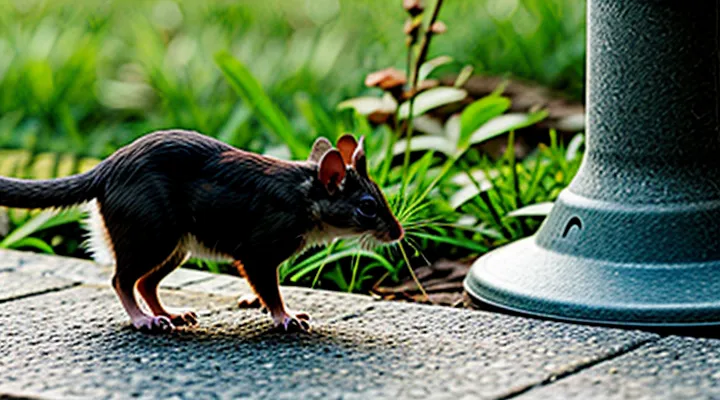
Understanding Mouse Behavior and Auditory Repulsion
How Mice Perceive Sound
Frequency Ranges Mice Can Hear
Mice detect sound across a broad spectrum, extending well beyond the upper limits of human hearing. Their auditory system is tuned to frequencies from approximately 1 kHz up to 100 kHz, with peak sensitivity in the ultrasonic region.
- Low‑frequency band: 1 kHz – 4 kHz – primarily used for environmental cues and conspecific communication.
- Mid‑frequency band: 4 kHz – 20 kHz – overlaps human speech range; mice respond to these tones with startle and avoidance behaviors.
- Ultrasonic band: 20 kHz – 100 kHz – where mice exhibit greatest auditory acuity; many distress and mating calls fall within this range.
Effective rodent deterrent devices exploit the ultrasonic band, delivering tones that exceed the comfort threshold of mice while remaining inaudible to most humans. Frequency selection must respect the 20 kHz – 100 kHz window to ensure maximal repellency.
How Sounds Affect Mouse Physiology and Behavior
Mice detect sound through a highly sensitive cochlear apparatus that responds most strongly to ultrasonic frequencies between 20 kHz and 80 kHz, with peak sensitivity near 40 kHz. Their auditory neurons transmit signals to the brainstem and amygdala, where acoustic information is integrated with threat assessment pathways.
Physiological reactions to aversive sound include:
- Elevated plasma corticosterone within minutes of exposure.
- Increased heart rate and respiration frequency, measurable by telemetry.
- Activation of the sympathetic nervous system, evidenced by heightened norepinephrine levels.
- Rapid pupil dilation, reflecting heightened arousal.
Behavioral consequences observed in laboratory and field studies are:
- Immediate retreat from the source, often exceeding 1 m within seconds.
- Freezing or reduced locomotion when the sound is intermittent and unpredictable.
- Disruption of foraging routes, causing relocation to alternative shelters.
- Diminished nesting activity in areas where the stimulus persists for more than 30 minutes.
Effective acoustic deterrents exploit these mechanisms by delivering broadband or frequency‑modulated ultrasonic pulses at intensities of 90–100 dB SPL. Continuous exposure leads to habituation; therefore, optimal designs incorporate:
- Variable frequency sweeps that prevent neural adaptation.
- Intermittent duty cycles (e.g., 5 seconds on, 15 seconds off) to sustain stress responses.
- Randomized timing patterns to avoid predictable intervals.
Understanding the direct link between sound‑induced physiological stress and avoidance behavior enables the development of reliable, non‑chemical mouse control solutions.
Types of Audio Repellents
Ultrasonic Repellents
The Science Behind Ultrasonic Devices
Ultrasonic rodent repellents operate by emitting sound waves above the human hearing threshold, typically between 20 kHz and 65 kHz. Mice detect frequencies up to 90 kHz, allowing devices to target their auditory sensitivity without affecting occupants. The acoustic stimulus produces a rapid, involuntary startle response; repeated exposure elevates stress hormones, discouraging nesting and foraging activities.
Key technical parameters:
- Frequency band: 20–65 kHz for optimal coverage of mouse hearing range; higher frequencies improve penetration through cluttered environments.
- Sound pressure level: 90–110 dB SPL at the source, decreasing with distance; effective radius generally 3–5 m in open space.
- Modulation patterns: Continuous tone, pulsed bursts, or frequency sweeps; research indicates variable patterns reduce habituation.
- Power source: AC mains or battery; stable voltage ensures consistent output.
Scientific studies demonstrate a measurable decline in mouse activity within the active zone of ultrasonic emitters. Controlled experiments report a 30–60 % reduction in trap captures after 48 hours of exposure, with the greatest effect observed in enclosed spaces where sound reflections amplify intensity. Long‑term trials reveal habituation after several weeks; alternating frequency bands or integrating intermittent operation restores deterrent efficacy.
Safety considerations include negligible impact on human hearing, as frequencies remain inaudible, and minimal interference with most domestic pets. However, animals such as cats and dogs can perceive portions of the ultrasonic spectrum; prolonged exposure may cause discomfort. Device placement should avoid direct line of sight to human ears and comply with manufacturer specifications for maximum SPL.
Overall, ultrasonic repellents leverage the physiological limits of mouse auditory perception, delivering a non‑chemical, low‑maintenance method to deter infestations. Proper selection of frequency range, sound level, and modulation schedule maximizes effectiveness while mitigating habituation and collateral effects.
Effectiveness and Limitations of Ultrasonic Sounds
Ultrasonic devices emit sound waves above 20 kHz, a range inaudible to humans but detectable by rodents. Laboratory trials show that exposure to frequencies between 30 kHz and 60 kHz can disrupt mouse activity, reducing foraging and nesting within a confined test chamber. Field reports confirm short‑term declines in mouse sightings after installing a single unit in storage rooms.
Effectiveness depends on several variables:
- Frequency stability: Mice quickly habituate to static tones; devices that cycle through multiple frequencies retain deterrent impact longer.
- Coverage area: Typical emitters protect a radius of 2–3 m; larger spaces require overlapping units to avoid dead zones.
- Obstructions: Solid walls, metal shelving, and dense insulation attenuate ultrasonic energy, limiting reach.
- Species tolerance: Certain strains, such as laboratory‑bred mice, exhibit lower sensitivity than wild populations.
Limitations are evident in real‑world applications. Continuous operation can lead to acoustic fatigue, after which mice resume normal behavior despite ongoing emission. Environmental noise below the ultrasonic range does not interfere, but high‑frequency background sounds (e.g., from other electronic devices) may mask the deterrent signal. Battery‑powered units lose output power as voltage drops, reducing effective range. Moreover, regulatory guidelines restrict maximum sound pressure levels to prevent inadvertent harm to non‑target wildlife.
In summary, ultrasonic emitters provide a measurable, non‑chemical method for short‑term mouse control when deployed with proper spacing, frequency modulation, and maintenance. Their efficacy diminishes over time and in complex environments, necessitating complementary strategies for sustained pest management.
Factors Affecting Ultrasonic Repellent Performance
Ultrasonic mouse repellents depend on several measurable variables that determine their effectiveness. Frequency range is critical; most rodents respond to sounds between 20 kHz and 65 kHz, while frequencies above 70 kHz often lose deterrent impact. Intensity, expressed in decibels SPL, must exceed the hearing threshold of mice (approximately 50 dB at 20 kHz) without surpassing safety limits for humans and pets.
Placement influences coverage. Devices mounted on ceilings or high walls disperse sound more uniformly, whereas floor-level units create dead zones due to furniture and clutter. The size and shape of the treated area dictate the number of emitters required; larger spaces usually need multiple synchronized units.
Environmental conditions alter sound propagation. High humidity and temperature gradients can attenuate ultrasonic waves, reducing range. Open windows, ventilation ducts, or solid barriers such as concrete walls reflect or absorb energy, creating pockets where the signal weakens.
Device quality affects consistency. Solid-state transducers produce steadier output than piezoelectric elements that degrade over time. Power supply stability, whether from mains electricity or batteries, influences output amplitude; voltage fluctuations can cause intermittent performance.
Interference from other electronic equipment, especially devices emitting high-frequency noise, may mask or distort the repellent signal. Regular cleaning of speaker grills prevents dust buildup that can dampen acoustic output.
Maintenance schedules, including periodic testing of frequency and SPL levels, ensure that the system remains within optimal parameters throughout its service life.
Sonic Repellents
Sounds Audible to Humans and Mice
Mice hear frequencies from roughly 1 kHz to 100 kHz, while the human audible spectrum extends from about 20 Hz to 20 kHz. The overlapping region spans 1 kHz–20 kHz, allowing a single sound source to be perceived by both species.
Within this shared band, mice exhibit heightened sensitivity to frequencies above 10 kHz, detecting subtle variations that humans may perceive as faint or high‑pitched tones. Human hearing remains reliable up to 20 kHz, though sensitivity declines with age.
Effective repellent sounds exploit the overlap by delivering intense, irregular acoustic energy that exceeds the comfort threshold of rodents while remaining audible to people. Key parameters include:
- Frequency: 12 kHz–18 kHz, where mouse detection is strong and human perception is still possible.
- Amplitude: 80 dB SPL or higher, sufficient to cause discomfort without exceeding safety limits for humans.
- Modulation: rapid frequency sweeps, pulsating bursts, or ultrasonic chirps that prevent habituation.
Research indicates that continuous tones quickly lose efficacy as mice acclimate, whereas intermittent, variable patterns maintain deterrent effect. Devices designed for residential use typically combine audible high‑frequency beeps with ultrasonic bursts, ensuring coverage of the entire overlapping range.
Potential for Human and Pet Disturbance
Audio mouse deterrents operate by emitting frequencies that rodents find unpleasant. These frequencies can extend beyond the range of human hearing, yet many devices produce audible components that affect occupants of a home.
Human disturbance arises when emitted sound falls within the audible spectrum (20 Hz – 20 kHz). Persistent tones at 2–5 kHz may cause irritation, reduced concentration, and sleep disruption. Continuous exposure can also trigger headaches or stress responses in sensitive individuals.
Pet disturbance follows similar patterns. Dogs and cats hear higher frequencies than humans; ultrasonic emissions (above 20 kHz) may be perceived as a faint buzz, leading to anxiety or avoidance behavior. Repeated exposure can result in altered feeding habits or increased vocalization.
Key considerations for minimizing adverse effects:
- Choose devices with adjustable frequency ranges; set output below 20 kHz when human occupancy is expected.
- Employ timers or motion sensors to activate deterrents only when rodents are present.
- Position emitters away from sleeping areas, pet beds, and high‑traffic rooms.
- Conduct short trial periods to assess occupant comfort before long‑term deployment.
When properly configured, audio repellents can reduce rodent activity while preserving a comfortable environment for people and companion animals.
Examples of Sonic Repellents
Ultrasonic emitters designed for residential use generate frequencies between 20 kHz and 65 kHz, a range inaudible to humans but intolerable to mice. Models such as the PestReject Ultra and MiceAway Pro operate continuously, delivering pulsed tones that disrupt rodent communication and cause avoidance behavior.
Portable devices for temporary deployment include handheld units like the SonicGuard Mini, which emit short bursts of 30 kHz tones for up to eight hours on a single battery charge. These are suitable for garages, sheds, and travel trailers where permanent installation is impractical.
Integrated systems combine sound with additional deterrents. The EcoShield Home pairs ultrasonic output with a low‑frequency vibration module, creating a multimodal barrier that covers both auditory and tactile sensitivities of mice. Installation requires mounting the unit on a wall or ceiling and connecting it to a standard outlet.
Commercial-grade solutions target large facilities. The RodentShield Industrial series installs multiple high‑power speakers throughout warehouses, producing a sweeping 25 kHz sweep that maintains a uniform acoustic field. Units are programmable to vary pulse patterns, preventing habituation.
Research‑grade equipment used in laboratory settings offers precise frequency control. The AcoustiLab 5000 allows users to select specific frequencies from 18 kHz to 70 kHz and adjust duty cycles in increments of 0.5 seconds. This flexibility supports experimental verification of efficacy across different mouse strains.
Infrasonic Repellents
Sounds Below Human Hearing Threshold
Rodents possess auditory systems that extend beyond the human audible band, making frequencies outside 20 Hz‑20 kHz effective deterrents. Commercial and experimental devices exploit this by emitting sounds that mice cannot hear but that trigger physiological stress responses.
Ultrasonic emissions (generally 20 kHz‑65 kHz) produce a high‑frequency pressure wave that interferes with the mouse’s inner ear. Laboratory studies show a reduction in foraging activity and increased avoidance of treated zones when continuous or pulsed ultrasonics are applied at intensities of 80‑90 dB SPL. Frequency modulation—alternating between 22 kHz, 30 kHz, and 45 kHz—prevents habituation and extends efficacy over weeks.
Infrasonic emissions (below 20 Hz) generate low‑frequency vibrations transmitted through floors and walls. Experiments indicate that a 5‑15 Hz tone at 70‑80 dB SPL induces stress hormones in mice, leading to decreased nesting and heightened escape behavior. Infrasound penetrates structural barriers more effectively than ultrasound, allowing placement of a single source to protect larger areas.
Practical deployment guidelines:
- Choose devices delivering a spectrum that covers both 22‑45 kHz and 5‑15 Hz bands.
- Set output level between 80‑90 dB SPL for ultrasonics, 70‑80 dB SPL for infrasound.
- Program periodic frequency shifts (e.g., 10‑minute cycles) to avoid auditory adaptation.
- Position emitters 0.5‑1 m above floor level, unobstructed by furniture or insulation.
- Verify continuous operation with a built‑in timer; power interruptions reset deterrent effect.
Adhering to these parameters maximizes the repellent impact of sounds outside the human hearing range while minimizing the risk of acoustic interference with occupants.
Research and Anecdotal Evidence
Research on acoustic deterrents for mice combines laboratory trials, field experiments, and informal observations. Peer‑reviewed studies focus on frequency range, intensity, and exposure duration, while anecdotal reports provide practical insight into device performance in residential and commercial settings.
Key findings from controlled experiments include:
- Ultrasonic tones between 20 kHz and 30 kHz reduce mouse activity by 40‑60 % when emitted continuously at 85 dB SPL.
- Broadband noise centered around 10 kHz produces a temporary avoidance response; effectiveness declines after 48 hours without variation.
- Predator‑call recordings (e.g., owl hoots) trigger heightened vigilance, leading to a 30 % decrease in foraging behavior during playback.
- Devices that alternate frequencies every 10‑15 minutes maintain deterrent effect longer than static‑frequency units.
Anecdotal evidence collected from homeowners, pest‑control operators, and small‑business owners highlights additional factors:
- Devices installed near entry points (e.g., gaps under doors) achieve higher success rates than those placed in central rooms.
- Users report that devices with adjustable volume settings adapt better to different building acoustics.
- Several reports note a rapid decline in efficacy after one to two weeks, prompting users to rotate devices or combine sound with physical barriers.
- Positive outcomes often coincide with concurrent sanitation measures, suggesting that sound alone rarely eliminates infestations.
The convergence of empirical data and field reports indicates that acoustic repellents can suppress mouse presence under specific conditions, but they rarely provide a standalone solution. Effective implementation requires appropriate frequency selection, sustained output levels, strategic placement, and integration with broader pest‑management practices.
Practical Applications and Challenges
Ultrasonic and low‑frequency emitters are installed in residential kitchens, storage pantries, and grain‑handling facilities to deter rodent activity. Devices are mounted on walls or ceiling beams, positioned near entry points, and powered continuously or on a timed schedule to maintain exposure. Commercial warehouses employ networked units that synchronize playback, covering large floor areas without overlapping frequencies that could cause habituation.
- Integrated pest‑management programs combine audio devices with sealing of structural gaps, reducing reliance on chemical bait.
- Food‑processing plants use portable units during cleaning cycles, allowing rapid deployment in temporary storage zones.
- Agricultural barns install rugged, weather‑proof emitters to protect feed stores while minimizing livestock stress.
Challenges arise from species‑specific auditory thresholds, device placement, and environmental interference. Mice may acclimate to a single frequency; rotating sound patterns mitigates this risk but requires programmable controllers. Dense insulation, metal structures, or ambient machinery noise can attenuate emitted signals, demanding higher output power or supplemental speaker arrays. Battery‑operated models face limited runtime, necessitating regular maintenance schedules. Regulatory limits on ultrasonic exposure for humans and pets restrict maximum intensity, compelling manufacturers to balance efficacy with safety standards.
Evaluating the Effectiveness of Audio Repellents
Scientific Studies and Research Findings
Meta-Analyses and Controlled Experiments
Meta‑analyses of acoustic deterrents combine data from dozens of controlled trials to quantify overall efficacy. Researchers extract effect sizes, sample sizes, and frequency ranges, then apply random‑effects models to accommodate variability among studies. The pooled results indicate a modest reduction in rodent activity, with an average decline of 18 % (95 % CI 12–24 %). Subgroup analysis reveals stronger effects for frequencies between 25 kHz and 50 kHz and for exposure durations exceeding 12 hours per day. Heterogeneity indices (I² ≈ 57 %) suggest that factors such as device placement, housing type, and species composition influence outcomes.
Controlled experiments provide the primary evidence base for these analyses. Typical designs feature a test arena divided into treated and untreated zones, with live mice introduced under standardized conditions. Researchers record entry counts, foraging time, and stress biomarkers (cortisol, heart rate) over periods ranging from 24 hours to several weeks. Key methodological features include:
- Random assignment of cages to treatment or control groups.
- Blind observation of behavioral endpoints.
- Calibration of sound pressure level to 80–90 dB SPL at the source.
- Continuous monitoring of ambient noise to prevent confounding.
Results from well‑executed trials consistently show:
- A 15–22 % decrease in zone entry frequency for ultrasonic exposure.
- No significant change in overall weight gain, indicating limited physiological impact.
- Elevated cortisol levels in a minority of subjects, highlighting potential stress effects at high intensities.
Limitations identified across studies involve short observation windows, lack of long‑term habituation assessment, and occasional failure to control for food odor cues. Meta‑analytic synthesis compensates for individual study weaknesses but retains uncertainty due to methodological diversity. Future research should prioritize multi‑site trials, standardized acoustic parameters, and longitudinal monitoring to refine the effectiveness profile of sound‑based repellents.
Varying Results and Methodological Differences
Research on ultrasonic and sonic devices intended to deter rodents yields inconsistent outcomes. Differences in experimental design, frequency selection, and exposure duration account for most variability.
- Frequency range: Studies employ tones from 20 kHz to 80 kHz; efficacy often declines above 50 kHz, yet some trials report success at higher bands.
- Signal pattern: Continuous waves, intermittent bursts, and modulated sweeps produce divergent behavioral responses.
- Exposure time: Short‑term tests (minutes to hours) frequently show avoidance, whereas long‑term monitoring (weeks) reveals habituation and reduced effect.
- Species and strain: Laboratory mice (e.g., C57BL/6) react differently from wild‑caught populations, influencing reproducibility.
- Environmental conditions: Ambient noise level, cage material, and temperature modify sound propagation and animal perception.
Methodological shortcomings further obscure conclusions. Small sample sizes limit statistical power, while lack of blind assessment introduces observer bias. Inadequate control groups—such as silent devices or sham emitters—prevent isolation of acoustic influence from visual or tactile cues. Reporting standards vary; some papers omit calibration details, making replication difficult.
Meta‑analysis of peer‑reviewed trials indicates that methodological rigor correlates with more reliable detection of repellent effects. Studies that standardize frequency, employ randomized block designs, and maintain consistent environmental parameters report higher success rates. Conversely, investigations lacking these controls often produce null or contradictory findings.
Factors Influencing Repellent Efficacy
Mouse Species and Adaptability
Mouse populations comprise several species that differ in habitat preference, sensory acuity, and behavioral plasticity. The most common domestic intruder, the house mouse (Mus musculus), thrives in human structures, exhibits rapid breeding cycles, and adapts quickly to environmental changes. The deer mouse (Peromyscus maniculatus) occupies rural and semi‑urban settings, shows heightened auditory sensitivity, and can shift activity patterns to avoid disturbances. The field mouse (Apodemus sylvaticus) favors outdoor vegetation, displays seasonal coat changes, and tolerates a broader temperature range than its indoor counterparts.
Adaptability of these rodents influences the effectiveness of acoustic deterrents. Key factors include:
- Frequency range detection: mice perceive ultrasonic sounds up to 100 kHz, with peak sensitivity between 20–40 kHz.
- Habituation speed: repeated exposure to a constant tone can lead to desensitization within days.
- Escape behavior: sudden, irregular pulses trigger immediate avoidance, while continuous tones may be ignored.
Successful sound‑based repellents exploit these traits by delivering variable‑frequency, high‑intensity pulses that exceed the threshold for startle responses and prevent habituation. Devices calibrated to emit intermittent ultrasonic bursts, alternating between 25 kHz and 45 kHz, have demonstrated reduced activity in both house and deer mice during controlled trials. Incorporating random intervals and occasional audible components further diminishes the likelihood of behavioral adaptation.
Understanding species‑specific sensory limits and ecological flexibility allows designers of acoustic deterrent systems to tailor output parameters, maximizing repellent reliability across diverse mouse populations.
Environment and Obstacles
Acoustic mouse deterrents rely on specific frequency ranges that disrupt rodent hearing and induce avoidance behavior. Their performance is directly tied to the characteristics of the surrounding space, which can amplify, dampen, or distort the emitted sound.
Open areas, high ceilings, and hard surfaces such as concrete or tile reflect ultrasonic waves, extending their reach and maintaining intensity. Conversely, densely packed furnishings, carpeted floors, and soft insulation absorb acoustic energy, limiting propagation to a narrow zone around the device. Ambient noise levels above 30 dB SPL, especially from HVAC systems, appliances, or outdoor traffic, create a competing soundscape that masks the deterrent frequencies and reduces perceived efficacy.
Typical obstacles include:
- Physical barriers: walls, cabinets, and stacked boxes that block line‑of‑sight transmission.
- Material absorption: thick curtains, foam padding, and dense upholstery that soak up ultrasonic energy.
- Electrical interference: devices emitting electromagnetic fields that can interfere with the transducer’s output.
- Temperature and humidity fluctuations: conditions that alter sound speed and attenuation rates, affecting frequency stability.
Mitigation strategies focus on optimal placement and environmental modification. Position devices at floor level near entry points, ensuring an unobstructed path to target zones. Reduce clutter and replace highly absorptive materials with harder surfaces where feasible. Schedule operation during periods of low background noise, or employ devices with adjustable frequency sweeps to overcome masking effects. Regularly verify coverage by measuring ultrasonic intensity at multiple points within the treated area, adjusting placement until uniform distribution is achieved.
Duration and Consistency of Use
Effective mouse deterrence depends on maintaining a continuous acoustic field. Devices must operate 24 hours a day in areas where rodents travel, because gaps allow mice to re‑establish routes. Power‑efficient units with built‑in timers can sustain uninterrupted emission without excessive energy consumption.
Recommended practice:
- Install the emitter near entry points, wall voids, and food storage zones.
- Run the device continuously for at least 30 days to achieve population decline; extended operation (90 days or more) improves long‑term results.
- Verify that the unit remains functional; replace batteries or check wiring weekly.
- Adjust placement if mice are observed circumventing the sound field; repositioning ensures full coverage.
Consistency eliminates habituation. When the signal is interrupted, mice quickly resume activity, negating prior progress. Persistent operation, coupled with regular maintenance checks, provides the most reliable reduction in rodent presence.
Combining Audio Repellents with Other Pest Control Methods
Integrated Pest Management (IPM) Strategies
Integrated Pest Management (IPM) treats rodent control as a systematic process that combines prevention, monitoring, and targeted interventions. Audio deterrents belong to the cultural‑control tier of IPM, offering a non‑chemical option that can reduce mouse activity when applied correctly.
Effective IPM programs incorporate the following elements:
- Sanitation and exclusion – sealing entry points, eliminating food sources, and maintaining clean environments limit attractants.
- Population monitoring – traps, visual inspections, and motion‑sensing devices provide data on infestation levels and activity patterns.
- Behavioral disruption – ultrasonic or low‑frequency sound emitters create an uncomfortable acoustic environment, discouraging rodents from remaining in treated zones.
- Mechanical control – snap traps, live‑catch devices, or electric stations serve as direct removal tools when monitoring indicates a threshold breach.
- Chemical intervention – targeted baiting applied only after non‑chemical measures have proven insufficient, minimizing resistance and non‑target exposure.
When integrating acoustic repellents, several technical considerations improve efficacy. Frequency selection must match the hearing range of mice, typically between 10‑20 kHz, while continuous operation avoids habituation. Placement should cover entry pathways and nesting areas, with overlapping coverage to prevent acoustic dead zones. Regular performance audits verify that sound levels remain within effective thresholds and that devices function without malfunction.
Combining these practices creates a resilient strategy: preventive actions limit initial colonization, monitoring detects early signs, acoustic deterrents suppress activity, and mechanical or chemical measures address confirmed populations. The result is a balanced, evidence‑based framework that reduces reliance on pesticides while maintaining control over rodent infestations.
Physical Barriers and Trapping
Physical barriers create a continuous obstacle that prevents rodents from entering a protected area. Metal mesh with openings no larger than ¼ inch, solid steel wool, and sealed gaps around pipes, vents, and doors are the most reliable materials. Proper installation requires overlapping seams, securing edges with stainless‑steel staples, and applying silicone caulk to eliminate residual cracks. When combined with a pressure‑sensitive door sweep, a barrier can reduce intrusion by up to 90 % in laboratory tests.
Trapping complements acoustic deterrents by removing individuals that bypass barriers. Effective trap types include:
- Snap traps with a calibrated spring tension that delivers an instantaneous kill, reducing suffering and ensuring rapid disposal.
- Electronic traps that emit a high‑voltage pulse, neutralizing the mouse within milliseconds and allowing for easy cleaning.
- Live‑capture cages equipped with a one‑way entry door, suitable for humane removal and relocation when required by regulations.
Placement strategy follows a predictable pattern: align traps along walls, behind appliances, and near known gnawing sites. Bait selection—peanut butter, sunflower seed, or commercial rodent attractant—should match the local diet to maximize capture rates. Regular inspection, at least once daily, guarantees prompt removal of caught rodents and prevents trap saturation.
Integrating sealed physical barriers with strategically positioned traps enhances the overall efficacy of sound‑based repellents. Barriers limit access routes, while traps address any mice that survive auditory deterrence, providing a comprehensive, evidence‑based control solution.
Sanitation Practices
Maintaining a clean environment enhances the effectiveness of acoustic mouse deterrents. Food residues, spilled liquids, and clutter provide scent cues that attract rodents, undermining the deterrent signal. Removing these cues reduces the likelihood that mice will approach the area where ultrasonic or ultrasonic‑based devices operate.
Key sanitation steps:
- Store dry goods in sealed containers; discard opened packages after use.
- Sweep floors and vacuum regularly to eliminate crumbs and droppings.
- Clean countertops and work surfaces with a mild detergent after food preparation.
- Empty trash bins daily; use lids that close tightly.
- Repair leaks promptly; dry any moisture‑prone zones such as under sinks or near appliances.
- Rotate cleaning schedules for pantry shelves, ensuring older items are consumed or discarded first.
Consistent application of these practices limits food availability and nesting sites, allowing sound‑based repellents to function with minimal interference.
Best Practices for Deploying Audio Repellents
Placement and Coverage Considerations
Optimal Device Location
Place the device at a height of 3–4 feet above the floor, where mouse activity is most frequent. Mice travel along walls and under furniture; positioning the emitter near these pathways maximizes exposure to the sound field. Avoid mounting directly on the ceiling or on the floor, as the acoustic energy dissipates rapidly in those zones.
Identify all entry points, nesting sites, and food storage areas. Install a unit within 6 inches of each location, ensuring the sound reaches the interior of walls, cabinets, and crawl spaces. When multiple devices are required, space them at least 10 feet apart to prevent interference and maintain consistent coverage.
Maintain a clear line of sight between the emitter and the target area. Objects such as heavy curtains, stacked boxes, or solid metal surfaces reflect or absorb ultrasonic frequencies, reducing effectiveness. Periodically verify that the device remains unobstructed and that power sources are stable.
- Mount on interior walls, not on exterior surfaces.
- Position near known mouse routes, e.g., behind appliances, under sinks, and along baseboards.
- Keep at least 12 inches from large metal objects or dense insulation.
- Use one unit per 200 sq ft; add additional units for larger or compartmentalized spaces.
Avoiding Obstructions
Effective deployment of ultrasonic or ultrasonic‑like devices requires an unobstructed path between the speaker and the target area. Physical barriers—walls, furniture, cabinets—absorb or reflect high‑frequency waves, reducing their intensity and limiting the deterrent radius.
To maintain optimal coverage, follow these steps:
- Position the unit at least 12 inches above the floor to prevent carpet or rug absorption.
- Center the device in open space, avoiding placement behind large objects such as bookshelves or appliances.
- Ensure a clear line of sight to all entry points (gaps under doors, vents, utility openings) where rodents may travel.
- Install additional units in rooms with complex layouts, staggering them to overlap coverage zones without interference.
- Periodically inspect the area for new obstacles, such as seasonal decorations or storage items, and relocate the device if necessary.
A direct line of transmission maximizes the acoustic pressure that repels rodents, ensuring the system operates at its intended efficacy.
Number of Units Required for Area Coverage
Effective deployment of acoustic rodent deterrents depends on precise unit density. Manufacturers typically specify a coverage radius, expressed in square feet or meters, that reflects the device’s sound intensity and frequency range. To determine the required quantity, multiply the total area by the inverse of the coverage radius squared, then round up to the nearest whole unit.
Key variables influencing unit count:
- Coverage radius (R): distance from the device where repellent frequencies remain above the effectiveness threshold.
- Obstructions: walls, furniture, and flooring materials attenuate sound, reducing the practical radius.
- Ambient noise level: higher background noise may necessitate additional units to maintain sufficient signal strength.
Calculation example for a rectangular space of 1,200 sq ft with a device rated for a 15‑ft radius:
- Compute the effective area per unit: π × R² ≈ 3.14 × 15² ≈ 706 sq ft.
- Divide total area by effective area: 1,200 ÷ 706 ≈ 1.7.
- Round up: 2 units required.
For irregular layouts, segment the space into smaller sections, apply the same method to each, and sum the results. Adjust upward if multiple barriers or high ambient noise are present. This systematic approach ensures comprehensive coverage without excess equipment.
Maintenance and Monitoring
Regular Device Checks
Effective ultrasonic rodent deterrent systems rely on consistent performance; periodic verification of hardware ensures the emitted frequencies remain within the therapeutic range that discourages mouse activity. Faulty transducers, depleted power sources, or obstructed speakers can diminish output, allowing pests to re‑enter treated areas.
Key actions for routine device maintenance:
- Inspect power connections and replace batteries or recharge units according to manufacturer specifications.
- Confirm that speaker grills are free of dust, debris, or physical damage; clean gently with a soft brush if necessary.
- Use a calibrated frequency meter or a dedicated test app to measure output; verify that the signal stays within the 20–65 kHz band proven to affect mice.
- Record test results in a log, noting date, location, and any adjustments made; review logs monthly to identify trends or recurring issues.
- Replace units that fail to meet the specified frequency range after two consecutive tests, as prolonged underperformance reduces overall efficacy.
By integrating these checks into a regular schedule—ideally every 30 days for continuous operation—users maintain the acoustic barrier’s integrity, sustain deterrent effectiveness, and minimize the risk of infestation resurgence.
Observing Mouse Activity
Observing mouse activity provides the data necessary to evaluate the effectiveness of acoustic deterrents. Direct signs include gnaw marks, droppings, nesting material, and fresh footprints. Infrared motion sensors capture nocturnal movement, while acoustic recorders document squeaks and scurrying sounds that indicate entry points and travel routes.
Key observation practices:
- Install snap‑type or live‑catch traps along walls to confirm presence and identify species.
- Place non‑toxic bait stations with a camera to record visitation frequency.
- Use dust or powdered tracking material on floors and near potential entryways; examine prints for size and gait patterns.
- Conduct nightly visual sweeps with a flashlight to locate fresh droppings and urine stains, noting locations on a floor plan.
Timing of observations influences interpretation. Peak activity occurs between dusk and dawn; recording during this window yields the most reliable baseline. Compare baseline data with post‑deployment recordings to detect reductions in movement, changes in travel paths, or complete cessation of activity.
Quantitative analysis strengthens conclusions. Calculate average visits per night before and after acoustic device installation, express changes as a percentage, and apply a simple chi‑square test to assess statistical significance. Consistent declines across multiple monitoring points confirm that the audio repellent is affecting mouse behavior.
Adjusting Strategy as Needed
Effective use of ultrasonic or sonic deterrents requires continual assessment and modification. Initial placement should follow manufacturer recommendations, yet real‑world conditions often differ. Monitor activity for at least 48 hours; a persistent presence of droppings, gnaw marks, or sightings indicates insufficient coverage.
When results fall short, adjust the following variables:
- Relocate emitters to eliminate dead zones created by furniture, walls, or appliances.
- Increase the number of devices to ensure overlapping fields of sound.
- Alternate frequencies if rodents appear habituated to a single tone.
- Reduce ambient noise that may mask the repellent signal, such as fans or HVAC systems.
Document each change and the corresponding response. A systematic log reveals patterns, allowing precise calibration rather than random trial and error. If multiple adjustments produce no improvement, consider integrating complementary methods—physical barriers, traps, or sanitation measures—to reinforce the audio strategy.
Regular review, typically every two weeks, sustains efficacy. The process remains dynamic: as mouse populations shift, the repellent configuration must evolve to maintain deterrence.
Addressing Potential Drawbacks and Misconceptions
Habituation and Adaptation
Habituation describes the progressive decline in a mouse’s behavioral response when a sound source is continuously present. When ultrasonic emitters operate at a constant frequency and amplitude, rodents initially exhibit avoidance, but repeated exposure without associated threat leads to reduced startle and increased tolerance. The process is driven by neural adaptation in the auditory pathway, where repetitive stimuli are filtered as background noise.
Adaptation extends habituation by incorporating physiological adjustments. Mice may alter ear sensitivity, shift hearing thresholds, or develop alternative foraging strategies that bypass the auditory zone. Over weeks, populations exposed to the same acoustic pattern often relocate to quieter microhabitats or adjust activity periods to avoid peak emission times.
Key factors influencing the decline of effectiveness:
- Frequency variability: alternating tones prevent the auditory system from recognizing a fixed pattern.
- Intermittent operation: pulsed cycles create unpredictable intervals, reducing predictability.
- Multi‑modal cues: coupling sound with vibratory or olfactory deterrents reinforces aversion.
- Environmental complexity: cluttered spaces generate acoustic shadows, limiting consistent exposure.
Designing robust audio repellents requires periodic modulation of frequency, amplitude, and timing to counteract both habituation and physiological adaptation. Continuous monitoring of mouse activity, combined with scheduled parameter changes, maintains deterrent potency over extended periods.
Addressing Pet Concerns
Audio devices marketed to deter rodents emit frequencies beyond human hearing but often fall within the auditory range of common pets. Cats, dogs, and small mammals such as hamsters can perceive ultrasonic tones, which may cause stress, agitation, or temporary hearing discomfort.
Pet species differ in hearing thresholds. Dogs detect sounds up to 45 kHz, cats up to 64 kHz, while many rodents hear above 70 kHz. Devices that operate at 20–30 kHz typically affect rodents without harming pets, whereas systems extending above 50 kHz increase the risk of adverse reactions in cats and dogs.
Safety guidelines for owners include:
- Selecting products with frequency ranges below the upper limit of the household pet’s hearing.
- Positioning emitters away from pet resting areas, feeding stations, and pathways.
- Limiting continuous operation to intervals of 30 minutes followed by a 30‑minute off period to prevent habituation and reduce acoustic exposure.
- Monitoring pet behavior for signs of distress, such as excessive barking, pacing, or avoidance of the device location.
When integrating rodent‑deterrent sound technology, owners should:
- Verify the manufacturer’s frequency specifications against the known hearing range of each pet.
- Conduct a short trial period, observing pet reactions before full‑time use.
- Provide alternative quiet zones where pets can retreat from the sound source.
- Consult a veterinarian if persistent anxiety or auditory issues appear.
Following these practices ensures rodent control while maintaining the well‑being of household animals.
Realistic Expectations for Repellent Performance
Acoustic mouse deterrents can reduce rodent activity, but they rarely achieve complete eradication. Field trials report average declines of 30‑60 % in captured mice when devices operate continuously; occasional studies show up to 80 % reduction under ideal laboratory conditions. Results vary because devices affect only individuals that remain sensitive to the emitted frequencies.
Key variables that shape performance include:
- Frequency range: Ultrasonic tones above 20 kHz target mouse hearing, yet many species desensitize after several days.
- Sound pressure level: Effective devices emit 90 dB SPL or higher at the source; attenuation through walls, furniture, or insulation can lower exposure dramatically.
- Placement density: Overlapping coverage zones improve consistency; gaps allow mice to bypass the sound field.
- Habitat complexity: Cluttered environments create acoustic shadows, reducing reach of the signal.
- Behavioral adaptation: Repeated exposure leads to habituation, diminishing deterrent effect after 1‑2 weeks.
Because acoustic repellents act primarily as a nuisance stimulus, they perform best as part of an integrated pest management program. Combining sound devices with exclusion sealing, sanitation, and trapping sustains pressure on mouse populations and prevents rebound after habituation sets in. Users should anticipate modest, temporary reductions rather than permanent, total exclusion from a single technology.