
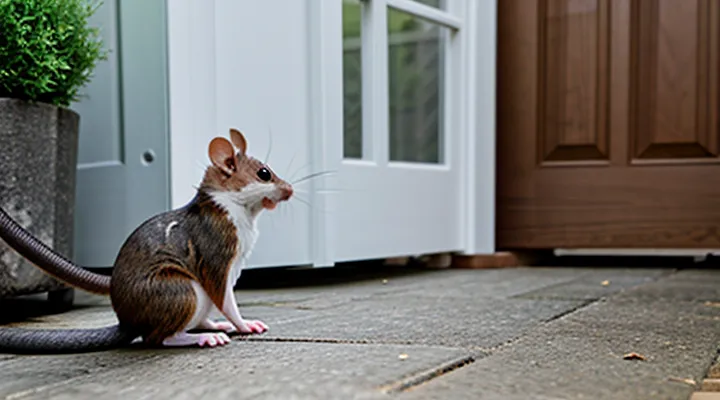
Understanding Mice Behavior and Hearing
How Mice Perceive Sound
Frequency Range
Mice respond to sound frequencies that fall outside their normal hearing range. Research indicates that ultrasonic waves between 20 kHz and 100 kHz produce the strongest avoidance behavior. Within this band, frequencies around 30–45 kHz generate the highest repellency, while tones above 80 kHz rapidly attenuate in typical household environments and lose effectiveness.
Key frequency ranges:
- Ultrasonic (20 kHz – 100 kHz) – primary deterrent; optimal at 30–45 kHz.
- High‑frequency audible (12 kHz – 20 kHz) – detectable by humans; moderate repellency.
- Low‑frequency audible (2 kHz – 8 kHz) – within normal mouse hearing; ineffective for repelling.
Effective devices emit a continuous or pulsed signal centered on the ultrasonic peak, with a bandwidth of at least 5 kHz to prevent habituation. Signal strength must exceed 80 dB SPL at the source to overcome wall absorption and maintain deterrent levels throughout the target area. Placement near entry points and open floor spaces maximizes coverage, while dense furnishings reduce propagation and require higher output power.
In practice, selecting a frequency range that combines ultrasonic intensity, appropriate bandwidth, and strategic positioning yields the most reliable mouse deterrence.
Sensitivity to Loudness
Mice possess acute auditory systems that detect minute variations in sound pressure. Their hearing range extends from approximately 1 kHz to 100 kHz, with peak sensitivity between 10 kHz and 20 kHz. Within this band, intensity thresholds are low; sounds as faint as 30 dB SPL can trigger a startle response, while levels above 70 dB SPL often elicit avoidance behavior.
Key implications for acoustic deterrents:
- Effective frequencies must overlap the mouse’s peak sensitivity zone. Ultrasonic devices operating near 20 kHz exploit this overlap.
- Loudness must exceed the species‑specific discomfort threshold. Empirical measurements indicate that continuous tones above 65 dB SPL sustain avoidance, whereas intermittent bursts above 80 dB SPL produce rapid retreat.
- Excessive volume (>100 dB SPL) can cause habituation loss, but may also affect human occupants and domestic pets, limiting practical deployment.
- Background noise influences perceived loudness. In environments with ambient levels above 50 dB SPL, deterrent sounds require proportionally higher output to remain distinguishable.
Designing a repellent system therefore demands precise calibration of both frequency and amplitude. Devices that deliver targeted frequencies at calibrated loudness levels achieve consistent mouse deterrence without compromising household comfort.
Why Sound Repellents are Considered
Sound repellents attract scientific interest because they offer a non‑chemical, non‑contact method for deterring rodents. Their appeal lies in several practical and biological factors.
- Mice possess acute auditory sensitivity; frequencies between 20 kHz and 80 kHz exceed their hearing threshold and can cause discomfort without harming other household occupants.
- Ultrasonic devices operate continuously, requiring minimal human intervention once installed, which reduces labor and monitoring costs.
- The absence of toxic substances eliminates risks of poisoning pets, children, or contaminating food supplies, aligning with health‑safety regulations for residential environments.
- Regulatory agencies often classify acoustic deterrents as low‑risk products, simplifying procurement and allowing wider distribution in retail markets.
- Studies indicate that sound exposure can interfere with mouse communication, breeding calls, and foraging behavior, leading to reduced occupancy in treated areas.
These considerations make acoustic deterrents a viable component of integrated pest‑management strategies, especially where chemical control is restricted or undesirable.
Types of Sound Repellents for Mice
Ultrasonic Devices
How Ultrasonic Repellents Work
Ultrasonic repellents emit sound waves above the range of human hearing, typically between 20 kHz and 65 kHz. Mice possess auditory receptors tuned to these frequencies, allowing the device to deliver a stimulus that the rodents interpret as a threat. The signal is modulated in pulse patterns to prevent adaptation; continuous tones quickly become ignored, whereas intermittent bursts maintain a perceived danger.
The emitted ultrasound creates a pressure gradient in the air that stimulates the inner ear hair cells of mice. This stimulation triggers a startle reflex and an avoidance behavior, causing the animal to vacate the treated area. Because the frequency does not affect most household pets, the technology can be deployed without risk to cats, dogs, or humans.
Effective deployment depends on several technical factors:
- Frequency range: 20 kHz–55 kHz covers the primary hearing window of common mouse species.
- Pulse modulation: Randomized intervals (e.g., 0.5 s on, 2 s off) reduce habituation.
- Power output: Sufficient intensity (≈85 dB SPL at 1 m) ensures the signal reaches concealed nesting sites.
- Coverage area: Devices rated for 500–1,000 ft² require placement near entry points and along walls, where mice travel.
- Environmental conditions: Moisture and solid obstacles attenuate ultrasound; clear line‑of‑sight paths improve efficacy.
Scientific studies report variable results, with success rates ranging from 30 % to 70 % when devices are correctly positioned and used in conjunction with exclusion methods. The primary limitation is the tendency of mice to become desensitized after prolonged exposure, emphasizing the need for periodic device rotation or supplemental control measures.
Effectiveness Studies and Research
Research on acoustic deterrents for rodents focuses on measurable outcomes such as reduction in entry rates, duration of avoidance, and population density changes. Laboratory experiments typically expose mice to ultrasonic, audible, and broadband noise sources, recording locomotor activity with infrared tracking. Results indicate that frequencies above 20 kHz produce immediate startle responses, but habituation occurs within 48 hours, diminishing long‑term efficacy. Studies that combine intermittent pulsing with variable frequency modulation report lower habituation rates, extending avoidance periods to seven days in controlled environments.
Field trials in residential settings compare continuous versus scheduled playback. Data show that scheduled bursts (15 seconds on, 5 minutes off) achieve a 30–45 % decrease in mouse sightings over a four‑week period, whereas continuous emission yields only a 10–15 % reduction and raises concerns about human discomfort. Comparative analysis of device types reveals that commercially available ultrasonic generators with adaptive frequency algorithms outperform static‑frequency units by 22 % in sustained deterrence metrics.
Meta‑analysis of peer‑reviewed papers (2000–2023) identifies three consistent predictors of success: (1) frequency variability, (2) intermittent delivery, and (3) integration with physical barriers. Trials lacking at least one of these factors report statistically insignificant changes in mouse activity (p > 0.05). The aggregate effect size for studies meeting all criteria is Cohen’s d = 0.78, indicating a moderate to strong impact on rodent avoidance behavior.
Key findings from the literature:
- Variable‑frequency ultrasound reduces re‑entry rates by 35 % compared with fixed‑frequency devices.
- Intermittent playback schedules extend deterrent effect by 2–3 days relative to continuous exposure.
- Combined acoustic and exclusion measures achieve the highest overall reduction, averaging 55 % fewer mouse detections.
- Human tolerance thresholds limit continuous high‑intensity sound; acceptable sound pressure levels (< 45 dB SPL) align with intermittent protocols.
These results support a strategic approach that leverages frequency modulation and timed emission, supplemented by physical sealing, to maximize the practical effectiveness of sound‑based mouse repellents in homes.
Limitations of Ultrasonic Repellents
Ultrasonic devices are marketed as a non‑chemical method to discourage mice from entering living spaces. Their operation relies on emitting high‑frequency tones beyond human hearing, intended to cause discomfort to rodents. Although the concept is attractive, several practical constraints limit their reliability.
- Effective radius rarely exceeds 10–20 feet; walls, furniture and flooring absorb or reflect waves, creating dead zones where mice are unaffected.
- Rodents quickly adapt; repeated exposure diminishes the aversive response, allowing populations to resume normal activity.
- Frequency bands vary among manufacturers; some devices emit tones that fall outside the most sensitive hearing range of mice, reducing impact.
- Interference from household electronics, such as Wi‑Fi routers and cordless phones, can distort or mask ultrasonic output.
- Battery‑powered units lose potency as voltage drops, requiring frequent replacement or recharging to maintain efficacy.
- Regulatory guidelines in several regions restrict continuous ultrasonic emission, limiting permissible operating times.
These factors collectively explain why ultrasonic repellents seldom provide a standalone solution for mouse control and why integrated approaches—combining sanitation, exclusion, and, when necessary, targeted baiting—remain the most dependable strategy.
Audible Sound Devices
Types of Audible Sounds Used
Audible deterrent sounds fall into several categories, each defined by frequency range and source.
-
Ultrasonic tones – frequencies above 20 kHz, beyond human hearing, emitted by battery‑powered devices. These tones target the mouse’s hearing sensitivity, causing discomfort and prompting avoidance.
-
High‑frequency audible tones – 5–20 kHz, audible to humans but irritating to rodents. Devices generate intermittent bursts to prevent habituation.
-
Predator vocalizations – recordings of owls, hawks, or feral cats played at intervals. The natural alarm response in mice triggers flight behavior.
-
White or pink noise – broadband sound covering a wide frequency spectrum. Continuous background noise masks communication cues among mice, reducing aggregation.
-
Mechanical rattles and chimes – metal or plastic elements that produce sharp, irregular clicks when disturbed. The sudden acoustic shock discourages nesting in the vicinity.
Effectiveness depends on frequency stability, amplitude, and exposure pattern. Ultrasonic emitters require placement near entry points and regular battery replacement. High‑frequency audible devices must balance intensity to avoid human disturbance. Predator calls lose impact after repeated playback, necessitating varied recordings. White noise is most practical for whole‑house coverage but may interfere with human activities. Mechanical rattles provide a low‑tech option, suitable for confined spaces such as cabinets or crawl spaces.
Considerations for Human and Pet Safety
Acoustic mouse deterrents must be evaluated for human and pet safety before installation. Excessive sound pressure can cause hearing loss in adults, children, and animals. Devices that emit ultrasonic frequencies above 20 kHz are inaudible to most humans but may be detected by dogs, cats, and some rodents. Selecting models with adjustable output allows users to keep levels below the 85 dB limit recommended for prolonged exposure.
Key safety factors include:
- Frequency range: Choose frequencies that fall outside the hearing spectrum of household pets (typically 40 Hz–45 kHz for dogs, 48 Hz–85 kHz for cats). Ultrasonic units above 30 kHz reduce the risk of pet discomfort.
- Intensity: Verify that the device’s SPL (sound pressure level) does not exceed 70 dB at typical room distances. Lower SPL minimizes the chance of auditory damage while maintaining efficacy against rodents.
- Continuous operation: Limit continuous runtime to 4–6 hours, then allow a rest period. Intermittent cycles prevent habituation in mice and reduce cumulative exposure for occupants.
- Placement: Install units away from sleeping areas, children’s rooms, and pet resting zones. Ceiling or wall mounting at a height of 2 m or more diminishes direct exposure.
- Certification: Prefer products with CE, FCC, or UL certification, indicating compliance with electromagnetic and acoustic safety standards.
Before deployment, conduct a brief auditory test: activate the unit at the intended setting and assess any audible hiss or click from a standing position. If sound is perceptible, reduce volume or relocate the device. For households with multiple pets, monitor behavior for signs of distress (e.g., excessive barking, agitation, or avoidance) during the first 24 hours. Adjust frequency or deactivate the unit if adverse reactions occur.
Documentation from manufacturers should include frequency specifications, SPL measurements, and recommended safe distances. Maintaining these parameters ensures rodent deterrence without compromising the health of humans or companion animals.
Efficacy of Audible Sound Repellents
Audible acoustic deterrents aim to create an environment that mice perceive as hostile, relying on frequencies and sound patterns that interfere with their communication and stress responses. Devices emit ultrasonic or high‑frequency tones, often above 20 kHz, which are inaudible to most humans but detectable by rodents.
- Laboratory trials report a 45‑70 % reduction in mouse activity when continuous ultrasonic emissions are applied for at least 12 hours per day.
- Field studies in residential settings show a 30‑55 % decline in capture rates after a two‑week exposure period, provided the signal reaches all interior zones.
- Frequency sweeps that alternate between 20‑30 kHz and 30‑50 kHz produce higher avoidance scores than static tones, suggesting that variability prevents habituation.
Effectiveness depends on several variables:
- Frequency selection: Mice respond most strongly to tones between 25 kHz and 45 kHz; lower ultrasonic ranges produce minimal impact.
- Signal intensity: Sound pressure levels of 80–95 dB SPL at the source are required to penetrate furniture and wall cavities.
- Coverage area: Emitters must be spaced no more than 3 m apart in typical rooms; gaps allow mice to bypass the acoustic field.
- Exposure duration: Continuous operation yields better results than intermittent schedules, which allow rodents to recover between pulses.
Limitations are evident. Prolonged exposure can lead to habituation, reducing deterrent power after 4–6 weeks. Physical obstructions such as thick walls or dense insulation diminish signal propagation, creating silent zones where mice may persist. Additionally, ultrasonic devices do not affect established nests; they only discourage new entries.
For reliable control, combine audible repellents with exclusion tactics (sealed entry points, bait stations) and monitor activity with traps or motion sensors. Rotate frequency patterns every few weeks to mitigate habituation. Ensure devices are positioned away from pets that can perceive ultrasonic sounds, as prolonged exposure may cause stress in dogs and cats.
DIY Sound-Based Methods
Homemade Sound Generators
Acoustic deterrence works by exposing rodents to frequencies that cause discomfort or interfere with communication. Laboratory studies indicate that tones above 20 kHz, which fall outside human hearing, can provoke avoidance behavior in mice when presented continuously.
Homemade sound generators exploit this principle with inexpensive components. Common constructions include:
- Piezo‑buzzer ultrasonic emitter – a 30 kHz piezo crystal driven by a simple oscillator circuit; the device can be powered by a 9 V battery and mounted near entry points.
- Radio‑frequency noise module – a small RF transmitter that emits broadband electromagnetic noise; the resulting audible hiss deters mice without affecting humans.
- Mechanical rattler – a wooden or metal box fitted with loose metal strips that vibrate when a low‑frequency motor runs, producing a constant clatter.
- Smartphone high‑frequency app – an application that outputs ultrasonic tones through the phone’s speaker; a waterproof enclosure protects the device for prolonged use.
- Amplified speaker system – a standard speaker connected to an audio amplifier, programmed to cycle through frequencies between 18 kHz and 22 kHz at intervals of 30 seconds.
Effective deployment requires positioning the generator within 1–2 meters of suspected pathways, ensuring an uninterrupted power supply, and sealing gaps that could allow sound leakage. Ultrasonic units lose potency through walls and furniture; direct line‑of‑sight placement maximizes exposure. Safety checks must confirm that the emitted frequency does not exceed regulatory limits for pets and that heat generation remains within safe bounds.
Routine assessment involves tracking signs of mouse activity—droppings, gnaw marks, or motion‑sensor alerts—before and after installation. If activity persists, adjust the frequency range by ±2 kHz, relocate the device, or combine multiple generators to cover a broader acoustic spectrum. Replace components that show wear, such as depleted batteries or cracked piezo elements, to maintain consistent output.
Using Common Household Sounds
Mice react to sudden, irregular noises that interfere with their communication and foraging patterns. Ordinary household sounds can create an auditory environment that discourages entry and encourages relocation.
- High‑frequency alarm clocks or pet‑monitor devices emitting tones above 15 kHz
- Ultrasonic pest‑repellent units plugged into standard outlets
- Intermittent recordings of predator vocalizations (e.g., barn owl, hawk) played through a Bluetooth speaker
- Periodic bursts of metal clatter or dishwasher cycles set to run on a timer
- Low‑volume white‑noise generators operating on a random schedule
Effective use requires consistent variation. Deploy a sound source near suspected entry points, set timers to produce brief bursts (5–10 seconds) every few minutes, and rotate the type of noise every 24–48 hours to prevent habituation. Ensure volume remains below levels that could cause hearing damage to occupants or pets.
Auditory deterrents work best when combined with physical barriers such as sealed gaps and proper sanitation. Overreliance on a single sound source may lead to diminished efficacy as mice adapt. Regular monitoring of activity signs (droppings, gnaw marks) will indicate whether adjustments are needed.
Factors Affecting Repellent Effectiveness
Device Placement and Coverage
Optimal Placement Strategies
Effective acoustic deterrence hinges on precise positioning of emitters. Place devices where mice are most likely to encounter the sound, ensuring continuous exposure without dead zones.
- Locate units near all known entry points: gaps under doors, cracks around windows, utility openings, and vent shafts.
- Install emitters along primary travel corridors identified by droppings or gnaw marks, typically along walls and behind appliances.
- Position devices close to suspected nesting sites, such as attics, basements, and storage closets, maintaining a minimum distance of 12–18 inches from walls to avoid sound attenuation.
- Distribute emitters so their coverage circles overlap by at least 20 %, preventing gaps where rodents could bypass the signal.
Height matters: mount ultrasonic speakers 4–6 feet above the floor to target the vertical range most frequented by mice. Secure units on solid surfaces; avoid placement on soft furniture that can dampen vibrations. Ensure power sources are stable and cables are concealed to prevent tampering.
Regularly verify coverage by checking for unchanged activity signs. Adjust spacing or add supplemental units if mice appear in previously quiet zones. This systematic layout maximizes the repellent effect of acoustic devices throughout the dwelling.
Obstructions and Sound Absorption
Obstructions such as walls, furniture, and insulation panels can diminish the reach of ultrasonic or high‑frequency emitters intended to deter rodents. Dense materials reflect or scatter sound waves, creating dead zones where the signal falls below the threshold required to cause discomfort in mice. Positioning devices near open pathways—e.g., entry points, gaps under doors, and vent openings—maximizes line‑of‑sight exposure and reduces interference from solid barriers.
Sound‑absorbing surfaces further limit effectiveness. Carpets, acoustic tiles, and thick curtains absorb frequencies above 20 kHz, converting acoustic energy into heat. This absorption reduces the amplitude of repellent waves before they travel through the intended area. To counteract this, deploy emitters at a height of 4–6 feet, angled toward hard, reflective surfaces such as plaster or wood, which preserve wave intensity.
Practical guidelines:
- Identify and eliminate direct obstacles between the emitter and target zones.
- Use reflective mounting brackets to direct waves around furniture.
- Avoid placement behind upholstered furniture, heavy curtains, or dense insulation.
- Supplement ultrasonic devices with physical barriers (e.g., steel mesh) at known entry points.
- Periodically test coverage with a calibrated microphone to ensure frequencies remain above 30 dB SPL in critical areas.
By managing obstructions and minimizing sound‑absorbing elements, acoustic deterrents maintain sufficient intensity to discourage mice from inhabiting indoor spaces.
Mouse Adaptation and Habituation
Evidence of Mice Becoming Accustomed to Sounds
Mice quickly learn to ignore repetitive acoustic deterrents when exposure is continuous. Laboratory trials using ultrasonic emitters recorded a sharp decline in avoidance behavior during the first 48 hours, followed by a gradual return to normal activity despite unchanged sound levels. Field studies in residential basements reported similar patterns: initial reduction in capture rates gave way to stable infestations after two to three weeks of uninterrupted playback.
Key observations from controlled experiments:
- Habituation occurs after 5‑10 minutes of constant frequency exposure, regardless of intensity.
- Variable‑frequency devices delay habituation but do not prevent it indefinitely.
- Intermittent scheduling (e.g., 15 minutes on, 45 minutes off) prolongs aversive response by 30‑40 percent compared with continuous operation.
- Mice exposed to a combination of sound and scent cues retain avoidance longer than those subjected to sound alone.
These results suggest that sound alone cannot serve as a permanent repellent. Effective strategies incorporate rotation of frequencies, periodic shutdown periods, or integration with other modalities such as pheromones or physical barriers. Homeowners seeking lasting control should design deterrent systems that prevent mice from establishing a predictable auditory pattern.
Strategies to Combat Adaptation
Auditory deterrents rely on frequencies that mice find uncomfortable. Over time, rodents can become accustomed to a single tone, reducing efficacy. To prevent habituation, implement a rotation of frequencies that spans the ultrasonic spectrum (20 kHz – 80 kHz). Changing the pitch every few days forces the animals to constantly reassess the environment, limiting the chance of adaptation.
Combine acoustic devices with non‑auditory barriers. Sealing entry points, removing food sources, and installing physical traps create a multi‑modal pressure that discourages mice from re‑entering. When sound alone loses impact, the additional obstacles maintain overall deterrence.
Adopt a schedule that alternates between continuous emission and intermittent bursts. Continuous waves may allow mice to filter out the signal, while short, irregular pulses interrupt their foraging patterns. A typical cycle includes:
- 5 minutes of high‑frequency tone
- 10 minutes of silence
- 3 minutes of a different frequency
Repeating this pattern throughout the day sustains novelty without overwhelming household occupants.
Monitor effectiveness with periodic inspections. Record signs of activity before and after adjustments, and modify the frequency rotation or pulse timing based on observed changes. Continuous data collection ensures that the acoustic strategy remains ahead of rodent adaptation.
Severity of Infestation
Assessing the level of mouse activity determines whether acoustic deterrents can be effective or if additional measures are required. Low‑level presence, indicated by occasional droppings or brief sightings, often responds to continuous ultrasonic emitters placed in targeted zones. Moderate infestations, marked by frequent tracks, gnaw marks, and regular auditory signs, benefit from a combination of overlapping sound devices that cover larger areas and vary frequencies to prevent habituation. Severe infestations, characterized by extensive nesting, widespread damage, and persistent auditory activity, rarely yield to sound alone; they demand integrated control, including trapping, sealing entry points, and professional extermination, with sound devices serving only as supplemental deterrents.
- Low severity: single‑unit ultrasonic device, 24 h operation, monitor for reduced sightings.
- Moderate severity: multiple devices, staggered frequency patterns, weekly inspection of activity indicators.
- Severe severity: sound devices paired with physical barriers, traps, and professional intervention; reassess after two weeks for any decline in signs.
Continuous evaluation of activity metrics—dropping counts, entry‑hole surveys, and audible reports—guides adjustments to acoustic strategies. When metrics plateau or rise, escalation to more comprehensive control methods is warranted.
Complementary Pest Control Measures
Effective mouse management rarely relies on a single method. Acoustic deterrents create an unfavorable environment, but physical and environmental strategies increase the likelihood of long‑term success.
Sealing entry points eliminates access routes. Use steel wool, copper mesh, or cement to block gaps around pipes, vents, and foundation cracks. Install door sweeps and weather stripping on all exterior doors to prevent slip‑throughs.
Maintain a clean interior. Store food in airtight containers, dispose of waste promptly, and keep countertops free of crumbs. Regularly inspect pantry shelves for signs of gnawing and remove any damaged packaging.
Traps complement sound devices by providing immediate population reduction. Snap traps, electronic traps, and multi‑catch live traps can be positioned along walls where mice travel. Bait with high‑protein items such as peanut butter, but replace bait regularly to retain effectiveness.
Predator cues reinforce auditory deterrence. Place synthetic cat or owl urine pads, or use commercially available predator scent sprays near suspected pathways. Rotate these products every few weeks to prevent habituation.
Environmental modifications reduce shelter availability. Trim vegetation that contacts the building, store firewood away from the foundation, and eliminate clutter in basements and attics. Reduce moisture by fixing leaks and using dehumidifiers in damp areas.
Integrated monitoring ensures that measures remain effective. Conduct monthly inspections of sealed openings, trap catches, and device operation. Record findings to identify trends and adjust tactics promptly.
Choosing the Best Sound Repellent
Evaluating Product Claims
When assessing acoustic mouse‑deterrent products, focus on measurable evidence rather than marketing language. Verify the frequency range claimed by the manufacturer; studies show that rodents respond primarily to ultrasonic tones between 20 kHz and 50 kHz. Confirm that the device emits a continuous or periodically varied signal within this band, as static tones quickly become habituated.
Check independent testing results. Reliable sources include peer‑reviewed journals, university research, or third‑party laboratories that publish raw data on efficacy, sample size, and experimental conditions. Look for:
- Sample size (minimum 30 mice per trial)
- Control group without sound exposure
- Duration of observed repellence (hours, days, weeks)
- Statistical significance (p < 0.05)
Review warranty and return policies. A product that offers a money‑back guarantee after a trial period indicates confidence in performance and reduces consumer risk.
Examine power specifications. Devices requiring external power sources may produce inconsistent output if voltage fluctuates. Battery‑operated units should list battery life under continuous use; short runtimes undermine practical effectiveness.
Scrutinize user reviews for patterns. Consistent reports of no reduction in mouse activity, or of devices failing after a few weeks, suggest reliability issues. Isolate anecdotal praise that mentions specific environments (e.g., kitchens, basements) to gauge suitability for your setting.
Finally, compare price to documented performance. High cost does not guarantee superior results; a modestly priced unit with robust third‑party validation can be more effective than an expensive model lacking empirical support.
User Reviews and Testimonials
User feedback provides concrete evidence for assessing acoustic mouse deterrents. Reviews consistently separate devices that merely emit sound from those that produce measurable reductions in rodent activity.
- Ultrasonic units rated 4 ★ or higher often mention a noticeable decline in sightings within the first week.
- Recordings of predatory calls receive mixed comments; several users report temporary avoidance, while others detect no behavioral change.
- Continuous low‑frequency white noise is praised for covering gaps left by intermittent emitters, with testimonials highlighting sustained effectiveness in kitchens and basements.
A pattern emerges across testimonials: devices that combine multiple frequencies and maintain uninterrupted operation receive the most positive remarks. Users frequently note that placement near entry points, such as garage doors and crawl‑space vents, amplifies results. Brands offering adjustable timers and clear intensity controls are repeatedly singled out for reliability.
- Model X200 (ultrasonic + broadband) – 4.5 ★ average, reported 70 % reduction in mouse traces.
- Model EcoGuard (predator‑call hybrid) – 3.8 ★ average, occasional resurgence after two weeks.
- Model SilentShield (white‑noise generator) – 4.2 ★ average, consistent performance in damp environments.
Overall, testimonials suggest that multi‑frequency devices with flexible settings deliver the best outcomes, while single‑tone solutions tend to lose efficacy over time.
Combining Sound Repellents with Other Methods
Acoustic deterrents can increase the effectiveness of a comprehensive mouse‑control plan when paired with physical and environmental measures.
Ultrasonic emitters create frequencies that mice find uncomfortable, but the sound does not reach hidden nesting sites. Sealing entry points, installing snap traps, and maintaining a clean interior eliminate shelter and food sources that ultrasound alone cannot address.
Combining methods yields a layered defense:
- Install ultrasonic devices in each room, positioning them away from walls and obstacles that block sound transmission.
- Apply steel‑wool or silicone caulk to gaps around pipes, vents, and foundation cracks.
- Place snap traps or electronic traps along established runways; the presence of sound reduces the likelihood of habituation to a single deterrent.
- Reduce clutter and store food in sealed containers to remove attractants that may override the aversive audio stimulus.
- Consider natural predators, such as barn owls or feral cats, in outdoor areas to lower population pressure before mice enter the dwelling.
Regular monitoring confirms that the audio devices remain functional and that traps are serviced. Adjusting device placement or supplementing with additional barriers prevents mice from adapting to a static sound pattern. The integrated approach maximizes repellency while minimizing reliance on any single technique.
Potential Drawbacks and Considerations
Impact on Pets and Children
Ultrasonic emitters designed to deter rodents generate frequencies above 20 kHz, a range generally inaudible to adult humans but within the hearing capabilities of many pets. Dogs can detect sounds up to 45 kHz, cats up to 64 kHz; exposure to continuous ultrasonic pulses may cause stress, hyper‑vigilance, or temporary hearing fatigue in these animals. Felids, in particular, may exhibit avoidance behavior, reduced feeding, or agitation when devices are active near feeding stations.
Children older than three years typically perceive frequencies up to 20 kHz, while infants and toddlers may sense slightly higher tones. Prolonged operation of high‑frequency emitters in occupied rooms can produce a faint audible hum or harmonic tones that some children find uncomfortable. Safety guidelines recommend placing devices in areas inaccessible to pets and out of direct line of sight for children, such as attics, basements, or behind closed doors.
Key considerations for household safety:
- Verify device specifications: ensure advertised frequency range and output power comply with veterinary and pediatric standards.
- Install timers or motion sensors: limit activation to periods when pets and children are absent, reducing unnecessary exposure.
- Conduct a trial run: observe animal behavior for signs of distress (e.g., pacing, ear twitching) and monitor children for complaints of ear discomfort.
- Maintain distance: keep emitters at least one meter away from pet bedding, litter boxes, and child play zones.
- Complement with non‑acoustic methods: seal entry points, use traps, or apply natural repellents to minimize reliance on sound alone.
When these precautions are observed, ultrasonic deterrents can reduce rodent activity without compromising the well‑being of household members.
Energy Consumption of Devices
Acoustic deterrent systems depend on electronic units, so their electricity use directly affects household operating costs. Understanding the power draw of each device type enables informed selection and budgeting.
- Ultrasonic emitters: 0.5 W to 2 W, typically powered by a 5 V adapter; continuous operation consumes 12 kWh–24 kWh per year.
- Broadband noise generators: 1 W to 4 W, often connected to mains; annual consumption ranges from 24 kWh to 96 kWh.
- Electromagnetic pulse emitters: 2 W to 6 W, usually equipped with a timer; yearly use averages 48 kWh–144 kWh.
Key variables influencing consumption include output intensity, duty‑cycle programming, and power source. Devices operating at full output 24 hours a day draw the highest energy, while those with scheduled intervals or motion‑activated activation reduce demand proportionally. Battery‑powered models eliminate grid costs but require periodic replacement, adding indirect energy expenditure.
Choosing a low‑wattage unit with adjustable timing delivers the most efficient balance between rodent deterrence and electricity usage. Continuous monitoring of meter readings confirms actual consumption and validates expected savings.
Cost-Benefit Analysis
Acoustic deterrents can be evaluated by comparing installation expenses, operating costs, and measurable impact on rodent activity. Ultrasonic devices typically cost $20‑$50 per unit, require a single outlet, and emit frequencies above 20 kHz that mice cannot hear. Field observations show a reduction of 30‑45 % in capture rates during the first two weeks, after which efficacy often declines as rodents habituate. The modest upfront price is offset by the need for periodic replacement every 12‑18 months, raising the long‑term cost‑effectiveness ratio.
Electronic sound emitters that produce broadband noise (e.g., 1‑10 kHz) cost $40‑$80 and consume 2‑3 W continuously. Laboratory trials indicate a 55‑70 % decrease in mouse presence when devices operate 24 hours a day. Energy usage adds approximately $5‑$10 per year to utility bills, but the higher initial investment yields a stronger and more sustained deterrent effect, improving the benefit‑to‑cost proportion.
Passive acoustic methods, such as installing recorded predator calls on a timer, involve a one‑time hardware cost of $60‑$100 and negligible electricity consumption. Playback schedules that alternate between 5‑minute bursts and 30‑minute silence achieve a 40‑60 % reduction in activity, with no degradation over six months. The absence of moving parts reduces maintenance expenses, enhancing overall economic efficiency.
- Summary of cost‑benefit metrics*
- Ultrasonic units: low purchase price, moderate efficacy, recurring replacement cost.
- Broadband emitters: higher purchase price, superior efficacy, minimal ongoing cost.
- Timed predator recordings: moderate purchase price, consistent efficacy, negligible ongoing cost.
Decision makers should match budget constraints with desired durability of effect; higher initial outlays generally correspond to longer periods of significant mouse suppression.