
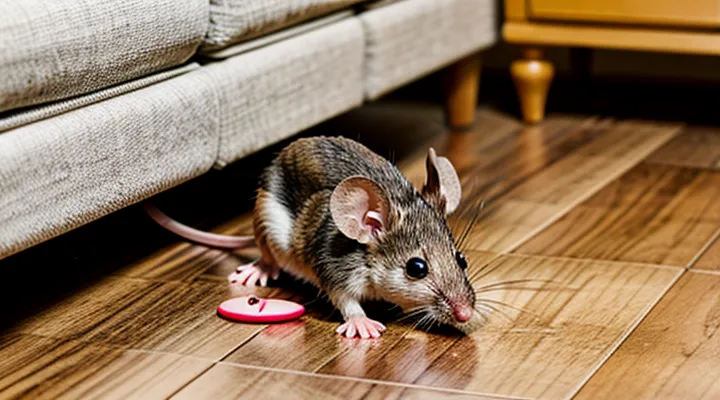
Understanding Mouse Behavior and Habits
Common Hiding Spots in Apartments
Kitchen Areas
Mice frequently target kitchen spaces because food, water, and shelter are readily available. Detecting their activity early can prevent damage and health risks.
Typical evidence in a kitchen includes:
- Small droppings, about the size of a grain of rice, often found near countertops, behind appliances, or in pantry corners.
- Gnaw marks on packaging, wires, wooden cabinets, or plastic containers.
- Crushed or partially eaten food items, especially grains, nuts, and seeds.
- faint, musky odor that intensifies near hidden nesting sites.
- Presence of shredded paper, fabric, or insulation used for building nests.
- Tracks in dusty areas, showing tiny footprints with a distinctive five‑toed pattern.
Inspecting these locations regularly—under the sink, behind the refrigerator, inside cabinets, and around the garbage disposal—provides a reliable assessment of rodent activity. When signs are confirmed, set snap traps or live traps along established pathways, seal entry points with steel wool or caulk, and store food in airtight containers to eliminate attractants.
Living Spaces
Mice leave distinct evidence in residential areas that can be identified without specialized equipment. Their activity concentrates in kitchens, pantries, and storage closets, but traces may also appear in bedrooms and living rooms where food particles accumulate.
Typical indicators include:
- Small droppings, 1–2 mm long, dark and rod‑shaped, often found along baseboards, behind appliances, or in corners.
- Gnaw marks on wood, plastic, or wiring, characterized by clean, parallel cuts.
- Grease streaks along walls or cabinets where mice travel, leaving a dark, oily residue.
- Crushed seed shells, grain husks, or shredded paper near food sources.
- Nests constructed from shredded fabric, paper, or insulation, usually hidden in concealed spaces such as under furniture, inside wall voids, or behind drywall.
Additional signs involve audible cues: scratching or scurrying sounds at night, and occasional scent of urine, which emits a pungent, ammonia‑like odor. Prompt detection of these clues enables targeted pest control measures and prevents structural damage or health risks associated with rodent infestations.
Storage Rooms
Mice frequently colonize apartment storage rooms because these spaces offer shelter, darkness, and easy access to food remnants. Recognizing their activity early prevents infestation spread to living areas.
Typical indicators found in storage closets or utility rooms include:
- Small droppings, 1‑3 mm long, scattered on shelves, floor, or behind boxes.
- Gnaw marks on cardboard, plastic containers, wooden crates, and wiring.
- Crushed or shredded packaging material, especially around grain‑based products.
- Strong, musky odor that intensifies near concealed nesting sites.
- Fresh, soft nests composed of shredded paper, fabric scraps, or insulation material tucked behind stored items.
- Visible trails of greasy footprints along the edges of shelves or on the floor.
Additional observations that suggest mouse activity in these areas:
- Occasional sightings of live or dead rodents during occasional cleaning.
- Presence of tiny, dark urine stains on surfaces, which may cause staining or corrosion on metal fixtures.
- Damage to stored food packages, such as torn wrappers or punctured bags.
Inspect storage rooms regularly, focusing on corners, the underside of shelves, and the space behind large appliances. Prompt removal of debris, sealing of entry points, and proper food storage eliminate the conditions that attract rodents and reduce the risk of an apartment‑wide infestation.
Walls and Ceilings
Mice frequently use walls and ceilings as travel routes and nesting sites, making these surfaces reliable sources of evidence. Damage or residue found on vertical and overhead structures often appears before other signs become visible.
- Small gnaw marks on plaster, drywall, or paint, typically near corners or along baseboards.
- Accumulations of dark, oily droppings on walls, ceiling joists, or behind light fixtures.
- Chewed or frayed insulation material exposed in wall cavities or attic space.
- Streaks of urine or urine‑stained spots on walls, especially near entry points.
- Scratches or burrows in wall voids detected by tapping or using a flashlight through small openings.
- Unexplained patches of shredded paper, fabric, or debris adhered to ceiling corners or vent covers.
Inspecting these areas requires a systematic visual survey, supplemented by a flashlight and, when safe, a thin probe to explore hidden gaps. Presence of any listed indicator warrants sealing entry points, removing accessible food sources, and, if infestation is confirmed, deploying traps or contacting pest‑control professionals. Prompt action reduces structural damage and limits health risks associated with rodent contamination.
Visual Clues of Infestation
Droppings and Urine Stains
Appearance and Location
Mice are typically 2–4 inches long, with a slender body, large ears, and a pointed snout. Their fur ranges from light gray to brown, and a thin, hairless tail often matches the body length. Fresh droppings appear as small, dark pellets about ¼ inch long, and gnaw marks reveal smooth, crescent‑shaped teeth.
Common locations where these indicators appear include:
- Along baseboards, especially where walls meet flooring.
- Inside cabinets, pantry shelves, and behind stored food containers.
- Beneath appliances such as refrigerators, stoves, and dishwashers.
- Within wall voids, ceiling joists, and attic spaces, accessed through small holes or cracks.
- Near entry points: gaps around pipes, vents, and door frames.
Freshness Indicators
Freshness indicators reveal recent mouse activity and help distinguish current infestations from older, resolved ones.
A distinct, sharp odor often accompanies active rodents. The scent resembles ammonia or a strong, musky smell that intensifies near nesting sites, food storage areas, or hidden passages. Detecting this odor suggests recent urine deposition.
Droppings provide a reliable freshness metric. Fresh feces appear dark, moist, and retain a glossy surface. Older droppings become lighter, brittle, and crumble when touched. Locate droppings in concealed corners, behind appliances, or along walls; their condition directly reflects the timing of mouse presence.
Urine stains appear as faint, damp patches on surfaces such as wood, drywall, or fabric. Fresh stains feel slick and may emit a faint, acrid smell. Over time, urine dries, turning matte and losing odor. Spotting wet or recently darkened areas indicates ongoing activity.
Gnaw marks with clean, sharp edges signal recent chewing. New gnawing leaves smooth, unweathered bite surfaces, whereas older marks show ragged edges and surrounding dust accumulation. Examine wiring, furniture legs, and pantry edges for such evidence.
Nest material offers another freshness cue. Fresh nests contain soft, undisturbed fibers—shredded paper, fabric, or insulation—arranged loosely. Older nests appear compacted, discolored, and may be partially abandoned. Finding a nest with intact, pliable components confirms current habitation.
- Sharp, ammonia-like odor near concealed spaces
- Dark, moist droppings with a glossy finish
- Wet or newly darkened urine stains with a faint acrid scent
- Clean, sharp-edged gnaw marks on structural elements
- Loose, undisturbed nesting material composed of soft fibers
Evaluating these signs together establishes whether mice are actively occupying the apartment, enabling prompt and targeted remediation.
Gnaw Marks
On Food Packaging
Mice frequently target food supplies stored in apartments, and the condition of packaging offers reliable evidence of their presence. Inspect each item for the following indicators:
- Torn or shredded cardboard boxes, especially along seams and corners.
- Chewed edges or bite marks on plastic bags, foil wrappers, and resealable pouches.
- Small holes that expose the interior of the package.
- Visible droppings or urine stains on the surface of packaging material.
- Unusual odors, such as a faint ammonia scent, emanating from sealed containers.
- Streaks of grease or food residue on the exterior of packages, suggesting repeated handling by rodents.
Prioritize items stored in dark, seldom‑used areas such as back cupboards, under the sink, or on high shelves. Relocate susceptible goods to airtight containers made of metal or heavy‑wall plastic; these materials resist gnawing and prevent infiltration. Discard any product that shows clear signs of damage, as contamination can occur even if the interior appears intact. Regularly rotate stock, using older items first, to minimize the time food remains vulnerable to rodent activity.
On Furniture and Wiring
Mice frequently target furniture and electrical wiring, leaving distinctive clues that indicate their activity.
- Small gnaw marks on wooden legs, wooden frames, or upholstered edges. Fresh incisor teeth impressions appear shallow and parallel, often accompanied by splintered wood or frayed fabric.
- Accumulated droppings near cushions, under sofas, or in the crevices of chairs. Droppings are dark, rod-shaped, and typically found in clusters or scattered along the underside of furniture.
- Chewed or frayed electrical cords, especially those concealed behind or beneath furniture. Mice gnaw to keep teeth trimmed, leaving exposed wires, stripped insulation, or bite marks with jagged edges.
- Nesting material gathered in hidden pockets of furniture, such as shredded paper, tissue, or soft fibers. These materials may be tucked behind couch cushions, inside recliner mechanisms, or in the voids of wooden cabinets.
- Odor of urine or a musky scent emanating from upholstery or the interior of cabinets. The smell intensifies as the infestation grows and may be noticeable when moving furniture.
Inspect furniture regularly, focusing on joints, underside surfaces, and any accessible wiring. Prompt removal of gnaw marks, replacement of damaged cords, and thorough cleaning of droppings reduce health risks and prevent further damage.
On Walls and Baseboards
Mice leave distinct evidence on vertical surfaces and the trim that separates floor from wall. Recognizing these markers helps confirm an infestation before damage spreads.
- Parallel gnaw marks on paint, wallpaper, or plaster, often ¼‑inch wide and extending several inches. Fresh bites appear lighter than older ones.
- Small, dark droppings about ¼‑inch long, typically found in clusters along baseboard seams or behind wall hangings. Fresh droppings retain a moist sheen.
- Streaks of oily residue, sometimes called “mouse grease,” that darken wood or painted surfaces. The sheen results from the animal’s fur and skin oils.
- Urine spots that appear as faint yellowish stains, sometimes causing a noticeable odor when concentrated. On light walls, the spots may be visible after cleaning.
- Scraped or shredded material such as paper, cardboard, or insulation tucked into gaps between wall and baseboard. Mice use these fragments to build temporary nests.
- Visible tracks in dust or loose flooring material that run parallel to the baseboard edge. Tracks often show a distinct heel‑pad imprint.
Additional observations reinforce the presence of rodents on these surfaces. Small holes drilled into wood or drywall, typically ¼‑inch in diameter, indicate entry points. Damage to wiring insulation near baseboards may suggest gnawing activity that poses fire risk. Regular inspection of walls and trim, especially in concealed areas like behind appliances or under cabinets, provides early detection and guides targeted control measures.
Nests and Nesting Materials
Fabric and Paper Shreds
Mice frequently gnaw on soft materials, leaving behind torn fabric and shredded paper. These remnants appear as irregular strips, ragged edges, or small piles of fibers near food storage, cabinets, or concealed spaces such as behind appliances. The presence of such debris indicates active chewing and suggests that the rodent uses the area for nesting or as a travel corridor.
Typical characteristics of mouse‑produced fabric and paper waste include:
- Lengths ranging from a few millimeters to several centimeters, often uneven in size.
- Fibers mixed with droppings, urine stains, or greasy smears.
- Concentration near entry points, vents, or gaps around plumbing fixtures.
- Repeated appearance after cleaning, implying ongoing activity.
Detecting these materials promptly allows targeted sealing of openings and placement of control measures, reducing the risk of infestation expansion.
Clutter Piles
Cluttered areas provide shelter, nesting material, and hidden food sources that encourage rodents to settle in an apartment. When piles of belongings are left undisturbed, they become prime locations for mouse activity. Recognizing specific evidence within these accumulations helps confirm an infestation.
- Gnaw marks on cardboard, fabric, or plastic found in the heap.
- Small, dark droppings scattered throughout the pile or on surrounding surfaces.
- Compact nests made of shredded paper, tissue, or insulation material.
- Crumbs, oil stains, or food residues concealed in the mess.
- Chewed wiring or cords, indicating attempts to gnaw for access or material.
- Fresh footprints or tail marks on dust or loose debris within the stack.
Auditory and Olfactory Evidence
Scratching and Scurrying Sounds
During Nighttime Hours
Mice are primarily active after dark, so the most reliable indicators appear during nighttime hours.
- Scratching or scurrying sounds behind walls, in ceiling voids, or within floorboards, especially between 10 p.m. and 2 a.m.
- Visible droppings on kitchen counters, near food containers, or on the floor of closets; fresh pellets are dark, moist, and may be accompanied by a faint, musky odor.
- Small gnaw marks on wiring, plastic packaging, or wooden furniture, often more evident after lights are turned off and the mouse returns to feed.
- Streaks of urine or oily smears along baseboards, under appliances, or around entry points; these become noticeable when the area is illuminated at night.
- Nest material such as shredded paper, fabric fibers, or dried food remnants gathered in hidden corners, attics, or behind appliances; nests are typically constructed after the animal has been active for several hours.
Listening for nocturnal activity, inspecting areas where food is stored, and checking concealed spaces after dark provide the clearest evidence of a rodent presence in an apartment.
Within Walls and Attics
Mice that nest behind drywall, inside ceiling joists, or in attic insulation leave distinct clues that differ from surface activity. Their presence often goes unnoticed until structural damage or health risks emerge, making early detection essential for effective control.
- Small droppings, typically 1‑2 mm long, found on top of cabinets, near baseboards, or tucked in insulation fibers.
- Gnaw marks on wooden beams, wiring, or vent ducts, characterized by clean, parallel incisions about 2 mm wide.
- Scratching noises, especially at night, emanating from concealed spaces such as wall cavities or the attic floor.
- Accumulated shredded paper, fabric, or dried food particles within insulation or behind panels.
- Grease trails, visible as dark smears along walls, pipes, or ductwork where mice travel repeatedly.
- Unexplained odors of urine, often faint but persistent, concentrated in hidden areas.
Confirming an infestation involves inspecting exposed sections of wall and attic for these signs, using a flashlight and, if needed, a motion‑activated camera. Once evidence is gathered, seal entry points, remove food sources, and consider professional trapping or baiting to eliminate the rodents and prevent further damage.
Unpleasant Odors
Musky Smell
A distinct musky odor often indicates a rodent infestation. The scent originates from mouse urine and glandular secretions, which combine to create a sharp, earthy aroma that intensifies in confined spaces such as closets, cabinets, and wall voids. The smell may be faint at first, then grow stronger as the population expands.
Key characteristics of the musky odor:
- Persistent, not dissipating after ventilation.
- Noticeable near food storage areas, behind appliances, or in low‑traffic corners.
- More pronounced during warm weather when mice are more active.
Detecting this odor early can prevent damage to insulation, wiring, and stored goods. If the smell is present, inspect for additional signs such as droppings, gnaw marks, or nesting material. Prompt removal of the source and sealing of entry points reduce health risks associated with bacterial contamination from mouse waste.
Ammonia-like Scent
Mice excrete urine that contains urea, which breaks down into ammonia when it contacts air. The resulting odor resembles a sharp, cleaning‑product smell and can be detected even in well‑ventilated rooms.
Typical locations where the ammonia scent appears include:
- Behind appliances such as refrigerators, stoves, or dishwashers, where rodents hide and feed.
- Inside wall cavities, especially near baseboards or where wiring passes through.
- Under cabinets, pantry shelves, and storage closets where food remnants are present.
The intensity of the smell often correlates with the size of the infestation; a stronger, persistent odor suggests a larger population or prolonged activity. To confirm the source, inspect the area for additional signs—droppings, gnaw marks, or nesting material—near the odor’s origin.
If the scent is observed, immediate steps should involve sealing entry points, removing food sources, and setting traps or bait stations. Professional extermination may be required for extensive problems, as thorough decontamination eliminates residual ammonia and reduces health risks associated with rodent urine.
Indirect Signs and Other Observations
Pet Behavior Changes
Increased Alertness
Increased alertness frequently signals the presence of rodents within a living space. Residents become more attuned to subtle noises, fleeting shadows, and unexpected movements that would otherwise go unnoticed. This heightened sensitivity arises from the instinctive need to protect food supplies and prevent damage.
Observable behaviors linked to heightened vigilance include:
- Repeatedly listening for faint scratching or scurrying sounds, especially behind walls, under floors, or in ceiling voids.
- Swiftly turning toward brief, high‑pitched squeaks or the soft rustle of nesting material.
- Routinely inspecting corners, baseboards, and appliance gaps for fresh droppings, gnaw marks, or displaced objects.
- Frequently checking pantry seals and food containers for small bite holes or contamination.
These actions reflect an unconscious monitoring system triggered by the potential threat of mouse activity. The more pronounced the alertness, the higher the probability that a rodent has established a foothold in the apartment. Recognizing this pattern enables timely intervention before infestations expand.
Digging and Pawing
Mice create tunnels and excavate material to reach food sources and construct nests. The activity leaves distinct traces that differ from ordinary household dust or debris.
Visible evidence includes:
- Small piles of shredded paper, fabric, or insulation near baseboards or behind furniture.
- Displaced dust or soil forming shallow depressions on floors, especially in corners or under appliances.
- Irregular, gnawed openings in cardboard boxes, paper bags, or wall insulation.
- Scratch marks or faint trails of paw prints in soft surfaces such as carpet fibers or layered floorboards.
These signs typically appear in concealed areas: behind refrigerators, under sinks, inside cabinets, and along walls where mice can travel unseen. The size of the disturbance corresponds to the animal’s dimensions, usually 1–2 cm in diameter for entry holes and 2–3 cm for nesting chambers.
To verify mouse activity, inspect the identified spots for fresh droppings, urine stains, or scent marks. Seal identified entry points with steel wool or caulk, eliminate food residues, and consider placing snap traps or live‑catch devices near the affected zones. Regular monitoring of the described disturbances helps confirm the effectiveness of control measures.
Mouse Tracks and Runways
Dust and Grime Trails
Dust and grime trails are a reliable indicator that rodents have entered a residence. Mice travel along walls, behind appliances, and through ceiling voids, leaving a fine line of dust or dirt that contrasts with the surrounding surface. The trail often appears as a narrow, continuous stripe, sometimes darker where the mouse has brushed against a surface, and may contain small particles of food residue.
Typical locations for these deposits include:
- Baseboards and molding where the mouse can maintain close contact with the wall.
- The underside of cabinets and pantry shelves, especially near stored grain or cereal.
- Around pipe insulation and electrical conduit, where the animal seeks shelter.
- The edges of furniture that abut walls, such as sofas or bookcases.
The presence of a dust trail suggests regular movement along a specific route. Repeated patterns indicate a well‑used pathway, while intermittent streaks may signal occasional foraging trips. Identifying the direction of the trail can help locate entry points, as the trail usually leads toward the source of food or nesting material. Regular inspection of these areas allows early detection and targeted control measures.
Footprints in Powders
Footprints left in powders are a direct indicator that a rodent has traversed a specific area. When a mouse walks across a surface coated with talc, flour, cornstarch, or commercially available tracking powder, its tiny paws displace the material, creating a pattern of dark or light spots that correspond to each step.
- Identification: Footprints appear as pairs of small, oval marks spaced roughly 1–1.5 cm apart. The size of each imprint ranges from 2–4 mm in length, reflecting the mouse’s foot dimensions.
- Placement: Common locations include kitchen counters, pantry shelves, behind appliances, and near entry points such as cracks or gaps in walls. Powder applied in these zones highlights recent activity.
- Timing: Fresh prints retain sharp edges and clear contrast. Over time, dust or cleaning may blur the marks, so observation should occur promptly after powder deployment.
- Verification: Compare the imprint shape with reference images of mouse tracks. The presence of a distinct heel pad and three toe impressions confirms the species, distinguishing it from larger rodents or insects.
To use powders effectively, spread a thin, even layer in suspected pathways, avoid excessive amounts that may deter the animal, and inspect the area daily. Document any footprints with photographs for later analysis or pest‑control consultation.
Sighting a Live Mouse
Seeing a live mouse inside an apartment confirms that rodents have access to the interior. The animal’s presence indicates active foraging, breeding potential, and possible entry points that need immediate attention.
- Seal all food containers; store perishables in sealed plastic or glass jars.
- Inspect walls, baseboards, and cabinets for gaps larger than ¼ inch; use steel wool and caulk to block openings.
- Install snap traps or humane catch‑and‑release devices along walls, behind appliances, and near suspected entryways.
- Place bait stations with appropriate rodenticide in concealed locations, following label instructions and safety guidelines.
- Contact a licensed pest‑control professional for comprehensive assessment and treatment, especially if multiple sightings occur.
- Maintain a log of sightings, trap checks, and removal actions to track progress and adjust strategies.